Boost Brain Health: 5 Omega-3 Rich Recipes for US Adults
Anúncios
Boost Brain Health: 5 Omega-3 Rich Recipes for US Adults
In an increasingly demanding world, maintaining optimal brain health is paramount. For US adults, the pursuit of cognitive excellence, improved memory, enhanced focus, and sustained mental clarity is a continuous journey. While numerous factors contribute to a healthy brain, nutrition stands out as a foundational pillar. Specifically, the role of Omega-3 fatty acids in supporting and enhancing brain function cannot be overstated. These essential fats are critical building blocks for brain cells and play a vital role in reducing inflammation and promoting neuronal communication. With a clear goal of empowering US adults to achieve superior cognitive function by 2026, we’ve curated a collection of five delectable and easy-to-prepare Omega-3 rich recipes. These aren’t just meals; they are strategic investments in your long-term brain health and overall well-being.
Anúncios
The modern American diet, unfortunately, often falls short in providing adequate amounts of Omega-3s, particularly eicosapentaenoic acid (EPA) and docosahexaenoic acid (DHA), the forms most readily utilized by the brain. This deficiency can lead to a myriad of cognitive challenges, from mild memory lapses to more significant issues with concentration and mood regulation. By intentionally incorporating foods rich in these powerful nutrients, you can actively combat these deficiencies and pave the way for a sharper, more resilient mind. This article will not only provide you with the recipes but also delve into the science behind Omega-3s and offer practical tips for making brain-healthy eating a sustainable part of your lifestyle.
Our commitment is to provide actionable insights and delicious solutions that fit seamlessly into the busy lives of US adults. Whether you’re a student, a working professional, a parent, or enjoying retirement, these recipes are designed to be accessible, enjoyable, and incredibly beneficial. Let’s embark on this journey together to nourish your brain and unlock its full potential.
Anúncios
The Unrivaled Power of Omega-3s for Brain Health
Before we dive into the delicious recipes, it’s crucial to understand why Omega-3s are so vital for your brain. The human brain is approximately 60% fat, and a significant portion of that fat is made up of Omega-3 fatty acids, particularly DHA. DHA is a major structural component of brain cell membranes, influencing their fluidity and flexibility, which in turn affects how well brain cells communicate with each other. EPA, while less abundant in the brain than DHA, plays a crucial role in reducing inflammation and promoting neuronal communication.
Key Benefits of Omega-3s for Cognitive Function:
- Improved Memory: Omega-3s help maintain the integrity of brain cell membranes, facilitating better signal transmission and memory formation.
- Enhanced Focus and Attention: By reducing inflammation and supporting neurotransmitter function, Omega-3s can lead to improved concentration and sustained attention.
- Mood Regulation: Research suggests a strong link between adequate Omega-3 intake and reduced risk of depression and anxiety, highlighting their role in mental well-being.
- Protection Against Cognitive Decline: Regular consumption of Omega-3s is associated with a lower risk of age-related cognitive decline and neurodegenerative conditions like Alzheimer’s disease.
- Better Brain Blood Flow: Omega-3s contribute to cardiovascular health, which directly impacts blood flow to the brain, ensuring it receives adequate oxygen and nutrients.
For US adults, who often face high-stress environments and demanding schedules, ensuring sufficient Omega-3 intake is not just a recommendation but a necessity for long-term cognitive resilience. The Standard American Diet (SAD) is often characterized by an imbalance of Omega-6 to Omega-3 fatty acids, with Omega-6s being consumed in much higher quantities. While both are essential, an excessive Omega-6 to Omega-3 ratio can promote inflammation, counteracting the benefits of Omega-3s. Our recipes aim to help rebalance this ratio and flood your system with the brain-loving nutrients it craves.
Recipe 1: Seared Salmon with Asparagus and Quinoa
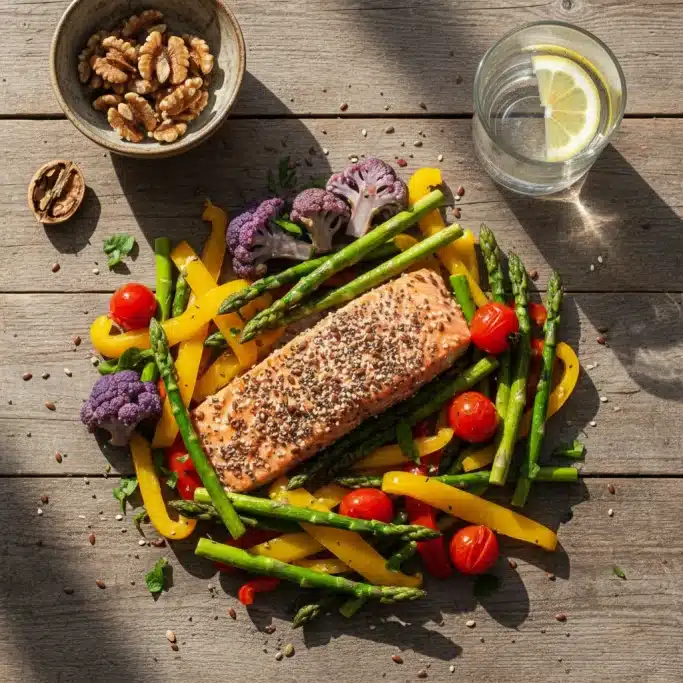
Salmon is a powerhouse of Omega-3s, particularly DHA and EPA, making it an ideal choice for boosting brain health. This simple yet elegant dish combines the richness of salmon with the fiber and protein of quinoa and the nutrient density of asparagus, creating a perfectly balanced meal.
Ingredients:
- 2 (6-ounce) salmon fillets, skin on or off
- 1 tablespoon olive oil
- Salt and freshly ground black pepper to taste
- 1 bunch asparagus, tough ends trimmed
- 1 cup quinoa, rinsed
- 2 cups vegetable broth or water
- 1/4 cup chopped fresh parsley (for garnish)
- Lemon wedges for serving
Instructions:
- Prepare the Quinoa: In a medium saucepan, combine the rinsed quinoa and vegetable broth (or water). Bring to a boil, then reduce heat to low, cover, and simmer for 15 minutes, or until all liquid is absorbed and quinoa is fluffy. Fluff with a fork and set aside.
- Prepare the Asparagus: While the quinoa cooks, heat 1/2 tablespoon of olive oil in a large skillet over medium-high heat. Add the trimmed asparagus, season with salt and pepper, and sauté for 5-7 minutes, or until tender-crisp. Remove from skillet and set aside.
- Sear the Salmon: Pat the salmon fillets dry with a paper towel. Season generously with salt and pepper. Heat the remaining 1/2 tablespoon of olive oil in the same skillet over medium-high heat.
- Cook Salmon: Place salmon fillets skin-side down (if applicable) in the hot skillet. Cook for 4-6 minutes per side, depending on thickness, until the salmon is cooked through and flakes easily with a fork. Adjust cooking time for your desired doneness.
- Assemble and Serve: Divide the cooked quinoa, asparagus, and seared salmon among two plates. Garnish with fresh parsley and serve with lemon wedges.
This dish is not only rich in Omega-3 fatty acids but also provides a good source of protein, fiber, and various vitamins and minerals, all contributing to overall well-being and sustained energy for cognitive tasks. It’s a perfect weeknight dinner for busy US adults looking to prioritize their brain health without sacrificing flavor or convenience.
Recipe 2: Mediterranean Tuna and White Bean Salad
Canned tuna, especially light tuna packed in water or olive oil, is an affordable and convenient source of Omega-3s. Combined with fiber-rich white beans and an array of fresh vegetables, this salad is a refreshing and brain-boosting lunch or light dinner option.
Ingredients:
- 2 (5-ounce) cans light tuna in water, drained
- 1 (15-ounce) can cannellini beans, rinsed and drained
- 1/2 cup chopped red onion
- 1/2 cup chopped cucumber
- 1/2 cup cherry tomatoes, halved
- 1/4 cup pitted Kalamata olives, halved
- 2 tablespoons fresh parsley, chopped
- For the Dressing:
- 3 tablespoons extra virgin olive oil
- 2 tablespoons fresh lemon juice
- 1 teaspoon Dijon mustard
- 1 clove garlic, minced
- Salt and freshly ground black pepper to taste
Instructions:
- Prepare the Salad Base: In a large bowl, gently flake the drained tuna with a fork. Add the rinsed and drained cannellini beans, red onion, cucumber, cherry tomatoes, and Kalamata olives.
- Make the Dressing: In a small bowl, whisk together the extra virgin olive oil, lemon juice, Dijon mustard, minced garlic, salt, and pepper until well combined.
- Combine and Serve: Pour the dressing over the tuna and vegetable mixture. Add the chopped fresh parsley. Toss gently to combine all ingredients, ensuring everything is evenly coated.
- Chill (Optional): For best flavor, cover and refrigerate the salad for at least 30 minutes before serving, allowing the flavors to meld.
This Mediterranean Tuna and White Bean Salad is not only packed with Omega-3s from the tuna but also provides a significant amount of fiber from the beans and fresh vegetables, promoting gut health, which is increasingly linked to brain health. It’s a fantastic option for a quick, nutritious, and brain-friendly meal for busy US adults.
Recipe 3: Walnut-Crusted Cod with Roasted Broccoli
Cod is a lean white fish that, while not as high in Omega-3s as salmon, still contributes to your daily intake, especially when paired with Omega-3 rich walnuts. This recipe offers a delightful crunch and a unique flavor profile.
Ingredients:
- 2 (6-ounce) cod fillets
- 1/2 cup finely chopped walnuts
- 1/4 cup whole wheat breadcrumbs (optional, for extra crispiness)
- 1 tablespoon fresh parsley, chopped
- 1 tablespoon Dijon mustard
- 1 tablespoon olive oil (divided)
- Salt and freshly ground black pepper to taste
- 1 head broccoli, cut into florets
- 1 clove garlic, minced
- Lemon wedges for serving
Instructions:
- Preheat Oven and Prepare Broccoli: Preheat your oven to 400°F (200°C). On a large baking sheet, toss the broccoli florets with 1/2 tablespoon of olive oil, minced garlic, salt, and pepper. Spread in a single layer.
- Prepare Walnut Crust: In a small bowl, combine the finely chopped walnuts, breadcrumbs (if using), and chopped parsley.
- Prepare Cod: Pat the cod fillets dry. Spread a thin layer of Dijon mustard evenly over the top of each fillet. Press the walnut mixture onto the mustard-coated side of each cod fillet, ensuring it adheres well.
- Bake: Place the crusted cod fillets on the same baking sheet with the broccoli. Drizzle the remaining 1/2 tablespoon of olive oil over the cod.
- Cook: Bake for 12-15 minutes, or until the cod is opaque and flakes easily and the broccoli is tender-crisp with slightly browned edges.
- Serve: Serve immediately with lemon wedges.
Walnuts are an excellent plant-based source of alpha-linolenic acid (ALA), a precursor to EPA and DHA. While the conversion rate in the body is modest, incorporating ALA-rich foods is still beneficial for overall Omega-3 intake. This recipe provides a delicious way to enjoy both marine and plant-based Omega-3s, supporting diverse pathways for brain health.
Recipe 4: Chia Seed and Berry Overnight Oats
For a brain-boosting start to your day, look no further than overnight oats featuring chia seeds. Chia seeds are a fantastic source of ALA Omega-3s, fiber, and protein, making them a perfect addition to a cognitive-enhancing diet. This recipe is incredibly convenient for busy mornings, a common challenge for many US adults.
Ingredients:
- 1/4 cup chia seeds
- 1/2 cup rolled oats (gluten-free if preferred)
- 1 cup unsweetened almond milk (or milk of choice)
- 1/2 teaspoon vanilla extract
- 1 tablespoon maple syrup or honey (optional, for sweetness)
- 1/2 cup mixed berries (fresh or frozen)
- 1 tablespoon chopped walnuts or almonds (for topping)
Instructions:
- Combine Ingredients: In a jar or container with a lid, combine the chia seeds, rolled oats, almond milk, vanilla extract, and maple syrup (if using). Stir well to ensure there are no clumps and the chia seeds are fully submerged.
- Refrigerate Overnight: Cover the jar and refrigerate overnight, or for at least 4 hours, until the mixture has thickened to a pudding-like consistency.
- Add Toppings: In the morning, give the oats a good stir. If it’s too thick, add a splash more almond milk. Top with mixed berries and chopped walnuts or almonds before serving.
This breakfast option is a powerhouse for brain health, providing sustained energy, essential Omega-3s, and antioxidants from the berries. It’s a simple, make-ahead meal that removes the stress from morning meal preparation, allowing US adults to kickstart their day with optimal nutrition for their brains.

Recipe 5: Edamame and Avocado Power Bowl with Hemp Seeds
This vibrant power bowl is a plant-based delight, brimming with Omega-3s and an array of other brain-supporting nutrients. Edamame, avocado, and hemp seeds are all excellent sources of healthy fats and contribute to a feeling of satiety and sustained cognitive function.
Ingredients:
- 1 cup cooked edamame (shelled)
- 1/2 ripe avocado, diced
- 1 cup cooked brown rice or quinoa (cooled)
- 1 cup mixed greens (spinach, kale, or spring mix)
- 1/4 cup cherry tomatoes, halved
- 2 tablespoons hemp seeds
- For the Lemon-Tahini Dressing:
- 2 tablespoons tahini
- 2 tablespoons fresh lemon juice
- 1 tablespoon warm water (or more, to reach desired consistency)
- 1/2 clove garlic, minced
- Salt and freshly ground black pepper to taste
Instructions:
- Prepare the Dressing: In a small bowl, whisk together the tahini, lemon juice, warm water, minced garlic, salt, and pepper until smooth and creamy. Add more water if needed to reach your desired consistency.
- Assemble the Bowl: In a large bowl, arrange the mixed greens as a base. Top with cooked brown rice or quinoa, cooked edamame, diced avocado, and halved cherry tomatoes.
- Drizzle and Garnish: Drizzle the lemon-tahini dressing generously over the bowl. Sprinkle with hemp seeds.
- Serve: Enjoy immediately as a satisfying and nutrient-dense meal.
Hemp seeds are a fantastic source of ALA Omega-3s, along with protein and fiber. Avocado provides monounsaturated fats that are also beneficial for brain health, while edamame adds plant-based protein and additional nutrients. This power bowl is a testament to how diverse and delicious brain-healthy eating can be, offering a comprehensive nutritional profile for US adults aiming for optimal cognitive function.
Integrating Omega-3 Rich Foods into Your Daily Life for Sustained Brain Health
Beyond these specific recipes, the key to sustained brain health lies in consistently integrating Omega-3 rich foods into your daily diet. For US adults, this means making conscious choices and developing habits that prioritize these essential nutrients. Here are some additional tips:
Diversify Your Omega-3 Sources:
- Fatty Fish: Aim for at least two servings per week of fatty fish like salmon, mackerel, sardines, and trout. These are excellent sources of EPA and DHA.
- Plant-Based Sources: Incorporate flaxseeds, chia seeds, hemp seeds, and walnuts into your diet daily. Add them to smoothies, oatmeal, salads, or use them in baking.
- Fortified Foods: Look for foods fortified with Omega-3s, such as certain eggs, milk, and yogurts, though natural sources are always preferred.
Mindful Cooking and Preparation:
- Gentle Cooking: When cooking with Omega-3 rich oils like flaxseed oil, avoid high heat, as it can degrade the delicate fatty acids. Use them in dressings or add them after cooking.
- Healthy Fats: Pair Omega-3 rich foods with other healthy fats like extra virgin olive oil and avocados, which also support brain health.
Supplementation (When Necessary):
- While a whole-food approach is ideal, some US adults may benefit from Omega-3 supplements, especially if dietary intake is consistently low. Consult with a healthcare professional to determine if supplementation is right for you and to choose a high-quality supplement.
Holistic Approach to Brain Health:
- Regular Exercise: Physical activity increases blood flow to the brain and promotes the growth of new brain cells.
- Adequate Sleep: Sleep is crucial for memory consolidation and cognitive repair. Aim for 7-9 hours of quality sleep per night.
- Stress Management: Chronic stress can negatively impact brain function. Practice mindfulness, meditation, or other stress-reducing techniques.
- Mental Stimulation: Keep your brain active by learning new skills, reading, solving puzzles, and engaging in intellectually stimulating activities.
By combining these Omega-3 rich recipes with a holistic approach to wellness, US adults can significantly enhance their cognitive function and protect their brains for years to come. The goal of boosting brain health by 2026 is an achievable one, rooted in intentional dietary choices and a commitment to overall well-being. These recipes are your delicious first step towards a sharper, healthier mind.
The Future of Cognitive Health: A Call to Action for US Adults
The journey to optimal brain health is not a sprint but a marathon, requiring consistent effort and informed choices. For US adults, understanding the profound impact of nutrition, particularly Omega-3 fatty acids, is a game-changer. The five recipes presented here are more than just culinary delights; they are practical tools to empower you to take control of your cognitive destiny. Imagine a future where memory lapses are less frequent, focus is sharper, and mood is consistently balanced – this future is within reach through the power of your plate.
We encourage you to experiment with these recipes, adapt them to your taste preferences, and most importantly, make them a regular part of your dietary repertoire. Share them with family and friends, fostering a community that prioritizes brain health. Education and implementation go hand-in-hand. The more aware we become of the nutritional needs of our brains, the better equipped we are to meet those needs and thrive.
Remember, small, consistent changes can lead to significant long-term benefits. By making these Omega-3 rich foods a staple in your diet, you are not just nourishing your body; you are actively nurturing your brain, setting the stage for enhanced cognitive performance and a vibrant mental life well into the future. Let’s work together to make 2026 the year US adults collectively experience a profound boost in their brain health, driven by the delicious and undeniable power of Omega-3s.