January Seasonal Produce: 6 Farm-to-Table Main Dishes
Anúncios
As the festive holiday season fades and the crisp chill of January settles in, our thoughts often turn to fresh starts and healthier eating. What better way to embrace this than by focusing on the incredible bounty of January seasonal produce? Eating seasonally not only means enjoying fruits and vegetables at their peak flavor and nutritional value but also supports local farmers and reduces your carbon footprint. This month, we’re diving deep into the world of winter’s finest, bringing you six delightful farm-to-table main dishes that highlight the freshest ingredients available in January 2026. Prepare to transform your winter kitchen into a vibrant hub of culinary creativity!
The Abundance of January Seasonal Produce: A Culinary Exploration
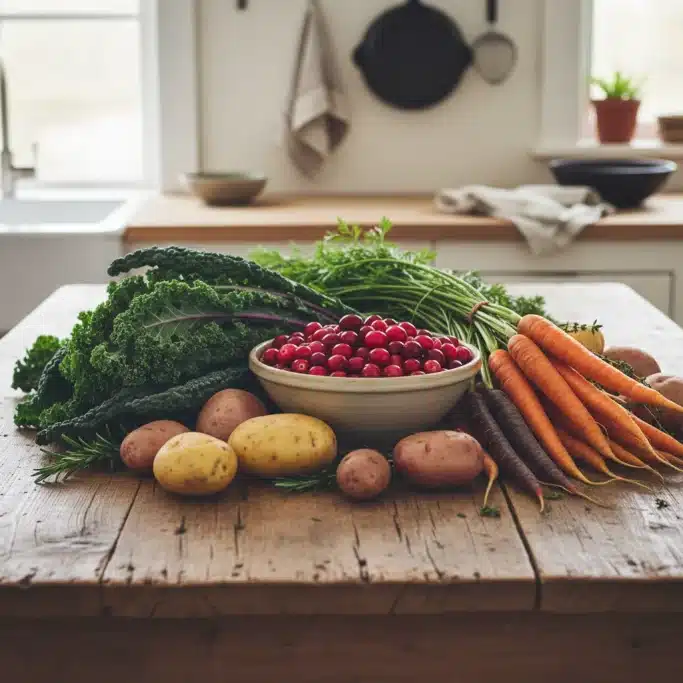
Many people associate winter with a scarcity of fresh produce, but nothing could be further from the truth. January offers a robust selection of hearty vegetables and surprising fruits that are perfect for comforting and nutritious meals. From earthy root vegetables to robust leafy greens and bright citrus, the options are plentiful. Understanding what’s in season allows you to shop smarter, cook more deliciously, and truly appreciate the cycles of nature.
Anúncios
Why is focusing on January seasonal produce so important? Beyond the superior taste and nutritional content, seasonal eating often means more affordable prices, as transportation costs are reduced. It also encourages a connection to your local food system, fostering community and sustainability. Let’s explore some of the stars of January’s harvest:
- Root Vegetables: Carrots, parsnips, turnips, beets, potatoes, sweet potatoes, and rutabagas are at their peak. They are incredibly versatile, perfect for roasting, mashing, stewing, or adding to soups.
- Leafy Greens: Kale, collard greens, Swiss chard, and spinach thrive in cooler temperatures. These nutrient powerhouses can be sautéed, added to stir-fries, or form the base of hearty salads.
- Brassicas: Brussels sprouts, cabbage, cauliflower, and broccoli are robust and flavorful. Roasting brings out their natural sweetness, while steaming preserves their crisp texture.
- Citrus Fruits: Oranges, grapefruits, mandarins, lemons, and limes provide a much-needed burst of vitamin C and bright flavor during the darker months. They’re excellent in desserts, dressings, and marinades.
- Other Winter Staples: Leeks, onions, garlic, and mushrooms are also readily available and form the aromatic backbone of many winter dishes.
Embracing this variety means your January meals will be anything but boring. Let’s get cooking!
Anúncios
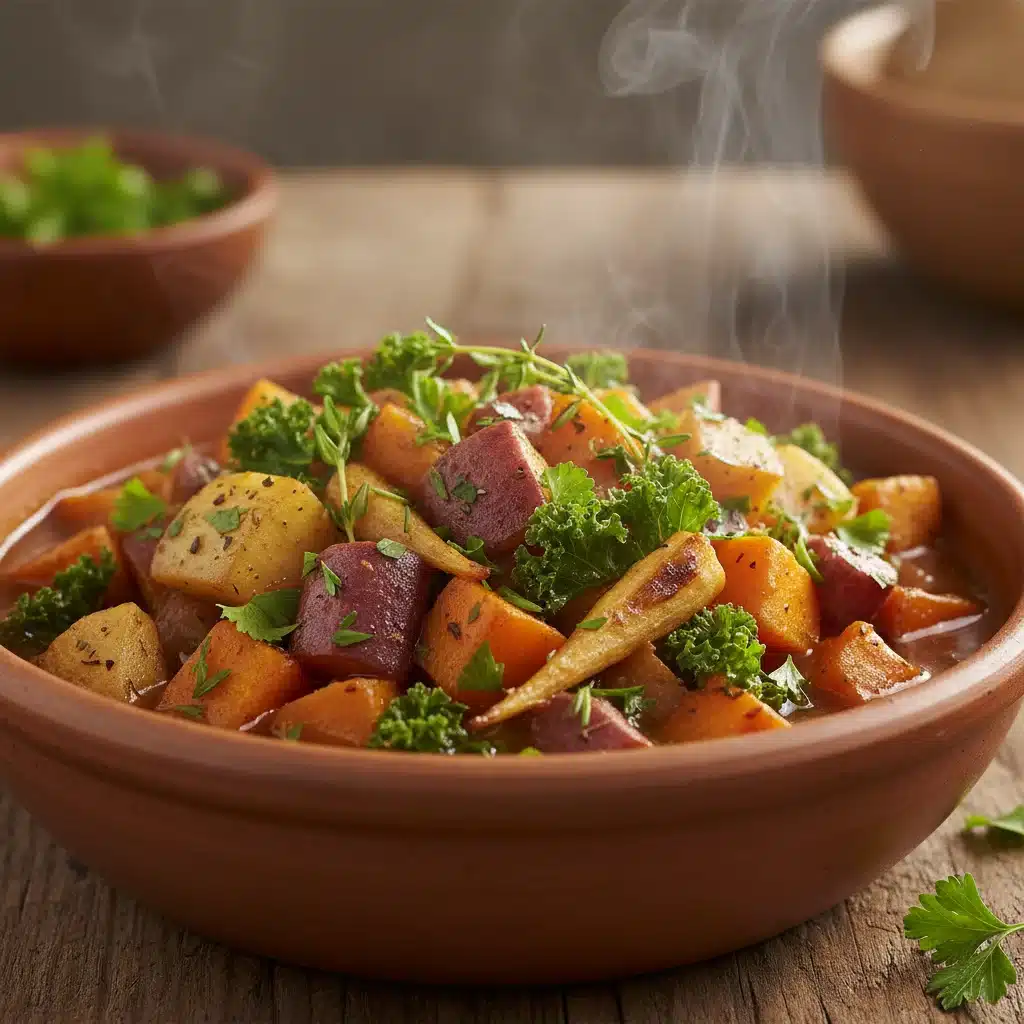
Dish 1: Hearty Roasted Root Vegetable & Lentil Stew
Our first main dish celebrates the comforting and deeply satisfying flavors of roasted root vegetables, a true staple of January seasonal produce. This stew is robust, full of fiber, and incredibly warming on a cold winter’s day. The roasting process caramelizes the vegetables, bringing out their natural sweetness and adding a depth of flavor that can’t be achieved by boiling alone.
Ingredients:
- 2 cups mixed root vegetables (carrots, parsnips, potatoes, sweet potatoes, rutabaga), peeled and chopped into 1-inch pieces
- 1 cup green or brown lentils, rinsed
- 1 large onion, chopped
- 3 cloves garlic, minced
- 4 cups vegetable broth
- 1 (14.5 ounce) can diced tomatoes, undrained
- 1/2 cup dry red wine (optional, but adds depth)
- 2 tablespoons olive oil
- 1 teaspoon dried thyme
- 1/2 teaspoon dried rosemary
- Salt and freshly ground black pepper to taste
- Fresh parsley, chopped, for garnish
Instructions:
- Preheat oven to 400°F (200°C). Toss the chopped root vegetables with 1 tablespoon of olive oil, salt, and pepper on a baking sheet. Roast for 25-30 minutes, or until tender and lightly caramelized.
- While vegetables roast, heat the remaining 1 tablespoon of olive oil in a large pot or Dutch oven over medium heat. Add the chopped onion and cook until softened, about 5-7 minutes. Add the minced garlic, thyme, and rosemary, and cook for another minute until fragrant.
- Stir in the rinsed lentils, vegetable broth, diced tomatoes, and red wine (if using). Bring to a simmer, then reduce heat, cover, and cook for 20-25 minutes, or until lentils are tender.
- Once the roasted vegetables are done, add them to the stew. Stir gently to combine. Season with additional salt and pepper to taste.
- Ladle into bowls and garnish with fresh chopped parsley. Serve hot with crusty bread.
This stew is not only delicious but also incredibly adaptable. Feel free to add other January seasonal produce like chopped kale or spinach in the last few minutes of cooking for an extra boost of greens.
Dish 2: Pan-Seared Salmon with Braised Leeks and Brussels Sprouts
For a lighter yet equally satisfying option, pan-seared salmon paired with braised leeks and Brussels sprouts showcases the delicate flavors of winter greens and the richness of omega-3 rich fish. Leeks and Brussels sprouts are prime January seasonal produce, offering unique textures and flavors when cooked properly.
Ingredients:
- 4 (6-ounce) salmon fillets, skin on or off
- 2 large leeks, white and light green parts only, sliced into 1/2-inch rounds
- 1 pound Brussels sprouts, trimmed and halved
- 2 tablespoons olive oil, divided
- 1/4 cup vegetable or chicken broth
- 1 tablespoon butter
- 1 tablespoon fresh lemon juice
- Salt and freshly ground black pepper to taste
Instructions:
- Season salmon fillets generously with salt and pepper.
- Heat 1 tablespoon of olive oil in a large oven-safe skillet over medium-high heat. Place salmon fillets skin-side down (if applicable) and sear for 4-5 minutes until the skin is crispy. Flip and sear for another 2-3 minutes. If fillets are thick, transfer the skillet to a preheated oven at 375°F (190°C) for an additional 5-8 minutes, or until cooked to your desired doneness.
- While salmon cooks, heat the remaining 1 tablespoon of olive oil and butter in a separate large skillet over medium heat. Add the sliced leeks and cook, stirring occasionally, until softened, about 5-7 minutes.
- Add the halved Brussels sprouts to the skillet with the leeks. Cook for 3-4 minutes, stirring, until they start to brown slightly.
- Pour in the vegetable broth, cover, and reduce heat to low. Simmer for 8-10 minutes, or until Brussels sprouts are tender-crisp. Remove lid, increase heat slightly, and cook off any remaining liquid if desired. Stir in lemon juice, salt, and pepper.
- Serve the pan-seared salmon over the braised leeks and Brussels sprouts.
The sweetness of the braised leeks perfectly complements the slight bitterness of the Brussels sprouts, creating a harmonious side for the flaky salmon. This dish is an excellent example of how simple preparations can highlight the natural goodness of January seasonal produce.
Dish 3: Citrus-Glazed Chicken with Roasted Fennel and Carrots
Brighten up your January table with a dish that combines the succulence of chicken with the zesty freshness of citrus, another star of January seasonal produce. Roasted fennel and carrots add a sweet, aromatic, and earthy balance to this vibrant meal.
Ingredients:
- 4 boneless, skinless chicken thighs or breasts
- 2 medium fennel bulbs, trimmed and sliced into 1/2-inch wedges
- 1 pound carrots, peeled and cut into 1-inch pieces
- 1 large orange, zest and juice
- 1 tablespoon honey or maple syrup
- 2 tablespoons olive oil, divided
- 1 teaspoon dried thyme
- Salt and freshly ground black pepper to taste
- Fresh parsley or dill for garnish (optional)
Instructions:
- Preheat oven to 400°F (200°C).
- In a small bowl, whisk together orange zest, orange juice, honey (or maple syrup), 1 tablespoon olive oil, dried thyme, salt, and pepper. This will be your citrus glaze.
- On a large baking sheet, toss the fennel wedges and carrot pieces with the remaining 1 tablespoon of olive oil, salt, and pepper. Spread them in a single layer.
- Place the chicken thighs/breasts among the vegetables on the baking sheet. Drizzle half of the citrus glaze over the chicken and vegetables.
- Roast for 20 minutes. Flip the chicken and vegetables, then drizzle the remaining glaze over everything. Continue roasting for another 15-20 minutes, or until chicken is cooked through (internal temperature of 165°F/74°C) and vegetables are tender and slightly caramelized.
- Remove from oven, let rest for a few minutes, then serve, garnished with fresh parsley or dill if desired.
The bright citrus notes cut through the richness of the chicken and the earthiness of the roasted vegetables, creating a perfectly balanced and incredibly flavorful meal that truly celebrates January seasonal produce.
Dish 4: Creamy Polenta with Sautéed Kale and Wild Mushrooms
This vegetarian delight offers incredible comfort and flavor, showcasing two of January’s best: kale and mushrooms. Creamy polenta provides a luxurious base, while the sautéed greens and umami-rich mushrooms create a satisfying and nutritious main course. Kale, a powerhouse of nutrition, is readily available as January seasonal produce.
Ingredients:
- 1 cup quick-cooking polenta
- 4 cups vegetable broth or water
- 1/4 cup grated Parmesan cheese (or nutritional yeast for vegan option)
- 2 tablespoons butter (or olive oil for vegan option)
- 1 bunch kale, tough stems removed, chopped
- 8 ounces mixed wild mushrooms (cremini, shiitake, oyster), sliced
- 1 shallot, minced
- 2 cloves garlic, minced
- 2 tablespoons olive oil
- 1 tablespoon balsamic vinegar
- Salt and freshly ground black pepper to taste
- Red pepper flakes (optional, for a kick)
Instructions:
- Bring vegetable broth or water to a boil in a medium saucepan. Slowly whisk in the polenta, reducing heat to low. Cook, stirring frequently, for 5-7 minutes, or until thick and creamy. Stir in Parmesan cheese (or nutritional yeast), butter (or olive oil), salt, and pepper. Keep warm, covered.
- While polenta cooks, heat olive oil in a large skillet over medium-high heat. Add the sliced mushrooms and cook without stirring for 3-4 minutes to allow them to brown. Stir and cook for another 3-5 minutes until tender and golden.
- Add the minced shallot and garlic to the skillet with the mushrooms. Cook for 2 minutes until fragrant.
- Add the chopped kale to the skillet. Cook, stirring frequently, until wilted and tender, about 5-7 minutes.
- Stir in the balsamic vinegar, salt, pepper, and red pepper flakes (if using). Cook for 1 minute more.
- Spoon the creamy polenta into bowls and top generously with the sautéed kale and wild mushrooms.
This dish is a testament to how simple, fresh ingredients from the January seasonal produce list can create a gourmet-level meal. The earthiness of the mushrooms and the slight bitterness of the kale are beautifully balanced by the creamy polenta.
Dish 5: Pork Loin with Apple-Cranberry Chutney and Roasted Cabbage
Pork loin is a fantastic canvas for robust winter flavors. Paired with a sweet and tart apple-cranberry chutney and tender roasted cabbage, this dish is both elegant and comforting. Apples and cranberries, while often thought of for autumn, are still excellent choices for January seasonal produce, especially storage apples and frozen cranberries from the fall harvest, which maintain their nutritional value and flavor.
Ingredients:
- 1.5-2 pound boneless pork loin
- 1/2 head green cabbage, cored and cut into 1-inch wedges
- 2 tablespoons olive oil, divided
- 1 teaspoon dried sage
- Salt and freshly ground black pepper to taste
For the Apple-Cranberry Chutney:
- 1 large apple (such as Honeycrisp or Granny Smith), peeled, cored, and diced
- 1 cup fresh or frozen cranberries
- 1/4 cup apple cider vinegar
- 1/4 cup brown sugar
- 1/4 cup water
- 1/2 teaspoon ground ginger
- Pinch of ground cloves
Instructions:
- Preheat oven to 400°F (200°C).
- Season the pork loin all over with salt, pepper, and dried sage. Heat 1 tablespoon of olive oil in an oven-safe skillet over medium-high heat. Sear the pork loin on all sides until golden brown, about 2-3 minutes per side.
- Remove pork from skillet and set aside. Add the remaining 1 tablespoon of olive oil to the skillet (if needed). Arrange the cabbage wedges in the skillet.
- Place the pork loin back into the skillet, nestled among the cabbage. Transfer the skillet to the preheated oven.
- Roast for 25-35 minutes, or until the internal temperature of the pork reaches 145°F (63°C) and the cabbage is tender and slightly caramelized. Let the pork rest for 10 minutes before slicing.
- While the pork roasts, prepare the chutney: In a small saucepan, combine diced apple, cranberries, apple cider vinegar, brown sugar, water, ground ginger, and ground cloves. Bring to a simmer over medium heat, then reduce heat to low and cook for 15-20 minutes, stirring occasionally, until the apples are tender and the chutney has thickened.
- Slice the rested pork loin and serve with roasted cabbage and a generous spoonful of the apple-cranberry chutney.
This dish offers a beautiful balance of savory, sweet, and tart, making it a perfect centerpiece for a winter gathering. The roasted cabbage, a humble but delicious piece of January seasonal produce, soaks up all the flavors beautifully.
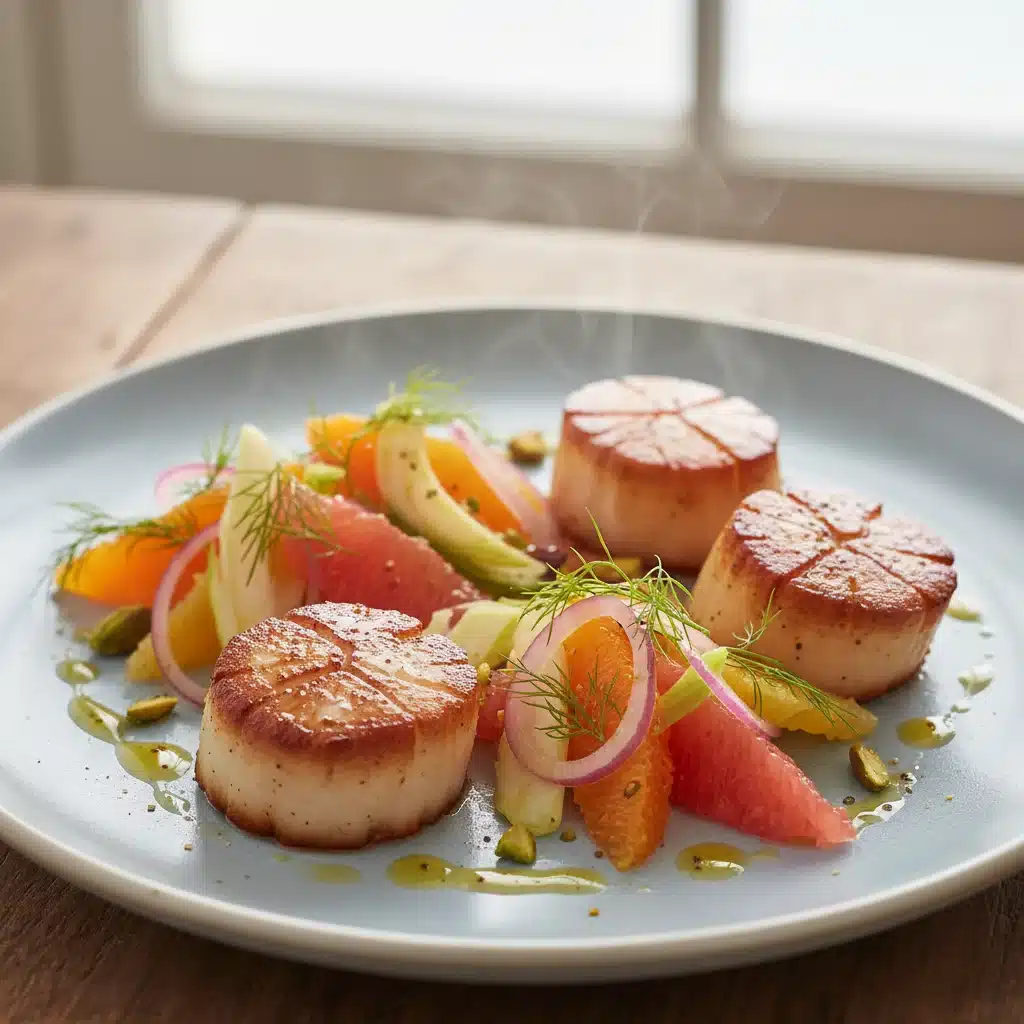
Dish 6: Winter Citrus and Arugula Salad with Grilled Halloumi and Pomegranate
Sometimes, a fresh, vibrant salad can be just what you need, even in winter. This main dish salad is bursting with color and flavor, featuring bright winter citrus and peppery arugula, both excellent examples of January seasonal produce. Grilled halloumi cheese adds a satisfying, salty bite, and pomegranate seeds provide a jewel-like crunch.
Ingredients:
- 1 (8-ounce) block halloumi cheese, sliced into 1/2-inch thick pieces
- 5 ounces arugula
- 2-3 winter citrus fruits (e.g., navel oranges, blood oranges, grapefruit), peeled and segmented
- 1/2 cup pomegranate seeds
- 1/4 cup thinly sliced red onion
- 1/4 cup toasted walnuts or pecans, chopped
For the Dressing:
- 3 tablespoons extra virgin olive oil
- 1 tablespoon fresh lemon juice
- 1 tablespoon white wine vinegar or apple cider vinegar
- 1 teaspoon Dijon mustard
- 1 teaspoon honey or maple syrup
- Salt and freshly ground black pepper to taste
Instructions:
- Prepare the dressing: In a small bowl, whisk together olive oil, lemon juice, vinegar, Dijon mustard, honey (or maple syrup), salt, and pepper until emulsified. Set aside.
- Heat a grill pan or cast-iron skillet over medium-high heat. Lightly brush the halloumi slices with a little olive oil (optional). Grill for 2-3 minutes per side, until golden brown with nice grill marks.
- In a large bowl, combine the arugula, citrus segments, pomegranate seeds, and red onion.
- Drizzle about half of the dressing over the salad ingredients and toss gently to coat.
- Divide the salad among plates. Top with the warm grilled halloumi slices and sprinkle with toasted walnuts or pecans. Serve immediately with extra dressing on the side.
This salad is a celebration of fresh, vibrant flavors and textures. The combination of sweet citrus, peppery arugula, salty halloumi, and crunchy pomegranate creates a truly memorable meal that highlights the best of January seasonal produce.
Maximizing Your January Seasonal Produce Experience
Beyond these delicious recipes, here are some tips to help you make the most of January seasonal produce:
- Visit Farmers’ Markets: Even in winter, many farmers’ markets operate indoors or offer winter shares (CSAs). This is the best way to find the freshest local produce and connect with the people who grow your food.
- Experiment with Roasting: Roasting is a fantastic cooking method for most winter vegetables. It brings out their natural sweetness and creates a wonderful depth of flavor. Don’t be afraid to mix and match different root vegetables on a single pan.
- Embrace Soups and Stews: Winter produce shines in long-simmered dishes. Soups and stews are not only comforting but also a great way to use up a variety of vegetables.
- Don’t Forget About Citrus: January is prime citrus season! Use oranges, grapefruits, and mandarins in salads, desserts, dressings, and even savory marinades to add a bright, zesty kick.
- Preserve When Possible: If you find an abundance of a particular vegetable, consider blanching and freezing it for later use. Root vegetables can also be stored in a cool, dark place for extended periods.
- Incorporate Leafy Greens: Kale, collards, and Swiss chard are incredibly versatile. Sauté them as a side dish, add them to omelets, or blend them into smoothies for a nutritional boost.
- Batch Cooking: Many of these dishes, especially the stews and roasted vegetables, are excellent for meal prepping. Cook a large batch on the weekend and enjoy healthy, flavorful meals throughout the week.
By consciously choosing January seasonal produce, you’re not just cooking a meal; you’re participating in a sustainable food system, supporting local economies, and most importantly, treating your taste buds to the freshest, most flavorful ingredients nature has to offer. The vibrant colors and robust flavors of winter’s bounty are a delicious reminder that even in the coldest months, there’s a wealth of culinary inspiration to be found.
Conclusion: Savoring the Flavors of Winter
January doesn’t have to be a month of culinary hibernation. With an array of fantastic January seasonal produce at our fingertips, it’s an opportune time to explore hearty, healthy, and incredibly flavorful dishes. From the comforting depths of a root vegetable stew to the bright zest of a citrus salad, these six farm-to-table main dishes offer a delicious roadmap for eating well this winter.
Embrace the freshness, support your local growers, and let the natural goodness of seasonal ingredients inspire your cooking. We encourage you to try these recipes, adapt them to your preferences, and discover the joy of cooking with what’s truly in season. Happy cooking, and here’s to a delicious and nourishing January!