Farm to Table: Crucial Food Origin Questions for Better Health in 2026
Anúncios
In an increasingly complex and interconnected world, the journey of our food from farm to table has become more intricate than ever before. What we eat directly impacts our health, our environment, and even the livelihoods of countless individuals. As we look ahead to 2026, the imperative to make informed food choices grows stronger. The rise of conscious consumerism and a heightened awareness of global challenges have put the spotlight on food origin. Understanding where our food comes from is no longer a niche concern; it’s a fundamental aspect of holistic well-being and responsible living. This comprehensive guide will empower you to navigate the labyrinth of modern food systems by focusing on three crucial food origin questions. By asking these questions, you can make healthier choices for yourself and contribute to a more sustainable and ethical food landscape.
The concept of ‘farm to table’ has gained significant traction, moving from a culinary trend to a guiding principle for many. But what does it truly mean to embrace this philosophy in your daily life? It means going beyond the glossy packaging and marketing claims to uncover the real story behind your food. It involves a deeper interrogation of supply chains, agricultural practices, and the ethical considerations that often remain hidden from the average consumer. In 2026, with advanced traceability technologies and a greater demand for transparency, consumers have more power than ever to demand answers. Let’s delve into the crucial food origin questions that will transform your approach to eating.
Anúncios
Question 1: Where Exactly Does This Food Come From, Geographically and Agriculturally?
This might seem like a straightforward question, but its implications are vast. Knowing the precise geographical origin of your food offers a window into its journey, its environmental footprint, and even its nutritional profile. Beyond just the country of origin, understanding the specific region or even the farm can provide invaluable insights. Is it grown locally, within a few miles of your home, or has it traveled thousands of miles across continents? The answer to this food origin question directly influences several key factors.
The Impact of Proximity: Local vs. Global Sourcing
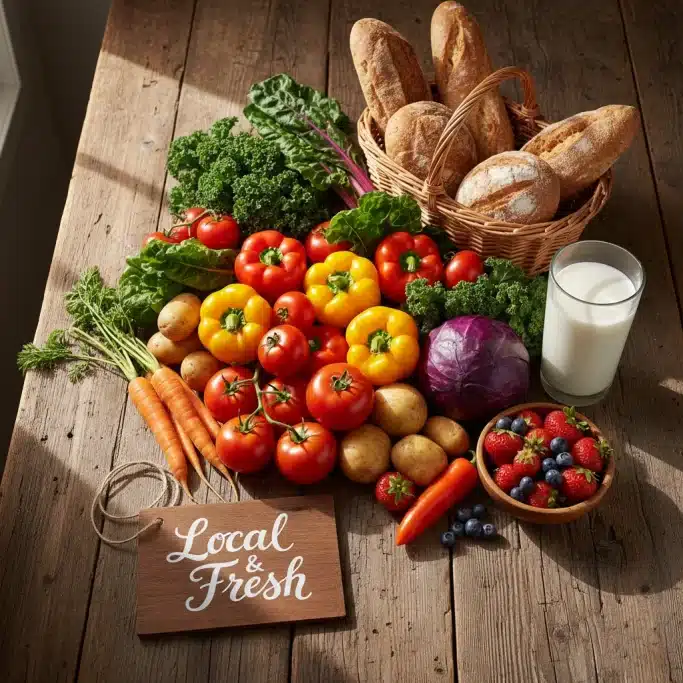
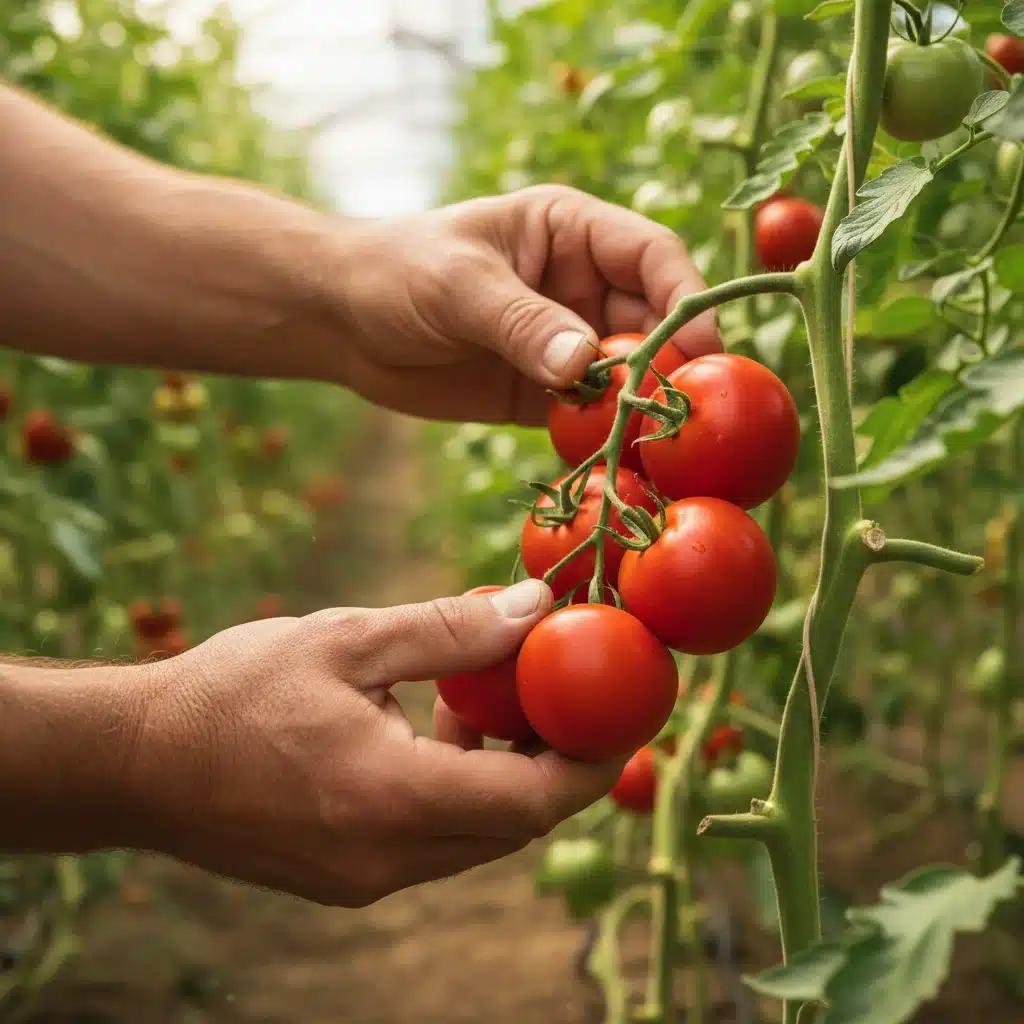
When food is sourced locally, several benefits immediately become apparent. First and foremost, local food often means fresher food. Produce picked at its peak ripeness, rather than prematurely for long-distance transport, retains more nutrients and flavor. This direct link to the farm minimizes storage times and reduces the need for preservatives, waxes, or artificial ripening agents. Think about the difference between a tomato picked from a local farm that morning and one that has traveled for weeks in a refrigerated truck. The taste, texture, and nutritional value are undeniably superior in the local option.
Anúncios
Moreover, supporting local farmers strengthens your community’s economy. Money spent at local farmers’ markets or through community-supported agriculture (CSA) programs circulates within the local economy, fostering job creation and supporting independent businesses. This creates a more resilient food system, less susceptible to global supply chain disruptions. In an era of increasing climate volatility and geopolitical instability, a robust local food infrastructure is a significant asset.
On the other hand, global sourcing, while offering a wider variety of products year-round, comes with its own set of challenges. The carbon footprint associated with transporting food across vast distances is substantial. Fuel consumption, emissions from refrigeration, and packaging all contribute to environmental degradation. Furthermore, long supply chains can obscure the true origin and conditions under which the food was produced. This makes it harder to answer crucial food origin questions about ethical labor practices or environmental standards.
Agricultural Practices: Conventional, Organic, or Regenerative?
Beyond geography, understanding the agricultural methods employed is paramount. This is a critical food origin question that delves into the very heart of how our food is grown or raised. The three main categories are conventional, organic, and regenerative agriculture, each with distinct implications for your health and the planet.
- Conventional Agriculture: This dominant system often relies on synthetic pesticides, herbicides, and fertilizers to maximize yields. While efficient in producing large quantities of food, these practices can have detrimental effects. Pesticide residues can remain on produce, potentially impacting human health. The overuse of synthetic fertilizers can deplete soil health over time, leading to erosion and reduced nutrient density in crops. Animal agriculture in conventional systems often involves confined animal feeding operations (CAFOs), which raise concerns about animal welfare, antibiotic resistance, and waste management.
- Organic Agriculture: Certified organic farming prohibits the use of synthetic pesticides, herbicides, GMOs, and artificial fertilizers. It emphasizes natural processes, biodiversity, and ecological balance. Organic practices often lead to healthier soils, reduced water pollution, and a greater variety of beneficial insects. For consumers, choosing organic reduces exposure to harmful chemicals. However, ‘organic’ labels can sometimes be complex, and it’s worth understanding the specific standards applied in your region.
- Regenerative Agriculture: This is a holistic approach that goes beyond simply sustaining the environment; it actively seeks to regenerate and restore degraded ecosystems. Regenerative practices focus on improving soil health, increasing biodiversity, enhancing water cycles, and capturing carbon from the atmosphere. Techniques include no-till farming, cover cropping, diverse crop rotations, and managed grazing. Food produced through regenerative methods often boasts higher nutrient density and contributes significantly to climate change mitigation. Asking if a farm practices regenerative agriculture is a forward-thinking food origin question.
To answer this food origin question effectively, look for certifications (USDA Organic, Demeter for biodynamic, various local regenerative labels), visit farmers’ markets to speak directly with growers, or research specific farms and brands. Many progressive food companies now provide detailed information about their sourcing and agricultural practices on their websites.
Question 2: What Are the Environmental and Social Impacts of This Food’s Production?
Our food choices have far-reaching consequences that extend beyond our plates. This food origin question compels us to consider the broader ecological and human impact of what we consume. It’s about understanding the true cost of food, not just its price tag.
Environmental Footprint: Water, Land, and Biodiversity
Every food item has an environmental footprint, encompassing its water usage, land requirements, and impact on biodiversity. For instance, certain crops are incredibly water-intensive, and if grown in drought-prone regions, they can exacerbate water scarcity issues. Meat production, particularly beef, is known for its significant land and water demands, as well as its contribution to greenhouse gas emissions.
- Water Usage: Is the food grown in a region where water is abundant, or does its production strain local water resources? Are efficient irrigation methods employed?
- Land Use and Deforestation: Does the production of this food contribute to deforestation (e.g., palm oil, soy for animal feed) or habitat destruction? Are sustainable land management practices in place?
- Biodiversity: Does the farming system promote biodiversity or rely on monocultures that reduce ecological resilience? Are natural habitats protected?
- Pesticide Runoff: Do the farming practices lead to pesticide and fertilizer runoff that pollutes waterways and harms aquatic life?
Addressing these environmental aspects when asking food origin questions helps us identify products that align with ecological stewardship. Look for certifications that address environmental sustainability, such as ‘Rainforest Alliance Certified’ for certain products or ‘Marine Stewardship Council’ (MSC) for seafood.
Social Impact: Labor Practices and Ethical Sourcing
The social dimension of food production is equally vital. Behind every food item are the people who plant, harvest, process, and transport it. This food origin question asks us to consider their well-being and whether they are treated fairly.
- Fair Labor Practices: Are workers paid a living wage? Do they have safe working conditions, reasonable hours, and the right to organize? Unfortunately, many agricultural sectors globally are plagued by exploitation, child labor, and unsafe environments.
- Community Impact: Does the farm or company contribute positively to its local community? Does it support local economies or displace small producers?
- Animal Welfare: For animal products, are the animals raised humanely? Do they have access to outdoors, natural diets, and freedom from cruel practices? Certifications like ‘Certified Humane’ or ‘Global Animal Partnership’ (GAP) ratings can provide guidance.
Investigating these social aspects of food origin questions can be challenging, as supply chains are often opaque. However, certifications like ‘Fair Trade’ offer assurance that producers receive fair prices and workers are treated ethically. Researching company transparency reports and supporting businesses known for their ethical commitments can also make a difference. Engaging directly with farmers at markets allows you to ask about their labor practices firsthand.
Question 3: How Can I Verify This Information and Make Informed Choices?
In an age of marketing hype and greenwashing, simply asking the food origin questions isn’t enough; you need to know how to verify the answers. Empowering yourself with verification tools and strategies is crucial for truly informed decision-making.
Utilizing Certifications and Labels Wisely
Certifications and labels can be powerful allies, but it’s important to understand what each one truly signifies. Not all labels are created equal, and some are more rigorous than others. Familiarize yourself with reputable certifications for different categories of food:
- Organic Certifications: Look for the USDA Organic seal in the United States, the EU Organic logo in Europe, or equivalent national certifications. Understand that ‘organic’ doesn’t necessarily mean ‘local’ or ‘regenerative,’ so it’s one piece of the puzzle.
- Fair Trade: This certification primarily addresses social equity, ensuring fair prices for producers and ethical working conditions. It’s particularly relevant for products like coffee, chocolate, bananas, and tea.
- Animal Welfare: Labels like ‘Certified Humane,’ ‘Animal Welfare Approved,’ or GAP ratings (1-5+) provide information on how animals were raised. Understand the specific standards behind each.
- Sustainable Seafood: The Marine Stewardship Council (MSC) and Aquaculture Stewardship Council (ASC) certify seafood that meets sustainability standards for wild-caught and farmed fish, respectively.
- Non-GMO Project Verified: While not a sustainability certification, it assures products are free from genetically modified organisms.
- Local and Regional Labels: Many regions have their own labels that signify local production or adherence to specific regional standards. Get to know what’s available in your area.
Don’t just assume; always look up what a particular certification entails. This proactive approach ensures you’re truly getting what you pay for when you ask food origin questions.
Direct Engagement: Farmers’ Markets and CSAs
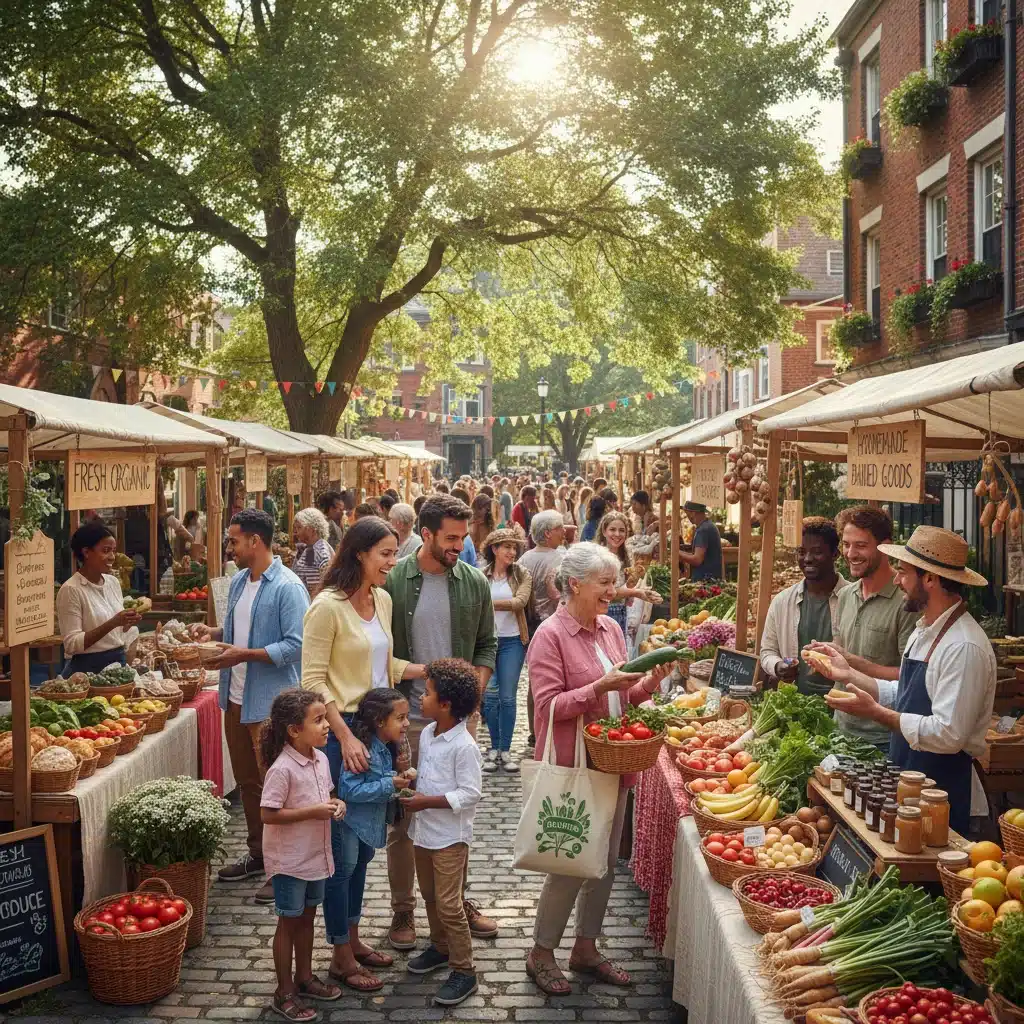
One of the most effective ways to answer your food origin questions is through direct engagement with producers. Farmers’ markets offer a unique opportunity to speak face-to-face with the people who grow your food. You can ask about their farming practices, pest control methods, water usage, and labor policies directly. This personal connection builds trust and provides transparency that packaged goods often lack.
Community Supported Agriculture (CSA) programs take this a step further. By subscribing to a CSA, you become a shareholder in a local farm, receiving a weekly or bi-weekly box of seasonal produce. This model creates a direct relationship between consumer and farmer, fostering a deeper understanding of the agricultural cycle and the challenges and triumphs of food production. Many CSAs also offer farm visits, allowing you to see the practices firsthand.
Leveraging Technology: Traceability and Apps
The year 2026 brings with it exciting advancements in food traceability. Many progressive food companies are now using blockchain technology, QR codes, and advanced data systems to provide unprecedented transparency. By scanning a QR code on a package, you might be able to access a detailed history of that product, including the farm where it was grown, harvest dates, processing locations, and transportation routes. This technology empowers consumers to answer their food origin questions with a few taps on their smartphone.
Furthermore, various apps and online platforms are emerging that help consumers find local producers, sustainable brands, and ethical food options. These tools aggregate information and reviews, making it easier to research and compare products based on your values. Stay updated on these technological innovations to make the most of them.
Building a Relationship with Your Grocer
Even if you primarily shop at supermarkets, you can still advocate for transparency. Ask your grocer about their sourcing policies. Do they prioritize local suppliers? Do they carry products from companies with strong sustainability and ethical commitments? Your demand as a consumer can influence their purchasing decisions and encourage them to provide more information about the food origin questions you care about.
Why These Food Origin Questions Matter for Your Health in 2026
The connection between your food’s origin and your personal health is undeniable and increasingly recognized. By diligently asking these three crucial food origin questions, you’re not just being a responsible consumer; you’re actively investing in your own well-being for 2026 and beyond.
Nutritional Superiority
Food that is locally sourced and grown with sustainable or regenerative practices often boasts higher nutritional value. Soil health directly impacts the nutrient density of crops. Regeneratively farmed soils, rich in organic matter and microbial life, produce plants with more vitamins, minerals, and phytonutrients. Freshly harvested produce retains more of its delicate vitamins that can degrade during long transport and storage. By prioritizing food with a transparent and positive origin, you’re more likely to consume nutrient-dense foods that fuel your body optimally.
Reduced Exposure to Harmful Chemicals
Understanding agricultural practices helps you minimize your exposure to synthetic pesticides, herbicides, and genetically modified organisms (GMOs). While regulatory bodies deem certain levels of these chemicals safe, many consumers prefer to reduce their intake. Choosing organic or regeneratively grown food, and asking about specific pest management strategies, directly addresses this concern. This proactive approach can reduce the burden on your body’s detoxification systems and potentially lower risks associated with long-term chemical exposure.
Support for a Healthier Planet, Healthier You
Environmental health is inextricably linked to human health. When you choose food that is produced with minimal environmental impact – through reduced water usage, sustainable land management, and lower carbon emissions – you contribute to a healthier planet. A healthier planet means cleaner air, purer water, and more resilient ecosystems, all of which are fundamental to human well-being. By asking food origin questions about environmental impact, you become an agent of positive change, fostering a world where both people and nature can thrive.
Ethical Peace of Mind and Mental Well-being
Knowing that your food was produced ethically, without exploitation of labor or cruel animal practices, contributes to a sense of peace and alignment with your values. For many, the moral dimension of food choices is as important as the nutritional one. Consuming food that you know was grown and handled with respect for both people and animals can enhance your overall mental and emotional well-being. This often overlooked aspect of health is a significant benefit of asking thorough food origin questions.
Conclusion: Your Power as a Conscious Consumer in 2026
As we move further into 2026, the landscape of food production and consumption continues to evolve. The power to shape this future lies in your hands, through the choices you make every day. By consistently asking the three crucial food origin questions – where exactly does this food come from, what are its environmental and social impacts, and how can I verify this information – you transform from a passive consumer into an active participant in a healthier, more sustainable, and ethical food system.
Embrace the journey of discovery that comes with understanding your food. Visit farmers’ markets, engage with local producers, research certifications, and leverage new technologies. Each informed choice you make sends a signal to the food industry, encouraging greater transparency, sustainability, and ethical practices. Your health, your community, and the planet will thank you for it. Make 2026 the year you truly connect with your food, from farm to table, and reap the profound benefits of conscious consumption.