Combatting Food Waste: 8 Creative Recipes to Extend Produce Life by 3-5 Days in Your US Kitchen
In the United States, an alarming amount of food goes to waste every single day. Shockingly, studies show that households contribute significantly to this issue, with fruits and vegetables being among the most frequently discarded items. We buy them with the best intentions, but often, they sit in our refrigerators, slowly wilting until they’re deemed unusable. Not only does this impact our wallets, but it also has a substantial environmental footprint, contributing to greenhouse gas emissions and wasting precious resources. But what if there was a way to significantly extend produce life by just a few days, transforming those seemingly past-their-prime ingredients into delicious, nutritious meals? The good news is, there is! With a little creativity and a few smart cooking techniques, you can turn the tide on food waste in your own kitchen.
Anúncios
This comprehensive guide will equip you with 8 innovative and practical recipes specifically designed for the US kitchen, focusing on common fruits and vegetables that often meet an early demise. These aren’t just recipes; they are strategies to help you actively extend produce life, saving money, reducing your environmental impact, and enjoying more flavorful meals. From revitalizing limp greens to transforming overripe fruits, we’ll cover a spectrum of culinary solutions that promise to add an extra 3-5 days of delicious life to your produce. Get ready to embrace a more sustainable and economical approach to cooking!
Anúncios
Understanding the “Why” Behind Food Waste and How to Extend Produce Life
Before we dive into the delicious solutions, let’s briefly understand why produce often goes bad and how our habits contribute to it. Improper storage, over-purchasing, and a lack of creative ideas for using up odds and ends are primary culprits. Many of us are guilty of buying a large bag of spinach only to find half of it slimy a few days later, or letting those last few bell peppers shrivel in the crisper drawer. The key to successful food waste reduction and learning how to extend produce life lies in a combination of smart shopping, proper storage, and, crucially, knowing how to transform ingredients that are no longer picture-perfect but still perfectly good to eat.
By implementing these recipes, you’re not just cooking; you’re actively engaging in a sustainable practice. You’re reducing the demand for new produce, lessening the burden on landfills, and making a tangible difference with every meal. Plus, you’ll discover new flavors and textures that might surprise you, proving that ‘ugly’ or ‘wilted’ doesn’t mean ‘unusable.’ So, let’s get started on our culinary journey to extend produce life and savor every bite!
Recipe 1: Revitalizing Greens Smoothie Boosters
The Challenge: Limp Spinach, Kale, or Mixed Greens
We’ve all been there – a bag of once-vibrant greens now looking a bit sad and wilted. While they might not be ideal for a crisp salad, they are perfect for smoothies. Freezing them not only saves them from the compost bin but also adds a fantastic texture and nutrients to your morning blend. This is one of the simplest ways to extend produce life for leafy greens.
How to Extend Produce Life:
- Preparation: Wash and thoroughly dry your greens. If they are very limp, a quick soak in ice water for 15-20 minutes can sometimes revive them slightly, making them easier to handle.
- Freezing: Lay the greens flat on a baking sheet lined with parchment paper and freeze for an hour or two until solid. This prevents them from clumping together. Transfer the frozen greens to a freezer-safe bag or container.
- Usage: Add a handful of frozen greens directly to your smoothies. They blend seamlessly, adding vitamins and minerals without altering the flavor significantly.
Recipe Idea: Green Power Smoothie
Ingredients:
- 1 cup frozen wilted spinach or kale
- 1/2 frozen banana (great for using up overripe bananas!)
- 1/2 cup mixed berries (fresh or frozen)
- 1/2 cup almond milk (or your preferred milk)
- 1 tablespoon chia seeds
- Optional: 1 scoop protein powder for an extra boost
Instructions:
- Combine all ingredients in a blender.
- Blend until smooth and creamy. Add more milk if needed to reach desired consistency.
- Enjoy immediately! This smoothie will help you extend produce life for your greens by an additional week or more.
Recipe 2: Roasted Vegetable Medley for Meal Prep
The Challenge: Soft Bell Peppers, Zucchini, Onions, or Carrots
Vegetables that are starting to lose their crispness are often overlooked, but roasting them can bring out their natural sweetness and transform them into versatile meal components. This method is excellent for how to extend produce life for a variety of firm vegetables.
How to Extend Produce Life:
- Preparation: Chop any soft vegetables into bite-sized pieces. Remove any bruised or overly soft spots.
- Roasting: Toss with olive oil, salt, pepper, and your favorite herbs (rosemary, thyme, oregano work well). Roast at 400°F (200°C) for 20-30 minutes, or until tender and slightly caramelized.
- Storage: Once cooled, store in an airtight container in the refrigerator for up to 4-5 days.
Recipe Idea: Mediterranean Roasted Veggie Bowl
Ingredients:
- 2 cups mixed roasted vegetables (bell peppers, zucchini, onions, carrots)
- 1 cup cooked quinoa or brown rice
- 1/2 cup chickpeas, rinsed and drained
- 2 tablespoons feta cheese, crumbled
- 1 tablespoon fresh parsley, chopped
- Lemon-tahini dressing: 2 tbsp tahini, 1 tbsp lemon juice, 1 tbsp water, pinch of salt
Instructions:
- Prepare your roasted vegetables as described above.
- In a bowl, combine quinoa/rice, chickpeas, and roasted vegetables.
- Whisk together tahini, lemon juice, water, and salt for the dressing.
- Drizzle dressing over the bowl, top with feta and parsley. This is a fantastic way to extend produce life and create healthy meal prep options.
Recipe 3: “Everything But The Kitchen Sink” Frittata/Quiche
The Challenge: Small Amounts of Various Leftover Veggies and Herbs
A frittata or quiche is the ultimate chameleon for using up small quantities of almost any vegetable or herb. It’s a delicious and elegant way to extend produce life for those last bits of ingredients.
How to Extend Produce Life:
- Preparation: Dice any leftover veggies (broccoli florets, mushrooms, tomatoes, asparagus, corn, etc.) and sauté them briefly to soften.
- Usage: Combine with eggs and cheese for a custardy, satisfying meal.
Recipe Idea: Speedy Leftover Veggie Frittata
Ingredients:
- 6 large eggs
- 1/4 cup milk or cream
- Salt and pepper to taste
- 1 tablespoon olive oil
- 1.5 cups chopped leftover vegetables (e.g., spinach, bell peppers, onions, mushrooms, cherry tomatoes)
- 1/2 cup shredded cheese (cheddar, mozzarella, or a mix)
- Fresh or dried herbs (parsley, chives, oregano)
Instructions:
- Preheat your oven to 375°F (190°C).
- In an oven-safe, non-stick skillet, heat olive oil over medium heat. Sauté your chopped vegetables until tender, about 5-7 minutes.
- While veggies cook, whisk eggs, milk, salt, and pepper in a medium bowl. Stir in half of the cheese and herbs.
- Pour the egg mixture over the sautéed vegetables in the skillet. Sprinkle the remaining cheese on top.
- Cook on the stovetop for 2-3 minutes until edges begin to set.
- Transfer the skillet to the preheated oven and bake for 15-20 minutes, or until the frittata is puffed and set in the center.
- Let stand for a few minutes before slicing. This frittata will help you extend produce life for numerous items, making it a weekly staple.
Recipe 4: Carrot Top Pesto
The Challenge: Discarded Carrot Greens
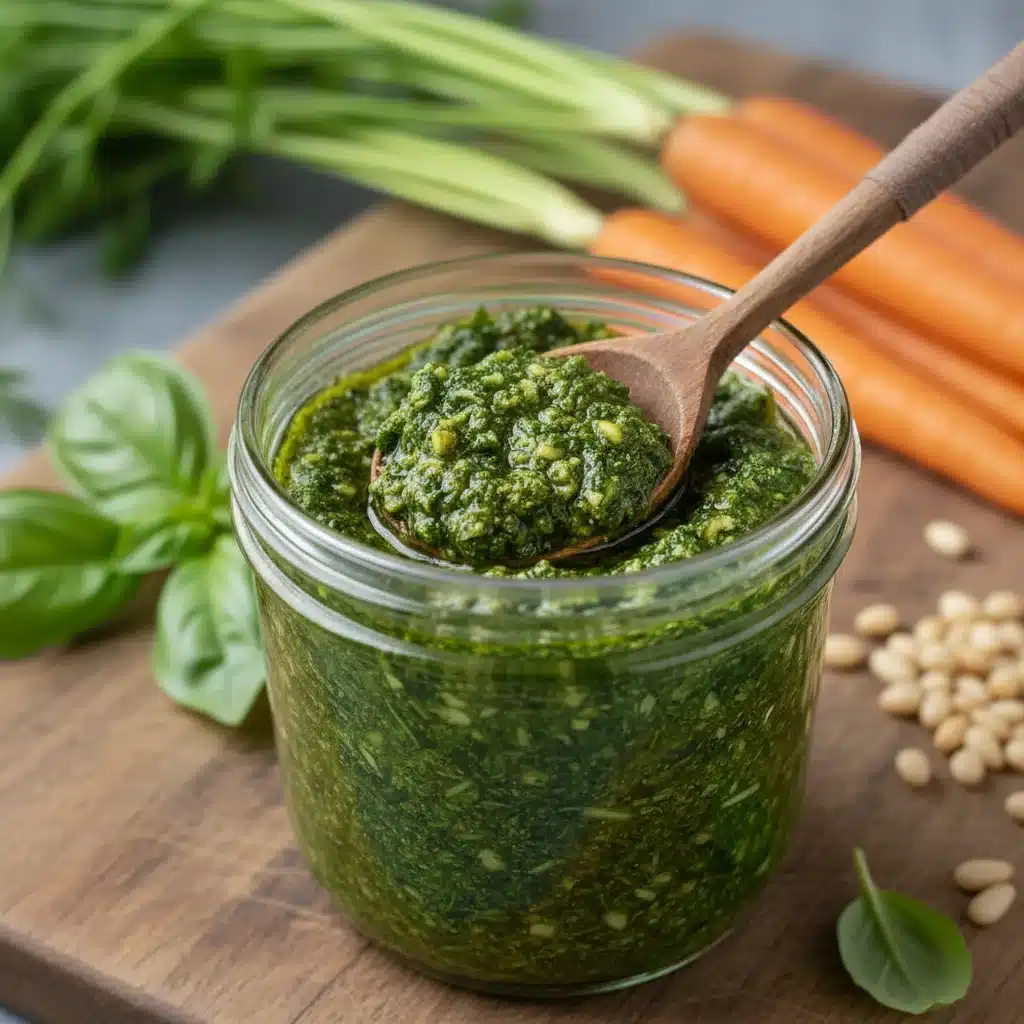
Most people toss carrot tops, but they are surprisingly flavorful and packed with nutrients! They have a slightly bitter, earthy taste that makes for an incredible pesto. This is an ingenious way to extend produce life by utilizing parts usually thrown away.
How to Extend Produce Life:
- Preparation: Separate the greens from the carrots. Wash them thoroughly, removing any yellowed or brown parts.
- Pesto Making: Blend with nuts, garlic, cheese, and olive oil.
- Storage: Store in an airtight container in the refrigerator, with a thin layer of olive oil on top to prevent browning, for up to a week. It also freezes well.
Recipe Idea: Carrot Top & Walnut Pesto
Ingredients:
- 2 cups fresh carrot greens, packed
- 1/2 cup walnuts or pine nuts
- 2 cloves garlic
- 1/2 cup grated Parmesan cheese
- 1/2 cup olive oil (or more, as needed)
- Juice of 1/2 lemon
- Salt and freshly ground black pepper to taste
Instructions:
- In a food processor, combine carrot greens, walnuts, and garlic. Pulse until finely chopped.
- Add Parmesan cheese and lemon juice, and pulse again.
- With the food processor running, slowly drizzle in the olive oil until the pesto reaches your desired consistency.
- Season with salt and pepper.
- Serve with pasta, spread on sandwiches, or use as a dip. This recipe not only helps you extend produce life but also introduces a zero-waste ingredient to your table.
Recipe 5: Overripe Fruit Compote/Sauce
The Challenge: Soft Berries, Bruised Apples, or Overripe Peaches
Fruits that are past their prime for eating fresh are perfect for cooking down into a compote or sauce. This concentrates their flavor and makes them incredibly versatile. This is a delicious strategy to extend produce life for sweet treats.
How to Extend Produce Life:
- Preparation: Remove any truly spoiled spots, then chop the fruit.
- Cooking: Simmer with a little water, sugar (optional, depending on fruit sweetness), and spices (cinnamon, nutmeg, vanilla) until softened and saucy.
- Storage: Store in an airtight container in the refrigerator for up to a week, or freeze for longer storage.
Recipe Idea: Mixed Berry & Apple Compote
Ingredients:
- 2 cups mixed overripe berries (strawberries, blueberries, raspberries)
- 1 large apple, peeled, cored, and diced
- 1/4 cup water
- 1-2 tablespoons sugar or maple syrup (adjust to taste)
- 1/2 teaspoon ground cinnamon
- Pinch of nutmeg
Instructions:
- Combine all ingredients in a medium saucepan.
- Bring to a simmer over medium heat, then reduce heat to low, cover, and cook for 10-15 minutes, stirring occasionally, until the fruit is very soft and saucy.
- Mash lightly with a fork or potato masher for a chunkier compote, or blend for a smoother sauce.
- Serve warm over oatmeal, yogurt, pancakes, or ice cream. This compote is a fantastic way to extend produce life for your fruits by several days.
Recipe 6: Crispy Potato Peel Chips
The Challenge: Discarded Potato Peels
Just like carrot tops, potato peels are often tossed without a second thought. But they can be transformed into incredibly delicious, crispy chips! This is a fun and unexpected way to extend produce life by using up what’s usually considered waste.
How to Extend Produce Life:
- Preparation: Thoroughly wash potatoes before peeling. Ensure peels are free of dirt and eyes.
- Baking/Frying: Toss with oil and seasoning, then bake or air fry until crispy.
- Usage: Enjoy as a snack or a crunchy topping for soups and salads.
Recipe Idea: Garlic Herb Potato Peel Chips
Ingredients:
- Peels from 4-5 medium potatoes (russet or Yukon gold work best)
- 1-2 tablespoons olive oil
- 1/2 teaspoon garlic powder
- 1/2 teaspoon dried mixed herbs (oregano, thyme, rosemary)
- Salt and black pepper to taste
Instructions:
- Preheat oven to 400°F (200°C) or air fryer to 375°F (190°C). Line a baking sheet with parchment paper.
- Wash potato peels thoroughly and pat them completely dry. This is crucial for crispiness.
- In a bowl, toss the peels with olive oil, garlic powder, dried herbs, salt, and pepper until evenly coated.
- Spread the seasoned peels in a single layer on the prepared baking sheet (or in the air fryer basket).
- Bake for 15-20 minutes (or air fry for 10-15 minutes), flipping halfway, until golden brown and crispy. Keep a close eye on them as they can burn quickly.
- Serve immediately as a snack. This creative snack perfectly demonstrates how to extend produce life beyond the obvious.

Recipe 7: Broth from Vegetable Scraps
The Challenge: Onion Skins, Celery Ends, Carrot Peels, Herb Stems
Don’t throw away those vegetable scraps! They are packed with flavor and make an excellent base for homemade vegetable broth. This is a truly zero-waste approach to how to extend produce life for countless ingredients.
How to Extend Produce Life:
- Collection: Keep a freezer bag specifically for vegetable scraps: onion skins, carrot peels, celery ends, mushroom stems, herb stems, bell pepper cores, etc. Avoid cruciferous vegetable scraps (broccoli, cabbage) as they can make the broth bitter.
- Broth Making: When the bag is full, simmer the scraps with water and seasonings.
- Storage: Strain the broth and store in the refrigerator for up to 5 days, or freeze in ice cube trays or containers for several months.
Recipe Idea: Homemade Vegetable Scrap Broth
Ingredients:
- 4-6 cups vegetable scraps (from your freezer bag)
- 8-10 cups water
- 1 bay leaf
- 5-6 black peppercorns
- Optional: a sprig of fresh parsley or thyme
- Salt to taste (add after cooking, as desired)
Instructions:
- Place all vegetable scraps, water, bay leaf, and peppercorns in a large stockpot.
- Bring to a boil, then reduce heat to low, cover, and simmer for at least 1-2 hours (longer for a richer flavor), stirring occasionally.
- Strain the broth through a fine-mesh sieve, pressing down on the solids to extract all liquid. Discard the strained solids (compost if possible!).
- Season with salt to taste.
- Use immediately in soups, stews, or risottos, or store for later. This method is the epitome of how to extend produce life by getting every last bit of value.
Recipe 8: Quick Pickled Vegetables
The Challenge: Abundant Cucumbers, Radishes, Carrots, or Green Beans
When you have an excess of crunchy vegetables that are still good but you know you won’t eat them all fresh, quick pickling is your best friend. It preserves them for weeks and adds a tangy, delicious flavor. This is an excellent technique to extend produce life and add a zesty kick to your meals.
How to Extend Produce Life:
- Preparation: Slice or chop your vegetables.
- Pickling: Submerge in a hot brine of vinegar, water, salt, and sugar, along with spices.
- Storage: Once cooled, store in the refrigerator for up to 2-3 weeks.
Recipe Idea: Speedy Refrigerator Pickles
Ingredients:
- 2 cups sliced vegetables (e.g., cucumbers, carrots, radishes, green beans, bell peppers)
- 1 cup white vinegar
- 1 cup water
- 1 tablespoon sugar
- 1 teaspoon salt
- Optional aromatics: 1-2 cloves garlic (sliced), 1/2 teaspoon mustard seeds, 1/2 teaspoon dill seeds, a few sprigs of fresh dill
Instructions:
- Pack sliced vegetables tightly into a clean, heat-proof jar (pint or quart size). Add any optional aromatics.
- In a small saucepan, combine vinegar, water, sugar, and salt. Bring to a boil, stirring until sugar and salt are dissolved.
- Carefully pour the hot brine over the vegetables in the jar, ensuring they are completely submerged.
- Tap the jar gently to release any air bubbles. Seal the jar with a lid.
- Let the jar cool to room temperature, then transfer to the refrigerator. The pickles will be ready to eat in about 24 hours but taste even better after a few days. They will keep for 2-3 weeks in the refrigerator, allowing you to significantly extend produce life for your harvest.
Beyond the Recipes: General Tips to Extend Produce Life
While these recipes are fantastic, integrating a few general habits into your kitchen routine can further enhance your efforts to extend produce life:
- Proper Storage is Key: Understand the ideal storage conditions for different produce. Some prefer the fridge (berries, leafy greens), others the counter (tomatoes, bananas until ripe), and some cool, dark places (potatoes, onions).
- Don’t Wash Until Ready to Use: Moisture encourages spoilage. Wash produce right before you’re about to eat or cook it.
- Separate Ethylene Producers: Certain fruits (apples, bananas, avocados) release ethylene gas, which can ripen and spoil other produce faster. Store them separately.
- First In, First Out (FIFO): Use older produce before newer produce. Organize your fridge and pantry so that items nearing their end are visible and easily accessible.
- Batch Cook and Freeze: If you know you have an abundance of a particular fruit or vegetable, cook it into a larger dish (like a soup or stew) and freeze portions for later.
- Embrace “Ugly” Produce: Don’t shy away from fruits and vegetables that aren’t perfectly shaped. They taste just as good and are often cheaper.
- Plan Your Meals: A little meal planning can go a long way in ensuring you buy only what you need and use what you have.
The Impact of Reducing Food Waste in Your US Kitchen
Adopting these strategies to extend produce life does more than just save you a few dollars. The cumulative effect of individual actions can lead to significant positive change:
- Financial Savings: The average US household wastes hundreds, if not thousands, of dollars on discarded food annually. By reducing waste, you keep more money in your pocket.
- Environmental Benefits: Food waste contributes to landfill methane emissions, a potent greenhouse gas. Less waste means a smaller carbon footprint. It also conserves the water, land, and energy used to produce that food.
- Resource Efficiency: Every piece of food that goes to waste represents wasted resources, from the labor of farmers to the fuel for transportation.
- Culinary Creativity: These recipes encourage you to think outside the box, experiment with new flavors, and become a more resourceful and confident cook.
Conclusion: Empowering Your Kitchen to Extend Produce Life
Combatting food waste doesn’t require a radical overhaul of your lifestyle; it starts with small, conscious choices in your kitchen. By embracing these 8 creative recipes and adopting smart storage habits, you can effectively extend produce life by 3-5 days, sometimes even longer. This not only translates to significant savings and a reduced environmental impact but also opens up a world of culinary possibilities, transforming seemingly unusable ingredients into delicious meals. The journey to a zero-waste kitchen is a continuous one, but with these tools in your arsenal, you’re well on your way to making a meaningful difference, one meal at a time. Start experimenting today and discover the joy of getting the most out of every single piece of produce you bring home!