Future Kitchen Appliances: Cook Faster, Smarter, and Healthier

Anúncios
Future Kitchen Appliances: Cook Faster, Smarter, and Healthier
The kitchen, often considered the heart of the home, is on the cusp of a revolutionary transformation. We’re moving beyond mere convenience; we’re entering an era where future kitchen appliances will redefine how we prepare food, manage our diets, and interact with our culinary spaces. Imagine a world where your refrigerator anticipates your needs, your oven perfectly cooks every dish with minimal input, and your entire kitchen ecosystem works in harmony to support a healthier, more efficient lifestyle. This isn’t science fiction; it’s the near future, driven by advancements in artificial intelligence, IoT connectivity, and sustainable design.
Anúncios
For decades, kitchen appliances have steadily evolved, from basic iceboxes to smart refrigerators, manual stoves to induction cooktops. However, the next wave of innovation promises a leap rather than a step. We’re talking about appliances that learn, adapt, and even anticipate our culinary desires. The goal? To make cooking not just easier, but faster, more enjoyable, and ultimately, healthier. This comprehensive guide will delve into the exciting trends and technologies shaping future kitchen appliances, exploring how they will impact our daily lives and empower us to achieve culinary excellence with unprecedented efficiency.
Anúncios
The Dawn of the Intelligent Kitchen: AI and Machine Learning at Your Service
At the core of these transformative changes are Artificial Intelligence (AI) and Machine Learning (ML). These technologies are no longer confined to smartphones and self-driving cars; they are rapidly integrating into our kitchens, turning conventional appliances into intelligent culinary assistants. Future kitchen appliances will leverage AI to understand your cooking habits, dietary preferences, and even your mood, offering personalized recommendations and automating complex tasks.
Smart Ovens That Learn and Adapt
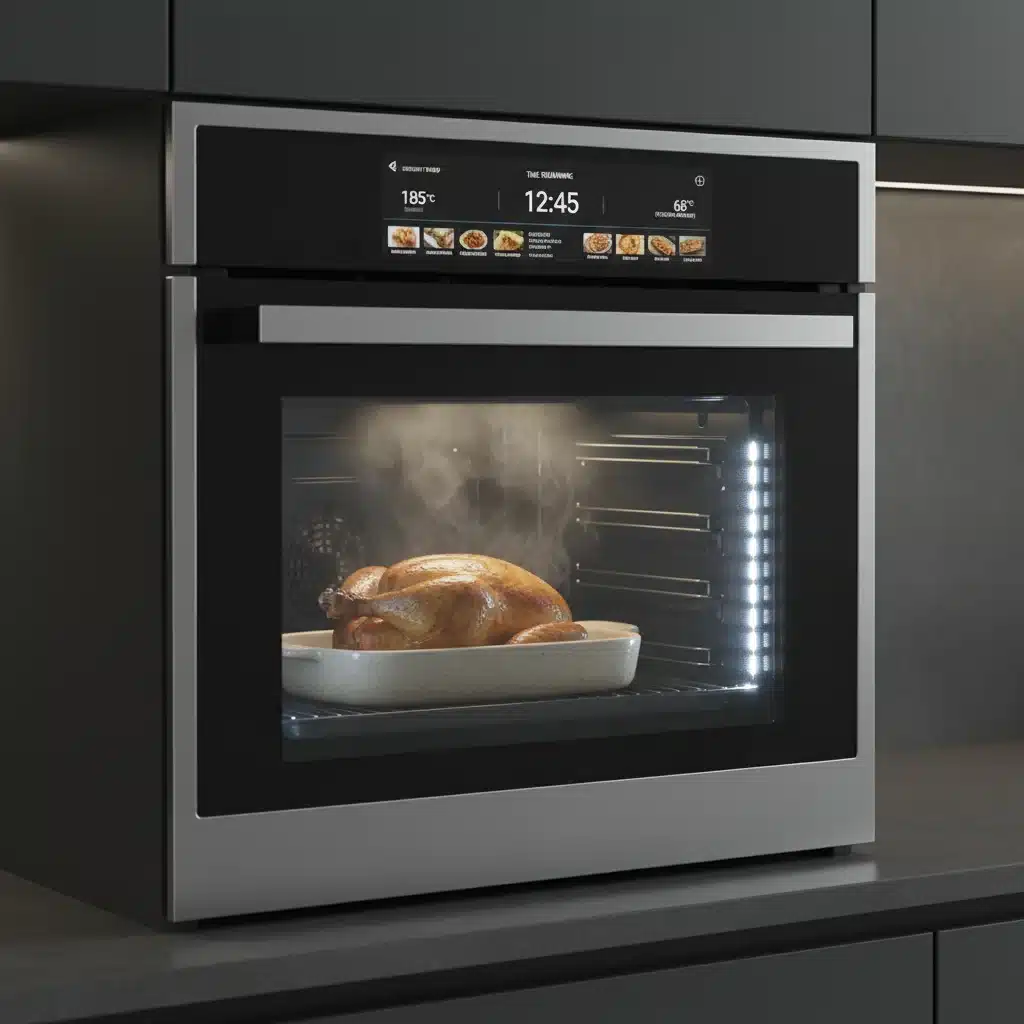
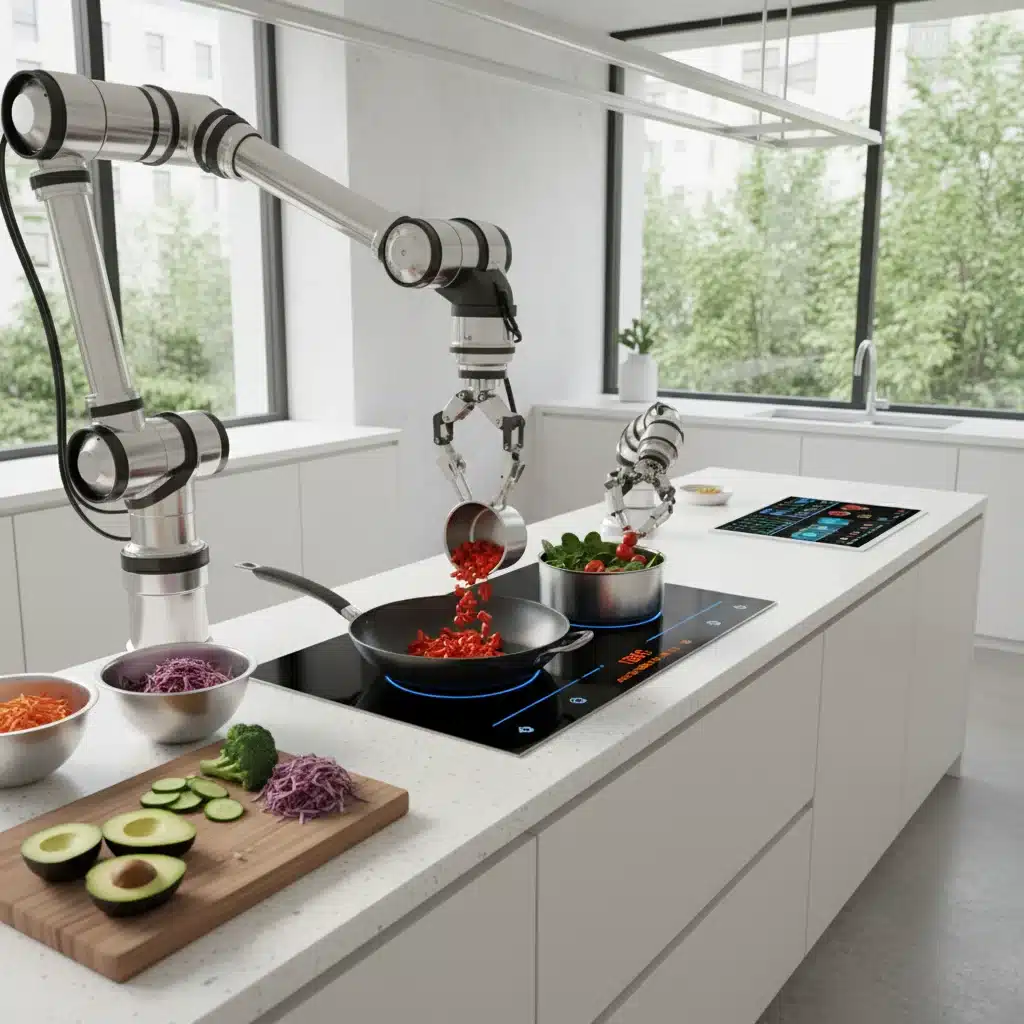
Consider the smart oven of tomorrow. It won’t just preheat to a set temperature; it will feature integrated cameras and sensors that monitor the cooking process in real-time. AI algorithms will analyze the doneness of your roast, the crispiness of your pizza crust, or the rise of your soufflé, making micro-adjustments to temperature and cooking time to ensure perfection every single time. These ovens will learn from your feedback, adapting their cooking profiles to your specific tastes. Did you prefer your cookies a little chewier last time? The AI remembers and adjusts accordingly. Some models are even projected to feature internal robotic arms that can stir, flip, or baste, further reducing hands-on effort and guaranteeing consistent results. This level of precision and personalization is what truly sets future kitchen appliances apart.
Refrigerators That Manage Your Pantry
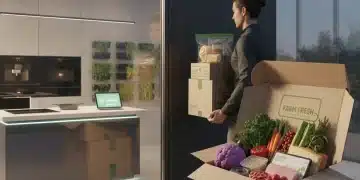
The humble refrigerator is also undergoing a profound evolution. Beyond displaying your calendar and playing music, future kitchen appliances like smart refrigerators will become central hubs for pantry management. Equipped with internal cameras and weight sensors, they will track your inventory, identifying what’s running low and what’s about to expire. AI will analyze this data, cross-referencing it with your dietary preferences and past purchases, to generate personalized meal plans and grocery lists. Forgot to buy milk? Your fridge will not only remind you but can even automatically add it to your online shopping cart or place an order with your preferred grocery delivery service. This proactive approach to food management minimizes waste and ensures you always have the right ingredients on hand, streamlining your cooking process significantly.
AI-Powered Recipe Generation and Customization
One of the most exciting applications of AI in future kitchen appliances is personalized recipe generation. Imagine telling your smart assistant, ‘I want a healthy, quick dinner for four, using chicken breast, spinach, and quinoa, and I have about 30 minutes.’ The AI-powered system, integrated across your kitchen, will then generate a bespoke recipe, complete with step-by-step instructions displayed on your smart screen, and even pre-program your oven or induction cooktop to the correct settings. It will consider your dietary restrictions, allergies, and even calorie goals, ensuring every meal is perfectly tailored to your needs. This level of customization transforms meal planning from a chore into an effortless, creative endeavor.
Seamless Integration: The Connected Kitchen Ecosystem
The true power of future kitchen appliances lies in their ability to communicate and operate as a cohesive ecosystem. The Internet of Things (IoT) will be the backbone of this interconnected environment, allowing all your devices to share data, synchronize tasks, and respond to your commands, whether voice-activated or through a central smart hub.
Voice Control and Gesture Recognition
Interacting with your kitchen will become more intuitive than ever. Voice assistants like Alexa and Google Assistant are already commonplace, but future kitchen appliances will integrate these capabilities more deeply. You’ll be able to preheat your oven, start your coffee maker, or adjust the lighting with simple voice commands, even when your hands are full. Gesture recognition technology is also on the horizon, allowing you to control certain functions with a wave of your hand, adding another layer of hands-free convenience and hygiene.
Automated Workflow and Task Synchronization
Picture this scenario: You’re preparing a complex meal. Your smart oven finishes baking the casserole, and automatically sends a signal to your smart slow cooker to start warming the side dish. Simultaneously, your smart range hood adjusts its fan speed based on the cooking fumes detected, and your dishwasher pre-rinses the dishes you’ve placed inside, ready for a full wash cycle later. This automated workflow, orchestrated by your connected future kitchen appliances, eliminates bottlenecks, reduces manual interventions, and significantly cuts down on overall meal preparation time. It’s about optimizing every step of the cooking process for maximum efficiency.
Speed and Efficiency: Cooking Dinner 25% Faster
The promise of cooking dinner 25% faster isn’t just a marketing slogan; it’s a tangible benefit derived from the synergistic capabilities of future kitchen appliances. This acceleration comes from a combination of advanced heating technologies, intelligent automation, and streamlined workflows.
Advanced Heating Technologies: Induction, Convection, and Beyond
While induction cooktops are already known for their speed and energy efficiency, future kitchen appliances will push these boundaries further. Expect to see more advanced induction systems that offer even more precise temperature control and faster heating times. Combination ovens, integrating convection, steam, and even microwave technologies, will become standard, allowing for rapid cooking of diverse dishes with superior results. Air frying capabilities will be built into more ovens, offering a healthier and quicker alternative to traditional frying. These innovations reduce preheating times, cook food more uniformly, and accelerate the overall cooking process.
Pre-programmed Cooking Cycles and One-Touch Meals
The days of manually setting timers and temperatures for each cooking stage will soon be a distant memory. Future kitchen appliances will come with an extensive library of pre-programmed cooking cycles for thousands of dishes. Simply select what you’re cooking, and the appliance handles the rest. This ‘one-touch meal’ concept means less time spent consulting recipes or guessing cooking times, and more time enjoying your meal. For instance, a smart pressure cooker could have specific programs for different cuts of meat or types of grains, optimizing cooking time and texture automatically.
Smart Food Preparation Tools
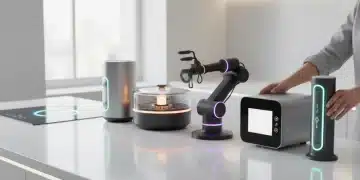
Beyond the major appliances, smaller but equally intelligent tools will contribute to faster cooking. Smart food processors that can automatically weigh ingredients or adjust slicing thickness, blenders that know when your smoothie has reached the perfect consistency, and even automated herb gardens that dispense fresh herbs on demand. These innovative future kitchen appliances will cut down on prep time, making the journey from raw ingredients to cooked meal significantly quicker and less labor-intensive.
Health and Sustainability: A Holistic Approach
The evolution of future kitchen appliances isn’t just about speed and convenience; it’s also deeply rooted in promoting healthier eating habits and fostering environmental sustainability. These appliances are designed to help you make better food choices and reduce your ecological footprint.
Nutritional Tracking and Dietary Guidance
Imagine your smart scale communicating directly with your smart oven, tracking the nutritional content of your meals. Or your refrigerator suggesting recipes based on your health goals and existing ingredients. Future kitchen appliances will offer sophisticated nutritional tracking, providing real-time data on calorie counts, macronutrients, and even micronutrients. They will offer personalized dietary guidance, helping you adhere to specific diets, manage allergies, or achieve fitness objectives. This integrated approach empowers users to take control of their health through informed food choices.
Minimizing Food Waste
Food waste is a significant global issue, and future kitchen appliances are poised to play a crucial role in mitigating it. As mentioned, smart refrigerators will monitor inventory and expiration dates. Beyond that, integrated composting solutions, vacuum sealers with smart sensors that track freshness, and even AI-driven recipe generators that prioritize using up ingredients nearing their expiration will become commonplace. These features not only save money but also contribute to a more sustainable household by ensuring food is consumed before it spoils.
Energy Efficiency and Eco-Friendly Design
Sustainability extends to the energy consumption and materials used in future kitchen appliances. Expect to see appliances designed with superior insulation, advanced power management systems, and components made from recycled or sustainably sourced materials. Smart energy monitoring will allow appliances to operate during off-peak hours or when renewable energy sources are most abundant, further reducing their carbon footprint. The focus will be on creating durable, repairable products with longer lifespans, moving away from a disposable culture.
Challenges and Considerations for the Future Kitchen
While the prospects of future kitchen appliances are incredibly exciting, it’s important to acknowledge potential challenges and considerations that will need to be addressed as these technologies become more widespread.
Cost and Accessibility
Early adoption of cutting-edge technology often comes with a premium price tag. Ensuring that these advanced kitchen solutions become accessible to a broader demographic will be crucial for widespread adoption. Manufacturers will need to find ways to scale production and reduce costs over time, making smart, efficient kitchens a reality for everyone, not just a luxury for the few. The balance between innovation and affordability will define the success of these future kitchen appliances.
Privacy and Data Security
As future kitchen appliances become more intelligent and connected, they will collect vast amounts of data about our habits, preferences, and even our health. Protecting this personal information from cyber threats and ensuring user privacy will be paramount. Robust security protocols and transparent data usage policies will be essential to build consumer trust and prevent misuse of sensitive data. Users must feel confident that their culinary data is safe and used only for its intended purpose.
Interoperability and Standardization
For a truly seamless connected kitchen experience, different brands and devices need to be able to communicate effectively. The lack of universal standards for IoT devices can lead to fragmentation and compatibility issues. Industry collaboration and the adoption of open protocols will be vital to ensure that all future kitchen appliances, regardless of manufacturer, can integrate smoothly into a single, cohesive smart home ecosystem. This will prevent consumers from being locked into a single brand’s ecosystem.
User Experience and Simplicity
While technology can offer incredible capabilities, it must remain intuitive and user-friendly. Overly complex interfaces or frustrating troubleshooting processes could deter users. The design of future kitchen appliances must prioritize simplicity and ease of use, ensuring that the technology enhances rather than complicates the cooking experience. The goal is to make life easier, not to introduce new frustrations. The learning curve for new features should be minimal, allowing users of all tech-savviness levels to benefit.
The Path Forward: Embracing the Culinary Revolution
The journey towards the fully intelligent, hyper-efficient kitchen is well underway. Future kitchen appliances are not just about new gadgets; they represent a fundamental shift in our relationship with food and our homes. They promise a future where cooking is less about arduous labor and more about creative expression, where healthy eating is effortlessly supported, and where sustainability is an inherent part of our daily routines.
Investing in the Future
As consumers, understanding these trends allows us to make informed decisions when upgrading our homes. Investing in smart-ready infrastructure and appliances that are designed for future integration will be key. Look for modular designs, software upgradability, and compatibility with emerging smart home platforms. The initial investment in these advanced future kitchen appliances will pay dividends in terms of time saved, healthier outcomes, and lower utility bills over their lifespan.
A Collaborative Future
The development of these advanced kitchens will be a collaborative effort between appliance manufacturers, tech companies, food scientists, and even urban planners. The integration of AI, IoT, and sustainable practices will continue to evolve, leading to innovations that we can scarcely imagine today. The potential for these future kitchen appliances to empower individuals and families to live healthier, more efficient, and more enjoyable lives is immense.
In conclusion, the kitchen of tomorrow will be a marvel of engineering and intelligence. It will be a place where culinary dreams are realized with unprecedented ease and speed, where health and sustainability are seamlessly integrated into every meal, and where the joy of cooking is amplified by the power of technology. The era of future kitchen appliances is not just coming; it’s already here, waiting to transform your home and your life.