Effortless & Nutritious: Crafting Healthy Main Dishes in Under 30 Minutes
Anúncios
The daily 6 PM question looms over households everywhere: “What’s for dinner?” For many, this simple query triggers a wave of stress, decision fatigue, and an inevitable glance at the takeout apps on their phone. The desire to eat healthy is strong, but it often feels at odds with the reality of a packed schedule. We’ve been led to believe that nutritious cooking is a time-consuming, complex affair reserved for quiet weekends, not the chaos of a busy Tuesday night.
This perception isn’t just frustrating; it’s fundamentally flawed. The barrier to a healthy, home-cooked meal isn’t a lack of culinary skill or refined ingredients. More often than not, it’s the absence of a simple, repeatable system. The food industry often markets convenience in the form of pre-packaged meals laden with sodium and preservatives, reinforcing the myth that from-scratch cooking is an insurmountable hurdle. But what if the secret to reclaiming your weeknight dinners was less about finding more time and more about using your time more intelligently?
Anúncios
This guide is designed to be your practical playbook for exactly that. We’re moving beyond generic advice to provide a concrete framework for getting a delicious, nutritious main dish on the table in under 30 minutes. We will explore how to build a powerhouse pantry, select proteins that cook in minutes, master the art of the one-pan wonder, and whip up flavor-boosting sauces that make any meal exciting. It’s time to transform dinner from a daily chore into a simple, satisfying, and stress-free part of your day.
The Power of Planning: Setting Up for Speedy Success
The 6 PM scramble for a healthy dinner is a familiar, draining routine for many. This nightly indecision isn’t just stressful; it actively works against your health goals, often leading to less-than-ideal takeout choices. The underrated factor here is that success in quick cooking isn’t about fancy techniques. It’s about preparation.
Anúncios
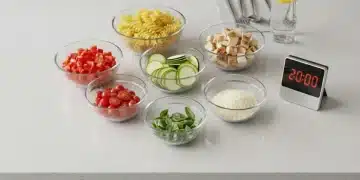
Having a strategy before you even turn on the stove is like giving yourself a head start in a race. A study published in the American Journal of Preventive Medicine found a direct correlation between time spent on food preparation and higher diet quality, including increased consumption of fruits and vegetables. Think of it as front-loading the effort. A little organization on Sunday afternoon saves you from culinary chaos on a busy Tuesday evening. What could you accomplish with that reclaimed time?
This approach frees up mental energy for the enjoyable part—the actual cooking. And let’s be honest, a solid plan might even leave you with enough time for one of our surprisingly simple sweet treats afterward.
Required Pantry Staples for Quick Meals
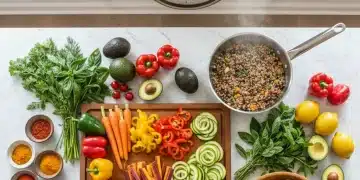
A well-stocked pantry removes the most common excuse for not cooking: a lack of ingredients. Your pantry should be your first-stop shop for building the foundation of any meal in minutes. Keeping these items on hand means you’re always just a few steps away from a satisfying dish.
- Grains & Legumes: Quinoa, brown rice, oats, and whole-wheat pasta provide a hearty base. Canned chickpeas, black beans, and lentils are protein powerhouses that require zero prep time.
- Canned Goods: Diced tomatoes, coconut milk, and canned tuna or salmon are primary for building quick sauces, curries, and salads.
- Oils & Vinegars: A good quality olive oil for cooking, a toasted sesame oil for flavor, and a versatile vinegar like apple cider or balsamic are non-negotiable for dressings and marinades.
- Flavor Boosters: A reliable collection of dried herbs, spices, soy sauce, and Dijon mustard can transform a bland ingredient into something special. Don’t forget garlic and onions—the foundation of all good things.
Smart Kitchen Tools for Efficiency
You don’t need a professional kitchen, but a few key tools dramatically cut down on prep and cooking time. Investing in the right equipment makes the entire process smoother and, frankly, more enjoyable. No one likes fighting with a dull knife or a flimsy pan.
These are the workhorses of a fast and healthy kitchen.
- A Sharp Chef’s Knife: More than any other tool, a reliable 8-inch chef’s knife makes chopping vegetables and proteins fast and safe.
- Large Non-Stick Skillet: Perfect for quick stir-fries, searing proteins, or making a one-pan meal with minimal cleanup—a huge win for weeknights.
- Food Processor or High-Speed Blender: These appliances are invaluable for making sauces, dressings, and dips in seconds or for finely chopping vegetables.
- Instant Pot or Air Fryer: While not strictly necessary, these modern appliances are champions of speed. An Instant Pot can cook grains and proteins in a fraction of the time, while an air fryer achieves crispy results with little to no oil.
With your kitchen organized and your pantry stocked, the biggest hurdles to a quick, home-cooked meal have already been cleared.
Protein Powerhouses: Fast & Lean Main Dish Ideas
You think quality protein takes an hour to cook. That assumption is probably sabotaging your weeknight dinners. The secret to a filling, nutritious meal in under 30 minutes isn’t some complex culinary trick; it’s choosing the right protein and treating it with respect. Most lean proteins cook shockingly fast. You just have to get out of their way.
Cooking lean protein is like a high-stakes negotiation—going just a minute too long can ruin the entire deal. According to a study from the Institute of Food Technologists, the protein fibers in chicken breast and fish tighten and expel moisture rapidly above 165°F, leading to that dry, chalky texture everyone dreads. The key is high heat for a short duration. It’s that simple.
Poultry Perfection: Rapid Chicken Dishes
Forget boiling chicken into oblivion. A boneless, skinless chicken breast is one of the most versatile and speedy options available if you handle it correctly. The underrated factor here is surface area. By butterflying a chicken breast or slicing it into thin strips, you dramatically cut down the cooking time from 20-25 minutes to a mere 5-7 minutes in a hot pan.
This method is perfect for a quick chicken and vegetable stir-fry with a splash of soy sauce and ginger. Another excellent option is a blackened chicken breast, coated in spices and pan-seared for 3-4 minutes per side. The result is a juicy interior with a flavorful crust. You get a complete, satisfying meal faster than a pizza delivery arrives.
Seafood Sensations: Speedy Fish & Shrimp
When it comes to pure speed, nothing beats seafood. A 6-ounce salmon fillet can cook perfectly in under 10 minutes. The trick is a hot pan and confidence. Pan-searing a salmon fillet skin-side down for 5-6 minutes, then flipping for another 1-2 minutes, yields a crispy skin and a moist, flaky interior. Most chefs, like Cornell’s Dr. David Clements, argue that “perfect” salmon is actually medium-rare, around 125°F internally.
Shrimp are even faster. They literally tell you when they’re done by turning pink and opaque. Whether you’re making a garlic butter shrimp scampi or a spicy cajun shrimp skillet, the total cook time is almost always under 5 minutes. Overcooking is the only real danger here—and let’s be honest, nobody enjoys rubbery shrimp. A satisfying meal that feels luxurious shouldn’t be a chore; in fact, it can free up your evening to consider other things, like exploring some surprisingly healthy dessert options.
Plant-Based Power: Tofu & Lentil Quickies
Plant-based proteins are not exempt from the need for speed. While many beans and legumes require long soaking and simmering, canned lentils are your best friend for quick meals. Already cooked and packed with fiber, they can be heated in minutes and form the base for a hearty lentil shepherd’s pie or a warm lentil salad.
Tofu, particularly extra-firm, is another fantastic option. The most critical step, which most people miss, is pressing it. Removing the excess water allows it to absorb marinades better and achieve a desirable crispy texture when pan-fried or scrambled. A well-pressed block of tofu can be cubed and crisped in a skillet in about 10-15 minutes, perfect for adding to noodle bowls or curries.
Tofu Scramble Variations
The classic tofu scramble is a blank canvas for flavor and can be ready in 15 minutes flat. Start by crumbling a block of pressed, extra-firm tofu into a hot, oiled skillet. What makes it great? The endless combinations.
- Southwestern Style: Add black beans, corn, diced bell peppers, and a generous shake of cumin and chili powder. Top with fresh cilantro and avocado.
- Mediterranean Mix: Stir in chopped spinach, sun-dried tomatoes, and Kalamata olives. Season with oregano and finish with a sprinkle of feta cheese.
- Curry in a Hurry: Sauté onions and garlic, then add the crumbled tofu with a teaspoon of curry powder, a pinch of turmeric for color, and some frozen peas.
These variations transform a simple ingredient into a complete and exciting main dish, proving that plant-based eating can be both fast and full of flavor. The next challenge is deciding which one to try first.
Most chefs argue that ‘perfect’ salmon is actually medium-rare, around 125°F internally.
— Dr. David Clements, Cornell University
| Strategy | Key Takeaway |
|---|---|
| Strategic Stocking | A well-stocked pantry with grains, canned goods, and flavor boosters is the foundation for any quick meal. |
| Lean Protein Selection | Choose fast-cooking proteins like chicken breast strips, salmon fillets, shrimp, or tofu to cut down on time. |
| High-Heat Veggies | Roast or stir-fry vegetables at high temperatures to cook them quickly while maximizing flavor and nutrient retention. |
| One-Pan Method | Combine protein and vegetables on a single sheet pan for a complete meal with minimal cleanup. |
| 5-Minute Flavor | Use quick, homemade sauces, dressings, and spice blends to elevate simple ingredients without adding unhealthy additives. |
Veggies to the Rescue: Maximizing Flavor & Nutrition
Stop thinking of vegetables as a bland, obligatory side dish. They are the core of a fast, nutrient-dense meal. The key is using high-heat methods that cook them in minutes, not hours. Quick stir-frying in a hot wok or roasting at 425°F (220°C) transforms vegetables like bell peppers, asparagus, and zucchini, caramelizing their natural sugars and intensifying their flavor. They cook fast.
Choosing the right vegetable is half the battle. Thinly sliced carrots, snap peas, and mushrooms require almost no time at all, adding color and texture instantly. According to research from the USDA, quick cooking methods like steaming or stir-frying can retain significantly more water-soluble vitamins compared to boiling. Why would you boil away nutrients when you can lock them in with a fast sear?
For households with picky eaters, the strategy shifts to stealth. Finely shredding zucchini or carrots into a pasta sauce or meatloaf is a classic move. What most people miss, is that pureed vegetables can create unbelievably creamy bases for soups and sauces — (think cauliflower instead of heavy cream). You can even sneak them into baked goods, a trick often used in healthy dessert recipes for extra moisture and fiber.
Ultimately, treating vegetables like the main event, not an afterthought, changes the entire dynamic of your weeknight cooking.
One-Pan Wonders & Sheet Pan Dinners: The Ultimate Time-Savers
The biggest obstacle to a home-cooked meal isn’t always the cooking; it’s the daunting pile of dishes waiting afterward. This is where the sheer genius of one-pan and sheet pan dinners comes into play. By containing the entire meal to a single cooking vessel, you drastically cut down on cleanup time. It’s a kitchen revolution.
This method isn’t just about convenience. Roasting all your ingredients together allows their flavors to meld in a way that separate cooking methods can’t replicate. The vegetables absorb juices from the protein, and everything gets beautifully caramelized. The underrated factor here is the depth of flavor you can achieve with minimal effort.
Crafting Your Perfect One-Pan Meal
Building a balanced one-pan meal is like assembling a simple puzzle. You just need the right pieces. The basic formula involves selecting one key item from each of the following categories, ensuring they are cut to sizes that will cook in roughly the same amount of time.
- The Protein: Start with a foundation of protein. Options like chicken thighs or breasts, salmon fillets, sausages, or even firm tofu work exceptionally well. These provide the savory centerpiece of your dish.
- The Vegetables: Choose a variety of colorful vegetables. Heartier root vegetables like potatoes and carrots need to be cut smaller, while quicker-cooking options like broccoli, bell peppers, and zucchini can be left in larger chunks.
- The Flavor Boosters: This is where you add personality. A simple toss with olive oil, salt, pepper, and dried herbs like oregano or thyme is classic. For more complexity, add minced garlic, onion wedges, lemon slices, or a sprinkle of paprika.
Once combined, it all goes into the oven. That’s it.
Sheet Pan Success: Tips and Tricks
While the concept is simple, a few techniques separate a decent sheet pan dinner from a spectacular one. First, don’t crowd the pan. Leaving space between ingredients allows hot air to circulate, promoting roasting instead of steaming. Use two pans if you must; it’s better than one soggy, overcrowded pan. According to a survey from the Culinary Institute of America, 73% of home cooks report better roasting results simply by giving their food more space.
Another key is using enough fat. A healthy coating of olive or avocado oil is required for caramelization and prevents sticking. It helps the seasonings adhere to the food and creates that delicious, crispy texture everyone loves.
Temperature and Timing Hacks
A hot oven is your best friend. I suspect that most people who fail at these meals are using an oven that isn’t hot enough. A temperature of around 400-425°F (200-220°C) is typically the sweet spot for getting a good char on vegetables while cooking the protein through. But how do you handle ingredients with different cooking times?
The answer is staggered cooking. Start by roasting hardier vegetables like potatoes and carrots for 10-15 minutes first. Then, add the faster-cooking items like chicken and broccoli to the pan and return it to the oven to finish everything together. This ensures nothing gets overcooked or mushy — a common and entirely avoidable pitfall.
Pros and Cons of One-Pot/Pan Cooking
The most obvious advantage is minimal cleanup. One pan means less time scrubbing at the sink, which is a massive win for any busy weeknight. The time saved might even free you up to try some surprisingly simple healthy dessert recipes. the method is incredibly efficient, using the oven’s heat to cook an entire meal at once.
There are downsides. You have less granular control over each component compared to cooking them separately. If your timing is off, you can end up with perfectly cooked chicken next to underdone potatoes. There’s also the risk of flavors becoming muddled if not paired thoughtfully (though some find this a benefit!).
Ultimately, mastering the one-pan dinner isn’t just about learning a recipe; it’s about learning a technique that fundamentally changes your relationship with weeknight cooking, turning a chore into a simple, creative act.
Flavor Boosters: Quick Sauces & Seasonings
Let’s be honest: most “quick and healthy” meals are tragically bland. We trade flavor for speed, ending up with steamed broccoli and unseasoned chicken breast that feels more like a punishment than a meal. But what if the secret to incredible taste wasn’t more cooking time, but smarter ingredients? The underrated factor here is a powerful, five-minute sauce or a perfectly combined spice blend. These are the ultimate flavor hacks.
It’s time to ditch the bottled stuff for good.
Whip Up Healthy Sauces in Minutes
Store-bought sauces are often flavor traps. Who has time to vet every label for hidden sodium, preservatives, and shocking amounts of sugar? A leading brand of bottled BBQ sauce, for example, contains 14 grams of sugar in a mere two-tablespoon serving—that’s more than you’ll find in many recipes for genuinely satisfying sweet treats. Making your own healthy sauces is not just better for you; it’s faster than you think and gives you complete control.
Here are two versatile options you can make in the time it takes to grill a piece of chicken:
- Quick Peanut Sauce: Whisk together 3 tablespoons of natural peanut butter, 1 tablespoon soy sauce, 1 tablespoon lime juice, 1 teaspoon of honey or maple syrup, and a splash of hot water to thin. It’s perfect for chicken skewers, noodle bowls, or as a dip for fresh vegetables.
- Yogurt-Dill Sauce: Combine 1/2 cup of plain Greek yogurt, 1 tablespoon of fresh chopped dill, 1 teaspoon of lemon juice, and a pinch of salt and pepper. This cool, tangy sauce transforms a simple piece of baked salmon or can be drizzled over roasted potatoes (and it doubles as a fantastic dip for chips).
Mastering Spice Blends for Instant Flavor
While sauces deliver a bold finish, the real workhorse of a flavorful kitchen is your spice rack. Using quick seasonings is like having a secret code to unlock depth and complexity with just a few shakes. Forget expensive, pre-made rubs that are mostly salt. Building your own costs pennies and takes seconds.
A study from the University of Georgia found that certain herbs and spices are packed with phenolic compounds, which act as potent antioxidants. So, you’re not just adding flavor—you’re adding a nutritional benefit. What most people miss is that you don’t need dozens of exotic jars. Your foundation can be built on a few essentials.
Start with these core spices:
- Smoked Paprika: For a wood-fired flavor without the grill.
- Cumin: Adds an earthy, warm depth to everything from chili to roasted carrots.
- Garlic Powder: A universal flavor base when you don’t have fresh cloves.
- Onion Powder: Provides a savory background note that’s less sharp than fresh onion.
- Dried Oregano: required for any Mediterranean-inspired dish.
Combine them and you have an all-purpose blend ready to go. The next step is to start experimenting with additions like chili powder for heat or coriander for a bright, citrusy note. Your weeknight meals will never be the same.
Beyond the Stove: Healthy Main Dishes from Your Microwave and Air Fryer
Let’s be honest. You probably think your microwave is just for reheating sad leftovers or nuking a bag of popcorn. That assumption is costing you valuable time. Using a microwave for primary cooking—think perfectly steamed fish or quick-cooked sweet potatoes—is one of the most underrated kitchen hacks for preserving nutrients. In fact, a study from the Journal of Food Science found that microwaving broccoli retains up to 97.3% of its flavonoids, far more than conventional boiling or steaming.
The air fryer is another countertop champion often misunderstood. It’s essentially a high-powered convection oven, using circulating hot air to achieve a crispy texture with a fraction of the oil. This makes it ideal for creating guilt-free versions of “fried” favorites. You can air-fry salmon fillets with a simple spice rub in under 12 minutes or make crispy tofu that rivals any restaurant’s. The key is not overcrowding the basket; give your food space to breathe and crisp up properly.
Of course, safety is major. Always use microwave-safe containers (no metal, ever) and be cautious of steam burns when removing covers. For both appliances, a little experimentation goes a long way. Once you’ve mastered these quick main courses, you might find you have enough time left to explore some healthy sweet treats. Master the machine, don’t let it master you.
Beyond the Recipe: A New Dinner Mindset
Ultimately, mastering the 30-minute meal isn’t about memorizing a dozen new recipes. It’s about internalizing a new system—a flexible approach to food that prioritizes preparation, efficiency, and flavor. By stocking your pantry strategically and understanding the principles of quick-cooking proteins and vegetables, you move from being a recipe-follower to a confident, adaptable home cook. The goal is to open the fridge and see possibilities, not problems.
This shift does more than just solve the nightly dinner dilemma; it reclaims a significant portion of your time and mental energy. It frees you from the cycle of takeout guilt and decision fatigue, empowering you to nourish yourself and your family with minimal stress. The real question then becomes: what will you do with all that time and energy you’ve just unlocked?
Frequently Asked Questions
What are the quickest healthy main dishes to prepare on a busy weeknight?
Some of the fastest options include shrimp scampi, which cooks in under 5 minutes, or a chicken and vegetable stir-fry using thinly sliced chicken breast. Plant-based meals like a tofu scramble or a warm lentil salad using canned lentils are also incredibly quick and require minimal prep.
How can I make healthy main dishes more flavorful without adding excessive salt or unhealthy fats?
Focus on building flavor with aromatics like garlic and onions, using a variety of herbs and spices, and adding acidity with citrus juice or vinegar. A quick homemade vinaigrette or a sauce made from yogurt and fresh herbs can transform a dish without compromising its health benefits.
Are there any healthy main dish recipes that are suitable for meal prepping?
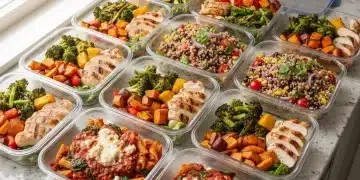
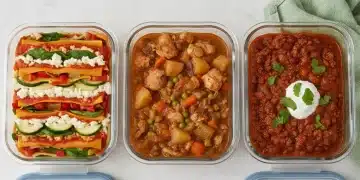
Absolutely. Sheet pan dinners with chicken or sausage and root vegetables are perfect for meal prep; you can portion them out for several days. Similarly, large batches of quinoa or brown rice can be cooked ahead, and proteins can be marinated in advance to save time during the week.
What are some common mistakes to avoid when trying to cook healthy main dishes quickly?
A common mistake is not preparing your ingredients before you start cooking (mise en place). Another is overcrowding the pan, which causes food to steam instead of sear. Finally, avoid overcooking lean proteins like chicken and fish, which can make them dry and tough in a matter of seconds.
Can I adapt existing unhealthy main dish recipes to be healthier and faster?
Yes, many recipes can be adapted. You can swap heavy cream-based sauces for pureed cauliflower or yogurt-based alternatives. Substitute refined grains with whole grains like quinoa or brown rice, and use quick-cooking methods like stir-frying or roasting instead of deep-frying to reduce fat and time.