Mastering Glycemic Index: 7 Low-GI US Meal Ideas for 2026 Blood Sugar Stability
In the evolving landscape of health and nutrition, understanding how the food we eat impacts our bodies is more crucial than ever. For many Americans, maintaining stable blood sugar levels is a key component of overall wellness, whether managing existing conditions like diabetes or simply striving for sustained energy and disease prevention. This is where the Glycemic Index (GI) comes into play, offering a powerful tool to guide our dietary choices. As we look towards 2026, embracing low GI meal ideas is not just a trend; it’s a sustainable approach to healthier living.
Anúncios
The Glycemic Index ranks carbohydrate-containing foods based on how quickly they raise blood sugar levels after eating. Foods with a high GI are rapidly digested and absorbed, leading to a quick and often dramatic spike in blood glucose. Conversely, low GI foods are digested and absorbed more slowly, resulting in a gradual and more stable rise in blood sugar. This distinction is vital for anyone looking to optimize their health, manage weight, and prevent chronic diseases.
In this comprehensive guide, we will delve deep into the world of the Glycemic Index, exploring its significance, how it can be incorporated into a typical US diet, and most importantly, provide you with 7 delicious and practical low GI meal ideas that are perfect for 2026. These ideas are designed to be easy to prepare, flavorful, and accessible, ensuring that stable blood sugar doesn’t mean sacrificing taste or convenience.
Anúncios
Understanding the Glycemic Index: Your Foundation for Health
Before we dive into specific low GI meal ideas, let’s solidify our understanding of the Glycemic Index itself. Developed in the early 1980s by Dr. David Jenkins and his colleagues at the University of Toronto, the GI was initially conceived to help people with diabetes identify foods that would best manage their blood sugar. Over the years, its utility has expanded, becoming a valuable metric for anyone interested in healthy eating.
What is the Glycemic Index (GI)?
The GI is a numerical scale that ranks carbohydrate-rich foods from 0 to 100 based on their effect on blood glucose levels. Glucose, the benchmark, has a GI of 100. Foods are categorized as:
- Low GI: 55 or less (e.g., most fruits and vegetables, legumes, whole grains, nuts)
- Medium GI: 56-69 (e.g., whole wheat bread, brown rice, sweet potatoes)
- High GI: 70 or more (e.g., white bread, white rice, sugary cereals, potatoes)
It’s important to note that the GI value of a food can be influenced by several factors, including:
- Processing: More processed foods tend to have a higher GI. For instance, white bread has a higher GI than whole-grain bread.
- Fiber Content: Foods rich in fiber generally have a lower GI because fiber slows down digestion.
- Ripeness: Riper fruits tend to have a higher GI than less ripe ones.
- Cooking Method: How a food is cooked can affect its GI. For example, al dente pasta has a lower GI than overcooked pasta.
- Fat and Protein Content: Including fats and proteins in a meal can lower the overall GI response by slowing gastric emptying.
Why Prioritize Low GI Foods?
The benefits of incorporating low GI meal ideas into your diet are extensive and well-documented:
- Stable Blood Sugar: The most direct benefit is preventing rapid spikes and crashes in blood glucose, which is crucial for individuals with diabetes and for preventing insulin resistance in others.
- Sustained Energy: By providing a steady supply of glucose, low GI foods help maintain consistent energy levels throughout the day, reducing fatigue and improving focus.
- Weight Management: Foods that keep blood sugar stable often promote satiety, helping you feel fuller for longer and potentially reducing overall calorie intake.
- Reduced Risk of Chronic Diseases: A diet rich in low GI foods is associated with a lower risk of type 2 diabetes, heart disease, and certain cancers.
- Improved Cholesterol Levels: Some studies suggest that low GI diets can positively impact cholesterol profiles.
For the average American diet in 2026, which often includes highly processed foods and refined carbohydrates, shifting towards low GI meal ideas can be a transformative step towards better health.
The Glycemic Load (GL): A More Complete Picture
While the GI is an excellent starting point, it doesn’t tell the whole story. The Glycemic Load (GL) takes into account not just the quality of carbohydrates but also the quantity typically consumed. This provides a more realistic measure of a food’s impact on blood sugar.
GL = (GI x grams of carbohydrate) / 100
Like GI, GL is categorized:
- Low GL: 10 or less
- Medium GL: 11-19
- High GL: 20 or more
For example, watermelon has a high GI (around 76), but a typical serving contains relatively few carbohydrates, resulting in a low GL (around 4). This means that while individual watermelon slices might cause a quick spike, a reasonable portion won’t significantly impact blood sugar. When planning your low GI meal ideas, considering both GI and GL offers the most comprehensive approach.
Integrating Low GI into Your 2026 US Diet: Practical Tips
Making the switch to a low GI diet doesn’t have to be drastic. Small, consistent changes can lead to significant improvements. Here are some actionable tips for incorporating low GI meal ideas into your daily routine:
- Swap Refined Grains for Whole Grains: This is perhaps the easiest and most impactful change. Opt for steel-cut oats instead of instant oatmeal, brown rice or quinoa instead of white rice, and whole-grain bread instead of white bread.
- Embrace Legumes: Beans, lentils, and chickpeas are powerhouses of fiber and protein, making them excellent low GI choices. Incorporate them into soups, salads, and main dishes.
- Fill Up on Non-Starchy Vegetables: Broccoli, spinach, bell peppers, zucchini, and leafy greens are very low in GI and packed with nutrients. Make them the star of your plate.
- Choose Fruits Wisely: While all fruits are healthy, some have lower GI values than others. Berries, apples, pears, and oranges are generally good choices. Enjoy them in moderation.
- Include Healthy Fats and Proteins: Pairing carbohydrates with healthy fats (avocado, nuts, olive oil) and lean proteins (chicken, fish, tofu) can help slow down glucose absorption and lower the overall GI of a meal.
- Mind Your Portions: Even low GI foods can raise blood sugar if consumed in excessively large quantities. Portion control remains key.
- Cook Al Dente: For pasta and certain vegetables, cooking them until they are slightly firm (al dente) rather than overly soft can help maintain a lower GI.
- Read Food Labels: Pay attention to fiber content and added sugars. Higher fiber content usually indicates a lower GI.
By keeping these tips in mind, you’ll be well-equipped to navigate your grocery store and kitchen, making informed choices that support your blood sugar goals. Now, let’s explore some delicious and easy low GI meal ideas for 2026!
7 Low-GI Meal Ideas for Stable Blood Sugar in US Diets (2026)
These meal ideas are designed to be practical, flavorful, and align with common preferences in US diets, while prioritizing low GI ingredients for optimal blood sugar control. Each idea is versatile and can be adapted to your taste.
1. Breakfast: Overnight Oats with Berries and Nuts
Say goodbye to sugary cereals and hello to a convenient and delicious low GI breakfast. Overnight oats are incredibly customizable and prepare themselves while you sleep!
- Ingredients: Rolled oats (not instant), unsweetened almond milk (or other milk of choice), chia seeds, a handful of mixed berries (strawberries, blueberries, raspberries), and a sprinkle of chopped almonds or walnuts.
- Why it’s Low GI: Rolled oats are a fantastic source of soluble fiber, which slows digestion. Chia seeds add extra fiber and healthy fats, further moderating blood sugar response. Berries are among the lowest GI fruits, and nuts provide protein and healthy fats.
- Preparation: Combine oats, chia seeds, and milk in a jar or container. Stir well, cover, and refrigerate overnight. In the morning, top with fresh berries and nuts.
- US Diet Relevance: A popular, quick breakfast choice that can be prepped ahead, fitting into busy American schedules.
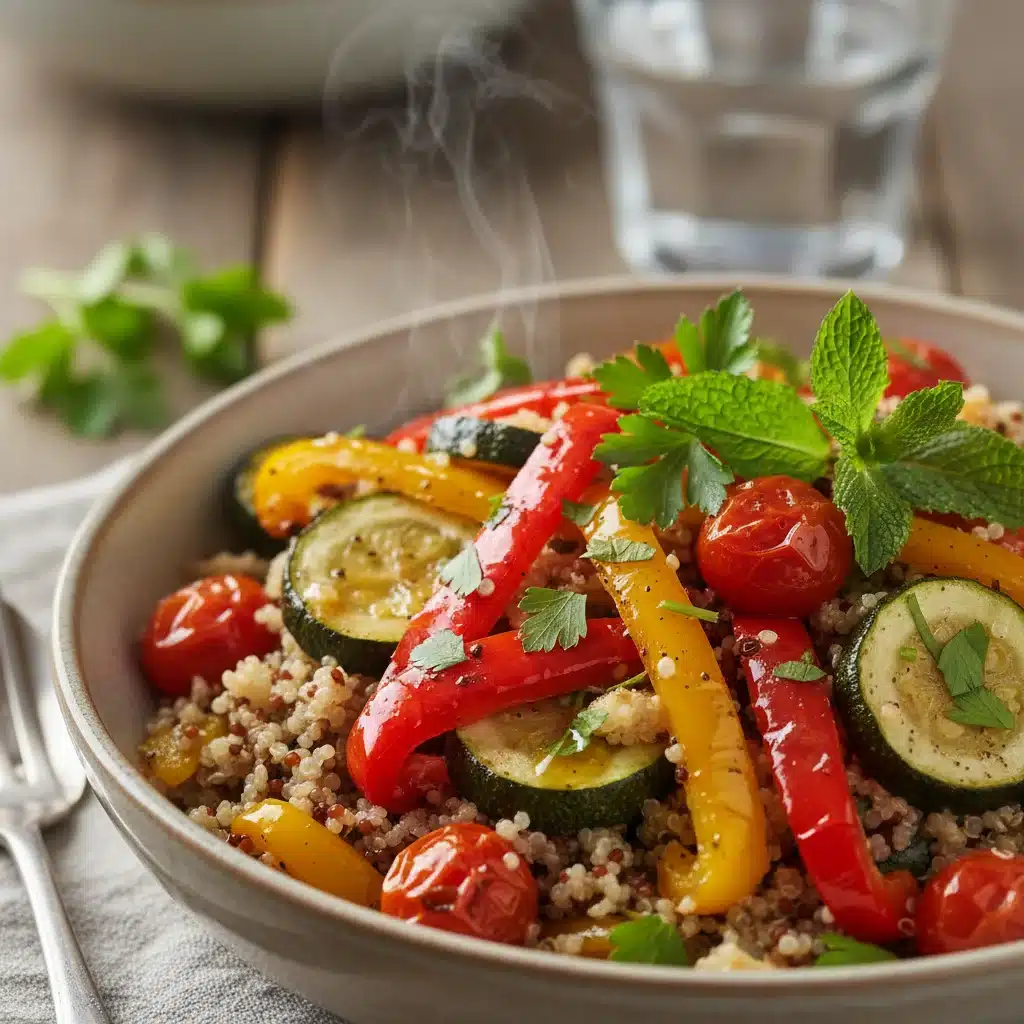
2. Lunch: Quinoa Salad with Roasted Vegetables and Chickpeas
A hearty and colorful salad that’s perfect for a satisfying mid-day meal. This option is packed with plant-based protein and fiber.
- Ingredients: Cooked quinoa, roasted assorted vegetables (bell peppers, zucchini, eggplant, cherry tomatoes), canned chickpeas (rinsed and drained), a light lemon-herb vinaigrette, and fresh parsley.
- Why it’s Low GI: Quinoa is a complete protein and a low GI grain. Roasted vegetables retain their fiber and nutrients. Chickpeas are excellent sources of fiber and protein, contributing to satiety and stable blood sugar.
- Preparation: Toss warm or cold quinoa with roasted vegetables, chickpeas, and vinaigrette. Garnish with fresh parsley. Can be made in bulk for meal prepping.
- US Diet Relevance: Salads are a staple, and this offers a wholesome, filling, and customizable alternative to traditional higher-carb options.
3. Snack: Greek Yogurt with Berries and Chia Seeds
A simple yet effective snack for curbing hunger and maintaining stable glucose levels between meals.
- Ingredients: Plain, unsweetened Greek yogurt, a handful of mixed berries, and a teaspoon of chia seeds.
- Why it’s Low GI: Greek yogurt is high in protein, which slows digestion and keeps you full. Berries are low GI, and chia seeds add beneficial fiber and omega-3s.
- Preparation: Spoon Greek yogurt into a bowl, top with berries and chia seeds.
- US Diet Relevance: Greek yogurt is widely available and a popular snack choice in the US. This version elevates it for blood sugar control.
4. Dinner: Baked Salmon with Steamed Asparagus and Brown Rice
A classic, healthy dinner that’s naturally low in GI and rich in essential nutrients.
- Ingredients: Salmon fillet, fresh asparagus, brown rice, lemon wedges, olive oil, salt, and pepper.
- Why it’s Low GI: Salmon is an excellent source of protein and healthy omega-3 fatty acids, which have no GI. Asparagus is a non-starchy, low GI vegetable. Brown rice, a whole grain, has a moderate to low GI compared to white rice.
- Preparation: Season salmon and bake until flaky. Steam asparagus until tender-crisp. Serve with cooked brown rice and a squeeze of fresh lemon.
- US Diet Relevance: Fish and vegetable dinners are a common healthy choice, and this combination offers a balanced, low-GI profile.
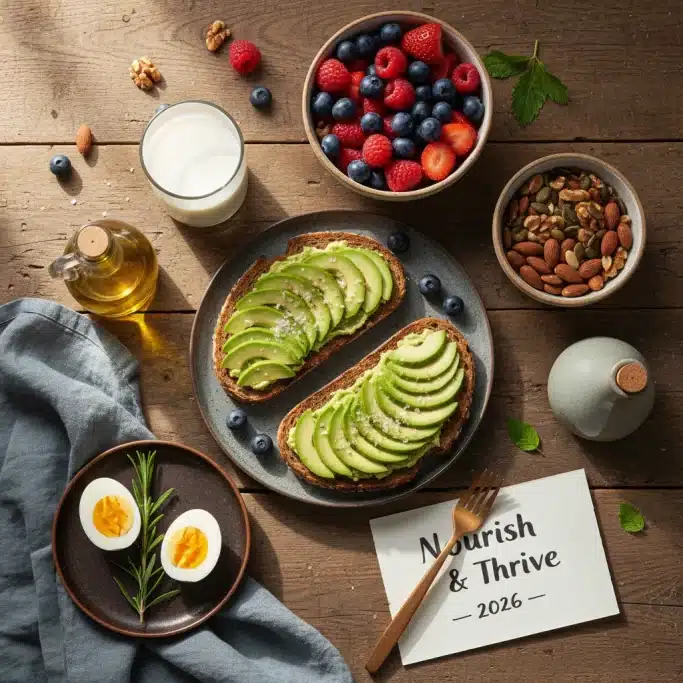
5. Breakfast/Brunch: Avocado Toast on Whole-Grain Sourdough
A popular and satisfying option, made even healthier with the right bread choice.
- Ingredients: 1-2 slices of whole-grain sourdough bread, 1/2 ripe avocado, a sprinkle of red pepper flakes (optional), a dash of everything bagel seasoning (optional), and a drizzle of olive oil.
- Why it’s Low GI: Whole-grain sourdough typically has a lower GI than many other breads due to its fermentation process and fiber content. Avocado provides healthy monounsaturated fats and fiber, further lowering the meal’s GI impact.
- Preparation: Toast the sourdough. Mash the avocado and spread it on the toast. Season with red pepper flakes, everything bagel seasoning, and a drizzle of olive oil.
- US Diet Relevance: Avocado toast is a brunch and breakfast favorite. Using sourdough makes it a smarter, low-GI choice.

6. Lunch: Lentil Soup with a Side Salad
A comforting and nutritious meal, perfect for cooler days or as a lighter, yet filling, option.
- Ingredients: Homemade or low-sodium canned lentil soup (made with vegetables like carrots, celery, and spinach), and a simple side salad with mixed greens and a vinaigrette dressing.
- Why it’s Low GI: Lentils are exceptionally low in GI, packed with fiber and plant-based protein, making them excellent for blood sugar management. Non-starchy vegetables in the soup and salad further contribute to the low GI profile.
- Preparation: Heat the lentil soup. Prepare a simple side salad with your favorite low-GI vegetables and a light dressing.
- US Diet Relevance: Soups are a common lunch choice, and lentil soup provides a hearty, healthy, and low-GI alternative to cream-based or noodle-heavy soups.
7. Dinner: Chicken and Vegetable Stir-fry with Shirataki Noodles
A quick, versatile, and flavorful dinner that keeps carbohydrates in check.
- Ingredients: Lean chicken breast (sliced), a variety of non-starchy vegetables (broccoli, snap peas, bell peppers, mushrooms), shirataki noodles, low-sodium soy sauce or tamari, ginger, garlic, and a touch of sesame oil.
- Why it’s Low GI: Chicken breast is pure protein with no GI. Non-starchy vegetables are inherently low GI. Shirataki noodles are made from konjac yam, are virtually carbohydrate-free, and have a GI of 0, making them an excellent pasta alternative.
- Preparation: Stir-fry chicken until cooked through. Add vegetables and cook until tender-crisp. Add drained shirataki noodles and stir-fry sauce.
- US Diet Relevance: Stir-fries are a popular, quick dinner solution. Using shirataki noodles instead of traditional rice or wheat noodles significantly lowers the GI of this meal, appealing to health-conscious Americans.
Beyond the Plate: Lifestyle Factors for Blood Sugar Control
While focusing on low GI meal ideas is a powerful strategy, it’s part of a larger picture. Holistic health and stable blood sugar also depend on several other lifestyle factors:
- Regular Physical Activity: Exercise helps improve insulin sensitivity, allowing your body to use glucose more effectively. Aim for at least 150 minutes of moderate-intensity aerobic activity per week.
- Adequate Sleep: Poor sleep can disrupt hormone regulation, including those that control blood sugar. Prioritize 7-9 hours of quality sleep per night.
- Stress Management: Chronic stress can elevate blood sugar levels. Incorporate stress-reducing techniques like meditation, yoga, or spending time in nature.
- Hydration: Drinking enough water is essential for overall bodily functions, including glucose metabolism.
- Consult a Professional: If you have specific health concerns, especially diabetes or pre-diabetes, always consult with a doctor or registered dietitian to create a personalized meal plan.
By integrating these lifestyle elements with your commitment to low GI meal ideas, you create a robust foundation for long-term health and well-being.
Common Misconceptions About the Glycemic Index
Despite its utility, the GI can sometimes be misunderstood. Let’s clarify a few common misconceptions:
- GI is the only factor: The GI is a valuable tool, but it shouldn’t be the sole determinant of your food choices. Nutritional value, fiber content, and overall dietary pattern are also crucial. A low GI food lacking in essential nutrients isn’t necessarily healthier than a higher GI food that’s nutrient-dense.
- All low GI foods are healthy: While most low GI foods are healthy (e.g., vegetables, whole grains), some foods like chocolate or ice cream can have a relatively low GI due to their fat content slowing digestion, but they are still high in calories and sugar and should be consumed in moderation.
- All high GI foods are bad: High GI foods aren’t inherently ‘bad.’ For athletes, high GI foods can be beneficial for quick energy replenishment after intense exercise. The context of your diet and lifestyle matters.
- GI is fixed for all individuals: Individual responses to foods can vary based on genetics, gut microbiome, and other factors. The GI provides a general guideline, but personal monitoring (if applicable) is always best.
- You have to calculate GI for every meal: No, the goal is to understand the principles and make informed swaps. You don’t need to be a human calculator. Focus on increasing whole, unprocessed foods and reducing refined carbohydrates.
The key is to use the GI as a guide to make more informed choices, rather than a rigid set of rules that lead to restrictive eating. Our low GI meal ideas aim to provide both structure and flexibility.
The Future of Low GI Eating in the US (2026 and Beyond)
As health awareness continues to grow in the United States, the emphasis on preventative health and personalized nutrition will only increase. By 2026, we anticipate even greater mainstream adoption of concepts like the Glycemic Index, with more food manufacturers offering low GI options and increased public education on its benefits.
Consumers are becoming more discerning, seeking out foods that not only taste good but also provide tangible health benefits. The demand for whole grains, plant-based proteins, and nutrient-dense produce is on the rise, aligning perfectly with the principles of a low GI diet. The low GI meal ideas presented here are not just for today; they are a blueprint for sustainable healthy eating that will continue to be relevant in the years to come.
Embracing a low GI lifestyle doesn’t mean sacrificing the joy of eating. It means making smarter, more conscious choices that empower you to take control of your health. With the variety of delicious and satisfying low GI meal ideas available, you can enjoy a rich and diverse diet that supports stable blood sugar, sustained energy, and overall well-being.
Conclusion: Empowering Your Health with Low GI Choices
Navigating the complex world of nutrition can feel overwhelming, but understanding the Glycemic Index provides a clear, actionable path towards better health. By consistently choosing low GI meal ideas, you can significantly impact your blood sugar stability, energy levels, and long-term health outcomes. The 7 meal ideas we’ve shared offer a starting point for delicious, practical, and blood-sugar-friendly eating in the US diet landscape of 2026.
Remember, the journey to better health is a marathon, not a sprint. Small, consistent efforts in choosing whole, unprocessed, and low GI foods will yield significant rewards. Empower yourself with knowledge, experiment with new recipes, and enjoy the benefits of a diet that truly nourishes your body from the inside out. Your stable blood sugar and vibrant health are well within reach.