Mastering Sugar-Free Baking: Essential Ingredients for 2026
Anúncios
In an era where health consciousness is at an all-time high, the demand for delicious yet healthy food options continues to soar. Among these, sugar-free baking has emerged as a significant trend, transforming the way we enjoy our favorite treats. Gone are the days when ‘sugar-free’ meant sacrificing taste and texture. Thanks to advancements in food science and a deeper understanding of alternative ingredients, crafting delectable desserts without added sugar is not only possible but also incredibly rewarding.
Anúncios
This ultimate guide is dedicated to helping you navigate the exciting world of sugar-free baking ingredients, focusing on what’s essential for 2026. Whether you’re a seasoned baker looking to refine your techniques or a novice eager to embark on a healthier culinary journey, understanding the right ingredients is your first step towards success. We’ll delve into the science behind sugar substitutes, explore innovative flour alternatives, and uncover the fats that can elevate your sugar-free creations.
The Rise of Sugar-Free Baking: Why Now?
The shift towards healthy eating is not just a fad; it’s a lifestyle change embraced by millions worldwide. Concerns over the health implications of excessive sugar consumption – including its links to obesity, type 2 diabetes, heart disease, and dental problems – have spurred a widespread movement to reduce sugar intake. This societal shift has naturally extended into the kitchen, with more people seeking ways to enjoy baked goods without the guilt. Sugar-free baking provides the perfect solution, allowing individuals to indulge their sweet tooth responsibly.
Anúncios
Moreover, the market has responded to this demand with an explosion of innovative products. From natural sweeteners derived from plants to specially formulated flours, the options available to the sugar-free baker have never been more diverse or effective. This guide aims to cut through the noise, providing a clear roadmap to the most impactful and essential sugar-free baking ingredients you should be stocking in your pantry for 2026.
Understanding Sugar Substitutes: The Core of Sugar-Free Baking
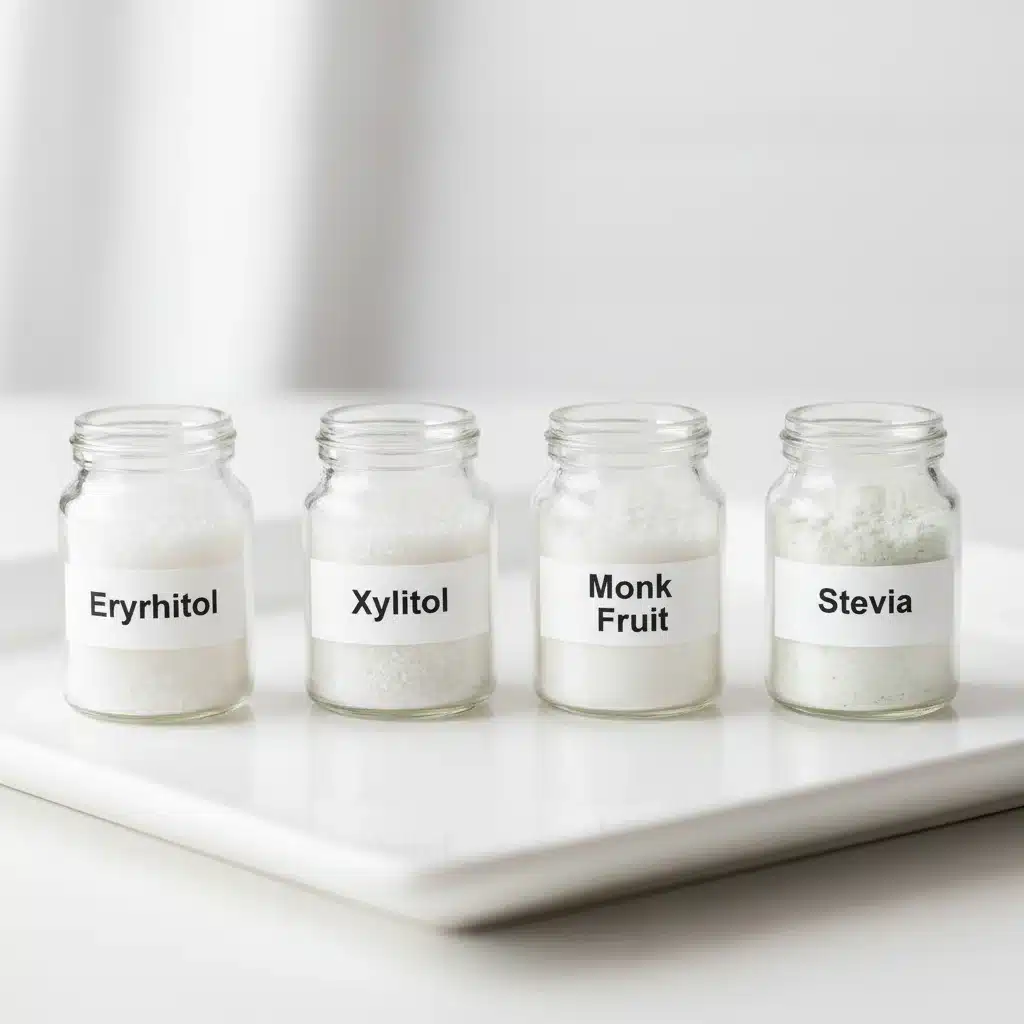
The most crucial aspect of sugar-free baking is, unsurprisingly, the sugar substitutes. These ingredients are not created equal, and understanding their unique properties is key to achieving desirable results. For 2026, a few stand out for their versatility, taste profile, and health benefits.
Erythritol: The Gentle Sweetener
Erythritol is a sugar alcohol found naturally in some fruits and fermented foods. It’s a popular choice for sugar-free recipes because it offers about 70% of the sweetness of sugar with almost no calories. It’s also well-tolerated by most people, unlike some other sugar alcohols that can cause digestive upset. Erythritol has a clean taste, without the bitter aftertaste often associated with other sweeteners, making it an excellent all-rounder for various baked goods.
- Pros: Low calories, minimal impact on blood sugar, good digestive tolerance, clean taste.
- Cons: Can have a cooling sensation in the mouth at high concentrations, doesn’t caramelize like sugar.
- Best for: Cookies, cakes, muffins, frostings.
Stevia: The Potent Plant-Based Sweetener
Derived from the leaves of the Stevia rebaudiana plant, stevia is a natural, calorie-free sweetener that is significantly sweeter than sugar (200-400 times). While incredibly potent, it’s crucial to use stevia in its pure extract form for baking, as many commercial stevia products are blended with other sweeteners or fillers. Its concentration means you only need a tiny amount, making precise measurement vital to avoid an overly sweet or bitter result. Stevia is a potent tool in your sugar-free baking ingredients arsenal.
- Pros: Zero calories, natural, very potent, does not raise blood sugar.
- Cons: Can have a distinct aftertaste if used in excess, difficult to measure in small quantities.
- Best for: Beverages, custards, light baked goods where only a small amount of sweetness is needed.
Monk Fruit: The Rising Star
Monk fruit sweetener, extracted from the monk fruit (Siraitia grosvenorii), is another natural, calorie-free option gaining immense popularity. Like stevia, it’s incredibly sweet (150-250 times sweeter than sugar) but often boasts a cleaner taste profile with less of an aftertaste. Monk fruit is heat-stable, making it suitable for baking and cooking. Its natural origin and pleasant taste make it a top contender among sugar-free baking ingredients for 2026.
- Pros: Zero calories, natural, no significant aftertaste, heat-stable.
- Cons: Can be more expensive, potency requires careful measurement.
- Best for: A wide range of baked goods, from cookies to bread.
Xylitol: The Tooth-Friendly Option
Xylitol is another sugar alcohol, similar to erythritol, but with a sweetness level comparable to sugar. It’s often found in chewing gums and oral health products due to its beneficial effects on dental health. Xylitol has a very similar taste and texture to sugar, making it an excellent 1:1 replacement in many recipes. However, it’s important to note that xylitol is highly toxic to dogs, so extreme caution is needed if you have pets. This is a key consideration when selecting your sugar-free baking ingredients.
- Pros: Tastes like sugar, good for dental health, low glycemic index.
- Cons: Can cause digestive issues in large quantities, highly toxic to dogs.
- Best for: Recipes where a 1:1 sugar replacement is desired, such as cakes and custards.
Allulose: The New Kid on the Block
Allulose is a ‘rare sugar’ found naturally in small quantities in wheat, figs, and raisins. It offers about 70% of the sweetness of sugar but with only 10% of the calories. What makes allulose stand out is its ability to brown and caramelize like sugar, a feature many other sugar substitutes lack. This makes it an exciting addition to the sugar-free baking ingredients landscape for recipes requiring that golden-brown finish. It also has a very low impact on blood sugar levels.
- Pros: Browns and caramelizes, low calories, low glycemic impact, clean taste.
- Cons: Can be more expensive and less widely available than other sweeteners.
- Best for: Baked goods requiring browning, sauces, and glazes.
Flour Power: Essential Alternatives for Sugar-Free Baking
Beyond sweeteners, the choice of flour dramatically impacts the texture, taste, and nutritional profile of your sugar-free baked goods. Traditional wheat flour, while versatile, can be high in carbohydrates and gluten, which many people are trying to avoid. For 2026, several alternative flours have become staples for gluten-free and low-carb sugar-free baking.
Almond Flour: The Versatile Nut Flour
Almond flour is made from finely ground blanched almonds, making it gluten-free, low in carbohydrates, and rich in protein and healthy fats. It imparts a delicate, slightly nutty flavor and a moist texture to baked goods. Its versatility makes it a cornerstone of low-carb baking and thus a crucial component of your sugar-free baking ingredients pantry.
- Pros: Gluten-free, low-carb, high in protein and fiber, adds moisture.
- Cons: Can be dense, more expensive than wheat flour, not suitable for nut allergies.
- Best for: Cakes, muffins, cookies, pie crusts.
Coconut Flour: The Absorbent Option
Coconut flour is made from dried, defatted coconut meat. It’s incredibly absorbent, very high in fiber, and low in carbohydrates. Due to its high absorbency, you need significantly less coconut flour than wheat flour, and it requires a lot more liquid in recipes. It adds a subtle coconut flavor, which can be a delightful addition to many sugar-free recipes.
- Pros: Gluten-free, very high in fiber, low-carb, unique flavor.
- Cons: Extremely absorbent, requires recipe adjustments, can be dry if not used correctly.
- Best for: Muffins, quick breads, dense cakes, and as a thickener.
Oat Flour: The Wholesome Choice
Oat flour is simply ground oats and is a fantastic whole-grain, gluten-free (if certified) option. It’s rich in soluble fiber, which can help regulate blood sugar levels. Oat flour provides a slightly chewy texture and a mild, earthy flavor, making it a wholesome addition to your healthy baking repertoire. It’s a great choice for adding bulk and nutrition to your sugar-free baking ingredients.
- Pros: Whole grain, high in fiber, relatively inexpensive, mild flavor.
- Cons: Can make baked goods dense, not suitable for celiac disease unless certified gluten-free.
- Best for: Cookies, pancakes, quick breads, and as a partial replacement for other flours.
Lupin Flour: The Protein Powerhouse
Lupin flour, derived from lupin beans, is gaining traction as a low-carb, high-protein, and high-fiber alternative. It’s gluten-free and has a very low glycemic index. Lupin flour has a slightly bitter taste that can be masked by other flavors, and it works best when combined with other flours. It’s an excellent choice for those looking to significantly boost the protein content of their keto baking and sugar-free creations.
- Pros: Very low-carb, high in protein and fiber, gluten-free.
- Cons: Can have a slightly bitter taste, best used in combination with other flours.
- Best for: Breads, crackers, and savory baked goods.
Fats and Binders: Enhancing Texture and Flavor in Sugar-Free Baking
The right fats and binders are crucial for achieving the desired texture, moisture, and richness in your sugar-free baked goods. They play a vital role in balancing the dryness that can sometimes result from using alternative flours and provide necessary structure.
Butter and Ghee: The Traditionalists
Good quality butter remains a staple for many bakers, even in sugar-free contexts, for its flavor and ability to create tender crumbs. Ghee, clarified butter, is also an excellent option, offering a rich, nutty flavor and a higher smoke point. Both contribute to the luxurious mouthfeel often desired in baked goods and are essential sugar-free baking ingredients.
- Pros: Excellent flavor, provides richness and moisture.
- Cons: High in saturated fat, not suitable for vegan diets.
- Best for: Most baked goods where richness is desired.
Coconut Oil: The Plant-Based Favorite
Virgin coconut oil is a popular plant-based fat that adds a subtle coconut flavor and richness. It’s solid at room temperature, making it a good substitute for butter in many recipes. Refined coconut oil has a neutral flavor, making it more versatile if you don’t want the coconut taste. It’s a fantastic alternative for those seeking vegan sugar-free baking ingredients.
- Pros: Plant-based, adds flavor (virgin), good for vegan recipes.
- Cons: Can impart coconut flavor (virgin), high in saturated fat.
- Best for: Vegan cakes, cookies, and muffins.
Avocado Oil: The Neutral Choice
Avocado oil is a heart-healthy fat with a neutral flavor and a high smoke point, making it suitable for both baking and cooking. It’s an excellent choice when you want to add moisture and richness without altering the flavor profile of your baked goods. It’s a neutral and healthy option for your sugar-free baking ingredients.
- Pros: Neutral flavor, healthy fats, high smoke point.
- Cons: Can be more expensive.
- Best for: Any baked good where a neutral fat is preferred.
Psyllium Husk Powder: The Essential Binder
When working with gluten-free and low-carb flours, a binder is often necessary to provide structure and prevent crumbling. Psyllium husk powder is an excellent choice. It’s a soluble fiber that absorbs liquid and forms a gel-like consistency, mimicking the binding properties of gluten. It’s a truly essential component for successful gluten-free sugar-free baking.
- Pros: Excellent binder, adds fiber, helps with structure.
- Cons: Can make baked goods too dense if used in excess.
- Best for: Breads, dense cakes, and recipes requiring significant binding.
Xanthan Gum and Guar Gum: The Structure Providers
These gums are often used in small quantities in gluten-free baking to provide elasticity and structure, similar to gluten. Xanthan gum is fermentation-derived, while guar gum comes from the guar bean. Both are powerful thickeners and stabilizers that can significantly improve the texture of your sugar-free baked goods, making them less crumbly and more cohesive. They are vital sugar-free baking ingredients.
- Pros: Improves texture and elasticity, prevents crumbling.
- Cons: Use in very small amounts as too much can make baked goods gummy.
- Best for: Most gluten-free baked goods.
Flavor Enhancers and Add-ins: Elevating Your Sugar-Free Creations
Once you have your core sugar-free baking ingredients, it’s time to think about flavor. Sugar itself contributes to flavor, so when it’s removed, you might need to lean on other ingredients to add depth and complexity.
Pure Vanilla Extract and Other Natural Extracts
Pure vanilla extract is a must-have in any baker’s pantry. In sugar-free baking, its aromatic qualities are even more critical, as it can help mask any subtle off-notes from sweeteners and enhance the overall flavor profile. Don’t shy away from other extracts like almond, peppermint, lemon, or orange to add variety and excitement to your sugar-free treats.
Unsweetened Cocoa Powder
For chocolate lovers, unsweetened cocoa powder is indispensable. It provides rich, deep chocolate flavor without any added sugar. When combined with a good sugar substitute, it can create truly decadent sugar-free chocolate desserts. Look for high-quality Dutch-processed cocoa for a smoother, less bitter taste.
Spices: Cinnamon, Nutmeg, Cardamom
Spices are your best friends in sugar-free baking. Cinnamon, nutmeg, cloves, ginger, and cardamom can add warmth, sweetness perception, and complexity to your baked goods, often making them feel more satisfying without extra sugar. Experiment with different combinations to find your favorites.
Nuts and Seeds
Chopped nuts (walnuts, pecans, almonds) and seeds (chia, flax, pumpkin) add texture, healthy fats, protein, and fiber to your sugar-free creations. They can also contribute to satiety, making your treats more filling and satisfying. They are excellent sugar-free baking ingredients.
Fresh or Frozen Berries
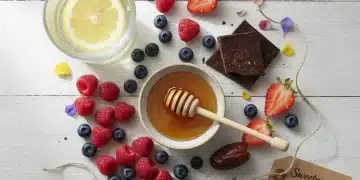
Berries like blueberries, raspberries, and strawberries are naturally low in sugar and high in antioxidants. They add natural sweetness, tartness, and vibrant color to muffins, cakes, and pies, perfectly complementing the absence of refined sugar. They are a fantastic natural way to enhance your sugar-free recipes.
Tips for Successful Sugar-Free Baking in 2026
Embarking on your sugar-free baking journey requires a slightly different approach than traditional baking. Here are some essential tips to ensure your success with these sugar-free baking ingredients:
1. Understand Your Sweeteners
As discussed, each sugar substitute has unique properties. Some are bulkier, some are more potent, and some have a cooling effect. Familiarize yourself with the characteristics of your chosen sweetener and how it behaves in recipes. Blending sweeteners can often yield the best results, combining the benefits of several options.
2. Adjust Liquids and Fats
Sugar adds moisture and bulk to baked goods. When you remove it, you might need to adjust the liquid or fat content of your recipe to compensate. Alternative flours like coconut flour are also very absorbent, necessitating more liquid. Don’t be afraid to slightly increase eggs, yogurt, milk, or healthy fats like avocado oil to maintain moisture and texture. This is key to mastering your sugar-free baking ingredients.
3. Embrace Flavor Boosters
Without the intense sweetness of sugar, other flavors have a chance to shine. Don’t skimp on vanilla extract, spices, citrus zests, or cocoa powder. These ingredients will add depth and make your sugar-free treats feel more satisfying and flavorful.
4. Be Patient and Experiment
Sugar-free baking often involves a bit of trial and error, especially when adapting traditional recipes. Start with recipes specifically designed for sugar-free alternatives, and then gradually experiment with your own modifications. Keep notes on what works and what doesn’t. Patience is a virtue in this culinary adventure.
5. Check for Doneness Differently
Baked goods made with sugar substitutes might not brown in the same way as those with regular sugar. Rely more on internal temperature, the spring-back test, or a wooden skewer test to determine doneness rather than visual browning alone. This will prevent overbaking and dry results with your sugar-free baking ingredients.
6. Storage Considerations
Sugar-free baked goods can sometimes dry out faster than their sugar-laden counterparts. Store them in airtight containers at room temperature or in the refrigerator, depending on the ingredients, to maintain freshness and moisture. Freezing is also an excellent option for longer storage.
Looking Ahead: The Future of Sugar-Free Baking
As we move further into 2026 and beyond, the landscape of sugar-free baking will continue to evolve. Research into new natural sweeteners, functional flours, and innovative binding agents is ongoing. We can expect even more variety, better taste profiles, and easier adaptation of traditional recipes. The focus will likely remain on ingredients that offer health benefits beyond just calorie reduction, such as prebiotics, probiotics, and enhanced nutritional value.
The commitment to health and wellness will only strengthen, making sugar-free baking a permanent and increasingly sophisticated part of our culinary world. By embracing the sugar-free baking ingredients discussed in this guide, you’re not just following a trend; you’re investing in a healthier, more flavorful future for your kitchen.
Conclusion: Your Sugar-Free Baking Journey Starts Now
Mastering sugar-free baking in 2026 is an exciting and rewarding endeavor. With the right sugar-free baking ingredients in your pantry – from versatile sweeteners like erythritol and monk fruit to nutrient-dense flours such as almond and coconut, and essential binders like psyllium husk – you are well-equipped to create delicious, guilt-free treats that everyone will love.
Remember that baking is an art and a science. Don’t be afraid to experiment, learn from your experiences, and most importantly, enjoy the process of creating healthier versions of your favorite desserts. The journey to a sugar-free kitchen is one of discovery, flavor, and well-being. Happy baking!