Advanced Healthy Cooking: Elevate Your Home Kitchen Flavors in 2026
Anúncios
In the evolving landscape of home kitchens, the pursuit of both exquisite flavor and robust nutrition has never been more prominent. As we look towards 2026, the discerning US home chef is no longer content with basic meal preparation. The demand for sophisticated, yet accessible, culinary techniques that elevate everyday cooking to an art form, while simultaneously bolstering health, is at an all-time high. This comprehensive guide delves into 6 advanced healthy cooking techniques that promise to transform your kitchen into a haven of innovative, nutritious, and incredibly delicious meals. Beyond the simple steam or sauté, these methods unlock new dimensions of taste, texture, and nutrient retention, making advanced healthy cooking an achievable reality for everyone.
Anúncios
The journey into advanced healthy cooking is not merely about using exotic ingredients; it’s about understanding the science behind food preparation, optimizing cooking processes, and mastering techniques that bring out the best in every component of your dish. It’s about creating meals that are not only good for you but also incredibly satisfying and memorable. From precision temperature control to harnessing the power of beneficial microbes, these techniques are designed to empower you with the knowledge and skills to cook smarter, not just harder. Prepare to embark on a culinary adventure that will redefine your perception of healthy eating and inspire you to explore the boundless possibilities of your home kitchen.
Anúncios
1. Sous Vide: Precision Cooking for Unparalleled Tenderness and Nutrient Retention
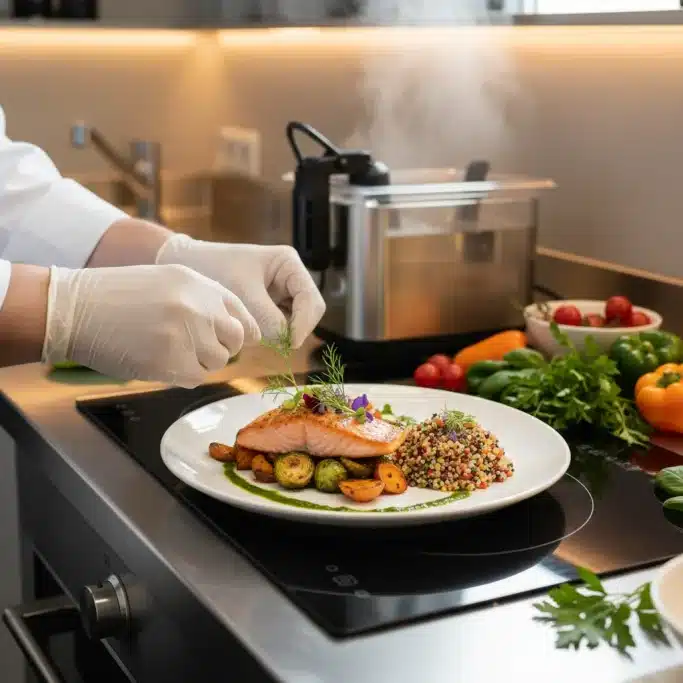
Sous vide, French for “under vacuum,” is a cooking method where food is sealed in a vacuum-sealed bag and cooked in a precisely controlled water bath. This technique has revolutionized advanced healthy cooking by offering unparalleled control over temperature, resulting in food cooked to exact doneness from edge to edge, with minimal loss of moisture and nutrients. For the home chef, sous vide opens up a world of possibilities for perfectly cooked proteins, vegetables, and even desserts.
Why Sous Vide is a Game-Changer for Healthy Cooking
- Consistent Results: Say goodbye to overcooked or undercooked food. Sous vide ensures uniform cooking, guaranteeing perfect texture and tenderness every time. This consistency is crucial for delicate ingredients that can easily be ruined by traditional methods.
- Enhanced Flavor and Moisture: Because food cooks in its own juices within the sealed bag, flavors are concentrated, and moisture is retained. This means less need for added fats or sauces to compensate for dryness, contributing to advanced healthy cooking.
- Nutrient Preservation: Traditional high-heat cooking can degrade heat-sensitive vitamins and minerals. The gentle, controlled heat of sous vide helps preserve the nutritional integrity of ingredients, making your healthy meals even healthier.
- Reduced Fat Usage: The natural tenderness and flavor achieved through sous vide often mean you can use less oil or butter in your recipes, further enhancing the health profile of your dishes.
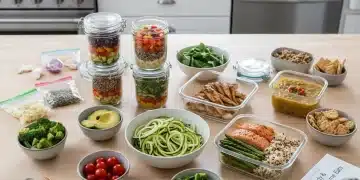
- Batch Cooking and Meal Prep: Sous vide is ideal for meal prepping. You can cook large batches of proteins or vegetables, then chill them in their bags. When ready to eat, simply sear or reheat, saving valuable time during busy weekdays.
Getting Started with Sous Vide at Home
To begin your sous vide journey, you’ll need an immersion circulator, a large pot or container, and vacuum-sealable bags (or simply use the water displacement method with Ziploc bags). Common applications include cooking chicken breasts to juicy perfection, achieving a perfectly medium-rare steak, or tenderizing tough cuts of meat. Vegetables like carrots, asparagus, and potatoes also shine when cooked sous vide, emerging vibrant and perfectly tender-crisp. For advanced healthy cooking, consider experimenting with fish fillets, infusing them with herbs and citrus for a delicate, flavorful result.
2. Fermentation: Cultivating Flavor and Gut Health
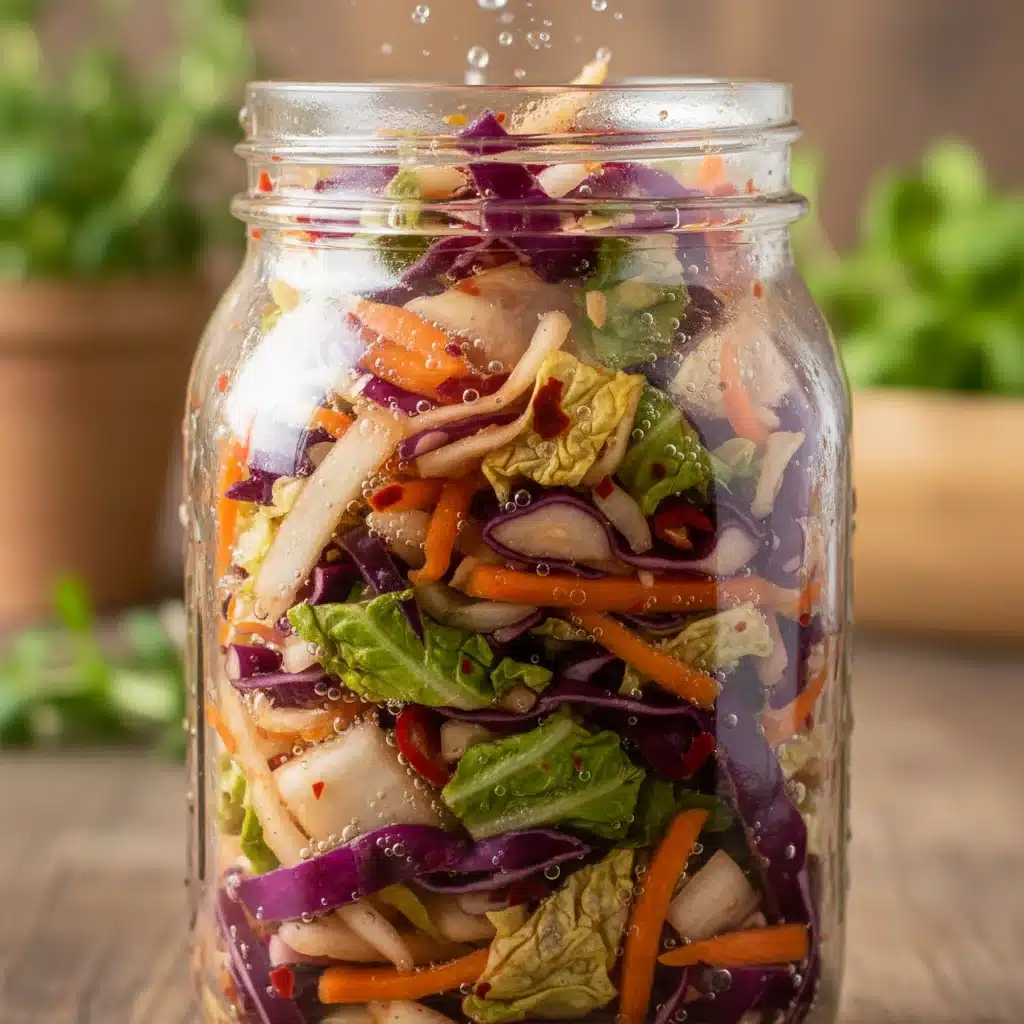
Fermentation, an ancient preservation technique, has experienced a modern resurgence, particularly among those interested in advanced healthy cooking and gut health. This process involves using microorganisms (like bacteria and yeast) to convert carbohydrates into alcohol, acids, or gases, transforming ingredients in profound ways. Beyond its preservative qualities, fermentation introduces complex flavors and beneficial probiotics into your diet.
The Health Benefits of Fermented Foods
- Improved Gut Health: Fermented foods are rich in probiotics, live microorganisms that can help balance your gut microbiome. A healthy gut is linked to improved digestion, enhanced immunity, and even better mood regulation.
- Enhanced Nutrient Absorption: The fermentation process can break down anti-nutrients and make certain vitamins and minerals more bioavailable, allowing your body to absorb them more efficiently.
- Unique Flavor Profiles: Fermentation creates a spectrum of tangy, savory, and umami flavors that are difficult to achieve through other cooking methods. This depth of flavor can reduce the need for excessive salt or unhealthy additives in your advanced healthy cooking.
- Natural Preservation: The acids produced during fermentation act as natural preservatives, extending the shelf life of foods without the need for artificial additives.
Exploring Fermentation in Your Kitchen
Starting with fermentation can be as simple as making your own sauerkraut or kimchi. These involve shredding vegetables, salting them, and allowing them to ferment in an anaerobic environment. Other popular fermented foods for the home chef include kombucha (a fermented tea), kefir (a fermented milk drink), and sourdough bread. As you delve deeper into advanced healthy cooking, you might explore fermenting hot sauces, making homemade vinegar, or even culturing your own tempeh. Always ensure proper sanitation and follow reliable recipes to ensure food safety.
3. Dehydration: Concentrating Flavors and Preserving Nutrients
Dehydration is a method of food preservation that involves removing moisture, thereby inhibiting the growth of bacteria, yeasts, and molds. While often associated with trail mix, dehydration is an advanced healthy cooking technique that can concentrate flavors, create unique textures, and preserve the nutritional value of ingredients without the need for added sugars or unhealthy fats.
Advantages of Dehydration for Healthy Eating
- Intensified Flavors: Removing water from fruits, vegetables, and herbs concentrates their natural sugars and flavors, resulting in more potent and savory ingredients. Dehydrated tomatoes, for example, have a much deeper umami profile than fresh ones.
- Nutrient Preservation: Unlike high-heat cooking, dehydration uses low temperatures, which helps preserve heat-sensitive vitamins, minerals, and enzymes. This makes dehydrated foods excellent for advanced healthy cooking.
- Extended Shelf Life: Dehydrated foods can be stored for long periods without refrigeration, making them perfect for pantry staples, snacks, and emergency preparedness.
- Versatile Applications: From crunchy fruit chips and vegetable crisps to homemade jerky and powdered vegetable broths, dehydration offers a vast array of culinary possibilities.
Integrating Dehydration into Your Advanced Healthy Cooking
A food dehydrator is the most efficient tool for this technique, but a low-temperature oven can also work. Start by making kale chips, apple rings, or sun-dried tomatoes. You can also dehydrate herbs from your garden to preserve their potency for year-round use. For more advanced healthy cooking applications, consider dehydrating vegetable purees to create flavorful powders that can be used as natural seasoning agents or thickeners for soups and sauces. Make your own fruit leathers for a healthy, portable snack. The key is even slicing and consistent low heat to ensure thorough drying and prevent spoilage.
4. Low-Temperature Roasting/Baking: Maximizing Tenderness and Caramelization
While high-heat roasting is common, low-temperature roasting or baking is an advanced healthy cooking technique that offers significant advantages, particularly for tenderizing meats and achieving deep, complex caramelization in vegetables without burning. This method involves cooking food slowly at a lower oven temperature, typically between 200°F and 300°F (93°C and 150°C).
Benefits of Low-Temperature Roasting
- Superior Tenderness: For meats, low and slow cooking breaks down tough connective tissues more effectively, resulting in incredibly tender and succulent results. This is especially beneficial for leaner cuts that can dry out quickly at high temperatures.
- Even Cooking: The gentle heat penetrates food more uniformly, reducing the risk of overcooked exteriors and undercooked interiors. This precision is a hallmark of advanced healthy cooking.
- Enhanced Flavor Development: While high heat creates a crust, low heat allows for a more gradual and deeper caramelization (Maillard reaction) in vegetables and the rendering of fats in meats, leading to richer, more nuanced flavors.
- Reduced Acrylamide Formation: For starchy vegetables, cooking at lower temperatures can help minimize the formation of acrylamide, a potentially harmful compound produced at high temperatures.
Applying Low-Temperature Techniques
Try low-temperature roasting for whole chickens, pork shoulders, or even large fish fillets. For vegetables, root vegetables like carrots, parsnips, and sweet potatoes develop an incredible sweetness and tender texture when roasted slowly. Tomatoes can be slow-roasted to concentrate their juices and create intense, jam-like flavor. This advanced healthy cooking method requires patience but rewards you with deeply flavorful and perfectly cooked results that are both satisfying and nutritious. Remember to factor in longer cooking times and use a meat thermometer for accuracy.
5. Whipping/Aerating: Creating Volume and Lightness with Less Fat
Whipping and aerating are advanced healthy cooking techniques that introduce air into ingredients, creating light, voluminous textures without relying heavily on fats or starches. This method is not just for desserts; it can be applied to savory dishes, sauces, and even beverages to enhance mouthfeel and reduce caloric density.
How Whipping Contributes to Healthy Cooking
- Reduced Fat Content: By incorporating air, you can create a sense of richness and fullness without adding excessive butter, cream, or oil. For example, a whipped avocado mousse feels decadent but is packed with healthy fats.
- Enhanced Flavor Release: The lighter, airier texture allows flavors to dissipate more readily on the palate, making each bite more impactful and satisfying.
- Unique Textural Experiences: From foamy sauces to cloud-like purees, aeration adds an exciting textural dimension to your advanced healthy cooking, making meals more interesting and enjoyable.
- Increased Volume: Whipping can increase the volume of ingredients, making smaller portions feel more substantial and visually appealing.
Creative Applications of Whipping and Aerating
Think beyond whipped cream. Consider whipping egg whites into a cloud-like meringue for a light dessert or as a topping for savory dishes. Create airy vegetable purees by blending cooked vegetables with a little liquid and then whipping them vigorously. For a sophisticated touch in advanced healthy cooking, use an immersion blender or a hand frother to create light foams from broths, vegetable juices, or even infused oils to garnish dishes. This technique adds elegance and a refined touch to your meals, making them restaurant-quality without the added calories.
6. Culinary Torching/Broiling: Achieving Crispy Textures and Caramelization
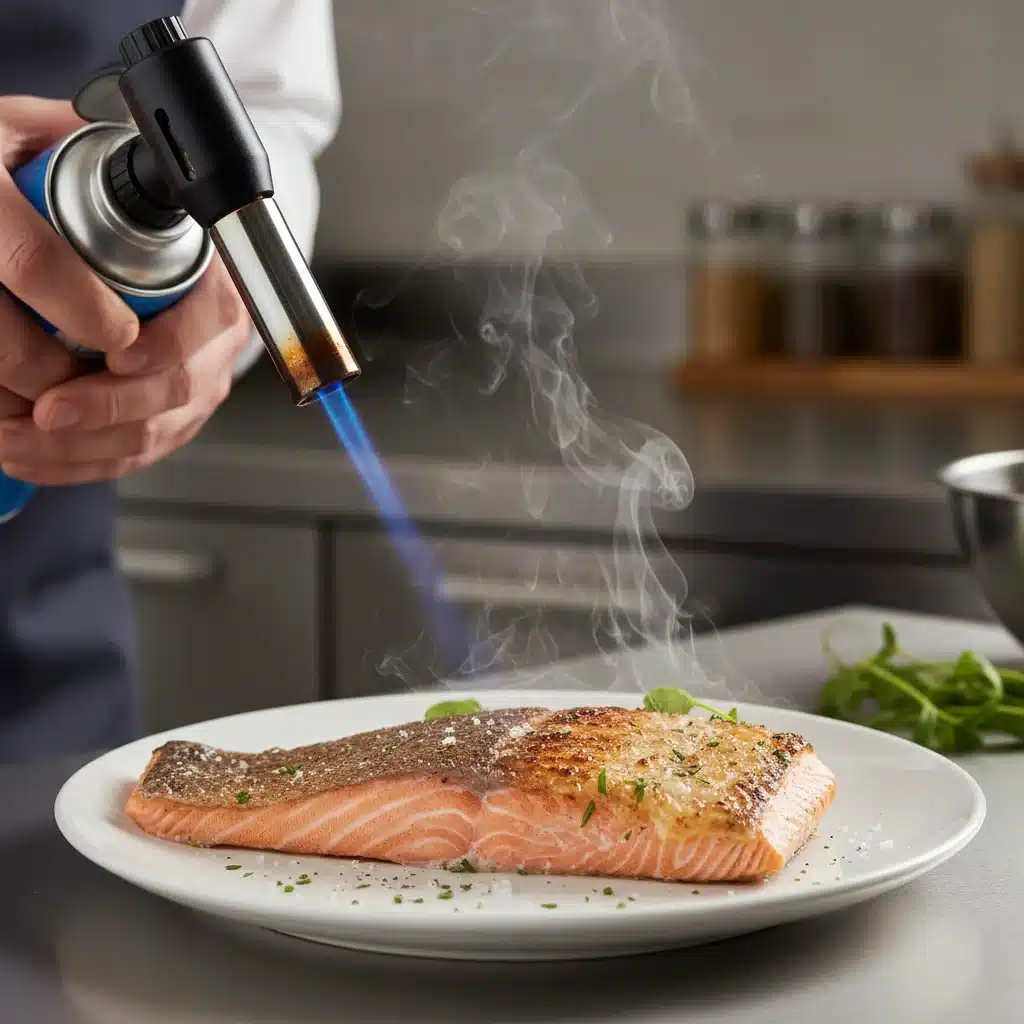
While often seen as a finishing touch, culinary torching or strategic broiling is an advanced healthy cooking technique that allows for precise application of high heat to create crispy textures, charring, and caramelization without submerging food in oil or cooking it through completely. This method is excellent for developing flavor and appealing aesthetics.
Benefits of Torching/Broiling for Health-Conscious Cooking
- Crispy Texture without Deep Frying: Achieve a satisfying crunch on fish skin, chicken skin, or vegetable tops without the need for excess oil. This is a cornerstone of advanced healthy cooking where texture plays a vital role.
- Rapid Caramelization: The intense, direct heat quickly caramelizes sugars on surfaces, creating complex, savory-sweet notes and a beautiful golden-brown finish.
- Precise Control: A culinary torch offers incredible control, allowing you to brown specific areas of a dish without affecting the internal temperature or texture of the rest of the food. Broiling offers a similar, though less precise, effect.
- Flavor Layering: Torching can be used to char herbs or spices directly onto food, releasing their aromatic compounds and adding a smoky depth of flavor.
Mastering the Torch and Broiler
A culinary torch is a valuable tool for advanced healthy cooking. Use it to crisp the skin of sous vide-cooked chicken or fish, brown meringues, or caramelize the top of a crème brûlée. For savory applications, try torching bell peppers to remove their skin, or giving a quick char to avocado slices for a smoky flavor. When using a broiler, keep a close eye on your food as it can burn quickly. Broil vegetables like asparagus or broccoli to achieve tender-crisp results with delicious charred edges. Top a healthy casserole with a sprinkle of cheese and broil for a golden, bubbly crust. This technique adds a professional finish and an explosion of flavor and texture to your dishes, all while adhering to advanced healthy cooking principles.
Integrating Advanced Healthy Cooking Techniques into Your Daily Routine
Embracing these advanced healthy cooking techniques doesn’t mean overhauling your entire kitchen overnight. Start by incorporating one new method at a time. Perhaps this week you focus on sous vide for your proteins, and next month you explore the world of fermentation. The key is experimentation and patience. As you become more comfortable, you’ll find these techniques naturally integrate into your cooking repertoire, making your meals not only healthier but also more exciting and delicious.
Consider combining techniques for even more sophisticated results. Imagine sous vide chicken breast, seared with a torch for a crispy skin, served alongside low-temperature roasted root vegetables and a side of homemade fermented sauerkraut. This layering of advanced healthy cooking methods elevates a simple meal into a gourmet experience, rich in flavor, texture, and nutritional value. The beauty of these techniques lies in their versatility and their ability to bring out the best in fresh, wholesome ingredients.
The Future of Home Cooking: Health, Flavor, and Innovation
As we move further into 2026, the landscape of home cooking continues to evolve, driven by a growing awareness of health, sustainability, and the sheer joy of culinary exploration. Advanced healthy cooking techniques are at the forefront of this evolution, offering home chefs the tools to create dishes that are both deeply nourishing and incredibly palatable. These methods are not just trends; they are foundational skills that empower you to take control of your diet, experiment with new flavors, and impress your family and friends with your culinary prowess.
Beyond the immediate gratification of a delicious meal, mastering these techniques contributes to a more sustainable and mindful approach to food. By preserving nutrients, extending shelf life, and minimizing waste, you’re not just cooking for today; you’re investing in your health and the health of the planet. So, arm yourself with knowledge, embrace the spirit of culinary adventure, and dive into the world of advanced healthy cooking. Your taste buds, your body, and your loved ones will thank you.
Beyond the Six: Continuous Learning in Advanced Healthy Cooking
The culinary world is vast and ever-expanding, and these six techniques are just a starting point for your advanced healthy cooking journey. There are countless other methods to explore, such as molecular gastronomy principles applied to home cooking, healthy oil infusions, pressure cooking for nutrient retention, and even exploring different types of flour and grain applications for enhanced nutritional profiles and textures. The most important ingredient in advanced healthy cooking is curiosity. Read cookbooks, watch culinary shows, take online classes, and don’t be afraid to experiment. Every successful dish, and indeed every mistake, is a learning opportunity that hones your skills and deepens your understanding of food.
Remember that the goal of advanced healthy cooking is not perfection, but continuous improvement and enjoyment. It’s about finding joy in the process of transforming raw ingredients into something extraordinary, something that nourishes both body and soul. Embrace the challenge, savor the flavors, and revel in the satisfaction of creating truly exceptional and healthful meals right in your own kitchen.
Final Thoughts on Elevating Your Home Kitchen
By integrating these advanced healthy cooking techniques into your routine, you are not just preparing meals; you are crafting experiences. You are transforming ordinary ingredients into extraordinary dishes, packed with flavor and vital nutrients. The journey of advanced healthy cooking is an ongoing one, filled with discovery and delight. It’s about pushing boundaries, experimenting with new ideas, and ultimately, finding your unique culinary voice. So, gather your tools, choose your ingredients, and let the adventure begin. Your kitchen is your laboratory, and every meal is an opportunity for innovation and delicious, healthy living.