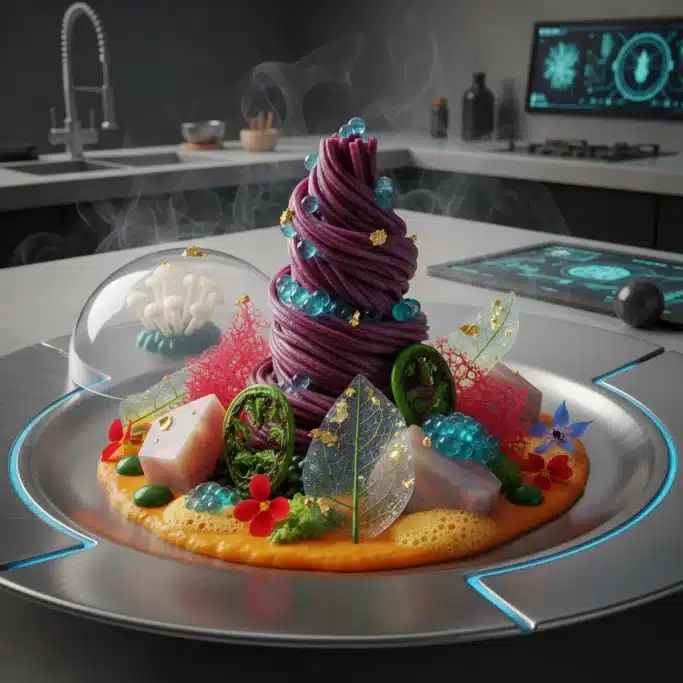
Innovative Main Dishes for 2026: Exploring New Techniques and Ingredients
The culinary landscape is in a constant state of evolution, driven by a blend of tradition, innovation, and a growing global consciousness. As we approach 2026, the world of main dishes is poised for a significant transformation, moving beyond mere sustenance to an art form that deeply engages all senses and reflects broader societal values. This comprehensive exploration delves into the cutting-edge techniques, groundbreaking ingredients, and philosophical shifts that will define the next generation of innovative main dishes. Prepare to embark on a gastronomic journey that will challenge your perceptions of food and inspire your next culinary adventure.
Anúncios
The Dawn of a New Culinary Era: What Defines Innovative Main Dishes in 2026?
The concept of an ‘innovative main dish’ in 2026 extends far beyond novelty. It encapsulates a holistic approach to food creation, where sustainability, nutrition, flavor, and sensory appeal converge. Chefs and home cooks alike are increasingly focused on creating dishes that are not only delicious but also ethically sourced, environmentally friendly, and beneficial for well-being. This shift is fueled by technological advancements, increased awareness of climate change, and a desire for more personalized and authentic dining experiences. The core of innovative main dishes lies in their ability to tell a story – a story of origin, technique, and purpose.
Sustainability as the Guiding Principle
Perhaps the most significant driver behind innovative main dishes is the imperative for sustainability. In 2026, diners are more conscious than ever about the environmental impact of their food choices. This translates into a demand for ingredients that are locally sourced, seasonal, and produced with minimal environmental footprint. Expect to see a surge in dishes featuring ingredients from vertical farms, regenerative agriculture, and aquaculture. The reduction of food waste is also paramount, with chefs employing nose-to-tail and root-to-stem philosophies, transforming what was once considered waste into delicious and creative components of main dishes.
Anúncios
Health and Wellness at the Forefront
Beyond sustainability, health and wellness continue to shape culinary innovation. Main dishes in 2026 will prioritize nutritional density, offering balanced meals that cater to various dietary needs and preferences. This includes a continued rise in plant-based and plant-forward options, as well as an exploration of functional foods – ingredients that offer health benefits beyond basic nutrition. Think dishes incorporating adaptogens, probiotics, and ingredients rich in specific micronutrients, all while maintaining exceptional flavor and presentation. The goal is to create meals that nourish both body and soul, without compromising on the culinary experience.
Revolutionary Techniques Shaping Innovative Main Dishes
The kitchen of 2026 is a laboratory of creativity, where traditional methods meet cutting-edge technology. Chefs are constantly experimenting with new ways to transform ingredients, enhance flavors, and create unforgettable textures. These techniques are not just about showmanship; they are about extracting the maximum potential from each ingredient and offering a novel dining experience.
Precision Cooking and Sous Vide Evolution
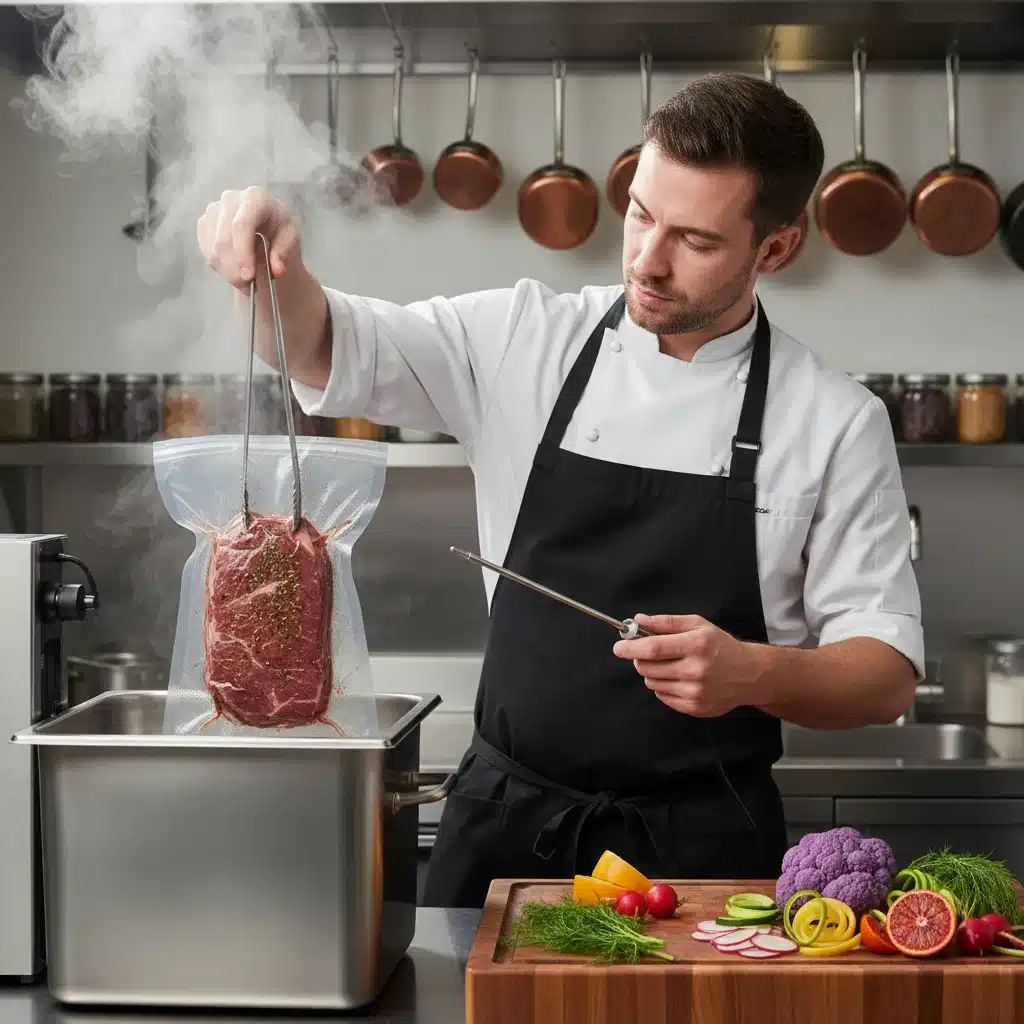
While sous vide has been around for some time, its application in 2026 is more refined and integrated into a broader spectrum of dishes. Precision cooking, enabled by smart kitchen appliances, allows for unparalleled consistency and texture control. Beyond meats and fish, chefs are using sous vide for vegetables, fruits, and even desserts, unlocking new flavor profiles and textures. This technique allows for perfect doneness and the infusion of flavors that would be difficult to achieve through traditional methods, making it a cornerstone for many innovative main dishes.
Fermentation and Cultivation: The Flavor Architects
Fermentation is experiencing a renaissance, moving beyond pickles and kombucha to become a sophisticated tool for flavor development. Chefs are experimenting with lacto-fermentation, koji fermentation, and other microbial processes to create complex, umami-rich ingredients that form the backbone of many innovative main dishes. Cultivated foods, including lab-grown meats and dairy alternatives, are also gaining traction, offering sustainable and ethical protein sources without compromising on taste or texture. These techniques allow for a deeper exploration of flavor and add layers of complexity to dishes.
Molecular Gastronomy Reimagined
Molecular gastronomy, once seen as a niche for high-end dining, is being reinterpreted and integrated into more accessible forms. Expect to see foams, gels, spheres, and edible films used not just for visual appeal but to deliver bursts of flavor and intriguing textural contrasts. The focus is less on gimmickry and more on how these techniques can elevate the overall dining experience, adding an element of surprise and delight to innovative main dishes. This includes using liquid nitrogen for instant freezing, spherification for encapsulated flavors, and emulsifiers for light, airy textures.
Groundbreaking Ingredients: The Future on Your Plate
The pantry of 2026 is a global larder, brimming with ingredients that challenge conventional notions of food. From ancient grains to futuristic proteins, the emphasis is on diversity, nutrition, and environmental responsibility. These ingredients are not just additions; they are often the stars of innovative main dishes.
Plant-Based Powerhouses and Alternative Proteins
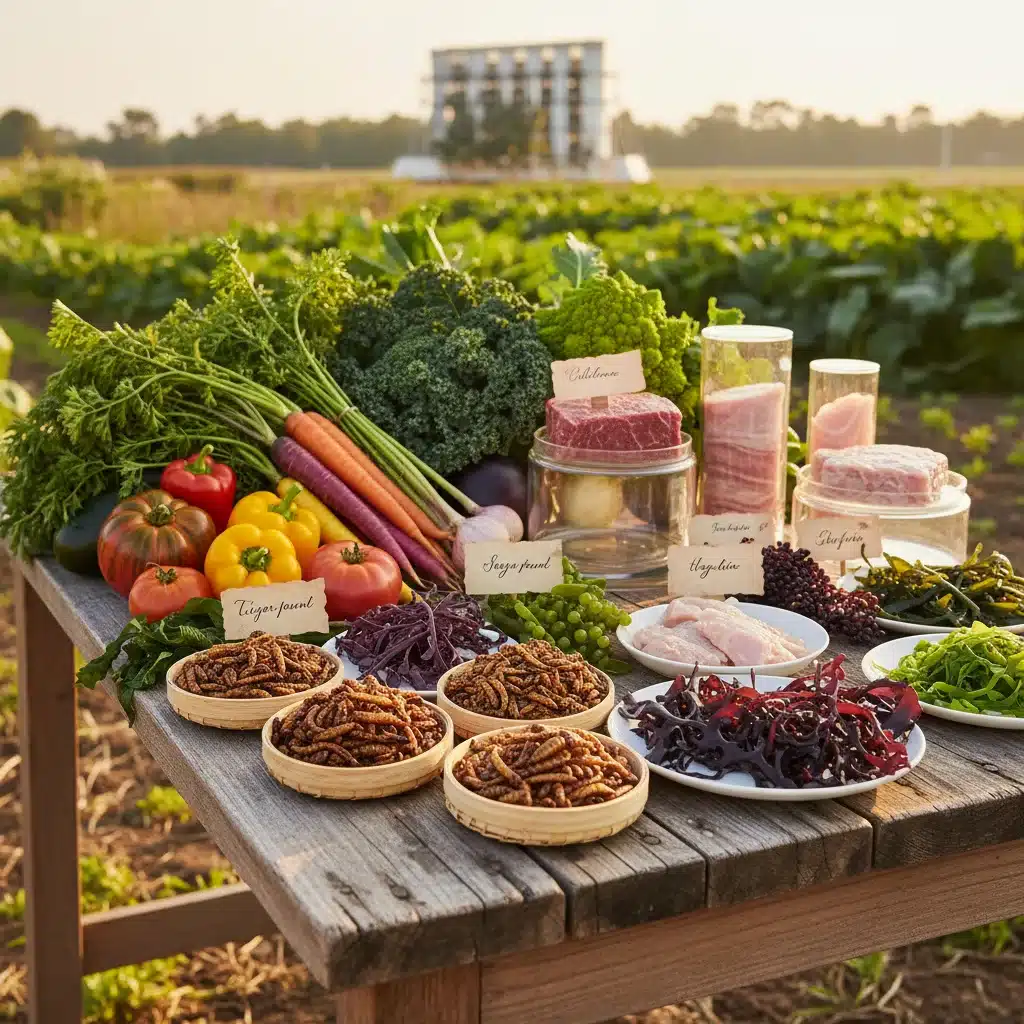
The plant-based movement continues its meteoric rise, with an ever-expanding array of ingredients. Beyond traditional vegetables, legumes, and grains, expect to see more exotic fungi, seaweeds, and root vegetables taking center stage. Alternative proteins, such as pea protein, fava bean protein, and even algae-based proteins, are becoming increasingly sophisticated, mimicking the texture and flavor of animal products with remarkable accuracy. Lab-grown meat and cultivated seafood are also moving from niche to mainstream, offering sustainable and ethical alternatives for those who still crave animal protein. These developments are crucial for creating truly innovative main dishes that cater to a wide range of ethical and dietary preferences.
Edible Insects and Fungi: Unconventional Delicacies
While still a frontier for many Western palates, edible insects are gaining recognition as a highly sustainable and nutritious protein source. In 2026, expect to see them integrated into main dishes in more appealing and palatable forms – perhaps as flours, powders, or subtly incorporated into sauces and garnishes. Similarly, the world of fungi is being explored with renewed vigor. Beyond common mushrooms, chefs are experimenting with lesser-known varieties, each offering unique textures and umami notes that can elevate a dish from ordinary to extraordinary. These ingredients provide a unique opportunity to push the boundaries of what constitutes an innovative main dish.
Ancient Grains and Heritage Varieties
A counterpoint to futuristic ingredients is the rediscovery of ancient grains and heritage varieties of fruits and vegetables. These ingredients often boast superior nutritional profiles and unique flavor characteristics that have been lost in modern industrialized agriculture. Chefs are sourcing these ingredients to bring depth, authenticity, and a sense of history to their main dishes, connecting diners to agricultural traditions and biodiversity. Think farro, freekeh, teff, and colorful heirloom tomatoes, all contributing to a richer and more diverse culinary experience.
Global Influences and Fusion Cuisine Redefined
The culinary world has always been a melting pot of cultures, but in 2026, fusion cuisine takes on a more sophisticated and nuanced form. Instead of simply combining ingredients from different regions, chefs are delving deeper into culinary traditions, understanding their philosophies, and creating harmonious dishes that respect their origins while forging new paths. This global perspective is essential for developing truly innovative main dishes that resonate with a diverse clientele.
Hyper-Regionalism and Local Storytelling
While global influences are strong, there’s also a growing appreciation for hyper-regional cuisine. Chefs are focusing on ingredients and culinary traditions specific to very small geographical areas, telling the story of a place through its food. This approach emphasizes seasonality, local producers, and the unique flavors of a particular terroir. It’s about celebrating the distinct identity of a region and bringing that authentic experience to the diner, often through simplified yet profoundly flavorful innovative main dishes.
The Rise of Niche Cuisines
Beyond broad national cuisines, 2026 will see a greater exploration of niche culinary traditions. This could include specific ethnic minority cuisines, indigenous foodways, or historical culinary practices that are being revived and reimagined. These niche cuisines offer a wealth of untapped flavors, techniques, and ingredients, providing fertile ground for creating truly unique and innovative main dishes that stand out from the crowd. It’s about cultural exchange and appreciation, rather than mere appropriation.
Sensory Experience and Presentation: Beyond the Plate
An innovative main dish in 2026 is not just about taste; it’s about the entire sensory experience. Chefs are increasingly considering how sight, smell, sound, and even touch contribute to the enjoyment of a meal. Presentation becomes an art form, and the dining environment plays a crucial role.
Edible Art and Textural Play
The visual appeal of a dish is paramount. Expect to see main dishes presented as edible art, with meticulous attention to color, form, and negative space. Textural contrasts will also be key – the crunch of a crisp element against the creaminess of a sauce, or the chewiness of a grain alongside a delicate protein. These textural layers add depth and interest, making each bite an engaging experience. The goal is to create a multi-layered sensory journey, where every element contributes to the overall narrative of the innovative main dish.
Aromatics and Olfactory Engagement
The sense of smell is intimately linked with taste, and chefs are leveraging this connection to enhance main dishes. This could involve tableside aromatics, smoke infusions, edible perfumes, or dishes served with cloches that release a burst of fragrance when lifted. The olfactory experience adds another dimension to the meal, preparing the palate and creating a lasting impression. This thoughtful consideration of aromatics truly elevates the status of an ordinary meal to an innovative main dish.
The Story Behind the Dish
Diners in 2026 seek connection and meaning in their food. An innovative main dish often comes with a story – about its ingredients, its cultural inspiration, or the chef’s creative process. This narrative aspect adds depth to the dining experience, making it more personal and memorable. Whether through menu descriptions, server explanations, or even augmented reality elements, the story behind the dish becomes an integral part of its appeal, transforming a meal into an experience.
The Role of Technology in the Future Kitchen
Technology is not just influencing ingredients and techniques; it’s reshaping the entire kitchen environment and how we interact with food. From smart appliances to AI-powered culinary assistants, the future kitchen is a place of efficiency and boundless creativity.
Smart Kitchens and AI Assistants
Home and professional kitchens are becoming increasingly automated and intelligent. Smart ovens, induction cooktops, and refrigerators that track inventory and suggest recipes are becoming commonplace. AI-powered culinary assistants can help with recipe development, ingredient sourcing, and even provide real-time cooking guidance, making it easier for anyone to create sophisticated and innovative main dishes. This democratizes high-level cooking techniques and inspires experimentation.
3D Food Printing and Personalization
While still in its nascent stages, 3D food printing holds immense potential for personalization and intricate designs. Imagine main dishes with custom shapes, complex geometric forms, or even personalized nutritional profiles printed on demand. This technology could revolutionize food presentation and allow for highly tailored dining experiences, catering to individual tastes and dietary needs with unprecedented precision. The ability to customize texture and form opens up new avenues for truly innovative main dishes.
Data-Driven Flavor Profiles
Big data and analytics are being used to understand flavor pairings, ingredient interactions, and consumer preferences. Chefs can leverage this information to create dishes that are scientifically optimized for taste and appeal, reducing guesswork and accelerating the innovation process. This data-driven approach allows for a more systematic exploration of flavor combinations, leading to more consistently delicious and innovative main dishes.
Challenges and Opportunities for Innovative Main Dishes
While the future of main dishes is exciting, it also presents challenges. The cost of some innovative ingredients and technologies can be high, and consumer acceptance of novel foods like insects or lab-grown meat may vary. However, these challenges also present opportunities for education, creative marketing, and the development of scalable, affordable solutions.
Educating the Palate
Introducing new ingredients and techniques requires educating consumers. Tasting events, cooking classes, and engaging narratives around the food can help demystify novel components and foster appreciation for their unique qualities. Transparency about sourcing and preparation is also key to building trust and encouraging adventurous eating. This educational aspect is vital for the widespread adoption of innovative main dishes.
Accessibility and Affordability
For innovative main dishes to truly thrive, they must be accessible to a broader audience. This means finding ways to reduce costs, develop more efficient production methods for sustainable ingredients, and adapt high-end techniques for home cooking. The goal is to make culinary innovation inclusive, ensuring that delicious and sustainable food is not just a luxury but a standard. This focus on accessibility will drive further creativity in making innovative main dishes available to everyone.
Conclusion: The Future is Deliciously Innovative
The world of innovative main dishes in 2026 is a vibrant tapestry woven from threads of sustainability, health, technology, and global culinary traditions. It’s a future where food is not just consumed but experienced, where every bite tells a story, and every dish contributes to a healthier planet and a more adventurous palate. From precision cooking and advanced fermentation to plant-based proteins and hyper-regional ingredients, the possibilities are endless. As chefs and diners continue to push boundaries, we can look forward to a deliciously innovative culinary landscape that promises excitement, discovery, and a renewed appreciation for the art of eating. The journey into the future of food is just beginning, and the main course is certainly something to anticipate.