Leftover Meal Magic: 3 Creative Dishes to Reduce Food Waste
In a world increasingly focused on sustainability and mindful living, the issue of food waste stands as a significant challenge. Globally, a staggering amount of edible food is discarded every year, contributing to environmental degradation and economic loss. But what if we told you that one of the most impactful ways to combat this issue starts right in your own kitchen? By embracing the art of transforming leftovers, you not only reduce your personal food waste footprint but also unlock a world of culinary creativity, save money, and discover exciting new flavors. This isn’t just about reheating last night’s dinner; it’s about reimagining ingredients, giving them a second, even more delicious life. Get ready to dive into the transformative power of leftover meal ideas that will revolutionize your approach to cooking and eating.
Anúncios
The average household throws away a considerable amount of food annually, much of which could have been eaten. This waste isn’t just a financial drain; it also represents wasted resources, from water and energy used in production to the greenhouse gas emissions generated when food decomposes in landfills. Shifting our mindset from seeing leftovers as ‘old food’ to ‘pre-prepped ingredients’ is the first crucial step. With a little planning and a dash of creativity, those forgotten remnants in your fridge can become the star of your next meal. We’re here to guide you through this delicious journey, offering practical strategies and inspiring recipes that elevate simple leftovers into gourmet experiences. Our focus today is on three innovative main dish ideas that are not only scrumptious but also remarkably simple to execute, turning potential waste into culinary triumph. Prepare to be amazed at how easily you can incorporate these leftover meal ideas into your weekly routine, making mealtime both exciting and sustainable.
Anúncios
The Philosophy of Leftover Transformation: Beyond Reheating
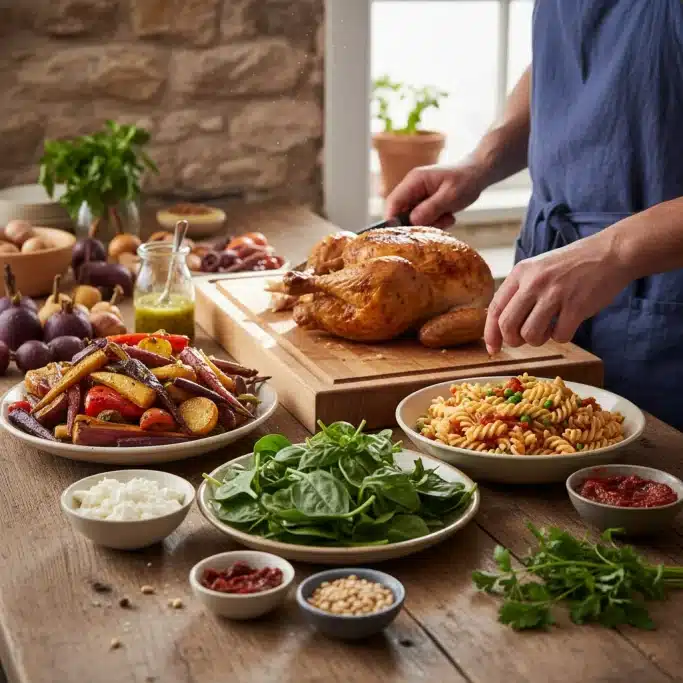
Before we delve into specific recipes, let’s explore the underlying philosophy of leftover transformation. It’s more than just reheating; it’s about understanding the core components of your previous meal and seeing their potential in a new context. Think of your leftovers as building blocks: cooked proteins, roasted vegetables, grains, and sauces. Each element possesses inherent flavors and textures that can be combined in novel ways to create something entirely different from its original form. This approach not only prevents food waste but also encourages culinary experimentation and reduces the time spent on meal preparation throughout the week.
One of the biggest hurdles people face with leftovers is the perception of diminished quality or flavor. However, with the right techniques, you can often enhance these aspects. For instance, roasting vegetables a second time can intensify their sweetness and caramelization, while simmering cooked meats in a new sauce can infuse them with fresh, exciting flavors. The key is to break free from the notion that a leftover must be a direct replica of its original meal. Instead, view it as an opportunity for innovation. This mindset shift is central to truly mastering leftover meal ideas and making them a regular, enjoyable part of your cooking repertoire.
Understanding Your Leftover Inventory
To effectively transform your leftovers, start by taking stock of what you have. Open your fridge and identify the individual components. Do you have cooked chicken, roasted potatoes, steamed broccoli, or leftover rice? Categorize them by type: proteins, vegetables, grains, and sauces. This mental (or even physical) inventory will help you visualize potential combinations and guide your recipe selection. Don’t be afraid to mix and match; sometimes the most unexpected pairings yield the most delightful results. A systematic approach to your leftover inventory can significantly streamline your meal planning and elevate your leftover meal ideas.
Another important aspect is food safety. Always ensure that leftovers are stored correctly, refrigerated promptly, and consumed within a safe timeframe. Generally, cooked food should be refrigerated within two hours and consumed within three to four days. When reheating, ensure that food reaches an internal temperature of 165°F (74°C) to kill any potential bacteria. By adhering to these simple guidelines, you can enjoy your transformed leftovers with peace of mind, knowing they are both delicious and safe.
Creative Leftover Meal Idea #1: The Ultimate “Clean Out The Fridge” Frittata/Strata
Our first innovative leftover meal idea is a versatile and incredibly forgiving dish: the frittata or strata. This concept is perfect for using up small quantities of various cooked vegetables, meats, and even cheeses. It’s a fantastic brunch option, a light dinner, or a hearty lunch, demonstrating the true adaptability of leftovers. The beauty of a frittata or strata lies in its flexibility; there’s no single right way to make it, allowing you to truly unleash your creativity.
What You’ll Need (Adaptable):
- Base: 6-8 large eggs (for frittata) or 4-6 slices of day-old bread (for strata)
- Protein: Cooked chicken, beef, ham, sausage, or even leftover cooked beans/lentils. (Approx. 1-1.5 cups)
- Vegetables: Any roasted, steamed, or sautéed vegetables like broccoli, spinach, bell peppers, onions, potatoes, sweet potatoes, mushrooms. (Approx. 2-3 cups)
- Dairy: A splash of milk or cream (for frittata), or shredded cheese (cheddar, mozzarella, feta, goat cheese) for both. (Approx. 1/2 – 1 cup)
- Flavor Boosters: Fresh herbs (parsley, chives, basil), garlic, onion powder, red pepper flakes.
How to Transform Your Leftovers:
- Preparation: If making a frittata, preheat your oven to 375°F (190°C). Whisk the eggs with a splash of milk or cream, salt, and pepper. If making a strata, lightly toast or cube your bread and arrange it in a greased baking dish.
- Combine Ingredients: In an oven-safe, non-stick skillet (for frittata) or directly over the bread (for strata), arrange your chopped leftover proteins and vegetables. Ensure they are evenly distributed.
- Flavor Layer: Sprinkle with your chosen cheese and fresh herbs. For a frittata, pour the egg mixture over the ingredients in the skillet. For a strata, pour the egg mixture over the bread and other ingredients, ensuring the bread is well soaked.
- Cook: For a frittata, cook on the stovetop over medium heat for 5-7 minutes until the edges set, then transfer to the preheated oven for 10-15 minutes, or until puffed and golden. For a strata, bake in the preheated oven for 30-40 minutes, or until set and golden brown.
- Serve: Let it rest for a few minutes before slicing and serving. This dish is incredibly versatile and makes for excellent leftover meal ideas throughout the week.
This method is fantastic because it allows you to utilize a wide array of ingredients that might otherwise go to waste. The egg acts as a binder, transforming disparate elements into a cohesive and satisfying dish. It’s a testament to how simple ingredients can be elevated into something truly special with a little imagination and a commitment to reducing food waste. This approach to leftover meal ideas is both practical and delicious, making it a win-win for your kitchen and the planet.
Creative Leftover Meal Idea #2: Deconstructed & Reimagined Shepherd’s/Cottage Pie
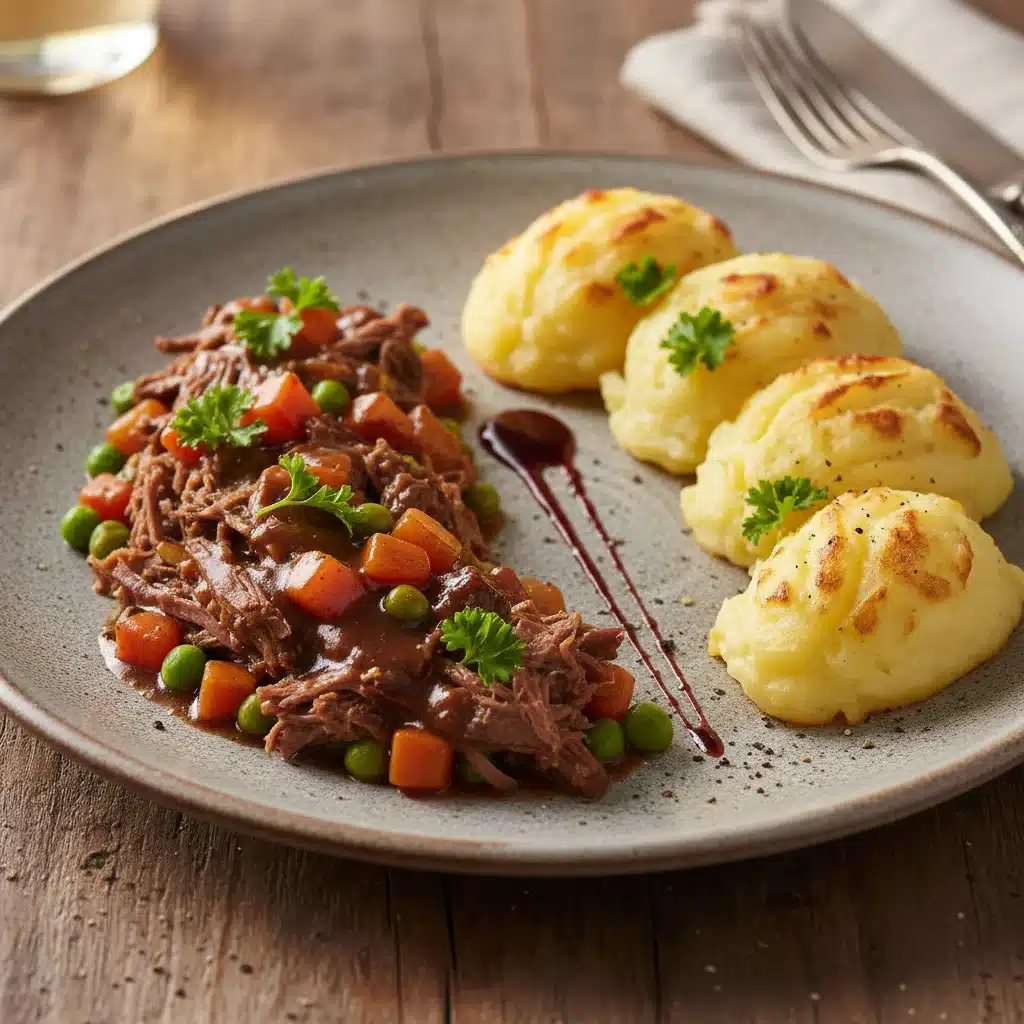
Often, we have leftover roast meats (beef, lamb, chicken) and various roasted or mashed vegetables. Instead of serving them as a direct repeat, let’s transform them into a gourmet-style deconstructed shepherd’s or cottage pie. This approach maintains the comforting essence of the classic dish but presents it in a more refined and exciting way, making it an excellent leftover meal idea.
What You’ll Need (Adaptable):
- Meaty Base: Leftover cooked roast beef, lamb, chicken, or even ground meat sauce (e.g., bolognese). (Approx. 2-3 cups, shredded or diced)
- Vegetable Base: Leftover roasted root vegetables (carrots, parsnips, potatoes), peas, corn, or green beans. (Approx. 1-2 cups)
- Topping: Leftover mashed potatoes, mashed sweet potatoes, or even a cauliflower mash. (Approx. 2-3 cups)
- Flavor Enhancers: Beef or chicken broth, Worcestershire sauce, tomato paste, fresh thyme or rosemary.
- Optional: Shredded cheese for topping.
How to Transform Your Leftovers:
- Prepare the Meat Filling: In a saucepan, combine your shredded or diced leftover meat with a splash of broth, a teaspoon of Worcestershire sauce, and a tablespoon of tomato paste. Simmer gently for 5-10 minutes, allowing the flavors to meld and the meat to warm through. If using plain cooked meat, you might want to add some sautéed onions and garlic for extra depth.
- Incorporate Vegetables: Stir in your leftover cooked vegetables. If they are large, give them a rough chop. Continue to simmer until everything is heated through and well combined. Taste and adjust seasonings.
- Reheat Mashed Topping: Gently reheat your mashed potatoes (or alternative mash) on the stovetop or in the microwave, adding a little milk or butter if needed to achieve a smooth consistency.
- Assemble & Serve (Deconstructed Style): Instead of layering everything in a single dish, serve the savory meat and vegetable mixture as the base on individual plates. Then, artfully spoon or pipe dollops of the warm mashed potato topping alongside or on top of the meat mixture. Garnish with fresh herbs. For a slightly more integrated approach, you can still bake it in a shallow dish for 15-20 minutes at 375°F (190°C) until bubbly and golden, especially if you add a cheese topping.
This deconstructed approach not only elevates the presentation but also allows each component’s flavor to shine. It’s a clever way to repurpose substantial dinner components into an entirely new and appealing meal. These kinds of leftover meal ideas are fantastic for entertaining or simply making a weeknight feel a little more special. The versatility of a shepherd’s pie base means almost any leftover roast or stew can find a new purpose here.
Creative Leftover Meal Idea #3: The Global Grain Bowl
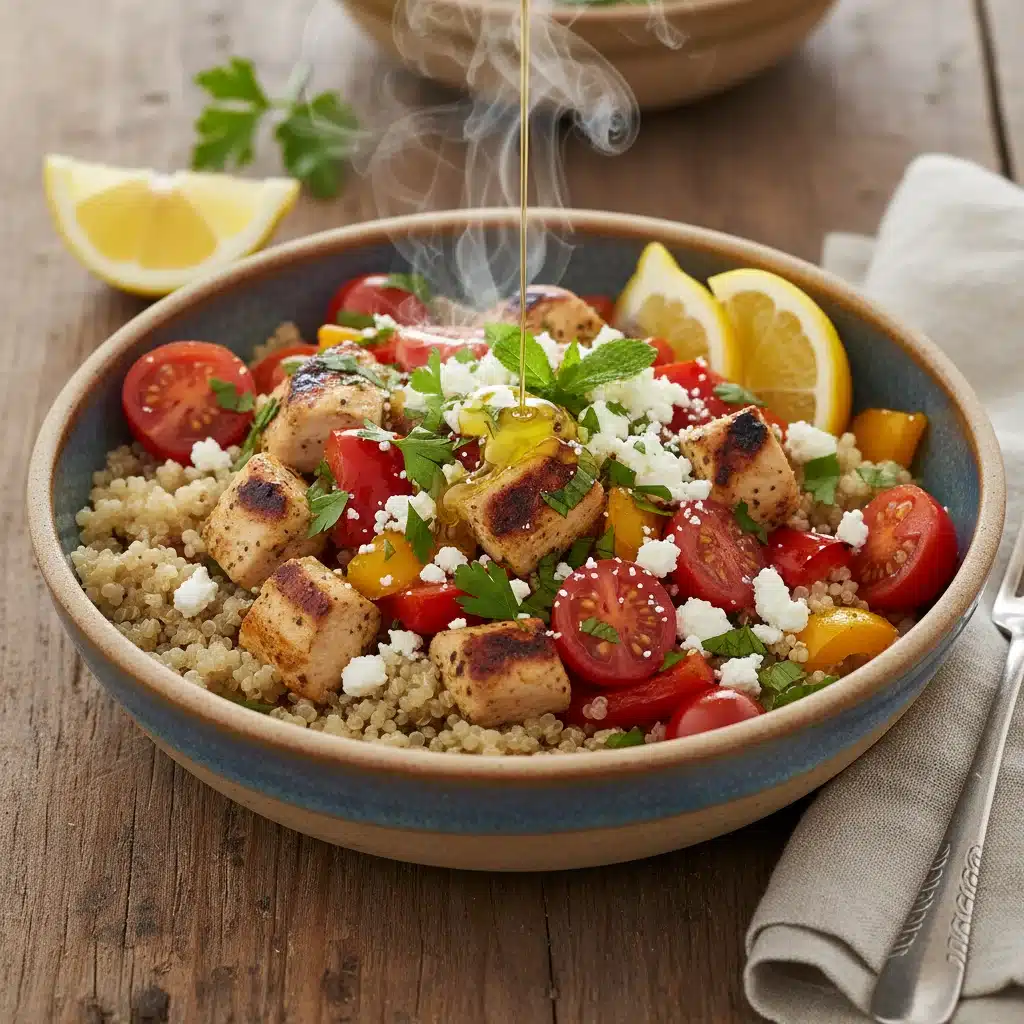
Grain bowls are a testament to the power of combining various components into a healthy, satisfying, and visually appealing meal. They are perfect for using up leftover grains (rice, quinoa, farro, couscous), proteins, and roasted or fresh vegetables. This leftover meal idea is incredibly customizable and can take on almost any flavor profile you desire, from Mediterranean to Asian to Mexican.
What You’ll Need (Adaptable):
- Grain Base: Leftover cooked rice (brown, white, wild), quinoa, farro, couscous, or even pasta. (Approx. 1-1.5 cups per bowl)
- Protein Power: Cooked chicken, steak, tofu, chickpeas, black beans, salmon. (Approx. 1/2 – 1 cup per bowl)
- Veggie Boost: Leftover roasted vegetables (broccoli, cauliflower, carrots, bell peppers), fresh greens (spinach, kale, mixed greens), cherry tomatoes, cucumber, avocado. (Approx. 1-2 cups per bowl)
- Flavor & Texture: Nuts (almonds, walnuts), seeds (pumpkin, sunflower), sprouts, pickled onions, feta cheese, corn.
- Dressing: A simple vinaigrette, tahini dressing, peanut sauce, or a squeeze of lemon juice with olive oil.
How to Transform Your Leftovers:
- Build Your Base: Start with your leftover cooked grain as the foundation of your bowl. Warm it gently if desired, or enjoy it cold for a refreshing salad-like experience.
- Add Protein: Arrange your chosen protein over the grain. If it’s a cooked meat, you might want to shred it, dice it, or even give it a quick sear in a pan with some spices to revive its flavor.
- Layer the Veggies: Artfully arrange your leftover roasted vegetables and fresh greens around the protein. Think about color and texture contrast.
- Introduce Flavor & Crunch: Sprinkle with nuts, seeds, cheese, or pickled items for added crunch and tang.
- Drizzle with Dressing: Finish with a generous drizzle of your favorite dressing. A simple lemon-tahini dressing works wonders for a Mediterranean bowl, while a soy-ginger dressing elevates an Asian-inspired creation.
The beauty of the global grain bowl is its endless adaptability. You can rotate themes based on your previous meals. For example, leftover taco meat and rice can become a Mexican grain bowl with avocado and salsa. Leftover roasted chicken and quinoa can be transformed into a Mediterranean bowl with feta, olives, and a lemon vinaigrette. These versatile leftover meal ideas are not only delicious but also incredibly healthy and satisfying, proving that food waste prevention can be truly gourmet.
Beyond the Recipes: General Tips for Maximizing Leftover Potential
While specific recipes provide a great starting point for your leftover meal ideas, adopting a few general habits can significantly enhance your ability to reduce food waste and cook more efficiently. These tips are designed to make leftover transformation a seamless and enjoyable part of your weekly routine.
1. Strategic Cooking: Cook with Leftovers in Mind
One of the most effective ways to make the most of leftovers is to plan for them from the outset. When you cook a meal, consider making a little extra of certain components. For instance, if you’re roasting a chicken, roast an extra breast or thigh. If you’re making rice, cook an additional cup. These ‘intentional leftovers’ are often easier to work with because you’ve already thought about their potential for a second meal. This proactive approach to leftover meal ideas sets you up for success.
2. Proper Storage is Key
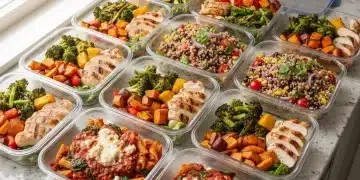
The longevity and quality of your leftovers depend heavily on how they are stored. Invest in good quality airtight containers. Separate components before storing them if you anticipate using them in different ways. For example, store cooked meat separately from roasted vegetables. Labeling containers with the date and contents can also be incredibly helpful, especially if you have a busy fridge. Proper storage is fundamental to ensuring your leftover meal ideas are always fresh and safe to eat.
3. Embrace Freezing
Not all leftovers need to be consumed within a few days. Many cooked components, like plain rice, cooked meats, and roasted vegetables, freeze beautifully. Portion them out into individual servings before freezing, making it easy to grab just what you need for a future meal. Soups, stews, and casseroles also freeze exceptionally well. Freezing extends the life of your food significantly, providing a convenient bank of ingredients for future leftover meal ideas.
4. The Power of Sauces and Spices
Sometimes, all a leftover needs is a new flavor profile to feel fresh again. A simple sauce can completely transform a dish. Think about pesto, chimichurri, a quick peanut sauce, or a fresh salsa. Similarly, a sprinkle of different spices can take a bland leftover and give it new life. Don’t be afraid to experiment with your spice rack and condiment collection to reinvent your leftover meal ideas.
5. Don’t Forget the Scraps
Beyond the main components, even vegetable scraps (onion peels, carrot tops, herb stems) can be repurposed. Keep a dedicated bag in your freezer for vegetable scraps to make homemade broth. This is the ultimate form of food waste reduction and adds incredible flavor to your cooking, further enhancing your sustainable kitchen practices and expanding your repertoire of leftover meal ideas.
The Environmental and Economic Impact of Smart Leftover Management
Adopting these creative leftover meal ideas and practices goes far beyond just enjoying delicious food. The environmental benefits are substantial. By reducing food waste, you directly contribute to lowering greenhouse gas emissions from landfills, conserving water and energy used in food production, and minimizing the overall ecological footprint of your diet. Every meal you transform is a small but significant step towards a more sustainable planet.
Economically, the impact is equally compelling. Think about how much money you spend on groceries each week. If a significant portion of that ends up in the bin, you’re essentially throwing money away. By utilizing your leftovers, you maximize the value of your food purchases, stretching your budget further and reducing the need for impulse buys or takeout meals. This smart management of leftover meal ideas translates directly into tangible savings, allowing you to allocate those funds to other areas of your life or simply enjoy the financial freedom that comes with a more efficient kitchen.
Moreover, embracing leftover transformation fosters a deeper connection with your food. It encourages mindfulness about what you buy, what you cook, and how you consume. It turns cooking into a more creative and less wasteful endeavor, inspiring you to think outside the box and discover new culinary possibilities. This mindful approach to food preparation and consumption is a cornerstone of a healthy, sustainable lifestyle, making every one of your leftover meal ideas count.
Conclusion: Your Kitchen, A Hub of Sustainable Creativity
Transforming leftovers into exciting new main dishes is not just a trend; it’s a fundamental shift in how we approach food consumption. By embracing creative leftover meal ideas like the versatile frittata/strata, the gourmet deconstructed shepherd’s pie, and the adaptable global grain bowl, you unlock a world of culinary possibilities while making a tangible difference in reducing food waste. These aren’t just recipes; they are frameworks for innovation, encouraging you to experiment with what you have and discover new flavor combinations.
Remember, the journey to a zero-waste kitchen is ongoing. It involves strategic planning, proper storage, and a willingness to see ingredients not just for what they were, but for what they can become. Each time you turn a forgotten remnant into a delicious new meal, you’re contributing to a more sustainable future, saving money, and honing your culinary skills. So, open your fridge with a fresh perspective, unleash your inner chef, and let these leftover meal ideas inspire you to create magic from what you already have. Your palate, your wallet, and the planet will thank you.
Start your leftover transformation today and discover the joy of cooking creatively, sustainably, and deliciously. What will be your next leftover masterpiece?