Smart Grocery Shopping for Quick Meals: Save 10% on Ingredients This Month in 2026

Anúncios
Smart Grocery Shopping for Quick Meals: Save 10% on Ingredients This Month in 2026
In today’s fast-paced world, finding time for wholesome, home-cooked meals can feel like a luxury. Between work, family, and other commitments, many of us resort to takeout or unhealthy convenience foods more often than we’d like. However, the secret to delicious, quick meals isn’t just about cooking faster; it’s about mastering smart grocery shopping. By optimizing your grocery runs, you can significantly cut down on food waste, save valuable time, and most importantly, reduce your monthly food bill. Imagine saving 10% on your ingredients this month alone! It’s not just a dream; it’s an achievable goal with the right strategies.
Anúncios
The rising cost of living has made budgeting for food more critical than ever. Every penny saved at the grocery store translates into more financial freedom and less stress. But saving money doesn’t mean sacrificing quality or flavor. In fact, smart shopping often leads to more creative and diverse meals, as you learn to utilize ingredients more efficiently. This comprehensive guide will walk you through actionable steps and expert tips for smart grocery shopping, enabling you to prepare quick, nutritious meals without breaking the bank. We’ll explore everything from effective meal planning to navigating sales, understanding unit prices, and minimizing food waste, all tailored for the modern consumer in 2026.
So, if you’re ready to transform your grocery habits, eat better, and keep more money in your pocket, let’s dive into the world of strategic food procurement. Your journey to more affordable, quicker, and tastier meals starts now.
Anúncios
The Foundation: Meal Planning for Success
The cornerstone of smart grocery shopping is effective meal planning. Without a plan, you’re essentially walking into a grocery store blind, susceptible to impulse buys, forgotten ingredients, and ultimately, food waste. A well-thought-out meal plan acts as your roadmap, guiding every purchase and ensuring that every item in your cart serves a purpose. This isn’t just about saving money; it’s about saving time during the week, reducing decision fatigue, and ensuring you have all the necessary components for quick, delicious meals.
Creating Your Weekly Meal Plan
- Assess Your Schedule: Before you even think about recipes, look at your week ahead. Do you have late nights at work? Are there family commitments? Knowing your availability will help you plan for quick, easy meals on busy days and perhaps more elaborate ones when you have more time.
- Take Inventory: Before heading to the store, check your pantry, fridge, and freezer. What ingredients do you already have on hand? Base your meal plan around these items to reduce what you need to buy and prevent food waste. This is a critical step in effective smart grocery shopping.
- Choose Recipes Wisely: Opt for recipes that share common ingredients. For example, if you buy a large pack of chicken breasts, plan to use them in multiple meals throughout the week (e.g., grilled chicken salad, chicken stir-fry, chicken tacos). This minimizes the number of different ingredients you need to purchase and ensures nothing goes to waste.
- Theme Nights: Consider theme nights to simplify planning. Taco Tuesday, Pasta Wednesday, or Fish Friday can make meal planning less daunting and more enjoyable.
- Plan for Leftovers: Don’t underestimate the power of leftovers! Cooking a larger batch of dinner can provide lunch for the next day, saving both time and money. This is a prime example of efficient smart grocery shopping.
Utilizing Digital Tools for Meal Planning
In 2026, there’s no shortage of apps and websites designed to streamline meal planning. From recipe databases that allow you to filter by ingredients you have on hand, to apps that generate grocery lists based on your selected meals, these tools can be invaluable. Look for features like:
- Recipe Organization: Save your favorite recipes in one place.
- Automated Grocery Lists: Generate a shopping list directly from your meal plan.
- Pantry Tracking: Keep an updated inventory of what you own.
- Nutritional Information: If health is a priority, many apps offer nutritional breakdowns.
By investing a little time upfront in meal planning, you set yourself up for a week of stress-free cooking and significant savings, making your smart grocery shopping efforts truly pay off.
Mastering the Art of the Grocery List
Once your meal plan is solid, the next crucial step in smart grocery shopping is creating a detailed, organized grocery list. This isn’t just a scribble on a piece of paper; it’s your strategic weapon against impulse buys and forgotten essentials. A well-crafted list ensures efficiency, saves time in the store, and keeps you focused on your budget.
Tips for an Effective Grocery List
- Categorize Your List: Organize your list by sections of the grocery store (e.g., produce, dairy, pantry, frozen). This allows you to navigate the store systematically, minimizing backtracking and saving time. Many apps offer this feature automatically.
- Be Specific: Instead of just writing “cheese,” specify “cheddar cheese block.” This prevents confusion and ensures you get exactly what you need for your recipes.
- Check for Sales and Coupons: Before finalizing your list, check weekly flyers, store apps, and digital coupons. Incorporate sale items into your meal plan where possible. This is a powerful tactic for smart grocery shopping.
- Prioritize Needs vs. Wants: Distinguish between essential ingredients for your planned meals and optional treats or snacks. Stick to your “needs” section first, and if your budget allows, consider a few “wants” at the end.
- Don’t Shop Hungry: This timeless advice is perhaps the most important. Shopping on an empty stomach makes you more susceptible to impulse purchases and unhealthy choices. Eat a snack or a meal before you head to the store.
Digital vs. Paper Lists
While a classic paper list works, digital grocery lists offer several advantages for smart grocery shopping in 2026:
- Accessibility: Your list is always on your phone, so you won’t forget it.
- Sharing: Easily share and collaborate on lists with family members.
- Automatic Categorization: Many apps automatically sort items into store departments.
- Price Tracking: Some advanced apps allow you to track prices of items over time, helping you identify the best deals.
By making your grocery list a strategic tool, you transform your shopping experience from a chore into an efficient, money-saving mission. This diligence is key to achieving your 10% savings goal this month.
Navigating the Store Like a Pro: Smart Shopping Strategies
Armed with your meal plan and detailed grocery list, you’re ready to hit the aisles. But smart grocery shopping extends beyond just knowing what to buy; it’s also about how you shop. Strategic in-store behaviors can make a significant difference in your final bill and the quality of your purchases.
Understanding Unit Pricing
One of the most powerful tools at your disposal is unit pricing. This often overlooked detail, usually found on the shelf tag, tells you the cost per unit (e.g., per ounce, per pound, per 100 grams). Comparing unit prices, rather than just the overall price, reveals the true value of different product sizes and brands. A larger package might seem like a better deal, but unit pricing sometimes tells a different story. Always check the unit price to ensure you’re getting the most for your money, a cornerstone of effective smart grocery shopping.
Embracing Store Brands and Sales
- Store Brands: Don’t shy away from generic or store-brand products. For many staples like canned goods, pasta, spices, and even dairy, store brands offer comparable quality at a fraction of the cost. Blind taste tests often show little to no difference between brand-name and store-brand items.
- Weekly Sales: Build your meal plan around weekly sales. If chicken is on sale, plan more chicken dishes. If a certain vegetable is in season and discounted, incorporate it creatively. Sign up for your favorite grocery stores’ email newsletters or use their apps to get early access to sales flyers.
- Markdowns: Keep an eye out for markdowns, especially in the meat, produce, and bakery sections. These items are often perfectly good but need to be sold quickly. If you plan to use them immediately or freeze them, they offer excellent value.
Strategic Aisle Navigation
- Stick to the Perimeter: The outer aisles of most grocery stores are where you’ll find fresh produce, dairy, meat, and seafood – the staples of a healthy diet. The inner aisles often contain processed foods, snacks, and drinks, which can be tempting and lead to impulse buys. Focus your smart grocery shopping efforts on the perimeter first.
- Avoid End Caps and Checkout Lanes: These areas are designed to entice impulse purchases with attractive displays and last-minute treats. If you’re on a budget, it’s best to steer clear or walk past quickly.
- Shop Infrequently: The more often you visit the grocery store, the more opportunities you have to spend. Try to consolidate your shopping trips to once a week or even bi-weekly if possible.
Reducing Food Waste: Maximize Every Purchase
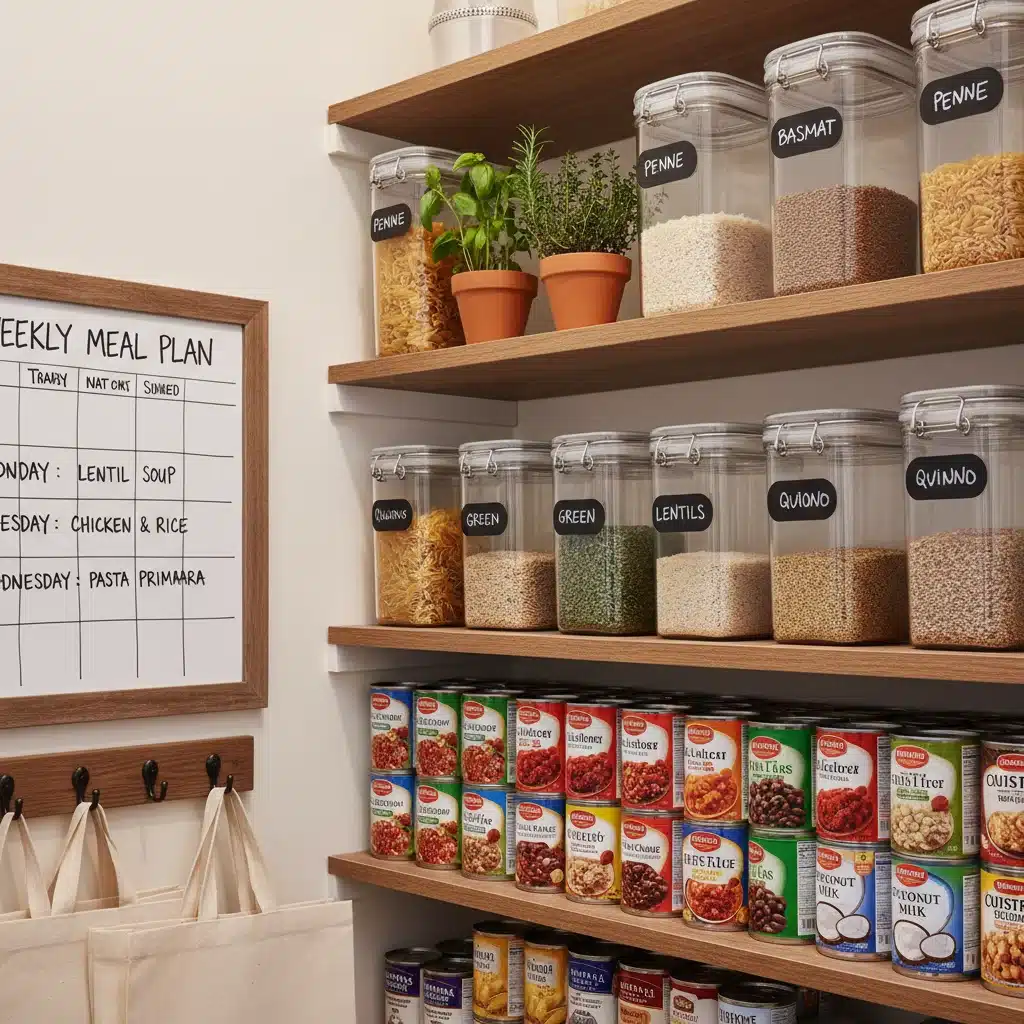
One of the biggest drains on household budgets is food waste. Americans throw away a significant amount of food each year, often due to improper storage, over-purchasing, or simply forgetting what’s in the fridge. Minimizing food waste is a crucial component of smart grocery shopping and will directly contribute to your goal of saving 10% on ingredients this month.
Effective Food Storage Techniques
- Understand “Best By” vs. “Use By” Dates: “Best By” dates indicate peak quality, not necessarily spoilage. Many foods are safe to eat past this date. “Use By” dates, however, are more critical for safety. Educate yourself on the differences.
- Proper Produce Storage: Different fruits and vegetables require different storage methods. Some (like bananas and tomatoes) should not be refrigerated, while others (like leafy greens) thrive in moisture-controlled environments. Invest in proper storage containers and understand the needs of each item.
- Freezing: Your freezer is your best friend for extending the life of food. Freeze excess produce, meat nearing its “use by” date, bread, and even cooked meals. Label everything with the date it was frozen. This is a powerful strategy for reducing waste and enhancing your smart grocery shopping efforts.
- FIFO (First In, First Out): When putting away groceries, move older items to the front of your pantry and fridge so they are used first.
Creative Ways to Use Leftovers and Scraps
- Repurpose Leftovers: Don’t just reheat dinner; transform it! Leftover roast chicken can become chicken salad, soup, or tacos. Cooked rice can be turned into fried rice.
- Vegetable Scraps: Keep a bag in your freezer for vegetable scraps (onion peels, carrot tops, celery ends) to make homemade vegetable broth.
- Fruit that’s Past its Prime: Overripe fruit is perfect for smoothies, baking (banana bread!), or making fruit sauces.
- “Use It Up” Meals: Dedicate one meal a week to using up all the odds and ends in your fridge. Think frittatas, stir-fries, or creative salads.
By being mindful of how you store and utilize your food, you ensure that every dollar spent at the grocery store is maximized, contributing significantly to your monthly savings goal for smart grocery shopping.
Batch Cooking and Meal Prep: Your Time-Saving Allies
Smart grocery shopping isn’t just about what you buy, but also how you prepare it. Batch cooking and meal prepping are invaluable strategies for anyone looking to save time during the week and ensure quick, healthy meals are always at hand. This proactive approach prevents last-minute takeout orders and helps you stick to your budget.
What is Batch Cooking?
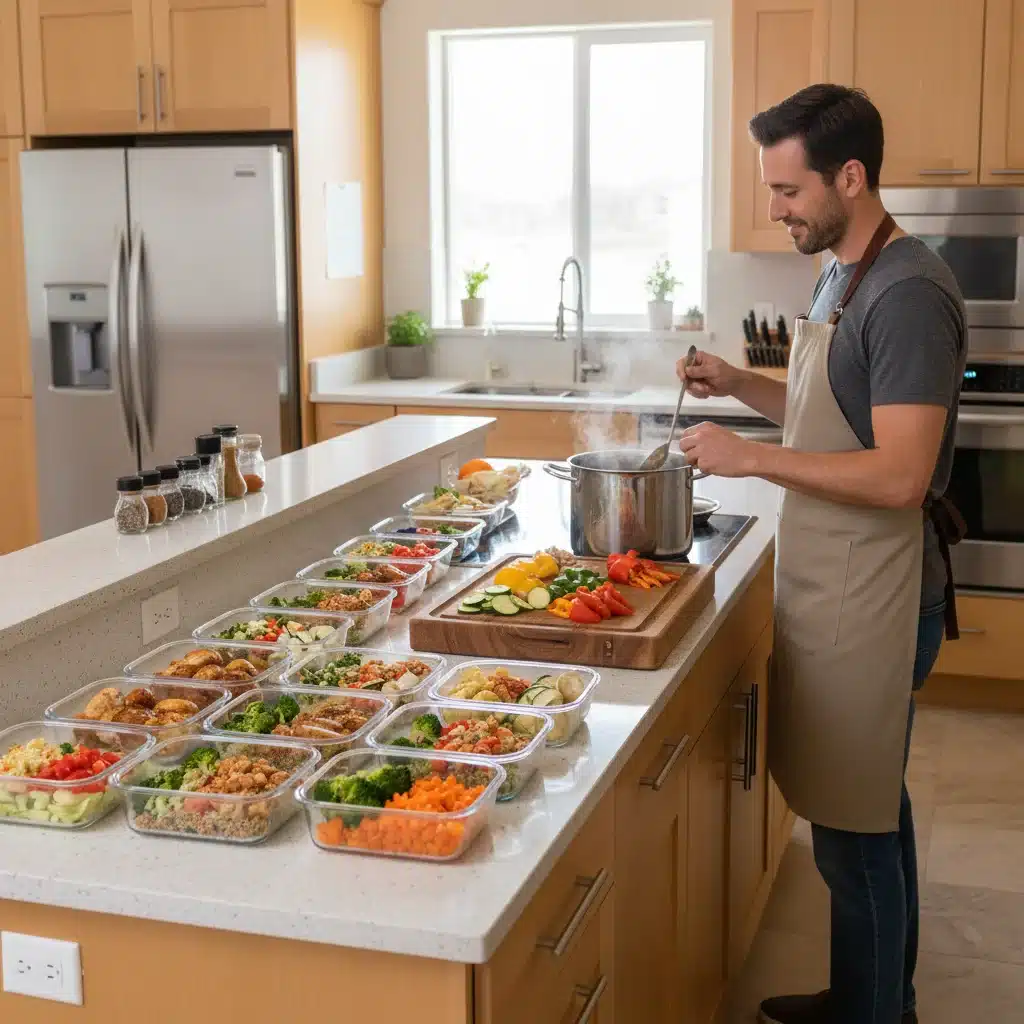
Batch cooking involves preparing large quantities of individual meal components or entire meals in one go, usually on a designated day (like a Sunday). These components can then be mixed and matched throughout the week to create diverse meals. Think roasted vegetables, cooked grains (quinoa, rice), grilled chicken, or hard-boiled eggs. This method is a game-changer for efficient smart grocery shopping, as it allows you to utilize bulk purchases effectively.
Benefits of Batch Cooking and Meal Prep
- Time Savings: Spend a few concentrated hours cooking once or twice a week, and enjoy quick assembly meals every other day.
- Cost Savings: By cooking at home and utilizing ingredients efficiently, you reduce reliance on expensive convenience foods and takeout. This directly supports your smart grocery shopping goals.
- Healthier Eating: Having healthy options readily available makes it easier to resist unhealthy temptations.
- Reduced Stress: No more scrambling at dinnertime wondering what to cook.
- Less Food Waste: Prepping ingredients ensures they get used before spoiling.
Getting Started with Batch Cooking
- Choose Your Day: Designate a consistent day each week for meal prep.
- Select Recipes: Pick recipes that lend themselves well to batch cooking. Think versatile proteins, grains, and oven-roasted vegetables.
- Prep Components: Wash and chop all vegetables, cook grains, grill or bake proteins.
- Invest in Containers: Good quality, airtight food storage containers are essential for keeping prepped food fresh.
- Label and Store: Label containers with contents and dates. Store them strategically in your fridge or freezer.
By integrating batch cooking and meal prep into your routine, you not only save money from your smart grocery shopping efforts but also reclaim precious time during your busy weekdays, making healthy eating effortless.
Advanced Smart Grocery Shopping Techniques for 2026
As we move further into 2026, the landscape of grocery shopping continues to evolve. Beyond the foundational tips, there are advanced strategies that can further enhance your smart grocery shopping game and help you surpass that 10% savings target.
Leveraging Technology and Data
- AI-Powered Shopping Apps: Some emerging apps use AI to analyze your past purchases, dietary preferences, and local store sales to suggest optimized meal plans and grocery lists. Keep an eye out for these innovations.
- Price Tracking Websites/Apps: Dedicated platforms exist that track prices of specific items across different stores, notifying you when your favorite products are at their lowest price.
- Subscription Boxes for Staples: For certain non-perishable staples (e.g., coffee, spices, specialized flours), consider subscription boxes that offer bulk discounts or curated selections, often at a better price point than individual store purchases.
Exploring Alternative Shopping Venues
- Farmers’ Markets: Often, seasonal produce at farmers’ markets can be more affordable and fresher than supermarket options, especially if you go towards the end of the market day when vendors might offer discounts. This is a great alternative for smart grocery shopping, supporting local businesses.
- Discount Grocers: Stores like Aldi or Lidl specialize in offering high-quality products at significantly lower prices, often through their own private labels. They are excellent for stocking up on pantry staples and fresh produce.
- Bulk Stores (e.g., Costco, Sam’s Club): If you have the storage space and can genuinely use large quantities of non-perishables or freezable items, bulk stores can offer substantial savings per unit. However, be wary of over-purchasing items that might spoil before you can use them.
- International Markets: These often have better prices on specific ingredients, especially spices, grains, and certain produce, compared to mainstream supermarkets.
Understanding Seasonal Eating
Eating seasonally is perhaps one of the oldest and most effective smart grocery shopping strategies. When fruits and vegetables are in season, they are more abundant, fresher, tastier, and significantly cheaper due to lower transportation and storage costs. Plan your meals around what’s in season in your region. This not only saves money but also enhances the flavor and nutritional value of your dishes.
The Power of Loyalty Programs
Almost every grocery store has a loyalty program. Sign up for them! They often offer exclusive discounts, personalized coupons based on your shopping habits, and points that can be redeemed for future savings. Make sure you’re always scanning your loyalty card or entering your phone number at checkout.
By integrating these advanced techniques into your routine, you’re not just saving a little; you’re becoming a savvy consumer who optimizes every aspect of their food procurement. This holistic approach ensures your smart grocery shopping efforts are maximally effective.
Overcoming Common Grocery Shopping Challenges
Even with the best intentions and strategies, smart grocery shopping can present its challenges. Understanding these hurdles and having solutions in place will help you stay on track with your budgeting and meal planning goals.
Dealing with Impulse Buys
Impulse buys are the silent budget killers. That tempting candy bar at the checkout, the intriguing new snack on an end cap, or the gourmet cheese you didn’t plan for can quickly add up. To combat this:
- Strict Adherence to Your List: Train yourself to only buy what’s on your list. If it’s not listed, it doesn’t go in the cart.
- Set a “Treat” Budget: If you absolutely must have a treat, allocate a small, fixed amount in your budget specifically for impulse items. Once that budget is spent, no more.
- Shop Solo: If shopping with family members leads to more impulse buys, try to do your main grocery trip alone.
Managing Time Constraints
Time is a precious commodity, and finding hours for meal planning, shopping, and prep can be tough. Solutions include:
- Designated Time Slots: Block out specific time in your calendar for meal planning and grocery shopping, just like any other important appointment.
- Online Grocery Shopping/Click & Collect: Many stores offer online ordering with delivery or curbside pickup. While there might be a small fee, the time saved and the reduced likelihood of impulse buys can often outweigh the cost, making it a form of smart grocery shopping.
- Simplify Meals: On particularly busy weeks, opt for simpler recipes that require minimal ingredients and prep time.
Adapting to Changing Prices and Availability
Food prices can fluctuate, and certain items might be out of stock. Flexibility is key:
- Be Flexible with Recipes: If a specific ingredient is too expensive or unavailable, be prepared to swap it for a more affordable or accessible alternative. For example, if bell peppers are pricey, use zucchini or carrots instead.
- Stock Up on Sales: When non-perishable staples or freezable items you regularly use are on a deep sale, buy a bit extra (within reason and storage capacity). This is a core tenet of proactive smart grocery shopping.
- Price Match: Some stores offer price matching policies. Know your store’s policy and utilize it to your advantage.
Dealing with “Picky Eaters”
If you’re cooking for a family with diverse preferences, smart grocery shopping can be tricky. Strategies include:
- Involve Everyone in Planning: Let family members choose a meal or two each week. This fosters ownership and reduces complaints.
- Deconstructed Meals: Prepare components separately so everyone can assemble their meal to their liking (e.g., taco bar, build-your-own pasta).
- Introduce New Foods Gradually: Don’t overhaul the entire menu at once. Introduce one new ingredient or dish per week.
By proactively addressing these common challenges, you can maintain consistency in your smart grocery shopping habits and continue to reap the financial and health benefits.
Conclusion: Your Path to Sustainable Savings and Quick Meals
The journey to smart grocery shopping for quick, affordable meals is an ongoing process of learning, adapting, and refining your habits. By embracing the strategies outlined in this guide – from meticulous meal planning and strategic list-making to in-store savvy and diligent waste reduction – you are well on your way to saving 10% or more on your grocery bill this month, and consistently in 2026 and beyond.
Remember, every small change adds up. The cumulative effect of comparing unit prices, utilizing sales, avoiding impulse buys, and making the most of your ingredients will not only free up your finances but also transform your relationship with food. You’ll find yourself cooking more often, experimenting with new recipes, and enjoying the peace of mind that comes from knowing you’re eating well and smartly managing your household budget.
So, take that first step. Start with a simple meal plan, write a detailed list, and commit to one new smart grocery shopping habit this week. Over time, these practices will become second nature, empowering you to create delicious, quick meals while keeping your wallet happy. Happy shopping, and even happier eating!