Healthy Quick Meals: Top 7 US Trends for Mindful Eating in 2026
Anúncios
Healthy Quick Meals: Top 7 US Trends for Mindful Eating in 2026
Anúncios
In the whirlwind of modern life, finding time for nutritious eating can feel like an Olympic sport. Yet, as we step into 2026, the landscape of American dining is undergoing a profound transformation. The demand for healthy quick meals is no longer a niche desire but a mainstream imperative. Consumers are increasingly seeking convenience without compromising on health or ethical considerations. This shift isn’t just about speed; it’s about mindful eating – being present with our food, understanding its origins, and appreciating its impact on our well-being and the planet.
Anúncios
The concept of healthy quick meals is evolving beyond simple salads or microwave dinners. It encompasses innovative culinary approaches, sustainable sourcing, and a deeper understanding of nutritional science. People want food that fuels their bodies, supports their mental clarity, and tastes incredible, all while fitting into their demanding schedules. This article delves into the top 7 trends shaping the world of healthy quick meals in the US for 2026, offering insights into how these movements are making mindful eating more accessible and enjoyable than ever before.
From personalized nutrition to the rise of advanced plant-based options, these trends reflect a collective desire for better health, greater sustainability, and a more conscious approach to what we put on our plates. Let’s explore how these culinary innovations are making it easier to enjoy delicious, healthy quick meals every day.
1. Hyper-Personalized Nutrition: Tailoring Meals to Your Unique Body
Gone are the days of one-size-fits-all diets. In 2026, hyper-personalized nutrition is at the forefront of the healthy quick meals revolution. Advances in genomics, microbiome research, and wearable technology allow individuals to receive highly customized dietary recommendations. This means meals are designed not just for general health, but for your specific metabolic needs, genetic predispositions, and even daily activity levels.
Companies are leveraging AI and data analytics to create meal plans and deliver pre-portioned ingredients or fully prepared dishes that align with individual health goals, whether it’s optimizing athletic performance, managing chronic conditions, or simply enhancing overall well-being. Imagine a service that knows your body thrives on specific macronutrient ratios and delivers perfectly balanced healthy quick meals tailored just for you. This trend is empowering consumers to take unprecedented control over their health, making every meal a targeted step towards their personal best.
The convenience factor here is immense. Instead of researching and planning, individuals can rely on expert systems to curate their diet, ensuring every bite contributes to their unique nutritional profile. This precision approach not only saves time but also eliminates guesswork, making healthy eating more effective and less daunting.
2. Next-Gen Plant-Based Powerhouses: Beyond the Basics
Plant-based eating continues its meteoric rise, but in 2026, it’s about more than just meat alternatives. The focus has shifted to whole, unprocessed plant ingredients, innovative fermentation techniques, and a wider array of global plant-based cuisines. Consumers are seeking healthy quick meals that are rich in diverse plant proteins, fiber, and micronutrients, moving beyond highly processed substitutes.
We’re seeing an explosion of interest in ingredients like jackfruit, tempeh, seitan, various legumes, and ancient grains. Culinary innovators are developing sophisticated plant-based dishes that offer complex flavors and textures, satisfying even the most discerning palates. Think gourmet plant-based bowls featuring fermented vegetables, exotic spices, and nutrient-dense seeds. These aren’t just alternatives; they are culinary experiences in their own right, offering delicious and sustainable options for healthy quick meals.
This trend also emphasizes the environmental benefits of plant-based diets, appealing to a growing segment of the population concerned with sustainability. The availability of diverse, delicious, and easy-to-prepare plant-based options is making it simpler for everyone to incorporate more plants into their diet, whether they are fully vegan, vegetarian, or simply looking to reduce their meat consumption.
3. The Rise of Functional Foods and Adaptogens in Everyday Meals
Functional foods and adaptogens are no longer confined to health food stores; they are seamlessly integrating into our everyday healthy quick meals. Consumers are becoming more educated about ingredients that offer benefits beyond basic nutrition, such as improved cognitive function, stress reduction, and enhanced immunity.
Expect to see ingredients like medicinal mushrooms (reishi, lion’s mane), ashwagandha, turmeric, and moringa incorporated into everything from breakfast smoothies and energy bars to savory lunch bowls and dinner kits. These ingredients, known for their adaptogenic properties, help the body adapt to stress and promote overall balance. The goal is to make wellness accessible and enjoyable, transforming ordinary meals into powerful health-boosting experiences.
This trend means that your healthy quick meals can now do double duty: nourish your body and support specific health goals. Imagine a quick lunch designed to boost focus for an afternoon meeting or a calming dinner to help unwind after a stressful day. The integration of functional foods is making mindful eating a proactive approach to health, where every ingredient is chosen with purpose.
4. Sustainable Sourcing and Transparency: Know Your Food’s Journey
In 2026, consumers are not just asking what’s in their food, but also where it comes from and how it was produced. Sustainable sourcing and transparency are paramount, influencing choices for healthy quick meals. This trend reflects a growing awareness of the environmental and social impact of food production, from farm to fork.
People want to know that their ingredients are ethically sourced, environmentally friendly, and support fair labor practices. This includes opting for locally grown produce, humanely raised animal products (if consumed), and foods with minimal ecological footprints. Brands that provide clear information about their supply chains, certifications, and sustainability initiatives are gaining significant trust and market share.
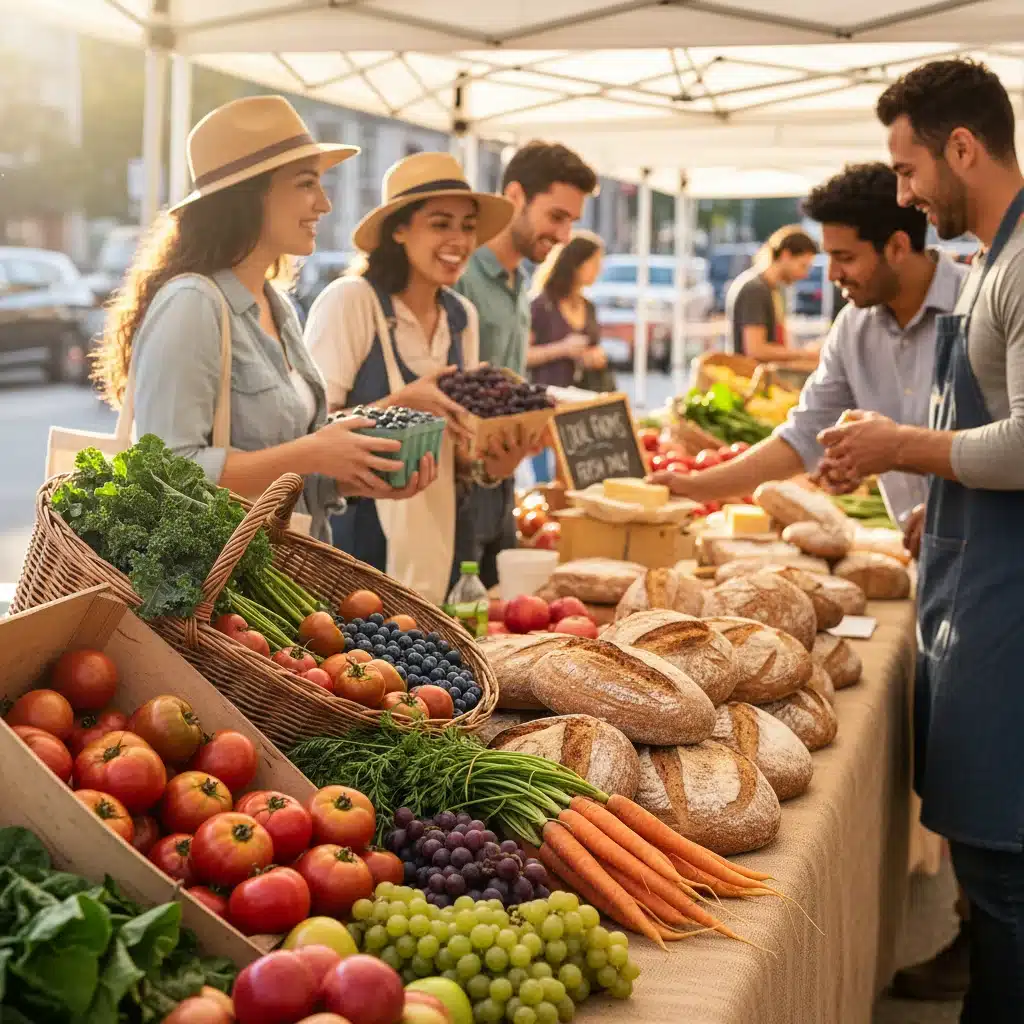
This trend extends to packaging as well, with a strong preference for compostable, recyclable, or reusable materials. For healthy quick meals, this means innovative packaging solutions that preserve freshness while minimizing waste. The entire lifecycle of the meal is under scrutiny, driving companies to adopt more responsible practices and communicate them clearly to conscious consumers.
5. Global Flavors, Local Ingredients: Culinary Exploration Made Easy
The American palate has become more adventurous than ever, and 2026 sees a beautiful fusion of global flavors with locally sourced ingredients in healthy quick meals. Consumers are eager to explore diverse culinary traditions, but they also prioritize freshness and supporting local economies.
This trend manifests in meal kits and ready-to-eat options that blend exotic spices and cooking techniques with seasonal produce from nearby farms. Imagine a quick Korean bibimbap bowl made with fresh, local vegetables or a vibrant Mediterranean quinoa salad featuring greens from a regional grower. This approach not only offers exciting taste experiences but also ensures the highest quality and nutritional value.
The accessibility of these global-local fusion healthy quick meals is a game-changer. It allows individuals to travel the world through their taste buds without spending hours in the kitchen or searching for obscure ingredients. This trend makes mindful eating a journey of discovery, celebrating both global diversity and local bounty.
6. Smart Snacking and Mini-Meals: Grazing for Optimal Energy
The traditional three-meals-a-day structure is giving way to a more flexible approach: smart snacking and mini-meals. In 2026, healthy quick meals often come in smaller, more frequent portions designed to maintain steady energy levels and prevent overeating. This grazing style of eating supports better digestion, blood sugar control, and sustained focus throughout the day.
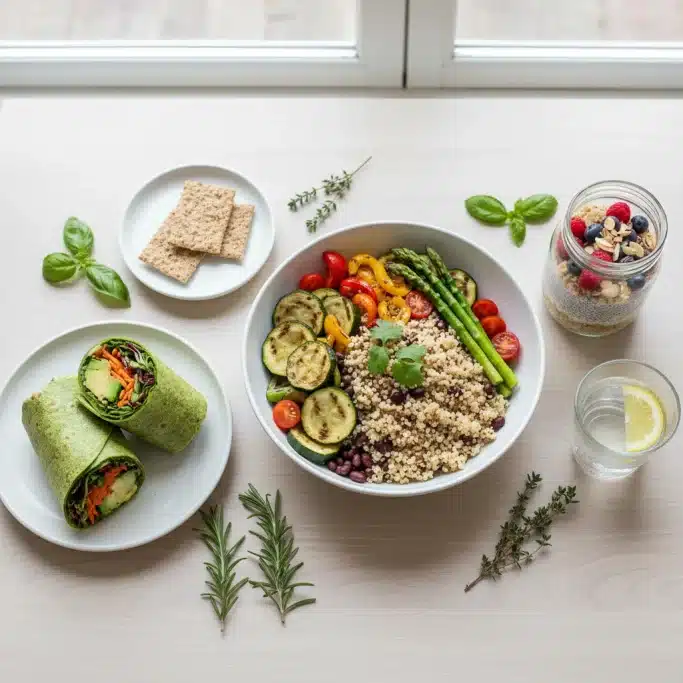
This trend emphasizes nutrient-dense snacks that provide sustained energy rather than quick sugar spikes. Think pre-portioned protein balls, individual servings of Greek yogurt with berries and nuts, vegetable sticks with hummus, or small whole-grain wraps. The key is convenience and balance, ensuring that each mini-meal contributes positively to overall nutrition.
Companies are responding with innovative packaging and formulations that make these healthy quick meals easy to grab and go. The focus is on providing balanced macronutrients – protein, healthy fats, and complex carbohydrates – in every bite, preventing energy crashes and supporting a more mindful approach to eating throughout the day. This shift acknowledges the reality of busy schedules and offers practical solutions for continuous nourishment.
7. Tech-Enabled Meal Prep and Delivery: The Future of Convenience
Technology continues to revolutionize how we access and prepare healthy quick meals. In 2026, advanced meal prep and delivery services are more sophisticated and user-friendly than ever. From AI-powered subscription models that adapt to your preferences to robotic kitchens assembling personalized meals, convenience is reaching new heights.
These services offer a spectrum of options, from pre-chopped ingredients and recipe cards for quick assembly to fully prepared, chef-quality meals that just need reheating. The emphasis is on saving time and reducing food waste, two significant pain points for modern consumers. Many platforms now offer detailed nutritional information, allergen filters, and options for specific dietary needs, making it easier for everyone to find suitable healthy quick meals.
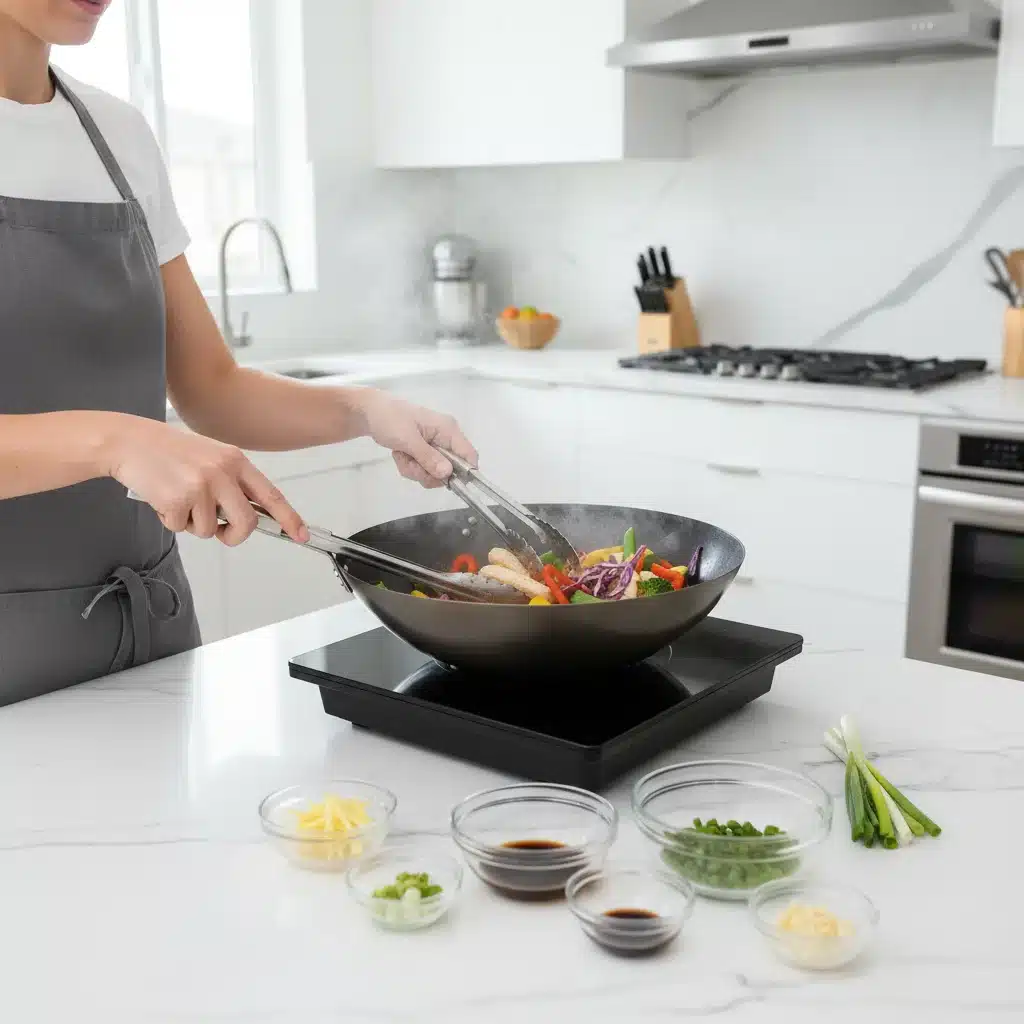
The integration of smart home devices also plays a role, with refrigerators that can suggest recipes based on available ingredients or ovens that pre-heat based on your meal kit’s instructions. This tech-enabled ecosystem is making mindful eating not just convenient, but almost effortless, removing barriers that often prevent people from eating healthily.
Embracing Mindful Eating in a Fast-Paced World
The evolution of healthy quick meals in the US by 2026 clearly indicates a societal shift towards more conscious and sustainable eating habits. These trends are not isolated; they often intertwine, supporting a holistic approach to health and wellness. Hyper-personalized nutrition benefits from tech-enabled delivery, while plant-based powerhouses often incorporate functional ingredients and global flavors. The common thread among all these trends is the drive to make mindful eating a practical reality for everyone, regardless of their busy schedules.
Mindful eating, at its core, is about paying attention to your food—its taste, texture, and the way it makes you feel—without judgment. It’s also about understanding the journey of your food, from where it was grown to how it reached your plate, and appreciating the resources and effort involved. With the advent of these innovative healthy quick meals, practicing mindfulness around food becomes significantly easier. When convenience meets quality and consciousness, the result is a better experience for both the individual and the planet.
The days of sacrificing health for convenience are rapidly fading. In 2026, the market is brimming with options that allow individuals to enjoy delicious, nutritious, and ethically sound meals with minimal effort. This empowers consumers to make choices that align with their values, supporting not just their personal health but also the broader goals of sustainability and ethical consumption. Whether you’re a busy professional, a health enthusiast, or simply looking to improve your diet, these trends offer exciting avenues to explore and integrate into your daily routine.
The Future is Now: Making Healthy Quick Meals a Lifestyle
As we navigate the complexities of modern life, the importance of nourishing our bodies efficiently and effectively cannot be overstated. The emergence of these seven trends in healthy quick meals is a testament to our collective desire for a better way to eat. They represent a harmonious blend of innovation, sustainability, and a deep respect for personal well-being.
From the precise science of hyper-personalized nutrition to the rich tapestry of global flavors, each trend contributes to a more vibrant and conscious food culture. Embracing these developments means more than just adopting new eating habits; it means cultivating a lifestyle where health and convenience coexist beautifully. It means transforming mealtime from a rushed necessity into an enjoyable act of self-care and environmental responsibility.
So, as you plan your meals in 2026 and beyond, consider how these trends can enrich your diet. Explore the myriad of plant-based options, experiment with functional ingredients, and leverage technology to simplify your meal prep. By doing so, you’re not just eating healthy quick meals; you’re participating in a broader movement towards a healthier, more sustainable, and more mindful future for all.