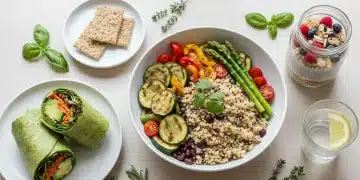
Global Main Dish Flavors: 2026 Culinary Trends Explored
Anúncios
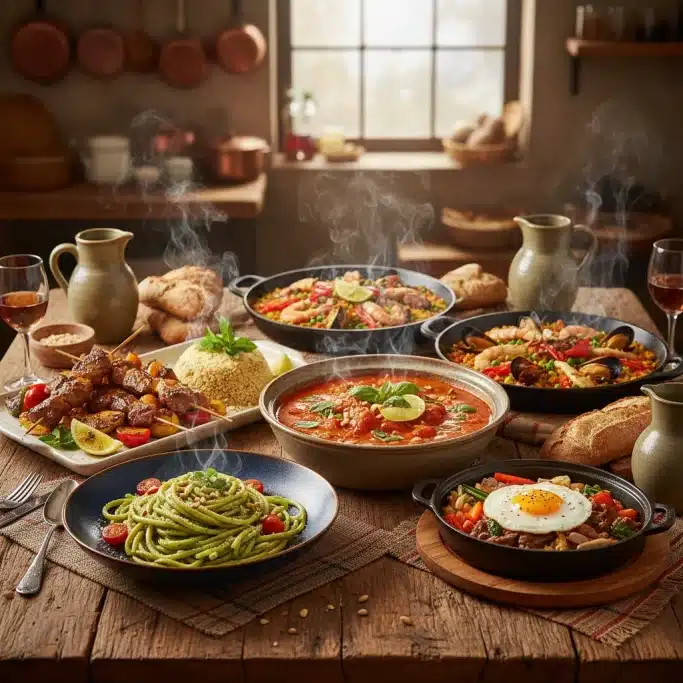
As we stride confidently into 2026, the culinary landscape continues its fascinating evolution, driven by a global palate that craves authenticity, innovation, and a touch of the exotic. The modern diner is no longer content with predictable fare; instead, there’s a growing desire to explore the rich tapestry of tastes the world has to offer, right from the comfort of their own kitchen or local eatery. This year, we’re seeing a clear trend towards embracing diverse global main dish flavors, moving beyond conventional boundaries and diving deep into regional specialties that promise to tantalize taste buds and inspire new cooking adventures.
Anúncios
The shift isn’t just about trying new dishes; it’s about understanding the stories behind the food, the cultural significance of ingredients, and the traditional techniques that have been perfected over centuries. From the bustling street markets of Southeast Asia to the spice-laden kitchens of North Africa, and the vibrant culinary traditions of Latin America, 2026 is poised to be a year of unparalleled gastronomic exploration. We’re talking about more than just food; we’re talking about an immersive experience that transports you to another part of the world with every bite. The quest for unique and memorable dining experiences is pushing chefs and home cooks alike to experiment with bold combinations, ancient grains, and sustainable practices, all while keeping the essence of authentic global main dish flavors intact.
This comprehensive guide will spotlight five of the most exciting global main dish flavors predicted to dominate dinner tables and restaurant menus in 2026. We’ll delve into their origins, explore key ingredients, and offer insights into how you can recreate these masterpieces in your own home. Get ready to spice up your weekly meal rotation and impress your friends and family with an international array of culinary delights. The world is your oyster, and your dinner plate is its canvas.
Anúncios
The Rise of Global Main Dish Flavors: A Culinary Revolution
The culinary world is a living, breathing entity, constantly adapting and reinventing itself. What was once considered exotic is now becoming mainstream, thanks to increased travel, digital connectivity, and a growing appreciation for cultural diversity. This phenomenon is particularly evident in the realm of global main dish flavors. People are actively seeking out dishes that offer a departure from their everyday routine, looking for meals that tell a story, evoke a memory, or simply provide an explosion of new tastes.
Several factors contribute to this culinary revolution. Social media platforms, with their endless streams of food photography and recipe videos, have democratized access to international cuisine, making once-obscure dishes household names. Food documentaries and travel shows ignite curiosity, inspiring viewers to seek out authentic experiences. Moreover, the increasing availability of global ingredients in local supermarkets has empowered home cooks to experiment with complex recipes that were once intimidating. This confluence of influences has created a perfect storm for the emergence of new and exciting global main dish flavors on the mainstream stage.
Beyond mere novelty, there’s a deeper appreciation for the health benefits and diverse nutritional profiles offered by many international cuisines. Plant-based diets, ancient grains, and fermentation techniques, all integral to various global food traditions, are gaining traction. This holistic approach to food, combining taste, health, and cultural immersion, is a powerful driver behind the sustained interest in global main dish flavors. As we look ahead, the trend is clear: the future of dining is global, diverse, and deliciously adventurous.
1. The Allure of North African Tagines: A Symphony of Spices
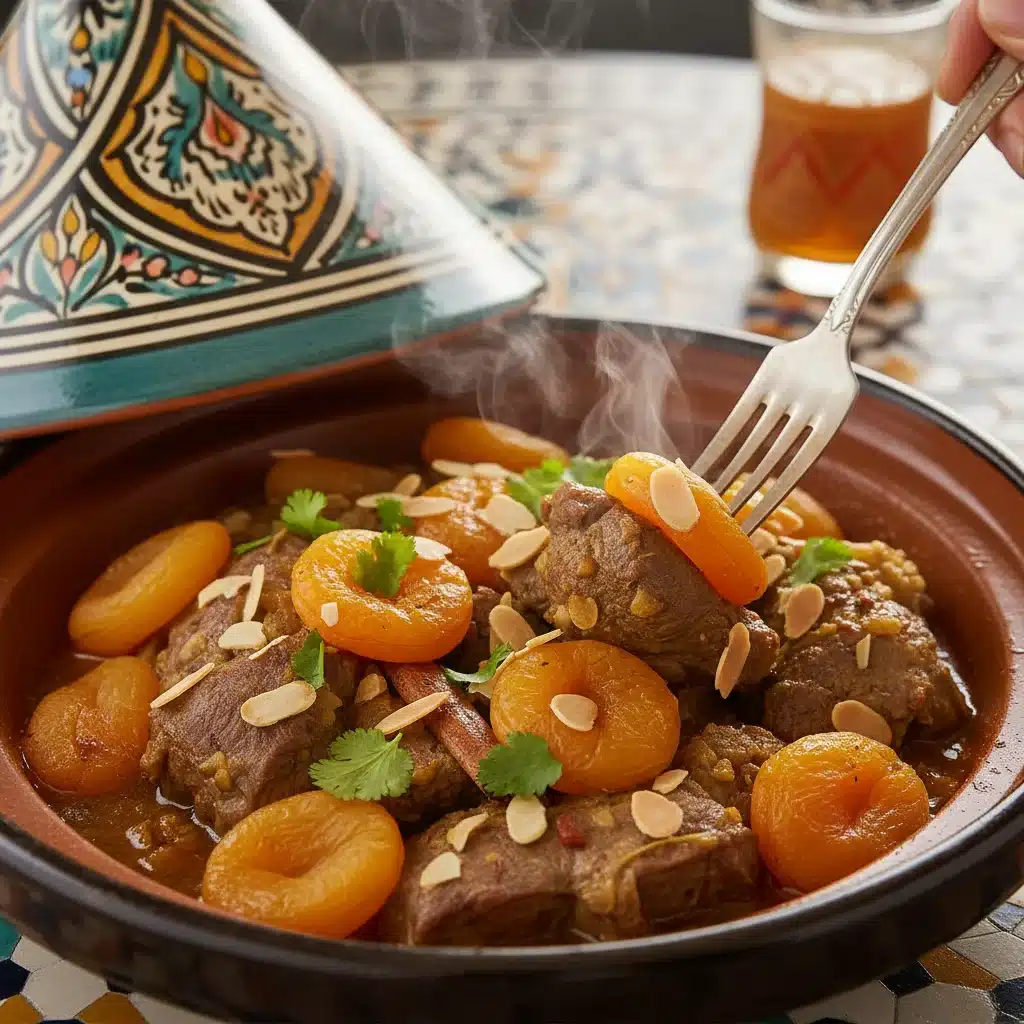
Our first stop on this global culinary tour takes us to the sun-drenched landscapes of North Africa, where the tagine reigns supreme. More than just a dish, a tagine is a cooking vessel and a culinary tradition, reflecting centuries of history and a profound understanding of flavor. These slow-cooked stews, typically prepared in an iconic conical clay pot, are a masterclass in layering complex aromas and textures. The beauty of North African global main dish flavors, particularly those found in tagines, lies in their ability to blend sweet and savory, tender and crisp, all within a single, comforting pot.
What Makes Tagines So Special?
The magic of a tagine begins with its unique cooking method. The conical lid traps steam, allowing ingredients to slowly braise in their own juices, resulting in incredibly tender meats and vegetables. This gentle cooking process also helps to meld the various spices, creating a harmonious and deeply aromatic dish. Key ingredients often include succulent cuts of lamb or chicken, a medley of vegetables like carrots, potatoes, and chickpeas, and a generous hand with dried fruits such as apricots or prunes, adding a delightful sweetness.
The spice blend is where the true heart of the tagine lies. Ras el Hanout, a complex Moroccan spice mix that can contain dozens of different spices, is often a star player. Cumin, coriander, turmeric, ginger, and saffron are also commonly used, each contributing to the rich, earthy, and sometimes subtly floral profile. Preserved lemons, with their intense citrusy tang, provide a bright counterpoint to the warmth of the spices, while olives add a briny depth. The combination of these elements creates a truly unforgettable experience, making tagines a standout among global main dish flavors.
Bringing North African Tagines to Your Table
You don’t need an authentic tagine pot to recreate these incredible flavors at home, though it certainly enhances the experience. A heavy-bottomed Dutch oven with a tight-fitting lid will work perfectly. The key is slow cooking over low heat. Start by browning your meat, then sautéing onions and garlic. Add your chosen spices, vegetables, and liquids (often broth or water). Incorporate dried fruits and preserved lemons towards the end of the cooking process. Serve your tagine with couscous to soak up all the delicious juices, and garnish with fresh cilantro or parsley for a burst of freshness. This dish is not just a meal; it’s an invitation to explore the rich culinary heritage of North Africa, a true gem in the world of global main dish flavors.
2. The Vibrant Heat of Mexican Mole: A Culinary Masterpiece
From the arid landscapes of North Africa, we journey across the Atlantic to the vibrant, colorful kitchens of Mexico, where mole (pronounced ‘moh-lay’) stands as a testament to culinary ingenuity and deep cultural roots. Mole is not a single sauce but a family of complex sauces, often featuring dozens of ingredients, including various chilies, spices, nuts, seeds, and sometimes even chocolate. It’s a cornerstone of Mexican global main dish flavors, renowned for its incredible depth, layered complexity, and often, a delightful kick of heat.
The Art of Mole: A Blend of Tradition and Flavor
The most famous variety, Mole Poblano, is a dark, rich sauce traditionally served with turkey or chicken. Its ingredient list can be extensive, often including dried mulato, pasilla, ancho, and chipotle chilies, which provide varying degrees of heat and smoky notes. These are complemented by spices like cinnamon, cloves, and anise, along with nuts such as almonds and peanuts for thickening and richness. Seeds like sesame and pumpkin seeds add texture and flavor. The unexpected star? A touch of dark chocolate, which doesn’t make the sauce sweet but instead deepens its color and adds a bittersweet complexity, balancing the heat of the chilies. This intricate balance of ingredients is what elevates mole to an art form among global main dish flavors.
Preparing mole is a labor of love, often taking hours, if not days, to toast, rehydrate, grind, and simmer all the ingredients to perfection. Each family and region has its own cherished recipe, passed down through generations. The result is a sauce unlike any other, offering a symphony of flavors that range from earthy and smoky to subtly sweet and intensely spicy. It’s a true celebration of Mexican culinary heritage, showcasing the depth and diversity of their global main dish flavors.
Crafting Your Own Mole Experience
While traditional mole preparation can be daunting, there are many simplified recipes that allow home cooks to capture its essence without dedicating an entire weekend. Focus on sourcing good quality dried chilies, as they are the backbone of the sauce. Toasting them gently before rehydrating is crucial for developing their full flavor. A good blender or food processor will be your best friend for achieving the smooth consistency required. Serve your homemade mole with roasted chicken, enchiladas, or even as a unique topping for tacos. Pair it with rice and warm tortillas to complete the experience. Embracing mole is to embrace a truly iconic element of global main dish flavors, a dish that speaks volumes about tradition and passion.
3. The Aromatic Delights of Thai Curries: A Balance of Tastes
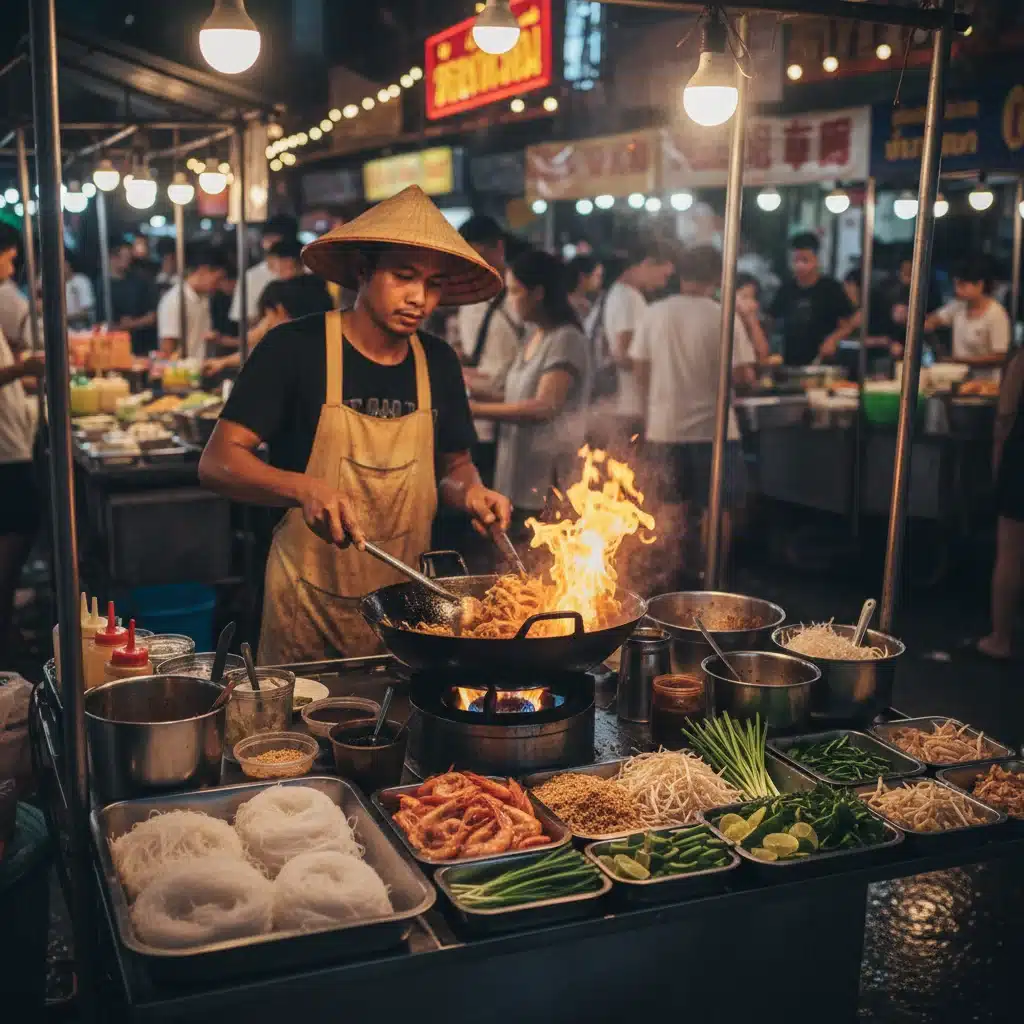
Our journey continues eastward to Thailand, a country renowned for its vibrant street food and sophisticated culinary traditions. Thai curries, with their intoxicating aromas and complex flavor profiles, are set to be a major player in global main dish flavors for 2026. Unlike Indian curries, which often rely on dried spices, Thai curries are typically built around fresh herbs and spices pounded into a fragrant paste, creating a distinctively bright and aromatic character.
Understanding the Nuances of Thai Curries
Thai curries are celebrated for their exquisite balance of five fundamental tastes: spicy, sour, sweet, salty, and bitter. This intricate harmony is achieved through a careful selection of ingredients. Key components of a typical Thai curry paste include fresh chilies (red or green, depending on the curry), lemongrass, galangal (a ginger-like root), kaffir lime zest and leaves, garlic, and shallots. Fermented shrimp paste adds a crucial umami depth. These ingredients are meticulously pounded together, traditionally in a mortar and pestle, to release their essential oils and create a potent base.
The paste is then sautéed to unlock its full fragrance before coconut milk is added, forming the creamy, rich foundation of the curry. Protein options are diverse, ranging from chicken, beef, and pork to shrimp, fish, and tofu, catering to all dietary preferences. An array of vegetables, such as bamboo shoots, bell peppers, eggplant, and green beans, adds texture and nutrition. Fresh herbs like Thai basil and cilantro, along with a squeeze of lime juice, are typically added at the end to brighten the flavors. This meticulous layering of ingredients is what makes Thai curries such a beloved category of global main dish flavors.
Creating Authentic Thai Curry at Home
While making curry paste from scratch is a rewarding experience, high-quality pre-made curry pastes are widely available and can significantly cut down on preparation time. The secret to a truly authentic Thai curry lies in not being afraid to adjust the seasonings to your taste. Start by sautéing your curry paste in a little oil until fragrant, then add your protein and cook until almost done. Pour in coconut milk and bring to a simmer, allowing the flavors to meld. Add your vegetables and cook until tender-crisp. Finish with fish sauce (for saltiness and umami), a touch of palm sugar (for sweetness), and a squeeze of fresh lime juice (for acidity). Serve hot with jasmine rice. Mastering Thai curries means mastering a cornerstone of delicious global main dish flavors.
4. The Hearty Comfort of Brazilian Feijoada: A Culinary Embrace
Journeying south, we discover the soulful and satisfying depths of Brazilian Feijoada, a hearty black bean stew that is much more than just a meal; it’s a cultural institution. This ultimate comfort food, traditionally served on Wednesdays and Saturdays, brings together a rich tapestry of flavors and textures, making it a standout among global main dish flavors for those seeking warmth, sustenance, and a taste of Brazilian hospitality.
The Rich History and Ingredients of Feijoada
Feijoada’s origins are deeply intertwined with Brazil’s history, often traced back to the kitchens of enslaved Africans who ingeniously combined readily available ingredients with cuts of pork often discarded by their masters. Over time, it evolved into the beloved national dish it is today. The core of feijoada is black beans, slow-cooked until incredibly tender and creamy. What elevates it to a truly exceptional dish is the generous inclusion of various types of salted and smoked pork and beef, such as dried beef (carne seca), smoked sausage (linguiça or calabresa), pork ribs, bacon, and sometimes even pig’s ears and trotters. These meats impart a profound depth of smoky, savory flavor to the beans.
Onions, garlic, and bay leaves form the aromatic base, while a touch of orange peel is often added during cooking to cut through the richness and add a subtle citrus note. The slow cooking process allows all these elements to meld together, creating a thick, dark, and intensely flavorful stew that is truly unique among global main dish flavors. It’s a dish that embodies the spirit of shared meals and celebration, bringing people together around a table laden with delicious food.
Serving Feijoada: A Feast for the Senses
Feijoada is rarely served alone. It comes with a customary array of accompaniments that are essential to the complete experience. White rice is a must, providing a neutral base to soak up the rich stew. Farofa, toasted cassava flour, often mixed with bacon bits or eggs, adds a delightful crunch and nutty flavor. Sautéed collard greens, lightly bitter, offer a refreshing contrast to the richness of the beans and meats. Sliced oranges are also traditionally served, their acidity cutting through the fat and cleansing the palate. A shot of cachaça (Brazilian sugarcane rum) or a caipirinha often precedes the meal, setting the festive tone. Preparing feijoada is a commitment, but the reward is a truly authentic taste of Brazil and a fantastic example of comforting global main dish flavors.
5. The Umami-Rich Depths of Japanese Ramen: A Bowl of Perfection
Our final destination brings us to Japan, where ramen has transcended its humble origins to become a global culinary phenomenon. Far more than just noodle soup, a bowl of ramen is a meticulously crafted masterpiece, a testament to precision, balance, and the pursuit of umami. In 2026, the nuanced complexities of Japanese ramen are poised to captivate even more palates, cementing its place as a leading contender in the world of global main dish flavors.
The Art and Science of Ramen Broth
At the heart of any exceptional ramen lies its broth, a liquid gold that can take hours, even days, to prepare. There are several main types of ramen broth, each with its own distinct character: tonkotsu (pork bone broth, rich and milky), shoyu (soy sauce-based, clear and savory), shio (salt-based, light and refreshing), and miso (fermented soybean paste-based, robust and earthy). Each broth is carefully simmered with a combination of ingredients like pork bones, chicken carcasses, dried seafood (konbu, katsuobushi), and vegetables, extracting deep umami flavors. The dedication to achieving the perfect broth is what makes ramen an unparalleled example of refined global main dish flavors.
Beyond the broth, every component of ramen is carefully considered. The noodles, typically made from wheat flour, water, salt, and kansui (an alkaline mineral water), come in various shapes, thicknesses, and textures, each chosen to complement a specific broth. Toppings are equally important, adding layers of flavor and visual appeal. Chashu (braised pork belly), ajitama (marinated soft-boiled egg), nori (seaweed), menma (fermented bamboo shoots), and fresh scallions are classic additions, each contributing to the symphony of tastes and textures in the bowl. The meticulous assembly of these elements is what elevates ramen to an art form, a truly iconic representation of global main dish flavors.
Crafting Your Own Ramen Experience
While achieving restaurant-quality ramen broth at home can be challenging, it’s certainly possible to create delicious and satisfying versions. Many Asian grocery stores now offer high-quality pre-made ramen bases that can serve as an excellent starting point. Focus on perfecting your toppings: learn to make perfectly marinated soft-boiled eggs, braise some tender pork belly, and prepare fresh, crisp vegetables. The key is to assemble your bowl with care, ensuring each component is at its peak. Experiment with different broths and toppings to discover your favorite combinations. Diving into the world of ramen is to immerse yourself in one of the most celebrated and intricate global main dish flavors, offering endless possibilities for culinary exploration.
Embracing the Future of Global Main Dish Flavors
As we’ve journeyed through North Africa, Mexico, Thailand, Brazil, and Japan, it’s clear that the future of dining is increasingly global and wonderfully diverse. The five global main dish flavors we’ve explored – North African Tagines, Mexican Mole, Thai Curries, Brazilian Feijoada, and Japanese Ramen – represent just a fraction of the incredible culinary treasures awaiting discovery. Each dish tells a story, reflects a culture, and offers a unique sensory experience that enriches our understanding of the world.
The beauty of these culinary trends for 2026 lies in their accessibility. With an ever-expanding availability of international ingredients and a wealth of online resources, home cooks are more empowered than ever to experiment with these exciting flavors. Restaurants, too, are responding to this demand, offering authentic and innovative interpretations of these global classics. This fusion of tradition and accessibility is what makes the current culinary landscape so thrilling.
Don’t be afraid to step out of your comfort zone and try something new. Whether it’s the slow-cooked comfort of a tagine, the complex heat of a mole, the aromatic balance of a Thai curry, the hearty embrace of a feijoada, or the umami-rich depths of ramen, incorporating these global main dish flavors into your repertoire will undoubtedly elevate your dining experience. Not only will you discover new favorite dishes, but you’ll also gain a deeper appreciation for the rich cultural tapestry that food weaves across the globe. So, gather your ingredients, fire up your stove, and prepare to embark on a delicious adventure that promises to make 2026 your most flavorful year yet. The world of global main dish flavors awaits your exploration.