Unveiling the Best Chocolate for Baking: A 2026 Brand Comparison
For any avid baker, the quality of chocolate is not merely an ingredient choice; it’s a foundational decision that dictates the success, flavor, and overall experience of a dessert. As we navigate through 2026, the market is brimming with an array of chocolate brands, each promising superior taste and performance. But when it comes to finding the best chocolate for baking, how do you sift through the options to select the one that truly elevates your culinary creations? This in-depth guide delves into a comparative analysis of three popular chocolate brands, scrutinizing their profiles, performance in various baking applications, and ultimately, helping you decide which brand will deliver the most exquisite dessert in your kitchen.
The quest for the perfect chocolate is a journey of discovery, blending science with artistry. From the cocoa bean’s origin to its processing, every step influences the final product’s flavor nuances, melt consistency, and structural integrity when baked. Our focus today is on understanding these intricacies, providing you with the knowledge to make informed decisions for your baking endeavors. Whether you’re crafting a delicate mousse, a robust brownie, or a sophisticated ganache, the right chocolate can make all the difference.
Anúncios
We’ll explore key factors such as cocoa percentage, ingredient quality, ethical sourcing practices (which are increasingly important to consumers in 2026), and, most critically, how each chocolate brand performs under the heat of your oven. Prepare to embark on a delicious exploration that will undoubtedly refine your baking repertoire and help you consistently achieve professional-level results with the best chocolate for baking.
Anúncios
Understanding Baking Chocolate: Beyond the Bar
Before we dive into specific brands, it’s crucial to understand what distinguishes baking chocolate from everyday eating chocolate. While both are derived from cocoa beans, their formulations differ significantly. Baking chocolate, particularly unsweetened or bittersweet varieties, contains a higher percentage of cocoa solids and less sugar, allowing bakers to control the sweetness of their final product. This distinction is vital for achieving balanced flavors and textures in recipes.
Key terms like ‘cocoa percentage’ refer to the total amount of cocoa solids, including cocoa mass and cocoa butter, in the chocolate. A higher percentage typically indicates a more intense chocolate flavor and less sugar. For instance, a 70% dark chocolate will be significantly less sweet and more robust than a 50% bittersweet chocolate. Understanding this helps you choose the correct type of best chocolate for baking for your specific recipe needs.
Types of Baking Chocolate: A Quick Guide
- Unsweetened Chocolate (100% Cocoa): Pure chocolate liquor with no added sugar. Extremely bitter, it’s used when a recipe calls for significant sweetness from other ingredients.
- Bittersweet Chocolate (70-85% Cocoa): A dark chocolate with a lower sugar content, offering a rich, complex flavor. Ideal for brownies, cakes, and mousses where a deep chocolate flavor is desired.
- Semi-Sweet Chocolate (35-60% Cocoa): Sweeter than bittersweet but still with a pronounced chocolate flavor. Versatile for cookies, chips, and general baking.
- Milk Chocolate (10-40% Cocoa): Contains milk solids, making it creamier and sweeter. Less common for serious baking due to its high sugar content, but excellent for certain applications like frostings or specific candy recipes.
- White Chocolate (No Cocoa Solids): Made from cocoa butter, sugar, and milk solids. It lacks the dark chocolate flavor but offers a creamy, sweet profile.
- Cocoa Powder: The dry solid remains of cocoa beans after cocoa butter has been extracted. Comes in natural (acidic) and Dutch-processed (alcalized) varieties, each affecting flavor and leavening differently.
Selecting the appropriate type of chocolate is the first step towards achieving culinary excellence. Now, let’s turn our attention to the brands vying for the title of the best chocolate for baking in 2026.
Brand 1: Valrhona – The Connoisseur’s Choice
Brand Overview and Philosophy
Valrhona, a French chocolate manufacturer established in 1922, is synonymous with luxury and unparalleled quality in the culinary world. Revered by pastry chefs globally, Valrhona prides itself on its ‘bean-to-bar’ approach, meticulously sourcing cocoa beans from exclusive plantations around the globe. Their commitment to sustainability and direct trade relationships ensures not only the highest quality beans but also ethical practices benefiting cocoa farmers. This dedication to excellence makes Valrhona a strong contender for the best chocolate for baking, especially for those who prioritize premium ingredients.
Key Products for Baking
Valrhona offers a vast range of products tailored for baking, including various cocoa percentages in both bars (tablettes) and feves (discs). Some of their most popular baking chocolates include:
- Guanaja 70%: Known for its intense bitterness and robust flavor profile, with notes of warm spices and floral undertones. It melts beautifully and provides a deep chocolate flavor to any dessert.
- Caraïbe 66%: A more balanced dark chocolate, offering a rich cocoa flavor with less bitterness than Guanaja, featuring hints of roasted nuts and dried fruits. Highly versatile.
- Manjari 64%: A single-origin chocolate from Madagascar, characterized by its fresh, tangy, and fruity notes, particularly red berries. Excellent for recipes where a brighter chocolate flavor is desired.
- Ivoire 35% (White Chocolate): A creamy white chocolate with a delicate vanilla flavor, performing exceptionally well in mousses, ganaches, and coatings without becoming overly sweet.
- Valrhona Cocoa Powder: A rich, unsweetened cocoa powder with a deep reddish-brown color, imparting an intense chocolate flavor to baked goods.
Performance in Baking
Valrhona chocolates are celebrated for their exceptional melt consistency, temper stability, and profound flavor development. When used in baking, they:
- Melt Smoothly: Their high cocoa butter content ensures a silky, even melt, crucial for ganaches, glazes, and tempering.
- Rich Flavor Profile: The complex notes of Valrhona chocolates shine through in baked goods, providing depth and sophistication that lesser chocolates cannot achieve.
- Excellent Structure: In cakes and brownies, Valrhona contributes to a moist crumb and a desirable chewiness. For chocolate chips, they hold their shape well while offering a soft, melt-in-your-mouth texture.
- Versatility: From delicate soufflés to hearty chocolate chunk cookies, Valrhona adapts beautifully, making it a reliable choice for any recipe requiring the best chocolate for baking.
Pros and Cons
- Pros: Superior flavor, excellent melt and temper characteristics, wide range of cocoa percentages and origins, strong ethical sourcing.
- Cons: High price point, which can be a barrier for everyday baking.
Brand 2: Ghirardelli – The Accessible Premium
Brand Overview and Philosophy
Ghirardelli, an American institution with roots dating back to the California Gold Rush of 1852, offers a more accessible premium chocolate experience. While perhaps not reaching the artisan heights of Valrhona, Ghirardelli has successfully carved out a niche for itself by providing high-quality chocolate that is readily available to home bakers. Their philosophy centers on delivering a consistent, enjoyable chocolate experience through carefully selected beans and a meticulous roasting process. Ghirardelli aims to be a go-to for many home bakers looking for the best chocolate for baking without breaking the bank.
Key Products for Baking
Ghirardelli’s baking line is extensive and widely distributed, making it a staple in many pantries:
- Bittersweet Chocolate Chips (60% Cacao): A popular choice for cookies, brownies, and muffins. They retain their shape well during baking and offer a rich, slightly sweet chocolate flavor.
- Semi-Sweet Chocolate Chips: The classic choice for chocolate chip cookies, offering a balanced sweetness and familiar flavor.
- Unsweetened Baking Bar: A pure, intense chocolate flavor for recipes where sugar is added separately, ensuring full control over sweetness.
- Dutch Processed Cocoa Powder: Known for its deep, dark color and mellow flavor, ideal for cakes, brownies, and hot cocoa.
- White Chocolate Baking Bar/Chips: Creamy and sweet, perfect for white chocolate macadamia nut cookies or white chocolate ganache.
Performance in Baking
Ghirardelli chocolates are known for their reliability and consistent performance in a wide range of baking applications:
- Consistent Melt: While not as fluid as Valrhona, Ghirardelli melts predictably, making it suitable for sauces, glazes, and fillings.
- Good Flavor Balance: They strike a good balance between sweetness and chocolate intensity, appealing to a broad palate.
- Holds Shape Well: Their chocolate chips are designed to hold their form during baking, providing distinct pockets of melted chocolate in cookies and muffins.
- User-Friendly: Easy to find and work with, making it an excellent choice for everyday baking and experimenting with new recipes. It consistently delivers satisfying results, affirming its position as a strong contender for the best chocolate for baking among widely available brands.
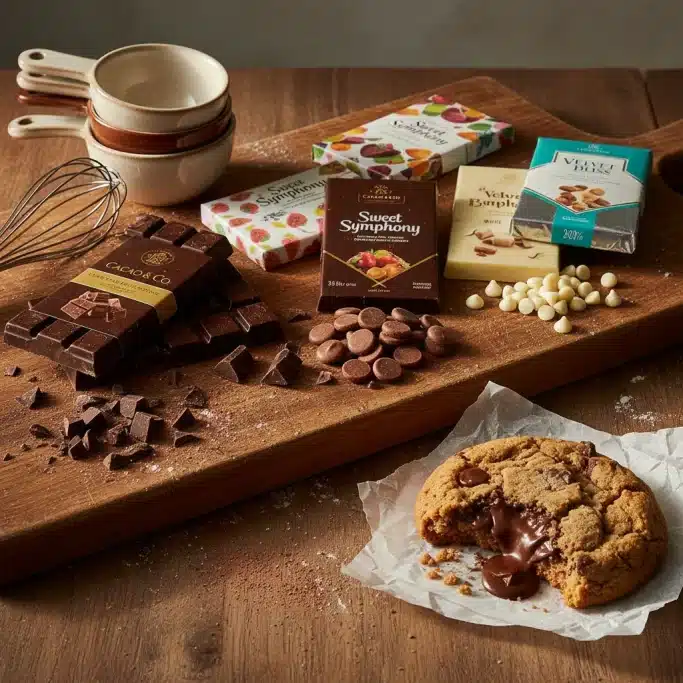
Pros and Cons
- Pros: Widely available, consistent quality, good flavor, more affordable than high-end brands.
- Cons: Less complex flavor profile compared to artisan chocolates, not always ideal for highly delicate or temper-sensitive applications.
Brand 3: Guittard – The Craft Chocolate Pioneer
Brand Overview and Philosophy
Guittard Chocolate Company, a family-owned business operating since 1868 in San Francisco, represents the enduring legacy of American craft chocolate. With a deep respect for tradition and a commitment to innovation, Guittard focuses on creating distinct chocolate flavors through careful bean selection, unique roasting techniques, and proprietary blending. They emphasize sustainability and direct relationships with cocoa farmers, much like Valrhona, but offer a price point that often sits between Ghirardelli and Valrhona, positioning them as a premium yet accessible option for those seeking the best chocolate for baking.
Key Products for Baking
Guittard’s baking range includes a variety of chips, wafers, and bars, catering to different baking needs:
- Baking Wafers (e.g., Akoma 60% Cacao): These small discs are perfect for melting and tempering, offering a smooth consistency and rich flavor.
- Chocolate Chips (e.g., Semisweet, Bittersweet, Milk): Guittard’s chips are known for their excellent melt and flavor, often praised for their robust chocolate presence in baked goods.
- Cocoa Rouge Unsweetened Cocoa Powder: A rich, dark cocoa powder with a deep, nuanced chocolate flavor, ideal for enhancing the color and taste of cakes and brownies.
- Choc-Au-Lait (White Chocolate): A high-quality white chocolate with a balanced sweetness and creamy texture, suitable for a variety of dessert applications.
Performance in Baking
Guittard chocolates are highly regarded for their robust flavor and excellent workability:
- Exceptional Flavor Depth: Guittard chocolates often have a more pronounced and complex flavor than standard supermarket brands, with distinct notes that vary by cocoa origin and roast.
- Reliable Melting: Their wafers and chips melt smoothly and consistently, making them a joy to work with for ganaches, sauces, and tempering.
- Maintains Integrity: In baked items, Guittard chocolate chips hold their shape well, providing delightful pockets of melted chocolate, while bars contribute to a rich, moist texture in cakes and brownies.
- Versatile Application: From sophisticated tortes to simple chocolate chip cookies, Guittard performs admirably, making it a strong contender for the best chocolate for baking for those seeking quality and value.
Pros and Cons
- Pros: Excellent flavor complexity, good melting characteristics, strong commitment to ethical sourcing, more accessible price than ultra-premium brands.
- Cons: Not as widely available as Ghirardelli, still a higher price point than budget options.
Comparative Analysis: Which Brand is the Best Chocolate for Baking?
Now that we’ve examined each brand individually, let’s put them side-by-side to highlight their strengths and weaknesses in the context of finding the best chocolate for baking.
Flavor Profile and Complexity
- Valrhona: Unmatched complexity and intensity. Offers distinct single-origin notes and a wide spectrum of flavors (fruity, spicy, nutty). Ideal for desserts where chocolate is the star.
- Ghirardelli: Good, consistent chocolate flavor that is generally crowd-pleasing. Less complex than Valrhona or Guittard but reliable and familiar.
- Guittard: Excellent depth of flavor, often with nuanced notes that elevate baked goods beyond basic chocolate taste. A step up from Ghirardelli in complexity.
Melting and Tempering Performance
- Valrhona: Superior melt and temper stability due to high cocoa butter content and meticulous processing. Produces glossy, smooth finishes.
- Ghirardelli: Melts consistently, but can sometimes be thicker. Tempering is achievable but may require more practice than with Valrhona.
- Guittard: Very good melting characteristics, especially with their wafers. Achieves a smooth texture, making it suitable for tempering and delicate applications.
Texture in Baked Goods
- Valrhona: Contributes to a rich, moist crumb in cakes and brownies, and a luxurious, smooth texture in ganaches and mousses. Chips maintain a soft, melt-in-your-mouth quality.
- Ghirardelli: Chips hold their shape well, providing distinct chocolate pockets. Bars contribute a pleasant chewiness and moistness.
- Guittard: Similar to Valrhona in contributing to a moist, rich texture. Chips hold their form while melting beautifully, offering a satisfying bite.
Price and Accessibility
- Valrhona: Highest price point, often found in specialty stores or online. Less accessible for casual bakers.
- Ghirardelli: Most affordable and widely available in most supermarkets. Excellent value for its quality.
- Guittard: Mid-range price, more expensive than Ghirardelli but generally less than Valrhona. Increasingly available in supermarkets and specialty stores.
Ethical Sourcing and Sustainability
- Valrhona: Pioneer in ethical sourcing with strong direct trade programs and sustainability initiatives.
- Ghirardelli: Has made significant strides in sustainable sourcing, often participating in industry-wide programs.
- Guittard: Strong commitment to ethical sourcing and long-term relationships with cocoa farmers, often highlighting their ‘Cultivate Better’ initiative.
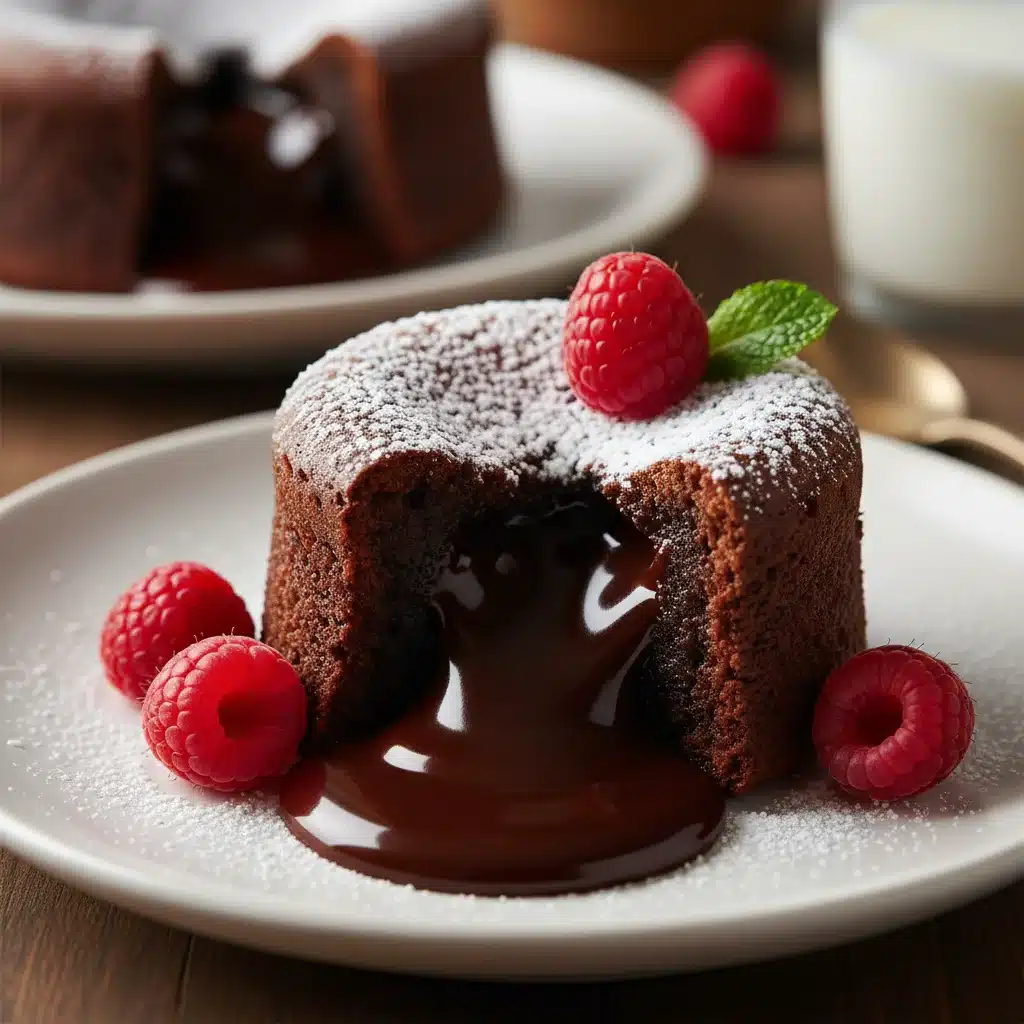
Making Your Choice: The Best Chocolate for Your Baking Needs
Ultimately, the best chocolate for baking is subjective and depends on your specific needs, budget, and the dessert you are creating. Here’s a quick guide to help you decide:
- For Professional Bakers and Special Occasions: Valrhona is the undisputed champion. If you’re aiming for unparalleled flavor complexity, superior melt, and temper characteristics, and your budget allows, Valrhona will elevate your desserts to a gourmet level. It’s an investment that truly pays off in taste and texture.
- For Everyday Baking and Reliable Results: Ghirardelli is an excellent choice. It offers consistent quality, good flavor, and is readily available and affordable. It’s a dependable workhorse for cookies, brownies, and most home baking projects where you want good chocolate flavor without excessive cost.
- For Elevated Home Baking and Craft Chocolate Enthusiasts: Guittard strikes a perfect balance. It provides a more nuanced and sophisticated flavor profile than Ghirardelli, with excellent workability, at a price point that is more accessible than Valrhona. It’s a great option for those who want to experiment with richer flavors and textures without the ultra-premium cost.
Tips for Maximizing Your Chocolate’s Potential
Regardless of the brand you choose, here are some universal tips to ensure you get the most out of your best chocolate for baking:
- Store Properly: Keep chocolate in a cool, dark, and dry place (ideally between 60-70°F or 15-21°C) to prevent blooming (fat or sugar crystals rising to the surface) and preserve flavor. Avoid refrigeration unless absolutely necessary, as it can cause condensation and affect texture.
- Chop Evenly: When using chocolate bars, chop them into uniform pieces to ensure even melting and distribution in your baked goods.
- Temper for Shine and Snap: If making confections, glazes, or dipped items, tempering your chocolate (especially Valrhona or Guittard wafers) is crucial for achieving a glossy finish and a satisfying snap.
- Adjust Sweetness: Remember that different cocoa percentages contain varying amounts of sugar. Be prepared to adjust the sugar content in your recipes, especially when substituting between brands or percentages.
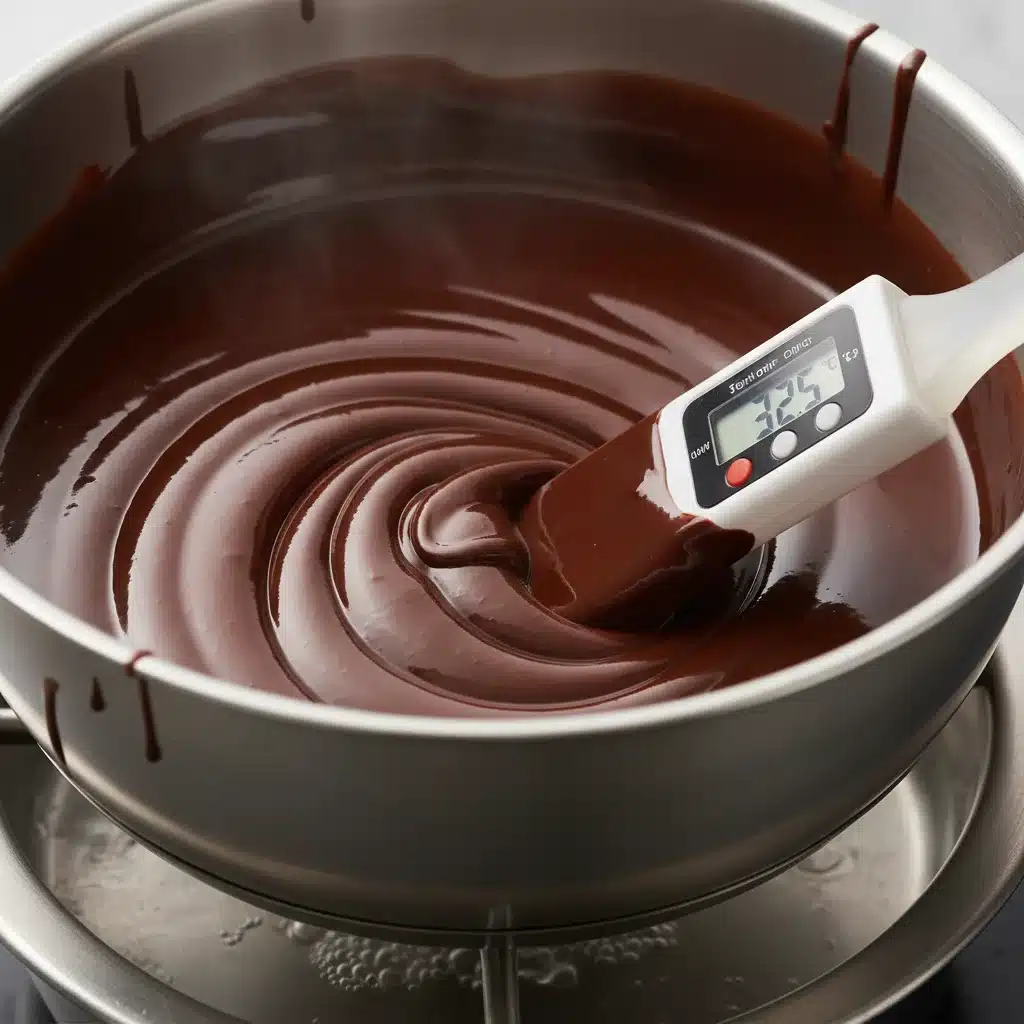
- Don’t Overheat: Chocolate can easily burn or seize if overheated. Use a double boiler or microwave in short bursts, stirring frequently, to melt chocolate gently.
- Consider Origin: Explore single-origin chocolates from brands like Valrhona and Guittard. Each origin (e.g., Madagascar, Ecuador, Venezuela) offers a unique flavor profile that can significantly impact your dessert.
- Read Reviews: While our guide provides a general overview, specific chocolate products within each brand can vary. Always read reviews or experiment with small quantities if trying a new type of chocolate for a critical recipe.
The Future of Baking Chocolate in 2026 and Beyond
As we look ahead, the trends in baking chocolate are leaning towards greater transparency, sustainability, and innovative flavor profiles. Consumers in 2026 are increasingly conscious of where their food comes from and how it’s produced. Brands that prioritize ethical sourcing, fair trade practices, and environmental responsibility will continue to gain traction. Furthermore, expect to see more single-origin chocolates, unique cocoa percentages, and even specialized blends designed for specific baking applications.
The pursuit of the best chocolate for baking is an ongoing journey, influenced by personal taste, evolving culinary techniques, and the ever-expanding world of chocolate craftsmanship. By understanding the nuances of different brands and types of chocolate, you empower yourself to create desserts that are not just delicious but truly memorable.
Conclusion: Elevate Your Desserts with the Right Chocolate
Choosing the best chocolate for baking is a fundamental decision that impacts the flavor, texture, and overall success of your desserts. Valrhona, Ghirardelli, and Guittard each offer distinct advantages, catering to different needs and preferences. Whether you prioritize unparalleled gourmet quality, dependable everyday performance, or a balance of craft and accessibility, there’s a perfect chocolate out there for your next baking adventure.
We encourage you to experiment with these brands, taste the differences, and discover which one resonates most with your palate and baking style. Remember, the joy of baking lies not only in the final product but also in the journey of selecting the finest ingredients. Happy baking, and may your 2026 desserts be filled with the rich, decadent flavors of truly exceptional chocolate!