Sweet Indulgence: Healthy Dessert Recipes for Every Craving
Anúncios
That familiar craving for something sweet at the end of the day often feels like a crossroads between satisfaction and guilt. For years, the term “healthy dessert” conjured images of bland, unsatisfying compromises—a choice that left you feeling deprived. But what if that entire premise is flawed? The modern approach to sweet treats isn’t about what you eliminate, but about what you can cleverly add to create desserts that are both indulgent and genuinely nourishing.
This shift in perspective moves away from the restrictive mindset of traditional dieting and embraces a philosophy of mindful indulgence. It’s about understanding that the right ingredients can transform a dessert from a source of empty calories into a nutrient-dense snack. By utilizing the natural sweetness of fruits, the creamy textures of avocados and nuts, and the fiber from whole grains, you can craft treats that support your well-being, stabilize blood sugar, and keep you feeling full and satisfied.
Anúncios
Forget the guilt and get ready to redefine your relationship with dessert. This guide will walk you through everything you need to know to satisfy your sweet tooth the smart way. We’ll explore incredibly fast recipes that take 30 minutes or less, dive into the art of using fruit as nature’s candy, and uncover decadent dairy-free alternatives. By the end, you’ll be equipped with the recipes and ingredient-swapping knowledge to make delicious, healthy desserts a regular part of your life.
The Sweet Truth: Redefining Healthy Desserts
For many, the term “healthy dessert” sounds like an oxymoron, a sad compromise that never quite satisfies a sweet tooth. But what if we’ve been looking at it all wrong? A nutritious treat isn’t about deprivation or bland, joyless concoctions. Instead, it’s about making smart swaps and adding beneficial ingredients to create something that both tastes incredible and supports your well-being.
Anúncios
It’s about what you add, not just what you take away.
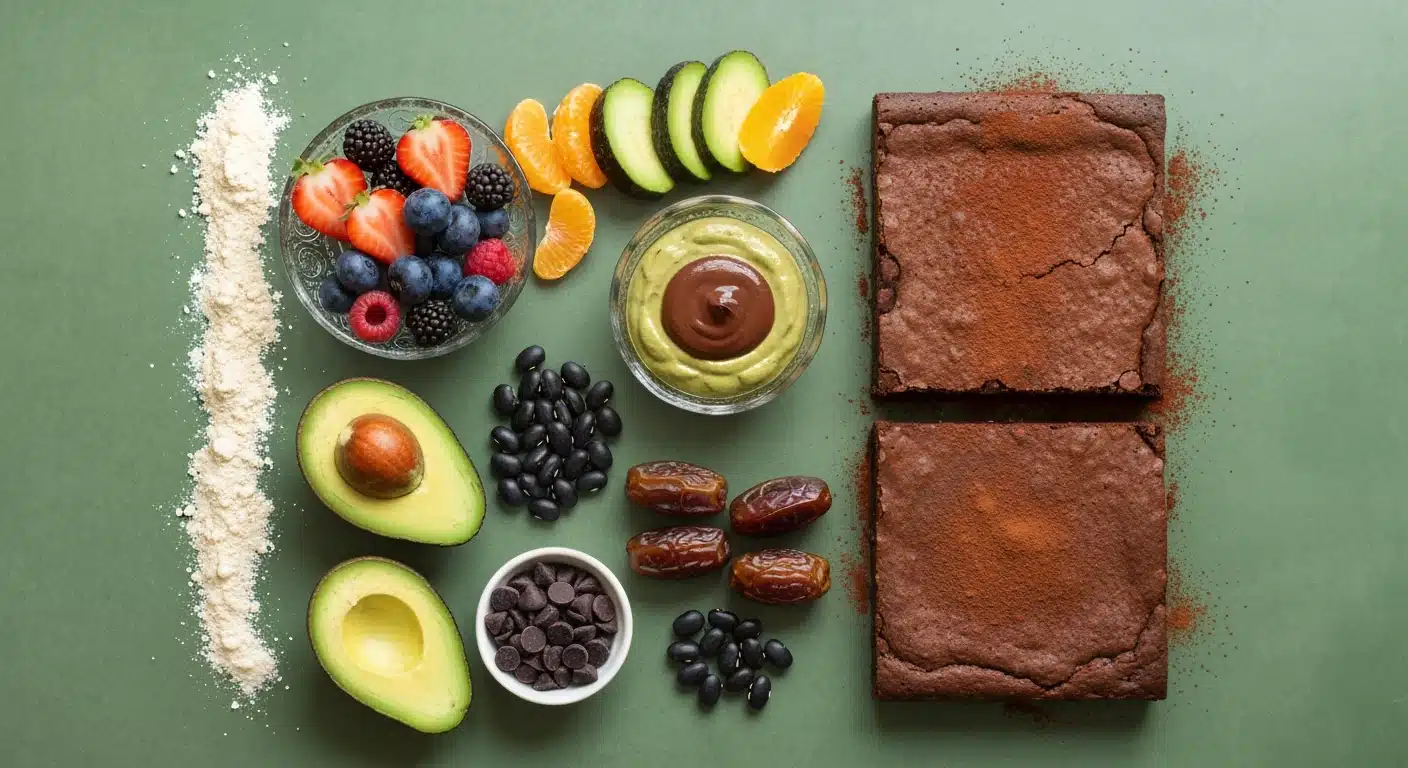
A traditional dessert often relies heavily on refined sugar, white flour, and unhealthy fats, offering a quick spike in blood sugar followed by a crash. A healthy dessert, by contrast, uses whole-food ingredients to provide flavor, texture, and nutrients. Think creamy avocado-based chocolate mousse, brownies made with black beans, or cookies sweetened with dates. These desserts deliver fiber, protein, and healthy fats — keeping you full and satisfied long after the last bite.
Beyond ‘Diet’: The Philosophy of Guilt-Free Treats
The biggest misconception is that a healthy dessert must taste like a compromise. The philosophy of mindful indulgence invites you to enjoy sweets without the guilt, focusing on quality over quantity and savoring each bite. It’s a shift from a restrictive mindset to one of abundance. Why should enjoying food feel like a constant battle? According to a study from the International Food Information Council, nearly 60% of people feel guilty after eating indulgent foods, which can create a negative cycle of restriction and overeating.
Dr. Chloe Mitchell, a nutritionist and author, explains this shift. “The goal isn’t to eliminate treats but to make them work for you. A dessert packed with fruit, nuts, or even certain vegetables contributes to your daily nutrient intake — it’s a completely different experience than eating empty calories.” Building a satisfying dessert is a lot like planning one of our Balanced Nutrition for Everyday Meals; you want a variety of components that work together for flavor and function.
This approach involves using smarter sweeteners like pure maple syrup, raw honey, or monk fruit, which have a lower glycemic index or contain beneficial antioxidants. It also means incorporating nutrient-dense powerhouses (what some call Understanding Superfoods) like chia seeds for fiber, Greek yogurt for protein, and dark chocolate for its flavonoids. The result is a dessert that satisfies your craving while giving your body something genuinely useful.
Quick & Easy: Healthy Sweet Treats in 30 Minutes or Less
The desire for a sweet treat often strikes when you have the least amount of time. After a long day, the idea of a complicated baking project can feel overwhelming. What most people miss is that a satisfying, healthy dessert doesn’t require an hour of prep and a mountain of dishes. You can have something delicious on the table in less time than it takes to watch an episode of your favorite sitcom.
These recipes are designed for speed and simplicity. They prove that you don’t have to choose between your health goals and your schedule. Think of this as the dessert equivalent of our Quick & Easy Main Dishes—maximum flavor for minimal effort.
No-Bake Wonders: Speedy Solutions
Skipping the oven is the ultimate shortcut to a fast dessert. No-bake recipes eliminate preheating and long cooking times, which is a significant advantage when you’re short on time. According to the U.S. Bureau of Labor Statistics, the average person spends about 37 minutes per day on food preparation. What if you could make a dessert in a fraction of that time?
These options are perfect for warm weather or for those moments when you just can’t be bothered with turning on the oven. They rely on the natural textures and flavors of whole ingredients.
Recipe: 5-Minute Chocolate Avocado Mousse
Before you question the avocado, just trust the process. This fruit—yes, it’s a fruit—provides an unbelievably creamy and rich texture without any dairy, making it a prime example of putting your knowledge of Understanding Superfoods to work. The strong flavor of the chocolate completely masks the avocado, leaving you with a silky smooth mousse that is packed with healthy fats and fiber.
- Ingredients: 1 ripe avocado, 1/4 cup unsweetened cocoa powder, 3-4 tablespoons of maple syrup (or to taste), 2 tablespoons of non-dairy milk, and 1/2 teaspoon of vanilla extract.
- Instructions: Combine all ingredients in a high-speed blender or food processor. Blend on high for 1-2 minutes, scraping down the sides as needed, until the mixture is completely smooth and creamy. Serve immediately or chill for a firmer texture.
Recipe: Berry Yogurt Parfait Layers
A parfait is less of a strict recipe and more of a delicious assembly job. It’s like building with blocks, but the end result is edible. This simple dessert is a powerhouse of nutrients, providing a fantastic balance of protein from the Greek yogurt and antioxidants from the berries. This is a perfect illustration of the principles behind Balanced Nutrition for Everyday Meals.
It’s simple. It’s beautiful.
- Ingredients: 1 cup of plain Greek yogurt, 1 cup of mixed berries (fresh or frozen and thawed), 1 tablespoon of raw honey or maple syrup, and an optional 2 tablespoons of granola or chopped nuts for crunch.
- Instructions: In a glass or small bowl, create your first layer with about 1/3 of the yogurt. Add a layer of berries on top. Drizzle with a little honey. Repeat the layers until the glass is full, finishing with a final topping of berries and a sprinkle of granola if you’re using it.
Warm & Wholesome: Quick Oven Fixes
Sometimes a cold dessert just won’t cut it. A craving for something warm, gooey, and comforting can be powerful, especially on a chilly evening. But you don’t need a long-bake pie or crumble to get that feeling. The oven—or even the microwave—can deliver that wholesome satisfaction in minutes, not hours.
Recipe: Baked Apple with Cinnamon
This dessert feels incredibly indulgent but is surprisingly simple and wholesome. It makes your entire kitchen smell like autumn, no matter the season. The underrated factor here is the fiber content; a single medium baked apple can provide about 4.7 grams of fiber, which is roughly 17% of the daily value recommended by the National Institutes of Health. It’s a dessert that works for you.
You can adjust the sweetness and toppings to your liking—a little flexibility is always good in the kitchen.
- Ingredients: 1 large apple (like a Honeycrisp or Braeburn), 1 teaspoon of cinnamon, 1 tablespoon of maple syrup, and an optional handful of chopped walnuts or oats.
- Instructions (Oven): Preheat your oven to 375°F (190°C). Core the apple, leaving the bottom intact. Mix the cinnamon, maple syrup, and nuts/oats in a small bowl. Stuff the mixture into the cored apple. Place in a small baking dish with a splash of water and bake for 20-30 minutes, or until the apple is tender.
- Instructions (Microwave): For an ultra-fast version, prepare the apple the same way but place it in a microwave-safe bowl with a splash of water. Microwave on high for 3-5 minutes, until tender.
With these quick recipes in your back pocket, a healthy dessert is never more than a few minutes away, leaving you more time for everything else life throws at you.
The goal isn’t to eliminate treats but to make them work for you. A dessert packed with fruit, nuts, or even certain vegetables contributes to your daily nutrient intake — it’s a completely different experience than eating empty calories.
— Dr. Chloe Mitchell, Nutritionist and Author
| Craving Type | Quick & Healthy Solution | Key Ingredients | Est. Time |
|---|---|---|---|
| Rich & Creamy | Chocolate Avocado Mousse | Avocado, Cocoa Powder, Maple Syrup | 5 Mins |
| Fruity & Fresh | Berry Yogurt Parfait | Greek Yogurt, Mixed Berries, Honey | 5 Mins |
| Warm & Comforting | Baked Cinnamon Apple | Apple, Cinnamon, Maple Syrup | 5-25 Mins |
| Decadent & Dairy-Free | Plant-Based Cheesecake | Soaked Cashews, Coconut Milk, Dates | 30 Mins (plus chilling) |
Fruity Delights: Nature’s Candy, Elevated
Moving beyond simple fruit salads is where dessert gets interesting. Using fruit as the star of your sweet dish allows you to harness its natural sweetness, reducing the need for processed sugars while boosting the nutritional value. The key is to understand how different fruits behave when cooked, baked, or simply paired with other ingredients. It’s less about restriction and more about smart substitution.
What most people miss is that the natural sugars in fruit, called fructose, are processed by the body differently when consumed with the fruit’s inherent fiber. This fiber slows down sugar absorption, preventing the sharp blood sugar spikes associated with refined sweets. This makes fruit-based desserts a smarter choice, especially when considering a plan for Balanced Nutrition for Everyday Meals.
Seasonal Fruit Spotlight: What’s Best When?
Choosing seasonal fruit isn’t just a trend; it’s a practical approach to getting the best flavor and value. Fruits harvested at their peak are often more nutrient-dense and surprisingly more affordable. A study from the Stanford School of Medicine suggests that peak-season strawberries can have up to 23% higher antioxidant levels than those grown out of season. Think of it like buying concert tickets — you get the best performance when the star is on their main tour, not a one-off show.
This simple choice makes a world of difference. Below is a quick guide to some popular fruits and their dessert superpowers.
| Fruit | Key Nutrient (per cup) | Best Dessert Use |
|---|---|---|
| Berries (Mixed) | 8g Fiber, 14g Sugar | Sauces, fools, raw toppings, baked into muffins. Their structure breaks down easily. |
| Apples (e.g., Honeycrisp) | 4.5g Fiber, 19g Sugar | Baking, roasting, pureeing into butters. They hold their shape well under heat. |
| Bananas (Ripe) | 3.1g Fiber, 28g Sugar | “Nice” cream base, breads, puddings. Their high sugar content when ripe makes them an excellent sweetener. |
| Peaches (Seasonal) | 2.3g Fiber, 13g Sugar | Grilling, poaching, cobblers. Grilling caramelizes their sugars beautifully. |
Creative Fruit Combinations for Desserts
Pairing fruits effectively can elevate a simple dish into something memorable. While classics like apple and cinnamon are always winners, stepping outside the box yields delicious results. The acidity, sweetness, and texture of different fruits can complement each other in unexpected ways. Have you ever tried grilling pineapple with a sprinkle of chili powder?
Some combinations work exceptionally well. For instance, the tartness of raspberries cuts through the creamy sweetness of mango for a perfect sorbet base. Another fantastic duo is pear and ginger — poached pears with freshly grated ginger create a warm, spicy dessert that feels incredibly technical. It’s a bit like making a playlist; you need a mix of tempos and moods to keep it interesting.
Don’t be afraid to bring in herbs either. Strawberry and basil are a classic savory pairing that works wonders in a dessert context, perhaps macerated and served over a simple yogurt. The same goes for peach and thyme, which can be baked into a rustic tart. These combinations are also perfect for creating unique Homemade Snacks for Kids that introduce them to more complex flavor profiles.
The goal is to experiment with what’s fresh and available, treating nature’s candy as the versatile building block it is.
Decadent & Dairy-Free: Plant-Based Sweet Treats
Going dairy-free doesn’t mean giving up rich, satisfying desserts. With a few smart swaps, you can create treats that are just as indulgent as their traditional counterparts. The plant-based food market has exploded, with a recent report from the Plant Based Foods Association noting that dollar sales for plant-based milk grew by over $105 million in a single year. This demand has led to amazing new products and techniques for home bakers.
The secret is mastering ingredient substitutions. Full-fat coconut milk or soaked and blended cashews can create a creamy base that rivals heavy cream in cheesecakes and mousses. For baking, avocado or even sweet potato puree can replace butter, adding moisture and healthy fats. The underrated factor here is texture—what makes a dessert feel decadent? Often it’s the fat and creaminess, which are easily replicated with plant sources.
This approach is like being a kitchen scientist, experimenting with new combinations.
Think about a creamy chocolate avocado mousse or fudgy black bean brownies (yes, really!); these recipes use the natural properties of plants to achieve incredible results. Many people find these desserts are less heavy, providing that sweet fix without the sluggish feeling afterward. This fits perfectly for anyone looking to maintain a routine of Balanced Nutrition for Everyday Meals while still enjoying a little indulgence.
Exploring these alternatives opens up a new world of flavors and textures, proving that you can satisfy a sweet craving while sticking to a plant-based diet.
The Art of Smart Swaps: Healthier Ingredient Alternatives
Recreating your favorite desserts with a healthier twist doesn’t mean sacrificing flavor. The secret often lies in making smart substitutions for the usual suspects: refined sugar, processed fats, and white flour. By understanding the properties of different ingredients, you can cut down on empty calories and boost the nutritional value of your sweet treats. It’s a simple kitchen strategy. This approach transforms a guilty pleasure into a more mindful indulgence.
Making these changes is less about rigid rules and more about creative chemistry in the kitchen. Swapping ingredients is a bit like adjusting the volume on your stereo; you’re not changing the song, just tweaking the bass and treble to find the perfect balance. The goal is to retain the structure and satisfaction of the original dessert while making it work better for your body.
Sweeteners Demystified: Choosing Your Best Option
Refined white sugar is often the first ingredient people want to replace. The good news is that you have plenty of options, from natural liquid sweeteners to plant-based extracts. Each one behaves differently in a recipe, affecting not just the sweetness but also the texture and moisture of the final product. For instance, a study published in the Journal of Food Science found that reducing sugar by up to 30% in some cake recipes went unnoticed in consumer taste tests.
The key is to understand what each sweetener brings to the table. Is it just sweetness you’re after, or does your recipe need the bulk and browning properties that sugar provides? Answering that question will guide your choice.
Natural vs. Artificial: A Balanced View
The debate between natural and artificial sweeteners can be confusing. Natural options like maple syrup and honey contain trace minerals and antioxidants, but they are still sugars and contribute to your daily calorie intake. Artificial sweeteners like sucralose or plant-based ones like stevia offer zero-calorie sweetness, but some people find they have a distinct aftertaste.
Here’s a quick breakdown of a few popular choices:
- Maple Syrup:
- Pros: Contains minerals like manganese and zinc; offers a rich, complex flavor. Works well in recipes where a liquid sweetener is suitable.
- Cons: High in sugar and calories; requires reducing other liquids in the recipe (a good rule of thumb is to reduce other liquids by about 1/4 cup for every cup of syrup used).
- Stevia:
- Pros: Zero calories and doesn’t raise blood sugar levels. A little goes a long way, as it’s about 200-350 times sweeter than sugar.
- Cons: Can have a slightly bitter or licorice-like aftertaste — a dealbreaker for some. It also doesn’t provide the bulk or browning that sugar does, which can radically change a baked good’s texture.
- Coconut Sugar:
- Pros: Can be swapped 1:1 for white sugar. It retains some nutrients from the coconut palm and has a slightly lower glycemic index than regular sugar.
- Cons: It’s still about 78% sucrose, making its health benefits marginal compared to its cost. The caramel-like flavor, while pleasant, might not be suitable for all recipes.
Fats and Flours: Making Smarter Choices
Beyond sugar, the type of fat and flour you use can dramatically alter the nutritional profile of a dessert. Traditional recipes often call for butter and all-purpose white flour, which offer reliable results but are low in fiber and healthy fats. Exploring alternatives is a cornerstone of achieving Balanced Nutrition for Everyday Meals, turning your dessert from an empty treat into something more substantial.
Beyond Butter: Healthy Fat Alternatives
Fat is primary for creating tender, moist baked goods, but not all fats are created equal. Swapping saturated fats like butter for unsaturated options can be a simple health win. Mashed avocado, applesauce, or even Greek yogurt can often stand in for butter or oil.
Avocado is a surprisingly effective substitute. Its creamy texture and high content of monounsaturated fats make it a fantastic replacement for butter in things like brownies or chocolate mousse. As a general guideline, you can substitute one cup of mashed avocado for one cup of butter. You may need to slightly decrease the oven temperature to prevent over-browning, as fats with different compositions behave differently under heat.
Gluten-Free & Whole Grain Flours for Baking
All-purpose flour has been stripped of its bran and germ, removing most of its fiber and nutrients. Whole wheat flour is a direct substitute that boosts fiber, but it can create a denser, heavier result. For a lighter touch, I suspect that a 50/50 mix of all-purpose and whole wheat flour is the perfect starting point for most cookie and muffin recipes.
For those avoiding gluten or seeking more variety, other flours open up a new world of textures and flavors. Dr. Alistair Green, a food scientist at Cornell University, explains, “Nut-based flours like almond flour are high in protein and healthy fats, creating a tender, moist crumb, while oat flour provides soluble fiber and a lovely, chewy texture.” Remember that gluten-free flours lack the protein that gives baked goods structure, so they often work best when combined or used in recipes specifically developed for them. Experimentation is your best tool here; what works for a pancake might not work for a delicate cake.
Mindful Indulgence: Enjoying Desserts Responsibly
Shifting from healthier ingredients to healthier habits is the final piece of the puzzle. The goal isn’t to eliminate sweets entirely, but to enjoy them with intention. This practice, often called mindful eating, transforms dessert from a moment of guilt into one of genuine pleasure. It’s about savoring each bite instead of mindlessly consuming something while distracted.
Portion control is a major factor. Research from Cornell University’s Food and Brand Lab famously showed that people serve themselves over 20% more food when using larger bowls. The takeaway is simple. Serve your dessert in a small ramekin or on a smaller plate — a surprisingly effective mental trick — to naturally guide your portions without feeling deprived.
Listening to your body is a skill that supports balanced nutrition. Before reaching for that cookie, pause and ask yourself: am I genuinely craving something sweet, or am I just bored or stressed? Sometimes a glass of water or a short walk is what your body really needs. This small habit helps separate emotional eating from physical hunger.
You can even set yourself up for success by applying some of the same principles from our Meal Prep Strategies for Busy Weeks. Pre-portioning your healthy treats, like dividing a batch of avocado mousse into individual jars, removes the guesswork later on. This ensures that when a craving hits, a sensible, delicious option is ready and waiting for you.
Beyond the Recipe: A Sweet Shift in Mindset
The recipes and techniques explored here are more than just instructions; they represent a basic shift in how we can approach indulgence. Moving forward, the real challenge isn’t finding the perfect healthy brownie recipe, but rather internalizing the idea that pleasure and well-being are not mutually exclusive. Instead of labeling foods as ‘good’ or ‘bad,’ what if we viewed every meal—dessert included—as an opportunity to nourish our bodies? The next time a sugar craving hits, don’t just reach for a quick fix. Ask yourself: how can I make this moment both delicious and beneficial?
Frequently Asked Questions
Are healthy desserts satisfying?
Absolutely. The key to satisfaction is using ingredients that provide richness and texture, like healthy fats from avocados or nuts and natural sweetness from fruits. These whole-food ingredients also contain fiber and protein, which help you feel full and prevent the sugar crash associated with traditional desserts, leading to a more lasting sense of contentment.
What are the best natural sweeteners to use in baking?
Excellent natural sweeteners include pure maple syrup, raw honey, date paste, and monk fruit sweetener. Maple syrup and honey add moisture and flavor, making them great for mousses and sauces. Date paste is fantastic for adding fiber and sweetness to baked goods, while monk fruit is a zero-calorie option that works well when you want to reduce sugar intake without affecting texture too much.
How can I make my favorite dessert healthier without sacrificing flavor?
Start with small, smart swaps. You can replace half the white flour with whole wheat or almond flour, substitute applesauce or mashed banana for some of the oil or butter, and reduce the sugar by about 25%—you often won’t notice the difference. Using dark chocolate instead of milk chocolate also boosts antioxidants and adds a richer flavor.
Is it okay to eat dessert every day if it’s healthy?
Yes, if it fits within your overall balanced diet. A healthy dessert made from whole foods can contribute valuable nutrients like fiber, vitamins, and healthy fats. The focus should be on mindful portions and listening to your body’s hunger cues rather than adhering to a strict rule. It’s a much more sustainable approach than a cycle of restriction and binging.
Where can I find more inspiration for healthy sweet treats?
Food blogs and websites focused on whole-food or plant-based eating are excellent resources. Pinterest and Instagram are also fantastic for visual inspiration; search for terms like ‘healthy dessert recipes,’ ‘no-bake treats,’ or ‘vegan desserts.’ Cookbooks from nutritionists and dietitians often feature creative, tested recipes that don’t compromise on flavor.