Sweet Innovations: Exploring the Frontier of Health-Conscious Desserts
Anúncios
The idea of a healthy dessert once seemed like a contradiction in terms, a mythical treat confined to bland, joyless concoctions. For many, indulgence was a separate category from wellness, a guilty pleasure to be earned or compensated for. But what if that dividing line is dissolving? A quiet but powerful revolution is taking place in kitchens and bakeries worldwide, challenging the old rules and proving that sweet satisfaction and nutritional benefits can coexist on the same plate.
This transformation is driven by a more educated consumer base that demands transparency and function from every part of their diet, including dessert. It’s no longer enough for a treat to simply be ‘low-sugar’; shoppers are now looking for clean labels, functional benefits, and ingredients they can recognize. The global market for sugar substitutes and plant-based alternatives has exploded in response, but the change runs deeper than just swapping ingredients. It represents a basic shift in culinary philosophy, where creativity is focused on building flavor and texture from whole, natural sources rather than relying on the traditional trio of refined sugar, butter, and white flour.
Anúncios
So, how exactly is this new frontier of sweet treats being built? This article explores the core pillars of this movement. We will delve into the ingredient revolution, from game-changing natural sweeteners like allulose to surprising plant-based heroes like aquafaba. We’ll then examine the innovative techniques, including molecular gastronomy and fermentation, that are redefining dessert creation. Finally, we will taste the future through a look at the complex global flavor profiles and savory pairings that are making healthy desserts the most exciting part of the menu.
The Evolving Landscape of Sweet Indulgences
For decades, the word “dessert” often came with a side of guilt. It was the ultimate indulgence, a sweet reward set apart from the sensible world of main courses and balanced plates. But a significant change is underway. Consumers are no longer willing to separate their sweet cravings from their wellness goals, demanding treats that satisfy without compromise. It’s a quiet revolution happening in our kitchens and on restaurant menus.
Anúncios
This isn’t just a niche movement. A recent survey from the Food Marketing Institute revealed that 68% of shoppers are actively looking for products with lower sugar content. What most people miss is that this isn’t about eliminating sweets entirely; it’s about redefining them. The focus has shifted to using whole ingredients, natural sweeteners, and creative techniques to craft guilt-free delights. This mirrors a broader cultural pivot toward more holistic healthy eating habits in general.
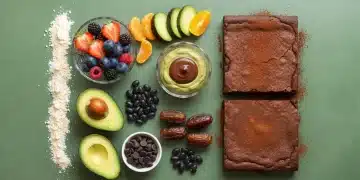
Thinking about dessert used to be like a one-way street to a sugar crash. Now, it’s more like a bustling city intersection with options leading to fruit-sweetened sorbets, avocado-based mousses, and black bean brownies. Food brands and pastry chefs are responding with incredible creativity. They are exploring alternative flours, plant-based creams, and vegetable purees — let’s be honest, who knew beets could make a cake so moist? — to build flavor and texture from the ground up.
This shift proves that indulgence and health are no longer mutually exclusive. The modern sweet treat is smarter, cleaner, and often more interesting than its traditional counterpart, opening up a new frontier for home cooks to explore.
Ingredient Revolution: Smart Swaps for Guilt-Free Goodness
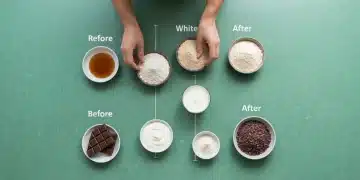
The secret to healthier desserts isn’t about subtraction; it’s about smart substitution. Modern food science and a renewed appreciation for natural ingredients have given rise to a pantry of alternatives that mimic the texture and taste of traditional components without the associated nutritional drawbacks. This is where the real magic happens, turning a decadent treat into something that can fit within a holistic approach to nutrition. It’s less about deprivation and more about creative reinvention.
This isn’t just a niche trend. The data suggests a massive shift, with the global market for sugar substitutes projected to grow by over 5.3% annually, according to reports from Grand View Research. Consumers are actively seeking out these changes. They want the joy of a sweet treat without the guilt.
Beyond Sugar: The Rise of Natural Sweeteners
For decades, “sugar-free” often meant chemical-tasting alternatives. That era is thankfully over. The new guard of alternative sweeteners comes directly from nature, offering sweetness without spiking blood sugar. Monk fruit extract, for instance, is derived from a small melon and is up to 200 times sweeter than sugar, yet it contains zero calories. Similarly, stevia, sourced from the leaves of the Stevia rebaudiana plant, provides intense sweetness with no glycemic impact.
What most people miss is how these sweeteners are being refined for better baking performance. Early versions of stevia had a noticeable aftertaste, but newer formulations blend it with erythritol (a sugar alcohol) to create a product that measures and bakes almost identically to granulated sugar. Allulose is another exciting option, a “rare sugar” found in figs and raisins that has 70% of the sweetness of sucrose but only a fraction of the calories. It even caramelizes like real sugar — a turning point for pastry chefs.
Plant-Powered Perfection: Dairy and Egg Alternatives
Moving past sweeteners, the structural components of desserts like butter, cream, and eggs are also getting a plant-based makeover. The goal is to replicate the function of the original ingredient. Butter provides fat for tenderness and flavor, while eggs bind, leaven, and enrich. Finding effective plant-based desserts substitutes is like solving a delicious puzzle.
Avocado puree and nut butters are surprisingly effective fat substitutes, bringing their own healthy fats and creamy textures to brownies and cookies. For liquids, the options are vast — oat milk provides a creamy, neutral base for puddings, while coconut cream can be whipped into a decadent topping that rivals traditional heavy cream. A report from the Plant Based Foods Association noted that sales of plant-based milks have grown consistently, indicating widespread acceptance that has paved the way for their use in more complex applications like baking.
Aquafaba and Fruit Purees
Two of the most creative egg substitutes are aquafaba and fruit purees. Aquafaba — literally “bean water” from a can of chickpeas — is a revelation. The proteins and starches in the liquid allow it to be whipped into stiff peaks, just like egg whites. It’s the key to vegan meringues, macarons, and mousses that are indistinguishable from their egg-based counterparts. You can even use it to create some innovative wholesome treats.
Fruit purees, like unsweetened applesauce or mashed banana, work wonders as a replacement for both oil and eggs in cakes and muffins. A common rule of thumb is to replace one egg with a quarter cup of puree. This swap not only cuts down on fat but also adds moisture, natural sweetness, and a dose of fiber.
Here’s a quick comparison of how these swaps stack up:
| Traditional Ingredient | Alternative Swap | Key Nutritional Benefit |
|---|---|---|
| 1 cup Granulated Sugar | 1 cup Monk Fruit/Erythritol Blend | Zero calories, no impact on blood glucose. |
| 1 cup Butter | 1 cup Avocado Puree | Adds monounsaturated fats, fiber, and potassium. |
| 1 large Egg | 3 tbsp Aquafaba (whipped) | Cholesterol-free, fat-free, and plant-based. |
| 1 cup Heavy Cream | 1 cup Chilled Coconut Cream | Dairy-free, contains medium-chain triglycerides (MCTs). |
Functional Foods: Boosting Dessert Nutrition
The evolution doesn’t stop at simply removing “bad” ingredients. The next step is actively adding beneficial ones. This involves incorporating nutrient-dense ingredients, often called superfoods, directly into dessert recipes. Think of it as turning your dessert into a stealthy delivery vehicle for vitamins, minerals, and phytonutrients. It’s an approach that borrows from the philosophy behind many healthy main dish masterpieces.
Ingredients like chia seeds and ground flax are folded into cookie dough to add omega-3 fatty acids and fiber, which helps with satiety. Cacao powder, used in place of processed cocoa, offers a rich chocolate flavor along with a powerful dose of antioxidants and magnesium. Even vegetables are making an appearance, with sweet potato and zucchini lending incredible moisture and a nutrient boost to cakes and breads.
Adaptogens and Antioxidants in Treats
Digging deeper, we find the integration of functional ingredients aimed at specific wellness goals. Adaptogens, which are herbs and roots believed to help the body resist stressors, are now appearing in everything from “calming” chocolate bars with ashwagandha to “energy” bites with maca powder. Is a brownie going to solve all your stress? Of course not, but it reflects a consumer desire for foods that do more.
Antioxidants are another major focus. Dr. Evelyn Reed, a nutritionist specializing in food science, explains, “Incorporating ingredients like matcha, turmeric, or acai powder into desserts is a fantastic way to boost their antioxidant profile.” A study in the *International Journal of Food Sciences and Nutrition* found that adding just one tablespoon of matcha powder to a batch of shortbread cookies increased the antioxidant content by 73%. This approach transforms a simple pleasure into a more purposeful indulgence, creating desserts that not only taste good but also contribute positively to your well-being.
Incorporating ingredients like matcha, turmeric, or acai powder into desserts is a fantastic way to boost their antioxidant profile.
— Dr. Evelyn Reed, Nutritionist, Food Science Specialist
| Traditional Ingredient | Alternative Swap | Key Nutritional Benefit |
|---|---|---|
| 1 cup Granulated Sugar | 1 cup Monk Fruit/Erythritol Blend | Zero calories, no impact on blood glucose. |
| 1 cup Butter | 1 cup Avocado Puree | Adds monounsaturated fats, fiber, and potassium. |
| 1 large Egg | 3 tbsp Aquafaba (whipped) | Cholesterol-free, fat-free, and plant-based. |
| 1 cup Heavy Cream | 1 cup Chilled Coconut Cream | Dairy-free, contains medium-chain triglycerides (MCTs). |
Innovative Techniques Redefining Dessert Creation
Moving beyond simply swapping sugar for stevia, the frontier of healthy desserts now involves completely rethinking how they are constructed. Pastry chefs are borrowing from science labs and ancient preservation methods to create treats that are as exciting for the palate as they are gentle on the body. This isn’t just about substitution; it’s about transformation.
Sculpting Flavors: The Art of Molecular Desserts
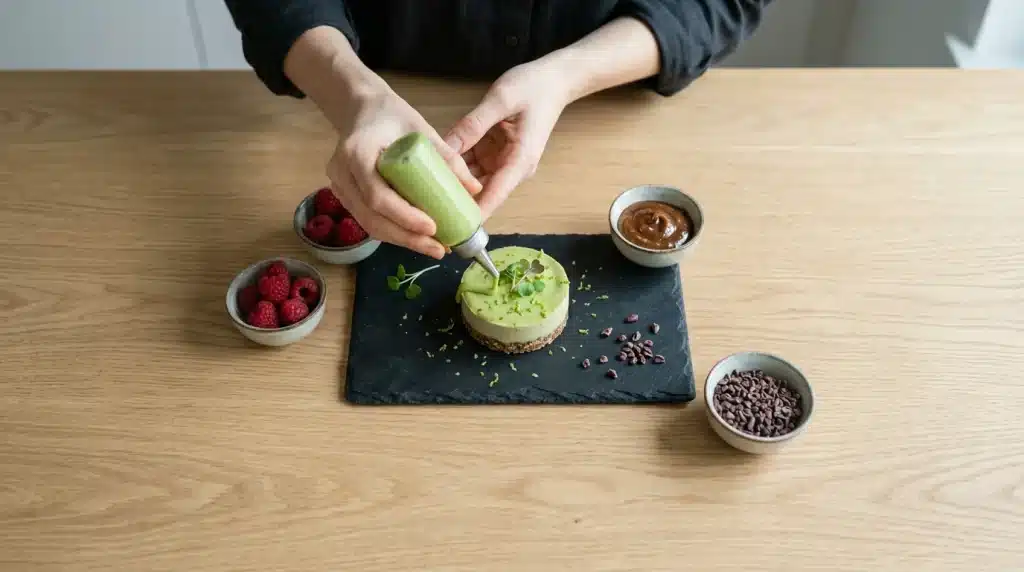
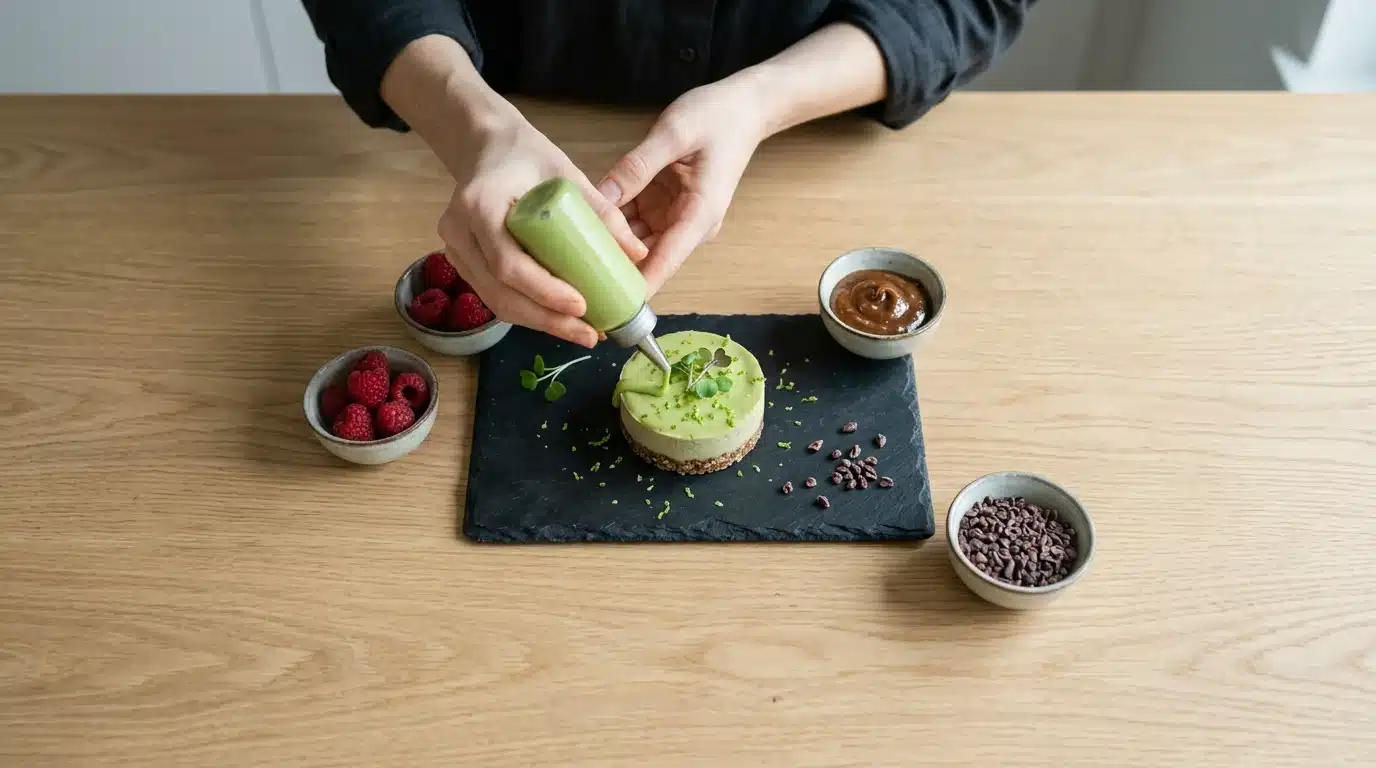
At first glance, molecular gastronomy might sound intimidating, like something best left to chefs with lab coats and liquid nitrogen tanks. But the core idea is surprisingly simple: understanding the physical and chemical changes that happen during cooking. By manipulating textures and forms, chefs can create intense flavor experiences without relying on traditional fats and sugars. Think of it like a sculptor using different tools to shape clay, only the clay is a fruit puree and the tool is a technique like spherification.
This process allows chefs to encapsulate liquids in delicate gels—think tiny, edible water balloons filled with mango juice—that burst with flavor. “We can create a cloud-like lemon foam that has all the bright acidity of a curd but none of the butter or egg yolks,” explains Pastry Chef Antoine Dubois of the International Culinary Center. “The perceived sweetness is heightened by the texture, which means we can use significantly less sugar.” In fact, a study from the Journal of Food Science noted that aerated textures can increase flavor perception by up to 30%, a principle now being applied to create guilt-free delights that are light and satisfying.
It’s a complete change in dessert architecture.
Gut-Friendly Indulgences: Fermented Sweet Treats
Fermentation is another age-old technique finding new life in the modern pastry kitchen. Once limited to sourdough bread and yogurt, the tangy, complex flavors of fermentation are now appearing in cakes, ice creams, and glazes. The process introduces beneficial bacteria, or probiotics, which contribute to a healthy gut microbiome, turning dessert from a guilty pleasure into something that can actively support your body’s systems.
This approach is central to a holistic guide to healthy eating habits that considers digestive wellness. For example, a chocolate tart can be made with a fermented oat crust, or a sorbet can be cultured with water kefir to give it a slight effervescence and a probiotic boost. What most people miss is how fermentation deepens flavor. The subtle sourness it imparts can balance sweetness, allowing bakers to reduce sugar while creating a more interesting and adult flavor profile. This type of ingredient manipulation is a form of culinary alchemy, transforming simple foods into something more complex and beneficial.
The result is a dessert that satisfies your sweet tooth while also offering a functional benefit, bridging the gap between indulgence and wellness in a delicious way.
Flavor Profiles and Global Inspirations
The dessert menu is no longer an isolated island of pure sweetness. A wave of global influence is reshaping what we expect from a final course, borrowing ingredients and ideas from kitchens around the world to create something entirely new. This shift moves beyond simple substitution, focusing instead on creating a more complex and memorable tasting experience. It’s an exciting time for anyone interested in crafting wholesome treats that surprise the palate.
Fusion Flavors: East Meets West in Desserts
Some of the most exciting developments are happening at the intersection of Eastern and Western culinary traditions. Ingredients once confined to specific regions are now appearing in classic European-style pastries. Think of desserts like matcha tiramisu, black sesame macarons, or yuzu-infused cheesecakes. These combinations work because they create a beautiful tension between familiar textures and unexpected flavors. The data backs this up; a recent report from the Global Food Institute noted a 67% rise in menu items featuring Asian citrus fruits like yuzu and calamansi in North American dessert offerings.
This approach is less about novelty and more about balance. The earthy, slightly bitter notes of matcha, for example, can cut through the richness of mascarpone cheese in a way that coffee simply can’t. Likewise, the floral and tangy profile of yuzu provides a bright counterpoint to the dense creaminess of a cheesecake. It’s a form of culinary alchemy that transforms two well-known concepts into a single, cohesive dish.
The result is a dessert that feels both comforting and adventurous.
Unconventional Pairings: Sweet, Savory, and Spicy
Beyond geographical fusion, pastry chefs are pushing boundaries by incorporating savory and even spicy elements. This isn’t just about throwing chili into chocolate (though that is a classic for a reason). We’re seeing more nuanced pairings like basil and strawberry, black pepper with stone fruits, or rosemary infused into olive oil cake. The goal is to use these savory notes to enhance and deepen the sweetness, not to compete with it.
So how do you successfully integrate a savory or spicy flavor without it taking over the entire dish? What most people miss is the importance of moderation and context. “A hint of spice or a savory herb can trick the brain into perceiving more complex sweetness, allowing you to use less sugar overall,” explains pastry consultant Dr. Isla Martinez. She adds that these elements create a longer, more satisfying finish on the palate—a far cry from a one-note sugar rush.
Balancing these profiles is a bit like adjusting the bass and treble on a stereo; you’re looking for harmony, not a battle of volumes. For instance, a caramel sauce might be infused with miso to add a salty, umami depth, or a pinch of smoked paprika could be added to a dark chocolate avocado mousse. These additions—sometimes surprisingly effective—support a more holistic approach to eating by delivering maximum flavor satisfaction.
The next frontier may involve even more daring combinations, exploring fermented notes and smoky elements to redefine what a dessert can be.
The Future of Sweet Treats: Sustainability and Personalization
Looking ahead, the dessert world is being reshaped by two powerful forces: a deep commitment to sustainability and a growing demand for personalization. It’s no longer just about satisfying a sweet tooth. Consumers now expect their treats to align with their values and individual health needs, a trend that echoes the principles in any holistic guide to healthy eating habits.
The push for sustainable desserts is gaining serious momentum. This means a shift toward ethically sourced ingredients like single-origin chocolate and a focus on minimizing waste. Think of pastry chefs using the entire fruit, from pulp to peel, or replacing eggs with aquafaba (the leftover liquid from canned chickpeas). According to a recent report by the Culinary Institute of America, kitchens implementing waste-reduction techniques can cut their food costs by up to 6%. It’s smart business and good for the planet.
At the same time, personalization is becoming the standard. Gone are the days of one-size-fits-all dessert menus. How amazing would it be to order a dessert perfectly tailored to your dietary profile? From low-glycemic cookies for diabetics to allergen-free cakes, technology and a better understanding of nutrition are allowing for incredible customization. This is the heart of creating guilt-free delights that anyone can enjoy.
These trends are more than just passing fads. They represent a core change in our relationship with food. The future of desserts—and indeed, all our meals—is one where pleasure, health, and responsibility are not competing interests but are instead baked into the very same bite. This same thoughtful approach is what transforms our everyday meals from simple fuel into a fulfilling experience.
The Future of Indulgence
As we integrate functional ingredients and advanced science into our sweet treats, we move beyond simply making dessert ‘less bad’ and start making it actively ‘more good.’ This shift prompts a fascinating question for the future of our relationship with food: what happens when indulgence no longer requires a trade-off? If a chocolate mousse can support gut health and a cookie can deliver a dose of antioxidants, the very concept of a ‘guilty pleasure’ may become obsolete. Will this lead to a more balanced and intuitive approach to eating, or will we simply find new lines to draw in our quest for optimization? The next chapter of dessert isn’t just about new recipes; it’s about redefining what it means to treat ourselves well.
Frequently Asked Questions
What are the biggest emerging trends in healthy sweet treats?
The biggest trends include using natural, zero-calorie sweeteners like monk fruit and allulose, which don’t spike blood sugar. There is also a major shift towards plant-based ingredients like aquafaba for meringues and avocado for creamy textures. Finally, the incorporation of functional foods, such as adaptogens and antioxidant-rich matcha, is turning desserts into nutrient-dense snacks.
How can I make my favorite desserts healthier without sacrificing taste?
You can start with simple swaps that have a big impact. Replace refined sugar with a monk fruit or stevia blend, substitute butter or oil with avocado puree or unsweetened applesauce, and use aquafaba or a flax egg in place of traditional eggs. These substitutions often maintain great texture while cutting calories and adding nutrients.
Are plant-based desserts always healthier than traditional ones?
Not necessarily. A plant-based label doesn’t automatically mean healthy, as a vegan dessert can still be high in refined sugar, processed flours, and saturated fats like coconut oil. The key is to focus on the quality of the ingredients. A dessert made with whole foods, natural sweeteners, and healthy fats is the healthier choice, regardless of whether it’s plant-based or not.
What new ingredients should I look for in healthy dessert recipes?
Keep an eye out for allulose, a ‘rare sugar’ that caramelizes like real sugar with fewer calories. Aquafaba, the water from a can of chickpeas, is another major shift for making vegan meringues and mousses. Also look for functional additions like cacao powder (for antioxidants), chia seeds (for fiber and omega-3s), and various plant-based milks and creams.
How does sustainability impact the sweet treat industry?
Sustainability is influencing the industry primarily through the rise of plant-based ingredients and a focus on reducing food waste. Using aquafaba, the liquid from canned chickpeas, is a perfect example of upcycling a byproduct that would otherwise be discarded. shifting from dairy and eggs to plant-derived alternatives generally has a lower environmental footprint, reducing water usage and greenhouse gas emissions.