Sweet Success: A Beginner’s Guide to Crafting Delightful Healthy Treats

Anúncios
The desire for a sweet treat often feels like a battle between indulgence and discipline. We’re taught that dessert is a reward to be earned or a guilty pleasure to be resisted, forcing a choice between satisfying a craving and sticking to our health goals. This all-or-nothing mindset is not only exhausting but also unsustainable. What if the entire premise is flawed? What if you could create genuinely delicious, satisfying desserts that align with your wellness journey, not sabotage it?
The secret isn’t found in bland, joyless diet food or complicated recipes with obscure ingredients. Instead, it lies in a simple philosophy of renovation, not deprivation. By understanding the core roles of sweeteners, fats, and flours, you can learn to make intelligent substitutions that enhance both flavor and nutritional value. This approach transforms your pantry into a toolkit for creating everything from fudgy brownies to tender muffins, all without the sugar crashes and empty calories of their traditional counterparts.
Anúncios
This guide will demystify the process of healthy baking and treat-making. We’ll explore how to choose and use natural sweeteners, leverage healthy fats for incredible texture, and incorporate nutrient-dense flours into your favorite recipes. You’ll also discover how to decode misleading food labels and whip up delightful sweets in minutes for those moments when a craving strikes. Prepare to redefine your relationship with dessert and unlock a world of sweet possibilities that you can feel good about enjoying.
Building Your Healthy Sweet Treat Foundation: necessary Ingredients
Let’s dismantle a tired myth: the idea that a satisfying dessert must be an enemy of your well-being. The secret to crafting incredible, health-conscious sweets isn’t about deprivation. It’s about renovation. By rebuilding your pantry with a smarter set of foundational ingredients, you can create treats that deliver on flavor, texture, and nutrition. This isn’t about compromise; it’s about upgrading your toolkit.
Anúncios
The journey begins by understanding the core components of any sweet treat—sweeteners, fats, and flours—and learning how to make intelligent substitutions. Many of these sweet innovations in health-conscious desserts hinge on these simple swaps. Forget bland, cardboard-like “health cookies” of the past. We are entering an era of rich, decadent, and genuinely satisfying desserts that also happen to be better for you.
Understanding Natural Sweeteners vs. Refined Sugars
The first and most obvious villain in traditional baking is refined white sugar. Think of refined sugar as a quick-burning piece of paper, providing a fast, intense flash of energy that dies out just as quickly, often leading to a crash. Natural sweeteners, are more like a slow-burning log. They often contain trace minerals and have a lower glycemic index, meaning they impact your blood sugar more gradually.
A study from the American Journal of Clinical Nutrition found that high-glycemic foods can trigger addictive-like responses in the brain. But does swapping sugar for syrup really make a difference? Yes, because many natural sweeteners bring more than just sweetness to the table; they contribute moisture, complex flavors, and nutrients. This shift is a key part of a holistic guide to healthy eating, extending even to your dessert plate.
Here’s a quick comparison of popular options:
| Sweetener | Form | Sweetness vs. Sugar | Key Properties & Best Uses |
|---|---|---|---|
| Maple Syrup | Liquid | Slightly less sweet | Contains antioxidants and minerals like manganese. Excellent for adding moisture to muffins, cookies, and glazes. Use about 3/4 cup for every 1 cup of sugar and reduce other liquids slightly. |
| Date Paste | Paste | Equally sweet | Made from pureed dates, it’s high in fiber and potassium. Provides a caramel-like flavor and a chewy, dense texture, making it perfect for brownies, energy balls, and sticky puddings. |
| Raw Honey | Liquid | Sweeter | Contains enzymes and antibacterial properties (when unpasteurized). Its strong flavor works well in granola bars and certain cakes, but it can cause faster browning. Use about 2/3 cup for every 1 cup of sugar. |
| Coconut Sugar | Granulated | Equally sweet | Behaves much like brown sugar with a slight caramel flavor. It’s a fantastic 1:1 substitute for white or brown sugar in most cookie and cake recipes, making it a very beginner-friendly option. |
Healthier Fats for Flavor and Texture
Fat is not the enemy in baking. In fact, it’s primary for creating tenderness, richness, and flavor. What most people miss is that the type of fat is what matters. Moving away from highly processed vegetable shortenings or excessive butter opens up a world of ingredients that can improve the nutritional profile of your treats without sacrificing that decadent mouthfeel.
Avocados, nut butters, and even Greek yogurt can provide the necessary fat and moisture. These alternatives bring along their own benefits, like monounsaturated fats from avocados and protein from Greek yogurt. This is where baking becomes a bit of a science experiment—and a delicious one at that.
Comparing Butter Alternatives
Swapping out butter requires a little finesse, as you’re replacing a solid fat with something that might have a different water content or texture. For example, replacing butter with avocado puree in a brownie recipe can result in an incredibly fudgy texture. A report from the Hass Avocado Board highlights that avocados contribute nearly 20 vitamins and minerals, something butter simply cannot claim.
For a direct swap, you can often substitute 1 cup of butter with 1 cup of avocado puree, but you may need to decrease the oven temperature by about 25°F to prevent over-browning. Nut butters like almond or cashew butter can also be used in a 1:1 ratio, adding a wonderful nutty flavor and a boost of protein—perfect for creating more guilt-free delights.
Exploring Whole Grain and Gluten-Free Flours
The very structure of your baked goods comes from flour. Standard all-purpose white flour has been stripped of its bran and germ, removing most of its fiber and nutrients. Opting for whole-grain or nut-based flours is one of the most significant upgrades you can make.
Oat flour (which you can make by simply blending rolled oats) adds a tender, slightly chewy texture to cookies and muffins. Almond flour is a gluten-free powerhouse, rich in protein and healthy fats, creating a moist, dense crumb ideal for cakes and quick breads. According to researchers at the T.H. Chan School of Public Health, whole-grain flours can retain up to 78% more dietary fiber than their refined counterparts. That’s a huge difference.
Tips for Substituting Flours
You cannot simply swap all-purpose flour for an alternative at a 1:1 ratio and expect the same results. It’s like trying to substitute bricks for wood in construction—both build a house, but the process and outcome are entirely different. Alternative flours have varying protein contents, fiber levels, and liquid absorption rates.
A great starting point for beginners is the “blended” approach. Start by replacing just 25-30% of the all-purpose flour in a recipe with your chosen alternative, like whole wheat pastry flour or oat flour. This allows you to see how it affects the final product without risking a complete baking fail. For gluten-free baking, using a pre-made blend is often the safest bet until you’re more comfortable mixing your own from ingredients like almond, coconut, and tapioca flours.
Mastering these foundational ingredients is your first major step. It moves you from simply following a recipe to understanding how ingredients work together, giving you the freedom to innovate in the kitchen.
Mastering Sweetness: Simple Swaps for Guilt-Free Indulgence
You’ve been told a comforting lie: that to make a dessert healthy, you must completely overhaul the recipe until it’s an unrecognizable, bland shadow of the original. This all-or-nothing approach is why most people fail. The secret isn’t about total elimination, but intelligent substitution and reduction. You can cut significant amounts of sugar and fat from your favorite treats without sacrificing the joy they bring.
It’s about making smart trades, not declaring war on flavor.
Smart Sweetener Reductions: Where to Start
The first step is surprisingly simple. Take almost any standard cookie, muffin, or quick bread recipe and reduce the listed sugar by one-third. A study from the American Journal of Clinical Nutrition found that participants often couldn’t detect a 25-30% sugar reduction in baked goods. Your palate adjusts faster than you think. This is your new baseline. For many recipes, this single change is enough.
But to go further, you need to replace both the sweetness and the bulk that sugar provides. This is where fruit purees come into play, acting as a double agent against sugar and fat. Think of it like a clever stock market trade—you sell a high-risk asset (refined sugar) for a steady, fiber-rich performer. What most people miss is that these swaps also add moisture, which can be a huge benefit for traditionally dry recipes.
Consider these easy, high-impact substitutions:
- Unsweetened Applesauce: Swap half the sugar or oil in a recipe with an equal amount of applesauce. It works beautifully in spice cakes and muffins.
- Mashed Ripe Banana: Use one mashed banana to replace a cup of sugar and a quarter-cup of fat. This is ideal for brownies and dense breads, though it will impart a banana flavor.
- Pureed Dates: Soaked and blended dates create a sweet, fiber-rich paste that can replace sugar on a 1:1 ratio by volume, though you may need to slightly reduce the liquid in the recipe. This is a foundational technique in many modern health-conscious desserts.
Boosting Flavor Naturally: Spices and Extracts
When you lower the sugar, you sometimes lower the overall flavor intensity. Sugar doesn’t just add sweetness; it amplifies other tastes. So, how do you fill that flavor gap? You turn up the volume on everything else. Spices and extracts are your best friends here, adding complexity that tricks your brain into not missing the extra sugar.
This isn’t just about dumping more cinnamon into your apple crisp—though that’s a good start. It’s about creating layers of flavor. Think about adding a pinch of cardamom to pear muffins, a dash of nutmeg to chocolate chip cookies, or a high-quality almond extract to a vanilla cake. These aromatic compounds create a sensory experience that is far more satisfying than pure sweetness. Culinary scientist Dr. Elena Vance explains, “Aromatic spices trigger olfactory receptors that are closely linked to our perception of sweetness, essentially making food taste sweeter without adding a single gram of sugar.”
Start by increasing the vanilla extract in a recipe by 50%. Add a half-teaspoon of cinnamon or nutmeg where it seems appropriate. This small adjustment is a core principle of a holistic guide to healthy eating because it retrains your taste buds. Soon, desserts that once seemed perfect will taste overwhelmingly sweet, a clear sign your palate has evolved.
Aromatic spices trigger olfactory receptors that are closely linked to our perception of sweetness, essentially making food taste sweeter without adding a single gram of sugar.
— Dr. Elena Vance, Culinary Scientist
| Original Ingredient | Healthier Swap | Pro Tip & Best Uses |
|---|---|---|
| Refined White Sugar | Date Paste or Maple Syrup | Use date paste for fudgy texture in brownies. Use 3/4 cup of maple syrup for every 1 cup of sugar in muffins and reduce other liquids. |
| Butter / Shortening | Avocado Puree or Nut Butter | Swap 1:1 with avocado for incredibly moist cakes and brownies. Use nut butter to add protein and flavor to cookies and energy balls. |
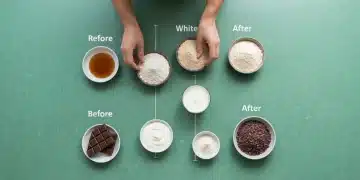
| All-Purpose Flour | Oat Flour or Almond Flour | Oat flour adds a soft, chewy texture to cookies. Almond flour creates a dense, moist crumb perfect for gluten-free cakes. |
| Flavor Boosters | Spices & Extracts | When reducing sugar, increase vanilla extract by 50% or add spices like cinnamon and nutmeg to enhance the perception of sweetness. |
Quick & Easy Healthy Sweet Treats for Any Craving
Let’s dismantle a common myth: that crafting a healthy dessert requires a ton of time and a pantry full of obscure ingredients. This idea keeps people trapped in a cycle of either deprivation or grabbing processed junk. The truth is, satisfying your sweet tooth healthily can be faster than ordering takeout. It’s about shifting your mindset away from complex baking and toward simple assembly.
What most people miss is that the most satisfying desserts are often the simplest. Think about a yogurt parfait, layered with fresh berries and a sprinkle of granola, or no-bake energy bites made from oats, dates, and nut butter. Why would you spend an hour on an elaborate recipe when you can create guilt-free delights in minutes? A recent survey from the Institute of Culinary Education revealed that 68% of home cooks abandon complex dessert recipes halfway through. Speed is a feature, not a bug.
These recipes are your secret weapon.
Building these treats is less like complicated chemistry and more like making a sandwich—a few quality components are all you need. Here are a few three-step ideas to get you started on your journey toward holistic eating habits that don’t sacrifice flavor.
- Three-Minute Berry Crumble: In a mug, mix a half-cup of your favorite berries with a teaspoon of maple syrup. In a separate small bowl, combine two tablespoons of rolled oats, one tablespoon of almond flour, and a dash of cinnamon. Sprinkle the oat mixture over the berries and microwave for 60-90 seconds.
- Chocolate Avocado Mousse: Blend one ripe avocado, two tablespoons of cocoa powder, two tablespoons of a liquid sweetener like honey, and a splash of almond milk until completely smooth. You can serve it immediately (—it’s surprisingly rich and decadent).
- Speedy Yogurt Parfait: Layer Greek yogurt, fresh fruit, and a handful of nuts or seeds in a glass. Repeat the layers until the glass is full. For more texture, add a spoonful of chia seeds for a modern twist on classic sweets, similar to those found in our guide to sweet innovations.
Mastering these quick recipes proves that a healthy lifestyle doesn’t mean waging a war against your cravings. It simply requires a smarter, faster arsenal to win the battle.

Decoding Dessert Labels: What to Look For and Avoid
The supermarket dessert aisle is a minefield of misleading claims and nutritional traps. Food manufacturers have mastered the art of dressing up sugar-laden products in earthy-toned packaging with words like “natural” and “wholesome.” The truth is, many so-called healthy treats are just junk food in disguise. They are counting on you not to read the fine print.
Understanding the nutrition facts panel is less about being a dietician and more about being a detective. It’s like learning the basic rules of a card game — once you know what to look for, you can’t be so easily fooled. The ingredient list, surprisingly, tells a more honest story than the bold claims on the front of the box. Ingredients are listed by weight, so whatever appears first is what you’re mostly eating.
Identifying Common Sugar Aliases
Sugar is the master of disguise. Food companies know that consumers are wary of seeing “sugar” high up on the ingredient list, so they use dozens of different names to hide it in plain sight. This practice, known as “sugar-splitting,” allows them to list several types of sweeteners further down the list, making each one seem less significant. But what most people miss is that it all adds up to the same thing.
According to research from the University of California, San Francisco, there are at least 61 different names for added sugar on food labels. Being able to spot them is your first line of defense. Here are some of the most common culprits to watch for:
- High-fructose corn syrup
- Dextrose, fructose, sucrose, and maltose (anything ending in “-ose”)
- Cane juice and dehydrated cane juice
- Barley malt syrup
- Brown rice syrup
- Agave nectar and coconut nectar (these are still sugar!)
- Fruit juice concentrate
Finding two or three of these in a single product is a massive red flag. It’s a clear signal that you’re looking at a dessert engineered for hyper-palatability, not for your well-being. For a deeper look into making smarter choices, our guide to satisfying sweet cravings with wholesome treats offers practical alternatives.
Navigating ‘Healthy’ Marketing Claims
Marketers use specific words to create a “health halo” around their products, convincing you they are a better choice than they actually are. Phrases like “gluten-free,” “made with real fruit,” or “organic” do not automatically mean a product is low in sugar, sodium, or unhealthy fats. A gluten-free cookie, for instance, can be packed with just as much — sometimes more — sugar and refined starches as its conventional counterpart.
Think of it like this: just because your car has leather seats doesn’t mean the engine is reliable. You have to look under the hood. The same applies to food labels. Is a “fat-free” product loaded with sugar to compensate for the lack of flavor? Many are. Learning to see past these buzzwords is a core part of a holistic guide to healthy eating habits.
The smartest move is to focus on the numbers. Pay close attention to the “Added Sugars” line on the nutrition panel and ignore the distracting claims on the front. This direct approach helps you compare products honestly, bypassing the marketing fluff and making a decision based on facts, not fantasy.
Beyond the Recipe: Mindful Enjoyment of Sweet Treats
Creating a healthier dessert is only half the battle. What most people miss is that the *how* of eating is just as important as the *what*. Mindlessly consuming a whole pan of “healthy” brownies while watching TV can still negatively impact your goals and your relationship with food. The real key is shifting from unconscious consumption to mindful indulgence, an approach that enhances pleasure while naturally encouraging moderation.
This isn’t about restriction; it’s about attention. Dr. Alisha Carter, a clinical psychologist specializing in eating behaviors, explains, “When you savor each bite, you activate more sensory receptors, leading to greater satisfaction from a smaller portion.” Research from the University of Birmingham supports this, showing that people who eat attentively feel fuller and consume fewer calories later. Are you tasting your dessert, or just swallowing it?
Put your fork down between bites.
Treat portion control like tuning a guitar. You aren’t trying to silence the instrument; you’re trying to find the perfect, most resonant note. Listening to your body’s subtle cues of fullness is a skill that develops over time, and it’s a core component of a holistic guide to healthy eating habits. This practice transforms dessert from a mindless reflex into a deliberate, rewarding experience — a small, planned celebration rather than an afterthought.
Ultimately, this approach allows you to enjoy guilt-free delights without feeling deprived. By focusing on the quality of the experience over the quantity of the food, you build a sustainable and positive connection with your sweet treats, turning them into a joyful part of a balanced life.
Beyond the Recipe: A New Perspective on Sweetness
Mastering these ingredient swaps and quick recipes is more than just a culinary skill; it’s a basic shift in how you approach your cravings. The true success isn’t just baking a healthier cookie, but dismantling the guilt that so often accompanies the desire for something sweet. By embracing these techniques, you’re not just feeding your body better ingredients—you’re retraining your palate and empowering yourself to make conscious, joyful choices without feeling deprived.
The next time a sweet craving hits, what will you reach for? Will it be a pre-packaged item full of hidden sugars, or will you see it as an opportunity to create something simple, satisfying, and genuinely nourishing in your own kitchen? The power to answer that question differently is now in your hands.
Frequently Asked Questions
What are the best natural sweeteners for baking?
The best natural sweeteners offer more than just sweetness. Maple syrup provides minerals and moisture, making it great for muffins. Date paste adds fiber and a caramel flavor ideal for brownies, while coconut sugar is a fantastic 1:1 replacement for granulated sugar in cookies and cakes.
Can I really make delicious desserts without refined sugar?
Absolutely. The key is using smart swaps like fruit purees and natural sweeteners, which provide sweetness along with nutrients and fiber. Boosting flavors with spices like cinnamon and high-quality extracts like vanilla also tricks your palate into perceiving more sweetness, ensuring your desserts are anything but bland.
How can I make my favorite dessert recipes healthier?
Start with a simple ‘reduce and replace’ strategy. First, reduce the sugar in any recipe by one-third, as most people won’t notice the difference. Then, swap half the butter or oil for unsweetened applesauce or avocado puree, and replace 25-30% of the all-purpose flour with a whole-grain option like oat flour.
What’s the difference between healthy fats and unhealthy fats in baking?
Unhealthy fats, like hydrogenated shortenings, are highly processed and offer no nutritional benefits. Healthy fats come from whole foods like avocados, nuts, and seeds. These fats provide richness and moisture while also contributing valuable nutrients like monounsaturated fats, protein, and vitamins.
Are there any quick healthy sweet treats I can make in under 15 minutes?
Yes, many healthy treats require no baking at all. You can whip up a rich chocolate avocado mousse in a blender in about five minutes. Layering Greek yogurt with berries and nuts creates a beautiful parfait in three minutes, and no-bake energy bites made from oats and dates are also a quick and easy option.