Sweet Treat Packaging: 5 Sustainable Solutions for 2026
Anúncios
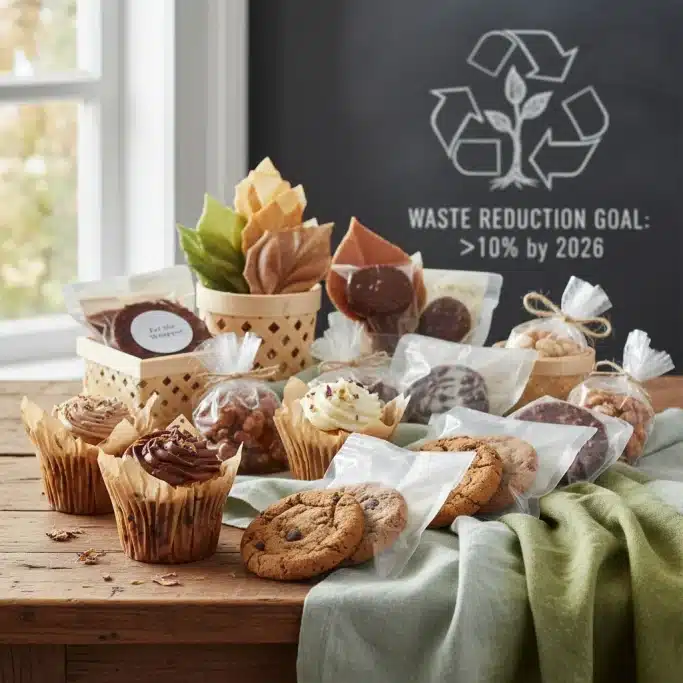
The Latest in Sweet Treat Packaging: 5 Sustainable Solutions Reducing Waste by Over 10% in 2026
The global sweet treat market is booming, bringing with it an ever-increasing demand for innovative and appealing packaging. However, this growth also presents a significant challenge: waste. Traditional packaging materials, often single-use plastics, contribute massively to landfills and ocean pollution. As consumers become more environmentally conscious, the pressure on brands to adopt sustainable practices is mounting. The good news is that the packaging industry is responding with groundbreaking innovations. We are on the cusp of a revolution where sustainable sweet packaging solutions will not only protect our beloved confections but also significantly reduce environmental impact. Our focus today is on five pioneering solutions poised to cut waste by over 10% by 2026, paving the way for a greener, sweeter future.
Anúncios
The Urgent Need for Sustainable Sweet Packaging
Before diving into the solutions, it’s crucial to understand the magnitude of the problem. Packaging waste, particularly from the food sector, is a major environmental concern. Sweet treats, often consumed on-the-go or in small portions, frequently come in multi-layered, non-recyclable materials. This contributes to a staggering amount of plastic and paper waste annually. Consumers are increasingly scrutinizing brands’ environmental credentials, with surveys consistently showing a preference for products with eco-friendly packaging. This shift in consumer behavior is a powerful driver for change, compelling manufacturers to invest in research and development for truly sustainable sweet packaging. Beyond consumer demand, regulatory bodies worldwide are implementing stricter guidelines on packaging waste, further accelerating the transition towards sustainable options. The goal of reducing waste by over 10% by 2026 is ambitious yet achievable, provided there’s widespread adoption of these innovative solutions.
Anúncios
Environmental Impact of Traditional Sweet Treat Packaging
Traditional packaging materials, predominantly virgin plastics and non-recycled paper, have a substantial environmental footprint. The production of these materials consumes vast amounts of natural resources, including fossil fuels and trees. Their disposal is even more problematic. Plastics can take hundreds of years to decompose, breaking down into microplastics that contaminate soil, water, and even the air we breathe. Paper, while biodegradable, often ends up in landfills where it contributes to methane emissions if not properly composted. The intricate designs and multi-material compositions often used for sweet treat packaging make recycling complex, if not impossible, for many municipal facilities. This linear ‘take-make-dispose’ model is unsustainable, and the sweet treat industry, with its high volume of single-use packaging, is a significant contributor to this global challenge. Embracing sustainable sweet packaging isn’t just a trend; it’s an imperative for the planet’s health and the industry’s long-term viability.
Solution 1: Advanced Compostable and Biodegradable Materials
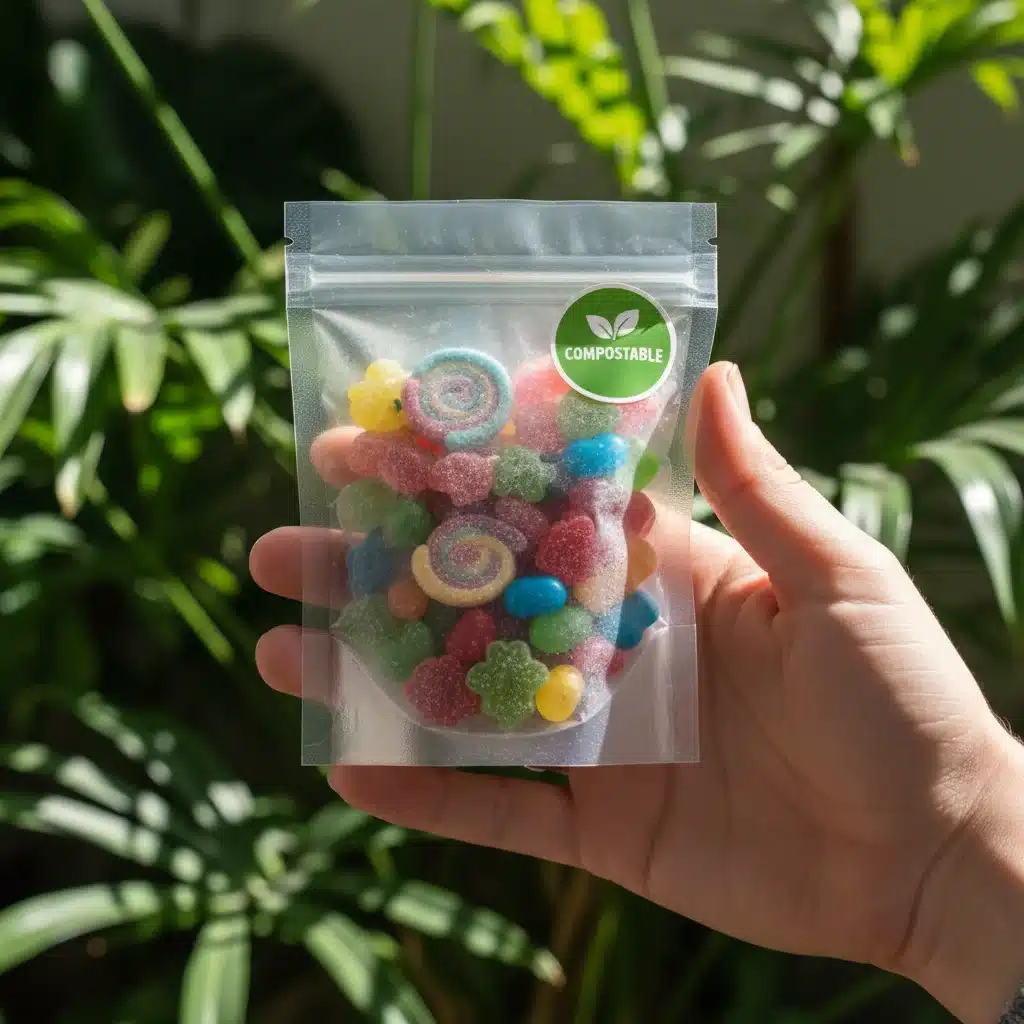
One of the most promising avenues for sustainable sweet packaging lies in advanced compostable and biodegradable materials. These materials are designed to break down naturally, returning to the earth without leaving harmful residues. Unlike traditional plastics, which merely fragment into microplastics, truly compostable materials decompose into organic matter, enriching the soil. The key differentiator here is ‘advanced’ – earlier generations of bioplastics sometimes required industrial composting facilities, limiting their widespread adoption. However, new formulations are emerging that are home-compostable or degrade efficiently in various natural environments.
Innovations in Compostable Films and Coatings
For sweet treats like candies, chocolates, and snack bars, flexible films are essential. Traditional plastic films offer excellent barrier properties, protecting products from moisture, oxygen, and contaminants. The challenge for sustainable sweet packaging has been to replicate these properties with compostable alternatives. Recent breakthroughs include films made from polylactic acid (PLA), cellulose, and starch-based polymers. These materials can now be engineered to provide comparable barrier protection, extending shelf life while ensuring environmental responsibility. Furthermore, compostable coatings are being developed for paper and board packaging, allowing these materials to resist grease and moisture without compromising their compostability. This means that items like cupcake liners, candy wrappers, and biscuit trays can now be fully compostable, significantly reducing landfill waste.
The Rise of Bagasse and Mushroom-Based Packaging
Beyond films, rigid and semi-rigid packaging is also seeing compostable innovation. Bagasse, a byproduct of sugarcane processing, is gaining traction. It’s strong, lightweight, and naturally biodegradable, making it an excellent alternative to plastic trays and clamshells for baked goods. Similarly, mushroom-based packaging, grown from mycelium (the root structure of fungi) and agricultural waste, offers a truly unique and sustainable solution. This material can be molded into various shapes and provides excellent cushioning, making it ideal for delicate sweet treats. Both bagasse and mushroom packaging are fully compostable, offering a closed-loop solution that aligns perfectly with the goals of sustainable sweet packaging and waste reduction.
Solution 2: Edible Packaging – The Ultimate Zero-Waste Option
Imagine a world where your sweet treat packaging simply disappears – because you’ve eaten it! Edible packaging represents the pinnacle of zero-waste sustainable sweet packaging. While still a niche market, advancements in food science are rapidly bringing this futuristic concept to commercial viability. The idea is simple: the packaging is made from food-grade ingredients that are either tasteless or complement the product inside, eliminating any disposal concerns whatsoever.
Seaweed and Plant-Based Edible Films
One of the most exciting developments in edible packaging comes from seaweed. Researchers have successfully created strong, flexible films from seaweed extracts that can encapsulate liquids and solids. These films are tasteless, highly nutritious, and dissolve easily in water or can be consumed directly. Applications for sweet treats include individual candy wrappers, edible sachets for sugar or flavoring, and even coatings for ice cream or fruit. Similarly, plant-based proteins and starches are being used to create edible films and coatings that can protect products from oxidation and moisture. These innovations offer a truly revolutionary approach to sustainable sweet packaging, eliminating waste entirely and potentially adding nutritional value.
Edible Cups and Cones
While edible ice cream cones have been around for centuries, the concept is expanding to other sweet treats. Imagine an edible cup for a smoothie or a dessert pot, or even an edible container for a small portion of chocolates. Companies are experimenting with baked goods, rice paper, and wafer-based materials to create sturdy yet delicious packaging that can be eaten along with the product. This not only reduces waste but also enhances the overall consumer experience, offering a novel and engaging way to enjoy sweet treats. The challenge lies in ensuring adequate shelf life and structural integrity, but rapid progress is being made in this exciting field of sustainable sweet packaging.
Solution 3: Reusable and Refillable Packaging Systems
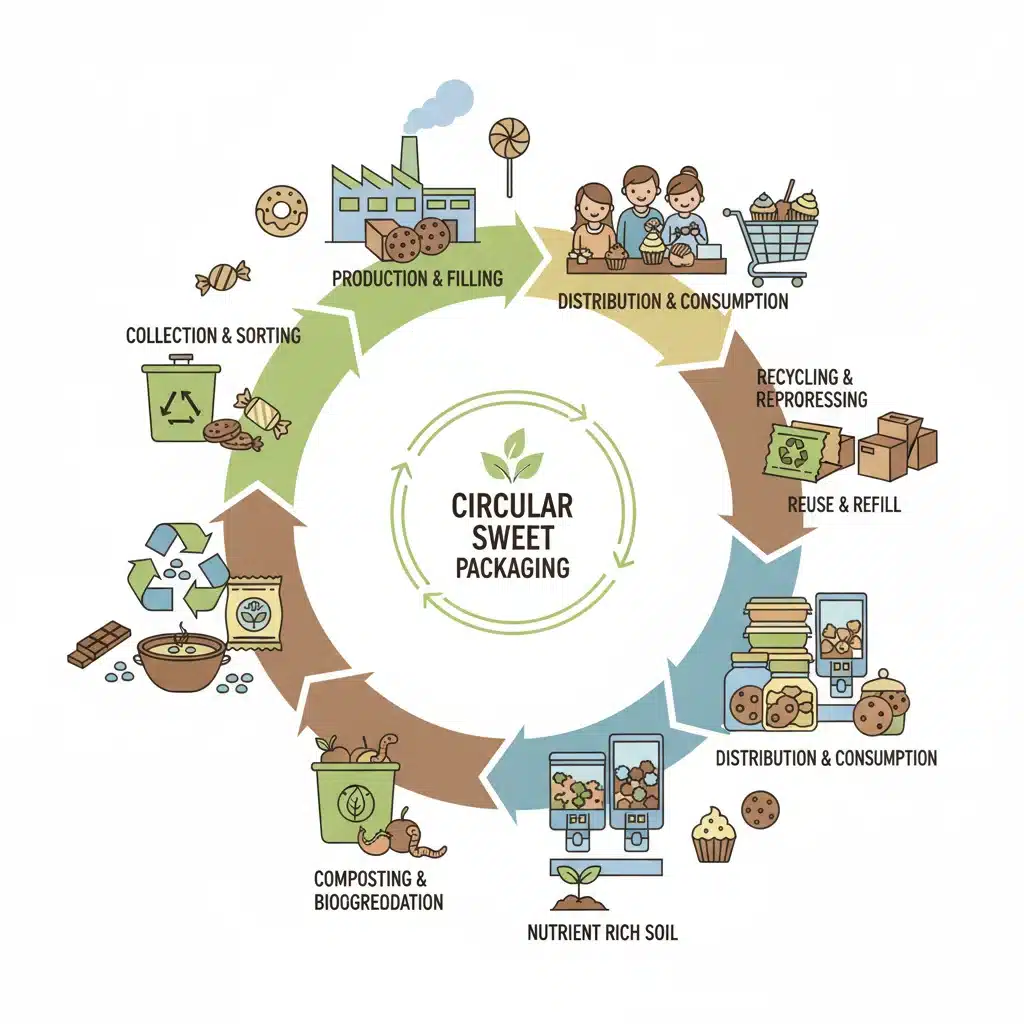
The circular economy model emphasizes reducing, reusing, and recycling. Reusable and refillable packaging systems are crucial for minimizing waste and are gaining significant traction in the sweet treat sector. While not always feasible for individual, single-serve items, this approach is highly effective for bulk sweets, confectionery shops, and certain premium products.
Deposit-Return Schemes for Sweet Treat Containers
Inspired by beverage bottle deposit schemes, some retailers are exploring similar models for sweet treat containers. Customers pay a small deposit for durable, reusable containers (e.g., glass jars, metal tins) and return them to the store once empty to receive their deposit back. The containers are then cleaned, sanitized, and refilled. This system incentivizes consumers to return packaging, ensuring high return rates and significantly reducing single-use waste. For bulk candies, cookies, or even gourmet chocolates, this provides a premium, zero-waste option for sustainable sweet packaging.
In-Store Refill Stations and Bulk Sales
The resurgence of in-store refill stations is another powerful trend. Consumers can bring their own reusable containers to specialized sections in supermarkets or dedicated sweet shops and fill them with their favorite bulk candies, chocolates, or dried fruits. This not only reduces packaging waste but also often allows for more flexible portion sizes and potentially lower costs for consumers. Businesses adopting this model for sustainable sweet packaging benefit from reduced packaging costs and enhanced brand loyalty from eco-conscious customers. The success of these systems relies on convenience, hygiene, and clear communication to consumers.
Solution 4: Innovative Recycled and Upcycled Content Packaging
While reducing and reusing are paramount, recycling remains a vital component of a sustainable packaging strategy. The focus is shifting towards maximizing the use of recycled content and exploring upcycling opportunities for packaging materials that might otherwise go to waste. This approach for sustainable sweet packaging significantly reduces the demand for virgin materials and diverts waste from landfills.
Post-Consumer Recycled (PCR) Plastics for Sweet Tubs and Trays
Significant strides are being made in incorporating post-consumer recycled (PCR) plastics into food-grade packaging. Advanced sorting and decontamination technologies now allow for the creation of high-quality PCR PET and PP that are safe for direct food contact. This means that plastic tubs for ice cream, cookie trays, or even clear clamshells for pastries can be made from a high percentage of recycled material, drastically cutting down on virgin plastic use. Brands committed to sustainable sweet packaging are increasingly showcasing their PCR content, making it a key selling point for environmentally aware consumers.
Upcycling Agricultural Waste into Packaging
Beyond traditional recycling, the concept of upcycling agricultural waste into packaging materials is gaining traction. This involves taking waste products from farming, such as fruit peels, nut shells, or coffee grounds, and transforming them into valuable packaging. For instance, some companies are experimenting with turning cocoa bean husks into packaging for chocolate bars, creating a truly circular and brand-aligned solution. This not only reduces agricultural waste but also creates unique, natural-looking packaging that resonates with the desire for authentic and sustainable products. Such innovative approaches are critical for achieving the 10% waste reduction target for sustainable sweet packaging by 2026.
Solution 5: Smart Packaging for Reduced Food Waste and Enhanced Sustainability
Sustainable packaging isn’t just about the materials; it’s also about its functionality. Smart packaging integrates technology to extend shelf life, monitor product freshness, and provide consumers with valuable information, all of which contribute to reducing food waste – a major component of overall waste. By minimizing spoilage, smart packaging makes sustainable sweet packaging even more impactful.
Shelf-Life Extension Technologies
Food waste is a huge environmental and economic problem, and sweet treats are no exception. Smart packaging solutions are being developed to actively extend the shelf life of products. This includes oxygen scavengers, moisture absorbers, and antimicrobial coatings embedded within packaging materials. By maintaining optimal conditions, these technologies reduce spoilage, meaning fewer sweet treats end up in the bin. For delicate items like fresh pastries or gourmet chocolates, a slightly longer shelf life can significantly reduce waste throughout the supply chain and in consumers’ homes, making the entire system of sustainable sweet packaging more efficient.
QR Codes and Consumer Education on Disposal
A significant barrier to effective recycling and composting is consumer confusion about how to properly dispose of packaging. Smart packaging is addressing this through the integration of QR codes and other digital tools. By scanning a QR code on a sweet treat package, consumers can access detailed information on the packaging materials, their environmental impact, and precise instructions on how to recycle or compost them in their local area. This empowers consumers to make informed choices and ensures that sustainable sweet packaging materials are disposed of correctly, maximizing their environmental benefits and contributing to the overall waste reduction goal.
Challenges and Opportunities for Widespread Adoption
While these sustainable sweet packaging solutions offer immense promise, their widespread adoption is not without challenges. Cost is often a primary concern, as innovative sustainable materials can sometimes be more expensive than traditional plastics, particularly at smaller scales. Supply chain infrastructure also needs to adapt, from manufacturing capabilities to recycling and composting facilities. Furthermore, ensuring that new materials meet stringent food safety regulations and maintain product quality (e.g., barrier properties, shelf life) is crucial.
Overcoming Barriers Through Collaboration and Investment
Despite these hurdles, the opportunities are immense. As demand for sustainable sweet packaging grows, economies of scale will drive down costs. Government incentives, industry collaborations, and consumer education campaigns are vital for accelerating adoption. Brands that proactively invest in sustainable solutions not only meet regulatory requirements but also enhance their brand reputation, attract eco-conscious consumers, and contribute positively to the planet. The target of reducing waste by over 10% by 2026 is a collective responsibility, requiring commitment from manufacturers, retailers, and consumers alike.
Conclusion: A Sweeter, Greener Future Through Sustainable Sweet Packaging
The journey towards a truly sustainable sweet treat industry is complex, but the innovations in packaging are undeniably exciting. From advanced compostable materials and revolutionary edible packaging to robust reusable systems, clever recycled content, and smart functionalities, the future of sustainable sweet packaging is bright. These five solutions collectively offer a powerful pathway to significantly reduce waste by over 10% by 2026, transforming the environmental footprint of our favorite confections. As consumers, we have the power to support brands that embrace these changes, and as an industry, the responsibility to implement them. The sweet treats of tomorrow will not only delight our taste buds but also protect our planet, proving that indulgence and environmental stewardship can indeed go hand-in-hand.