Mastering Pressure Cooker Main Dishes in 2026: Cook Meals 70% Faster
Anúncios
Mastering Pressure Cooker Main Dishes in 2026: Cook Meals 70% Faster
In the whirlwind pace of modern life, finding time to prepare nutritious and delicious meals can feel like an insurmountable challenge. The year 2026 brings with it even greater demands on our schedules, making efficiency in the kitchen not just a convenience, but a necessity. Enter the humble, yet revolutionary, pressure cooker. Long-hailed as a kitchen hero, the pressure cooker has evolved significantly, offering advanced features and unparalleled safety, making it the ultimate tool for individuals and families looking to create incredible pressure cooker main dishes in a fraction of the traditional cooking time. Imagine slicing 70% off your cooking duration for dishes that usually take hours – that’s the power we’re talking about.
Anúncios
This comprehensive guide is your definitive resource for mastering pressure cooker main dishes in 2026. We’ll delve into everything from understanding the science behind pressure cooking and ensuring safety, to exploring advanced techniques and sharing an array of mouth-watering recipes that will transform your meal prep. Whether you’re a seasoned pressure cooking enthusiast or a curious beginner, prepare to unlock a world of culinary possibilities that are both time-saving and flavor-rich.
Anúncios
The Unbeatable Advantage of Pressure Cooker Main Dishes
Why should the pressure cooker be your go-to appliance for crafting pressure cooker main dishes? The answer lies in its unique ability to cook food under high pressure, which significantly raises the boiling point of water and traps steam. This creates an intensely hot, moist environment that cooks food much faster and more efficiently than conventional methods. But the benefits extend far beyond mere speed:
- Unrivaled Speed: As mentioned, expect to cut cooking times by up to 70%. This means dishes like pot roasts, stews, and even dried beans, which typically require hours of simmering, can be ready in under an hour.
- Enhanced Flavor: The sealed environment of a pressure cooker locks in moisture and flavors, resulting in incredibly tender meats and vegetables, and deeply infused sauces. Ingredients cook in their own juices, concentrating their natural tastes.
- Nutrient Retention: Because food cooks faster and with less liquid, more vitamins and minerals are retained compared to boiling or steaming in open pots.
- Energy Efficiency: Shorter cooking times translate directly into less energy consumption, making your kitchen more eco-friendly and your utility bills lighter.
- Convenience and Cleanliness: One-pot meals are a staple of pressure cooking, minimizing cleanup. Plus, the hands-off nature of the process means you can set it and forget it, freeing up time for other activities.
- Versatility: From savory meats and robust stews to delicate grains and even desserts, the range of pressure cooker main dishes you can create is virtually limitless.
Understanding Your Pressure Cooker: A Foundation for Success
Before diving into recipes, it’s crucial to understand the different types of pressure cookers available in 2026 and how they function. Modern pressure cookers are a far cry from their ancestors, boasting advanced safety features and user-friendly designs.
Types of Pressure Cookers:
- Stovetop Pressure Cookers: These are traditional models that sit on your stove. They typically reach higher pressures than electric models, leading to slightly faster cooking times. They require manual monitoring of pressure and heat adjustment.
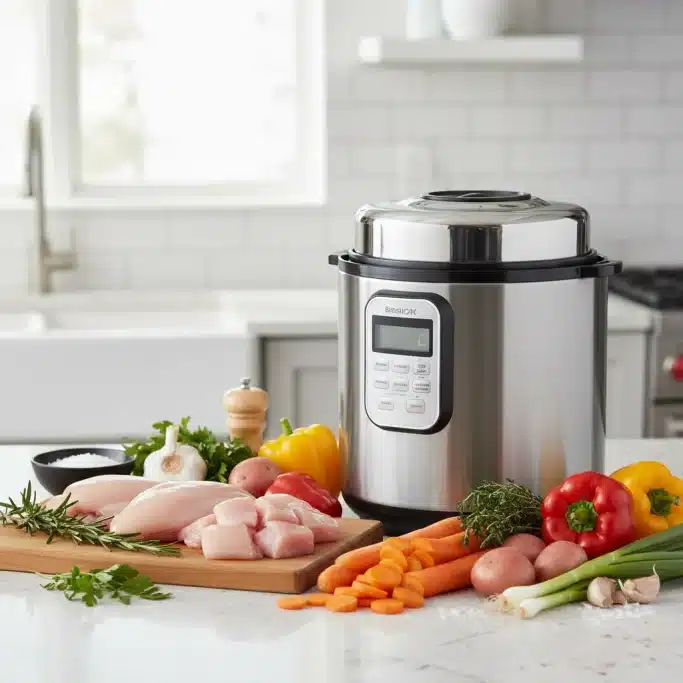
- Electric Pressure Cookers (Multi-Cookers): These are the most popular choice today, often integrating multiple functions like slow cooking, sautéing, steaming, and even air frying. They have built-in safety mechanisms, automatic pressure release, and digital controls, making them incredibly easy to use. Brands like Instant Pot dominate this market, offering various models with different capacities and features.
Key Components and Safety Features:
- Lid with Gasket/Sealing Ring: This creates an airtight seal, trapping steam and building pressure. Always ensure it’s clean and properly seated.
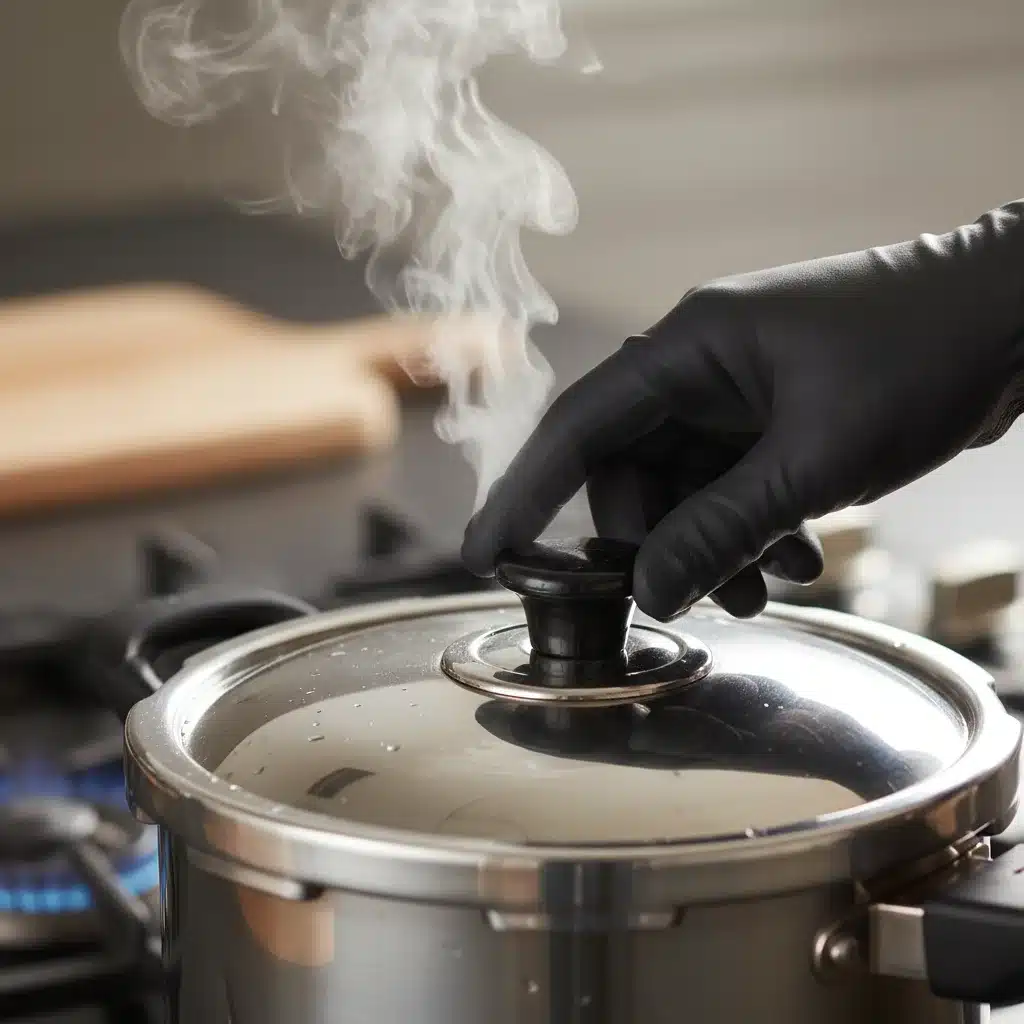
- Pressure Release Valve (or Steam Release Handle): This allows you to manually release pressure or automatically releases excess pressure.
- Float Valve (or Pressure Indicator): This small pin rises when pressure has been reached and drops when it’s safe to open the lid.
- Safety Vent: A crucial backup mechanism that releases pressure if the main valve becomes blocked.
- Interlocking Lid: Modern pressure cookers won’t open if there’s still pressure inside, preventing accidents.
Familiarizing yourself with your specific model’s manual is paramount. Safety is non-negotiable when dealing with pressure, and understanding these components will ensure a safe and enjoyable cooking experience for all your pressure cooker main dishes.
Essential Techniques for Perfect Pressure Cooker Main Dishes
Mastering a few fundamental techniques will elevate your pressure cooking game and ensure consistently excellent results for your pressure cooker main dishes.
1. Sautéing and Browning: Building Flavor
Many electric pressure cookers come with a ‘Sauté’ function, which is invaluable for building foundational flavors. Before adding liquids and pressure cooking, always take the time to brown your meats and sauté aromatics like onions, garlic, and spices. This crucial step adds depth and complexity to your finished dish.
2. Deglazing: Unlocking Hidden Taste
After sautéing and browning, you’ll often find delicious browned bits (fond) stuck to the bottom of the pot. Deglazing – adding a splash of liquid (broth, wine, or water) and scraping up these bits – is essential. Not only does it add incredible flavor, but it also prevents the ‘BURN’ error message common in electric pressure cookers, as these bits can scorch under pressure.
3. Liquid Ratios: The Golden Rule
Unlike traditional cooking, pressure cooking requires significantly less liquid because very little evaporates. Always follow recipe guidelines for liquid amounts. Too much liquid can dilute flavors, while too little can lead to scorching. A general rule of thumb is to use at least 1 cup of liquid for most recipes to build sufficient pressure.
4. Natural vs. Quick Pressure Release: Knowing When to Choose
Understanding when to use natural release (NR) versus quick release (QR) is key to perfect pressure cooker main dishes:
- Natural Release (NR): The pressure cooker is left alone after cooking, allowing pressure to dissipate slowly over time (usually 10-20 minutes). This is ideal for foamy foods like grains and beans, and for large cuts of meat, as it helps prevent meat from seizing up and ensures tenderness.
- Quick Release (QR): The pressure release valve is manually opened to rapidly release steam. This is suitable for delicate foods like vegetables, seafood, or anything you want to stop cooking immediately to prevent overcooking.
- Hybrid Release: Often, recipes call for a ‘5-minute natural release followed by quick release.’ This offers a balance, allowing some pressure to drop naturally before a quicker manual release.
Top Pressure Cooker Main Dishes for 2026: Recipes to Try
Now for the exciting part – the recipes! These pressure cooker main dishes are designed to be both delicious and efficient, perfect for the modern kitchen.
1. Speedy Beef and Broccoli Stir-Fry
Forget takeout! This beef and broccoli stir-fry is a weeknight warrior, delivering restaurant-quality flavor in minutes.
Ingredients:
- 1.5 lbs beef sirloin or flank steak, thinly sliced against the grain
- 1 tbsp sesame oil
- 1 onion, thinly sliced
- 2 cloves garlic, minced
- 1-inch ginger, grated
- 1 cup beef broth
- 1/2 cup soy sauce (low sodium preferred)
- 2 tbsp honey or brown sugar
- 1 tbsp cornstarch mixed with 2 tbsp water (slurry)
- 4 cups broccoli florets
- Cooked rice, for serving
- Sesame seeds and chopped green onions, for garnish
Instructions:
- Set your pressure cooker to ‘Sauté’ mode. Add sesame oil. Once hot, brown the beef in batches until lightly seared. Remove beef and set aside.
- Add sliced onion to the pot and sauté until softened, about 3-4 minutes. Add minced garlic and grated ginger, cooking for another minute until fragrant.
- Deglaze the pot with a splash of beef broth, scraping up any browned bits from the bottom.
- Return beef to the pot. Add remaining beef broth, soy sauce, and honey/brown sugar. Stir well.
- Secure the lid and set to pressure cook on High for 5 minutes. Allow for a 5-minute natural release, then quick release any remaining pressure.
- Carefully open the lid. Stir in the cornstarch slurry and set the pressure cooker back to ‘Sauté’ mode. Cook, stirring constantly, until the sauce thickens.
- Add broccoli florets and cook for another 2-3 minutes, until tender-crisp.
- Serve immediately over cooked rice, garnished with sesame seeds and green onions.
2. Tender Chicken & Chickpea Curry
A vibrant, aromatic curry that tastes like it simmered all day, but comes together in a flash. This is one of those pressure cooker main dishes that will become a regular in your rotation.
Ingredients:
- 1 tbsp coconut oil
- 1.5 lbs boneless, skinless chicken thighs, cut into 1-inch pieces
- 1 large onion, chopped
- 3 cloves garlic, minced
- 1-inch ginger, grated
- 1 tbsp curry powder
- 1 tsp turmeric
- 1/2 tsp cumin
- 1/4 tsp cayenne pepper (optional)
- 1 (14.5 oz) can diced tomatoes, undrained
- 1 (13.5 oz) can full-fat coconut milk
- 1 (15 oz) can chickpeas, rinsed and drained
- 1/2 cup chicken broth
- Salt and pepper to taste
- Fresh cilantro and basmati rice, for serving
Instructions:
- Set your pressure cooker to ‘Sauté’ mode. Add coconut oil. Brown chicken pieces in batches until lightly seared. Remove and set aside.
- Add chopped onion to the pot and sauté until softened, about 5 minutes. Add garlic and ginger, cooking for another minute until fragrant.
- Stir in curry powder, turmeric, cumin, and cayenne pepper (if using). Cook for 1 minute, stirring constantly, to toast the spices.
- Deglaze the pot with a splash of chicken broth, scraping up any browned bits.
- Return chicken to the pot. Add diced tomatoes, coconut milk, and remaining chicken broth. Stir well.
- Secure the lid and set to pressure cook on High for 8 minutes. Allow for a 10-minute natural release, then quick release any remaining pressure.
- Carefully open the lid. Stir in the rinsed chickpeas. Taste and adjust seasoning with salt and pepper.
- Serve hot over basmati rice, garnished with fresh cilantro.
3. Hearty Lentil Soup with Sausage
Comfort food at its finest, made incredibly fast. This soup is packed with flavor and nutrition, perfect for a cold evening. This is a prime example of versatile pressure cooker main dishes.
Ingredients:
- 1 tbsp olive oil
- 1 lb Italian sausage (mild or spicy), casings removed
- 1 large carrot, diced
- 2 celery stalks, diced
- 1 large onion, diced
- 3 cloves garlic, minced
- 1 cup brown or green lentils, rinsed
- 6 cups vegetable or chicken broth
- 1 (14.5 oz) can crushed tomatoes
- 1 tsp dried thyme
- 1 bay leaf
- Salt and black pepper to taste
- Fresh parsley, chopped, for garnish
Instructions:
- Set your pressure cooker to ‘Sauté’ mode. Add olive oil. Add sausage and cook, breaking it up with a spoon, until browned. Drain excess fat if necessary.
- Add diced carrot, celery, and onion to the pot. Sauté for 5-7 minutes until vegetables begin to soften.
- Add minced garlic and cook for another minute until fragrant.
- Deglaze the pot with a splash of broth, scraping up any browned bits.
- Stir in rinsed lentils, remaining broth, crushed tomatoes, dried thyme, and bay leaf.
- Secure the lid and set to pressure cook on High for 15 minutes. Allow for a full natural release (this is important for lentils to prevent foaming).
- Carefully open the lid. Remove the bay leaf. Taste and adjust seasoning with salt and pepper.
- Serve hot, garnished with fresh chopped parsley.
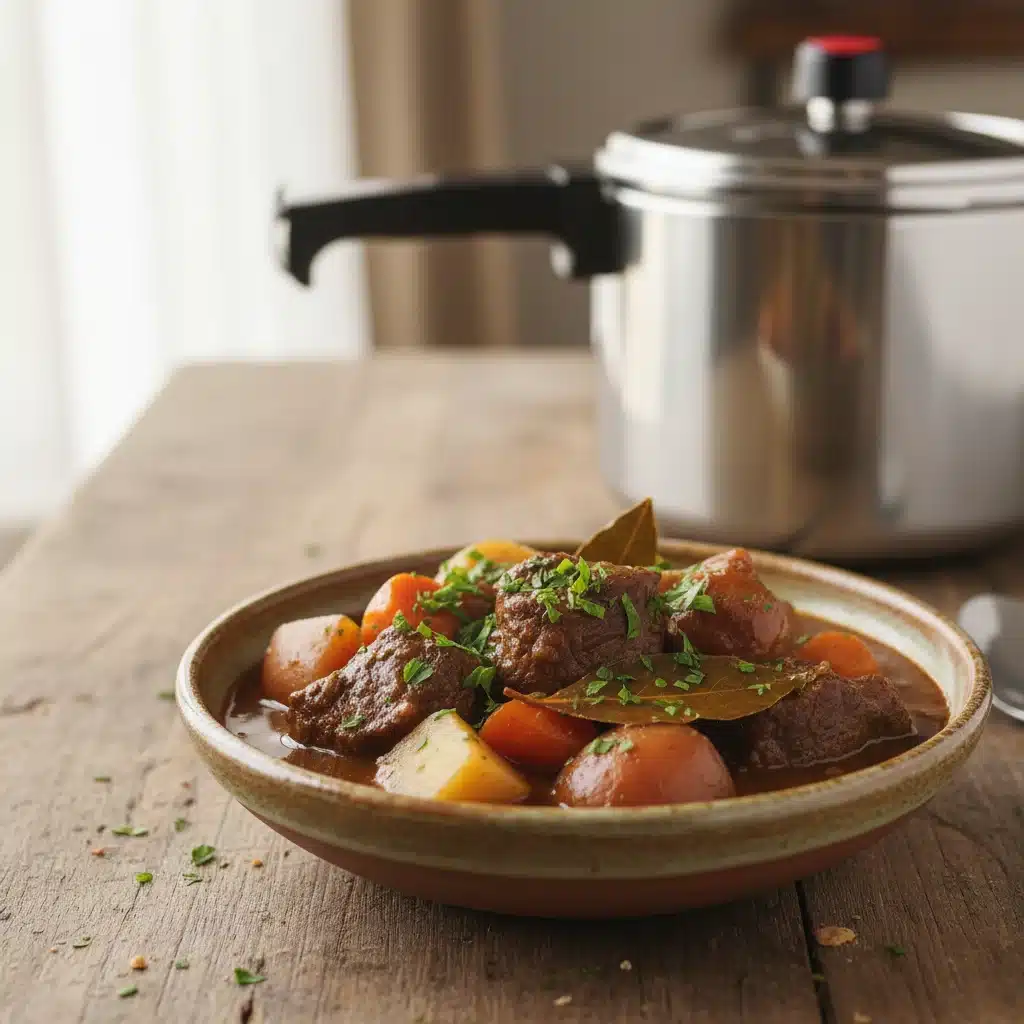
4. Quick & Creamy Mac and Cheese
Yes, even comfort food classics can be made faster and easier in a pressure cooker! This ultra-creamy mac and cheese is a hit with kids and adults alike.
Ingredients:
- 3 cups elbow macaroni
- 4 cups chicken or vegetable broth
- 1 tsp salt
- 1/2 tsp black pepper
- 1/4 tsp garlic powder
- 1/4 cup evaporated milk (or heavy cream for extra richness)
- 2 cups shredded sharp cheddar cheese
- 1 cup shredded Monterey Jack or Gruyere cheese
Instructions:
- Combine elbow macaroni, broth, salt, pepper, and garlic powder in the pressure cooker pot. Stir well to ensure macaroni is submerged.
- Secure the lid and set to pressure cook on High for 4 minutes.
- Immediately perform a quick release of pressure.
- Carefully open the lid. Stir in the evaporated milk (or cream) and then gradually add the shredded cheeses, stirring constantly until melted and smooth.
- If the sauce is too thick, add a splash more broth or milk until desired consistency is reached.
- Serve immediately as a comforting side or a light pressure cooker main dish.
Advanced Tips for Pressure Cooker Mastery in 2026
Beyond the basics, these tips will help you get the most out of your pressure cooker for truly exceptional pressure cooker main dishes.
1. The Pot-in-Pot (PIP) Method
The PIP method involves cooking food in a separate, oven-safe bowl placed on a trivet inside your pressure cooker, with water at the bottom of the main pot. This is fantastic for:
- Cooking delicate foods that might burn directly on the bottom.
- Cooking multiple components of a meal simultaneously (e.g., rice in the main pot, curry in a PIP bowl).
- Baking desserts like cheesecakes.
- Reheating leftovers without drying them out.
Ensure your PIP bowl is oven-safe and fits comfortably within your pressure cooker without touching the lid.
2. Layering Ingredients Strategically
For dishes with varying cooking times, layer your ingredients. Place ingredients that require longer cooking times (e.g., root vegetables, tough cuts of meat) at the bottom, closer to the heat source. More delicate ingredients (e.g., leafy greens, quick-cooking vegetables) can be added towards the end of the cooking cycle or after pressure release, especially if you’re using a ‘Sauté’ function to finish the dish.
3. Freezing for Future Feasts
Many pressure cooker main dishes are excellent for meal prepping and freezing. Cook a larger batch of your favorite stews, chilis, or curries, and portion them into freezer-safe containers. This provides quick, healthy meals on demand, further amplifying the time-saving benefits of pressure cooking.
4. Adapting Traditional Recipes
With practice, you can adapt many of your favorite traditional recipes for the pressure cooker. Remember to significantly reduce the liquid content (often by half or more) and adjust cooking times. A good rule of thumb for meat stews is 20-30 minutes on high pressure, with a natural release. For vegetables, it’s often only 2-5 minutes on high pressure with a quick release.
5. Don’t Overfill
Never fill your pressure cooker more than two-thirds full for most foods, and no more than half full for foods that expand (like beans, grains, or pasta). Overfilling can lead to blockages in the steam release valve and is a safety hazard.
Common Pressure Cooking Questions Answered
Can I open the lid during cooking?
No, absolutely not. The lid is locked under pressure and cannot be opened until the pressure has been fully released and the float valve has dropped. Attempting to force it open is extremely dangerous.
What if my pressure cooker isn’t coming to pressure?
Check the lid to ensure it’s properly sealed and the gasket is correctly seated. Make sure the steam release valve is in the ‘Sealing’ position. Also, ensure there’s enough liquid in the pot (at least 1 cup).
Why does my food taste bland?
This can happen if you haven’t built a good flavor base. Always sauté aromatics and brown meats before pressure cooking. Also, remember that seasoning often needs to be adjusted after pressure cooking, as flavors can sometimes mellow. Taste and adjust salt, pepper, and spices at the end.
Is pressure cooking healthy?
Yes! As mentioned earlier, the shorter cooking times and minimal liquid help retain more nutrients compared to other cooking methods. It’s an excellent way to prepare healthy pressure cooker main dishes.
The Future of Pressure Cooking: What to Expect in 2026 and Beyond
The innovation in pressure cooking isn’t slowing down. In 2026, we’re seeing:
- Smarter Appliances: Integration with smart home systems, AI-powered recipe suggestions based on available ingredients, and remote monitoring via apps are becoming standard.
- Hybrid Functionality: Expect more multi-cookers that seamlessly combine pressure cooking with air frying, dehydrating, and even sous-vide capabilities in a single unit.
- Sustainable Materials: A greater focus on eco-friendly manufacturing and recyclable components.
- Enhanced Safety: Continuous improvements in safety mechanisms, making these appliances even more foolproof.
These advancements only solidify the pressure cooker’s role as an indispensable tool for preparing delicious and efficient pressure cooker main dishes in the modern kitchen.
Conclusion: Embrace the Power of Pressure for Your Main Dishes
The journey to mastering pressure cooker main dishes is one of culinary discovery, efficiency, and incredible flavor. By understanding the science, embracing modern techniques, and experimenting with diverse recipes, you can transform your cooking routine and consistently produce meals that are both impressive and incredibly fast.
In 2026, the pressure cooker isn’t just a gadget; it’s a gateway to healthier, more convenient, and more enjoyable home cooking. So, dust off your appliance, try one of our suggested recipes, and prepare to be amazed at how easily you can cook hearty, flavorful pressure cooker main dishes in 70% less time. Happy cooking!