Seasonal Eating US: Top 10 Spring 2026 Recipes for Flavor & Nutrition
Anúncios
Embracing Seasonal Eating US: Maximizing Nutrition and Flavor with 10 Must-Try Recipes for Spring 2026
Anúncios
As the days grow longer and the world awakens with renewed vibrancy, so too does the opportunity to refresh our palates and invigorate our bodies through the practice of seasonal eating US. Spring 2026 promises an abundance of fresh, flavorful produce, offering a delightful array of ingredients that are at their peak in terms of taste, nutritional value, and often, affordability. This comprehensive guide will delve into the profound benefits of adopting a seasonal eating approach, explore the exciting produce that Spring 2026 has to offer across the United States, and provide you with 10 innovative and delicious recipes to inspire your culinary journey.
The concept of seasonal eating US isn’t merely a culinary trend; it’s a return to a more natural, sustainable, and healthful way of life. By aligning our diets with the natural growing cycles of fruits and vegetables, we not only enhance our dining experience but also support local economies, reduce our environmental footprint, and consume foods that are inherently more nutritious. Imagine biting into a juicy, sun-ripened strawberry picked just hours ago, or savoring the tender crispness of freshly harvested asparagus. This is the essence of seasonal eating – a celebration of freshness and flavor that industrial farming often struggles to replicate.
Anúncios
Why Embrace Seasonal Eating US? The Core Benefits
There are compelling reasons why more and more Americans are turning to seasonal eating US. The advantages extend beyond mere taste, touching upon health, environmental responsibility, and economic considerations. Let’s explore these benefits in detail:
1. Superior Flavor and Quality
This is perhaps the most immediate and noticeable benefit. Produce picked at its peak ripeness, when it’s naturally in season, tastes undeniably better. It hasn’t been forced to ripen in transit, nor has it been stored for extended periods, which often diminishes its natural sugars and complex flavors. When you engage in seasonal eating US, you’re experiencing fruits and vegetables as nature intended – vibrant, aromatic, and full of life.
2. Enhanced Nutritional Value
Studies consistently show that fruits and vegetables consumed in season tend to have higher nutritional content. They are harvested at their prime, meaning they’ve had the maximum amount of time to develop vitamins, minerals, and antioxidants. Produce that travels long distances or is stored for extended periods can lose a significant percentage of its nutritional value. Therefore, prioritizing seasonal eating US directly contributes to a more nutrient-dense diet.
3. Support for Local Farmers and Economies
When you buy seasonal produce, you’re often purchasing from local farmers and markets. This direct support strengthens local agricultural communities, helps sustain small businesses, and keeps money circulating within your region. It fosters a sense of community and provides transparency regarding where your food comes from, which is a cornerstone of responsible seasonal eating US.
4. Reduced Environmental Impact
Opting for seasonal and local produce significantly reduces your carbon footprint. Less transportation means less fuel consumption and fewer greenhouse gas emissions. Additionally, seasonal farming often requires fewer artificial interventions like heating or cooling greenhouses, further contributing to environmental sustainability. This ecological awareness is a crucial aspect of modern seasonal eating US practices.
5. Greater Variety and Culinary Creativity
Seasonal eating US encourages culinary exploration. Instead of relying on the same few staples year-round, you’re prompted to experiment with a rotating cast of ingredients. Each season brings its unique offerings, challenging you to discover new recipes, cooking techniques, and flavor combinations. Spring, in particular, offers a refreshing change from the heavier fare of winter, inspiring lighter, brighter dishes.
6. Cost-Effectiveness
When produce is in season, it’s typically more abundant and therefore more affordable. Farmers don’t incur the high costs of storage, transportation from distant regions, or artificial growing conditions. This makes seasonal eating US a budget-friendly way to enjoy high-quality, nutritious food.
Spring 2026: What’s in Season Across the US?
Spring in the United States is a time of renewal, and the produce aisle reflects this beautifully. While exact availability can vary by region (e.g., California’s spring might start earlier than New England’s), here’s a general overview of what you can expect to find at its peak for seasonal eating US during Spring 2026:
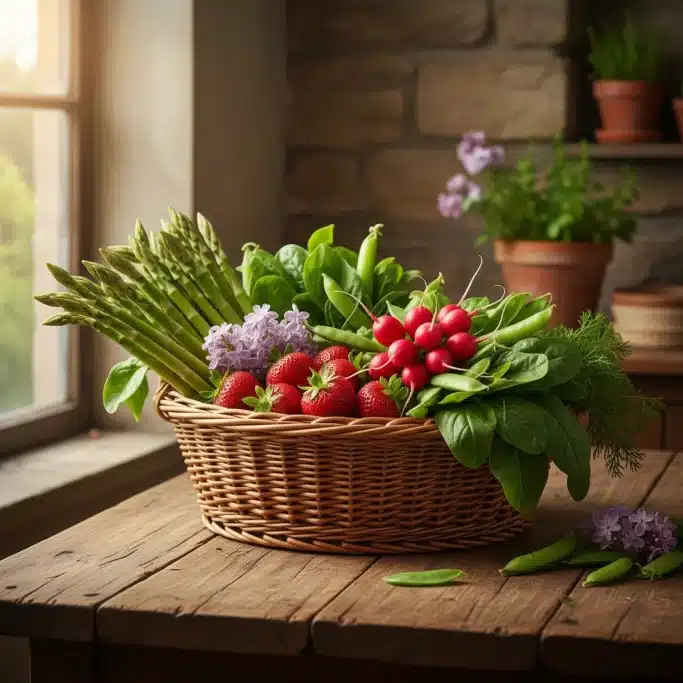
- Vegetables: Asparagus, Artichokes, Arugula, Beets, Broccoli, Cabbage, Carrots, Cauliflower, Fava Beans, Fennel, Garlic (new), Kale, Leeks, Lettuce, Mushrooms, Peas (snap, snow, green), Radishes, Rhubarb, Spinach, Swiss Chard, Turnips.
- Fruits: Strawberries, Cherries (late spring), Apricots (late spring), Blueberries (late spring), Navel Oranges (early spring), Limes, Lemons.
- Herbs: Chives, Cilantro, Dill, Mint, Parsley, Rosemary, Thyme.
This bounty provides a fantastic foundation for creating incredibly diverse and delicious meals. Let’s dive into some inspiring recipes that highlight these wonderful spring ingredients.
10 Must-Try Recipes for Spring 2026: Embracing Seasonal Eating US
Here are 10 delectable recipes designed to celebrate the fresh flavors of spring, perfect for your seasonal eating US adventure. These recipes are adaptable, allowing you to substitute ingredients based on local availability and personal preference.
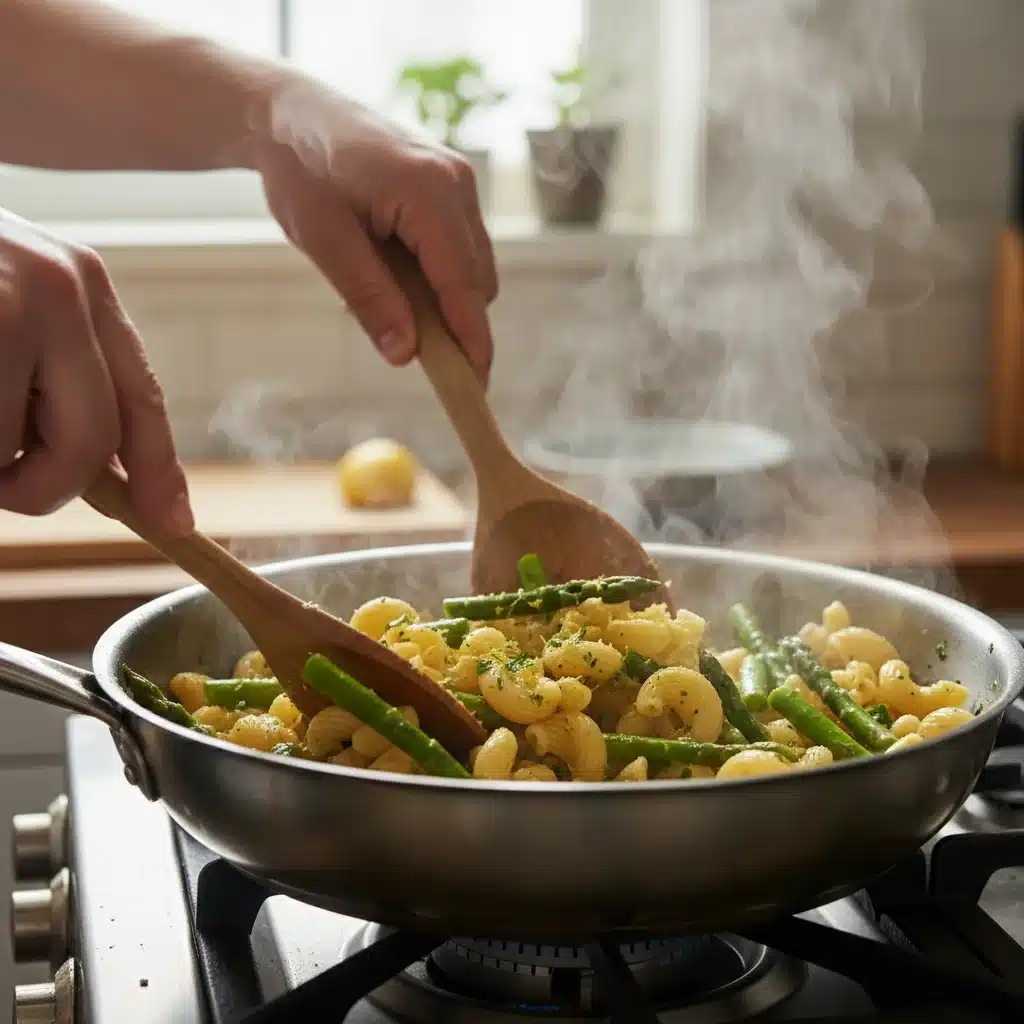
1. Lemony Asparagus and Pea Pasta with Parmesan
Ingredients: 1 lb pasta (fettuccine or linguine), 1 lb fresh asparagus (trimmed, cut into 1-inch pieces), 1 cup fresh or frozen peas, 1/4 cup olive oil, 2 cloves garlic (minced), zest and juice of 1 lemon, 1/2 cup grated Parmesan cheese, fresh mint or parsley (chopped), salt and black pepper to taste.
Instructions: Cook pasta according to package directions. In the last 3 minutes of cooking, add asparagus and peas to the boiling water. Drain, reserving 1/2 cup pasta water. In a large bowl, combine hot pasta, asparagus, peas, olive oil, garlic, lemon zest, lemon juice, Parmesan, and herbs. Toss well, adding reserved pasta water as needed to create a light sauce. Season with salt and pepper. This dish truly showcases the delicate flavors of spring, making it a perfect example of seasonal eating US.
2. Strawberry Spinach Salad with Poppy Seed Dressing
Ingredients: 6 cups fresh spinach, 2 cups sliced strawberries, 1/2 cup crumbled feta cheese, 1/4 cup chopped pecans or walnuts, 1/4 cup red onion (thinly sliced). For dressing: 1/4 cup olive oil, 2 tbsp apple cider vinegar, 1 tbsp honey, 1 tsp poppy seeds, salt and pepper.
Instructions: Whisk together dressing ingredients. In a large bowl, combine spinach, strawberries, feta, pecans, and red onion. Drizzle with dressing and toss gently. A refreshing and vibrant salad that epitomizes seasonal eating US in spring.
3. Roasted Radishes with Brown Butter and Herbs
Ingredients: 2 bunches radishes (trimmed, halved), 2 tbsp unsalted butter, 1 tbsp fresh thyme or chives (chopped), salt and pepper.
Instructions: Preheat oven to 400°F (200°C). Toss radishes with 1 tbsp olive oil, salt, and pepper. Roast for 15-20 minutes, until tender-crisp. While radishes roast, melt butter in a small saucepan over medium heat until it turns golden brown and smells nutty. Toss roasted radishes with brown butter and fresh herbs. A surprising and delicious way to enjoy radishes as part of your seasonal eating US journey.
4. Spring Vegetable Frittata with Goat Cheese
Ingredients: 8 large eggs, 1/4 cup milk, 1 tbsp olive oil, 1 cup mixed spring vegetables (e.g., chopped asparagus, spinach, peas, leeks), 1/4 cup crumbled goat cheese, salt and pepper.
Instructions: Whisk eggs and milk; season with salt and pepper. Heat olive oil in an oven-safe, non-stick skillet over medium heat. Sauté vegetables until tender-crisp. Pour egg mixture over vegetables. Cook for 3-5 minutes until edges set. Sprinkle with goat cheese. Transfer skillet to a preheated 375°F (190°C) oven and bake for 10-15 minutes, or until set. A versatile and protein-rich meal for seasonal eating US.
5. Rhubarb Strawberry Crumble
Ingredients: 4 cups chopped rhubarb, 2 cups sliced strawberries, 1/2 cup granulated sugar, 2 tbsp all-purpose flour. For crumble: 1 cup all-purpose flour, 1/2 cup rolled oats, 1/2 cup packed brown sugar, 1/2 tsp ground cinnamon, 1/2 cup cold unsalted butter (cubed).
Instructions: Preheat oven to 375°F (190°C). In a large bowl, combine rhubarb, strawberries, sugar, and 2 tbsp flour; pour into a 9×13 inch baking dish. In another bowl, combine crumble ingredients until crumbly. Sprinkle over fruit. Bake for 40-50 minutes, until topping is golden and fruit is bubbly. Serve warm with ice cream. This dessert is a quintessential celebration of seasonal eating US in late spring.
6. Grilled Artichokes with Lemon-Garlic Aioli
Ingredients: 2 globe artichokes, 2 tbsp olive oil, salt and pepper. For aioli: 1/2 cup mayonnaise, 1 clove garlic (minced), 1 tbsp lemon juice, 1/2 tsp Dijon mustard.
Instructions: Trim artichokes: cut off top inch, snip thorny tips, trim stem. Steam or boil artichokes for 20-25 minutes until tender. Halve lengthwise, scoop out fuzzy choke. Brush cut sides with olive oil, season. Grill cut-side down for 5-7 minutes, until charred. Whisk aioli ingredients. Serve grilled artichokes with aioli. A fantastic appetizer or side dish for your seasonal eating US menu.
7. Spring Pea and Mint Soup
Ingredients: 1 tbsp olive oil, 1 leek (white and light green parts, sliced), 4 cups vegetable broth, 4 cups fresh or frozen peas, 1/2 cup fresh mint leaves, salt and pepper.
Instructions: Heat olive oil in a pot; sauté leek until softened. Add broth and bring to a simmer. Add peas and cook for 3-5 minutes until bright green. Remove from heat, stir in mint. Use an immersion blender (or carefully transfer to a regular blender) to blend until smooth. Season to taste. A light, refreshing soup perfect for seasonal eating US.
8. Sheet Pan Lemon Herb Chicken and Root Vegetables
Ingredients: 4 boneless, skinless chicken thighs or breasts, 1 lb baby carrots, 1 lb small new potatoes (halved), 1 bunch radishes (halved), 2 tbsp olive oil, 1 lemon (sliced), 2 sprigs fresh rosemary, 2 sprigs fresh thyme, salt and pepper.
Instructions: Preheat oven to 400°F (200°C). On a large sheet pan, toss carrots, potatoes, radishes with olive oil, salt, pepper, rosemary, and thyme. Arrange chicken among vegetables. Top chicken with lemon slices. Roast for 25-30 minutes, or until chicken is cooked through and vegetables are tender. This one-pan meal makes seasonal eating US convenient and delicious.

9. Fresh Fava Bean and Pecorino Salad
Ingredients: 2 lbs fresh fava beans (in pods), 1/4 cup extra virgin olive oil, 2 tbsp fresh lemon juice, 1/4 cup shaved Pecorino Romano cheese, 2 tbsp chopped fresh mint, salt and black pepper.
Instructions: Shell fava beans. Blanch in boiling salted water for 2-3 minutes; drain and immediately transfer to an ice bath. Peel the outer skin from each bean. In a bowl, toss peeled fava beans with olive oil, lemon juice, Pecorino, and mint. Season with salt and pepper. A simple yet elegant salad that highlights the unique flavor of fava beans, a true gem of seasonal eating US.
10. Grilled Salmon with Asparagus and Dill
Ingredients: 2 salmon fillets, 1 bunch asparagus (trimmed), 1 tbsp olive oil, 1 lemon (sliced), 2 tbsp fresh dill (chopped), salt and pepper.
Instructions: Preheat grill to medium-high heat. Toss asparagus with 1/2 tbsp olive oil, salt, and pepper. Season salmon fillets with salt and pepper. Place salmon and asparagus on the grill. Grill salmon for 4-6 minutes per side, or until cooked through. Grill asparagus for 5-7 minutes, turning occasionally, until tender-crisp. Serve salmon and asparagus topped with fresh dill and lemon slices. A classic pairing that celebrates the best of seasonal eating US.
Tips for Successful Seasonal Eating US in Spring 2026
To make the most of your seasonal eating US journey this spring, consider these practical tips:
- Visit Farmers’ Markets: These are your best resource for fresh, local, and seasonal produce. Talk to the farmers to learn what’s truly in season and how to best prepare it.
- Join a CSA (Community Supported Agriculture): A CSA membership provides you with a weekly box of seasonal produce directly from a local farm, encouraging you to cook with whatever is abundant.
- Plan Your Meals: Look at what’s in season before you grocery shop and plan your meals around those ingredients. This prevents food waste and ensures you’re eating optimally.
- Be Flexible: Sometimes what you planned isn’t available, or something else looks incredibly fresh. Be open to adapting your recipes based on what’s best at the market.
- Preserve the Harvest: If you find an abundance of a particular seasonal item, consider preserving it through freezing, pickling, or canning to enjoy it later in the year. This extends the benefits of seasonal eating US.
- Grow Your Own: Even a small herb garden or a few potted vegetables can connect you more deeply with the seasonal cycle and provide incredibly fresh ingredients.
The Future of Food: Seasonal Eating US and Sustainability
Beyond the immediate benefits, embracing seasonal eating US is a significant step towards a more sustainable and resilient food system. As consumers become more aware of the environmental and ethical implications of their food choices, the demand for locally sourced, seasonal produce continues to grow. This shift supports agricultural biodiversity, reduces reliance on monoculture, and promotes farming practices that are in harmony with nature.
By consciously choosing to eat seasonally, we contribute to a food landscape where farmers can thrive, natural resources are conserved, and the food on our plates is fresher, healthier, and more delicious. It’s a powerful way to vote with your fork for a better future, one meal at a time. The movement towards seasonal eating US is not just about what’s on your plate; it’s about connecting with the land, understanding where our food comes from, and making choices that benefit both ourselves and the planet.
Conclusion: Savoring Spring with Seasonal Eating US
Spring 2026 offers an unparalleled opportunity to revitalize your diet and reconnect with the rhythms of nature through seasonal eating US. From the crispness of asparagus to the sweetness of strawberries, the bounty of this season is a culinary gift waiting to be explored. By incorporating these 10 delicious recipes and adopting a seasonal mindset, you’ll not only enhance the flavor and nutritional value of your meals but also support local communities and contribute to a more sustainable food system.
So, step out, visit your local farmers’ market, and let the vibrant colors and fresh aromas of spring guide your cooking. Embrace the joy of seasonal eating US, and discover a world of taste and wellness that awaits you this blossoming season. Happy cooking!