Chef Innovations: Reinventing Classic Main Dishes for 2026 Dining Trends
Anúncios
Insider Knowledge: How 3 Professional Chefs Are Reinventing Classic Main Dishes for 2026 Dining Trends
The culinary world is in a constant state of evolution, a dynamic landscape where tradition meets innovation. As we look ahead to 2026, the dining scene is poised for a significant transformation, driven by a new generation of professional chefs who are fearlessly reinventing classic dishes. These culinary visionaries are not merely updating recipes; they are deconstructing, reinterpreting, and rebuilding beloved staples, infusing them with contemporary techniques, global flavors, and a profound commitment to sustainability and ethical sourcing. This article delves into the minds and kitchens of three such trailblazing chefs, exploring their unique philosophies and the groundbreaking ways they are shaping the future of main dishes.
Anúncios
The concept of reinventing classic dishes is more than just a passing fad; it’s a reflection of broader societal shifts. Diners today are more adventurous, more conscious of their food’s origins, and more appreciative of culinary artistry. They seek experiences that are both familiar and surprising, comforting yet innovative. Our featured chefs understand this delicate balance, using their expertise to elevate the familiar to extraordinary heights. They are challenging preconceived notions of what a ‘classic’ dish should be, pushing boundaries while honoring the foundational elements that made these dishes timeless in the first place.
From reimagined French bistro fare to deconstructed Italian favorites and elevated regional American cuisine, these chefs are demonstrating that the past can indeed inform a revolutionary future. Their work is a testament to the enduring power of food to connect, comfort, and inspire, all while paving the way for the 2026 dining trends that will captivate palates worldwide. Join us as we uncover the secrets behind their success and gain insider knowledge into their groundbreaking approaches to reinventing classic dishes.
Anúncios
The Art of Deconstruction: Chef Julian Thorne and the Modern French Paradigm
Chef Julian Thorne, renowned for his work at ‘Le Nouveau Plat’ in Paris, embodies the spirit of reinventing classic dishes with a distinctly modern French sensibility. Thorne’s philosophy centers on deconstruction – taking the core components of a classic dish and presenting them in novel, often surprising ways, allowing each ingredient to shine individually while contributing to a cohesive, familiar flavor profile. His approach is a masterclass in culinary engineering, where tradition is respected but never confined.
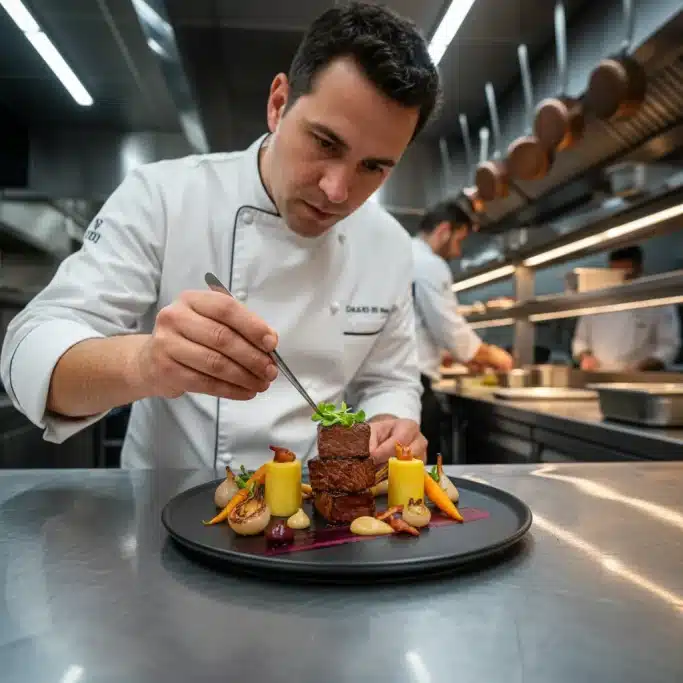
Consider his interpretation of Coq au Vin, a dish traditionally known for its rustic, hearty nature. Thorne transforms this classic into a delicate, multi-textured experience. He starts by sous-vide cooking the chicken to achieve unparalleled tenderness, then pan-sears the skin for a crisp finish. The traditional red wine reduction is clarified and reduced to an intense essence, presented as a vibrant, glossy jus. Pearl onions are caramelized individually, button mushrooms are sautéed with fresh thyme, and lardons are rendered to a perfect crisp. Each component is artfully arranged on the plate, creating a visual symphony that hints at the original while offering a completely new textural and aromatic journey. This isn’t just about plating; it’s about re-engineering the eating experience, making each bite an exploration of flavor and texture, a hallmark of reinventing classic dishes.
Thorne’s Techniques and Philosophy
Thorne emphasizes precision and ingredient quality above all else. “To truly reinvent a classic,” he states, “you must first understand its soul. What are the essential flavors? What is the intended comfort? Then, you break it down and ask, ‘How can I elevate each element using modern techniques without losing that essence?'” His kitchen is a laboratory where traditional methods like braising meet cutting-edge technologies such as molecular gastronomy and precise temperature control. He often incorporates unexpected textures, like an airy mushroom foam or a chicken skin tuile, to add layers of complexity.
Sustainability is also a key pillar of Thorne’s work. He sources his poultry from small, ethical farms in the French countryside and works closely with local foragers for wild mushrooms and herbs. This commitment not only ensures superior flavor but also aligns with the growing consumer demand for responsible dining, a trend that will undoubtedly dominate 2026. His culinary innovations are not just about taste; they are about a holistic dining experience that respects the planet and its resources, demonstrating a profound understanding of how to truly excel at reinventing classic dishes.
His menu features other iconic transformations: a Bouillabaisse served as a clear, intensely flavored broth poured tableside over perfectly cooked seafood and micro-vegetables, and a Tarte Tatin re-imagined as individual caramelized apple spheres with a delicate puff pastry crisp and a Calvados-infused crémeux. Thorne’s work is a testament to the idea that reverence for the past can be the most fertile ground for future innovation in the realm of reinventing classic dishes.
Global Fusion: Chef Anya Sharma’s Bold Approach to Italian Traditions
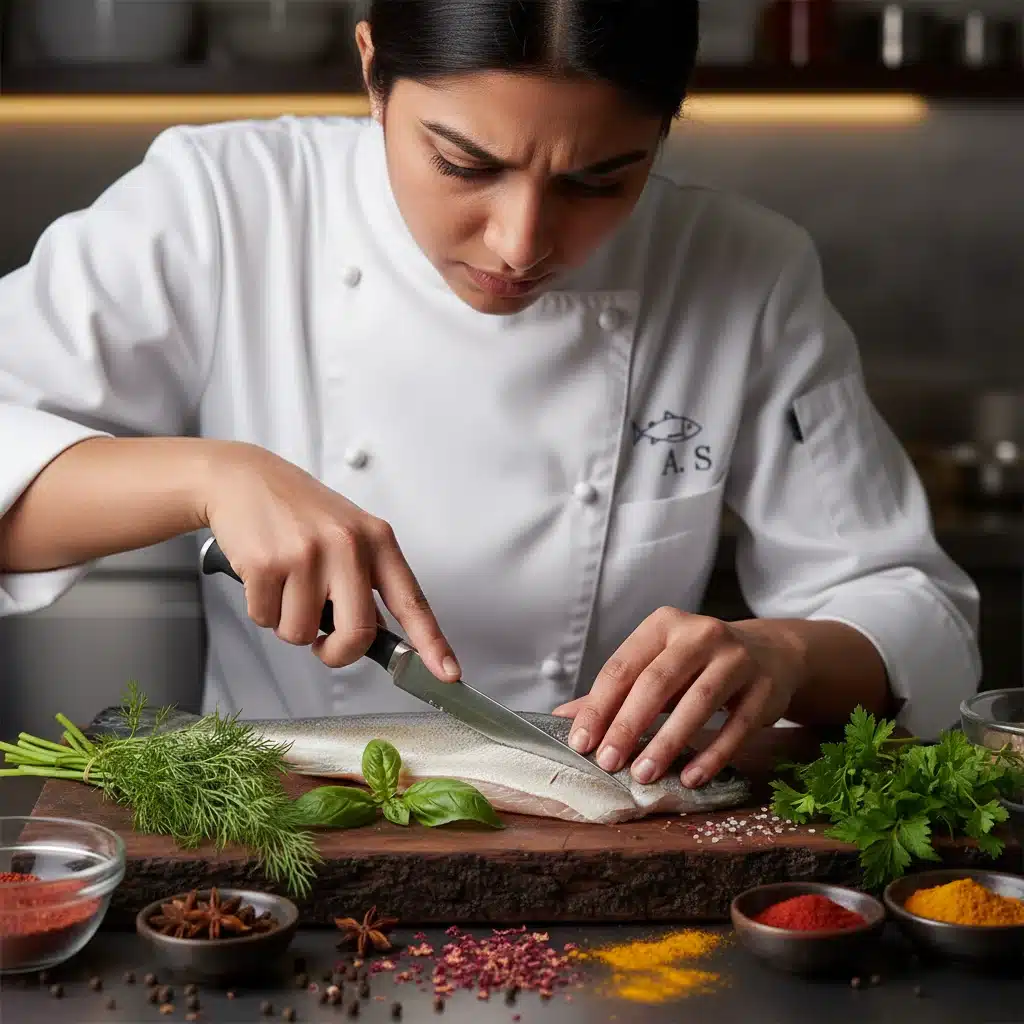
From the bustling streets of Rome to the vibrant food scene of London, Chef Anya Sharma has made a name for herself by fearlessly reinventing classic dishes, particularly those rooted in Italian culinary heritage, through a lens of global fusion. Her restaurant, ‘Terra Nova,’ is celebrated for its audacious combinations of Italian flavors with ingredients and techniques from Asia, the Middle East, and Latin America. Sharma believes that food is a universal language, and by blending dialects, she creates entirely new narratives.
A prime example of her genius is her ‘Carbonara Reimagined.’ Instead of the traditional guanciale, Sharma uses crispy, spiced lamb belly, slow-cooked and then seared to perfection, offering a richer, more complex flavor profile. The creamy sauce, while still egg-based, incorporates a touch of fermented black garlic paste for umami depth and a hint of smoked paprika for warmth. The pasta itself might be a hand-rolled orecchiette infused with saffron, or a squid ink tagliatelle, adding visual drama and subtle flavor nuances. A garnish of toasted sesame seeds and fresh coriander replaces the typical black pepper and parsley, completing a dish that is unmistakably Carbonara in spirit but undeniably global in execution. This daring fusion exemplifies her skill in reinventing classic dishes for a modern palate.
Sharma’s Cross-Cultural Culinary Journey
Sharma’s journey began with classical Italian training, but her extensive travels and passion for exploring diverse cultures ignited her desire to break free from conventional culinary boundaries. “Why limit ourselves to one tradition when the world offers an abundance of incredible flavors and textures?” she often asks. Her kitchen is a melting pot of ideas, where ingredients like miso, harissa, gochujang, and yuzu find harmonious homes alongside San Marzano tomatoes and Parmigiano-Reggiano.
Beyond flavor, Sharma is a staunch advocate for ethical sourcing and zero-waste cooking. She works directly with small producers in Italy for her cheeses and olive oils, but also partners with local urban farms for fresh produce and responsibly sourced proteins. Her commitment to using every part of an ingredient, from root to leaf, and nose to tail, is not just about sustainability; it’s about extracting maximum flavor and demonstrating respect for the food itself. This holistic approach is central to her vision of reinventing classic dishes, ensuring they are not only delicious but also responsible.
Other notable creations include her ‘Risotto Milanese with Kimchi Dust,’ a vibrant twist on the saffron-infused classic, and a ‘Tiramisu’ that incorporates matcha-soaked ladyfingers and a delicate yuzu cream. Sharma’s ability to seamlessly weave together disparate culinary traditions while maintaining the integrity and comfort of the original dish makes her a leading voice in the movement of reinventing classic dishes for a globally conscious audience. Her work promises to inspire many of the 2026 dining trends, particularly in the realm of international fusion.
Hyper-Local and Heritage-Driven: Chef Marcus Chen and American Regional Cuisine
Chef Marcus Chen, at ‘The Hearthstone’ in Austin, Texas, offers a powerful perspective on reinventing classic dishes by diving deep into regional American culinary heritage and hyper-local sourcing. Chen’s philosophy is rooted in storytelling – each dish tells a tale of its origins, its ingredients, and the hands that cultivated them. He takes seemingly simple, often overlooked American classics and elevates them through meticulous technique, unparalleled ingredient quality, and a profound respect for agricultural traditions.
His ‘Texas Chili Reimagined’ is a revelation. Eschewing beans (a controversial but traditional move for true Texas chili), Chen focuses on premium cuts of grass-fed local beef, slow-braised for hours until fork-tender. The chili base is built with a complex blend of smoked, dried chiles, toasted and ground in-house, creating layers of smoky, earthy heat. Instead of a simple bowl, he serves it with an array of refined accompaniments: a cornbread espuma, pickled red onions, a dollop of crème fraîche infused with lime zest, and crispy fried hominy. It’s a sophisticated, yet comforting, homage to a regional staple, a perfect example of reinventing classic dishes by refining their core.
Chen’s Farm-to-Table Ethos and Innovation
Chen’s restaurant operates on a true farm-to-table model, with much of his produce coming directly from his own small farm just outside Austin. This direct connection to the land gives him an intimate understanding of his ingredients and allows him to experiment with heirloom varieties and seasonal bounty that larger establishments might not access. “When you grow it yourself, you respect it more,” Chen explains. “And that respect translates into every dish. Reinventing classic dishes isn’t just about technique; it’s about the soul of the ingredients.”
He is also a fervent advocate for preserving culinary heritage, actively researching forgotten regional recipes and techniques. His menu often features dishes inspired by historical American cooking, but always with a contemporary twist. For example, his ‘Shrimp and Grits’ features stone-ground grits from a local mill, cooked to a creamy perfection, topped with Gulf shrimp sautéed with smoked paprika, and a rich, spicy ‘red eye gravy’ made with locally roasted coffee and country ham drippings. He might also add a pickled green tomato relish for a bright, acidic counterpoint, showcasing his mastery of reinventing classic dishes while honoring their roots.
Chen’s commitment extends to educating his diners about the provenance of their food, fostering a deeper appreciation for the culinary landscape of America. His work highlights how reinventing classic dishes can also be a powerful tool for cultural preservation and sustainable agriculture, setting a precedent for responsible and delicious dining in the years leading up to and beyond 2026. His influence on future dining trends, particularly in the realm of hyper-local and heritage-driven cuisine, is undeniable.
Common Threads: Sustainability, Storytelling, and Sensory Exploration
While Chefs Thorne, Sharma, and Chen each operate with distinct culinary philosophies and focus on different geographical inspirations, several common threads weave through their approaches to reinventing classic dishes. These shared principles are not only defining their success but are also shaping the broader landscape of 2026 dining trends.
Sustainability and Ethical Sourcing
A recurring theme across all three chefs is an unwavering commitment to sustainability and ethical sourcing. From Thorne’s local French farms to Sharma’s zero-waste initiatives and Chen’s hyper-local farm-to-table model, the provenance of ingredients is paramount. Diners are increasingly conscious of the environmental and social impact of their food choices, and these chefs are leading the charge by demonstrating that exceptional cuisine can also be responsible. This trend will only intensify, making sustainable practices a non-negotiable aspect of high-end dining and a core element of truly reinventing classic dishes.
Storytelling Through Food
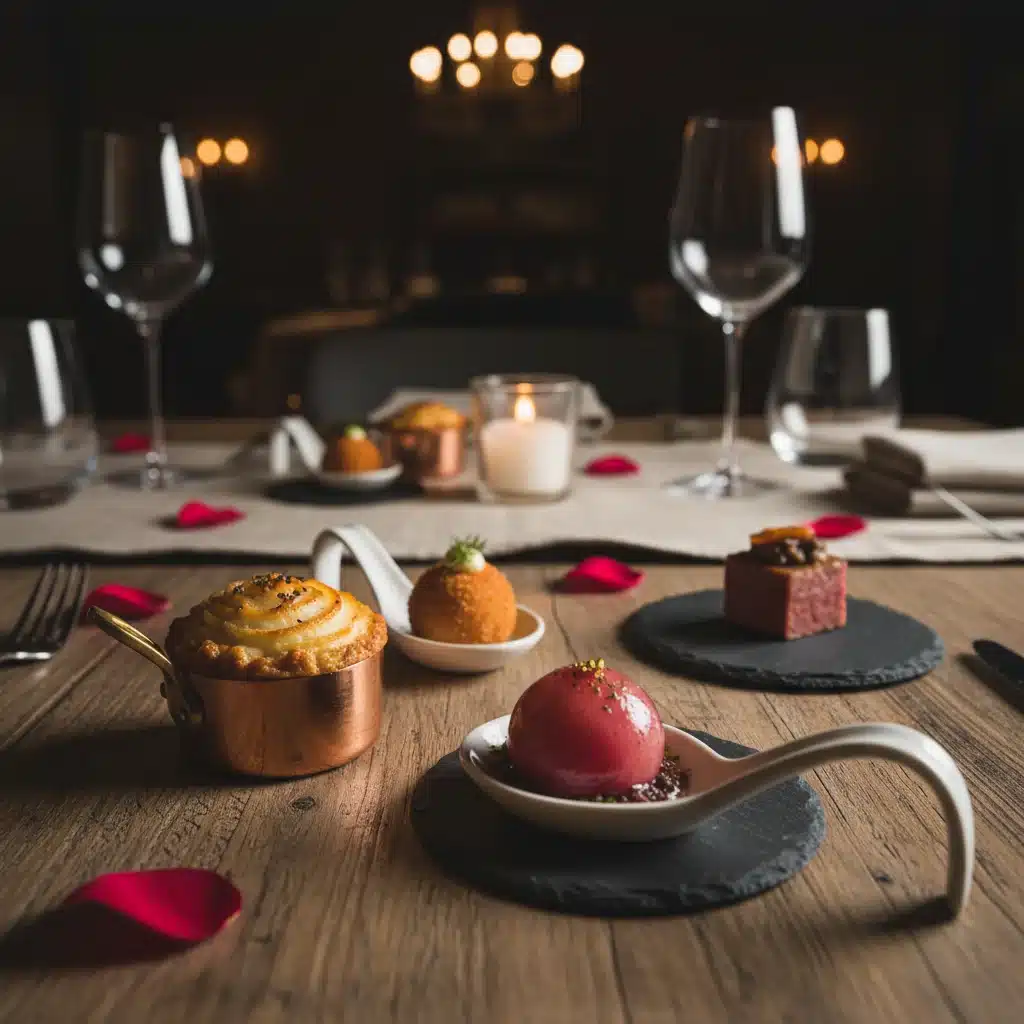
Each chef uses their dishes to tell a story – whether it’s the history of a French technique, the journey of a global spice, or the heritage of a regional American ingredient. This narrative approach adds depth and meaning to the dining experience, transforming a meal into a cultural exploration. Diners are no longer just consuming food; they are engaging with a culinary narrative, connecting with the origins and inspirations behind each plate. This emphasis on storytelling is a powerful way of reinventing classic dishes, making them more resonant and memorable.
Sensory Exploration and Innovation
Beyond taste, these chefs are masters of sensory exploration. They manipulate textures, aromas, and visual presentation to create multi-dimensional dining experiences. Deconstruction, fusion, and hyper-local refinement are all tools used to engage all the senses, offering surprises and delights with every bite. The goal is to elevate the familiar to the extraordinary, ensuring that even a classic dish feels fresh, exciting, and utterly contemporary. This relentless pursuit of sensory perfection is at the heart of their success in reinventing classic dishes.
Respect for Tradition, Embrace of Innovation
Crucially, none of these chefs discard tradition entirely. Instead, they use it as a foundation upon which to build. They understand the fundamental appeal of classic dishes – the comfort, the nostalgia, the proven flavor combinations. Their innovation lies in how they interpret and present these elements, using modern techniques and diverse influences to breathe new life into old favorites. This balance between honoring the past and embracing the future is the secret sauce to successfully reinventing classic dishes, ensuring they remain relevant and exciting for generations to come.
The Future of Main Dishes: What to Expect in 2026 and Beyond
The work of Chefs Thorne, Sharma, and Chen offers a compelling glimpse into the future of main dishes and the broader dining landscape for 2026 and beyond. We can anticipate several key trends emerging from their innovative approaches to reinventing classic dishes:
- Increased Personalization: As chefs become more adept at deconstructing and reassembling dishes, menus may offer greater flexibility for diners to customize components, catering to dietary preferences and individual tastes.
- Micro-Seasonal Menus: Building on hyper-local sourcing, restaurants will likely adopt even more dynamic, frequently changing menus that reflect the absolute peak of local ingredient availability, sometimes changing weekly or even daily.
- Technological Integration: Expect to see more sophisticated kitchen technologies, from advanced fermentation techniques to precision cooking equipment, enabling chefs to achieve unprecedented levels of flavor and texture control in their quest to reinventing classic dishes.
- Blended Cultural Experiences: Global fusion will continue to evolve, moving beyond simple ingredient swaps to more profound integrations of cooking philosophies and culinary histories from different cultures.
- Plant-Forward Innovation: While not exclusively plant-based, the principles these chefs apply to meat-centric classics will increasingly be used to elevate vegetable-focused main dishes, making them equally exciting and satisfying. The art of reinventing classic dishes will extend to plant-based versions of traditional fare.
- Experiential Dining: The act of eating will become even more theatrical and immersive, with presentation, tableside preparation, and interactive elements playing a larger role in the overall dining experience.
The culinary world is entering an exciting era where creativity knows no bounds, and the past serves as a rich source of inspiration for future innovation. These three chefs, through their masterful skill in reinventing classic dishes, are not just cooking food; they are crafting experiences, telling stories, and setting the stage for the next generation of gastronomic excellence.