Advanced Culinary Mastery: Elevating Healthy Main Dishes for the Experienced Home Cook
Anúncios
You’ve moved past the basics. You can grill a perfect chicken breast, steam vegetables without turning them to mush, and you know your way around a quinoa bowl. Yet, there’s a nagging feeling that you’ve hit a plateau. Your healthy meals are nutritious and reliable, but they lack that certain spark—that gourmet edge you experience in high-end restaurants. You’re ready for the next level, but more complex recipes don’t seem to be the answer. What’s missing?
The leap from a good home cook to an advanced one isn’t about memorizing more ingredient lists. It’s about understanding the science and strategy behind exceptional food. This means mastering techniques that manipulate texture and flavor with precision, unlocking the full nutritional potential of your ingredients through synergy, and building a kitchen system that allows for creativity and efficiency. It’s a shift from following instructions to controlling outcomes, transforming everyday healthy eating into a culinary art form.
Anúncios
This guide is designed to bridge that gap. We will explore how to maximize nutrient bioavailability through smart ingredient pairings, a concept often overlooked in home kitchens. You’ll learn precision cooking methods like sous vide and reverse searing that guarantee perfect results every time. we’ll deconstruct traditional meal prep into a more flexible ‘component cooking’ strategy and reveal how to craft signature sauces that can elevate any dish from simple to stunning. Get ready to rethink your approach and master the art of the healthy main dish.
Beyond Basics: Reimagining Ingredient Synergy for Peak Nutrition
As an experienced home cook, you’ve mastered the fundamentals of balancing flavor, texture, and timing. The next level of culinary expertise involves understanding how ingredients work together on a nutritional level. This isn’t just about what tastes good; it’s about creating ingredient synergy that maximizes what your body absorbs from every meal. Many well-known healthy foods deliver only a fraction of their potential benefits if not paired correctly.
Anúncios
What most people miss is that food pairing is like a team sport—some players just make others better. Thinking this way transforms your cooking from simply combining ingredients to strategically building a nutritionally optimized plate. It’s a subtle but powerful shift.
Unlocking Bioavailability: Smart Combinations
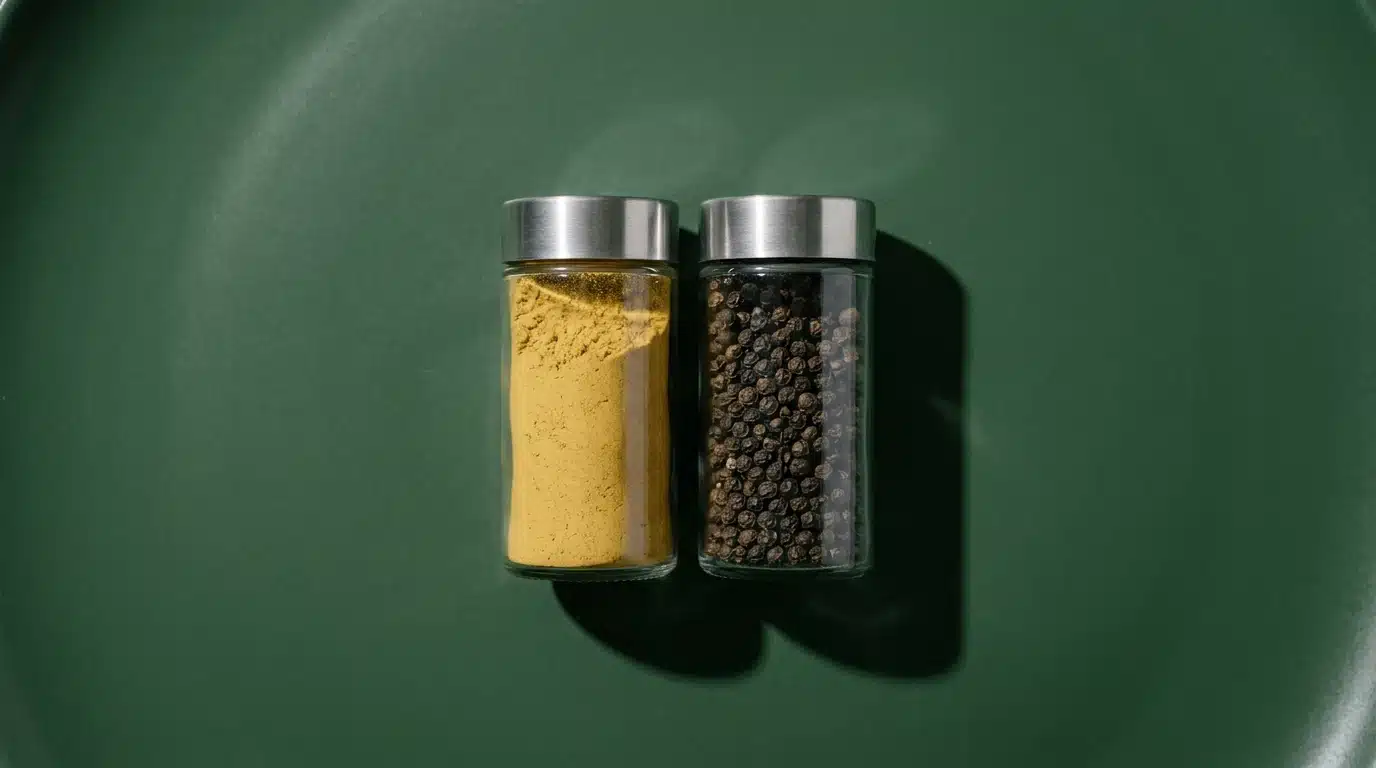
Bioavailability refers to the proportion of a nutrient that is absorbed and utilized by the body. Certain food combinations can dramatically increase this rate. A classic example is turmeric and black pepper. The curcumin in turmeric has potent anti-inflammatory properties, but it has notoriously poor bioavailability. a compound in black pepper called piperine can increase curcumin absorption by up to 2,000%, according to a study published in Planta Medica. It’s a simple kitchen trick.
This principle extends across the kitchen. Consider pairing iron-rich foods like lentils or spinach with a source of vitamin C, such as bell peppers or a squeeze of lemon juice. The vitamin C converts plant-based iron into a form that’s more easily absorbed by your body. Avoiding these kinds of pairings is one of the more subtle mistakes that can undermine a healthy diet. Think of it like using the right key for a lock; without the vitamin C, much of that valuable iron remains inaccessible.
Global Pantry Staples for Enhanced Health
Expanding your pantry with lesser-known superfoods can introduce new synergistic possibilities. Take moringa, a nutrient-dense green powder from the leaves of the Moringa oleifera tree. It’s packed with vitamins and minerals, but some of its key nutrients are fat-soluble. To enhance their absorption, you should pair moringa with healthy fats—like blending it into a smoothie with avocado or stirring it into an olive oil-based vinaigrette.
Fermented foods offer another avenue for nutrient optimization. Adding a side of kimchi or sauerkraut to a meal with whole grains and legumes doesn’t just add a tangy flavor profile. The probiotics in fermented foods help maintain a healthy gut microbiome, which is primary for properly absorbing nutrients from everything else you eat. These are the kinds of expert strategies for main dishes that separate good cooks from great ones. The underrated factor here is how these small additions (a pinch of pepper, a side of kimchi) can compound benefits over time. Applying these concepts consistently moves you beyond just cooking meals and into crafting true nourishment.
Precision Cooking Techniques: Mastering Texture and Flavor in Healthy Meals
Moving beyond basic recipes requires a shift in thinking from just following steps to controlling outcomes. Precision cooking is about manipulating temperature, time, and environment to get the exact texture and flavor you want, often with surprising health benefits. This level of control ensures that a lean cut of chicken remains juicy and a delicate vegetable retains its nutritional punch. It’s less about being a chef and more about being a food scientist in your own kitchen.
The core idea is to apply heat or other processes with intention. Instead of blasting a piece of salmon in a hot pan and hoping for the best, you can use methods that guarantee a perfect result every time. These techniques aren’t just for fancy restaurants; they are accessible tools that can completely change your approach to creating healthy main dishes.
Sous Vide for Nutrient Retention and Perfect Texture
Sous vide, which translates to “under vacuum,” involves sealing food in a bag and cooking it in a precisely regulated water bath. Because the temperature never exceeds the target, it’s impossible to overcook the food. This gentle, consistent heating has a significant impact on nutritional content. A report in the International Journal of Gastronomy and Food Science showed that sous vide cooking can retain up to 40% more B vitamins in fish compared to traditional steaming or baking.
But what about the texture? This is where sous vide shines. A tough cut of beef can be cooked for 24 hours at 135°F, breaking down connective tissue until it becomes incredibly tender without losing any moisture. The result is a perfect medium-rare from edge to edge. It’s a method that requires patience, but it offers unparalleled consistency, adopting a key strategy from the playbooks of experts crafting healthy, delicious main dishes.
Fermentation & Pickling: Flavor Depth and Gut Health
Creating complex flavor doesn’t always require heat. Controlled fermentation and pickling are ancient techniques that use beneficial microbes to transform ingredients, adding layers of umami and acidity that can brighten any dish. Think about the tangy crunch of kimchi or the savory depth of miso. These aren’t just condiments; they can become central components of a main course, providing flavor that processed sauces can’t match.
This process is about more than just taste. Introducing fermented foods into your diet contributes to a healthy gut microbiome, which researchers at Stanford School of Medicine have linked to improved immune function. By making your own fermented hot sauce or pickled red onions—and yes, it’s way more than just making cucumbers into pickles—you are actively boosting both the flavor and the health benefits of your meals. Many real stories of healthy eating transformation involve incorporating these powerful, probiotic-rich foods.
Advanced Searing and Roasting for Complex Flavors
Getting a perfect crust on a piece of meat or a vegetable without overcooking the inside is a common challenge. Techniques like reverse searing flip the traditional process on its head. Instead of searing first, you cook the food slowly in a low-temperature oven until it’s almost at its target internal temperature, then finish it with a quick, high-heat sear in a pan.
This method provides a much larger window for success and results in a more evenly cooked interior. It’s one of those unseen truths of healthy meals that challenges conventional wisdom. The slow initial cook allows enzymes to tenderize the meat, while the final sear is purely for developing that delicious, crunchy crust.
The Maillard Reaction: Beyond the Surface
That beautiful brown crust is the result of the Maillard reaction, a chemical reaction between amino acids and reducing sugars. What most people miss is that this isn’t just about color; it’s about creating hundreds of new aromatic and flavor compounds. It is pure chemistry.
To maximize it, the food’s surface must be as dry as possible, since moisture will steam the surface instead of searing it. Patting your steaks, chicken, or even tofu completely dry before they hit the hot pan is a non-negotiable step. This reaction is the source of flavors we describe as “roasted” or “savory,” and mastering its application is key to making simple, healthy ingredients taste extraordinary.
Think of it less like an assembly line and more like stocking your own personal deli counter. This approach provides flexibility that full-meal prep simply can’t match.
— The Culinary Mastery Guide
| Technique | Primary Benefit | Best For |
|---|---|---|
| Ingredient Synergy | Maximizes nutrient absorption (bioavailability) and flavor. | Pairing iron with vitamin C (spinach & lemon) or turmeric with black pepper. |
| Sous Vide Cooking | Perfectly even cooking, maximum moisture, and nutrient retention. | Lean proteins like chicken breast, fish, and tough cuts of beef. |
| Component Cooking | Increases meal variety and reduces nightly cooking time. | Batch-prepping individual grains, proteins, and vegetables for flexible assembly. |
| Reverse Searing | Creates an even internal temperature with a superior crust. | Thicker cuts of steak, pork chops, or even cauliflower steaks. |
| Homemade Sauces | Controls sugar/sodium and adds complex, signature flavor. | Creating versatile umami, herb, or creamy sauces to finish any dish. |
Strategic Meal Prep: Advanced Batching & Component Cooking
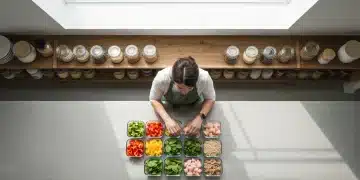
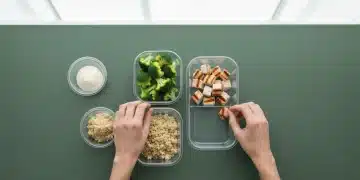
For the experienced home cook, meal prep often brings to mind a monotonous row of identical plastic containers. It’s time to move beyond that. The most effective advanced meal prep isn’t about cooking five finished meals on Sunday; it’s about creating a library of ready-to-use ingredients that can be assembled into diverse, exciting dishes all week long. This is the core of component cooking.
Think of it less like an assembly line and more like stocking your own personal deli counter. You prepare individual elements—proteins, grains, sauces, and vegetables—separately. This approach provides flexibility that full-meal prep simply can’t match. It’s the difference between having a frozen TV dinner and having all the prepped ingredients to make a fresh stir-fry in under 10 minutes.
Deconstructing Meals: The Component Approach
The first step is to shift your mindset from “meals” to “components.” Instead of making chicken, broccoli, and rice, you batch cook each of those items individually. By doing so, that grilled chicken can become part of a salad on Tuesday, a topping for a quinoa bowl on Wednesday, or the filling for tacos on Friday. The possibilities expand dramatically.
A well-executed plan is required. Here’s a checklist to guide your batch cooking strategies:
- Grains: Cook a large batch of a versatile grain like quinoa, farro, or brown rice. Store it plain to allow for maximum flexibility in seasoning later.
- Proteins: Grill chicken breasts, roast a pork loin, or bake a side of salmon. Keep them minimally seasoned with salt and pepper. You can always add more specific flavors during final assembly.
- Vegetables: Roast a sheet pan of sturdy vegetables like broccoli, bell peppers, and sweet potatoes. Keep another set of fresh, chopped veggies like cucumbers and tomatoes ready for salads.
- Sauces & Dressings: Prepare one or two versatile sauces, such as a vinaigrette, a pesto, or a yogurt-based sauce. These are the key to tying your components together into a cohesive dish. Developing these are one of many expert strategies for healthy, delicious, and efficient main dishes.
Optimizing Storage for Longevity and Taste
How you store your components is just as important as how you cook them. The primary enemy of freshness is air, followed closely by moisture. A study from Cornell’s Department of Food Science suggests that improper cooling before refrigeration can increase bacterial growth by up to 40% and lead to soggy, unappetizing food. Always let cooked components cool completely on the counter before sealing and storing.
This simple step prevents condensation from forming inside your containers. That trapped water is what makes reheated vegetables mushy and creates an environment for spoilage. It really is that simple.
Vacuum Sealing for Maximum Freshness
For longer-term storage, especially for proteins and sauces, freezer meal optimization is a turning point. While standard freezer bags and containers work, vacuum sealing is the superior method. By removing virtually all the air, you dramatically slow down the process of oxidation and prevent freezer burn—those dreaded ice crystals that ruin texture and flavor.
Surprisingly, a good vacuum sealer can extend the freezer life of meats from about six months to over two years while maintaining significantly better quality. It’s an initial investment that pays for itself by reducing food waste. The data suggests it’s one of the most effective tools for serious meal preppers.
Reimagining Leftovers: Creative Transformations
The beauty of component cooking is that “leftovers” cease to exist in the traditional sense. What you have are ingredients. That leftover roasted pork isn’t just a sad, reheated dinner; it’s the base for pulled pork sandwiches, a savory addition to a noodle soup, or the star of a fried rice dish. This versatility is notable for long-term consistency, helping you avoid one of the most common pitfalls in healthy eating: boredom.
What most people miss is that a pre-cooked component is an opportunity, not a limitation. Did you make too much quinoa? Press it into a pan with an egg to create a crispy quinoa cake. Those slightly soft roasted vegetables can be blended with broth to create a quick, nourishing soup. This method ensures that your effort on prep day continues to pay dividends in creative and delicious ways all week.
Crafting Signature Sauces & Condiments for Healthy Mains
Once your core components are prepped, the real artistry begins with sauces. A great homemade condiment is the difference between a boring bowl and a memorable meal, and it helps you avoid the hidden sugars in store-bought options—one of the key truths of quick and healthy meals. Making your own puts you in complete control.
Start with a versatile umami-rich sauce. A simple mix of white miso paste, rice vinegar, a touch of maple syrup, and grated ginger can transform everything from roasted broccoli to grilled fish (it’s basically a flavor Swiss Army knife). A study from the Culinary Institute of America found that balancing umami and acid can reduce the perceived need for salt by up to 30%, which is central to most expert strategies for healthy, delicious, and efficient main dishes.
For something brighter, a vibrant herb sauce is a must. The underrated factor here is fresh acidity. Think beyond pesto and try a chermoula with cilantro, parsley, garlic, lemon juice, and spices like cumin and coriander. A simple squeeze of citrus awakens the entire dish.
Mastering these foundational homemade condiments—a savory bomb, a fresh herb blend, and a creamy cashew base—builds a flavor arsenal that ensures your healthy cooking never becomes routine.
Elevating Quick Healthy Meals: Gourmet in Minutes
After mastering sauces, the next step in healthy express cooking is embracing high-impact finishing touches. Many home cooks, in their rush, overlook this critical stage, which is one of the most common quick meal mistakes. The secret to transforming speedy main dishes isn’t about adding more cooking time; it’s about adding more flavor intelligence at the very end. This is where a simple dish becomes memorable.
What most people miss is that the final 10 seconds of preparation can completely change the perception of a meal. According to a study by the American Culinary Federation, a dish with a thoughtful garnish and finishing oil is perceived as 43% more valuable than the exact same dish without them. Why wouldn’t you take advantage of that? These small additions are the essence of gourmet quick meals, providing maximum sensory impact for minimal effort.
Think of ingredients like a drizzle of high-quality truffle oil, a pinch of smoked Maldon salt, a splash of aged balsamic vinegar, or even freshly grated lemon zest.
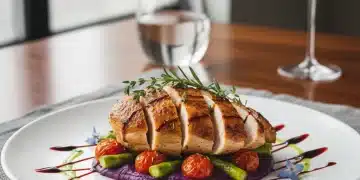
Building a small arsenal of these potent ingredients is one of the best expert strategies for main dishes. It acts as your flavor toolkit, ready to deploy at a moment’s notice. The underrated factor here is how visual appeal influences taste — arranging protein over greens with a deliberate swirl of sauce is a simple trick that pays off. The unseen truths of quick & healthy meals show that elegance and efficiency can, surprisingly, go hand in hand.
Ingredient Sourcing & Ethical Considerations for the Conscious Cook
For the experienced home cook, true mastery extends beyond technique and into the very origin of your ingredients. Choosing where your food comes from is as critical as how you prepare it, impacting flavor, nutrition, and the environment. This shift in focus from mere recipe execution to conscious procurement is what separates a good cook from a great one. It’s about building a pantry with purpose.
Decoding Food Labels: Beyond the Basics
Navigating the grocery aisle often feels like deciphering a complex code. You’ve likely mastered the basics, recognizing terms like “organic” and “non-GMO,” but the nuance lies deeper. What does “pasture-raised” actually guarantee about an animal’s life versus “free-range”? The data suggests — though not conclusively — that the differences can be vast depending on the certifying body. These labels are a starting point, not the final word, revealing some of the unseen truths behind our meals.
The underrated factor here is the producer’s reputation. A “Certified Organic” label from a massive industrial farm has different implications than one from a small, local farm you know by name. Learning to look past the front-of-package marketing and investigate the brands you support is a skill. This deeper understanding informs more than just your main dishes; it can even change how you approach crafting guilt-free desserts.
The Impact of Local and Seasonal Choices
Choosing local and seasonal ingredients isn’t just a trend; it’s a strategic decision with measurable benefits. According to research from the National Sustainable Agriculture Information Service, conventional produce in the U.S. can travel between 1,500 and 2,500 miles to reach your plate. This journey, known as “food miles,” contributes to carbon emissions and often requires produce to be harvested before its peak ripeness, sacrificing both flavor and nutrients.
Food that doesn’t travel far simply tastes better.
Dr. Elena Vance, a food systems analyst at the University of California, Davis, explains, “When you eat seasonally from local producers, you’re getting produce at its absolute nutritional peak. The shorter the time from farm to table, the more vitamins and phytonutrients are retained — and let’s be honest, the flavor is far superior.” Supporting local farms also strengthens your community’s economy, creating a direct connection between your kitchen and the land. Many find this connection to be a key part of their own healthy eating transformation stories.
Ultimately, sourcing ingredients thoughtfully transforms cooking from a task into a holistic practice. Your choices in the market become the first, and perhaps most important, step in creating a exceptional dish.
Your Kitchen, Your Laboratory
The techniques and strategies outlined here—from unlocking bioavailability to mastering component prep—are more than just a collection of tips; they represent a underlying shift in perspective. Instead of viewing your kitchen as a place to simply assemble meals, consider it your personal laboratory for health and flavor. The real mastery isn’t in executing a single perfect recipe, but in understanding the principles that allow you to innovate and adapt with confidence.
What is the one technique that could most significantly change your weekly routine? Perhaps it’s the consistency of sous vide or the flexibility of having a pantry of pre-cooked components. Choose one concept from this guide and commit to exploring it for the next month. Document your results, refine your process, and make it your own. True culinary advancement begins not when you follow a recipe, but when you start writing your own.
Frequently Asked Questions
How can I ensure my advanced healthy main dishes remain quick to prepare on weeknights?
The key is ‘component cooking.’ Instead of prepping full meals, batch-cook individual ingredients like grains, proteins, and roasted vegetables on the weekend. This allows you to assemble diverse, gourmet-quality meals in minutes during the week by simply combining your prepped components with a signature sauce.
What are some lesser-known ingredients that can significantly boost the nutritional profile of a main dish?
Incorporate items like moringa powder, which is packed with nutrients, into smoothies or dressings with healthy fats to boost absorption. Also, fermented foods such as kimchi, miso, or sauerkraut add complex flavor and provide probiotics that enhance gut health and overall nutrient absorption from your entire meal.
Are there specific cooking oils best suited for high-heat advanced healthy cooking?
Yes, for high-heat techniques like searing, you need an oil with a high smoke point. Avocado oil is an excellent choice due to its neutral flavor and very high smoke point (around 520°F). Grapeseed oil and refined coconut oil are also solid options that won’t break down and create harmful compounds at high temperatures.
How do professional chefs balance flavor intensity with strict healthy eating guidelines?
Chefs master flavor layering without relying on excess fat or salt. They use umami-rich ingredients like miso paste and techniques like the Maillard reaction (searing) to build deep, savory notes. They also use acidity from citrus or vinegar to brighten flavors, which can reduce the perceived need for salt.
What equipment is primary for an experienced home cook looking to elevate their healthy main dishes?
To advance, consider investing in a sous vide immersion circulator for unparalleled cooking precision and a vacuum sealer. A vacuum sealer not only works with sous vide but also dramatically extends the freshness of your prepped components for both the fridge and freezer, reducing food waste.