The Ultimate 2026 Guide to Batch Cooking Main Dishes: Save Up To 4 Hours Each Week with These 3 Strategies
Anúncios
The Ultimate 2026 Guide to Batch Cooking Main Dishes: Save Up To 4 Hours Each Week with These 3 Strategies
In our increasingly fast-paced world, finding time for healthy, home-cooked meals can feel like an Olympic sport. Between work, family, and personal commitments, the thought of cooking dinner from scratch every night often leads to relying on takeout or less-than-nutritious options. But what if there was a way to reclaim your evenings, reduce stress, and ensure delicious, wholesome main dishes are always within reach? Enter batch cooking main dishes – a culinary superpower that allows you to prepare large quantities of food in advance, saving you precious time and effort throughout the week.
Anúncios
This comprehensive 2026 guide is designed to transform your kitchen routine. We’ll dive deep into the world of batch cooking, exploring not just what it is, but why it’s an indispensable skill for modern living. More importantly, we’ll unveil three powerful batch cooking strategies that will help you save up to 4 hours each week, reduce food waste, and empower you to eat better, live smarter, and stress less. Whether you’re a seasoned meal prepper or a complete novice, these strategies are tailored to fit various lifestyles and culinary preferences.
Imagine coming home after a long day, knowing that a flavorful, nutritious dinner is just minutes away from being on the table. No more frantic chopping, no more last-minute grocery runs, and significantly fewer dirty dishes each night. This isn’t a pipe dream; it’s the reality that batch cooking can create for you. Let’s embark on this culinary journey together and discover how to master the art of preparing main dishes in bulk.
Anúncios
Why Batch Cooking Main Dishes is Your 2026 Game Changer
Before we delve into the ‘how,’ let’s solidify the ‘why.’ Understanding the profound benefits of batch cooking main dishes will motivate you to embrace this practice wholeheartedly. It’s more than just cooking; it’s a lifestyle upgrade.
Time Savings: Reclaim Your Evenings
This is arguably the most compelling reason for many. Think about the cumulative time spent cooking dinner every night. Even if each meal takes just 30-45 minutes, that’s 3.5 to 5.25 hours per week dedicated solely to dinner preparation. By consolidating your cooking efforts into one or two dedicated sessions – typically on a weekend – you can drastically reduce daily cooking time. Instead of daily chopping, sautéing, and cleaning, you do it once, enjoying the fruits of your labor for days. Our goal with these batch cooking strategies is to help you save up to 4 hours each week, giving you more time for hobbies, family, or simply relaxing.
Financial Savings: Smart Eating on a Budget
When you plan your meals and buy ingredients in bulk, you often get better prices. Impulse purchases and last-minute takeout orders, which can quickly drain your wallet, become a thing of the past. By knowing exactly what you’ll be eating, you can create a precise grocery list, sticking to your budget and avoiding unnecessary expenses. This proactive approach to meal planning and batch cooking main dishes means fewer trips to the store and a healthier bank account.
Reduced Food Waste: A Sustainable Kitchen
Food waste is a significant global issue, and it often starts in our own kitchens. When you batch cook, you’re more likely to use up all your purchased ingredients. You buy with a plan, cook with a purpose, and store with efficiency. This minimizes forgotten vegetables wilting in the fridge or half-used ingredients going bad before you get a chance to use them. Every bit of food you prepare is earmarked for a specific meal, contributing to a more sustainable household.
Healthier Eating Habits: Fueling Your Body Right
When hunger strikes and you haven’t planned, unhealthy choices are often the easiest. Batch cooking eliminates this dilemma. With healthy, home-cooked main dishes ready to heat and eat, you’re less likely to reach for processed foods or order unhealthy takeout. You have full control over the ingredients, allowing you to prioritize fresh produce, lean proteins, and whole grains, tailored to your dietary needs and preferences. This makes achieving your health goals significantly easier.
Stress Reduction: Peace of Mind
The daily question of ‘what’s for dinner?’ can be a source of significant stress. Batch cooking removes this mental burden. Knowing that nourishing meals are prepped and ready provides a sense of calm and control. It frees up mental energy that can be directed towards other aspects of your life, making your evenings more enjoyable and less chaotic. This peace of mind is invaluable.
Essential Foundations for Successful Batch Cooking Main Dishes
Before diving into the specific batch cooking strategies, let’s lay down some foundational principles that will ensure your success. These are the non-negotiables for efficient and enjoyable bulk cooking.
1. Plan, Plan, Plan: Your Blueprint for Success
Effective planning is the cornerstone of successful batch cooking. This involves:
- Meal Selection: Choose recipes that are suitable for batch cooking. Think about dishes that reheat well or can be easily assembled from pre-cooked components. Variety is key to avoid meal fatigue.
- Ingredient List: Once you have your recipes, create a detailed grocery list. Group similar items together (e.g., produce, dairy, pantry staples) to make your shopping trip efficient.
- Equipment Check: Ensure you have the necessary containers (airtight, freezer-safe), cooking tools (large pots, sheet pans), and appliances (slow cooker, instant pot) ready.
- Schedule Your Cook Day: Designate a specific time – often a weekend afternoon – for your batch cooking session. Treat it like an important appointment.
2. Invest in Quality Storage Solutions
The right storage is crucial for keeping your batch-cooked main dishes fresh and safe. Look for:
- Airtight Containers: Glass containers are excellent as they are microwave and oven-safe, and don’t absorb odors. BPA-free plastic containers are also good, but ensure they are durable.
- Freezer-Safe Options: If you plan to freeze meals, ensure your containers or bags are specifically designed for freezing to prevent freezer burn. Vacuum sealers can be a game-changer for long-term storage.
- Portion Control: Having containers of various sizes allows for easy portioning, which is great for individual meals or family dinners.
3. Master Basic Knife Skills and Efficiency
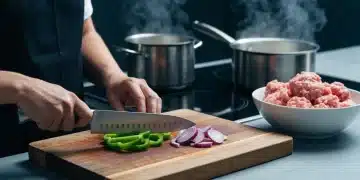
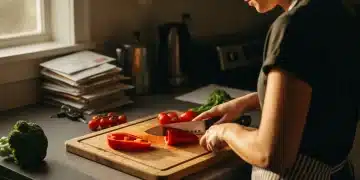
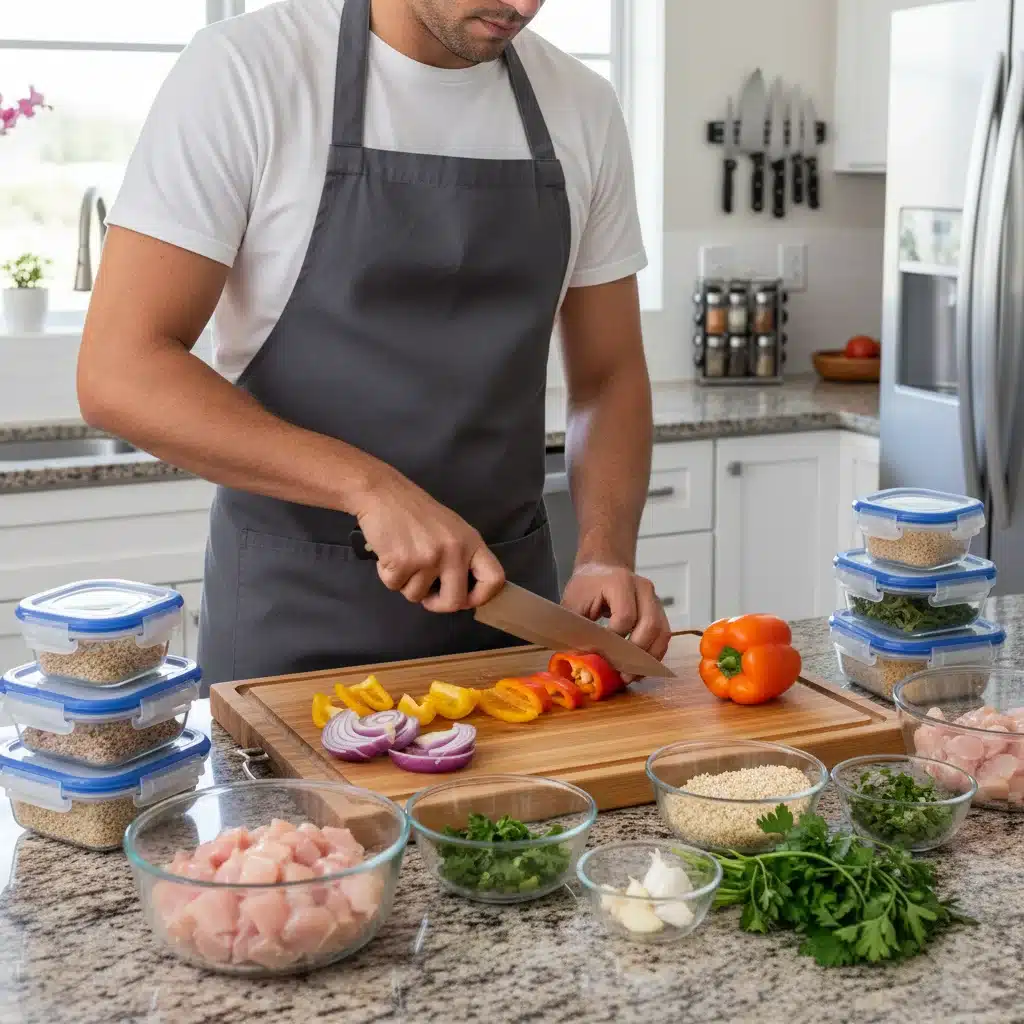
A significant portion of batch cooking time is spent on prep work, especially chopping vegetables. Investing a little time in improving your knife skills can dramatically speed up this process. Learning efficient cutting techniques and mise en place (everything in its place) will make your batch cooking sessions smoother and more enjoyable.
Strategy 1: The ‘Component Cooking’ Approach – Building Blocks for Variety
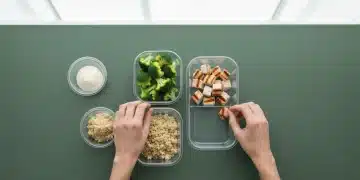
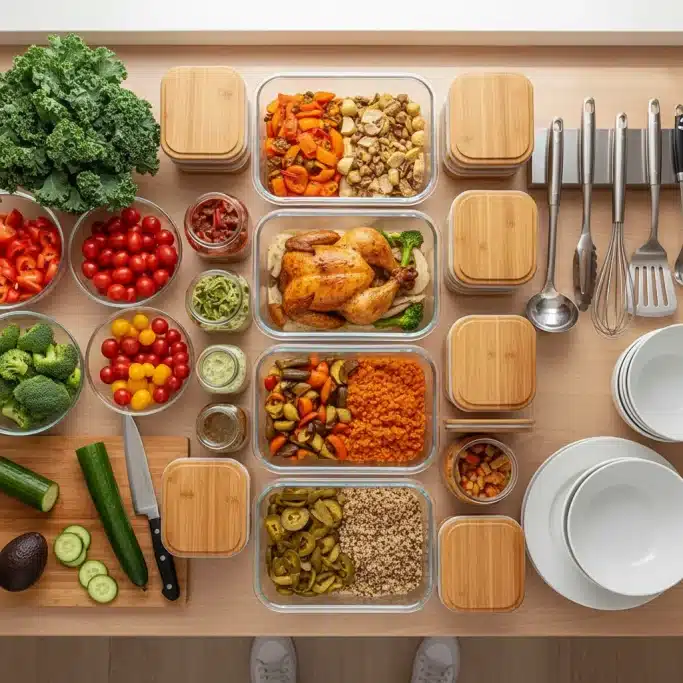
This strategy is perfect for those who crave variety and flexibility. Instead of cooking entire main dishes, you focus on preparing individual components that can be mixed and matched throughout the week. This is an excellent approach for flexible batch cooking main dishes.
How it Works:
On your designated cook day, prepare large quantities of:
- Proteins: Cooked chicken breast (shredded or diced), ground beef/turkey, roasted chickpeas, hard-boiled eggs, baked tofu/tempeh.
- Grains: Quinoa, brown rice, farro, couscous.
- Roasted Vegetables: Broccoli, bell peppers, sweet potatoes, Brussels sprouts, carrots.
- Sauces/Dressings: Homemade vinaigrettes, pestos, marinades, or simple tomato sauces.
Example Weekly Menu Using Component Cooking:
- Monday: Quinoa bowl with roasted chicken, bell peppers, and a drizzle of homemade lemon-tahini dressing.
- Tuesday: Tacos with seasoned ground beef, shredded lettuce (prepped), and a quick salsa.
- Wednesday: Salad with mixed greens, hard-boiled eggs, roasted chickpeas, and a balsamic vinaigrette.
- Thursday: Stir-fry with pre-cooked chicken, roasted broccoli, and a quick soy-ginger sauce (pre-mixed).
- Friday: Pasta with pre-cooked ground turkey and a simple tomato sauce.
Benefits of Component Cooking:
- Maximum Variety: Prevents meal fatigue, as you can create different flavor profiles daily.
- Flexibility: Easily adapt to cravings or unexpected changes in plans.
- Reduced Daily Effort: Assembly takes minutes, not hours.
- Ideal for Diverse Tastes: Great for families where everyone has different preferences.
Tips for Success with Component Cooking:
- Season Simply: Cook components with basic seasonings so they can be adapted to various cuisines.
- Keep it Dry: Store components separately to prevent sogginess. Dressings and sauces should be added just before serving.
- Label Everything: Clearly label containers with contents and the date they were prepared.
Strategy 2: The ‘Cook-Once, Eat-Thrice’ Method – Repurposing for Simplicity
This strategy focuses on cooking one large main dish that can be transformed into two or more distinct meals throughout the week. It’s a fantastic way to enjoy the benefits of batch cooking without feeling like you’re eating the same thing repeatedly. This method is particularly effective for maximizing your effort when preparing batch cooking main dishes.
How it Works:
Choose a versatile main dish that can be easily reimagined. Prepare a large batch of it, then plan how you’ll use it in different ways.
Example Weekly Menu Using Cook-Once, Eat-Thrice:
Let’s take a large batch of slow-cooked pulled pork or shredded chicken:
- Initial Cook: Prepare a large pot of pulled pork/shredded chicken with a versatile seasoning (e.g., smoky paprika, garlic, onion powder).
- Meal 1 (Monday): Pulled pork/chicken sandwiches with coleslaw.
- Meal 2 (Wednesday): Pulled pork/chicken tacos or burritos with avocado and salsa.
- Meal 3 (Friday): Pulled pork/chicken over rice with a quick BBQ sauce or in a quesadilla.
Other ideas:
- Roasted Chicken: Enjoy as a roast dinner, then use leftovers for chicken salad sandwiches, chicken and vegetable soup, or chicken quesadillas.
- Chili or Lentil Soup: Serve as a standalone meal, then use leftovers as a topping for baked potatoes or nachos.
- Ground Meat: Cook a large batch of seasoned ground beef. Use for tacos, then as a base for shepherd’s pie, or mixed into a pasta sauce.
Benefits of Cook-Once, Eat-Thrice:
- Simplicity: Less decision-making and fewer recipes to manage on cook day.
- Reduced Cooking Time: Focuses on one main cooking effort.
- Less Waste: Ensures a large batch of food is fully utilized.
- Great for Beginners: An easy entry point into batch cooking.
Tips for Success with Cook-Once, Eat-Thrice:
- Choose Versatile Recipes: Opt for dishes that can easily be adapted with different spices, sauces, or accompaniments.
- Portion Strategically: Divide the initial batch into portions for each planned meal before storing.
- Add Fresh Elements: Introduce fresh herbs, sauces, or vegetables to each iteration to keep it exciting.
Strategy 3: The ‘Freezer-Friendly Feast’ – Long-Term Savings and Convenience
This strategy is for those who want to be truly ahead of the game, preparing entire main dishes that can be frozen and enjoyed weeks or even months later. It’s a fantastic way to stock your freezer with homemade goodness, ensuring you always have a backup plan for busy days. This is the ultimate form of long-term batch cooking main dishes.
How it Works:
Dedicate a cooking session to preparing several portions of freezer-friendly main dishes. These are typically casseroles, stews, soups, curries, or baked pasta dishes that freeze and reheat beautifully.
Example Freezer-Friendly Dishes:
- Lasagna or Baked Ziti
- Chili or Beef Stew
- Chicken Pot Pie filling
- Curries (e.g., lentil, chicken, chickpea)
- Meatloaf
- Enchiladas
- Shepherd’s Pie
- Breakfast burritos (great for main meals too!)
Benefits of Freezer-Friendly Feasts:
- Ultimate Convenience: “Future you” will thank “past you” for having a delicious, ready-made meal.
- Emergency Meals: Perfect for unexpected busy nights, illness, or when you just don’t feel like cooking.
- Bulk Savings: Often allows for buying ingredients in larger, more economical quantities.
- Variety Over Time: You can freeze several different dishes, offering a diverse menu over weeks.
Tips for Success with Freezer-Friendly Feasts:
- Cool Completely: Always allow food to cool completely before freezing to prevent ice crystals and maintain texture.
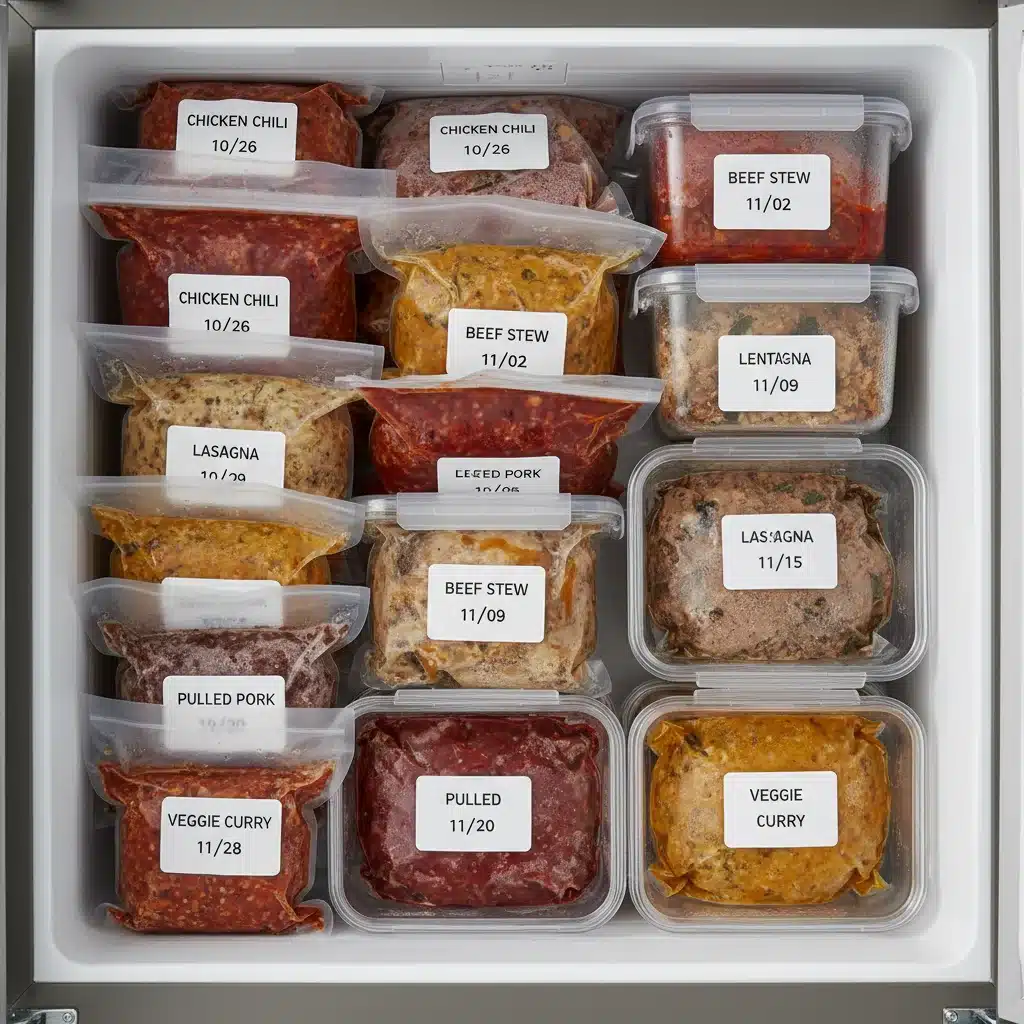
- Use Freezer-Safe Containers/Bags: Prevent freezer burn by using appropriate airtight containers or heavy-duty freezer bags. Remove as much air as possible.
- Label Meticulously: Include the dish name, date prepared, and reheating instructions.
- Thawing & Reheating: Most dishes are best thawed in the refrigerator overnight before reheating. Reheat thoroughly until piping hot.
Advanced Tips & Tricks for Mastering Batch Cooking Main Dishes
Once you’ve got the hang of the basic strategies, here are some ways to elevate your batch cooking game even further:
1. Theme Your Cook Day
Instead of randomly selecting recipes, theme your batch cooking session. For example, “Mediterranean Monday” where you prep ingredients for Greek salads, chicken souvlaki, and hummus bowls. Or “Mexican Fiesta” focusing on taco meat, salsa, and black beans. This streamlines ingredient lists and cooking processes.
2. Utilize Your Appliances
Your slow cooker, Instant Pot, and oven are your best friends for batch cooking main dishes. Use them simultaneously to maximize efficiency. While one dish slow cooks, another can roast in the oven, and a third can be pressure cooked.
3. Don’t Forget Breakfasts and Lunches
While our focus is on main dishes, extend your batch cooking efforts to other meals. Prepare overnight oats, egg muffins, or breakfast burritos. For lunches, pre-assemble salads in jars or portion out leftovers from your main dish batch cooking.
4. Double Recipes & Freeze
When you’re cooking a meal during the week that you know freezes well, simply double the recipe and freeze half. It’s a quick way to build up a freezer stash without a dedicated batch cooking session.
5. Involve the Family
Make batch cooking a family affair! Even young children can help with simple tasks like washing vegetables or stirring. This teaches them valuable life skills and makes the process more enjoyable.
6. Keep a “Master List” of Favorite Batch-Friendly Recipes
Over time, you’ll discover recipes that work particularly well for batch cooking. Keep a running list of these – categorize them by protein, cuisine, or strategy – to make future meal planning even easier.
7. Don’t Overcommit
Start small. Don’t try to batch cook for an entire month on your first attempt. Begin with one or two main dishes for 3-4 days, and gradually increase as you gain confidence and efficiency. The goal is to make your life easier, not more stressful.
Common Batch Cooking Challenges and Solutions
Even with the best intentions, you might encounter a few hurdles. Here’s how to overcome them:
Challenge: Meal Fatigue/Boredom
Solution: Embrace Strategy 1 (Component Cooking) or Strategy 2 (Cook-Once, Eat-Thrice) with a focus on versatile bases. Use different spices, herbs, and fresh garnishes each day. Don’t be afraid to add a fresh side dish daily to complement your prepped main. Plan for one “fresh cooked” meal or takeout night to break up the routine.
Challenge: Food Spoiling Before It’s Eaten
Solution: Ensure proper storage – airtight containers are non-negotiable. Don’t overcook vegetables if you plan to reheat them, as they can become mushy. Prioritize eating more perishable items first. If you’ve prepared too much, utilize Strategy 3 (Freezer-Friendly Feast) and freeze extra portions immediately.
Challenge: It Takes Too Long!
Solution: Optimize your workflow. Do all your chopping first. Cook multiple items simultaneously (e.g., roast veggies while a stew simmers). Invest in good quality, sharp knives. Consider using kitchen gadgets like a food processor for dicing. Remember, practice makes perfect – your speed will improve over time with consistent application of these batch cooking strategies.
Challenge: Lack of Space (Fridge/Freezer)
Solution: Be mindful of your storage capacity when planning. Opt for stackable containers. Consider vacuum sealing to save space in the freezer. Focus on recipes that can be stored more compactly, like soups or shredded meats, rather than bulky casseroles if space is truly limited.
Recipes to Kickstart Your Batch Cooking Journey
To get you started, here are a few versatile main dish ideas that lend themselves perfectly to each of our batch cooking strategies:
For Component Cooking:
- Lemon Herb Roasted Chicken Breast: Roasts quickly, versatile for salads, sandwiches, or grain bowls.
- Seasoned Ground Turkey/Lentils: Great for tacos, pasta sauce, or stuffed bell peppers.
- Large Batch Quinoa/Brown Rice: The perfect base for countless meals.
- Roasted Root Vegetables: Carrots, sweet potatoes, parsnips – delicious and hold up well.
For Cook-Once, Eat-Thrice:
- Slow Cooker Pulled Pork/Chicken: Start with sandwiches, move to tacos, then quesadillas or wraps.
- Big Pot of Chili: Enjoy as a standalone, then over baked potatoes, or as a nacho topping.
- Hearty Lentil & Vegetable Stew: Serve with crusty bread, then over rice, and finally as a base for savory hand pies.
For Freezer-Friendly Feasts:
- Lasagna or Baked Ziti
- Chili or Beef Stew
- Chicken Pot Pie filling
- Curries (e.g., lentil, chicken, chickpea)
- Meatloaf
- Enchiladas
- Shepherd’s Pie
- Breakfast burritos (great for main meals too!)
Conclusion: Embrace the Power of Batch Cooking Main Dishes
The year 2026 is all about efficiency, health, and reducing stress in our daily lives. Mastering batch cooking main dishes is one of the most effective ways to achieve these goals in your kitchen. By implementing these three powerful strategies – Component Cooking, Cook-Once, Eat-Thrice, and Freezer-Friendly Feasts – you’re not just saving time; you’re investing in your well-being, your finances, and a more sustainable lifestyle.
Imagine the freedom of knowing your week’s meals are largely taken care of, the satisfaction of eating healthy, homemade food, and the extra hours you’ll gain back to spend on what truly matters to you. It might seem daunting at first, but with a little planning, practice, and the right approach, batch cooking will become an indispensable part of your routine.
So, roll up your sleeves, choose a strategy that resonates with you, and start your batch cooking journey today. Your future self (and your taste buds!) will thank you. Happy cooking!