Whip Up Wellness: Quick & Healthy Main Dishes for Busy Lifestyles
Anúncios
The clock strikes six, and the familiar wave of dinner-related dread washes over you. After a long day, the energy to chop, sauté, and simmer has vanished, leaving a tempting path straight to the takeout menu. This daily battle between convenience and nutrition is a modern dilemma, one that often leaves us feeling guilty, tired, and poorly nourished. We’ve been led to believe that a healthy, home-cooked meal is a luxury reserved for those with endless time, but is that really the truth?
This perception is fueled by a culture of ‘time poverty,’ where our schedules are squeezed so tightly that cooking feels like an insurmountable chore. The food industry capitalizes on this, offering a universe of pre-packaged, processed solutions that promise speed but often at the cost of our well-being. The reality is, relying on these shortcuts is a long-term loan taken out against your health, with high interest rates in the form of sodium, unhealthy fats, and preservatives.
Anúncios
But it doesn’t have to be this way. Reclaiming your kitchen and your health is not about finding more hours in the day; it’s about using your minutes more effectively. This guide is designed to be your roadmap to efficient wellness, proving that a delicious, nutrient-dense meal is entirely achievable in 30 minutes or less. We’ll explore the art of a strategically stocked pantry, demystify lightning-fast meal prep, and provide recipe frameworks that deliver maximum flavor with minimal effort, transforming your weeknight routine from a source of stress into a moment of empowerment.
The Art of Speedy Sustenance: Why Quick & Healthy Matters
Let’s be honest: the idea that you must choose between a fast meal and a healthy one is a myth sold to you by the frozen food aisle. Modern life relentlessly squeezes our schedules, creating a state of time poverty that pushes nutritious cooking to the bottom of the priority list. The data doesn’t lie. According to the American Time Use Survey, the average person spends a mere 27 minutes per day on food preparation and cleanup.
Anúncios
This reality forces a difficult trade-off. When you only have half an hour, the siren song of a pre-packaged, high-sodium dinner is hard to resist. But what is the long-term cost of that convenience? Relying on processed foods is a direct path away from wellness, a concept explored in our holistic guide to healthy eating habits.
It’s a debt paid with your health.
The secret isn’t finding more hours in the day—it’s about making your minutes more effective in the kitchen. Combining speed with nutrient-dense ingredients isn’t about sacrifice; it’s about strategy. Think of it less like a chore and more like having a well-organized toolbox for your appetite. Our guide to quick, healthy main dishes proves that you can create incredible meals faster than a delivery driver can find your door (most of the time, anyway). The following recipes are your first step toward reclaiming dinner.
Necessary Pantry Staples for Rapid Healthy Cooking
Forget the fantasy of a perfectly curated, walk-in pantry. The real secret to avoiding the takeout trap is a strategically stocked, functional kitchen. What most people miss is that a well-organized pantry isn’t about looking good for Instagram; it’s about making healthy choices the path of least resistance. A study from Cornell’s Food and Brand Lab suggests that a visible and accessible supply of healthy ingredients can reduce impulse orders for unhealthy food by over 30%. It’s a simple change.
This isn’t just about stocking up—it’s about creating a system for your own success. This list is your foundation for a better approach to holistic and healthy eating habits.
Non-Perishable Heroes: Grains, Legumes & Canned Goods
These are the foundational blocks of countless quick meals. Having them on hand means you always have a starting point, preventing that “there’s nothing to eat” feeling. How many times have you stared into a bare cabinet and just given up? Stocking these items eliminates that excuse entirely.
- Whole Grains: Think quinoa, brown rice, whole-wheat pasta, and oats. They provide complex carbs and fiber, forming the base of a filling meal that won’t leave you hungry an hour later.
- Legumes: Canned chickpeas, black beans, and lentils—the unsung heroes of weeknight dinners—are packed with protein and can be tossed into salads, soups, or tacos in seconds.
- Canned Goods: Diced tomatoes, coconut milk, and canned tuna or salmon are non-negotiable. They add instant flavor and substance to sauces and simple proteins, forming the backbone of many effortless and nutritious main dishes.
- Oils, Vinegars & Spices: A good olive oil, balsamic vinegar, soy sauce, and a solid collection of dried herbs and spices are what separate a bland meal from a delicious one.
Fresh & Frozen Favorites: Produce, Proteins & Dairy
Your refrigerator and freezer are your pantry’s partners in crime. Think of them as the pit crew for your life; when you’re in a race against the clock, you need these items ready to go. A stocked freezer is your best defense against weeknight meal panic.
This is where speed meets nutrition.
- Frozen Proteins: Bags of frozen shrimp, chicken breasts, and fish fillets can be thawed quickly for a high-quality protein source. Plant-based options like edamame and veggie burgers are also excellent staples.
- Frozen Produce: Don’t dismiss frozen fruits and vegetables. They are frozen at peak freshness, often retaining more nutrients than their out-of-season fresh counterparts. Spinach, peas, and mixed berries are incredibly versatile.
- Long-Lasting Fresh Items: Onions, garlic, potatoes, and carrots are essentials. For dairy, Greek yogurt and eggs offer a huge protein punch and can be used in dozens of flavorful and fast recipes.
With these items on hand, your kitchen transforms from a source of stress into a launchpad for creativity, ready for whatever your busy schedule throws at it.
Your kitchen environment can be a powerful ally or a formidable foe in the quest for health. Making the healthy choice the easy choice is the single most effective strategy for lasting dietary change.
— Dr. Alivia Chen, Food Psychologist
| Strategy | Key Action | Primary Benefit |
|---|---|---|
| Pantry Power | Stock foundational items like quinoa, canned beans, diced tomatoes, and key spices. | Eliminates the “nothing to eat” excuse and provides a constant starting point. |
| Batch Cooking | Dedicate 1-2 hours on a weekend to cook grains, roast vegetables, and prepare proteins. | Reduces nightly cooking time to simple assembly, saving 20-30 minutes per meal. |
| Component Prep | Pre-chop vegetables, mix marinades, and portion out ingredients for the week. | Slashes active cooking time by removing the most time-consuming prep work. |
| Flavor Hacking | Create simple, homemade sauces and seasoning blends in under 5 minutes. | Avoids unhealthy store-bought options while adding immense flavor and variety. |
| One-Pan/Pot Meals | Utilize sheet pans and single pots to cook protein, carbs, and veggies together. | Drastically minimizes cleanup and streamlines the entire cooking process. |
Smart Strategies for Lightning-Fast Meal Prep
Stop wasting your weeknights scrambling for dinner. The secret to stress-free evenings isn’t a magic wand; it’s a Sunday afternoon plan. Effective meal prep is the ultimate kitchen hack, turning an hour or two of focused effort into days of delicious, ready-to-go meals that keep your healthy eating goals on track.
Think of it as an investment in your future self. You’re front-loading the work so that on a busy Tuesday, dinner is a simple assembly job, not a full-blown cooking marathon. The data supports this. A study published in the American Journal of Preventive Medicine found that individuals who spend more time on meal preparation are more likely to have healthier diets, including a higher intake of fruits and vegetables. It’s time to get organized.
The Weekend Warrior: Batch Cooking Basics
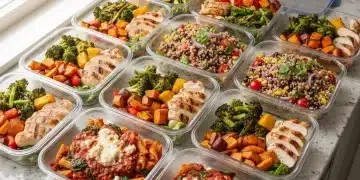
Batch cooking is your first line of defense against the takeout menu. The concept is simple: cook large quantities of staple ingredients that can be mixed and matched throughout the week. This isn’t about eating the same boring meal for five days straight. It’s about creating a flexible toolkit of components.
Here’s a basic plan to get you started:
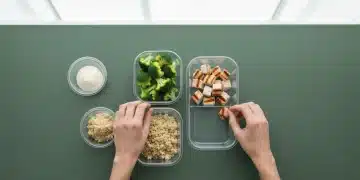
- Pick a Grain: Cook a large pot of quinoa, brown rice, or farro. Store it in an airtight container in the fridge. This becomes the base for grain bowls, a side for protein, or filler for wraps.
- Roast Vegetables: Toss a sheet pan of chopped broccoli, bell peppers, sweet potatoes, and onions with olive oil and seasoning. Roast until tender. These can be added to salads, pasta, or omelets.
- Cook a Protein: Grill a family pack of chicken breasts, bake a large filet of salmon, or simmer a big batch of lentils or black beans. Pre-cooked protein is a turning point for crafting speedy and wholesome main dishes.
This is non-negotiable for a successful week.
Prep-Ahead Power: Chopping, Marinating & Portioning
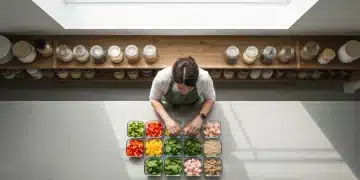
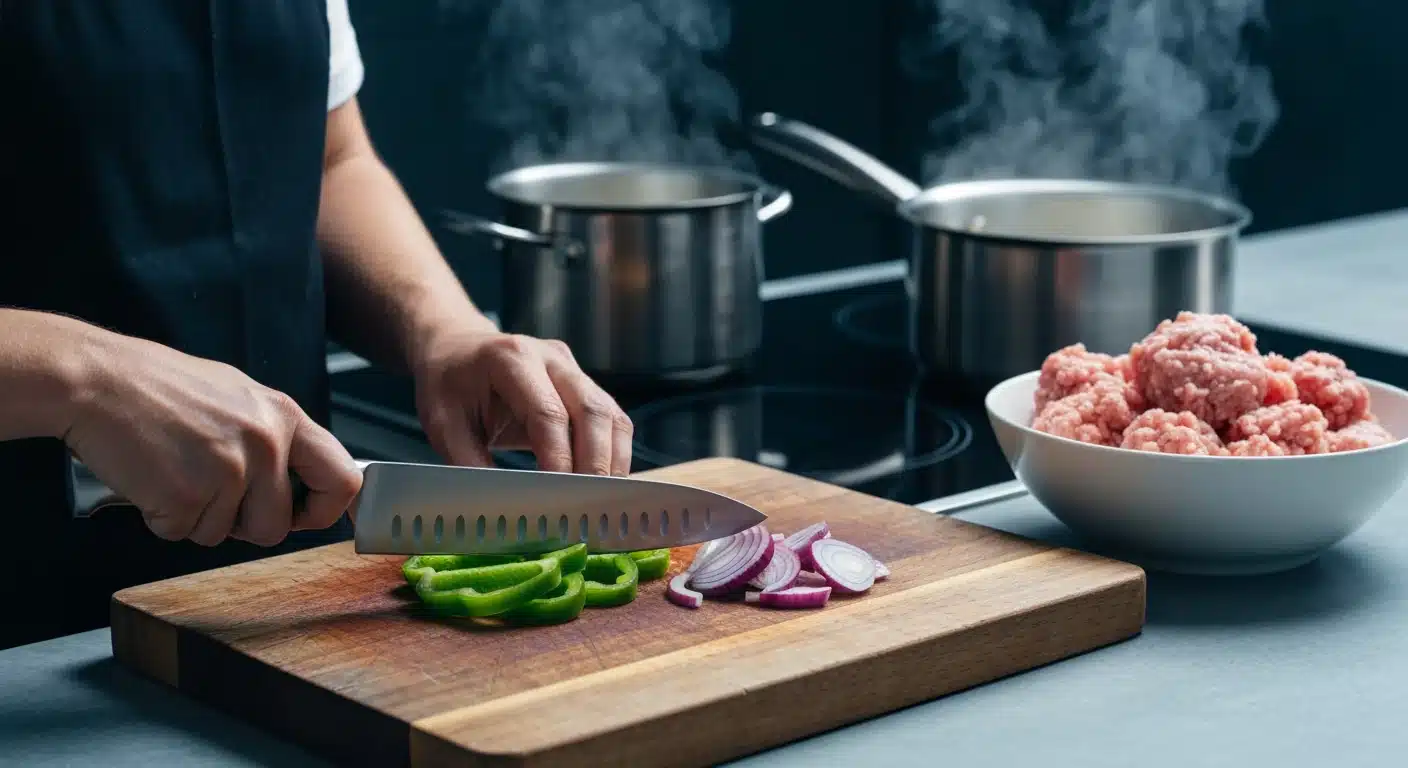
If full-on batch cooking feels overwhelming, start with component prep. This involves doing all the tedious knife work and measuring ahead of time, which surprisingly, is where most of the clock ticks away. Setting aside 30-45 minutes to prep can slash your active cooking time to mere minutes each night.
The underrated factor here is how much mental energy this saves. When ingredients are chopped and ready, you remove the biggest barrier to starting a recipe. Marinating proteins in advance also infuses them with deep flavor — a simple mix of soy sauce, ginger, and garlic can transform chicken or tofu. Portioning snacks like nuts, fruit, or yogurt into grab-and-go containers also prevents poor choices when hunger strikes. With your ingredients prepped, you can easily throw together nutritious meals in under 30 minutes.
Kitchen Gadgets That Save Time
While you don’t need a professional kitchen, a few key appliances can dramatically reduce your prep and cooking time. These tools aren’t just gadgets; they are time machines that give you back precious hours. They automate processes that are otherwise manual and time-consuming.
Instant Pots & Air Fryers
The pressure cooker, or its modern cousin the Instant Pot, is a master of speed. It can cook tough cuts of meat, beans from scratch, and entire pots of stew in a fraction of the time it would take on the stovetop. What most people miss is its ability to cook grains like rice or quinoa perfectly every time, hands-free.
An air fryer, offers the crispy texture of deep-frying with minimal oil. It’s perfect for quickly roasting vegetables, reheating leftovers to their original glory (goodbye, soggy microwave pizza), and cooking proteins like chicken wings or salmon filets in under 20 minutes.
Food Processors & Blenders
Forget finely dicing onions by hand. A food processor can chop an entire bag of vegetables in less than a minute. It’s also your best friend for making sauces, pestos, and even healthy doughs. The time spent cleaning it is minimal compared to the chopping time it saves—especially when you’re making a big batch.
High-powered blenders aren’t just for smoothies. They can create silky-smooth soups, dressings, and sauces that form the flavor base for many meals. They can even turn oats into flour for some surprisingly decadent but guilt-free sweet treats. Having these workhorses in your corner means your prep work is virtually done for you.
Flavorful Foundations: Quick Sauce & Seasoning Hacks
Let’s be honest. You meticulously prepped your proteins and veggies for the week, but now you’re staring at a container of bland, cooked chicken. The temptation to reach for a bottle of sugary teriyaki sauce is real. That bottle, is often a Trojan horse of sodium and high-fructose corn syrup, completely undermining your healthy intentions.
Flavor is not the enemy of health.
The truth is, creating incredible flavor takes minutes, not hours. Building a sauce or seasoning blend is less like complex chemistry and more like making a good cup of coffee—it’s about combining a few quality ingredients correctly. What most people miss is that a simple, homemade vinaigrette or a dry rub can completely transform a meal from a duty into a delight.
Homemade vs. Store-Bought: The Flavor & Health Face-Off
The difference between a commercial dressing and a homemade one is staggering. A study from the International Journal of Behavioral Nutrition and Physical Activity found that store-bought sauces can contribute up to 25% of the daily recommended sodium intake in a single serving. Are you really saving time if you’re sacrificing your health goals? You gain complete control over salt, sugar, and preservatives, which is central to building sustainable healthy eating habits.
Consider the direct comparison:
| Factor | Typical Store-Bought Sauce | 5-Minute Homemade Sauce |
|---|---|---|
| Sodium (per 2 tbsp) | 450-700mg | 50-100mg (You control it) |
| Sugar (per 2 tbsp) | 8-15g (often corn syrup) | 0-4g (optional, from honey/maple) |
| Preservatives | Potassium sorbate, calcium disodium EDTA | None |
| Cost (per ounce) | $0.45 – $0.80 | $0.15 – $0.30 |
The numbers don’t lie. Taking five minutes to whisk together olive oil, lemon juice, garlic, and herbs is an investment that pays off instantly in both flavor and well-being.
Global Inspiration: Quick Flavor Profiles
Your spice rack is an arsenal waiting to be deployed. Forget boring salt and pepper; you can travel the world in under a minute by creating simple seasoning blends. These combinations are perfect for rubbing on chicken, fish, or tofu before a quick sear or bake, completely elevating everyday meals with minimal effort.
- Quick Mediterranean: Mix equal parts dried oregano, garlic powder, and onion powder with a pinch of black pepper and lemon zest. It’s perfect for chicken or roasted vegetables.
- Smoky Tex-Mex: Combine chili powder, cumin, and smoked paprika with a little garlic powder and a dash of cayenne for heat. This blend is a turning point for ground turkey or black beans.
- Simple Asian-Inspired: A quick sauce of low-sodium soy sauce (or tamari), grated ginger, minced garlic, and a splash of rice vinegar can be whisked together in the pan itself. No extra bowl needed—talk about efficiency.
Mastering a few of these basic profiles provides the scaffolding for dozens of quick, healthy main dishes. This approach ensures you never get stuck in a flavor rut, which is often the primary reason people abandon their meal plans.
Recipe Spotlight: 30-Minute Main Dishes You’ll Love
Let’s be honest, the “I don’t have time to cook” excuse is getting old. You have 30 minutes. The real question is whether you have a plan that makes those minutes count. These recipe frameworks are less about rigid instructions and more about a mindset for getting delicious, nutritious food on the table faster than a delivery driver can find your address.
This is your new weeknight reality.
Sheet Pan Wonders: Minimal Effort, Maximum Flavor
The sheet pan dinner is the ultimate hack for the cooking-averse. It’s a method built on a simple, powerful principle: high heat, one pan, and minimal cleanup. You are essentially just tossing ingredients in fat and seasoning, spreading them out, and letting the oven do all the work. What could be easier?
Consider a Lemon Rosemary Chicken dinner. Simply toss 1 lb of chicken thighs, 1 bunch of broccoli cut into florets, and a pint of halved baby potatoes with olive oil, salt, pepper, and fresh rosemary. Spread it all on a single baking sheet and roast at 400°F (200°C) for 25-30 minutes. A final squeeze of lemon juice before serving cuts through the richness. This is one of the most effortless and nutritious main dishes you can master.
One-Pot Pasta Perfection: Speedy & Satisfying
Stop washing multiple pots and pans. The one-pot pasta method cooks your noodles and creates a sauce simultaneously, a beautifully efficient process where the starch from the pasta thickens the sauce as it cooks. It feels like cheating, but the results are surprisingly technical.
For a classic Tomato Basil Pasta, combine 12 oz of linguine, a can of diced tomatoes, one chopped onion, 4 cloves of minced garlic, and 4.5 cups of vegetable broth in a large pot. Bring to a boil, then simmer for about 10 minutes, stirring occasionally until the pasta is al dente. Stir in fresh spinach and basil at the very end. This approach is a cornerstone of any guide to quick, wholesome main dishes, proving that convenience doesn’t require compromise.
Stir-Fry Sensations: Customizable & Quick
A stir-fry is less a recipe and more a technique for rapid-fire cooking. It’s your best tool for clearing out the vegetable crisper at the end of the week. The key is high heat, constant motion, and having all your ingredients prepped before you start — a concept known as mise en place. Once the pan is hot, the entire dish comes together in under 10 minutes.
A Sesame Ginger Tofu Stir-Fry is a perfect example. Press and cube a block of extra-firm tofu. Sauté it in a hot wok or skillet with sesame oil until golden. Add sliced bell peppers, snap peas, and scallions, cooking for just a couple of minutes until tender-crisp. Finish with a sauce of soy sauce, grated ginger, garlic, and a touch of honey. The entire process is a masterclass in speed and flavor.
Protein Powerhouses for Speedy Cooking
The protein you choose directly impacts your cooking time and final result. Not all are created equal for a 30-minute dash. A study from the Cornell Food and Brand Lab found that meals incorporating lean protein led to a 22% higher reported feeling of satiety compared to carb-heavy equivalents, making this choice critical for a satisfying meal.
- Chicken & Turkey: Cut into small, uniform pieces, boneless, skinless poultry cooks in minutes. It’s a reliable canvas for any flavor profile, though it risks becoming dry if you’re not paying attention.
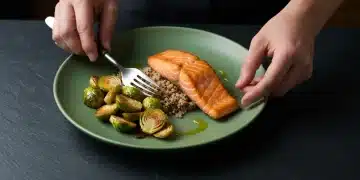
- Fish (Salmon, Cod, Tilapia): The undisputed speed champion. Most fillets cook in under 15 minutes in the oven or 5-7 minutes in a pan. The tradeoff is its fragility; it can easily overcook and fall apart.
- Tofu & Tempeh: Excellent plant-based options that absorb marinades beautifully. The underrated factor here is prep — pressing tofu for 15-20 minutes is non-negotiable for achieving a firm, non-spongy texture. For true speed, look for pre-pressed varieties. This is a key part of any holistic guide to healthy eating.
Vegetable Variety: What to Choose for Fast Cooking
Just like protein, your vegetable choice dictates your timeline. Chopping everything to a similar size is the great equalizer, ensuring even cooking. Think of it like packing a suitcase for a short trip; you only bring the essentials that don’t need special handling. Zucchini and bell peppers are your t-shirts, while a whole butternut squash is the bulky coat you leave behind for another day.
For maximum speed, prioritize leafy greens like spinach or kale (which wilt in 1-2 minutes), tender vegetables like asparagus, bell peppers, and mushrooms (5-8 minutes), or use pre-shredded carrots and cabbage. Harder root vegetables like potatoes and carrots need to be cut quite small or given a head start to finish on time.
Beyond the Plate: Maintaining Healthy Habits on the Go
Cooking a quick, healthy dinner is a victory, but you’re fooling yourself if you think the battle ends there. The real challenge is navigating the hours between those perfectly planned meals. This is where mindless snacking and poor hydration can completely undo your hard work. What most people miss is that a sustainable healthy eating plan is less about grand gestures and more about winning these small, consistent moments throughout the day.
The first ambush often comes from thirst masquerading as hunger. A study published by the National Institutes of Health found that a significant portion of adults live in a state of chronic under-hydration, which can easily be mistaken for a need to eat. Before reaching for a snack, try drinking a full glass of water and waiting 15 minutes. The data suggests this simple act can reduce daily calorie intake by an average of 75-90 calories. It’s a simple trick that works.
When hunger is genuine, having smart options is your best defense. Instead of processed bars or office vending machine temptations, think about portable, nutrient-dense snacks. A handful of almonds, a Greek yogurt, or even pre-portioned guilt-free sweet treats can bridge the gap to your next meal without a sugar crash. This is a core part of building a holistic guide to your eating habits that supports your wellness goals.
Ultimately, consistency trumps intensity. “Sustainable health isn’t about a week of perfect eating; it’s about building slightly better habits that stick for years,” explains nutritionist Dr. Chloe Davis. It’s like learning a new language—you don’t become fluent overnight. You practice daily, make mistakes, and keep going. The same applies to creating a lifestyle that supports, rather than fights, your quick meal efforts.
Beyond the Recipe: Cooking as an Act of Self-Care
You now have the strategies, the pantry list, and the recipes. The tools are in your hands. But the most significant shift isn’t just about mastering a one-pan meal or batch-cooking quinoa; it’s about reframing the entire act of cooking. For too long, we’ve viewed it as another task to be checked off a list, a chore standing between a busy day and a moment of rest. What if we saw it differently?
Instead of a burden, consider every meal you prepare as a direct investment in your own well-being—a conscious decision to nourish your body and mind. This isn’t about culinary perfection. It’s about control, intention, and the quiet satisfaction of creating something wholesome with your own hands. As you move forward, the real challenge isn’t just to cook faster, but to find the small joys in the process. Can transforming a handful of simple ingredients into a delicious meal become its own form of mindfulness in a chaotic week?
Frequently Asked Questions
What are the quickest healthy main dishes to prepare?
Sheet pan dinners are among the fastest, requiring you to simply toss protein and vegetables with oil and spices and roast them. One-pot pastas, where noodles and sauce cook together, are also incredibly quick. Stir-fries with pre-chopped veggies and a quick-cooking protein like shrimp or thinly sliced chicken are another excellent option ready in under 20 minutes.
How can I make healthy meals faster without sacrificing flavor?
Focus on creating simple, powerful flavor bases. A quick homemade vinaigrette, a spice rub for your protein, or a sauce made from soy sauce, ginger, and garlic can transform a meal in seconds. Marinating proteins ahead of time also infuses them with deep flavor, requiring no extra effort during cooking.
What pantry items are primary for quick and healthy cooking?
A well-stocked pantry should include whole grains like quinoa and brown rice, canned legumes such as chickpeas and black beans, and canned tomatoes. Also required are good quality olive oil, various vinegars, and a versatile collection of dried herbs and spices. These items form the backbone of countless quick meals.
Is meal prepping effective for busy schedules?
Yes, meal prepping is highly effective. By investing an hour or two on the weekend to batch cook grains, roast vegetables, and prepare proteins, you can reduce weeknight cooking to a simple assembly job. This front-loading of effort saves significant time and mental energy during the busiest days of the week.
How can I ensure my quick meals are nutritionally balanced?
Follow a simple formula for each meal: include a source of lean protein (chicken, fish, beans), a complex carbohydrate (quinoa, sweet potato), and plenty of non-starchy vegetables (broccoli, spinach, peppers). Using this template, even for a quick sheet pan dinner or a grain bowl, helps ensure you get a well-rounded mix of macronutrients and fiber.