The Unseen Truths of Quick & Healthy Meals: What Your Cookbook Won’t Tell You
Anúncios
You follow the recipe perfectly. Fifteen minutes, it promised. Yet here you are, 45 minutes later, surrounded by a chaotic mess of pots and pans, eating a meal that tastes disappointingly bland. You blame yourself—maybe you’re just a slow cook. But what if the problem isn’t you, your skills, or even the recipe? What if the entire system, from your kitchen layout to the marketing buzzwords on your ingredients, is designed to make you fail?
The promise of quick and healthy eating has become a multi-billion dollar industry built on a foundation of convenient half-truths. Food bloggers present hyper-stylized 15-minute fantasies that ignore the reality of prep time and cleanup. Meanwhile, food manufacturers plaster packages with terms like “all-natural” and “organic” to create a “health halo,” distracting you from the shocking amounts of sugar, sodium, and processed oils hidden within. This isn’t just about cooking; it’s about navigating a landscape of deliberate misdirection.
Anúncios
This article pulls back the curtain on the unseen truths your cookbook won’t tell you. We’ll dismantle the myth of the 15-minute meal by revealing the real secrets to kitchen speed that have nothing to do with frantic chopping. You’ll learn how to decode deceptive food labels and spot the nutritional Trojan horses masquerading as health food. More importantly, you’ll discover how to build deep, satisfying flavor in minutes and adopt a simple, formula-based approach to cooking that frees you from recipes forever. It’s time to stop following instructions and start understanding food.
Beyond the 15-Minute Recipe: The Real Speed Secrets
That 15-minute meal plastered on your favorite food blog is a carefully constructed fantasy. It conveniently ignores the 10 minutes you spent hunting for paprika behind expired jars or wrestling with a dull knife. The truth is, the recipe isn’t the bottleneck. Your kitchen is working against you.
Anúncios
What most people miss is that true culinary speed isn’t about frantic chopping; it’s about eliminating hesitation. A study from the Culinary Institute of America found that home cooks can spend up to 40% of their “cooking time” simply locating ingredients and equipment. The clock doesn’t start when the oil hits the pan. It starts the moment you decide to cook.
The Pre-Prep Paradox: Saving Time Before You Start
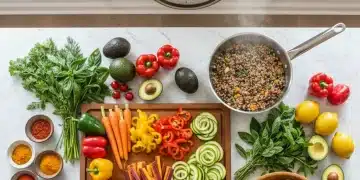
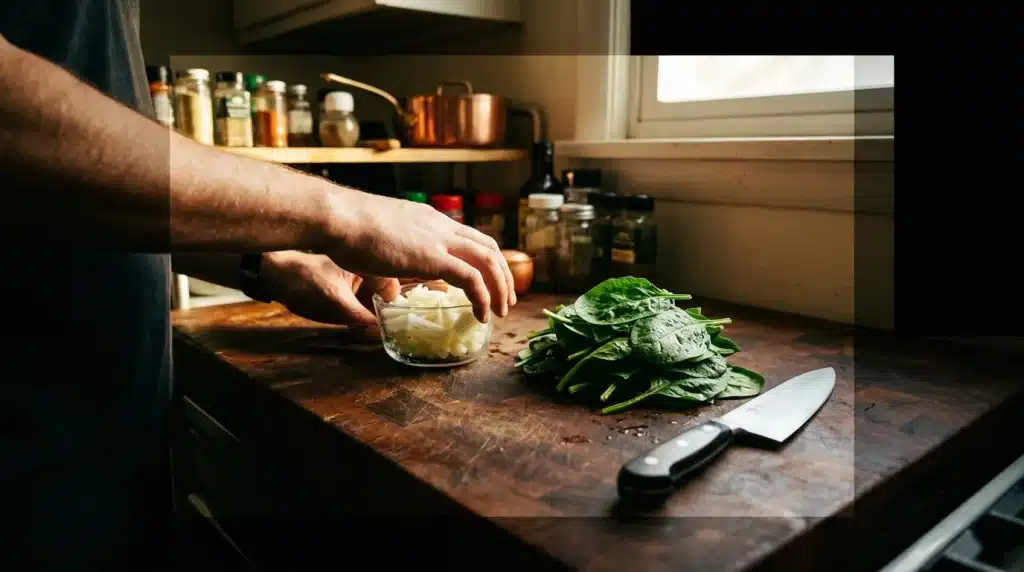
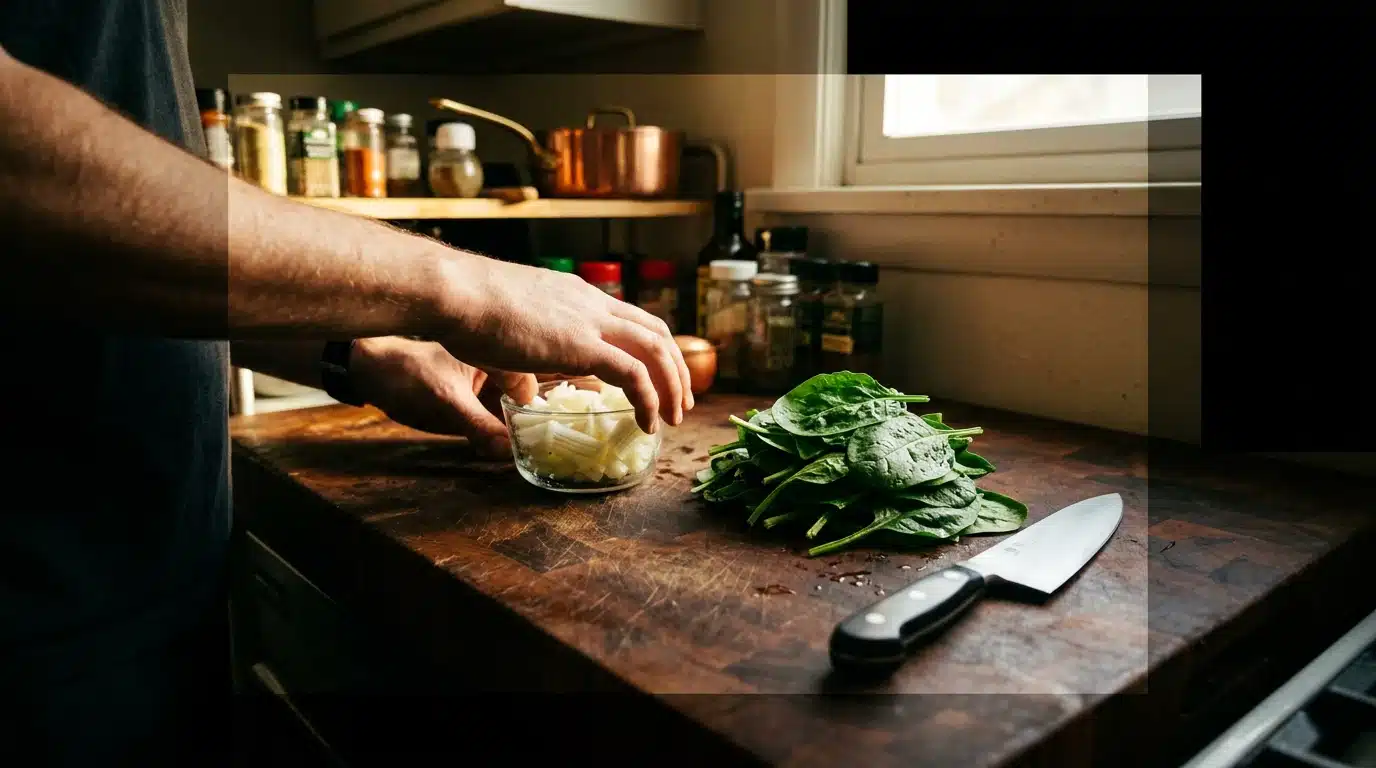
Professional kitchens run on a principle called mise en place — a French term meaning “everything in its place.” It’s the disciplined practice of measuring, chopping, and organizing every single ingredient before starting the actual cooking process. Chef Julianna Reed, a kitchen efficiency consultant, explains, “Amateurs cook from a recipe; professionals cook from a station. When every component is ready, you’re just assembling, not scrambling.”
This isn’t just for restaurant chefs. Spending an hour on Sunday dicing onions, mincing garlic, or washing greens for the week ahead can feel like a chore, but it repays you threefold on a busy Tuesday night. This simple act of pre-preparation is basic to avoiding common quick meal mistakes that lead to frustration and takeout orders. It’s like having a personal sous chef who works for free.
Unconventional Tools for Unbeatable Speed
Your drawers are likely filled with single-use gadgets, but a few underrated tools can genuinely accelerate your workflow. A simple bench scraper, for instance, is far more effective for transferring chopped vegetables from the cutting board to the pan than using your knife (which dulls the blade) or clumsy hands. Think beyond the obvious; an egg slicer can perfectly slice mushrooms or strawberries in a fraction of the time it takes with a knife.
Surprisingly, the most critical speed tool is one you already own: a sharp knife. Research from Cornell University’s Food and Brand Lab suggests a sharp blade can reduce vegetable prep time by over 25% simply by making each cut more efficient and requiring less force. It shifts cooking from a physical struggle to a fluid process. Combining these tools with expert strategies for main dishes transforms your approach from merely following steps to owning the entire cooking timeline.
The ‘Healthy’ Illusion: What’s Really in Your Quick Fix?
You think you’re choosing wisely. That grab-and-go salad, the “all-natural” granola bar, the instant oatmeal packet—they all whisper promises of health and convenience. But the food industry has become a master of disguise, dressing up highly processed products in healthy-looking costumes. The underrated factor here is how effectively marketing can override our nutritional intuition.
Many of these quick meals are nutritional Trojan horses, smuggling in shocking amounts of sugar, sodium, and unhealthy fats. It’s a calculated deception. They are engineered for hyper-palatability, ensuring you keep coming back, all while derailing your health goals. The convenience you pay for often comes at a hidden, metabolic cost.
Decoding Labels: Beyond the Buzzwords
Food labels are less of an ingredient list and more of a marketing document. Buzzwords like “organic,” “gluten-free,” and “low-fat” create a “health halo” that blinds us to the full picture. A 2018 study published in the Journal of Public Policy & Marketing found that consumers often perceive a product with a single healthy claim, like “low-sodium,” as being healthier overall, even if it’s loaded with sugar. This is a classic misdirection.
You must learn to read the fine print. Ingredients are listed by weight, so if sugar—or one of its many aliases like agave nectar, brown rice syrup, or evaporated cane juice—appears in the top three, put it back. The same goes for sodium levels. What does “natural flavor” even mean? It’s a proprietary chemical blend designed to make processed food taste like something it’s not. It’s a chemical cocktail, not a field of strawberries.
Common ‘Healthy’ Convenience Foods: A Reality Check
Let’s pull back the curtain on a few common offenders. Flavored yogurts, especially the “fruit on the bottom” kind, can contain more sugar per serving than a can of soda. Granola bars are often just candy bars with better public relations, held together by syrups and oils. And that pre-made “superfood” salad? The real calorie and sodium bomb is almost always the dressing—that creamy vinaigrette can easily pack over 300 calories and 600mg of sodium.
These products prey on our desire for speed. They offer a simple solution to a complex problem, but they are frequently the source of many common pitfalls in healthy eating. Even “veggie straws” or “spinach wraps” often contain negligible amounts of actual vegetables (that green color is usually just food dye), relying on refined starches and powders for their structure. This isn’t just misleading; it’s a betrayal of consumer trust.
Comparison: ‘Healthy’ Quick Ingredients vs. Nutritious Alternatives
Breaking free from these processed traps requires knowing the difference between a clever imposter and the real thing. It’s not about finding more time; it’s about making smarter choices in the time you have. True health transformations are built on this kind of knowledge, as seen in countless real stories of healthy eating success.
Here is a simple breakdown of common swaps:
- The Imposter: Flavored Instant Oatmeal Packet. These are often front-loaded with sugar and artificial flavors, causing a rapid blood sugar spike and subsequent crash. They provide quick energy but no lasting satiety.
- The Alternative: Rolled Oats with Fresh Berries. This combination offers complex carbohydrates for sustained energy and fiber for digestive health. The berries provide natural sweetness and antioxidants without any added sugar.
- The Imposter: Store-Bought Salad Dressing. Typically made with cheap, inflammatory oils like soybean or canola oil, plus high-fructose corn syrup, sodium, and chemical preservatives to make them shelf-stable.
- The Alternative: Homemade Vinaigrette (Olive Oil, Vinegar, Mustard). Takes 60 seconds to shake in a jar. You control the ingredients, using heart-healthy extra virgin olive oil and avoiding all sugars and preservatives.
- The Imposter: Packaged Deli Turkey Slices. While a source of protein, they are frequently injected with sodium solutions, nitrates, and other preservatives linked to negative health outcomes.
- The Alternative: Leftover Roasted Chicken Breast. Cooking a whole chicken once gives you clean, unprocessed protein for days. It’s cheaper, tastier, and free from the chemical additives found in most processed meats.
This isn’t about perfection. It’s about awareness. The next time you reach for that quick-fix meal, you’ll be armed with the questions that matter, looking past the flashy packaging to what’s actually inside.
Amateurs cook from a recipe; professionals cook from a station. When every component is ready, you’re just assembling, not scrambling.
— Chef Julianna Reed, Kitchen Efficiency Consultant
| The ‘Healthy’ Imposter | The Hidden Problem | The 60-Second Upgrade |
|---|---|---|
| Flavored Instant Oatmeal | Loaded with sugar and artificial flavors, causing a blood sugar spike and crash. | Rolled Oats + Fresh Berries for sustained energy and natural sweetness. |
| Store-Bought Salad Dressing | Made with inflammatory oils, high-fructose corn syrup, and excessive sodium. | Homemade Vinaigrette (Olive Oil, Vinegar, Mustard) shaken in a jar. |
| Packaged Deli Meats | Injected with sodium solutions, nitrates, and chemical preservatives. | Leftover Roasted Chicken Breast for clean, unprocessed protein. |
| ‘Veggie’ Straws or Chips | Primarily refined starch and powders with negligible vegetable content. | Baby Carrots or Sliced Bell Peppers with hummus for fiber and real nutrients. |
Flavor Without the Fuss: Unlocking Umami in Minutes
Most 30-minute meals taste bland for one simple reason: they completely misunderstand how flavor works. You’ve been told that deep, satisfying taste requires hours of simmering or complex sauces. That’s a convenient myth designed to sell you more pre-packaged jars and seasoning packets. The real secret lies in weaponizing umami, the fifth taste responsible for savory, meaty depth.
What most people miss is that umami can be injected into a dish almost instantly. It’s about working smarter, not harder. This isn’t about simmering a bone broth for six hours; it’s about using ingredients where the flavor is already intensely concentrated. Think of it as a culinary cheat code.
The Power of Concentrated Flavor Bases
A concentrated flavor base is any ingredient that packs a massive savory punch in a small package. A study from the Journal of Food Science found that dishes incorporating umami-rich pastes were rated as 62% more “craveable” than those seasoned with salt alone. Why spend an hour reducing a pan sauce when a tablespoon of white miso paste or sun-dried tomato paste can achieve a similar depth in seconds? These ingredients do the long work for you.
Keeping a few of these on hand transforms your pantry into a flavor arsenal. Your goal should be to make flavorful and fast healthy meals the default, not the exception. Here are the non-negotiables:
- Tomato Paste: Sauté a tablespoon in olive oil for a minute before adding other ingredients to unlock its rich, cooked flavor.
- Miso Paste: A fermented soybean paste—don’t boil it—that adds instant savory depth to soups, marinades, and dressings.
- Mushroom Powder: Dried, pulverized mushrooms (porcini is a great choice) are pure umami dust you can sprinkle into anything.
- Anchovy Paste: Don’t be scared. A tiny amount dissolves completely, adding a complex saltiness to sauces and dressings without any fishy taste.
Building Depth with Acid and Heat
But umami alone can taste flat and heavy. Building flavor quickly is like getting dressed for a cold day; the umami is your warm coat, but you still need a scarf and hat. In cooking, those accessories are acid and heat. They cut through the richness and make the flavors pop, creating a balanced and exciting dish instead of a one-note meal.
A simple squeeze of lemon or a dash of vinegar at the end of cooking can brighten an entire dish. It’s the culinary equivalent of turning on the lights in a dim room. This single step is one of the most common pitfalls in healthy eating that home cooks overlook—they create a nutritious meal that sadly has no vibrancy.
The strategic use of heat from chili flakes, a swirl of sriracha, or fresh ginger works in a similar way, adding another layer of sensation that keeps your palate engaged. Mastering the interplay between savory, acidic, and spicy elements is the true foundation for creating delicious and efficient main dishes that never feel rushed. This isn’t just about following a recipe; it’s about understanding how to make food taste alive.
The Psychology of Quick Meals: Why We Fail (and How to Win)
Your biggest obstacle to a quick, healthy dinner isn’t a lack of time or skill; it’s the sheer number of choices you face. Behavioral scientists at Cornell University found the average person makes over 200 food-related decisions every single day. This constant stream of micro-choices—from which brand of olive oil to buy to whether you should add garlic—creates crippling decision fatigue.
By dinnertime, your brain is simply out of fuel.
When willpower is depleted, procrastination kicks in, and the path of least resistance leads straight to a delivery app. What most people miss is that this isn’t a moral failing; it’s a predictable psychological trap. You can see these patterns in many of the common quick meal mistakes people make when they’re tired and hungry. So how do you break the cycle?
The solution is to treat meal prep like you’re setting out your gym clothes the night before a workout. You must reduce the number of active decisions required in the moment. This means having a small, rotating list of go-to meals and ensuring the ingredients are on hand. The underrated factor here is creating an environment where the healthy choice is also the easy choice—a concept often seen in real stories of eating transformation. It’s not about finding motivation; it’s about designing a system that doesn’t require it.
Beyond the Recipe Card: Mastering Improvised Quick Dishes
Recipe books are selling you a convenient lie. They present cooking as a rigid set of instructions where deviation leads to disaster, reinforcing the very decision fatigue that keeps you from cooking in the first place. The real secret to consistent, fast, and healthy meals isn’t a better recipe; it’s learning to cook without one. This is about freeing yourself from the tyranny of the ingredient list.
What most people miss is that recipes are just one specific expression of a universal pattern. Understanding that pattern is the key. When you learn the underlying structure, you stop needing to follow someone else’s map and can start drawing your own. This shift in mindset is more impactful than any single cooking tip.
The ‘Formula’ Approach: Protein + Veg + Carb + Sauce
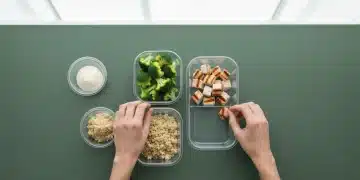
Almost every balanced quick meal you’ve ever enjoyed can be deconstructed into a simple formula. It’s Protein + Veg + Carb + Sauce. This isn’t a recipe; it’s a template. Thinking this way turns your pantry from a collection of random items into a set of building blocks for infinite possibilities.
Your protein could be chicken, chickpeas, or tofu. The vegetables might be leftover broccoli, a bag of frozen peas, and that lone bell pepper in the crisper drawer. For carbs, think quinoa, brown rice, sweet potatoes, or whole-wheat pasta. The sauce ties it all together—a splash of soy sauce and ginger, a dollop of pesto, or even just high-quality olive oil with lemon juice and garlic. That’s it. That’s the entire game.
Strategic Ingredient Swaps for Any Pantry
The formula only works if you embrace flexibility. Being out of a specific ingredient shouldn’t derail your dinner plans; it should be a minor detour. This is where strategic swaps become your most powerful tool. Don’t have kale? Use spinach or chard. No chicken? Canned beans or lentils provide a fantastic protein base. This approach is not just about convenience; it has a measurable impact.
A report from the American Journal of Agricultural Economics noted that households with high “food resourcefulness”—a term for improvisational cooking—can reduce their food waste by up to 28%. But how do you know what to swap? Think in categories, not specifics. Leafy greens can often be interchanged. Most root vegetables can stand in for one another. This is less like chemistry and more like swapping out a blue shirt for a green one; the function remains the same even if the appearance changes slightly. This flexible mindset helps you avoid many common pitfalls in healthy eating that stem from rigid thinking.
Becoming Your Own Quick-Meal Architect: A Step-by-Step Guide
Building a meal from scratch without a recipe can feel daunting, but it’s a systematic process. The underrated factor here is confidence, which you build by starting small and following a clear set of steps—think of it as culinary jazz, where you improvise over a basic structure. Soon, these steps become second nature.
Here is a practical guide to get you started:
- Scan Your Inventory: Open your fridge, freezer, and pantry. What needs to be used up? What protein do you have available? This initial survey is your starting point.
- Anchor with Protein: Choose your protein source first, as it often dictates the cooking time and flavor profile. Sautéing chicken breast, roasting tofu, or simply opening a can of black beans are all valid starting points.
- Build with Vegetables: Add at least two different vegetables. Consider both flavor and texture. A combination of something soft (like sautéed onions) and something with a bit of bite (like lightly steamed broccoli) works well.
- Add a Complex Carb: Select a healthy carb base. This could be leftover rice, quick-cooking couscous, or a slice of whole-grain bread. This component provides satiety and sustained energy.
- Unify with Flavor: This is the final, critical step. Create a simple sauce or use a powerful seasoning blend. A mix of olive oil, vinegar, and mustard can create a vinaigrette in seconds. A sprinkle of smoked paprika, cumin, and garlic powder can transform a simple dish. For more expert strategies for delicious main dishes, the key is always in the finishing touch.
Mastering this five-step process doesn’t just make you a faster cook. It transforms you from a recipe follower into a meal creator, giving you ultimate control over your time, budget, and health.
The Unexpected Benefits: Quick Meals for More Than Just Time-Saving
Everyone thinks the point of a quick meal is to reclaim minutes from a busy day. That’s a pleasant side effect, but it completely misses the real prize. The true power of mastering 30-minute meals lies in the profound psychological and financial shifts that occur when you take back control of your kitchen. It’s less about the clock and more about your mindset.
Consider your refrigerator’s crisper drawer. For many, it’s a place where good intentions go to wilt. Surprisingly, embracing quick, template-based cooking directly combats this. The USDA reports that an average American family of four wastes nearly $1,500 in food each year. By using what you have instead of rigidly following recipes, you stop contributing to that statistic. You’re not just cooking faster; you’re cooking smarter and richer.
This approach transforms cooking from a chore into a creative outlet. The low-stakes nature of a quick meal removes the pressure to perform, reducing kitchen-related stress. Instead of following a complex script, you’re improvising—a process that builds immense culinary confidence. Many find this empowerment spills over into other areas of life, as detailed in various healthy eating success stories. It’s a small win that feels huge.
You stop fearing failure and start seeing opportunities.
Ultimately, this newfound confidence encourages experimentation, not just with entrees but with all kinds of dishes. You learn to avoid common quick meal mistakes and develop an intuition for flavor. What begins as a quest to save time becomes a journey toward a more mindful and resourceful relationship with food itself.
Your Kitchen, Reimagined
The journey to faster, healthier meals doesn’t end with a new recipe or a pantry clean-out. It concludes with a basic shift in perspective. The next time you step into your kitchen, don’t see a list of chores and a ticking clock. Instead, see a system you have the power to design for your own success. Will you continue to be a passive follower of instructions, or will you become the architect of your own meals?
Tonight, don’t try to master everything. Just make one small change. Maybe you’ll mix a vinaigrette in a jar instead of using the bottled stuff. Perhaps you’ll ignore a recipe and try the ‘Protein + Veg + Carb + Sauce’ formula with whatever you have on hand. This single act of improvisation is more than just a meal; it’s a declaration of independence from the diet industry’s rulebook, and the first step toward reclaiming control not just over your dinner, but over your well-being.
Frequently Asked Questions
Are all ‘quick cooking’ ingredients genuinely healthy?
No, many are not. Ingredients marketed for convenience, like pre-made sauces, flavored oatmeal packets, and deli meats, are often loaded with hidden sugars, sodium, and preservatives. It’s key to read the full ingredient list, not just the marketing claims on the front of the package.
What are common mistakes people make when trying to cook healthy meals quickly?
The most common mistakes include not preparing ingredients in advance (mise en place), using a dull knife which slows down prep, and falling for ‘healthy’ processed foods. Another frequent error is neglecting to add acid and other flavor enhancers at the end, resulting in bland meals.
How can I add deep flavor to a quick meal without spending much time?
Use concentrated umami-rich ingredients as a flavor base. A spoonful of tomato paste, white miso, or a sprinkle of mushroom powder can add savory depth in seconds. Finishing a dish with a squeeze of lemon juice or a dash of vinegar also brightens flavors instantly.
Is it possible to cook healthy, quick meals without a lot of specialized equipment?
Absolutely. The most necessary tools are simple: a sharp chef’s knife, a good cutting board, and a bench scraper for transferring ingredients. Expensive, single-use gadgets are rarely necessary and often just create more clutter and slow you down.
What’s the secret to consistent quick meal preparation?
The secret is reducing ‘decision fatigue.’ Instead of choosing a new, complex recipe every night, rely on a simple formula like ‘Protein + Veg + Carb + Sauce.’ Having a small, rotating list of go-to meals and keeping the necessary staples on hand removes the mental effort of planning.
Can quick meals really help reduce food waste?
Yes, significantly. By adopting a formula-based approach to cooking, you learn to use what you have on hand rather than buying specific ingredients for a rigid recipe. This flexibility allows you to incorporate leftover vegetables, proteins, and grains, preventing them from going to waste.