Cajun vs. Creole Cuisine: Unraveling Louisiana’s Culinary Tapestry for 2026
Louisiana’s culinary landscape is a vibrant, intoxicating blend of cultures, histories, and flavors. At its heart lie two iconic traditions: Cajun and Creole cuisine. While often used interchangeably, these two distinct styles of cooking tell different stories of the state’s rich heritage, each with its own unique origins, ingredients, and techniques. For anyone planning a gastronomic adventure to the Bayou State in 2026, understanding the nuances of Cajun Creole cuisine is essential to truly appreciate the depth and diversity of its food.
Anúncios
This comprehensive guide will take you on a journey through the heart of Louisiana’s kitchens, exploring the historical roots, staple ingredients, signature dishes, and the subtle yet significant differences that set Cajun and Creole cooking apart. Prepare to have your taste buds tantalized and your culinary knowledge expanded as we delve into the soulful world of Cajun Creole cuisine.
Anúncios
The Historical Roots: Where Cajun and Creole Begin
To truly grasp the essence of Cajun Creole cuisine, we must first journey back in time to understand their distinct origins. These culinary traditions are not just about food; they are living testaments to the people who shaped Louisiana’s history.
The Acadians and the Birth of Cajun Cuisine
Cajun cuisine has its roots firmly planted in the rural, swampy regions of Southwest Louisiana, primarily in what is known as Acadiana. Its creators were the Acadians, French colonists who were expelled from Acadia (modern-day Nova Scotia, Canada) by the British in the mid-18th century. Enduring a long and arduous journey, many of these exiles found refuge in the bayous and prairies of Louisiana, bringing with them their French heritage and a resilient spirit.
Upon arrival, the Acadians were forced to adapt their traditional French cooking methods to the resources available in their new, often harsh, environment. They learned to hunt, fish, and forage, utilizing local ingredients like crawfish, alligators, crabs, and a variety of wild game. Their isolation fostered a self-sufficient culinary tradition that emphasized hearty, one-pot meals, often cooked over an open fire. Necessity truly was the mother of invention for Cajun cooking, leading to a cuisine characterized by its robust flavors, rustic preparation, and resourceful use of local bounty.
The Melting Pot of Creole Cuisine in New Orleans
In stark contrast, Creole cuisine developed in the bustling, cosmopolitan city of New Orleans. Its origins are a complex tapestry woven from a multitude of cultures that converged in this vibrant port city. The term “Creole” itself refers to people of European, African, and sometimes Native American descent who were born in the colonies, particularly in Louisiana.
Creole cooking is a sophisticated fusion, reflecting the influences of French, Spanish, African, Italian, German, Caribbean, and Native American culinary traditions. New Orleans, as a major port, had access to a wider array of ingredients, including exotic spices, imported produce, and a more diverse selection of meats and seafood. This accessibility, combined with the presence of professional chefs and a more affluent society, allowed Creole cuisine to evolve into a refined, often elegant, culinary art form. It’s a cuisine that showcases a blend of cultures, much like the city itself, resulting in complex flavors and often more intricate preparations.
Key Differences: Ingredients and Flavor Profiles
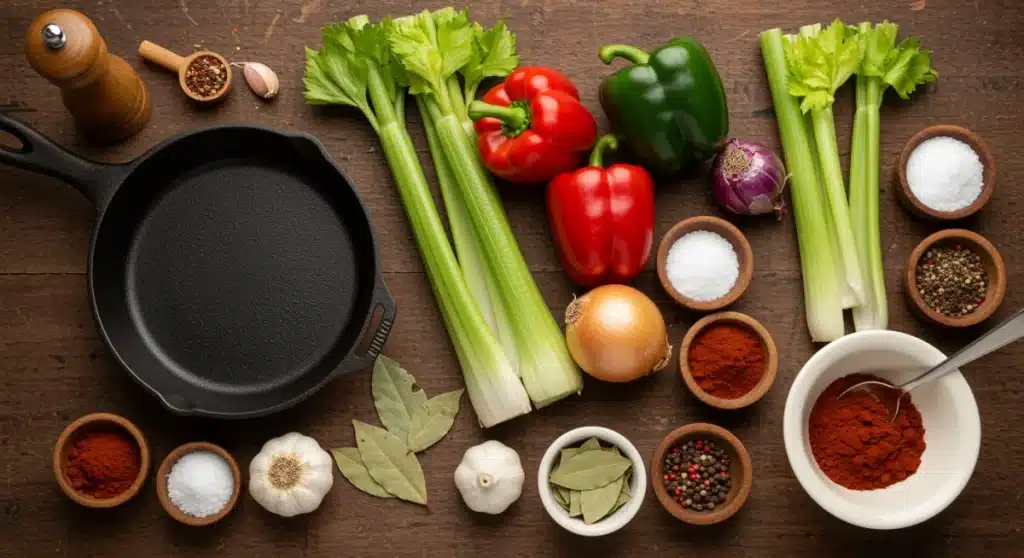
While both Cajun and Creole cuisines share a love for bold flavors and the “holy trinity” (onions, celery, and bell peppers), their approach to ingredients and the resulting flavor profiles are quite distinct.
The Cajun Approach: Rustic, Spicy, and Inland Flavors
Cajun cuisine is often described as country cooking. It’s hearty, straightforward, and relies heavily on local, often wild-caught, ingredients. The flavor profile is typically more rustic and can be quite spicy, with cayenne pepper being a prominent spice.
- Roux: The foundation of many Cajun dishes is a dark roux, cooked until it reaches a rich, chocolate-brown color. This process imparts a deep, nutty flavor that is crucial to dishes like gumbo and étouffée.
- Fats: Lard, bacon fat, and other animal fats are frequently used, contributing to the rich, savory nature of the food.
- Spices: While spice blends are used, Cajun cuisine often features a more straightforward application of cayenne pepper for heat, along with black pepper, garlic powder, and onion powder.
- Seafood vs. Land Meats: While seafood like crawfish is central, Cajun cuisine also heavily features land animals such as pork (especially tasso and andouille sausage), chicken, and wild game like duck and alligator, reflecting its inland, hunting-oriented origins.
- “Holy Trinity” Usage: The holy trinity (onions, celery, bell peppers) is always present and often sautéed in the roux to form the base of many dishes.
- Tomatoes: Generally, tomatoes are used sparingly, if at all, in traditional Cajun cooking, especially in gumbos.
The Creole Approach: Refined, Herbaceous, and Urban Flavors
Creole cuisine, on the other hand, is often considered city cooking. It’s more sophisticated, drawing on a wider range of ingredients and techniques, and often features a brighter, more herbaceous flavor profile.
- Roux: Creole cooking also uses a roux, but it’s typically lighter in color, often a blonde or peanut butter hue, yielding a less intense, more delicate base.
- Fats: Butter and oil are more commonly used as fats, contributing to a lighter mouthfeel than the animal fats favored by Cajuns.
- Spices and Herbs: Creole cuisine often incorporates a broader spectrum of spices, including bay leaf, thyme, oregano, and parsley, alongside a more moderate use of cayenne pepper. The emphasis is on layered, complex flavors rather than overwhelming heat.
- Seafood: Seafood, particularly shrimp, oysters, and crab, plays a more prominent role, reflecting New Orleans’ proximity to the Gulf of Mexico.
- “Holy Trinity” Usage: The holy trinity is essential, often sautéed in butter or oil.
- Tomatoes: Tomatoes, especially canned crushed tomatoes or tomato paste, are a hallmark of many Creole dishes, contributing to their characteristic reddish hue and tangy depth. This is a significant differentiator from traditional Cajun cooking.
The distinction between the rural, utilitarian nature of Cajun cooking and the urban, refined character of Creole cooking is evident in every bite. One is born of necessity and the land; the other, of cosmopolitan influences and abundance.
Signature Dishes: A Taste of Each Tradition
While some dishes like gumbo and jambalaya are found in both traditions, their preparation and flavor profiles vary significantly, offering a delicious way to understand the core differences between Cajun Creole cuisine.
Cajun Classics: Hearty and Flavorful
Cajun dishes are known for their robust, often spicy, and deeply savory flavors. They are typically one-pot meals designed to feed a family or a community.
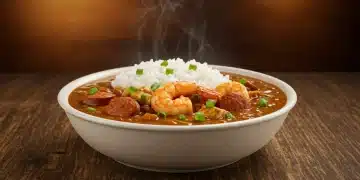
- Cajun Gumbo: Often made with a dark roux, chicken, andouille sausage, and sometimes tasso (smoked pork ham). It’s typically thicker, heartier, and less likely to contain tomatoes or okra. The focus is on the rich, deep flavor of the roux and the meats.
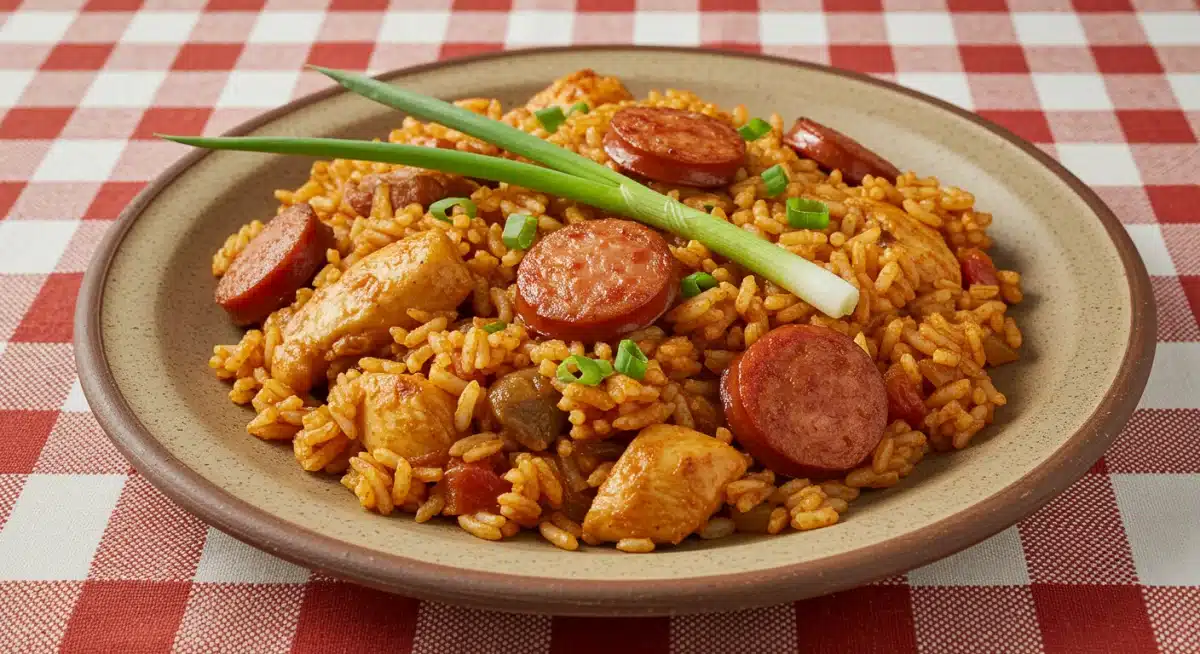
- Jambalaya: A rice-based dish cooked in one pot. Cajun jambalaya is often referred to as “brown jambalaya” due to its lack of tomatoes. It’s rich with meat, typically chicken and pork sausage (like andouille), and cooked until the rice absorbs all the flavorful broth.
- Étouffée: Meaning “to smother,” étouffée is a thick, rich stew, most famously made with crawfish. It starts with a roux (though sometimes a lighter one than gumbo) and the holy trinity, creating a luscious gravy served over rice.
- Boudin: A type of sausage made from pork meat, rice, and seasoning, often served as a snack or appetizer. It’s a true Cajun delicacy.
- Cracklins: Crispy fried pork skin with a layer of fat, seasoned generously. A quintessential Cajun snack.
Creole Delights: Elegant and Diverse
Creole dishes tend to be more refined, often incorporating a wider range of ingredients and a brighter, more complex flavor profile, frequently featuring tomatoes.
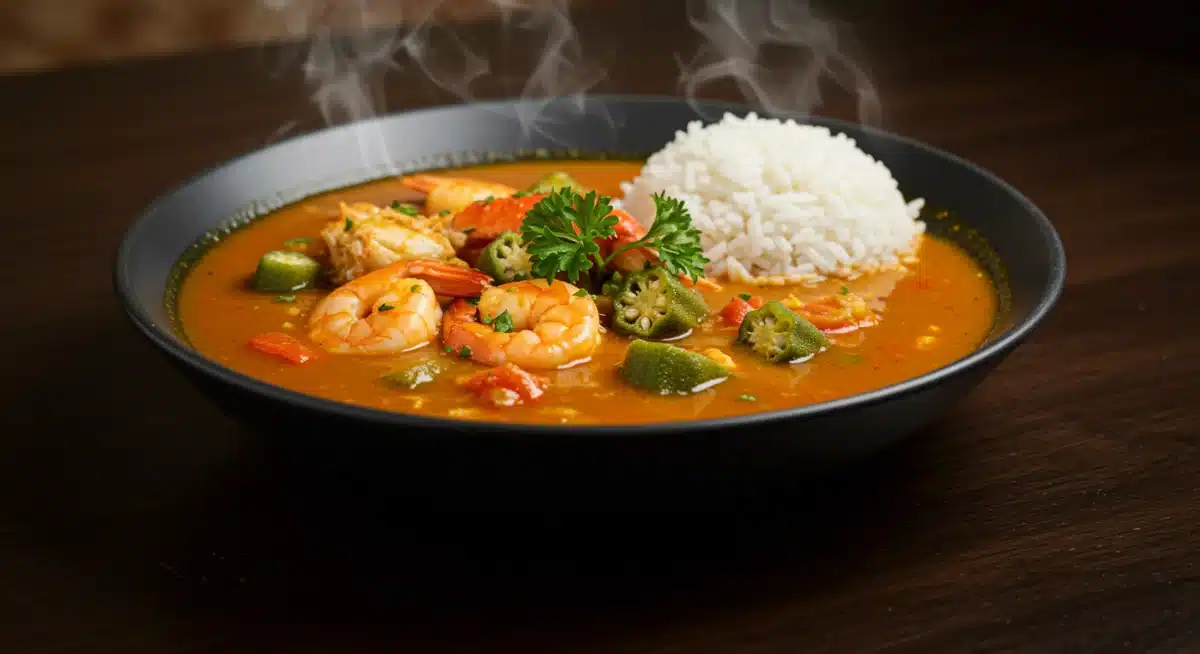
- Creole Gumbo: Typically made with a lighter roux (or sometimes no roux, relying on okra for thickening), and often includes tomatoes, seafood (shrimp, crab, oysters), and chicken. It tends to be a bit thinner than Cajun gumbo and has a brighter, more complex flavor thanks to the tomatoes and herbs.
- Jambalaya: Creole jambalaya is often called “red jambalaya” because of the inclusion of tomatoes. It typically features a wider variety of meats and seafood, including shrimp, chicken, and sausage, and is cooked with a rich tomato base.
- Shrimp Creole: A classic Creole dish featuring shrimp simmered in a rich tomato-based sauce with the holy trinity and various herbs and spices, served over rice.
- Oysters Rockefeller: A decadent dish of oysters on the half shell, topped with a rich sauce of butter, herbs (often parsley, celery, and chervil), and breadcrumbs, then baked or broiled. A true New Orleans invention.
- Muffaletta: A famous New Orleans sandwich, originating from Sicilian immigrants, featuring layers of cured meats, cheese, and a distinctive olive salad on a round, crusty bread.
- Gâteau de Sirop (Syrup Cake): A sweet, moist cake made with cane syrup, reflecting the region’s agricultural history.
The Blurring Lines: Modern Cajun Creole Cuisine
While the historical and geographical distinctions between Cajun and Creole cuisine are clear, it’s important to acknowledge that in modern Louisiana, the lines often blur. As people moved between rural Acadiana and urban New Orleans, recipes and techniques were shared and adapted. Many contemporary Louisiana chefs draw inspiration from both traditions, creating innovative dishes that fuse elements of both Cajun and Creole cooking.
For example, you might find a “Cajun-Creole” restaurant that serves a dark-roux gumbo with tomatoes and seafood, or a jambalaya that incorporates both the smoky depth of Cajun sausage and the vibrant tang of Creole tomatoes. This evolution is a testament to the dynamic nature of food and culture, constantly adapting and reinventing itself while honoring its roots.
The rise of culinary tourism and a renewed interest in regional American cuisine have also contributed to this fusion. Chefs are increasingly experimenting with traditional recipes, introducing new ingredients and techniques while still maintaining the soulful essence of Louisiana cooking. This means that while understanding the foundational differences is crucial, be prepared for delicious surprises that defy strict categorization when you visit in 2026.
The Role of the “Holy Trinity” and Roux in Cajun Creole Cuisine
No discussion of Cajun Creole cuisine would be complete without emphasizing the foundational role of the “Holy Trinity” and the roux. These two elements are the very soul of many iconic Louisiana dishes, providing the depth, flavor, and texture that define the region’s cooking.
The Holy Trinity: Onions, Celery, and Bell Peppers
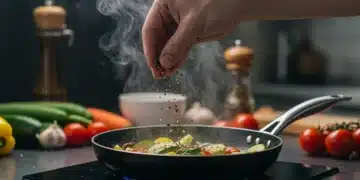
Just as French cuisine relies on mirepoix (onions, carrots, celery) and Spanish cooking uses sofrito, Cajun and Creole cuisines build their flavor profiles on the “Holy Trinity” of chopped onions, celery, and green bell peppers. This aromatic base is sautéed to create the initial layer of flavor for countless dishes, from gumbos and étouffées to jambalayas and sauces.
- Flavor Foundation: When slowly cooked, these vegetables release their sugars and savory notes, creating a sweet and pungent foundation that permeates the entire dish.
- Versatility: Whether you’re making a rich, dark Cajun gumbo or a bright, tomato-based Creole shrimp étouffée, the trinity is almost always the first aromatic to hit the pot after the fat.
- Cultural Significance: The term “Holy Trinity” itself speaks to its indispensable status in the kitchen, a nod to its sacred importance in Louisiana cooking.
The Roux: The Thickening and Flavor Agent
The roux is perhaps the most defining element that distinguishes Louisiana cooking from other regional American cuisines. Made by cooking flour in fat (oil, butter, or animal fat) until it reaches a desired color and consistency, the roux serves two crucial purposes:
- Thickening Agent: It provides the characteristic body and texture to stews, gumbos, and sauces.
- Flavor Developer: As the flour and fat cook, they undergo a chemical reaction that develops deep, nutty, and complex flavors. The longer the roux cooks, the darker and more intensely flavored it becomes.
Here’s where the primary difference between Cajun and Creole roux often lies:
- Cajun Roux: Typically cooked to a dark, peanut butter to chocolate-brown color. This long cooking process imparts a deep, smoky, and nutty flavor that is central to the rustic character of Cajun dishes. It requires constant stirring and patience.
- Creole Roux: Often cooked to a lighter, blonde to peanut butter color. This lighter roux provides thickening without the intense nutty flavor of a dark roux, allowing other ingredients, especially tomatoes and herbs, to shine through. Creole gumbo might even use okra as a primary thickener, sometimes foregoing a roux altogether.
Mastering the roux is considered a rite of passage for any aspiring Louisiana cook, and its proper execution is key to achieving authentic Cajun Creole cuisine flavors.
Experiencing Cajun Creole Cuisine in 2026
For those planning a visit to Louisiana in 2026, experiencing the distinct flavors of Cajun Creole cuisine firsthand is an absolute must. Here’s how you can best immerse yourself in these rich culinary traditions:
In New Orleans: The Heart of Creole
New Orleans is undoubtedly the epicenter of Creole cuisine. Here, you’ll find elegant restaurants serving classic dishes with a refined touch. Explore the French Quarter, the Garden District, and other historic neighborhoods to discover establishments that have been perfecting Creole recipes for generations. Look for:
- Fine Dining: Many of New Orleans’ most celebrated restaurants offer sophisticated Creole menus, often with French influences.
- Casual Eateries: Don’t overlook the smaller, local spots and diners that serve up incredible Creole comfort food.
- Cooking Classes: Several culinary schools in New Orleans offer classes specifically focused on Creole cooking, providing a hands-on experience in making gumbo, jambalaya, and other staples.
- Food Tours: Join a guided food tour to sample a variety of Creole dishes and learn about the city’s culinary history from local experts.
- Markets: Visit local markets like the French Market to see the fresh produce, seafood, and spices that fuel Creole kitchens.
In Acadiana: The Soul of Cajun
To truly experience Cajun cuisine, venture out into Acadiana. Cities like Lafayette, Breaux Bridge, and Lake Charles are vibrant hubs where Cajun culture thrives. Here, the food is often simpler, heartier, and deeply connected to the land and its people. Look for:
- Local Plate Lunches: Many small, family-owned restaurants and gas stations serve daily plate lunches featuring Cajun staples like gumbo, étouffée, and rice and gravy.
- Boudin and Cracklin Shops: These specialty shops are ubiquitous in Acadiana and offer fresh, authentic boudin, cracklins, and other pork products.
- Crawfish Boils: If you visit during crawfish season (roughly January to July), attending a traditional crawfish boil is an unforgettable Cajun experience.
- Festivals: Acadiana hosts numerous food festivals throughout the year, celebrating everything from crawfish and boudin to rice and sugar cane. These are fantastic opportunities to sample a wide array of Cajun dishes.
- Swamp Tours with a Culinary Twist: Some swamp tours in the bayous might even include a stop for a traditional Cajun meal or demonstration.
The Enduring Legacy of Cajun Creole Cuisine
Both Cajun and Creole cuisines are more than just food; they are powerful expressions of identity, resilience, and joy. They tell stories of adaptation, cultural fusion, and a deep appreciation for the bounty of Louisiana’s land and waters. In 2026, as you explore the charming streets of New Orleans or the serene bayous of Acadiana, remember that every dish you taste carries centuries of history, tradition, and passion.
Whether you prefer the robust, rustic flavors of a dark-roux Cajun gumbo or the refined, herbaceous notes of a tomato-based Creole jambalaya, you are participating in a living culinary heritage. Understanding the key differences between these two iconic styles of Cajun Creole cuisine enriches your dining experience, allowing you to appreciate the specific artistry and cultural significance behind each bite.
So, come hungry, come curious, and prepare to be captivated by the unparalleled gastronomic delights that await you in Louisiana. The flavors of Cajun and Creole cooking are waiting to tell you their stories, one delicious spoonful at a time. The journey through Louisiana’s culinary heartland promises to be an unforgettable adventure for your palate, deeply rooted in history yet constantly evolving.