Mastering Basic Cooking Methods: Insider Tips for Culinary Excellence
Anúncios
Cooking is often perceived as a daunting task, a mystical art reserved for professional chefs and seasoned home cooks. However, at its core, culinary mastery is built upon a solid understanding of fundamental techniques. By truly Mastering Cooking Methods, you unlock a world of flavors, textures, and possibilities in your kitchen. This comprehensive guide will take you beyond mere instruction, delving into the insider tips and scientific principles that transform good food into extraordinary culinary experiences. We will explore four foundational cooking methods: sautéing, roasting, simmering, and pan-frying, providing you with the knowledge to execute each with precision and confidence.
Anúncios
Whether you’re a novice looking to build a strong foundation or an experienced cook aiming to refine your skills, the nuances of these basic methods are critical. The difference between a bland, overcooked meal and a perfectly balanced, flavorful dish often lies in the subtle adjustments made during the cooking process. Our goal is to demystify these techniques, offering practical advice and dispelling common myths, so you can approach every recipe with a chef’s mindset.
Anúncios
Sautéing: The Art of Quick, High-Heat Cooking
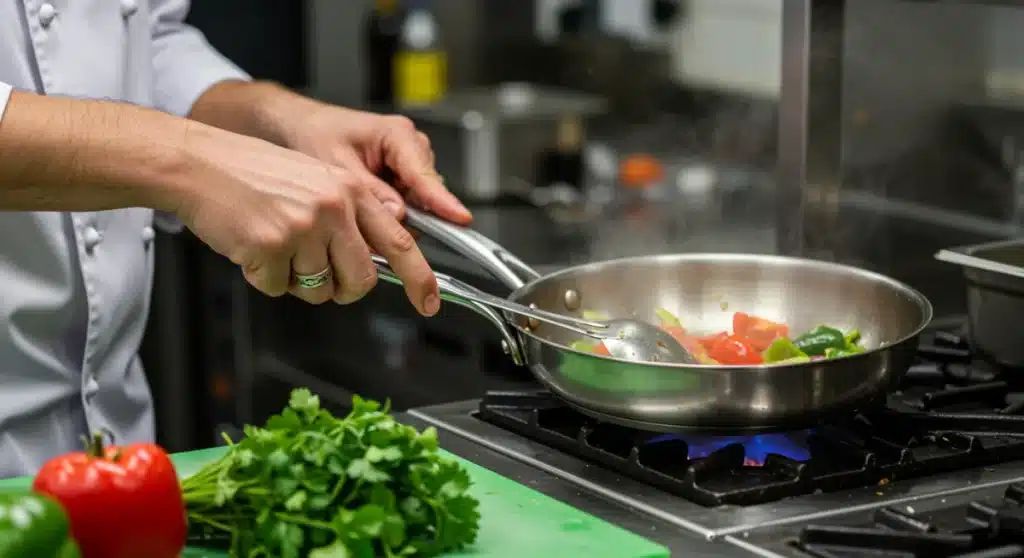
Sautéing, derived from the French word “sauter,” meaning “to jump,” is a dry-heat cooking method that involves cooking food quickly in a small amount of fat over relatively high heat. The objective is to achieve a beautiful browning (Maillard reaction) on the exterior while keeping the interior tender and juicy. This method is incredibly versatile, suitable for everything from delicate vegetables to thin cuts of meat and seafood. Mastering Cooking Methods like sautéing is essential for creating vibrant, flavorful dishes.
The Science Behind the Sizzle: Why Sautéing Works
- Heat Transfer: Sautéing relies on direct heat transfer from the hot pan and the fat to the food. The high temperature rapidly cooks the exterior, creating a crust.
- Maillard Reaction: This complex chemical reaction between amino acids and reducing sugars gives browned food its distinctive flavor and aroma. It occurs at temperatures above 300°F (150°C), which is why high heat is crucial for sautéing.
- Evaporation: The high heat also causes surface moisture to evaporate quickly, preventing steaming and promoting browning.
Insider Tips for Perfect Sautéing:
- Choose the Right Pan: A heavy-bottomed pan, such as cast iron or stainless steel, is ideal. Its ability to retain and distribute heat evenly is paramount. Avoid non-stick pans if you want a really good sear, as they often don’t get hot enough or retain heat as well for optimal browning.
- Preheat Properly: This is perhaps the most critical step. Heat your pan over medium-high to high heat until it’s very hot before adding any fat. A good test is to add a drop of water; if it sizzles and evaporates immediately, the pan is ready.
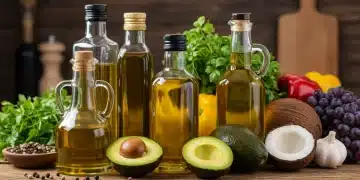
- Select the Right Fat: Use a fat with a high smoke point, such as grapeseed oil, canola oil, refined olive oil, or clarified butter. Virgin olive oil and regular butter have lower smoke points and will burn at sautéing temperatures, imparting a bitter flavor.
- Don’t Crowd the Pan: This is a common mistake that turns sautéing into steaming. When you crowd the pan, the temperature drops significantly, and moisture released from the food creates steam, preventing browning. Cook in batches if necessary.
- Dry Your Food: Excess moisture on the surface of your ingredients will prevent browning. Pat meats, fish, and vegetables dry with paper towels before adding them to the hot pan.
- Season at the Right Time: For many ingredients, seasoning just before or during sautéing is best. Salt draws out moisture, so if you season too far in advance, it can hinder browning.
- Agitate, Don’t Stir Constantly: While the term “sauté” means to jump, you don’t need to constantly toss the food. Allow it to sit undisturbed for a minute or two to develop a crust, then toss or flip.
- Deglaze for Flavor: Once your food is cooked and removed from the pan, there will be flavorful browned bits (fond) stuck to the bottom. Add a liquid (wine, broth, water, or even lemon juice) to the hot pan, scrape up the fond, and reduce it to create a quick, delicious sauce.
Roasting: Unlocking Deep Flavors Through Dry Heat
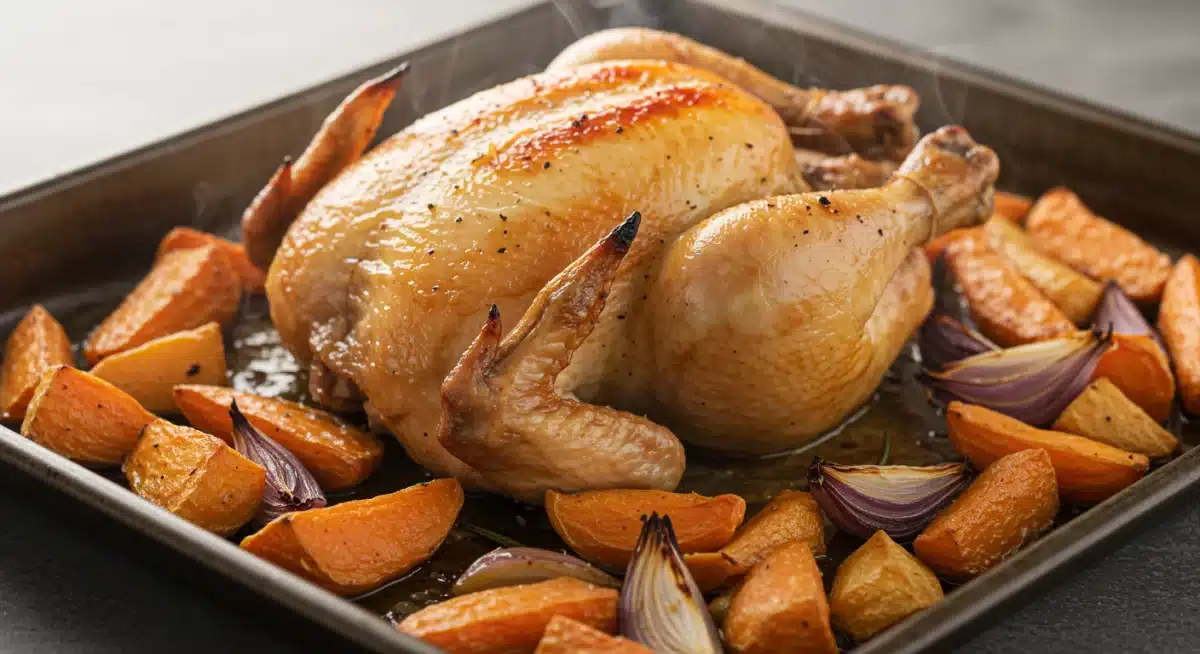
Roasting is a dry-heat cooking method that uses an oven’s circulating hot air to cook food evenly and develop rich, caramelized flavors. It’s perfect for larger cuts of meat, whole poultry, and a wide variety of vegetables. Unlike sautéing, roasting typically involves longer cooking times at moderate to high temperatures, allowing for deeper flavor development and a tender interior. Truly Mastering Cooking Methods like roasting can transform simple ingredients into gourmet meals.
The Science Behind the Roast:
- Convection Heat: Ovens cook primarily through convection, where hot air circulates around the food, transferring heat.
- Maillard Reaction and Caramelization: Similar to sautéing, the Maillard reaction is crucial here, creating the delicious browned crust. For vegetables, caramelization (the browning of sugars) also plays a significant role, enhancing sweetness and complexity.
- Evaporation: Surface moisture evaporates, concentrating flavors and contributing to the crispy exterior.
Insider Tips for Perfect Roasting:
- Preheat Your Oven Thoroughly: Just like with sautéing, preheating is non-negotiable. Give your oven at least 20-30 minutes to reach and stabilize at the desired temperature.
- Use a Roasting Rack: For meats and poultry, a roasting rack allows hot air to circulate all around the food, ensuring even cooking and preventing the bottom from steaming in its own juices. For vegetables, a single layer on a baking sheet is usually sufficient.
- Don’t Overcrowd the Pan: Again, crowding leads to steaming, not roasting. Ensure there’s space between your ingredients for proper air circulation and browning. If roasting vegetables, spread them in a single layer.
- Dry Your Food: Pat meats and vegetables dry before seasoning and roasting. This promotes a crispier exterior.
- Season Generously: Roasting develops deep flavors, and proper seasoning enhances them. Don’t be shy with salt, pepper, and herbs.
- Mind the Temperature: Different foods require different roasting temperatures. High heat (400-450°F / 200-230°C) is great for vegetables and smaller cuts of meat, while moderate heat (325-375°F / 160-190°C) is better for larger roasts to ensure even cooking without burning the exterior.
- Rest Your Meat: After roasting, always allow meats to rest for 10-20 minutes before carving. This allows the juices to redistribute, resulting in a more tender and flavorful product.
- Toss Vegetables Periodically: For even browning, toss roasted vegetables every 15-20 minutes during the cooking process.
Simmering: Gentle Cooking for Rich Flavors and Tender Textures
Simmering is a moist-heat cooking method characterized by cooking food in liquid just below the boiling point, typically between 185°F and 205°F (85°C and 96°C). It’s a gentle, slow cooking process ideal for developing complex flavors in stews, soups, sauces, and braises, and for tenderizing tougher cuts of meat and fibrous vegetables. Mastering Cooking Methods like simmering is crucial for creating comforting, deeply flavorful dishes.
The Science Behind the Simmer:
- Gentle Heat Transfer: The relatively low temperature allows for slow, even cooking without harsh agitation, which can break down delicate ingredients or toughen meats.
- Flavor Infusion: Long simmering times allow flavors from ingredients to meld and liquids to reduce and concentrate, creating rich, complex sauces and broths.
- Collagen Breakdown: For tougher cuts of meat, simmering slowly breaks down collagen into gelatin, resulting in incredibly tender, succulent meat.
Insider Tips for Perfect Simmering:
- Understand the Difference Between Simmer and Boil: A simmer involves small, gentle bubbles breaking the surface of the liquid, while a boil is characterized by rapid, vigorous bubbling. Boiling can toughen proteins and break down delicate ingredients.
- Start Cold (Sometimes): For stocks and some braises, starting with cold liquid and slowly bringing it to a simmer allows impurities to rise to the surface for skimming, resulting in a clearer product.
- Maintain a Consistent Temperature: Once simmering, adjust your heat to maintain a steady, gentle bubble. Too low, and food won’t cook; too high, and you’re boiling.
- Use a Heavy-Bottomed Pot: This helps distribute heat evenly and prevents scorching, especially during long simmering times.
- Cover (or Don’t) Strategically: Covering the pot retains moisture and heat, ideal for tenderizing meats. Leaving it uncovered allows for evaporation, which concentrates flavors and thickens sauces. Choose based on your desired outcome.
- Skim Impurities: Especially when making stocks or broths, skim off any foam or impurities that rise to the surface during the initial stages of simmering. This results in a cleaner, clearer product.
- Season Gradually: For dishes that simmer for a long time, season in stages. As the liquid reduces, flavors concentrate, so adding all the salt at the beginning can lead to an overly salty dish. Taste and adjust towards the end.
- Patience is Key: Simmering is a slow process. Resist the urge to rush it. The longer and more gently a dish simmers, the more complex and developed its flavors will become.
Pan-Frying: The Art of the Golden Crust
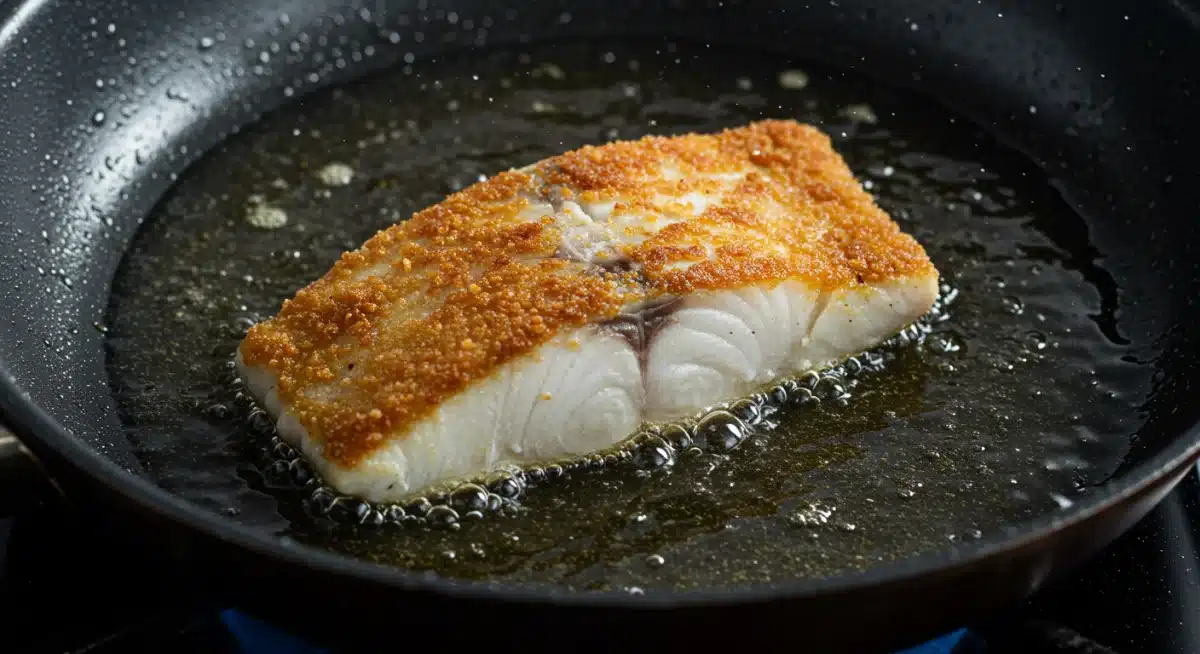
Pan-frying is a dry-heat cooking method that involves cooking food in a moderate amount of fat over medium to medium-high heat. It’s distinct from sautéing in that it typically uses more fat (often enough to come halfway up the food) and generally involves slightly lower heat for a longer duration, allowing for a crispier, more evenly browned crust without overcooking the interior. It’s perfect for achieving that coveted golden-brown exterior on items like breaded cutlets, fried chicken, or fish fillets. Mastering Cooking Methods like pan-frying provides a delightful textural contrast.
The Science Behind the Crisp:
- Conduction and Convection: Heat is transferred directly from the pan and the hot oil (conduction) and also through the hot oil surrounding the food (convection).
- Maillard Reaction: The browning of proteins and sugars on the surface creates complex flavors and aromas.
- Crisping: The moderate heat and fat allow moisture on the surface to evaporate and for coatings (like breading) to become incredibly crispy.
Insider Tips for Perfect Pan-Frying:
- Choose the Right Pan and Fat: A heavy-bottomed skillet (cast iron or stainless steel) is ideal for even heat distribution. Use a neutral oil with a high smoke point, such as canola, vegetable, or grapeseed oil.
- Use Enough Fat: Unlike sautéing, where you use just a slick of oil, pan-frying requires enough fat to come about one-third to halfway up the sides of your food. This ensures even cooking and browning.
- Monitor Oil Temperature: The oil should be hot enough to sizzle gently when food is added, but not smoking. Too cold, and food will absorb too much oil and become greasy; too hot, and the exterior will burn before the interior is cooked. Aim for around 325-350°F (160-175°C).
- Dry and Dredge Properly: For un-breaded items, pat them thoroughly dry. For breaded items, ensure a good, even coating of flour, egg wash, and breadcrumbs. Press the breading firmly to ensure it adheres.
- Don’t Crowd the Pan: This is critical for pan-frying. Crowding lowers the oil temperature, leading to greasy, soggy food instead of crispy. Fry in batches if necessary.
- Flip Only Once (or Twice): Allow the food to develop a golden crust on one side before flipping. This minimizes handling and ensures a beautiful, even brown.
- Drain Properly: Once cooked, transfer pan-fried items to a wire rack set over paper towels. This allows excess oil to drip away and prevents the bottom from becoming soggy.
- Season Immediately: Season pan-fried foods with salt and pepper as soon as they come out of the pan. The residual heat and oil help the seasonings adhere.
Beyond the Basics: General Principles for Culinary Success
While each cooking method has its unique requirements, several overarching principles apply across the board, guiding you towards consistently delicious results. These are the underlying tenets that truly define Mastering Cooking Methods.
Temperature Control is Paramount:
Understanding and controlling temperature is the single most important skill in cooking. Whether it’s preheating a pan to the right sizzle point for sautéing, maintaining a gentle simmer for hours, or ensuring your oven is precisely calibrated for roasting, temperature dictates the chemical reactions that create flavor, texture, and doneness. Invest in a good instant-read thermometer for meats and a reliable oven thermometer to verify your oven’s accuracy. Knowing how to adjust your heat source – whether it’s a stovetop burner or an oven dial – to achieve and maintain the ideal temperature is a hallmark of an expert cook. This precision prevents burning, undercooking, and ensures optimal development of the Maillard reaction and caramelization.
Mise en Place: The Chef’s Secret Weapon:
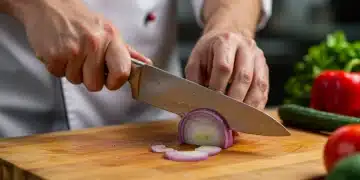
“Mise en place” (pronounced “meez ahn plahs”) is a French culinary term meaning “everything in its place.” It refers to the practice of preparing and organizing all your ingredients and tools before you begin cooking. This includes chopping vegetables, measuring spices, preheating pans, and lining up your equipment. Why is this so crucial? Because cooking, especially quick methods like sautéing and pan-frying, often requires rapid, sequential additions of ingredients. If you’re scrambling to chop garlic while your onions are burning, you’re already behind. A well-executed mise en place streamlines the cooking process, reduces stress, and allows you to focus on the technique itself, making it easier to react to changing temperatures and textures. It’s an indispensable habit for anyone serious about Mastering Cooking Methods.
Seasoning with Confidence:
Proper seasoning is about more than just adding salt and pepper; it’s about layering flavors and enhancing the natural taste of your ingredients.
- Taste as You Go: This is perhaps the most important advice. Unless working with raw meat or eggs, taste your food at various stages of cooking and adjust seasoning as needed. Remember, you can always add more, but you can’t take it away.
- Salt’s Role: Salt doesn’t just make food salty; it amplifies other flavors. Use kosher salt or sea salt for better control and flavor.
- Acidity for Balance: A squeeze of lemon juice or a splash of vinegar at the end of cooking can brighten flavors and cut through richness, adding a vital layer of complexity.
- Herbs and Spices: Understand when to add fresh versus dried herbs and whole versus ground spices to maximize their impact. Fresh herbs are often best added towards the end for brightness, while dried herbs and whole spices benefit from longer cooking times to release their flavors.
Understanding Your Ingredients:
Each ingredient reacts differently to heat. A delicate fish fillet will cook much faster than a tough cut of beef. Knowing the characteristics of your ingredients – their fat content, moisture level, and cellular structure – will help you choose the appropriate cooking method and adjust cooking times accordingly. For example:
- Dense Vegetables: Root vegetables like carrots and potatoes benefit from roasting or simmering to tenderize them slowly.
- Delicate Greens: Spinach or arugula require very quick sautéing or wilting to maintain their texture and color.
- Lean Meats: Chicken breast or fish fillets are best suited for quick cooking methods like sautéing or pan-frying to prevent drying out.
- Tougher Cuts of Meat: Chuck roast or short ribs are transformed by slow, moist-heat methods like simmering or braising.
This knowledge allows you to make informed decisions, adapting recipes and improvising with confidence, which is a key aspect of Mastering Cooking Methods.
Practice, Persistence, and Patience:
Like any skill, cooking improves with practice. Don’t be discouraged by initial failures. Every burnt onion or overcooked chicken is a learning opportunity. Pay attention to what went wrong, adjust your approach, and try again.
- Learn from Mistakes: Analyze why something didn’t work. Was the heat too high? Not enough fat? Did you crowd the pan?
- Be Patient: Good food often takes time. Rushing steps can compromise flavor and texture.
- Experiment: Once you understand the basic principles, don’t be afraid to experiment with different ingredients, seasonings, and variations of these methods.
Conclusion: Your Journey to Culinary Confidence
By focusing on Mastering Cooking Methods such as sautéing, roasting, simmering, and pan-frying, you are not just learning recipes; you are acquiring fundamental skills that will serve you in every culinary endeavor. These techniques are the building blocks upon which countless dishes are created. Understanding the science behind the sizzle, the magic of the Maillard reaction, and the importance of precise temperature control will elevate your cooking from merely following instructions to truly creating delicious food with intention and artistry.
Embrace the journey of learning, experiment with confidence, and never stop tasting. With these insider tips and a commitment to practice, you’ll soon find yourself navigating the kitchen with newfound expertise, transforming everyday ingredients into memorable meals, and truly becoming a master of your own culinary domain. Happy cooking!