Mastering Modern Food Plating: Elevate Your Dishes to Art in 2026
Anúncios
Mastering Modern Food Plating: Elevate Your Dishes to Art in 2026
In the evolving world of gastronomy, where culinary skill meets artistic expression, the art of modern food plating has never been more critical. It’s no longer enough for a dish to simply taste good; it must also captivate the eyes, telling a story before the first bite even reaches the palate. As we look towards 2026, the trends in food presentation are becoming even more sophisticated, emphasizing thoughtful design, innovative techniques, and a deeper connection between the chef and the diner. For the home cook aspiring to elevate their culinary game, understanding and implementing these modern food plating principles can transform everyday meals into extraordinary dining experiences.
Anúncios
The visual appeal of food significantly impacts our perception of its taste and quality. A beautifully plated dish can heighten anticipation, enhance enjoyment, and even influence how we remember a meal. This isn’t just about making food look pretty; it’s about creating a harmonious composition that balances colors, textures, shapes, and negative space. It’s about designing an experience that engages all senses, making each dish a memorable event. This comprehensive guide will delve into the core principles of modern food plating, explore essential tools, highlight emerging trends for 2026, and provide actionable tips for both aspiring home chefs and seasoned professionals.
Anúncios
The Philosophy Behind Modern Food Plating
At its heart, modern food plating is about intention. Every element on the plate should have a purpose, contributing to the overall aesthetic and flavor profile. It’s a dialogue between the ingredients, the plate, and the diner. This philosophy moves beyond simply arranging food; it’s about creating a visual narrative, evoking emotions, and showcasing the chef’s creativity and respect for the ingredients.
Think of the plate as a canvas and the ingredients as your palette. Just as an artist uses color, line, and form to create a painting, a chef uses food elements to construct a captivating edible artwork. The goal is to achieve balance, harmony, and visual interest, ensuring that the presentation enhances rather than detracts from the food itself.
One of the foundational aspects of this philosophy is minimalism. While elaborate presentations were once the hallmark of fine dining, modern food plating often embraces simplicity and restraint. This doesn’t mean less effort; it means a focus on quality ingredients, precise execution, and strategic placement. Each component is carefully considered, allowing its natural beauty and texture to shine.
Another key principle is storytelling. A dish can tell the story of its ingredients’ origin, the season, or the chef’s inspiration. For example, plating fresh, seasonal vegetables in a way that highlights their natural shapes and colors can evoke a sense of farm-to-table freshness. This narrative aspect adds depth and meaning to the dining experience, making it more engaging for the diner.
The dynamic nature of modern food plating also means it’s constantly evolving. What was groundbreaking a few years ago might be commonplace today. Staying abreast of current trends and being willing to experiment are crucial for anyone looking to excel in this culinary art form. In 2026, we anticipate a continued emphasis on sustainability, health-conscious choices, and the integration of technology, all of which will subtly influence how food is presented.
Core Principles of Stunning Food Presentation
To master modern food plating, it’s essential to understand and apply several core principles. These aren’t rigid rules but rather guidelines that provide a framework for creating visually appealing dishes.
1. Balance and Composition
Achieving balance on a plate involves distributing elements harmoniously. This includes visual weight, color, and texture. Avoid overcrowding the plate; allow for negative space, which helps the eye appreciate each component. Think about the rule of thirds, often used in photography and art, to position your main elements off-center for a more dynamic composition. A central focal point can also be effective, but ensure supporting elements complement it without competing for attention.
Composition also involves the arrangement of shapes and lines. Consider how ingredients interact. Do they create a sense of movement? Do they lead the eye across the plate? Using varying heights and layers can add depth and interest, preventing the dish from looking flat. For instance, stacking components can create an elegant vertical presentation, while artfully scattered elements can convey a more rustic or natural feel.
2. Color and Contrast
Color is arguably the most immediate visual cue. A vibrant, colorful plate is inherently more appealing than a monochromatic one. Incorporate a variety of natural colors from fresh ingredients – greens from herbs, reds from berries, yellows from citrus, and so on. Use contrasting colors to make elements pop. For example, a bright red cherry tomato against a dark green basil leaf, or a dollop of creamy white sauce against a rich brown protein.
However, be mindful not to overdo it. Too many colors can make a plate look chaotic. The goal is a balanced palette that excites the eyes without overwhelming them. Think about how natural pigments from vegetables, fruits, and spices can be leveraged to create a visually striking and appetizing dish. Even subtle shifts in hue can make a significant impact on the overall aesthetic of your modern food plating.
3. Texture and Shape
Just as important as color is texture. A plate with diverse textures is more engaging both visually and gastronomically. Think about combining crunchy elements (nuts, fried shallots, croutons), creamy components (purees, sauces), soft textures (poached fish, tender vegetables), and crisp elements (seared skin, fresh greens). These textural contrasts not only make the dish more interesting to eat but also add visual complexity.
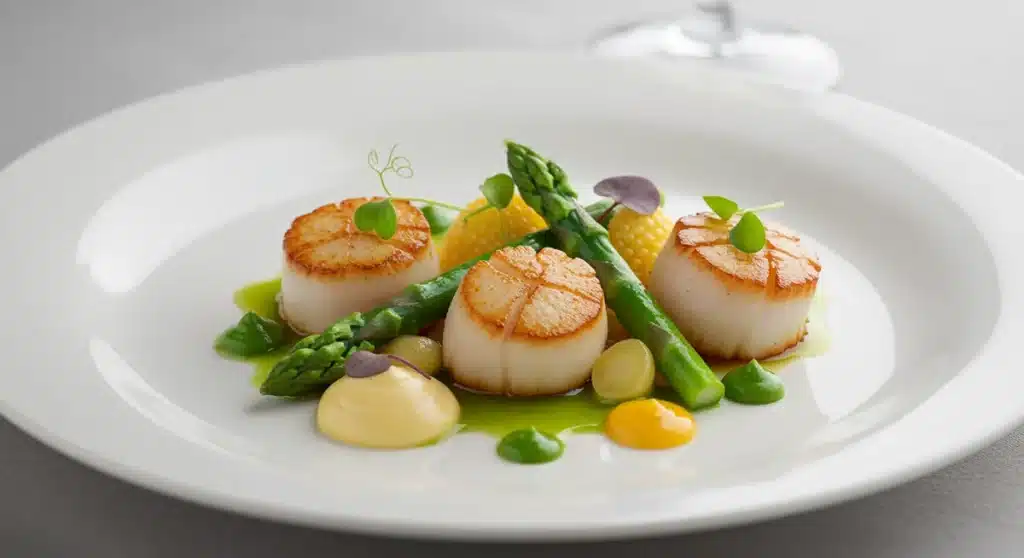
Varying shapes also contributes to visual appeal. Cut vegetables into different forms – julienne, brunoise, wedges, or rounds. Use natural shapes of ingredients to your advantage. A beautifully seared scallop, for instance, has an inherent elegance that can be enhanced by its placement. The interplay of organic and geometric shapes can create a dynamic and appealing presentation, an essential aspect of sophisticated modern food plating.
4. Temperature and Edibility
While primarily about aesthetics, effective modern food plating also considers the practical aspects of eating. All garnishes should be edible and contribute to the dish’s flavor profile. Avoid using non-edible decorations. Furthermore, ensure that the food is served at the correct temperature for optimal enjoyment. A stunning dish that’s cold when it should be hot will detract from the entire experience.
Consider the practicality of eating the dish. Is it easy to cut and consume? Are the components arranged in a way that makes sense to the diner? A thoughtful plating ensures that the aesthetic appeal doesn’t compromise the eating experience. This often means arranging components in a logical order, making sure sauces are accessible for dipping, and that garnishes enhance, not hinder, the consumption of the main ingredients.
Essential Tools for Modern Food Plating
While creativity is paramount, having the right tools can significantly aid in executing precise and elegant presentations. You don’t need a professional kitchen setup, but a few key items can make a world of difference in your modern food plating efforts.
1. Squeeze Bottles and Plating Spoons
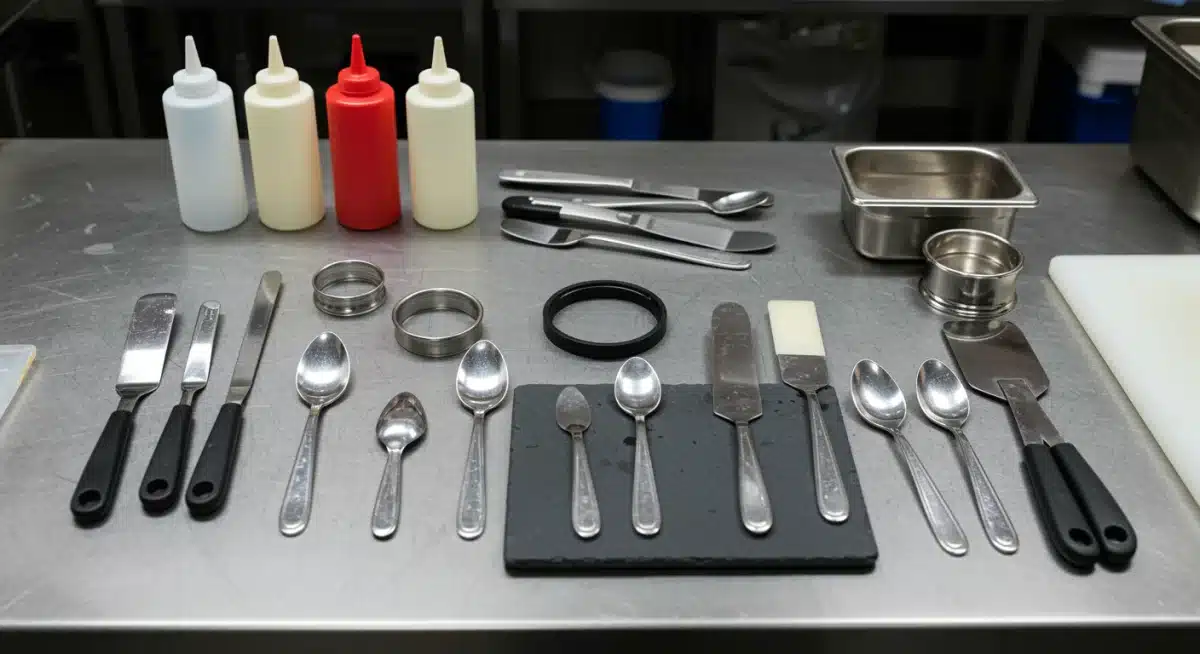
These are indispensable for sauces, purees, and coulis. Squeeze bottles allow for precise drizzles, dots, and lines, creating intricate patterns and controlled amounts of liquid. Plating spoons, with their tapered tips, are perfect for dragging sauces into elegant swooshes or placing small dollops with accuracy. They allow for a level of finesse that is difficult to achieve with a regular spoon.
2. Tweezers and Tongs
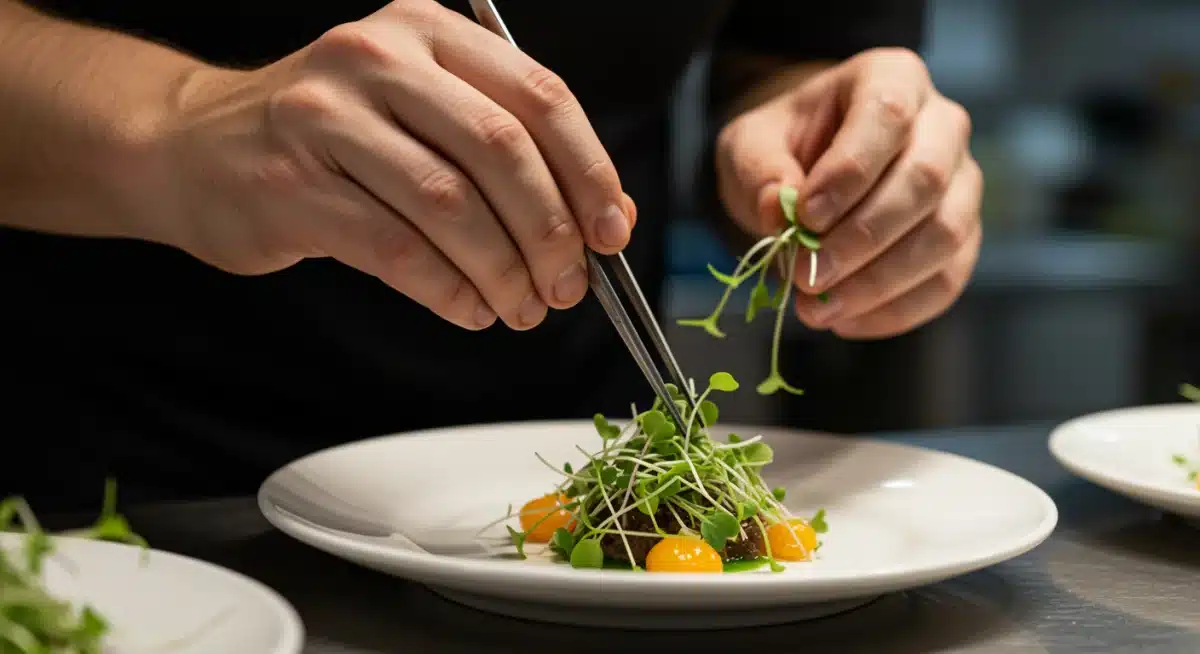
For delicate garnishes like microgreens, edible flowers, or tiny herbs, tweezers are a game-changer. They provide the precision needed to place these elements exactly where you want them without disturbing other components. Small tongs are also useful for handling larger, more delicate items that you don’t want to touch with your hands.
3. Ring Molds and Cutters
Ring molds help create perfectly circular stacks of food, such as rice, quinoa, tartare, or vegetables, adding structure and height to a dish. Various shaped cutters can be used for vegetables or pastry elements, adding uniformity and visual interest. These tools are particularly useful for creating a sense of order and architectural precision in your modern food plating.
4. Offset Spatulas
Small offset spatulas are excellent for spreading purees or sauces smoothly across a plate, creating a clean base for other ingredients. They also come in handy for carefully lifting and transferring delicate components without damaging them. Their ergonomic design allows for greater control and accuracy compared to standard spatulas.
5. High-Quality Plates
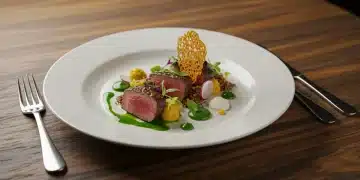
The canvas itself matters. Investing in a few high-quality plates – perhaps in white or neutral tones – can make your food truly stand out. Different shapes (round, square, rectangular) and sizes offer various possibilities for composition. Consider plates with interesting textures or rims, but ensure they don’t overpower the food. The plate should frame the dish, not compete with it, serving as a subtle backdrop for your modern food plating artistry.
Emerging Trends in Modern Food Plating for 2026
Staying current with culinary trends is vital for anyone passionate about food. Here’s a look at what we anticipate will be shaping modern food plating in 2026:
1. Hyper-Local and Foraged Elements
With a growing emphasis on sustainability and connection to nature, expect to see more hyper-local and foraged ingredients incorporated into plating. This means wild herbs, edible flowers, and unique regional produce that tell a story of place. These elements add an authentic, rustic yet refined touch, reflecting a deeper appreciation for the environment and local ecosystems.
2. Deconstructed and Reconstructed Dishes
The deconstructed trend continues to evolve, presenting individual components of a dish separately but harmoniously on the plate, allowing diners to appreciate each element before combining them. Reconstructed dishes take this a step further, transforming ingredients into new forms (e.g., a gel, foam, or sphere) while retaining their original flavors. This approach offers a playful and intellectual engagement with the food, challenging traditional perceptions of a dish.
3. Edible Art and Abstract Designs
Chefs are increasingly viewing plates as canvases for abstract art. This involves using sauces as paint, creating splatters, swirls, and deliberate smears that add a dynamic, almost painterly quality to the dish. The focus is on movement, flow, and visual intrigue, making each plate a unique piece of edible art. Expect more organic, free-form plating styles that embrace asymmetry and artistic expression in modern food plating.
4. Emphasis on Negative Space
Less is often more. The strategic use of negative space – the empty areas on the plate – creates a sense of elegance and allows the eye to rest, highlighting the key components of the dish. This trend emphasizes minimalism and intentionality, ensuring that every element placed on the plate serves a distinct purpose and is given room to breathe. It’s about creating impact through restraint.
5. Texture Forward Plating
Beyond visual appeal, chefs are increasingly focusing on how different textures contribute to the overall experience. Expect to see dishes that deliberately showcase a wide range of textures – crispy, creamy, crunchy, smooth, chewy, airy – often in unexpected combinations. This not only adds depth to the palate but also creates fascinating visual contrasts on the plate, making modern food plating more dynamic.
6. Interactive and Experiential Plating
Some restaurants are taking plating to the next level by making it interactive. This could involve elements that are added at the table, sauces poured tableside, or components that require the diner to assemble them. This trend transforms dining into an engaging experience, blurring the lines between chef and diner, and adding a playful dimension to the meal.
Practical Tips for Home Cooks to Achieve Modern Food Plating
You don’t need to be a Michelin-starred chef to apply these principles in your home kitchen. Here are some practical tips to elevate your modern food plating:
1. Start with a Clean Plate
This might seem obvious, but a spotless plate is the foundation of any great presentation. Wipe away any smudges or drips before serving. A clean canvas allows your food to truly shine.
2. Focus on a Focal Point
Identify the star of your dish – whether it’s a perfectly seared piece of fish, a vibrant vegetable medley, or a succulent cut of meat. Arrange other elements around this focal point, ensuring they complement it without overshadowing it. This creates a clear visual hierarchy.
3. Think in Odd Numbers
When arranging small components like scallops, shrimp, or vegetable florets, odd numbers (three, five, seven) often look more natural and aesthetically pleasing than even numbers. This creates a subtle asymmetry that is more dynamic to the eye.
4. Use Sauces Strategically
Sauces are not just for flavor; they are powerful plating tools. Drizzle them artfully, create swooshes with a spoon, or make small dots around the plate. Use contrasting colors for visual impact. Remember, less is often more – a well-placed accent of sauce is more impactful than a pool of it.
5. Garnish with Purpose
Every garnish should have a reason for being on the plate. It should add flavor, texture, or visual appeal. Fresh herbs, microgreens, edible flowers, a sprinkle of spice, or a zest of citrus can elevate a dish, but avoid over-garnishing. Choose garnishes that are relevant to the dish and enhance its overall character.
6. Consider Height and Layers
Adding height to your dish creates dimension and visual interest. Stack components carefully, ensuring stability. Layering different textures and colors can also add depth and make the dish more intriguing. For example, a base of puree, topped with protein, then a vibrant vegetable, and finally a delicate garnish creates a beautiful vertical composition.
7. Practice Makes Perfect
Like any skill, modern food plating improves with practice. Don’t be afraid to experiment. Take photos of your plated dishes, review them, and identify what works and what doesn’t. Over time, you’ll develop an intuitive sense of balance, color, and composition.
The Psychological Impact of Plating
The power of modern food plating extends beyond mere aesthetics; it has a profound psychological impact on the diner. Research has shown that visually appealing food is perceived as tasting better, even if the ingredients are identical to a less artfully presented dish. This phenomenon, known as ‘gastrophysics,’ highlights how our senses interact to create our overall dining experience.
A well-plated dish suggests care, attention to detail, and a higher quality of preparation. It communicates that the chef respects the ingredients and the diner, elevating the perceived value of the meal. This can lead to increased satisfaction, a willingness to pay more, and a more memorable culinary journey. For home cooks, this means that even a simple weeknight meal can feel like a special occasion with a little extra effort in presentation.
Moreover, certain plating styles can evoke specific emotions or associations. For instance, a rustic, abundant plating might suggest comfort and home, while a minimalist, precise arrangement can convey sophistication and elegance. Understanding these subtle cues allows chefs to better control the narrative and emotional response to their dishes, making every meal an intentional experience. This is a crucial, yet often underestimated, aspect of mastering modern food plating.
The arrangement of food can also influence how we eat. A dish that is easy to navigate and consume enhances the overall pleasure. If a diner struggles to cut or scoop components because of awkward placement, it detracts from the experience, regardless of how beautiful the initial presentation was. Therefore, practicality and user-friendliness are silent but significant contributors to the psychological success of a plated dish.
Integrating Sustainability into Plating in 2026
As global awareness of environmental issues intensifies, sustainability is becoming an increasingly integral part of culinary practices, including modern food plating. In 2026, we’ll see chefs and home cooks alike embracing plating techniques that reflect a commitment to eco-consciousness. This isn’t just about using sustainable ingredients, but also about how those ingredients are presented and the overall impact of the dining experience.
One aspect is minimizing food waste. Thoughtful plating can ensure that every edible component of an ingredient is utilized and showcased. For example, using vegetable stems, leaves, or roots that might otherwise be discarded as garnishes or integrated components. This ‘root-to-stem’ or ‘nose-to-tail’ approach not only reduces waste but also adds unique textures and flavors to the dish, making the plating more interesting and resourceful.
Another trend is the use of natural, locally sourced, and reusable plating surfaces. Moving beyond traditional ceramic plates, some establishments are experimenting with slate, wood, or even edible serving vessels made from compressed vegetables or grains. This adds an earthy, organic feel to the presentation while reducing the ecological footprint. For home cooks, this might mean utilizing beautiful wooden boards or natural stone slabs for certain dishes, enhancing the rustic elegance of their modern food plating.
Furthermore, the narrative of sustainability can be subtly woven into the plating itself. Highlighting seasonal ingredients, showcasing the natural beauty of humble vegetables, or incorporating elements that speak to a dish’s origin can all contribute to a more sustainable and conscious dining experience. This approach transforms plating from a purely aesthetic exercise into a statement of values, resonating deeply with diners who prioritize ethical consumption. The visual story of a sustainable meal is as important as its taste.
Conclusion: Your Plate, Your Canvas for 2026
Modern food plating is a dynamic and rewarding aspect of cooking that transforms a meal from mere sustenance into an artistic expression. By understanding the core principles of balance, color, texture, and intentionality, and by utilizing the right tools, you can elevate your dishes to new heights. As we move into 2026, the trends emphasize authenticity, sustainability, and a deeper connection with the ingredients and the dining experience.
Whether you’re preparing a simple weeknight dinner or a special occasion feast, taking a few extra moments to thoughtfully plate your food can significantly enhance its appeal and the overall enjoyment of your diners. Remember, your plate is your canvas – an opportunity to tell a story, evoke emotion, and delight the senses. Embrace the journey of culinary artistry, experiment with new techniques, and watch as your home-cooked meals become truly unforgettable masterpieces through the power of modern food plating.
Start small, practice regularly, and most importantly, have fun with it. The world of food presentation is vast and exciting, offering endless possibilities for creativity. So, pick up your plating spoon, grab those tweezers, and begin crafting edible art that will impress and inspire everyone who gathers at your table in 2026 and beyond.