Mastering Cooking Surfaces: Cast Iron, Stainless Steel, Non-Stick Heat Transfer Explained
Anúncios
Mastering Cooking Surfaces: An In-Depth Look at Cooking Surface Heat Transfer
In the vast and exciting world of culinary arts, understanding the fundamental principles of cooking is paramount to achieving consistently delicious results. Beyond mastering recipes and techniques, a crucial, yet often overlooked, aspect lies in the very tools we use: our cooking pans. Specifically, the material of a cooking surface plays a monumental role in how heat is transferred to your food, ultimately dictating texture, flavor, and overall success. This comprehensive guide will delve deep into the science of cooking surface heat transfer, comparing three of the most popular and distinct materials: cast iron, stainless steel, and non-stick.
Anúncios
By exploring the unique thermal properties of each material, we aim to equip you with the knowledge to make informed decisions about which pan to reach for, transforming your everyday cooking into a more precise and rewarding experience. Whether you’re a seasoned chef or a home cook looking to elevate your skills, grasping the nuances of heat distribution and retention will empower you to cook smarter, not just harder.
Anúncios
The Science Behind Heat Transfer in Cooking
Before we dive into the specifics of each pan material, let’s briefly touch upon the three primary modes of heat transfer relevant to cooking: conduction, convection, and radiation. While all three are at play to varying degrees, conduction is arguably the most critical when discussing cooking surfaces.
- Conduction: This is the transfer of heat through direct contact. When you place a pan on a hot burner, heat is conducted from the burner to the pan, and then from the pan’s surface directly to your food. The efficiency of a material in conducting heat is measured by its thermal conductivity. Materials with high thermal conductivity heat up quickly and distribute heat rapidly.
- Convection: This involves heat transfer through the movement of fluids (liquids or gases). In cooking, this can be seen in boiling water, simmering sauces, or even the circulation of hot air in an oven. While not directly related to the pan’s material itself, the pan’s shape can influence convective currents within the food.
- Radiation: This is the transfer of heat through electromagnetic waves. Think of the intense heat radiating from a grill or broiler, or even the radiant heat from a very hot pan. Darker, duller surfaces tend to absorb and emit radiant heat more effectively than shiny, reflective ones.
When we talk about cooking surface heat transfer, we are primarily concerned with how efficiently and evenly a pan conducts and retains heat, and to a lesser extent, how it radiates heat.
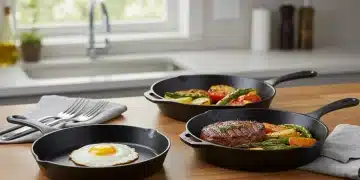
Cast Iron: The Enduring Legacy of Even Heat and Retention
Cast iron cookware has graced kitchens for centuries, revered for its robustness and unparalleled heat characteristics. Understanding these characteristics is key to appreciating its role in cooking surface heat transfer.
Thermal Properties of Cast Iron
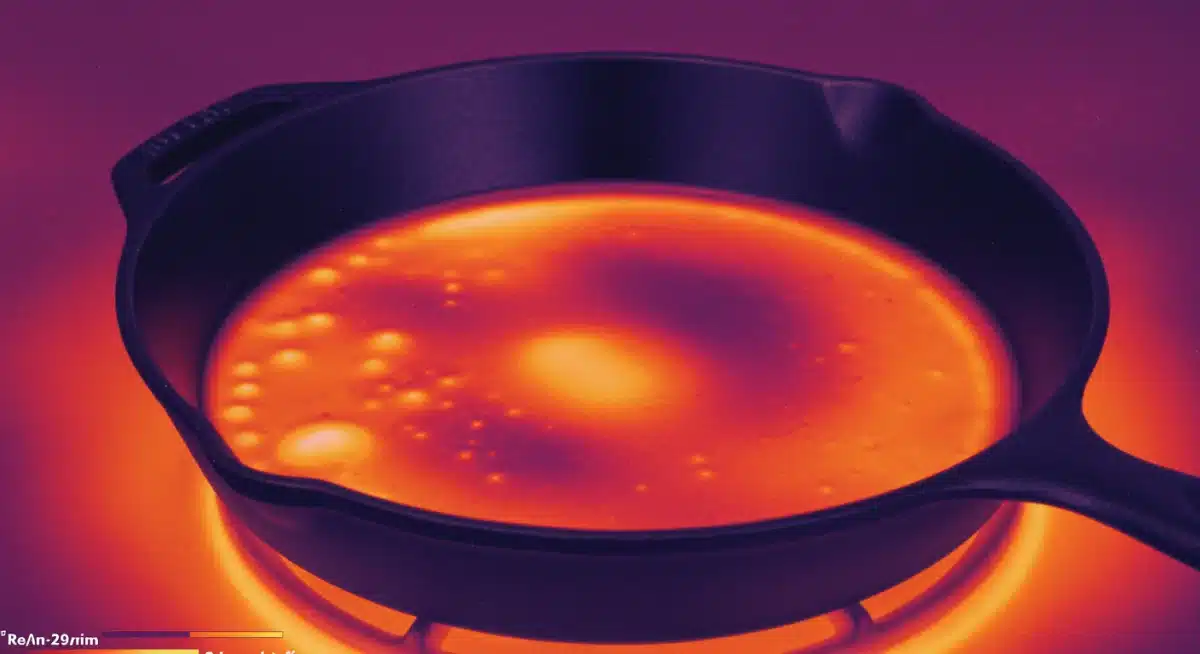
Cast iron is an alloy of iron and carbon, known for its high thermal mass. This means it takes a relatively long time to heat up, but once hot, it retains that heat exceptionally well and distributes it very evenly across its surface. This property is often referred to as its thermal inertia.
- Heat Conduction: While not as fast a conductor as copper or aluminum, cast iron conducts heat very uniformly once it reaches temperature. This evenness is crucial for consistent cooking results, preventing hot spots that can lead to uneven browning or burning.
- Heat Retention: This is where cast iron truly shines. Its high thermal mass allows it to hold heat for extended periods, even when cold ingredients are added. This makes it ideal for searing, frying, and baking, where a consistent, high temperature is desired. The ability to maintain temperature is a significant factor in effective cooking surface heat transfer.
- Radiant Heat: Cast iron, especially when seasoned and dark, is an excellent emitter of radiant heat. This contributes to the distinctive crusts and browning achieved when cooking on cast iron, particularly for dishes like cornbread, steaks, or pan-fried chicken.
Advantages of Cooking with Cast Iron
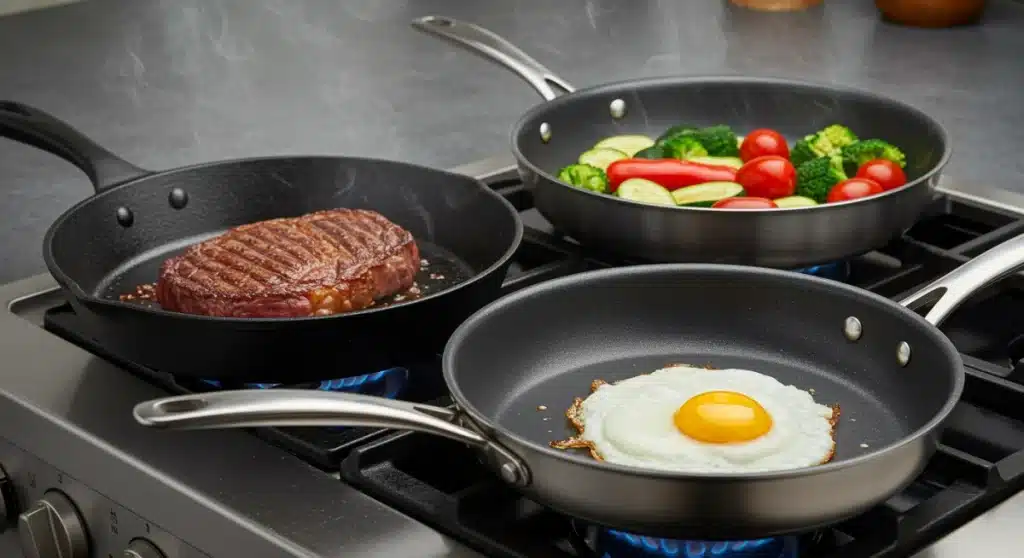
- Superior Searing: The excellent heat retention of cast iron allows it to maintain a high temperature even when a cold piece of meat is added, leading to a perfect, crusty sear. This is a direct benefit of its efficient cooking surface heat transfer.
- Even Cooking: Once preheated, cast iron provides a remarkably uniform cooking surface, reducing the risk of unevenly cooked food.
- Versatility: From stovetop to oven to grill, cast iron can handle a wide range of cooking applications. It’s perfect for frying, baking, braising, and roasting.
- Durability: Properly cared for, a cast iron pan can last for generations, becoming a cherished family heirloom.
- Natural Non-Stick (with seasoning): Over time, with proper seasoning, cast iron develops a natural non-stick surface, reducing the need for excessive oil.
- Iron Fortification: Some studies suggest that cooking in cast iron can leach small amounts of iron into food, which can be beneficial for those with iron deficiencies.
Disadvantages of Cooking with Cast Iron
- Slow to Heat Up: Its high thermal mass means it takes longer to preheat compared to other materials. Patience is key when working with cast iron to allow for optimal cooking surface heat transfer.
- Heavy: Cast iron pans are notoriously heavy, which can make them challenging to maneuver, especially for those with limited strength.
- Requires Seasoning: To prevent rust and maintain its non-stick properties, cast iron needs regular seasoning and specific cleaning methods.
- Reactive: Unseasoned cast iron can react with acidic foods, imparting a metallic taste and potentially damaging the seasoning.
- Rust Prone: If not dried thoroughly after washing, cast iron can rust.
Best for: Searing steaks, pan-frying chicken, baking cornbread, deep-frying, and any dish requiring high, consistent heat and excellent browning.
Stainless Steel: The Workhorse of the Modern Kitchen
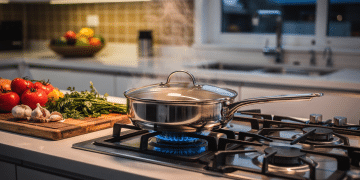
Stainless steel is a ubiquitous material in professional and home kitchens alike, celebrated for its durability, non-reactivity, and relative ease of maintenance. However, its properties regarding cooking surface heat transfer are more complex than they might appear at first glance.
Thermal Properties of Stainless Steel
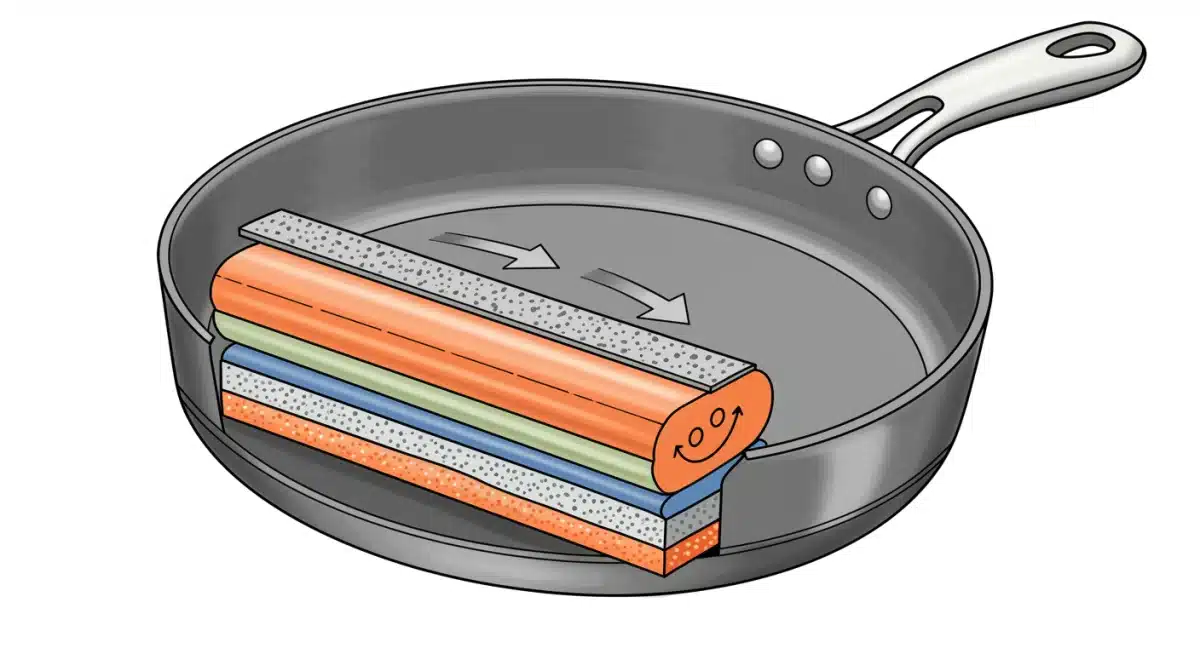
Pure stainless steel is actually a poor conductor of heat. If you’ve ever used a cheap, single-ply stainless steel pan, you’ve likely experienced frustrating hot spots and uneven cooking. To counteract this, high-quality stainless steel cookware is typically constructed with a multi-ply design, incorporating layers of highly conductive metals like aluminum or copper.
- Heat Conduction: In multi-ply stainless steel, the core material (aluminum or copper) is responsible for efficient heat conduction. Aluminum offers excellent thermal conductivity and is lightweight, while copper is even more conductive but heavier and more expensive. These layers ensure rapid and even distribution of heat across the pan’s surface, improving cooking surface heat transfer significantly.
- Heat Retention: Stainless steel, even with a conductive core, doesn’t retain heat as effectively as cast iron. It heats up and cools down more quickly. This can be an advantage for dishes that require precise temperature control but a disadvantage for searing large batches of food.
- Radiant Heat: Shiny stainless steel is a poor emitter and absorber of radiant heat compared to cast iron. This means it relies more heavily on conductive heat transfer to cook food.
Advantages of Cooking with Stainless Steel
- Durability and Longevity: Stainless steel is highly resistant to dents, scratches, and corrosion, making it incredibly durable.
- Non-Reactive: Unlike cast iron or aluminum, stainless steel does not react with acidic or alkaline foods, preserving the true flavor of your ingredients. This makes it ideal for sauces, tomato-based dishes, and marinades.
- Easy to Clean: Stainless steel is generally easy to clean and dishwasher safe, requiring less specialized care than cast iron.
- Versatility: High-quality stainless steel pans can go from stovetop to oven, and are suitable for a wide range of cooking methods including sautéing, frying, braising, and boiling.
- Aesthetically Pleasing: Its sleek, shiny appearance makes it a popular choice for many modern kitchens.
- Good Temperature Control: Because it heats up and cools down relatively quickly (compared to cast iron), stainless steel offers more responsive temperature control for delicate cooking.
Disadvantages of Cooking with Stainless Steel
- Poor Conductor (pure stainless steel): As mentioned, without a conductive core, pure stainless steel performs poorly in terms of cooking surface heat transfer. Always look for clad or tri-ply options.
- Sticking: Without a non-stick coating, food can easily stick to stainless steel if not properly preheated or if insufficient oil/fat is used.
- Less Efficient Searing than Cast Iron: While it can sear well, it may not achieve the same deep, even crust as cast iron due to its lower thermal mass and heat retention.
- Price: High-quality, multi-ply stainless steel cookware can be more expensive than basic cast iron or non-stick options.
Best for: Sautéing vegetables, making sauces, deglazing, searing lighter meats, and any cooking where precise temperature control and non-reactivity are important.
Non-Stick: The Convenience King
Non-stick cookware has revolutionized home cooking, offering unparalleled convenience and ease of cleaning. However, its unique surface properties significantly impact cooking surface heat transfer and require careful consideration.
Thermal Properties of Non-Stick
The non-stick coating itself (typically PTFE, or Teflon) is a poor conductor of heat. Therefore, non-stick pans are almost always made with a base material that is a good conductor, most commonly aluminum, sometimes with a stainless steel base for induction compatibility.
- Heat Conduction: The underlying aluminum core provides excellent and rapid heat conduction, meaning non-stick pans heat up quickly and distribute heat fairly evenly. The non-stick layer, however, can slightly impede direct heat transfer to the food, requiring slightly higher temperatures to achieve the same browning as bare metal.
- Heat Retention: Non-stick pans, especially those with thinner aluminum bases, tend to have lower thermal mass and thus poorer heat retention compared to cast iron or even quality stainless steel. They heat up fast and cool down fast.
- Radiant Heat: The non-stick coating itself is generally dark and can absorb some radiant heat, but its primary function is to prevent sticking, not to optimize radiant heat transfer for browning.
Advantages of Cooking with Non-Stick
- Effortless Food Release: This is the primary advantage. Foods slide off with minimal effort, making cooking delicate items like eggs, pancakes, and fish incredibly easy. This significantly simplifies the entire cooking surface heat transfer process from the user’s perspective, as less fat is needed to prevent sticking.
- Easy Cleanup: Residues wipe away easily, making cleanup a breeze.
- Requires Less Fat: Due to its non-stick properties, you can cook with significantly less oil or butter, leading to healthier meals.
- Quick Heating: Thanks to their aluminum base, non-stick pans heat up very quickly.
- Lightweight: Most non-stick pans are lightweight and easy to handle.
Disadvantages of Cooking with Non-Stick
- Durability of Coating: The non-stick coating is susceptible to scratching, chipping, and flaking, especially with metal utensils or abrasive cleaning. Once damaged, the non-stick properties are compromised, and the pan should be replaced.
- Temperature Limitations: Most non-stick coatings have a maximum temperature limit (usually around 500°F or 260°C). Exceeding this can cause the coating to degrade, release fumes, and lose its non-stick properties. This makes them unsuitable for high-heat searing, which directly impacts cooking surface heat transfer at intense temperatures.
- Poor Searing: Due to temperature limitations and the insulating effect of the coating, non-stick pans are not ideal for achieving a deep, flavorful sear.
- Shorter Lifespan: Compared to cast iron or stainless steel, non-stick pans generally have a shorter lifespan and need to be replaced more frequently.
- Potential Health Concerns (historical/misunderstood): While modern non-stick coatings (PFOA-free) are generally considered safe for their intended use, historical concerns about PFOA have led to some lingering public apprehension.
Best for: Eggs, pancakes, delicate fish, crêpes, stir-fries, and any food where sticking is a major concern and high heat searing is not required.
Comparing Cooking Surface Heat Transfer: A Summary
To summarize the key differences in cooking surface heat transfer among these three materials:
| Property | Cast Iron | Stainless Steel (Clad) | Non-Stick (Aluminum Base) |
|---|---|---|---|
| Heat Up Time | Slow | Moderate to Fast | Fast |
| Heat Conduction Evenness | Excellent (once heated) | Very Good | Good |
| Heat Retention | Excellent | Moderate | Poor to Moderate |
| Searing Capability | Superior | Good | Poor |
| Non-Stick Properties | Good (with seasoning) | Poor (requires fat) | Excellent |
| Durability of Surface | Extremely High | Very High | Low (coating) |
| Temperature Limit | Very High | Very High | Low (typically < 500°F) |
| Maintenance | High (seasoning) | Low | Moderate (gentle cleaning) |
| Weight | Heavy | Moderate | Light |
Choosing the Right Pan for the Job
The best approach to cookware is not to declare one material superior to all others, but rather to understand their strengths and weaknesses concerning cooking surface heat transfer and match them to the task at hand. A well-equipped kitchen will often feature a combination of all three.
- For Searing and High-Heat Cooking: Reach for your cast iron skillet. Its ability to retain and radiate intense, even heat is unmatched for creating a beautiful crust on meats and vegetables.
- For Everyday Versatility and Sauces: A high-quality clad stainless steel pan is your go-to. Its durability, non-reactivity, and good heat distribution make it perfect for sautéing, browning, and simmering.
- For Delicate Foods and Easy Cleanup: The non-stick pan is invaluable for eggs, pancakes, and delicate fish, where sticking is the enemy and a gentle touch is preferred over high heat.
Consider the specific requirements of your recipe. Does it need a deep, dark sear? Cast iron. Does it involve acidic ingredients and require precise temperature adjustments? Stainless steel. Are you making an omelet and dreading cleanup? Non-stick.
Tips for Optimizing Heat Transfer with Each Pan Type
Cast Iron
- Preheat Thoroughly: Give cast iron ample time to heat up slowly and evenly over medium heat. This ensures optimal cooking surface heat transfer from the start.
- Don’t Be Afraid of Heat: Once hot, cast iron can handle and retain high temperatures, perfect for searing.
- Season Regularly: A well-seasoned pan will not only be more non-stick but will also conduct and radiate heat more effectively.
- Avoid Drastic Temperature Changes: Rapid cooling or heating can stress the metal and potentially lead to cracking.
Stainless Steel
- Preheat Properly: For non-stick cooking on stainless steel, preheat the pan over medium heat for a few minutes until a drop of water beads and dances across the surface (the Leidenfrost effect). Then add oil. This creates a temporary barrier that prevents sticking.
- Use Medium Heat: Most tasks are best performed at medium heat to prevent burning and allow the conductive core to work efficiently.
- Deglaze for Flavor: Stainless steel is excellent for building fond (brown bits) on the bottom of the pan, which can then be deglazed to create flavorful sauces.
Non-Stick
- Avoid High Heat: Stick to low to medium heat settings to preserve the coating and prevent the release of fumes.
- Use Appropriate Utensils: Always use silicone, wood, or plastic utensils to prevent scratching the delicate non-stick surface.
- Hand Wash: While some are dishwasher safe, hand washing with a soft sponge extends the life of the coating.
- Replace When Damaged: If the coating is scratched, flaking, or peeling, it’s time to replace the pan.
The Future of Cooking Surfaces and Heat Transfer
As culinary science continues to evolve, so too do the materials and designs of our cookware. Innovations in cooking surface heat transfer are constantly being explored. We see advancements in:
- Hybrid Materials: Pans combining the benefits of multiple materials, such as cast iron with an enamel coating, or stainless steel with a ceramic non-stick layer, aim to offer the best of all worlds.
- Advanced Non-Stick Coatings: New generations of non-stick coatings are being developed that boast higher heat resistance, greater durability, and even better food release, moving beyond traditional PTFE.
- Induction Compatibility: With the rise of induction cooktops, cookware manufacturers are increasingly focusing on materials and designs that are ferromagnetic, ensuring efficient heat transfer on these modern surfaces. Many stainless steel and cast iron pans are naturally induction compatible, while some aluminum-based non-stick pans require an embedded steel plate.
- Smart Cookware: The integration of smart technology, such as embedded temperature sensors, promises to give cooks even more precise control over cooking surface heat transfer, leading to more consistent results.
These developments suggest an exciting future where cookware becomes even more specialized and efficient, allowing for greater culinary creativity and precision.
Conclusion: Embrace the Science of Cooking Surface Heat Transfer
Ultimately, understanding cooking surface heat transfer is not just about technical knowledge; it’s about becoming a more intuitive and effective cook. By appreciating how cast iron, stainless steel, and non-stick pans interact with heat, you gain a powerful tool for controlling the outcome of your dishes.
No single pan is perfect for every task. The true mastery lies in knowing which pan to select for the specific culinary goal you have in mind. Invest in good quality cookware across these categories, learn their individual characteristics, and observe how they respond to heat. With this knowledge, you’ll be well on your way to consistently producing restaurant-quality meals in your own kitchen, always leveraging the optimal cooking surface for perfect heat transfer.
So, next time you reach for a pan, take a moment to consider its material and how it will influence the heat transfer to your ingredients. This small shift in perspective can make a world of difference in your cooking journey.