Decoding ‘Healthy’ Food Labels: Insider Tips for 2026
In an increasingly health-conscious world, the term ‘healthy’ has become a powerful, yet often ambiguous, marketing tool. As we navigate the grocery aisles of 2026, understanding what truly constitutes a healthy food choice is more critical than ever. Food manufacturers, ever eager to capture consumer attention, liberally apply labels designed to evoke a sense of well-being and nutritional superiority. However, the reality behind these claims can be vastly different from the perception. This comprehensive guide aims to equip you with insider knowledge, enabling you to confidently decode healthy food labels and make informed decisions for your diet and well-being. We’ll delve into the nuances of food labeling, expose common marketing tactics, and highlight the four crucial labels you absolutely must check to ensure you’re truly eating healthy.
Anúncios
The journey to deciphering healthy food labels begins with a fundamental understanding: not all ‘healthy’ claims are created equal. Many terms are unregulated, allowing companies significant leeway in their application. Others, while regulated, might only tell part of the story. Our goal here is to cut through the marketing noise and empower you with the tools to identify genuinely nutritious options. By 2026, consumer awareness has grown, but so too has the sophistication of food marketing. Staying ahead of the curve means being critical, informed, and proactive in your food choices. Let’s embark on this essential exploration into the world of healthy food labels.
Anúncios
The Evolution of ‘Healthy’ Food Labels: What’s Changed by 2026?
The landscape of healthy food labels has undergone significant transformations over the years, driven by evolving dietary science, consumer demand, and regulatory updates. By 2026, we’ve seen a shift towards greater transparency, though loopholes and ambiguities still persist. Historically, ‘healthy’ was often defined by low fat content, leading to the proliferation of low-fat products that were often high in sugar and refined carbohydrates. This narrow focus overlooked the bigger picture of nutritional quality. Today, the conversation has broadened to include whole ingredients, minimal processing, and the absence of certain additives.
Regulators in various countries have attempted to standardize the definition of ‘healthy,’ but a universal, globally accepted standard remains elusive. This fragmented regulatory environment means that a product labeled ‘healthy’ in one region might not meet the same criteria elsewhere. Furthermore, the rise of conscious consumerism has pushed for more stringent requirements, leading to the development of third-party certifications and seals that aim to provide an extra layer of assurance. However, even these can be overwhelming, with a myriad of symbols and claims vying for your attention. Understanding this complex evolution is the first step in mastering the art of reading healthy food labels effectively.
The increasing availability of information, coupled with a growing skepticism towards corporate claims, means that consumers are no longer content with superficial assurances. They want to know the ‘why’ and the ‘how’ behind a product’s ‘healthy’ status. This has led to a greater emphasis on ingredient lists, nutritional panels, and the source of ingredients. The challenge lies in distinguishing between genuine efforts at transparency and clever marketing ploys designed to appear transparent without actually providing substantive information. This is where our insider knowledge comes into play, helping you cut through the noise and focus on what truly matters when evaluating healthy food labels.
The Pitfalls of Marketing: Why ‘Healthy’ Isn’t Always Healthy
Food marketing is a sophisticated science, designed to appeal to our desires, often bypassing our critical thinking. The term ‘healthy’ is arguably one of its most potent weapons. Companies invest heavily in packaging design, catchy slogans, and strategic placement to make their products seem more wholesome than they truly are. This often involves highlighting a single beneficial nutrient while downplaying or omitting less desirable ingredients. For instance, a cereal might boast ‘high fiber’ while being loaded with added sugars. A snack bar might claim ‘natural ingredients’ but contain highly processed components.
The psychological impact of ‘healthy’ labeling is significant. Studies have shown that consumers often perceive products with ‘healthy’ claims as being lower in calories or more nutritious, even when the nutritional facts suggest otherwise. This phenomenon, known as the ‘health halo effect,’ can lead to overconsumption or a false sense of security about one’s dietary choices. Avoiding these marketing traps requires a conscious effort to look beyond the front-of-package claims and delve into the specifics of the product. It means understanding that a ‘low-fat’ label doesn’t automatically mean ‘low-calorie’ or ‘nutritionally dense,’ and a ‘sugar-free’ label might simply mean artificial sweeteners have replaced natural sugars, potentially with their own set of health implications.
Moreover, the rise of ‘clean eating’ trends has fueled a new wave of marketing jargon. Terms like ‘clean,’ ‘pure,’ ‘wholesome,’ and ‘guilt-free’ are frequently used without any standardized definition or regulatory oversight. These terms tap into consumer aspirations for a healthier lifestyle but provide little to no concrete information about the product’s actual nutritional profile. Our aim is to empower you to recognize these marketing ploys and instead focus on tangible, quantifiable information when evaluating healthy food labels. This critical approach is vital for making genuinely healthy choices in 2026 and beyond.
Label 1: The Ingredient List – Your Primary Source of Truth
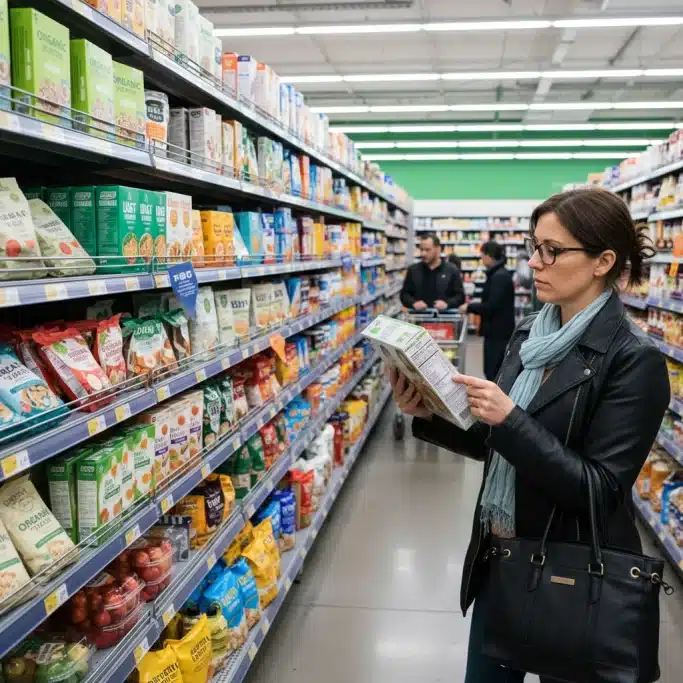
If there’s one place to start your investigation into healthy food labels, it’s the ingredient list. This often-overlooked section, typically found on the back or side of packaging, is arguably the most honest piece of information a food product offers. Unlike front-of-package claims, which can be subjective and marketing-driven, the ingredient list provides a factual breakdown of what’s actually in your food, in descending order by weight. This means the first ingredients listed are present in the largest quantities.
When scrutinizing the ingredient list, look for whole, recognizable foods. A general rule of thumb is: if you can’t pronounce it, or if it sounds like it belongs in a chemistry lab, it’s likely a highly processed additive. Prioritize products with short ingredient lists, as this often indicates less processing and fewer artificial components. Be wary of long lists filled with unfamiliar terms. Specifically, pay close attention to the first few ingredients. If sugar, high-fructose corn syrup, or other sweeteners are among the first three, the product is likely high in added sugars, regardless of any ‘healthy’ claims on the front.
Furthermore, the ingredient list helps you identify hidden sources of unhealthy fats, sodium, and allergens. Trans fats, for example, might be listed as ‘partially hydrogenated oils.’ Excessive sodium can be disguised under various names like ‘monosodium glutamate’ (MSG) or ‘sodium benzoate.’ For those with dietary restrictions or allergies, the ingredient list is indispensable. Always remember that even if a product claims to be ‘gluten-free’ or ‘dairy-free,’ it’s wise to double-check the ingredient list for any unexpected components. The ingredient list is your ultimate tool for cutting through the marketing hype and understanding the true composition of healthy food labels.
Label 2: Added Sugars – The Silent Saboteur
The fight against excessive sugar consumption has gained significant momentum by 2026, and for good reason. Added sugars, distinct from naturally occurring sugars found in fruits and dairy, contribute empty calories, can lead to weight gain, and increase the risk of chronic diseases such such as type 2 diabetes and heart disease. Unfortunately, food manufacturers are masters at disguising added sugars under a multitude of names – over 50 different ones, in fact! This makes ‘added sugars’ one of the most critical aspects to check on healthy food labels.
Thanks to updated nutrition labels in many regions, ‘Added Sugars’ now has its own line item under the ‘Total Sugars’ section of the Nutrition Facts panel. This is a monumental step forward in transparency. When examining this specific line, pay attention to the grams of added sugar per serving. Health organizations typically recommend limiting added sugar intake to no more than 10% of your daily calories, which translates to about 50 grams for a 2,000-calorie diet. Many seemingly healthy products, like yogurts, breakfast cereals, and granola bars, can contain a surprising amount of added sugar, easily pushing you over daily recommendations.
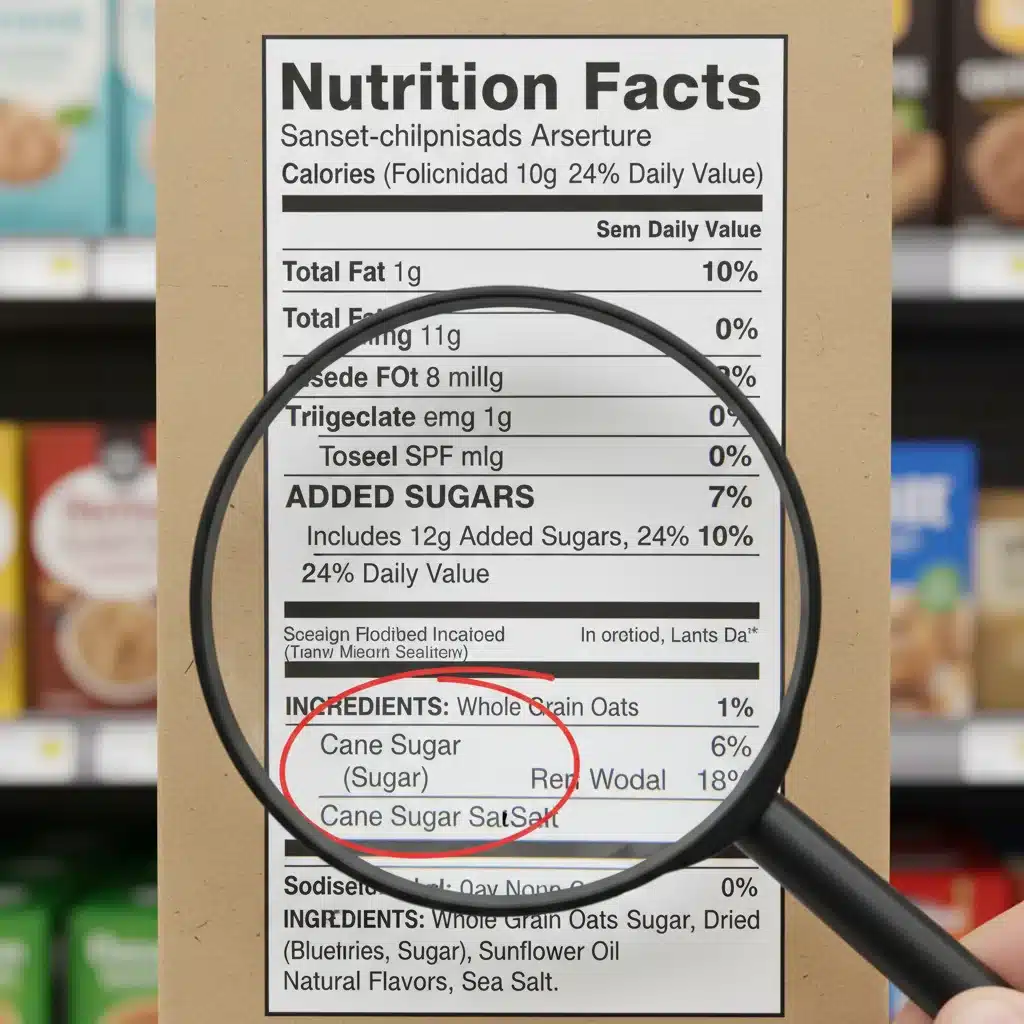
Beyond the dedicated ‘Added Sugars’ line, it’s still crucial to be vigilant with the ingredient list, as some products may use naturally derived but still added sweeteners that contribute to overall sugar content. Look for terms like corn syrup, high-fructose corn syrup, dextrose, fructose, glucose, sucrose, maltose, molasses, honey, maple syrup, agave nectar, and fruit juice concentrate. If multiple forms of sugar appear early in the ingredient list, it’s a strong indicator that the product is not as ‘healthy’ as its front-of-package claims might suggest. Understanding and actively seeking out low ‘added sugars’ is a cornerstone of deciphering healthy food labels effectively.
Label 3: Whole Grains – Beyond the Brown Color
Whole grains are a cornerstone of a healthy diet, providing fiber, vitamins, minerals, and antioxidants. They are linked to a reduced risk of heart disease, type 2 diabetes, and certain cancers. However, the term ‘whole grain’ on healthy food labels can be incredibly misleading. Many products use terms like ‘multigrain,’ ‘wheat,’ ‘seven-grain,’ or ‘bran’ to imply whole grain goodness, when in reality, they might contain very little, if any, actual whole grains.
The key to identifying genuine whole-grain products lies in checking the ingredient list. Look for the word ‘whole’ before the grain name, such as ‘whole wheat,’ ‘whole oats,’ ‘whole rye,’ ‘whole corn,’ or ‘brown rice.’ If the first ingredient listed is ‘enriched wheat flour’ or ‘degerminated cornmeal,’ it is not a whole grain product, even if it has a brown color or says ‘wheat’ prominently. Color alone is not an indicator; many refined grain products are artificially colored to appear healthier. Some products might contain a small amount of whole grains but primarily consist of refined grains, which offer fewer nutritional benefits.
To be considered a truly whole grain product, the first ingredient should be a whole grain. Additionally, look for certifications from reputable organizations that specifically endorse whole grain products. These seals often guarantee a minimum percentage of whole grain content. By 2026, consumer demand for authentic whole grains has pushed some manufacturers to be more transparent, but vigilance is still required. Don’t be fooled by clever marketing; always verify the presence of ‘whole’ in the ingredient list to ensure you’re getting the full nutritional benefits associated with healthy food labels promoting grains.
Label 4: Third-Party Certifications – The Gold Standard of Healthy Food Labels
While government regulations provide a baseline, third-party certifications often represent the gold standard when it comes to verifying healthy food labels. These independent organizations set strict criteria that go beyond basic legal requirements, offering consumers an extra layer of trust and assurance. By 2026, the landscape of certifications has expanded, making it even more important to understand which seals hold true meaning.
One of the most widely recognized and reliable certifications is the ‘USDA Organic’ seal in the United States, or equivalent organic certifications in other countries (e.g., EU Organic Logo). This certification ensures that products are produced without synthetic pesticides, fertilizers, GMOs, or antibiotics, and adhere to strict animal welfare standards. For many, ‘organic’ is synonymous with a healthier, more environmentally friendly choice. Similarly, certifications like ‘Non-GMO Project Verified’ specifically address concerns about genetically modified organisms, providing clarity for those who wish to avoid them.
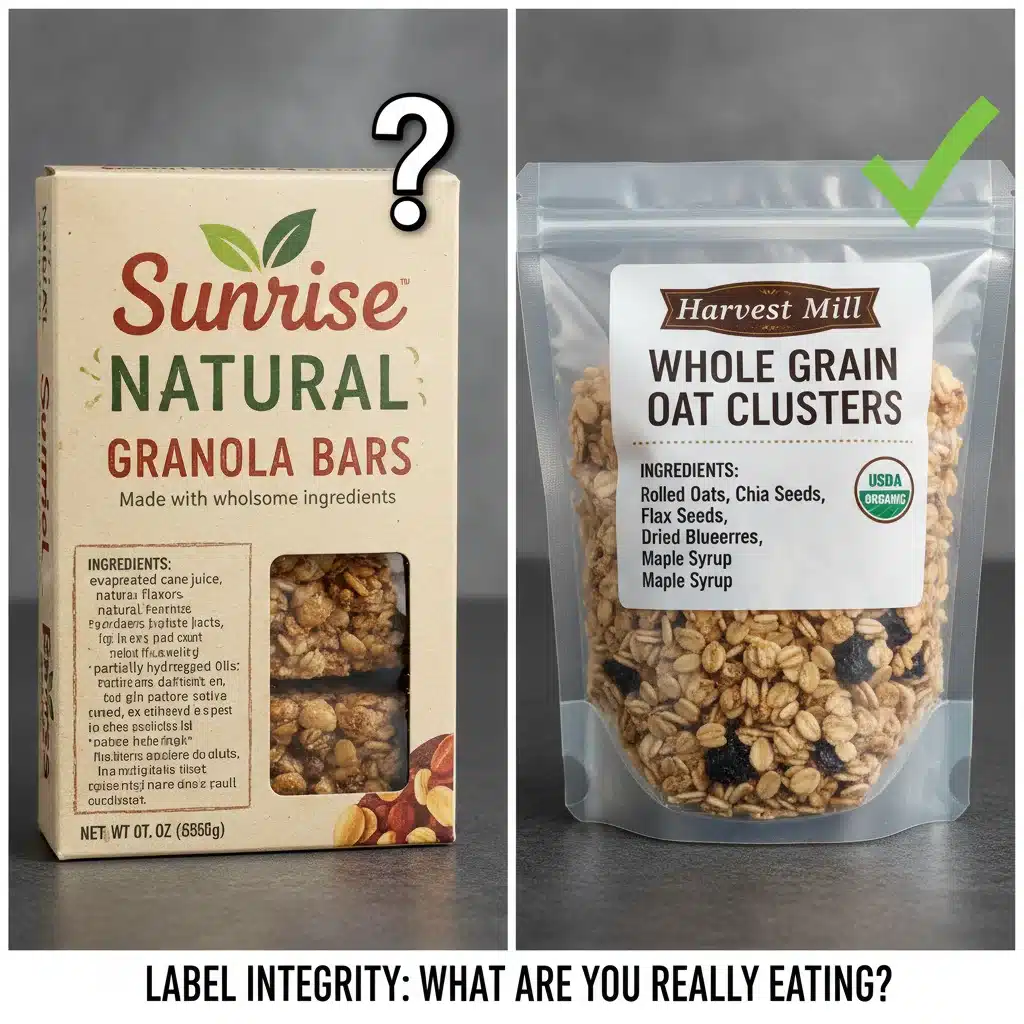
Beyond organic and non-GMO, other important certifications include ‘Certified Humane’ or ‘Animal Welfare Approved’ for animal products, which guarantee higher standards of animal care. For sustainable seafood, look for the ‘Marine Stewardship Council (MSC)’ or ‘Aquaculture Stewardship Council (ASC)’ certifications. For plant-based options, a ‘Certified Vegan’ or ‘Vegetarian Society Approved’ label can provide confidence. These certifications are not merely marketing ploys; they represent rigorous auditing processes and a commitment to specific standards. When you see these seals on healthy food labels, you can generally be more confident in the product’s claims, as they are backed by independent verification rather than just manufacturer assertions. Familiarizing yourself with these key certifications is a powerful way to streamline your healthy food choices.
Beyond the Four Labels: Additional Considerations for Optimal Health
While focusing on the ingredient list, added sugars, whole grains, and third-party certifications provides a strong foundation for decoding healthy food labels, there are several other factors to consider for optimal health. These additional insights will help you further refine your food choices and ensure a truly nutritious diet in 2026.
Understanding Serving Sizes and Portion Control
The nutrition facts panel provides information per serving, but these serving sizes are often smaller than what people typically consume. It’s crucial to be aware of how many servings you are actually eating to accurately calculate your intake of calories, fats, sugars, and sodium. A product might appear low in calories per serving, but if you eat three servings, the actual intake triples. This awareness is vital for maintaining a balanced diet and preventing unintentional overconsumption, even of seemingly healthy foods.
The Importance of Sodium Content
High sodium intake is linked to high blood pressure and increased risk of heart disease. Many processed foods, even those not typically thought of as salty, can be significant sources of sodium. Always check the sodium content on the nutrition facts panel. Look for products labeled ‘low sodium’ (140 mg or less per serving) or ‘very low sodium’ (35 mg or less per serving). Be particularly mindful of sodium in canned goods, frozen meals, processed meats, and condiments, as these can quickly add up. Understanding sodium content is a key element of truly healthy food labels.
Fats: Quality Over Quantity
Not all fats are created equal. While ‘low-fat’ used to be the gold standard, current nutritional science emphasizes the importance of healthy fats. Focus on products that contain monounsaturated and polyunsaturated fats (found in nuts, seeds, avocados, and olive oil) and limit saturated and trans fats. The nutrition facts panel will break down total fat into saturated and trans fats. Aim for products with minimal trans fats (ideally 0g) and lower saturated fat content. Remember, healthy fats are essential for nutrient absorption and overall well-being, so don’t shy away from them entirely, but prioritize their quality when reading healthy food labels.
Artificial Sweeteners and Food Additives
While artificial sweeteners can reduce calorie intake, their long-term health effects are still a subject of ongoing research. Some studies suggest potential impacts on gut microbiome and metabolic health. Similarly, certain food additives, colorings, and preservatives have raised concerns for some individuals, particularly those with sensitivities or allergies. While not always harmful, being aware of their presence through the ingredient list allows you to make informed choices based on your personal health philosophy. If you prefer to avoid them, look for products with shorter, more natural ingredient lists. This critical evaluation extends your ability to understand healthy food labels fully.
Putting It All Together: A Holistic Approach to Healthy Eating
Navigating the complex world of healthy food labels in 2026 requires a holistic and informed approach. It’s not about blindly trusting claims on the front of the package, but rather about empowering yourself with the knowledge to look deeper. By consistently checking the ingredient list, added sugars, whole grains, and seeking out reputable third-party certifications, you can confidently make choices that genuinely support your health and well-being.
Remember, no single food or label defines a healthy diet. It’s the cumulative effect of your choices over time. Combine your label-reading skills with a diverse intake of whole, unprocessed foods like fresh fruits, vegetables, lean proteins, and healthy fats. Cook more at home, where you have complete control over ingredients. Educate yourself continuously, as nutritional science and food labeling regulations will continue to evolve.
In conclusion, the power to choose truly healthy foods lies squarely in your hands. By applying the insider knowledge shared in this guide, you transform from a passive consumer into an active participant in your dietary health. Embrace the challenge of decoding healthy food labels, and you’ll unlock a world of genuinely nutritious options that fuel your body and mind for a vibrant future. Your health is your most valuable asset, and understanding what you eat is the first crucial step in protecting it.