Mastering Outdoor Grilling: Your 2026 Guide to Perfect Main Dishes
The sizzle of meat on hot grates, the smoky aroma wafting through the air, and the inimitable flavor of food cooked over an open flame – there’s nothing quite like outdoor grilling. As we step into 2026, the art of grilling main dishes continues to evolve, with new techniques, tools, and inspirations emerging to elevate our backyard culinary adventures. Whether you’re a seasoned grill master or a novice looking to fire up your first barbecue, this comprehensive guide will equip you with the knowledge and confidence to achieve perfect char and flavor, transforming your outdoor cooking into an unforgettable experience.
Anúncios
Grilling isn’t just about cooking; it’s about connection, celebration, and creating memories around delicious food. From succulent steaks and tender chicken to flaky fish and vibrant vegetables, the possibilities for main dishes on the grill are endless. This year, we’re focusing on mastering the fundamentals while also exploring innovative approaches to ensure every meal you prepare outdoors is a masterpiece. Get ready to ignite your passion for the grill and discover the secrets to truly exceptional outdoor cuisine.
Anúncios
The Foundation: Understanding Your Grill and Fuel
Before you even think about what to cook, it’s crucial to understand your equipment. The type of grill and fuel you choose significantly impacts the flavor, cooking process, and overall outcome of the grilling main dishes. Let’s break down the most popular options:
Charcoal Grills: The Classic Choice for Smoky Flavor
For many, charcoal grilling is the epitome of outdoor cooking. It offers that quintessential smoky flavor and intense heat that’s hard to replicate. However, it requires a bit more finesse and patience.
- Types of Charcoal:
- Lump Charcoal: Made from pure wood, it burns hotter and cleaner, imparting a more natural, subtle smoky flavor. It’s irregular in shape, which can make consistent heat distribution a challenge but offers excellent responsiveness.
- Charcoal Briquettes: Uniform in size and shape, briquettes provide a more consistent burn and are easier to arrange for even heat. They often contain additives, which can sometimes produce a slightly less pure flavor, but modern briquettes have improved significantly.
- Starting Your Charcoal: Forget lighter fluid. A chimney starter is your best friend. It gets charcoal hot and ready in about 15-20 minutes, cleanly and efficiently.
- Heat Zones: Learning to create direct and indirect heat zones is paramount for successful charcoal grilling. Direct heat is for searing and quick cooking, while indirect heat is for slower cooking, roasting, and achieving that perfect internal temperature without burning the exterior. This technique is vital for thicker grilling main dishes like roasts or whole chickens.
Gas Grills: Convenience Meets Control
Gas grills are celebrated for their convenience, quick preheating, and precise temperature control. They are ideal for weeknight grilling and for those who prefer a cleaner, less smoky flavor profile.
- Propane vs. Natural Gas: Most home gas grills use propane tanks, but some can be converted to natural gas, offering an endless fuel supply if plumbed to your home.
- Burner Configuration: Modern gas grills often feature multiple burners, allowing you to create different heat zones just like with charcoal. This is excellent for cooking various items simultaneously or for using indirect heat for larger cuts of meat.
- Flavorizers: Many gas grills use metal bars or ceramic briquettes above the burners. These catch drippings, which then vaporize, returning flavor to your food. While not as smoky as charcoal, they contribute significantly to the grilled taste.
Pellet Grills: The Best of Both Worlds?
Pellet grills, powered by electricity and burning wood pellets, offer the smoky flavor of charcoal with the convenience and temperature control of gas. They excel at low-and-slow smoking but can also reach high temperatures for searing.
- Wood Pellets: Available in various wood types (hickory, apple, mesquite, cherry), allowing you to customize the smoky flavor of your smoked main dishes.
- Temperature Control: Often digitally controlled, pellet grills maintain a precise temperature, making them incredibly user-friendly for long cooks.
Essential Tools for Grilling Main Dishes Like a Pro
Having the right tools makes all the difference. Invest in quality items that will last and enhance your grilling experience.
- Grill Brush: A sturdy brush for cleaning grates before and after each use is non-negotiable. Clean grates prevent sticking and ensure even cooking.
- Long-Handled Tongs: Essential for flipping and moving food safely. Look for ones with good grip.
- Spatula: A wide, sturdy spatula is perfect for delicate items like fish or burgers.
- Meat Thermometer: Absolutely critical for ensuring food safety and achieving perfect doneness. An instant-read thermometer is a game-changer for perfect meat grilling.
- Grill Gloves: Protect your hands from the heat. Heat-resistant gloves are invaluable when adjusting coals or moving hot grates.
- Basting Brush: For applying marinades, sauces, or glazes during cooking.
- Aluminum Foil Pans: Great for catching drippings, cooking vegetables, or keeping food warm.
Mastering Grilling Techniques for Unforgettable Main Dishes
Beyond the tools and fuel, technique is where true mastery lies. Here are fundamental techniques to perfect your grilling main dishes:
Direct Heat Grilling: The Sizzle and Sear
Direct heat is when food is placed directly over the heat source. This method is best for:
- Thin Cuts of Meat: Steaks, chops, burgers, hot dogs, and chicken breasts.
- Quick-Cooking Vegetables: Asparagus, bell peppers, zucchini.
- Searing: Creating that beautiful, flavorful crust on meat.
Tip: Preheat your grill thoroughly. A screaming hot grill ensures a good sear and prevents sticking. Don’t overcrowd the grates, as this lowers the temperature and steams rather than grills your food.
Indirect Heat Grilling: Low and Slow Perfection
Indirect heat involves placing food adjacent to the heat source, allowing it to cook more slowly and evenly, much like an oven. This is ideal for:
- Thicker Cuts of Meat: Roasts, whole chickens, briskets, ribs, pork shoulders.
- Delicate Items: Fish fillets (especially with skin), certain vegetables that might burn over direct heat.
- Smoking: Adding wood chips to create flavorful smoke.
Tip: For charcoal grills, bank coals to one side. For gas grills, turn off one or more burners. Place a drip pan under the food to catch juices and prevent flare-ups.
Two-Zone Grilling: The Best of Both Worlds
Many grilling main dishes benefit from a combination of direct and indirect heat. This is known as two-zone grilling:
- Sear First: Start your meat over direct high heat to get a beautiful crust and develop rich flavors (Maillard reaction).
- Finish Indirect: Move the meat to the indirect side to finish cooking through to the desired internal temperature without burning the exterior. This is especially effective for thicker steaks, chicken pieces, or pork chops.
Understanding Doneness and Resting Meat
Using a meat thermometer is non-negotiable for food safety and optimal taste. Don’t rely on visual cues alone. Here are general guidelines:
- Beef/Lamb: Rare (125-130°F), Medium-Rare (130-135°F), Medium (135-140°F), Medium-Well (140-145°F), Well-Done (150-155°F).
- Pork: 145°F (with a 3-minute rest).
- Chicken/Poultry: 165°F.
- Fish: 145°F, or until it flakes easily with a fork.
Resting Meat: After grilling, always let meat rest for 5-15 minutes (depending on size) before slicing. This allows the juices to redistribute, resulting in a more tender and flavorful product. Cover loosely with foil to keep warm.
Flavor Enhancement: Marinades, Rubs, and Brines
Elevate your grilling main dishes with these flavor-boosting techniques:
Marinades: Tenderize and Flavor
Marinades typically contain an acid (vinegar, citrus juice), oil, and various seasonings. The acid helps tenderize the meat, while the oil and seasonings infuse flavor. Marinate for at least 30 minutes, but often several hours or overnight for best results. Always discard used marinade or boil it thoroughly before serving as a sauce.
Rubs: The Dry Flavor Powerhouse
Dry rubs are blends of spices and herbs that are applied directly to the surface of meat. They create a flavorful crust and can be used on almost any type of meat. Apply rubs generously and let them sit on the meat for at least 30 minutes, or even overnight, allowing the flavors to penetrate.
Brines: Juiciness Guaranteed
Brining involves soaking meat (especially poultry or pork) in a saltwater solution, often with added sugars and aromatics. This process helps the meat retain moisture during cooking, resulting in a juicier, more tender product. Wet brines are common, but dry brining (applying salt directly to the meat surface) is also highly effective.
Popular Grilling Main Dishes and Expert Tips
Let’s dive into specific categories and how to achieve perfection on the grill.
Beef: Steaks, Roasts, and Burgers
- Steaks (Ribeye, Sirloin, T-Bone): Always bring steaks to room temperature before grilling. Season generously with salt and pepper. Grill over direct high heat for 2-4 minutes per side to achieve a beautiful sear, then move to indirect heat to finish to your desired doneness. Rest for 5-10 minutes.
- Burgers: Use ground chuck (80/20 fat ratio) for the best flavor and juiciness. Form patties gently, making a small indentation in the center to prevent bulging. Grill over direct medium-high heat until desired doneness.
- Roasts (Tri-Tip, Brisket): These often benefit from low-and-slow cooking using indirect heat, possibly with some wood chips for smoke. A two-zone setup is ideal, searing first then finishing indirectly. Brisket, in particular, is a prime candidate for long smoking sessions.
Poultry: Chicken and Turkey
- Chicken Breasts/Thighs: Brine or marinate chicken to ensure juiciness. Grill boneless, skinless cuts over medium-high direct heat, flipping frequently to prevent burning. Bone-in pieces can start direct and finish indirect. Always cook to 165°F.
- Whole Chicken/Turkey: Best cooked using indirect heat, often with a drip pan underneath. Consider spatchcocking (butterflying) a whole chicken for more even cooking and crispier skin. Maintain a consistent grill temperature of 350-375°F.
Pork: Chops, Ribs, and Tenderloin
- Pork Chops: Thicker chops benefit from a reverse sear: cook slowly over indirect heat until almost done, then finish with a quick sear over direct high heat. Brining helps prevent dryness.
- Ribs (Baby Back, St. Louis): The classic ‘3-2-1’ method (3 hours smoke, 2 hours wrapped, 1 hour unwrapped) is popular for tender, fall-off-the-bone ribs. Low and slow indirect heat is key.
- Pork Tenderloin: Marinate for flavor and moisture. Grill over medium-high direct heat, turning frequently, until browned on all sides, then move to indirect heat to finish cooking to 145°F.
Seafood: Fish and Shellfish
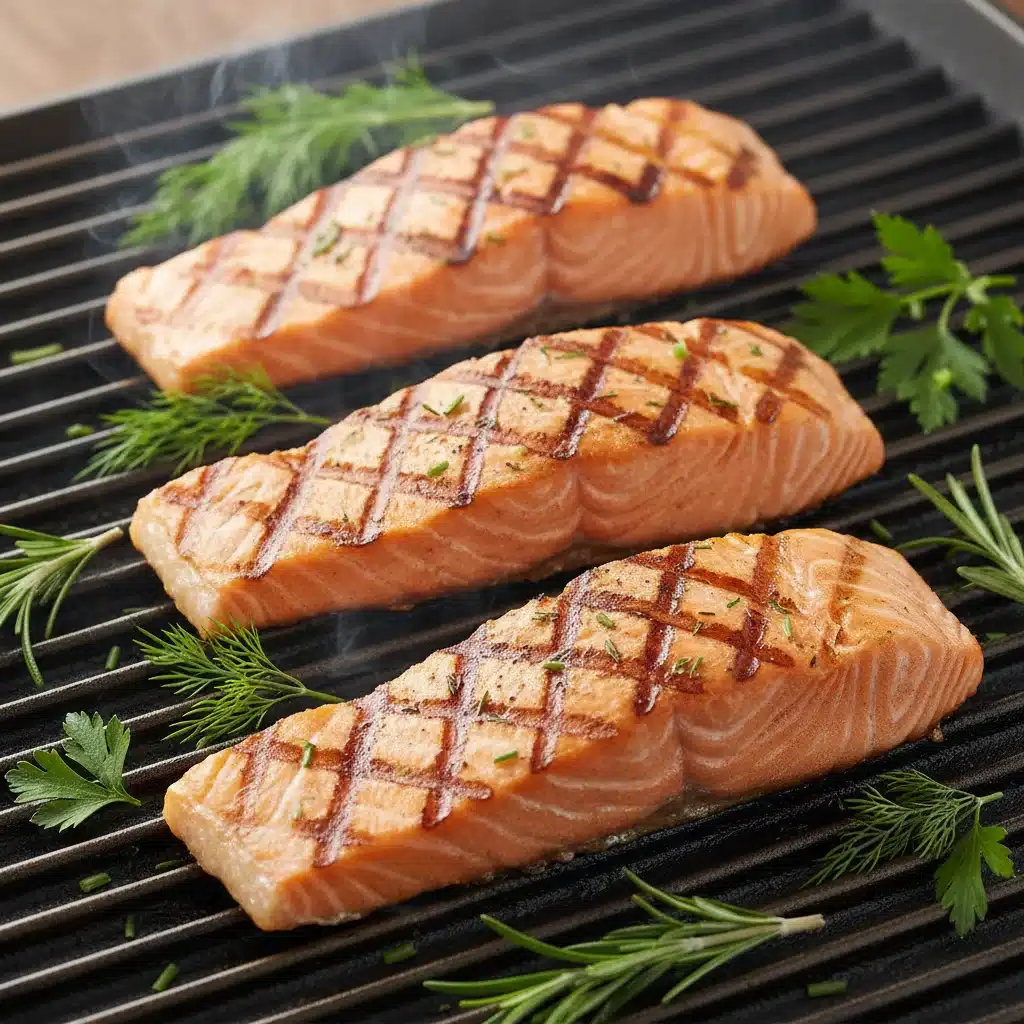
- Fish Fillets (Salmon, Halibut, Cod): Delicate fish benefits from a clean, well-oiled grate. Place skin-side down first if applicable. Use a fish basket or foil packet for very delicate fish to prevent sticking and breaking apart. Grill over medium-high heat.
- Shrimp/Scallops: Quick-cooking. Thread onto skewers to prevent them from falling through the grates. Grill over direct high heat for only 1-2 minutes per side until opaque.
Vegetarian Grilling Main Dishes
The grill isn’t just for meat! Vegetables, plant-based proteins, and even fruits can be incredible vegetarian grilling main dishes.
- Portobello Mushrooms: Marinate in balsamic vinegar and herbs, then grill over medium-high direct heat until tender.
- Halloumi Cheese: This non-melting cheese grills beautifully, developing a golden crust and a salty, squeaky texture.
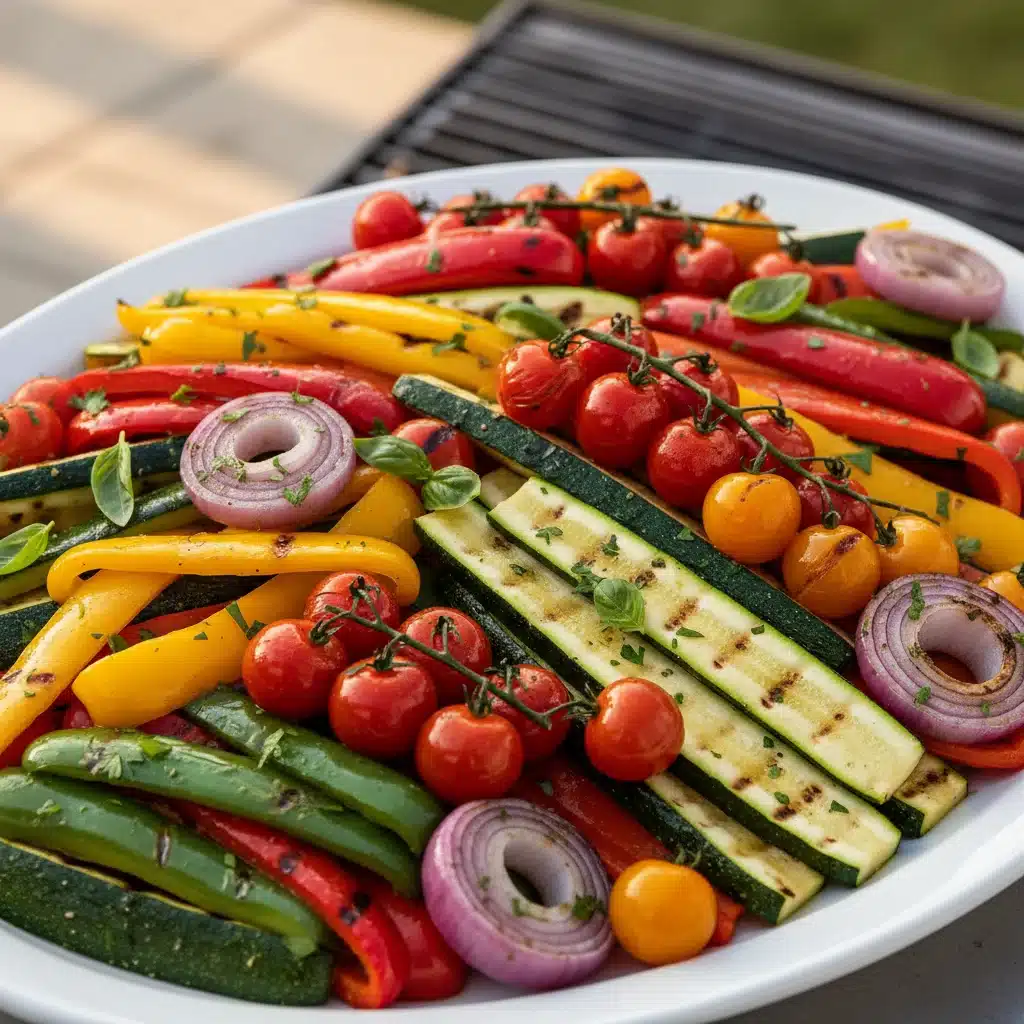
- Vegetable Skewers: Bell peppers, onions, zucchini, cherry tomatoes, and eggplant all grill well. Cut into uniform pieces and toss with oil and seasonings.
- Plant-Based Burgers/Sausages: Many excellent options are available. Follow package directions, but generally, grill like their meat counterparts over medium-high heat.
- Whole Cauliflower/Cabbage: Can be grilled low and slow, often basted with flavorful sauces, until tender and smoky.
Advanced Grilling Techniques and Tips for 2026
Ready to take your advanced grilling techniques to the next level? Consider these:
Reverse Searing
This technique is perfect for thick cuts of meat (1.5 inches or more). Instead of searing first, you cook the meat slowly over indirect heat until it’s about 10-15°F below your target internal temperature. Then, you transfer it to screaming hot direct heat for a quick, intense sear on all sides. This results in an incredibly even cook from edge to edge with a perfect crust.
Plank Grilling
Cooking on a cedar or other wood plank adds incredible smoky flavor and moisture, especially to delicate items like fish, chicken, or vegetables. Soak the plank in water for at least an hour (or longer for more flavor) before placing it on the grill with your food. Cook over indirect heat. The plank will smolder and infuse your food with its distinct aroma.
Rotisserie Grilling
A rotisserie attachment allows food to slowly rotate over the heat source, ensuring even cooking and self-basting. It’s fantastic for whole chickens, roasts, or even large vegetables, yielding incredibly juicy and tender results with a beautifully crisp exterior.
Smoking with Wood Chips/Chunks
To add deep smoky flavor, use wood chips (for gas or charcoal grills) or wood chunks (for charcoal or offset smokers). Soak chips in water for 30 minutes, then add to a smoker box or directly onto coals. For chunks, simply place them directly on hot coals. Different woods impart different flavors: hickory for strong bacon-like notes, apple for sweet and mild, mesquite for intense and earthy, cherry for fruity and subtle.
Cleanliness and Maintenance
A clean grill is a happy grill. Regularly clean your grates, drip pans, and interior components. This not only extends the life of your grill but also prevents off-flavors from old grease and food particles. For gas grills, check burner ports for blockages. For charcoal, empty ash regularly.
Safety First: Grilling Responsibly
Always prioritize safety when grilling:
- Placement: Keep your grill away from flammable structures, overhanging branches, and anything that could catch fire.
- Supervision: Never leave a hot grill unattended.
- Fire Extinguisher: Have a fire extinguisher, a bucket of sand, or a garden hose readily available.
- Grease Fires: If a grease fire starts, turn off the burners (gas) or close the lid (charcoal) and vents to starve the fire of oxygen. Do NOT use water.
- Food Safety: Use separate cutting boards and utensils for raw and cooked meats to prevent cross-contamination. Always cook to safe internal temperatures.
Conclusion: Your 2026 Grilling Journey Begins
The year 2026 is an excellent time to embrace or refine your grilling main dishes expertise. With the right knowledge of your equipment, a few essential tools, and a mastery of fundamental techniques, you can transform your outdoor kitchen into a hub of culinary excellence. Remember to experiment with different marinades, rubs, and wood types to discover your signature flavors. From a perfectly seared steak to a tender, smoky rack of ribs, the joy of creating delicious meals outdoors is unparalleled.
So, fire up your grill, gather your ingredients, and embark on a delicious journey of char, flavor, and unforgettable moments. Happy grilling!