Sweet Treats, Zero Waste: Bake Sustainably by 2026
Anúncios
Sweet Treats, Zero Waste: Bake Sustainably by 2026
Anúncios
In a world increasingly aware of its environmental footprint, every action we take, no matter how small, contributes to the larger picture of sustainability. For many of us, the kitchen is a place of comfort, creativity, and delicious indulgence. But it can also be a significant source of food waste. The good news? We can transform our baking habits to be more eco-conscious, creating sustainable sweet treats that are not only delicious but also kind to the planet. Our ambitious goal for this journey is to reduce food waste in our baking by a remarkable 20% by 2026.
Anúncios
This isn’t just about saving money (though it certainly helps!); it’s about making a tangible difference. Food waste is a global crisis, contributing to greenhouse gas emissions, squandering precious resources like water and land, and exacerbating food insecurity. By embracing sustainable baking practices, we become part of the solution, one scrumptious treat at a time. This comprehensive guide will equip you with the knowledge, tips, and inspiration to embark on your own journey towards more sustainable sweet treats.
The Alarming Truth About Food Waste and Why Sustainable Sweet Treats Matter
Before we dive into the delicious details of creating sustainable sweet treats, let’s understand the gravity of the problem we’re addressing. Globally, an estimated one-third of all food produced for human consumption is wasted, amounting to approximately 1.3 billion tons per year. In the United States alone, food waste accounts for 30-40% of the food supply. This waste occurs at every stage of the food chain – from farm to fork – and households are significant contributors.
Environmental Impact: More Than Just a Pity
- Greenhouse Gas Emissions: When food rots in landfills, it produces methane, a potent greenhouse gas that is 25 times more powerful than carbon dioxide in trapping heat in the atmosphere. Reducing food waste directly combats climate change.
- Resource Depletion: Think about all the resources that go into producing food: water for irrigation, land for cultivation, energy for harvesting, processing, and transportation. When food is wasted, all these resources are wasted too.
- Biodiversity Loss: Expanding agricultural land to meet demand often leads to deforestation and habitat destruction, impacting countless species.
Social and Economic Implications
- Food Insecurity: It’s a stark paradox that while millions go hungry, vast amounts of edible food are discarded. Redirecting surplus food can help alleviate hunger.
- Economic Loss: For consumers, food waste means throwing away money. For businesses, it represents lost revenue and increased disposal costs.
By consciously choosing to create sustainable sweet treats, we’re not just making a dessert; we’re making a statement. We’re committing to a more responsible way of living, demonstrating that deliciousness and environmental stewardship can go hand-in-hand. Our 20% reduction goal by 2026 is ambitious but entirely achievable with mindful practices and a little creativity.
Phase 1: Mindful Planning and Smart Shopping for Sustainable Sweet Treats
The foundation of reducing food waste in baking begins long before you preheat the oven. It starts with how you plan and shop for your ingredients. This initial phase is critical for achieving our 20% reduction target for sustainable sweet treats.
1. Inventory Your Pantry and Fridge
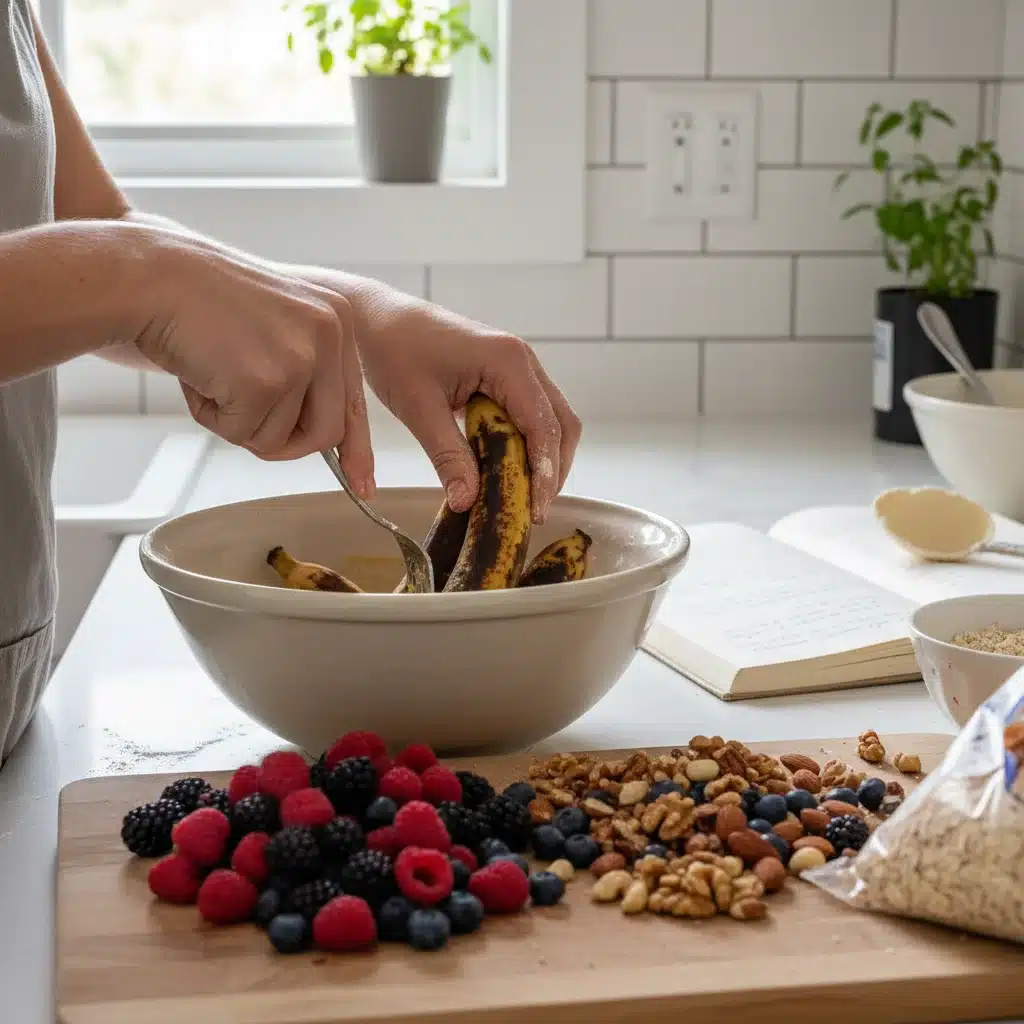
Before heading to the store, take stock of what you already have. This prevents duplicate purchases and ensures you use up ingredients nearing their expiration. Make a list of items that need to be used soon and plan your baking around them. For example, if you have overripe bananas, a delicious banana bread is an obvious choice for a sustainable sweet treat.
2. Plan Your Baking Menu
Instead of impulse baking, plan your recipes for the week or month. Consider recipes that share common ingredients, minimizing the need for small, single-use purchases. This also allows you to buy larger quantities of staples, often reducing packaging waste.
3. Smart Shopping Strategies
- Make a List and Stick to It: Impulse buys are a major source of food waste. A well-organized shopping list keeps you focused.
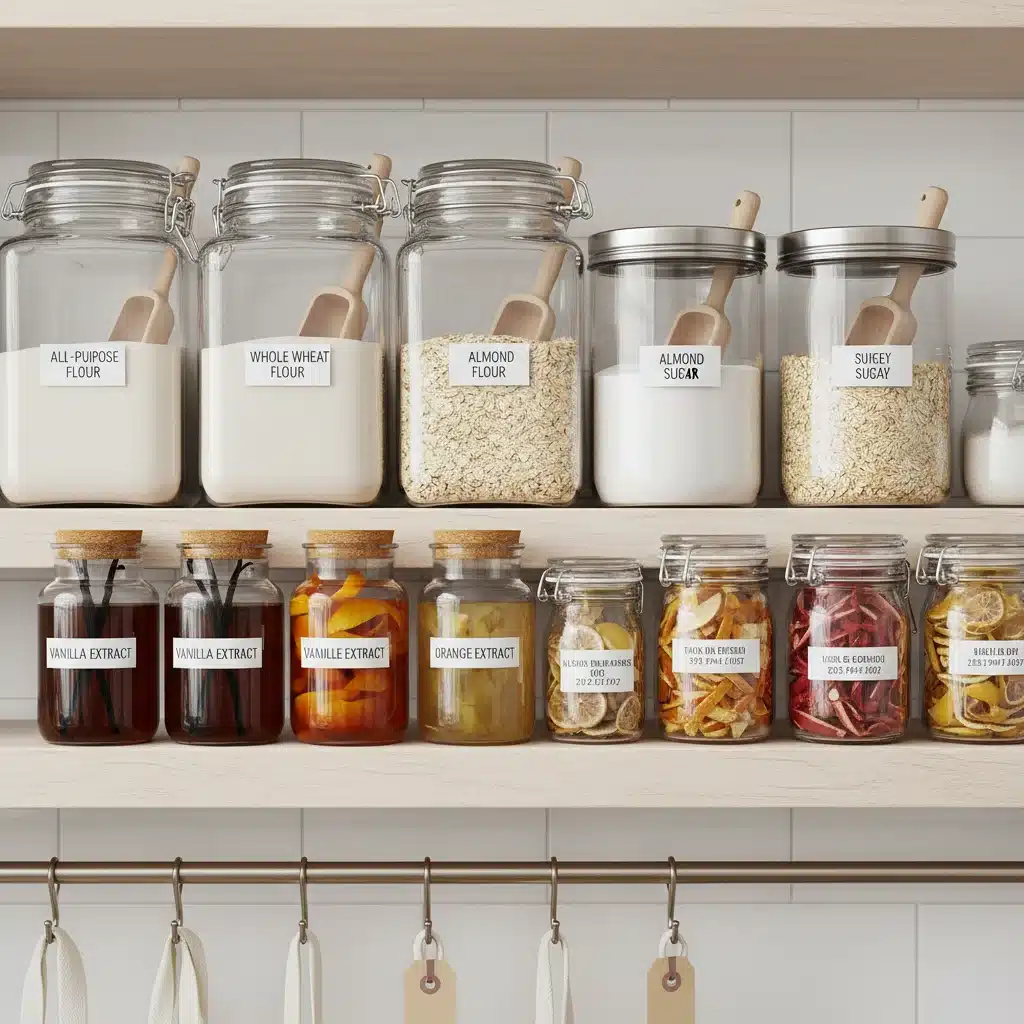
- Buy in Bulk (Wisely): Purchase dry goods like flour, sugar, oats, and nuts from bulk bins when possible. This reduces packaging and allows you to buy only what you need. Ensure you have proper airtight containers for storage.
- Embrace Imperfect Produce: Don’t shy away from fruits and vegetables that look a little ‘ugly’ or misshapen. They are perfectly good for baking and often cheaper. Many supermarkets now have ‘ugly produce’ sections. These are perfect for making sustainable sweet treats.
- Check Expiration Dates: Be mindful of ‘best by’ and ‘use by’ dates. Understand the difference: ‘best by’ refers to quality, while ‘use by’ indicates safety. Many ingredients are still perfectly fine to use past their ‘best by’ date.
Phase 2: Creative Cooking and Repurposing for Sustainable Sweet Treats
Once you’ve smartly stocked your kitchen, the next phase involves getting creative with your ingredients. This is where the magic of transforming potential waste into delicious sustainable sweet treats truly happens. Our 20% reduction goal relies heavily on these innovative techniques.
1. Embrace the ‘Waste Not, Want Not’ Philosophy
Think about ingredients you usually discard. Can they be given a second life? Many scraps are packed with flavor and nutrients.
- Fruit Peels and Cores: Apple peels can be baked into crispy snacks or used to infuse water/tea. Citrus peels can be candied, zested, or used to make homemade extracts.
- Vegetable Scraps: Carrot tops or beet greens can be incorporated into savory muffins or quick breads. Pumpkin seeds from carving can be roasted for a crunchy topping.
- Stale Bread: Turn stale bread into breadcrumbs for toppings, croutons, or even bread pudding – a classic sustainable sweet treat.
2. Master Ingredient Swaps and Substitutions
Don’t let a missing ingredient derail your baking. Learn common substitutions to avoid extra trips to the store or throwing out a recipe. For instance, applesauce can often replace oil, and mashed bananas can substitute for eggs in some recipes.
3. Recipe Adaptation for Overripe Produce
Overripe fruits are often sweeter and softer, making them ideal for baking. Don’t throw them out!
- Brown Bananas: Perfect for banana bread, muffins, or smoothies.
- Soft Berries: Ideal for jams, compotes, pies, or blended into fruit sauces for cheesecakes.
- Mushy Apples/Pears: Great for applesauce, purees, or baked fruit desserts.
These adaptations are key to making truly sustainable sweet treats.
Phase 3: Smart Storage and Preservation for Lasting Sustainable Sweet Treats
Even with the best planning and creative cooking, sometimes you’ll have leftovers or ingredients that need to be stored for later use. Proper storage is paramount to preventing spoilage and ensuring your sustainable sweet treats journey is successful in reducing waste by 20% by 2026.
1. The Art of Freezing
Your freezer is your best friend in the fight against food waste. Many baked goods and ingredients freeze beautifully.
- Baked Goods: Cookies, muffins, brownies, and even whole cakes (unfrosted) can be frozen for several months. Thaw them at room temperature or gently reheat. This allows you to bake in batches and enjoy sustainable sweet treats whenever you crave them.
- Fruit Purees: Overripe fruit can be pureed and frozen in ice cube trays or airtight containers for future baking or smoothie additions.
- Egg Whites/Yolks: If a recipe only calls for one part of an egg, freeze the other! Label clearly.
- Dough: Many cookie and pie doughs can be frozen, ready to be thawed and baked on demand.
2. Optimal Storage for Fresh Ingredients
Knowing how to store ingredients correctly extends their shelf life significantly.
- Produce: Store fruits and vegetables according to their needs (e.g., apples in a cool, dark place; berries in the fridge, unwashed until ready to use). Keep ethylene-producing fruits (like bananas and apples) away from ethylene-sensitive ones to prevent premature ripening.
- Dry Goods: Store flour, sugar, and grains in airtight containers in a cool, dry place to prevent pests and moisture absorption.
- Dairy and Eggs: Keep these in the coldest part of your fridge, typically on a middle shelf, not in the door, to maintain consistent temperature.
3. Dehydration and Pickling
For some ingredients, dehydration or pickling can be excellent preservation methods.
- Dehydrated Fruit: Turn excess fruit into delicious dried snacks or additions for trail mix.
- Candied Peels: Citrus peels can be candied and used as garnish or in baked goods.
Phase 4: Embracing Leftovers and Portions for Sustainable Sweet Treats
Even after all the planning, creative baking, and smart storage, you might sometimes have leftover baked goods. This phase focuses on enjoying them responsibly and managing portions to minimize any final waste, bringing us closer to our 20% reduction target for sustainable sweet treats.
1. Repurpose Leftover Baked Goods
Don’t let a few stale cookies or a slice of cake go to waste. Get creative!
- Crumble Toppings: Stale cookies or cake can be crumbled over yogurt, ice cream, or fruit crisps.
- Trifle or Parfaits: Layer leftover cake or brownies with fruit, cream, or custard for an entirely new dessert.
- Cake Pops: Crumble cake, mix with frosting, roll into balls, and dip in chocolate for a fun, zero-waste treat.
- French Toast Bake: Use leftover challah or brioche for a decadent breakfast or dessert.
2. Portion Control and Thoughtful Serving
Sometimes, waste occurs because we simply bake or serve too much. Be mindful of portion sizes.
- Bake Smaller Batches: If you’re baking for a small household, consider halving recipes or using smaller pans.
- Individual Portions: Bake muffins, cupcakes, or individual tarts. This makes it easier to manage servings and store leftovers.
- Share with Others: If you’ve baked a large batch, share with neighbors, friends, or colleagues. It’s a great way to spread joy and prevent waste.
3. Composting Inevitable Scraps
Despite our best efforts, some organic waste is inevitable (e.g., eggshells, fruit pits that can’t be repurposed). Composting is the most environmentally friendly way to manage these scraps. It returns nutrients to the soil and avoids landfill methane emissions. Even small-scale home composting can make a difference in your journey toward sustainable sweet treats.
Recipes for Sustainable Sweet Treats: Putting Principles into Practice
Now that we’ve covered the theoretical aspects, let’s get practical with some delicious recipes that embody the spirit of sustainable sweet treats and help us achieve our 20% food waste reduction goal by 2026.
1. Overripe Banana and Berry Crumble Muffins
Ingredients:
- 3 very ripe medium bananas, mashed
- 1/2 cup slightly bruised mixed berries (fresh or frozen)
- 1/2 cup granulated sugar (or less, depending on banana sweetness)
- 1/4 cup melted butter or oil
- 1 large egg
- 1 teaspoon vanilla extract
- 1 1/2 cups all-purpose flour
- 1 teaspoon baking soda
- 1/2 teaspoon salt
- Crumble Topping: 1/4 cup flour, 2 tablespoons brown sugar, 1 tablespoon cold butter, 2 tablespoons old-fashioned oats (use leftover oats!)
Instructions:
- Preheat oven to 375°F (190°C). Line a 12-cup muffin tin.
- In a large bowl, mix mashed bananas, berries, sugar, melted butter, egg, and vanilla.
- In a separate bowl, whisk together flour, baking soda, and salt.
- Add dry ingredients to wet ingredients, mixing until just combined (do not overmix).
- For the crumble, combine flour, brown sugar, and oats. Cut in cold butter until crumbly.
- Divide batter among muffin cups. Sprinkle with crumble topping.
- Bake for 18-22 minutes, or until a toothpick inserted comes out clean.
2. Apple Peel and Core Infused Syrup for Pancakes/Waffles
Ingredients:
- Peels and cores from 4-5 apples (use the apples for a pie!)
- 2 cups water
- 1/2 cup granulated sugar (adjust to taste)
- 1 cinnamon stick (optional, if you have one lying around)
Instructions:
- Combine apple peels, cores, water, sugar, and cinnamon stick in a saucepan.
- Bring to a boil, then reduce heat and simmer for 20-30 minutes, or until the liquid has reduced and become flavorful.
- Strain the syrup through a fine-mesh sieve, pressing on the solids to extract all liquid. Discard solids (compost!).
- Let cool, then store in an airtight container in the fridge. Drizzle over your favorite sustainable sweet treats.
3. Stale Bread Pudding with Leftover Dried Fruit
Ingredients:
- 6 cups stale bread, cubed (crusts are fine!)
- 3 large eggs
- 2 cups milk (dairy or non-dairy)
- 1/2 cup granulated sugar (or less, depending on dried fruit sweetness)
- 1 teaspoon vanilla extract
- 1/2 teaspoon ground cinnamon
- 1/4 teaspoon ground nutmeg
- 1/2 cup leftover dried fruit (raisins, cranberries, chopped apricots)
- 2 tablespoons melted butter (for greasing)
Instructions:
- Preheat oven to 350°F (175°C). Grease an 8×8 inch baking dish with melted butter.
- Spread bread cubes in the prepared dish. Sprinkle with dried fruit.
- In a large bowl, whisk together eggs, milk, sugar, vanilla, cinnamon, and nutmeg.
- Pour the egg mixture evenly over the bread cubes, pressing down gently to ensure all bread is soaked. Let sit for 10-15 minutes.
- Bake for 45-55 minutes, or until golden brown and set in the center.
- Serve warm with a scoop of ice cream or a dollop of whipped cream.
Tracking Progress Towards Our 20% Reduction Goal by 2026
Setting a goal is one thing; achieving it requires tracking and consistent effort. To truly make a measurable impact on creating sustainable sweet treats and reducing food waste by 20% by 2026, it’s helpful to monitor your progress.
1. The Food Waste Journal
Keep a simple journal or a note on your phone where you jot down what gets thrown away each week. Be honest with yourself. This isn’t about guilt, but about identifying patterns. Are you consistently throwing out half a bag of spinach? Perhaps you need to buy less or find more recipes that use it. Do you always have leftover egg whites? Start planning for meringues or frittatas.
2. Before & After Photos (Optional, but Fun!)
If you’re a visual person, take photos of your fridge or pantry before and after a week of mindful baking. Notice the difference in what’s left over. This can be a powerful motivator.
3. Financial Tracking
One of the most tangible benefits of reducing food waste is saving money. Keep track of your grocery bills and notice how they might decrease as you become more efficient with your ingredients. This financial incentive can be a strong driver for maintaining your sustainable sweet treats habits.
4. Celebrate Small Wins
Did you successfully use up all your overripe fruit this week? Did you make a delicious dessert from scraps? Celebrate these small victories! Positive reinforcement helps solidify new habits and keeps you motivated on your journey to reduce food waste by 20% by 2026.
The Future of Sustainable Sweet Treats and Your Role
The journey towards sustainable sweet treats is a continuous one, filled with learning, experimentation, and delicious discoveries. As we move towards 2026 and beyond, our collective efforts in reducing food waste will have a profound impact on the environment and our communities.
Imagine a future where every home baker is a food waste warrior, where ingredients are cherished, and every scrap is seen as an opportunity. This vision is not far-fetched; it’s within our grasp, starting in our own kitchens. By adopting these practices, you are not just baking; you are advocating for a more sustainable food system.
Join the Movement
Share your tips, your successes, and even your challenges with others. Inspire your friends and family to join you in making more sustainable sweet treats. The more people who embrace these principles, the greater our collective impact will be. Let’s make our 20% reduction goal by 2026 a reality, and continue to strive for even greater sustainability in the years to come.
Remember, every crumb counts, every peel has potential, and every conscious decision contributes to a healthier planet. Happy baking, sustainably!