Mastering Dressing & Sauce Basics: 5 Versatile Recipes for 2026 Meals
Anúncios
In the culinary world, dressings and sauces are the unsung heroes, the often-overlooked elements that can elevate a simple dish to an unforgettable gastronomic experience. Think of a crisp salad without its invigorating vinaigrette, or a perfectly cooked steak devoid of a rich, complementary sauce. They’re the flavor architects, the moisture providers, and the textural enhancers that bring harmony and depth to our meals. As we look towards 2026, the demand for homemade, healthy, and versatile meal solutions continues to grow, making the mastery of versatile dressing recipes and sauces more relevant than ever.
Many home cooks shy away from making their own dressings and sauces, often assuming it’s a complex, time-consuming task best left to professional chefs or store-bought convenience. However, this couldn’t be further from the truth. Crafting your own allows for unparalleled control over ingredients, ensuring freshness, avoiding unwanted additives, and tailoring flavors precisely to your palate. Moreover, the sense of accomplishment derived from creating something delicious from scratch is incredibly rewarding.
Anúncios
This comprehensive guide is designed to demystify the art of dressing and sauce making. We’ll delve into the fundamental principles, explore essential ingredients, and, most importantly, provide you with five incredibly versatile dressing recipes that will become staples in your kitchen. These aren’t just recipes; they are foundational building blocks that you can adapt, customize, and apply to a myriad of dishes throughout the year, ensuring your 2026 meals are consistently flavorful, exciting, and healthy.
From light vinaigrettes that brighten up any salad to creamy concoctions perfect for dipping or spreading, and rich umami-packed sauces that can transform proteins and vegetables, we’ve got you covered. Get ready to unlock a new level of culinary confidence and creativity. Let’s dive in and discover how these versatile dressing recipes can revolutionize your cooking.
Anúncios
The Philosophy of Flavor: Why Homemade Dressings and Sauces Matter
Before we jump into the recipes, it’s crucial to understand why investing time in making your own dressings and sauces is a game-changer. The reasons extend beyond mere taste, touching upon health, economy, and culinary skill development.
Health Benefits and Ingredient Control
Store-bought dressings and sauces, while convenient, often come laden with hidden sugars, unhealthy fats, excessive sodium, and artificial preservatives. These ingredients can undermine even the healthiest meal. When you prepare your own, you are in complete control. You can choose high-quality oils, fresh herbs, natural sweeteners, and adjust salt levels to your preference. This control is especially beneficial for those with dietary restrictions, allergies, or specific health goals. For example, by making your own vinaigrette, you can opt for extra virgin olive oil, a heart-healthy fat, instead of cheaper, less nutritious vegetable oils often found in commercial products.
Cost-Effectiveness
At first glance, buying a bottle of dressing might seem cheaper than purchasing individual ingredients. However, consider the long-term. Many basic ingredients like olive oil, vinegar, garlic, and common herbs are kitchen staples that you’ll use repeatedly. A single bottle of store-bought dressing might cost a few dollars, but those few dollars add up. Making your own from pantry essentials is often far more economical in the long run, especially when you consider the superior quality and quantity you can produce.
Unleashing Culinary Creativity and Versatility
This is where the true magic happens. Commercial dressings are typically one-note, designed for a specific purpose. Homemade versatile dressing recipes, however, are springboards for creativity. Once you master a basic vinaigrette, for instance, you can endlessly experiment with different vinegars, oils, herbs, spices, and even fruits to create entirely new flavor profiles. This adaptability means you can use one base recipe for a multitude of dishes, reducing meal prep fatigue and expanding your culinary repertoire. It fosters a deeper understanding of flavor pairings and encourages improvisation, turning cooking into an exciting adventure rather than a chore.
Elevating Everyday Meals
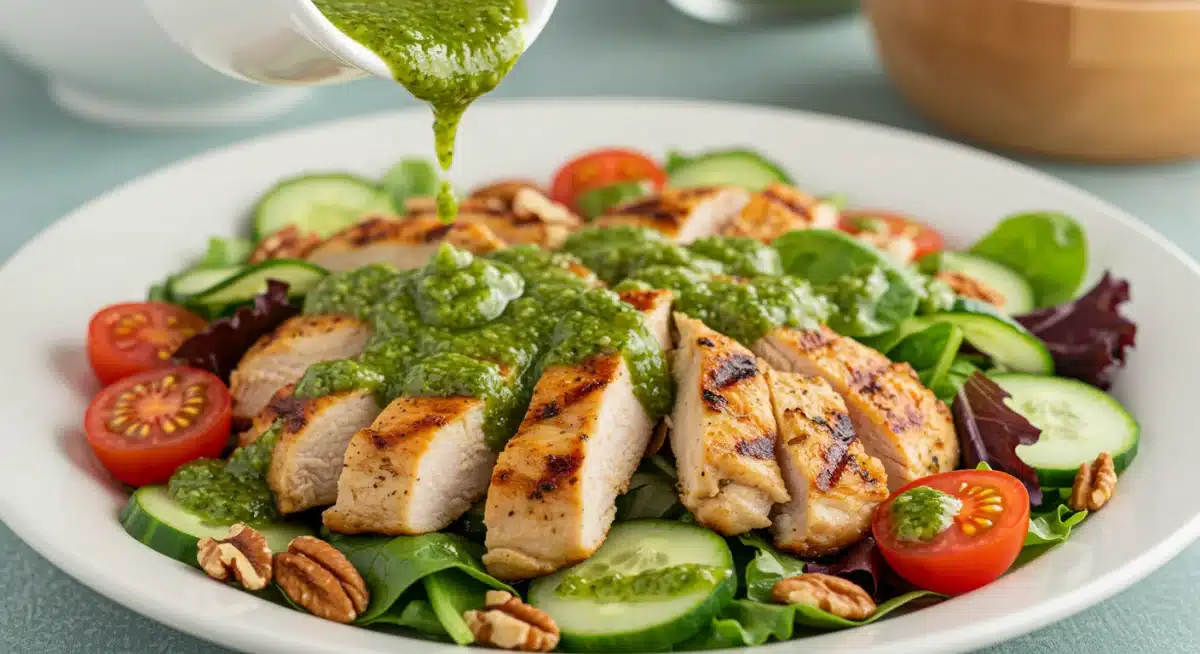
A simple grilled chicken breast becomes gourmet with a dollop of fresh pesto. A plain steamed vegetable medley transforms into a vibrant side dish with a zesty lemon-tahini dressing. Dressings and sauces are the ultimate meal transformers. They add moisture, acidity, sweetness, heat, and umami, balancing the overall flavor profile of a dish. Learning these versatile dressing recipes means you’ll always have a secret weapon in your fridge to turn bland into brilliant.
Essential Ingredients for Your Dressing & Sauce Pantry
Before we dive into the recipes, let’s stock your pantry with the fundamental building blocks. Having these on hand will make whipping up any of our versatile dressing recipes a breeze.
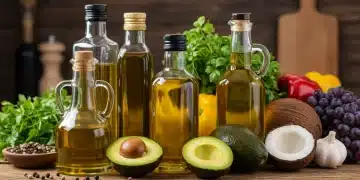
Oils
- Extra Virgin Olive Oil: The king of oils for dressings. Choose a good quality, cold-pressed variety for its rich, fruity flavor.
- Neutral Oils (e.g., grapeseed, avocado, sunflower): Useful when you want the other ingredients to shine without an overpowering oil flavor. Great for mayonnaise-based dressings or when a lighter touch is desired.
- Sesame Oil: For Asian-inspired dressings, a little goes a long way.
Vinegars & Acids
- Apple Cider Vinegar: Tangy, slightly fruity, and incredibly versatile.
- Red Wine Vinegar: Classic for vinaigrettes, offering a robust, sharp flavor.
- Balsamic Vinegar: Sweet and complex, excellent for richer dressings or glazes.
- White Wine Vinegar: Lighter and milder than red wine vinegar.
- Lemon/Lime Juice: Fresh citrus provides a bright, zesty acidity that wakes up flavors. Always opt for fresh over bottled.
Aromatics & Spices
- Garlic: Fresh garlic is indispensable.
- Onion/Shallots: Adds a pungent, savory depth.
- Mustard (Dijon, Whole Grain): An emulsifier and flavor booster, adding piquancy.
- Salt & Black Pepper: Essential for seasoning.
- Dried Herbs & Spices: Oregano, thyme, basil, paprika, cumin, chili flakes – build your collection based on your preferred cuisines.
Sweeteners
- Honey: Natural sweetness with floral notes.
- Maple Syrup: A vegan alternative with a distinct, warm flavor.
- Sugar (granulated, brown): Use sparingly to balance acidity.
Other Essentials
- Mayonnaise: For creamy dressings. Consider making your own for ultimate freshness.
- Yogurt (plain, Greek): A healthier, tangy base for creamy dressings.
- Tahini: Sesame paste, vital for Middle Eastern-inspired sauces and dressings.
- Soy Sauce/Tamari: Adds umami and saltiness, especially in Asian versatile dressing recipes.
- Fresh Herbs: Parsley, cilantro, dill, chives, basil, mint – always have a rotating selection.
Mastering the Basics: Techniques for Perfect Dressings and Sauces
Beyond ingredients, a few simple techniques will ensure your dressings and sauces are consistently excellent.
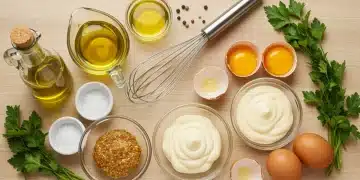
Emulsification
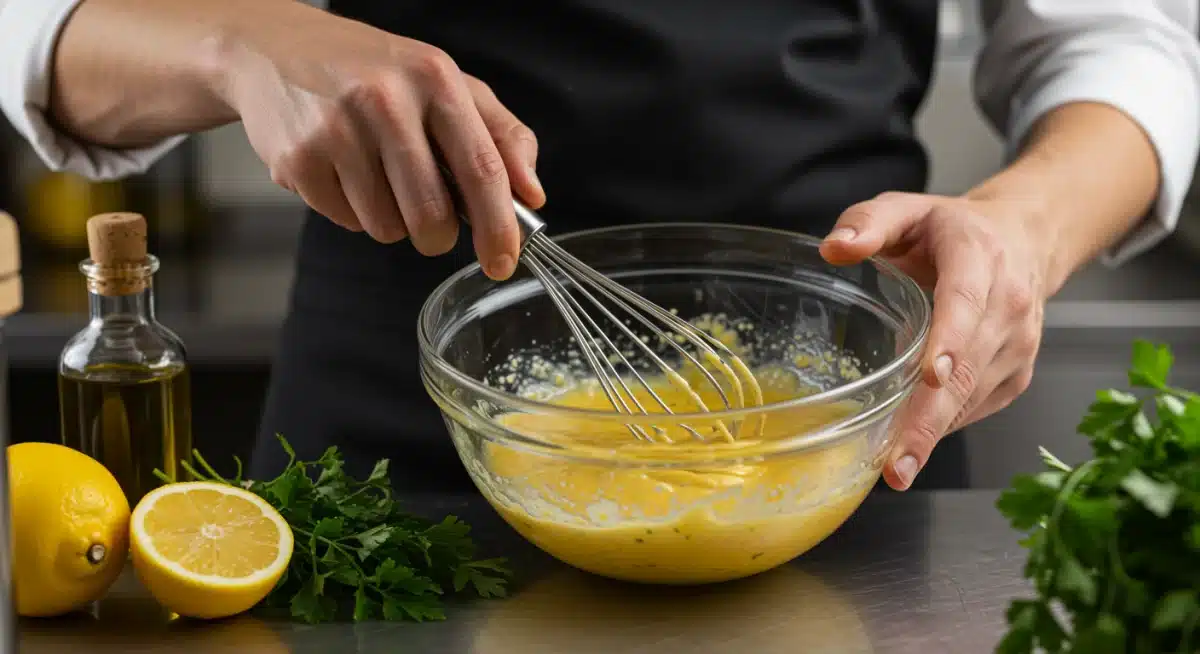
This is the key to smooth, cohesive dressings like vinaigrettes and mayonnaise. An emulsion is a mixture of two liquids that don’t normally mix (like oil and vinegar) held together by tiny, suspended droplets. The trick is to add the oil very slowly (a thin stream) while continuously whisking vigorously. Ingredients like Dijon mustard or egg yolks act as emulsifiers, helping to stabilize the mixture.
Balancing Flavors
A great dressing or sauce hits all the right notes: sweet, sour, salty, bitter, and umami. Taste as you go! If it’s too acidic, add a touch of sweetness. Too bland? A pinch more salt or a squeeze of lemon. Too sweet? A splash of vinegar. Don’t be afraid to adjust.
Freshness is Key
While some sauces improve with age (like tomato-based ones), most dressings are best when made fresh or within a few days. Fresh herbs and citrus lose their potency quickly. Store homemade dressings in airtight containers in the refrigerator.
5 Versatile Dressing Recipes to Revolutionize Your 2026 Meals
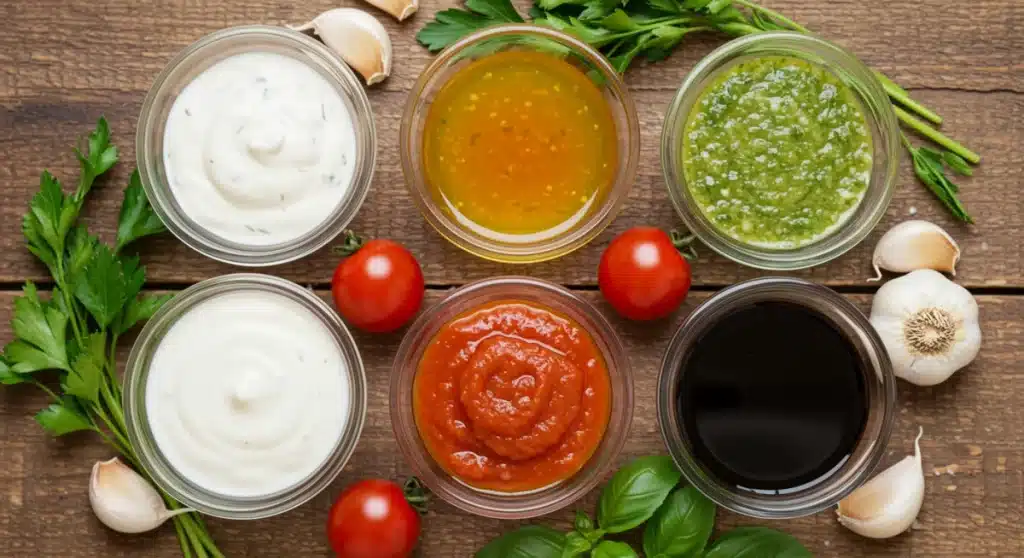
Here are five foundational versatile dressing recipes that you can adapt and use in countless ways. Get ready to transform your cooking!
1. The Classic Lemon-Herb Vinaigrette
Perhaps the most fundamental and versatile dressing of all, a good vinaigrette is a non-negotiable kitchen skill. This version is bright, fresh, and pairs with almost anything.
Ingredients:
- ½ cup extra virgin olive oil
- ¼ cup fresh lemon juice (from 1-2 lemons)
- 1 tablespoon Dijon mustard
- 1 clove garlic, minced (or ½ teaspoon garlic powder)
- 2 tablespoons fresh mixed herbs, finely chopped (e.g., parsley, chives, dill, oregano)
- ½ teaspoon salt
- ¼ teaspoon black pepper
- Optional: ½ teaspoon honey or maple syrup for a touch of sweetness
Instructions:
- In a medium bowl, combine the lemon juice, Dijon mustard, minced garlic, salt, and pepper. Whisk well to combine.
- Slowly drizzle in the olive oil while continuously whisking vigorously. Continue whisking until the dressing is emulsified and creamy.
- Stir in the fresh chopped herbs and optional sweetener.
- Taste and adjust seasoning as needed. You might want more salt, pepper, or a bit more lemon juice for extra tang.
Versatile Uses:
- Salads: The quintessential salad dressing for green salads, pasta salads, or grain bowls.
- Marinade: Excellent for chicken, fish, or vegetables before grilling or roasting.
- Vegetable Drizzle: Drizzle over steamed, roasted, or grilled vegetables (asparagus, green beans, broccoli).
- Grain Bowls: Brightens up quinoa, farro, or couscous bowls.
- Potato Salad: A lighter alternative to mayonnaise-based potato salads.
2. Creamy Garlic & Herb Yogurt Dressing
A lighter, healthier alternative to traditional creamy dressings, this yogurt-based creation is packed with flavor and probiotics.
Ingredients:
- 1 cup plain Greek yogurt (full-fat or low-fat)
- 2 tablespoons fresh lemon juice
- 1 clove garlic, minced (or ½ teaspoon garlic powder)
- 3 tablespoons fresh mixed herbs, finely chopped (e.g., dill, parsley, chives, mint)
- ½ teaspoon salt
- ¼ teaspoon black pepper
- Optional: 1-2 tablespoons milk or water to thin to desired consistency
Instructions:
- In a medium bowl, combine Greek yogurt, lemon juice, minced garlic, chopped herbs, salt, and pepper.
- Whisk until all ingredients are well combined and smooth.
- If the dressing is too thick, add milk or water one tablespoon at a time until you reach your desired pouring consistency.
- Taste and adjust seasoning. For a tangier dressing, add more lemon juice.
- Allow to chill in the refrigerator for at least 30 minutes for flavors to meld.
Versatile Uses:
- Salad Dressing: Perfect for crisp green salads, cucumber salads, or as a lighter alternative to ranch.
- Dip: An excellent dip for raw vegetables, pita bread, or crackers.
- Sauce for Proteins: Spoon over grilled chicken, fish, or lamb.
- Sandwich/Wrap Spread: A flavorful and healthy alternative to mayonnaise.
- Potato Topping: Dollop onto baked potatoes or sweet potatoes.
3. Zesty Peanut-Lime Dressing
Inspired by Asian flavors, this sweet, savory, and tangy dressing is incredibly addictive and brings a unique twist to many dishes.
Ingredients:
- ½ cup creamy peanut butter
- ¼ cup warm water (or coconut milk for creamier texture)
- 2 tablespoons lime juice (from 1-2 limes)
- 2 tablespoons soy sauce or tamari (for gluten-free)
- 1 tablespoon rice vinegar
- 1 tablespoon honey or maple syrup
- 1 clove garlic, minced
- ½ teaspoon fresh ginger, grated
- ¼ teaspoon red pepper flakes (optional, for heat)
Instructions:
- In a medium bowl, whisk together the peanut butter and warm water until smooth.
- Add the lime juice, soy sauce, rice vinegar, honey, minced garlic, grated ginger, and red pepper flakes (if using).
- Whisk vigorously until all ingredients are thoroughly combined and the dressing is smooth.
- If the dressing is too thick, add a little more warm water or coconut milk, one tablespoon at a time, until it reaches your desired consistency.
- Taste and adjust seasoning. You might want more lime for tang, more soy sauce for saltiness, or more honey for sweetness.
Versatile Uses:
- Noodle Salads: The star of cold peanut noodle salads with fresh vegetables.
- Dipping Sauce: Fantastic for spring rolls, chicken satay, or vegetable sticks.
- Stir-fry Sauce: Toss with cooked noodles, vegetables, and protein for a quick stir-fry.
- Marinade: Use for chicken, pork, or tofu before grilling or baking.
- Salad Dressing: Excellent on Asian-inspired salads with cabbage, carrots, and bell peppers.
4. Rich Balsamic Glaze (or Vinaigrette)
This recipe provides options for both a thick, sweet glaze and a classic balsamic vinaigrette, showcasing the versatility of balsamic vinegar.
For Balsamic Vinaigrette:
Ingredients:
- ½ cup extra virgin olive oil
- ¼ cup good quality balsamic vinegar
- 1 tablespoon Dijon mustard
- 1 clove garlic, minced
- ½ teaspoon salt
- ¼ teaspoon black pepper
- Optional: 1 teaspoon maple syrup or honey
Instructions:
- In a medium bowl, combine balsamic vinegar, Dijon mustard, minced garlic, salt, and pepper. Whisk well.
- Slowly drizzle in the olive oil while continuously whisking until emulsified.
- Taste and adjust seasoning.
For Balsamic Glaze:
Ingredients:
- 1 cup good quality balsamic vinegar
- Optional: 1 tablespoon brown sugar or maple syrup
Instructions:
- Pour the balsamic vinegar (and optional sweetener) into a small saucepan.
- Bring to a simmer over medium heat, then reduce heat to low.
- Simmer gently, stirring occasionally, for 10-20 minutes, or until the vinegar has reduced by about half and coats the back of a spoon. It will thicken considerably as it cools.
- Remove from heat and let cool completely. Store in an airtight container.
Versatile Uses (Vinaigrette):
- Classic Salad Dressing: Pairs beautifully with caprese salads, mixed greens with nuts and cheese.
- Marinade: Excellent for red meats, chicken, or portobello mushrooms.
- Bread Dip: Serve with good quality olive oil for dipping crusty bread.
Versatile Uses (Glaze):
- Drizzle: Over fresh tomatoes and mozzarella, roasted vegetables, grilled fruits (peaches, figs).
- Finishing Sauce: For grilled chicken, steak, or pork.
- Dessert Topping: A sophisticated drizzle over vanilla ice cream or strawberries.
5. Bright & Zesty Green Goddess Dressing (Herby & Creamy)
This vibrant, herbaceous dressing is a classic for a reason. It’s rich, creamy, and bursting with fresh flavors, perfect for adding a gourmet touch.
Ingredients:
- ½ cup mayonnaise (or Greek yogurt for a lighter version)
- ½ cup sour cream (or more Greek yogurt)
- ¼ cup fresh parsley, roughly chopped
- ¼ cup fresh chives, roughly chopped
- 2 tablespoons fresh tarragon, roughly chopped (or 1 teaspoon dried)
- 2 tablespoons fresh lemon juice
- 1 clove garlic, roughly chopped
- 2 anchovy fillets (optional, but adds incredible umami without a fishy taste)
- ½ teaspoon salt
- ¼ teaspoon black pepper
- Optional: 1-2 tablespoons water or milk to thin
Instructions:
- Combine mayonnaise (or yogurt), sour cream, parsley, chives, tarragon, lemon juice, garlic, anchovy fillets (if using), salt, and pepper in a food processor or blender.
- Process until completely smooth and creamy. Scrape down the sides as needed.
- If the dressing is too thick, add water or milk one tablespoon at a time until it reaches your desired consistency.
- Taste and adjust seasoning. You might want more herbs, lemon, or salt.
- Refrigerate for at least 30 minutes before serving to allow flavors to meld.
Versatile Uses:
- Salad Dressing: The ultimate dressing for a classic Green Goddess salad, Cobb salad, or any mixed green salad.
- Vegetable Dip: A luxurious dip for crudités.
- Sandwich/Wrap Spread: Elevates turkey, chicken, or vegetable sandwiches.
- Sauce for Proteins: Spoon over grilled fish, chicken, or roasted potatoes.
- Egg Dishes: Drizzle over scrambled eggs, omelets, or deviled eggs.
Tips for Storing and Maximizing Your Homemade Creations
Now that you’ve mastered these versatile dressing recipes, here’s how to keep them fresh and make the most of them.
Storage
- Airtight Containers: Always store dressings and sauces in clean, airtight jars or containers in the refrigerator. This prevents oxidation and absorption of other fridge odors.
- Shelf Life:
- Vinaigrettes: Typically last 1-2 weeks in the refrigerator. Shake well before each use as the oil and vinegar may separate.
- Yogurt/Creamy Dressings: Generally last 5-7 days due to the dairy content.
- Peanut Dressings: Can last up to 1 week.
- Balsamic Glaze: Keeps for several weeks, if not months, in the refrigerator due to its high acidity and sugar content.
- Green Goddess Dressing: Best consumed within 5-7 days.
- Labeling: Date your dressings so you know when they were made.
Adaptation & Customization
- Experiment with Herbs: Don’t be afraid to swap out herbs based on what you have on hand or what’s in season.
- Vary the Acids: Try different vinegars or citrus juices in your vinaigrettes.
- Spice it Up: Add a pinch of cayenne, chili flakes, or a dash of hot sauce for a kick.
- Sweetness Adjustment: Balance tartness with a touch of honey, maple syrup, or agave.
- Texture Play: For chunkier dressings, add finely diced shallots, capers, or pickles. For thinner, add a bit of water or milk.
Batch Cooking & Meal Prep
Making a larger batch of these versatile dressing recipes at the beginning of the week is a fantastic meal prep strategy. Having a delicious, healthy dressing ready to go makes throwing together quick and nutritious meals much easier. You’ll find yourself reaching for fresh salads and vegetable-centric dishes more often when you know a flavorful dressing is just a shake away.
Beyond the Recipes: The Joy of Culinary Confidence
Learning to make your own dressings and sauces is more than just acquiring a few new recipes; it’s about gaining culinary confidence. It teaches you about flavor balance, emulsification, and the power of fresh ingredients. This newfound knowledge will empower you to look at recipes not just as instructions, but as guidelines, inspiring you to experiment and create your own signature flavors.
Imagine effortlessly whipping up a vibrant dressing for an impromptu dinner party, or knowing exactly how to salvage a bland weeknight meal with a quick, homemade sauce. This is the freedom and creativity that mastering these basic versatile dressing recipes brings.
As we move into 2026, let’s embrace a more intentional approach to our cooking. Let’s prioritize fresh, wholesome ingredients and the satisfaction of creating delicious food from scratch. These five versatile dressing recipes are your starting point, your foundation for a year filled with incredible flavors and culinary adventures. So, grab your whisk, gather your ingredients, and get ready to transform your meals, one delicious drizzle at a time!
Conclusion: Your Kitchen, Your Canvas
The journey to becoming a more confident and creative cook often begins with mastering the fundamentals. Dressings and sauces, while seemingly small components, are monumental in their impact on a dish. By learning these five versatile dressing recipes, you’ve equipped yourself with an arsenal of flavors that can be adapted to almost any meal, any cuisine, and any occasion.
You’re no longer confined to the limited, often unhealthy, options found in grocery store aisles. Instead, your kitchen becomes a vibrant laboratory where you control the quality, the flavor, and the nutritional value of what you consume. This control translates into healthier eating habits, more enjoyable meals, and a deeper connection to the food you prepare.
Remember, cooking is an iterative process. Don’t be afraid to experiment, to taste, to adjust, and to make these recipes your own. Use them as springboards for your creativity. Perhaps you’ll add smoked paprika to your yogurt dressing, or a dash of fish sauce to your peanut dressing. The possibilities are endless when you understand the basic principles.
So, as you plan your meals for 2026 and beyond, remember the power of a well-made dressing or sauce. It’s the simplest way to add a gourmet touch, enhance natural flavors, and ensure every bite is a delight. Happy cooking, and may your culinary adventures be filled with delicious, homemade creations!