4-Week Plant-Based Challenge: Boost Health & Save Money
Anúncios
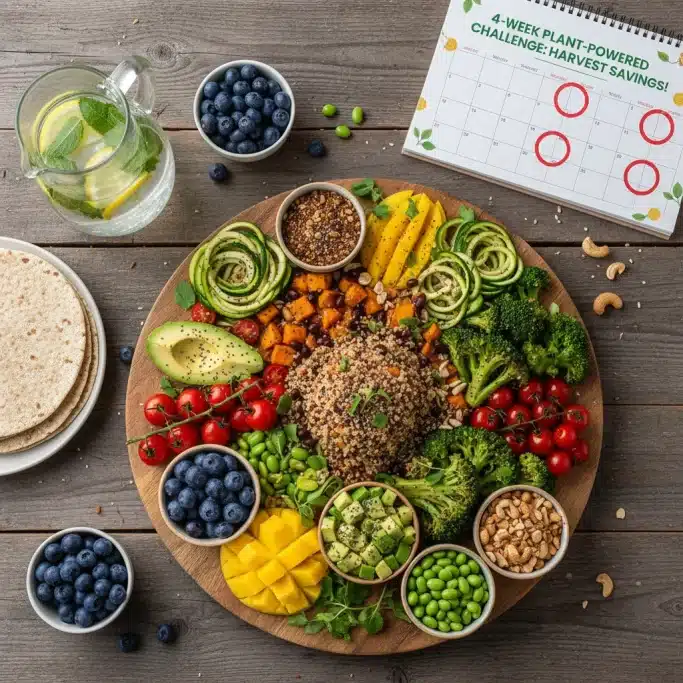
Are you ready to embark on a journey that could transform your health, your wallet, and even your impact on the planet? The 4-week plant-based challenge is more than just a diet; it’s an opportunity to reset your eating habits, explore delicious new foods, and discover a sustainable way of living. In this comprehensive guide, we’ll walk you through everything you need to know to successfully complete your own 4-week plant-based challenge, offering practical tips, meal ideas, and insights into the myriad benefits awaiting you.
For many, the idea of going plant-based can seem daunting. Visions of bland salads and restrictive menus might come to mind. However, the reality is far from it. A plant-based lifestyle is rich in flavor, variety, and nutritional goodness. It’s about focusing on whole, unprocessed foods derived from plants – fruits, vegetables, grains, legumes, nuts, and seeds – and reducing or eliminating animal products. The 4-week plant-based challenge is designed to be an accessible entry point, giving you enough time to experience significant changes without feeling overwhelmed.
Anúncios
Why Take the 4-Week Plant-Based Challenge?
The reasons to adopt a plant-based diet are compelling and multifaceted. Let’s delve into the primary motivations that drive people to undertake a 4-week plant-based challenge.
Anúncios
Boosting Your Health
One of the most significant benefits of a plant-based diet is its profound impact on health. Numerous studies have linked plant-based eating patterns to a reduced risk of chronic diseases. For instance, a diet rich in fruits, vegetables, and whole grains is naturally high in fiber, vitamins, minerals, and antioxidants, all of which are crucial for optimal bodily function.
- Heart Health: Plant-based diets are typically lower in saturated fat and cholesterol, which are known contributors to heart disease. They can help lower blood pressure and improve cholesterol levels, significantly reducing your risk of cardiovascular issues.
- Weight Management: Foods like fruits, vegetables, and whole grains are often lower in calories and higher in fiber, promoting satiety and aiding in healthy weight management. Many people find they naturally lose weight or maintain a healthier weight when adopting a plant-based diet.
- Diabetes Prevention and Management: A plant-based diet can improve insulin sensitivity and help regulate blood sugar levels, making it a powerful tool for preventing and managing type 2 diabetes.
- Reduced Cancer Risk: The abundance of antioxidants and phytochemicals in plant foods offers protective effects against various types of cancer.
- Improved Digestion: The high fiber content supports a healthy digestive system, preventing constipation and promoting a balanced gut microbiome.
- Increased Energy Levels: Many individuals report feeling more energetic and experiencing improved mental clarity after switching to a plant-based diet.
Saving Money
Contrary to popular belief, eating plant-based can be incredibly budget-friendly. While specialty vegan products can be expensive, the core components of a healthy plant-based diet – legumes, grains, seasonal fruits, and vegetables – are often much cheaper than meat and dairy products. The 4-week plant-based challenge will quickly illustrate how you can slash your grocery bill without compromising on nutrition or flavor.
- Focus on Staples: Dried beans, lentils, rice, pasta, oats, and seasonal produce are incredibly affordable and versatile.
- Cook at Home: Eating out, especially for specialty diets, can be pricey. Preparing your meals at home gives you control over ingredients and costs.
- Batch Cooking: Dedicate time to cook larger quantities of grains, legumes, and chopped vegetables that can be used in multiple meals throughout the week.
- Waste Less: By planning your meals and using fresh ingredients, you’ll likely find yourself throwing away less food.
Environmental Benefits
Beyond personal health and financial gains, choosing a plant-based diet has a significant positive impact on the environment. Animal agriculture is a major contributor to greenhouse gas emissions, deforestation, water pollution, and land degradation. By reducing your consumption of animal products, even for a 4-week plant-based challenge, you are actively participating in a more sustainable food system.
- Reduced Carbon Footprint: Plant-based diets generally require less land, water, and energy to produce compared to meat-heavy diets.
- Water Conservation: Producing animal products, particularly beef, is incredibly water-intensive. Shifting to plant-based foods can significantly reduce your water footprint.
- Biodiversity Protection: Reducing the demand for animal agriculture can help protect natural habitats and prevent species extinction.
Preparing for Your 4-Week Plant-Based Challenge
Success in any challenge begins with preparation. The 4-week plant-based challenge is no different. A little planning can go a long way in ensuring a smooth and enjoyable transition.
Educate Yourself
Understanding the basics of plant-based nutrition is key. Learn about essential nutrients like protein, iron, calcium, vitamin B12, and omega-3 fatty acids, and identify plant-based sources for each. This knowledge will empower you to create balanced and nutritious meals.
Pantry Overhaul and Grocery Shopping
Before you start, take stock of your pantry. Remove or minimize tempting non-plant-based items. Then, create a shopping list focusing on plant-based staples.
Essential Plant-Based Pantry Items:
- Grains: Brown rice, quinoa, oats, whole wheat pasta, whole-grain bread.
- Legumes: Canned or dried beans (black beans, chickpeas, kidney beans), lentils.
- Nuts & Seeds: Almonds, walnuts, chia seeds, flax seeds, hemp seeds, sunflower seeds.
- Healthy Fats: Olive oil, avocado oil, avocados.
- Spices & Herbs: A wide variety to add flavor to your meals.
- Plant Milks: Almond milk, soy milk, oat milk (unsweetened).
- Nutritional Yeast: For a cheesy flavor and B vitamins.
- Tofu & Tempeh: Versatile protein sources.

Meal Planning
Meal planning is your secret weapon for the 4-week plant-based challenge. It helps you stay organized, ensures you have all necessary ingredients, and prevents impulsive unhealthy choices.
- Look for Recipes: Explore plant-based cookbooks, blogs, and websites for inspiration. Start with simple recipes that use ingredients you’re familiar with.
- Plan Your Week: Dedicate some time each week to plan your breakfasts, lunches, dinners, and snacks.
- Batch Cook: Prepare large batches of grains (like quinoa or brown rice), roasted vegetables, or a big pot of soup or chili at the beginning of the week.
- Snack Smart: Keep healthy plant-based snacks on hand, such as fruits, nuts, seeds, vegetable sticks with hummus, or energy balls.
Your 4-Week Plant-Based Challenge: A Week-by-Week Guide
This structured approach will help you gradually integrate plant-based eating into your life, making the 4-week plant-based challenge feel manageable and enjoyable.
Week 1: The Foundation – Focus on Addition
Don’t focus on what you’re cutting out; instead, focus on what you’re adding. This week is about introducing more plant-based foods into your diet.
- Breakfast: Start with oatmeal or plant-based smoothies.
- Lunch: Incorporate big salads with legumes or hearty vegetable soups.
- Dinner: Try one or two new plant-based dinner recipes. Think lentil curry, black bean burgers, or pasta primavera.
- Snacks: Fruit, nuts, seeds.
- Hydration: Drink plenty of water.
- Tip: Experiment with different plant milks in your coffee or cereal.
Week 2: Expanding Your Palate – Experiment and Explore
By now, you’ve got a feel for plant-based eating. This week, challenge yourself to try new plant-based ingredients and cooking methods.
- Breakfast: Explore tofu scrambles or overnight oats.
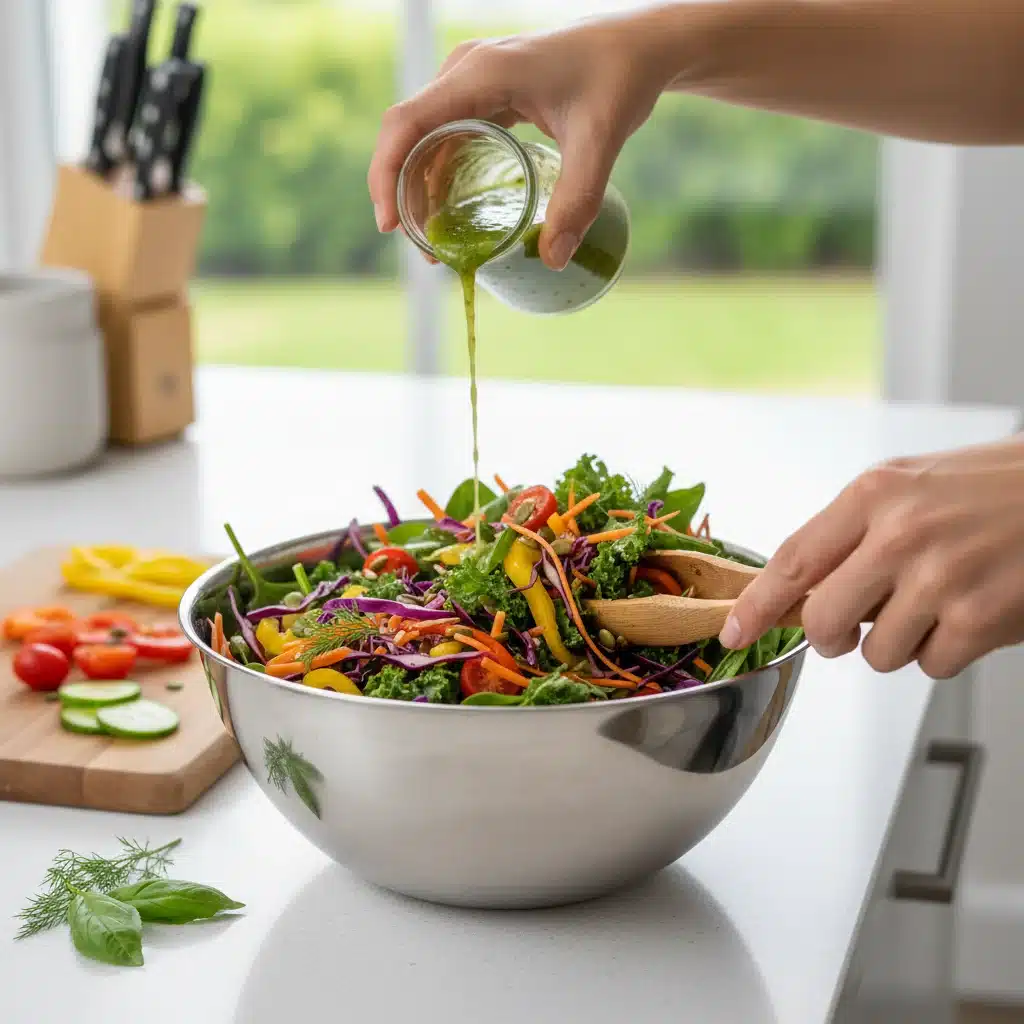
- Lunch: Try grain bowls with roasted vegetables and a flavorful dressing.
- Dinner: Experiment with tofu, tempeh, or seitan in stir-fries, tacos, or curries.
- Snacks: Roasted chickpeas, edamame, or homemade granola.
- Tip: Visit a local farmers’ market to discover new seasonal produce.
Week 3: Fine-Tuning – Mastering Meals and Nutrition
You’re halfway through the 4-week plant-based challenge! This week, focus on perfecting your meal balance and ensuring you’re getting all essential nutrients.
- Protein: Ensure each meal has a good source of plant-based protein (legumes, tofu, tempeh, nuts, seeds, quinoa).
- Iron: Pair iron-rich plant foods (spinach, lentils, fortified cereals) with vitamin C sources (citrus, bell peppers) to enhance absorption.
- B12: Consider a B12 supplement as it’s not reliably found in plant foods.
- Omega-3s: Include flax seeds, chia seeds, walnuts, or hemp seeds daily.
- Tip: Start planning your meals around a protein source to ensure satiety and muscle maintenance.
Week 4: Sustaining the Lifestyle – Looking Beyond the Challenge
The final week of your 4-week plant-based challenge is about solidifying your habits and thinking about how to integrate this lifestyle long-term.
- Review: Reflect on your journey. What did you enjoy? What were the challenges? What health benefits have you noticed?
- Social Situations: Develop strategies for eating out or attending social gatherings. Offer to bring a plant-based dish, or research menus beforehand.
- Flexibility: Decide what level of plant-based eating feels right for you going forward. It doesn’t have to be all or nothing.
- Community: Connect with other plant-based eaters for support and inspiration.
- Tip: Continue to explore new recipes and ingredients to keep your meals exciting.
Common Questions and Challenges During Your 4-Week Plant-Based Challenge
It’s normal to encounter questions or face challenges during any dietary change. Here are some common ones and how to navigate them during your 4-week plant-based challenge.
"Where do I get my protein?"
This is arguably the most common question. The good news is that plant-based foods are packed with protein! Excellent sources include:
- Legumes (beans, lentils, chickpeas)
- Tofu and tempeh
- Seitan
- Quinoa
- Nuts and seeds
- Whole grains
- Many vegetables (e.g., broccoli, spinach)
By eating a varied plant-based diet, you’ll easily meet your protein needs.
Feeling Hungry or Unsatisfied
If you’re feeling hungry, it’s likely you’re not eating enough calories or enough fiber/protein. Plant-based foods are often less calorie-dense. Ensure you’re eating sufficient portions and incorporating calorie-dense plant foods like nuts, seeds, avocados, and whole grains.
Social Situations and Eating Out
This can be tricky. A few strategies:
- Research: Look up restaurant menus online beforehand.
- Communicate: Don’t hesitate to ask your server about plant-based options or modifications.
- Bring Your Own: If attending a potluck, bring a delicious plant-based dish to share.
- Educate Friends/Family: Gently explain your 4-week plant-based challenge to those close to you.
Cravings for Non-Plant-Based Foods
Cravings are normal, especially early on. Try these tips:
- Find Plant-Based Alternatives: There are excellent plant-based versions of almost everything now, from burgers to ice cream.
- Distraction: Sometimes a craving passes if you distract yourself for a few minutes.
- Address Nutritional Gaps: Ensure you’re eating enough nutrient-dense foods. Sometimes cravings are a sign your body needs something.
- Don’t Be Too Hard on Yourself: If you slip up, don’t give up. Just get back on track with your next meal.
Ensuring Adequate Nutrient Intake
While a well-planned plant-based diet can provide most nutrients, a few deserve special attention:
- Vitamin B12: This is the only vitamin not reliably found in plants. Supplementation is highly recommended for anyone on a long-term plant-based diet.
- Vitamin D: Get sun exposure or supplement, especially in winter months.
- Iron: Eat iron-rich plant foods (lentils, spinach, fortified cereals) with vitamin C.
- Calcium: Fortified plant milks, leafy greens, tofu, sesame seeds.
- Omega-3s: Flax seeds, chia seeds, walnuts, hemp seeds.
- Iodine: Iodized salt or sea vegetables in moderation.
Beyond the 4-Week Plant-Based Challenge: Making it a Lifestyle
The beauty of the 4-week plant-based challenge is that it’s just the beginning. Many participants find that the benefits are so profound, they choose to continue with a plant-based lifestyle in some form. Whether you decide to go fully plant-based, vegetarian, or simply incorporate more plant-rich meals into your diet, you’ll be making a positive choice for your health, your finances, and the planet.
Sustainable Habits
By the end of your challenge, you’ll have developed new cooking skills, discovered new favorite foods, and likely experienced tangible health improvements. These are the foundations for lasting change. Continue to experiment, learn, and adapt your diet to fit your personal needs and preferences.
Community and Support
Connecting with others who share similar dietary goals can be incredibly motivating. Join online forums, local groups, or follow plant-based influencers for ongoing inspiration and support. Sharing recipes, tips, and experiences makes the journey more enjoyable and sustainable.
Mindful Eating
A plant-based diet often encourages more mindful eating. When you’re preparing meals from scratch and focusing on whole foods, you become more aware of what you’re putting into your body. This mindfulness can extend to other areas of your life, fostering a greater sense of well-being.
Conclusion
The 4-week plant-based challenge is an incredible opportunity for personal growth and transformation. It offers a structured yet flexible path to better health, significant financial savings, and a more sustainable way of living. From boosting your energy levels and supporting heart health to reducing your environmental footprint, the benefits are clear and compelling.
By preparing adequately, embracing new flavors, and learning to navigate common challenges, you can successfully complete this challenge and lay the groundwork for a healthier, happier future. So, take the leap, embrace the plants, and discover the incredible power of a plant-based lifestyle. Your body, your wallet, and the planet will thank you!