Unlock Perfect Bakes: Essential Oven Upgrades for Consistent Home Results
Anúncios
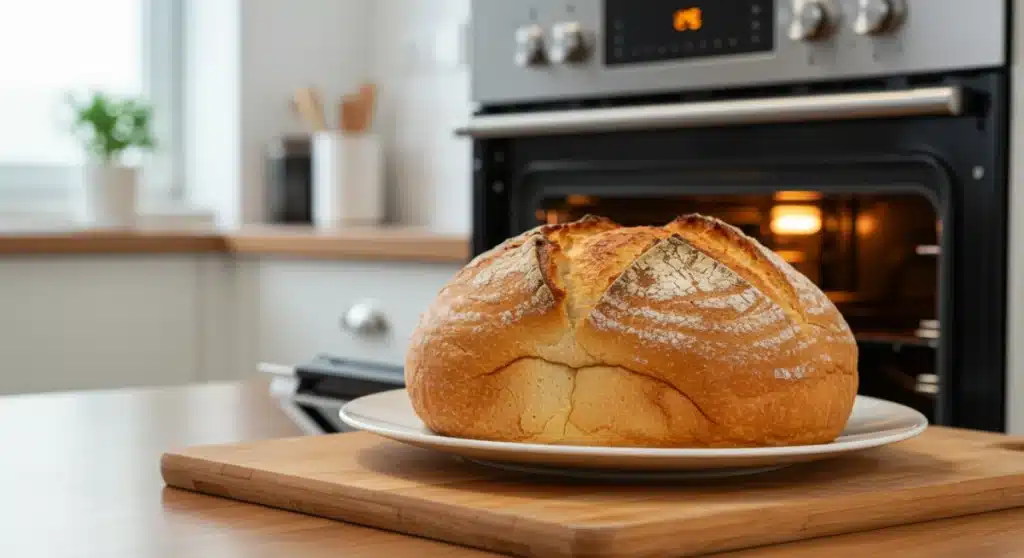
Are you tired of unevenly baked cakes, burnt cookie edges, or bread that just won’t rise consistently? For many home bakers, the oven is the heart of their kitchen, yet it’s often the most overlooked component when it comes to achieving perfect results. The truth is, your oven plays an instrumental role in the success or failure of your baked goods. And if you’re serious about elevating your baking game, it might be time to consider some strategic oven upgrades baking can truly benefit from.
Imagine a world where every cake comes out perfectly golden, every loaf of bread has that ideal crust and crumb, and your cookies are uniformly baked from edge to center. This isn’t just a baker’s dream; it’s an attainable reality with the right knowledge and perhaps a few key adjustments or upgrades to your current setup. This comprehensive guide will walk you through essential oven upgrades baking enthusiasts need to consider, promising a noticeable improvement in your culinary creations within a mere three months. We’ll delve into everything from understanding your current oven’s limitations to exploring smart technologies and accessories that can transform your baking experience.
Anúncios
The Foundation: Understanding Your Current Oven and Its Limitations
Before diving into specific oven upgrades baking can leverage, it’s crucial to understand the capabilities and shortcomings of your existing oven. Not all ovens are created equal, and recognizing yours is the first step toward improvement. Many home ovens suffer from common issues that directly impact baking consistency:
Anúncios
Temperature Inaccuracy and Fluctuations
One of the most common culprits behind baking woes is an inaccurate oven thermostat. A recipe might call for 350°F (175°C), but your oven could actually be running 25 degrees hotter or colder. These discrepancies can lead to undercooked centers, overbaked exteriors, or dense, rubbery textures.
- How to test: Invest in a reliable oven thermometer. Place it in the center of your oven and check the temperature after preheating for at least 20 minutes. Test it at different temperatures (e.g., 300°F, 350°F, 400°F) to get a full picture.
- Solution: If you find consistent inaccuracy, you might need to recalibrate your oven (check your owner’s manual or consult a professional) or simply adjust your baking temperatures accordingly.
Uneven Heat Distribution
Have you ever noticed that the cookies on the back of the sheet brown faster than those in the front? Or that one side of your cake rises higher than the other? This is a clear sign of uneven heat distribution, often caused by heating elements that don’t cycle efficiently, poor insulation, or inadequate air circulation.
- The Fan Factor: Convection ovens are designed to mitigate this by circulating hot air, but even standard ovens can have hotspots.
- Practical Steps: Rotating your baked goods halfway through baking is a common workaround, but it’s a symptom, not a cure.
Poor Insulation and Door Seals
Heat loss is a silent killer of consistent baking. If your oven door isn’t sealing properly, or if the insulation in the oven walls is compromised, heat escapes, leading to longer baking times and inconsistent temperatures. This also means your oven has to work harder, consuming more energy.
- Check the Seal: Place a piece of paper in the oven door and close it. If you can easily pull the paper out, your seal might be faulty and needs replacement.
By understanding these basic limitations, you’re better equipped to identify which oven upgrades baking would benefit most from, whether it’s a minor adjustment or a significant investment.
Month One: Immediate Impact & Essential Accessories for Oven Upgrades Baking
Let’s kickstart your journey to better baking with upgrades that offer immediate results and don’t require replacing your entire appliance. These are foundational elements that every serious home baker should consider.
1. The Indispensable Oven Thermometer
As mentioned, this is your first and most crucial investment. An accurate oven thermometer (preferably one that hangs or stands freely, allowing you to read it easily) will reveal the truth about your oven’s temperature. This simple tool is arguably the most impactful of all initial oven upgrades baking can receive, as it directly addresses temperature accuracy.
2. The Power of a Baking Steel or Stone
A baking steel or stone is a game-changer, especially for bread, pizza, and even some pastries. These dense surfaces absorb and retain heat far better than standard oven racks, creating a more stable and even baking environment. They provide a burst of intense, even heat to the bottom of your baked goods, promoting a crispier crust and better rise.
- Baking Steel: Heats up faster and retains heat longer than stone, making it ideal for high-temperature baking like pizza.
- Baking Stone: Offers excellent heat retention and helps absorb moisture, perfect for artisan breads.
- Placement: Place it on the lowest or second-lowest rack during preheating, allowing it to fully absorb heat.
3. Proper Oven Rack Placement
This isn’t an ‘upgrade’ you buy, but rather a technique that can significantly improve your results. Understanding where to place your racks for different baked goods is fundamental:
- Middle Rack: The most versatile position, offering even heat circulation for most cakes, cookies, and casseroles.
- Lower Rack: Ideal for items that need a well-browned bottom (e.g., pies, pizzas, certain breads).
- Upper Rack: Best for items that need to be browned on top (e.g., gratins, broiling).
Experiment with rack placement to see how it affects your specific recipes. This is a free yet powerful adjustment among your initial oven upgrades baking considerations.
4. Quality Bakeware
While not an oven upgrade itself, the bakeware you use interacts directly with your oven’s heat. Upgrading to high-quality bakeware can dramatically improve results.
- Heavy-Gauge Aluminum: Excellent for even heat conduction, preventing hot spots and promoting uniform browning.
- Ceramic or Glass: Retains heat well, ideal for casseroles and dishes that need to stay warm. Note that glass can sometimes lead to darker bottoms.
- Silicone Mats: Provide a non-stick surface and promote even baking for cookies and delicate items.
Month Two: Enhancing Precision and Evenness with Moderate Oven Upgrades Baking
Once you’ve mastered the basics and invested in essential accessories, it’s time to look at more significant oven upgrades baking can benefit from, focusing on better temperature control and heat distribution. These might involve minor modifications or considering specific features in your next appliance.
1. Convection Oven Technology (If You Don’t Have It)
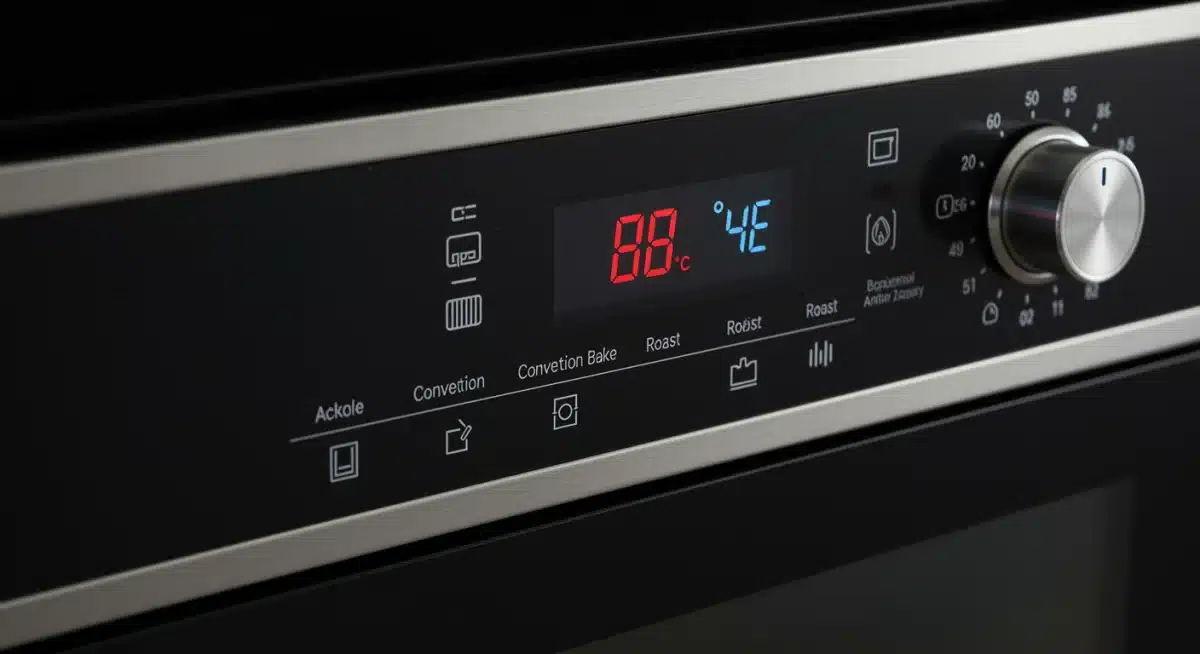
If your current oven lacks a convection fan, this is perhaps the single most impactful upgrade you can make. A convection oven uses a fan to circulate hot air evenly throughout the oven cavity. This results in:
- Faster Baking: Hot air circulating around the food means it cooks more quickly and efficiently.
- Even Browning: No more rotating pans! The circulating air ensures uniform browning and crisping.
- Better Rise: Especially beneficial for items like soufflés and certain breads, as the even heat helps them rise consistently.
When using convection, remember to reduce the temperature by 25°F (15°C) and/or reduce baking time by 25% compared to conventional baking. If a full oven replacement isn’t feasible, consider countertop convection ovens for smaller batches.
2. Upgraded Oven Insulation and Door Seals
If your oven is older, its insulation might be degrading, or the door gasket could be worn out. Replacing these components can significantly improve heat retention and efficiency.
- Gasket Replacement: A relatively inexpensive and straightforward DIY fix for many ovens. A tight seal prevents heat from escaping, leading to more stable temperatures.
- Professional Assessment: For internal insulation issues, consulting an appliance repair technician can determine if an internal insulation upgrade or repair is feasible and cost-effective.
These are often overlooked but crucial oven upgrades baking consistency relies on.
3. PID Controllers for Ultimate Temperature Stability
For the truly dedicated baker seeking laboratory-level precision, a PID (Proportional-Integral-Derivative) controller can be an advanced upgrade. While more common in industrial settings, some high-end home ovens incorporate this technology, or external PID controllers can be adapted for specific electric ovens by skilled technicians (though this is not a common DIY project).
- How it works: A PID controller constantly monitors and adjusts the heating element’s power to maintain the set temperature with incredible accuracy, minimizing temperature swings that can ruin delicate bakes.
4. Understanding and Utilizing Your Oven’s Features
Many modern ovens come with built-in features that home bakers often underutilize. Take the time to read your oven’s manual and experiment with:
- Proofing Function: Provides a low, consistent temperature ideal for rising bread dough.
- Delay Start: Allows you to prepare dough or batters in advance and have them bake at a specific time.
- Self-Cleaning Cycles: While not directly related to baking performance, a clean oven reflects heat more efficiently and prevents burnt residues from affecting flavors.
Fully leveraging existing features is a free form of oven upgrades baking can immediately benefit from.
Month Three: Smart Technology & Long-Term Oven Upgrades Baking
By now, you’ve optimized your current setup and understand the impact of precision and evenness. In your third month, we look at advanced technologies and long-term considerations that represent significant oven upgrades baking can truly revolutionize your kitchen.
1. Smart Ovens with Advanced Features
The world of smart home appliances has extended to ovens, offering features that can dramatically enhance your baking experience:
- Remote Control and Monitoring: Preheat your oven on your way home, check baking progress from another room, and receive notifications when your food is done, all via a smartphone app.
- Recipe Integration: Some smart ovens can download recipes and automatically adjust temperature and time settings, taking the guesswork out of complex bakes.
- Precision Cooking Modes: Features like steam baking, air fry, and dehydrate expand your culinary repertoire and offer more precise control for specific baking tasks. Steam injection, in particular, is a fantastic feature for artisan bread bakers, creating that perfect crust.
- Automatic Temperature Probes: Integrated probes allow you to monitor the internal temperature of large items (like roasts or even dense bread loaves) without opening the oven door, ensuring perfect doneness every time.
While a significant investment, a smart oven offers the ultimate in convenience and precision, making them top-tier oven upgrades baking professionals and serious home bakers crave.
2. Double Ovens or Wall Ovens
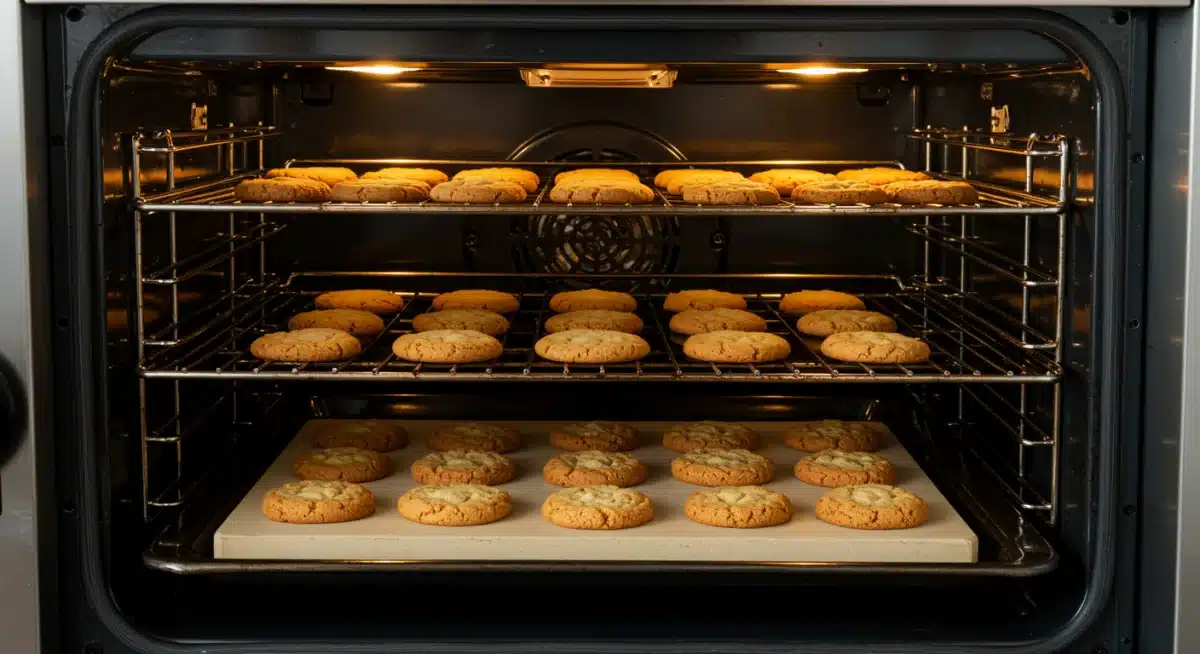
For those with space and budget, a double oven (either a range with two oven cavities or separate wall ovens) is a dream come true for avid bakers and entertainers. This allows you to bake multiple items at different temperatures simultaneously, or to bake a main course while dessert is in the other oven.
- Increased Capacity: Essential for holiday baking or large gatherings.
- Flexibility: Bake at 350°F in one oven and 400°F in the other without compromise.
This is a major structural change but offers unparalleled flexibility for your oven upgrades baking strategy.
3. Steam Ovens
Dedicated steam ovens or combination steam ovens are gaining popularity, and for good reason. Steam is a baker’s secret weapon, especially for bread and delicate pastries.
- Moisture Retention: Prevents baked goods from drying out, resulting in a tender crumb.
- Crispier Crusts: For bread, steam allows the crust to expand fully before setting, leading to a thinner, crispier crust and better oven spring.
- Reheating: Great for revitalizing day-old bread or pastries without making them soggy.
A steam oven is a specialized but highly effective choice for advanced oven upgrades baking enthusiasts.
Maintaining Your Oven for Optimal Baking Performance
Even the best oven upgrades baking can offer won’t perform optimally without proper maintenance. Regular care ensures longevity and consistent results.
1. Regular Cleaning
Spills and burnt-on food can affect temperature distribution and even impart off-flavors to your baked goods. Use your oven’s self-cleaning cycle (if available) or clean it manually with appropriate oven cleaners.
2. Check and Clean Vents
Ensure that the oven’s vents are not blocked by foil or bakeware. Proper ventilation is crucial for heat circulation and preventing moisture buildup.
3. Inspect Door Gasket
Periodically check the door seal for cracks, tears, or hardening. A damaged gasket will lead to heat loss and should be replaced.
4. Calibrate Annually
Even new ovens can drift out of calibration over time. Make it a habit to check your oven’s temperature with an external thermometer once a year.
The Three-Month Transformation: A Baking Journey
Implementing these oven upgrades baking recommendations over three months can truly transform your baking:
- Month 1 (Foundation): You’ve gained a deep understanding of your oven’s true temperature and heat distribution. Your bakes are already showing more consistency thanks to the oven thermometer, baking steel/stone, and optimized rack placement. You’re no longer guessing; you’re baking with knowledge.
- Month 2 (Precision & Evenness): If you invested in a convection feature or improved insulation, you’re experiencing faster, more even browning and better rise. Your cakes are level, your cookies are uniformly golden, and rotating pans is becoming a thing of the past. You’re starting to feel like a baking pro.
- Month 3 (Mastery & Innovation): With smart features, a double oven, or even a steam oven, your baking horizons have expanded dramatically. You’re tackling more complex recipes with confidence, experimenting with new techniques, and enjoying the convenience and precision that modern technology offers. Your kitchen is now a high-performance baking sanctuary.
This phased approach allows you to gradually adapt to new tools and techniques, making the transition smooth and the results deeply satisfying. Each step builds on the last, solidifying your skills and enhancing your equipment.
Beyond the Oven: Complementary Baking Upgrades
While the focus is on oven upgrades baking, remember that other factors contribute to perfect results. Consider these complementary upgrades:
- Digital Scale: Measuring by weight (grams/ounces) is far more accurate than by volume (cups), especially for baking.
- Stand Mixer: A good stand mixer can handle heavy doughs and batters, ensuring consistent mixing and aeration.
- Quality Ingredients: The best oven in the world can’t make up for stale flour or poor-quality chocolate. Invest in fresh, high-quality ingredients.
- Accurate Timers: While many ovens have built-in timers, a separate kitchen timer can be invaluable for managing multiple tasks.
Conclusion: Your Path to Consistent Baking Excellence with Oven Upgrades Baking
Achieving consistent, professional-level baking at home is not just about following recipes; it’s about understanding and optimizing your tools. By strategically implementing these oven upgrades baking recommendations over a three-month period, you’re not just buying new gadgets; you’re investing in a better baking future. From the simple yet profound impact of an oven thermometer to the revolutionary capabilities of a smart convection oven, each step brings you closer to baking perfection.
Don’t let an unpredictable oven hold you back any longer. Start your journey today, and in just three months, you’ll be delighting friends and family with consistently perfect cakes, breads, cookies, and pastries, all thanks to your thoughtfully upgraded and well-understood baking environment. Happy baking!