Navigating New FDA Food Labels: Your Guide to Healthy Choices by 2026
Anúncios
The landscape of our grocery store aisles is on the cusp of a significant transformation. By 2026, the way we understand and interpret the nutritional content of the foods we consume will be fundamentally altered, thanks to upcoming changes in FDA food labels. For years, consumers have grappled with complex terminology, tiny fonts, and sometimes misleading information on food packaging. The goal of these impending revisions is clear: to empower us with clearer, more concise, and more actionable information, making it easier than ever to distinguish between genuinely healthy options and those that merely masquerade as such. This comprehensive guide will meticulously break down these crucial updates, offering you the knowledge and strategies needed to confidently navigate your local supermarket and make truly informed dietary decisions. Understanding these new FDA food labels isn’t just about compliance; it’s about taking control of our health.
Anúncios
The Rationale Behind the Overhaul: Why New FDA Food Labels Are Necessary
Before we delve into the specifics of what’s changing, it’s essential to understand the driving forces behind this extensive overhaul. The existing food labeling system, while revolutionary in its time, has become increasingly outdated in the face of evolving dietary science, changing consumption patterns, and a growing public health crisis primarily fueled by diet-related diseases. The FDA’s decision to update these labels stems from several critical observations and objectives:
Anúncios
Addressing the Obesity Epidemic and Chronic Diseases
One of the primary catalysts for these changes is the alarming prevalence of obesity, type 2 diabetes, heart disease, and other chronic conditions across the United States. A significant body of research indicates a strong correlation between these health issues and poor dietary habits, often exacerbated by the consumption of foods high in added sugars, unhealthy fats, and excessive sodium. The FDA recognizes that informed food choices are a cornerstone of disease prevention. By making critical nutritional information more prominent and understandable on new FDA food labels, the aim is to guide consumers towards healthier selections that can contribute to better long-term health outcomes.
Reflecting Modern Nutritional Science and Dietary Guidelines
Nutritional science is a dynamic field, constantly evolving as new research emerges. The original food labels were based on scientific understandings from decades past. The updated Dietary Guidelines for Americans, which provide evidence-based recommendations for healthy eating, have significantly shifted over the years. For instance, the emphasis on added sugars as a key contributor to caloric excess and metabolic dysfunction has become much clearer. Similarly, the understanding of certain micronutrients and their role in overall health has deepened. The new FDA food labels are designed to align more closely with these contemporary scientific insights, ensuring that the information presented to consumers is relevant, accurate, and reflective of the latest dietary advice.
Empowering Consumers with Clearer Information
For many, deciphering a nutrition label has been akin to solving a complex puzzle. Small fonts, confusing serving sizes, and a plethora of percentages without clear context often leave consumers feeling overwhelmed and ill-equipped to make quick, healthy decisions. The FDA’s objective is to simplify this process. The changes aim to make key information, such as calorie counts and serving sizes, more visually prominent and easier to grasp at a glance. This emphasis on clarity is paramount to genuinely empowering consumers to understand what they are eating and how it impacts their health, thereby making the new FDA food labels a powerful tool for public health.
Responding to Public Feedback and Industry Trends
The FDA didn’t arrive at these changes in a vacuum. Extensive research, public comments, and feedback from health organizations, consumer advocacy groups, and even the food industry itself played a crucial role in shaping the final regulations. There has been a widespread call for greater transparency and user-friendliness in food labeling. Furthermore, as consumers become increasingly health-conscious, there’s a growing demand for products that genuinely support their wellness goals. The new FDA food labels are, in part, a response to these societal shifts and market demands, ensuring that the labeling system remains relevant and effective in today’s health-focused environment.
Key Changes to Expect on New FDA Food Labels by 2026
The upcoming revisions are not merely cosmetic; they represent a fundamental rethinking of how nutritional information is presented. Here’s a detailed breakdown of the most impactful changes you’ll see on new FDA food labels:
1. Enhanced Visibility for Calories and Serving Sizes
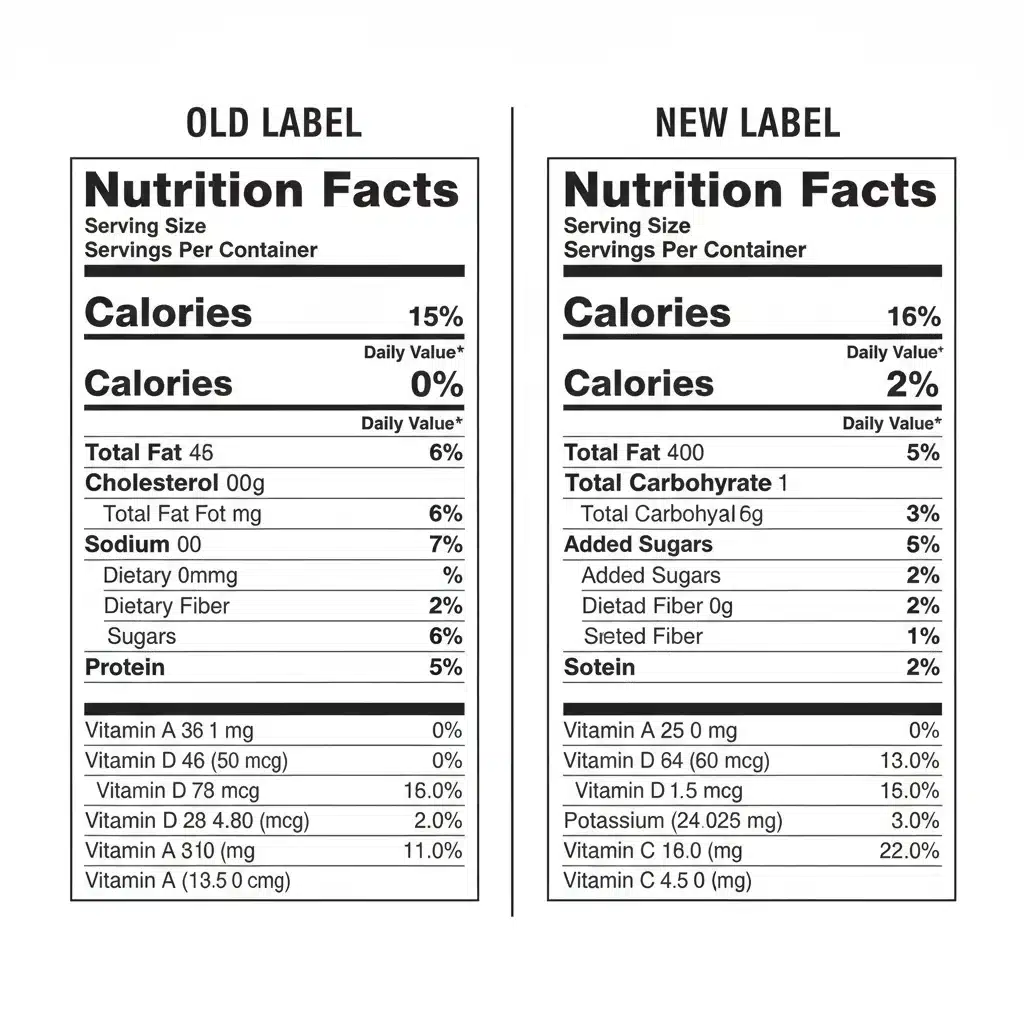
Perhaps the most noticeable change will be the increased prominence of calorie information. The calorie count will now be displayed in a larger, bolder font, making it impossible to miss. This reflects the understanding that calorie intake is a fundamental aspect of weight management and overall health. Similarly, serving sizes will be updated to better reflect what people actually eat, rather than what they theoretically should eat. For instance, a single-serving container that people typically consume in one sitting will be labeled as one serving, even if it contains multiple traditional serving units. This adjustment aims to reduce confusion and provide a more realistic picture of nutrient intake per consumption occasion. This is a critical update for understanding new FDA food labels.
2. The Addition of ‘Added Sugars’
This is arguably one of the most significant and consumer-demanded changes. For the first time, new FDA food labels will explicitly include a line item for ‘Added Sugars,’ expressed in grams and as a percentage of the Daily Value. This distinction is crucial because naturally occurring sugars (like those in fruit or milk) have different metabolic effects than sugars added during processing. Excessive intake of added sugars is linked to a host of health problems, including obesity, type 2 diabetes, and cardiovascular disease. By clearly separating added sugars, consumers will be better equipped to identify and limit products that contribute unnecessary sweetness to their diets. This empowers shoppers to make healthier choices regarding new FDA food labels.
3. Updated Daily Values and Nutrient Declarations
The Daily Values (DVs) for several nutrients have been revised based on updated scientific evidence. For example, the DV for sodium, dietary fiber, and Vitamin D have changed. These DVs are reference amounts of nutrients to consume or not to exceed each day. The new FDA food labels will also require the declaration of Vitamin D and Potassium, which are often under-consumed nutrients and have significant public health importance. Conversely, ‘Calories from Fat’ will be removed, as the type of fat is considered more important than the total amount when evaluating overall health. Vitamins A and C will no longer be mandatory, but manufacturers can still include them voluntarily. These adjustments reflect a more nuanced understanding of dietary needs and public health priorities, making the new FDA food labels more relevant.
4. Changes to Footnote Text
The footnote at the bottom of the Nutrition Facts label will also be updated. Instead of the somewhat generic text about daily values being based on a 2,000 calorie diet, the new FDA food labels will feature a more simplified and clearer explanation: “*The % Daily Value (DV) tells you how much a nutrient in a serving of food contributes to a daily diet. 2,000 calories a day is used for general nutrition advice.” This streamlined language aims to make the percentage daily values more understandable and actionable for the average consumer, improving the overall clarity of new FDA food labels.
5. Dual Column Labeling for Certain Packages
For certain food products that can be consumed in one sitting but contain more than one serving, a new dual-column label will be introduced. This will show the nutritional information for both a single serving and for the entire package. This is particularly relevant for items like a pint of ice cream or a large soda bottle, where consumers often consume the whole container at once. This dual-column approach will provide a clearer picture of the total caloric and nutrient intake if the entire package is consumed, preventing unintentional overconsumption and making new FDA food labels more transparent.
Decoding New FDA Food Labels: Your Strategy for Healthy Shopping
With these changes on the horizon, developing a strategy for navigating your supermarket effectively will be crucial. Here’s how you can leverage the new FDA food labels to make healthier choices:
Prioritize Calories and Serving Sizes
The enlarged calorie count and updated serving sizes are your immediate go-to. Before anything else, glance at these two figures. Understand how many calories you’re consuming per serving and, more importantly, how many servings are typically in the package you’re holding. If a product has a dual-column label, pay attention to the ‘per package’ column to get a realistic sense of your intake if you consume the entire item. This initial assessment will help you quickly gauge the caloric density of a product using new FDA food labels.
Scrutinize ‘Added Sugars’
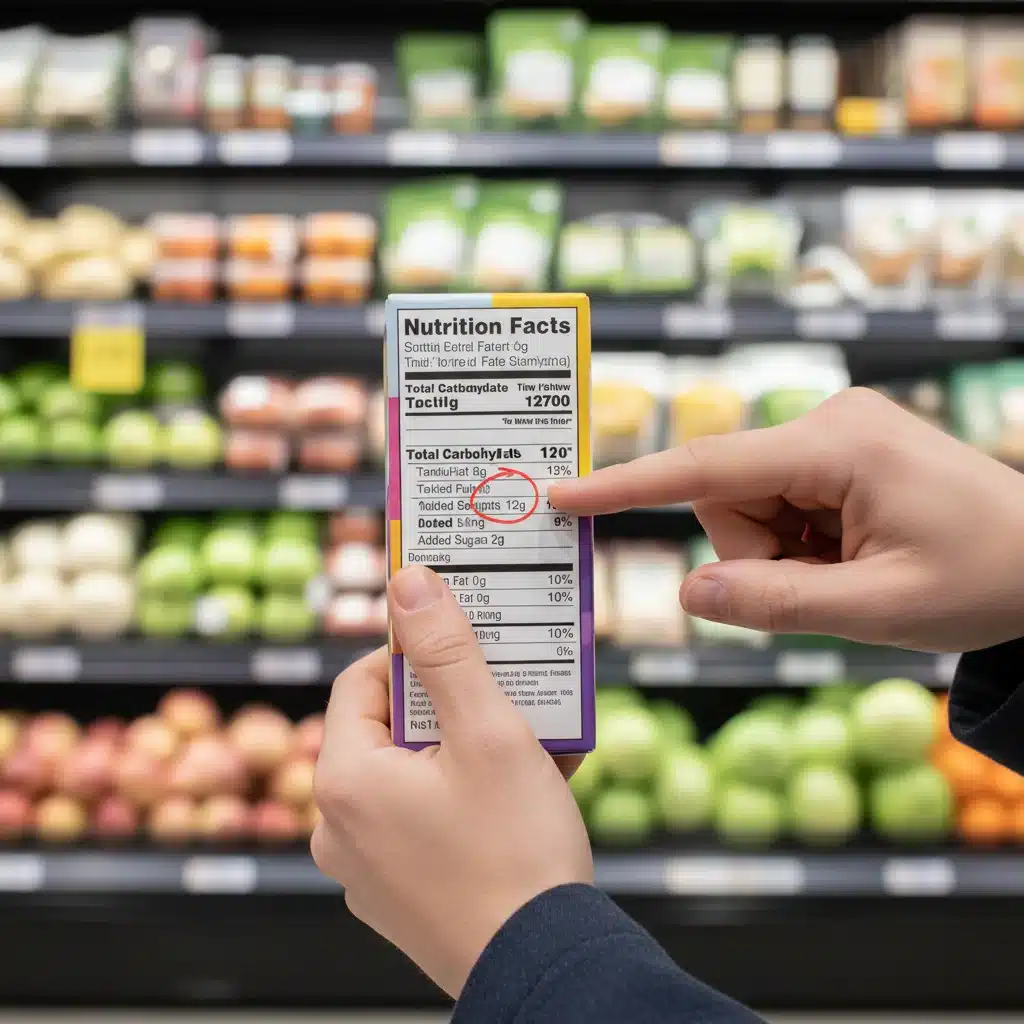
This new line item is a game-changer. Make it a habit to check the ‘Added Sugars’ content. Aim for products with minimal to no added sugars, especially in items where you wouldn’t expect them (e.g., bread, yogurt, sauces). Remember, the % Daily Value for added sugars is based on a recommendation that no more than 10% of your daily calories come from added sugars. A product with 20% DV or more for added sugars per serving is considered high. This focus on added sugars is a key aspect of utilizing new FDA food labels effectively.
Understand the % Daily Value (%DV)
The %DV provides context for the nutrient amounts. A general rule of thumb is: 5% DV or less is low, and 20% DV or more is high. When looking at new FDA food labels, aim for foods that are:
- Low in: Saturated Fat, Sodium, and Added Sugars.
- High in: Dietary Fiber, Vitamin D, Potassium, Calcium, and Iron.
This quick assessment tool will help you identify nutrient-dense foods and avoid those high in components you should limit. The updated footnote will make this easier to interpret.
Focus on Key Micronutrients: Vitamin D and Potassium
With Vitamin D and Potassium now mandatory on new FDA food labels, pay attention to these. Many Americans are deficient in these critical nutrients. Look for foods that are good sources of Vitamin D (e.g., fortified milk, fatty fish) and Potassium (e.g., fruits, vegetables, beans). These nutrients play vital roles in bone health, immune function, blood pressure regulation, and overall cellular health. The inclusion of these on new FDA food labels highlights their importance.
Don’t Forget the Ingredients List
While the Nutrition Facts label gets a significant facelift, the ingredients list remains an indispensable tool. Ingredients are listed in descending order by weight. A good rule of thumb is to choose products with shorter ingredient lists and recognize most of the ingredients. Be wary of long lists filled with unfamiliar terms, especially those at the beginning of the list. Even with new FDA food labels, the ingredient list provides an unfiltered look at what’s truly in your food.
Beyond the Label: Holistic Approaches to Healthy Eating
While the new FDA food labels are a powerful tool, they are just one piece of the puzzle. A truly healthy diet involves a holistic approach:
Embrace Whole, Unprocessed Foods
The best way to avoid complex labels altogether is to focus the majority of your diet on whole, unprocessed foods. Fresh fruits, vegetables, lean proteins, whole grains, and legumes typically don’t come with a nutrition label because their nutritional content is inherent and usually beneficial. These foods are naturally rich in fiber, vitamins, minerals, and antioxidants, and naturally low in added sugars, unhealthy fats, and sodium. Prioritizing these items reduces your reliance on deciphering new FDA food labels.
Cook More at Home
Preparing meals at home gives you complete control over the ingredients. You can choose fresh produce, control the amount of salt, sugar, and fat, and avoid artificial additives often found in processed foods. Cooking at home also encourages mindful eating and can be a rewarding experience. This practice complements the information provided by new FDA food labels.
Stay Hydrated with Water
Often overlooked, adequate water intake is fundamental to good health. Choose water over sugary beverages, which are often significant sources of added sugars. The new FDA food labels will make it easier to identify these sugary drinks.
Practice Portion Control
Even healthy foods can contribute to weight gain if consumed in excessive portions. The updated serving sizes on new FDA food labels will help, but it’s still important to be mindful of how much you’re eating. Use smaller plates, measure out servings, and listen to your body’s hunger and fullness cues.
Seek Professional Guidance
If you have specific dietary needs, health conditions, or simply want personalized advice, consider consulting a registered dietitian or nutritionist. They can provide tailored guidance and help you interpret the new FDA food labels in the context of your individual health goals.
The Impact on Food Manufacturers and the Market
The transition to new FDA food labels is not just about consumers; it also represents a significant undertaking for the food industry. Manufacturers must reformulate products, update packaging, and ensure compliance across their entire product lines. This could lead to several market shifts:
Product Reformulation
Many companies may choose to reformulate their products to reduce added sugars, sodium, or unhealthy fats to present a more favorable nutrition profile on the new FDA food labels. This is a positive outcome, as it could lead to a healthier food supply overall.
Increased Transparency and Competition
The clearer labels will likely foster greater transparency. Companies that produce genuinely healthy products will have an easier time communicating their benefits, while those with less healthy offerings may face pressure to improve. This could lead to increased competition in the healthy food sector, benefiting consumers.
Consumer Education Initiatives
Expect to see more educational campaigns from both public health organizations and food manufacturers, helping consumers understand the new FDA food labels and how to use them. This widespread education will be crucial for the success of the new regulations.
Challenges and Considerations
While the new FDA food labels are a step in the right direction, it’s important to acknowledge potential challenges:
Consumer Adaption
It will take time for consumers to fully adapt to and understand the new format. Initial confusion is possible, but consistent education and exposure should help overcome this.
Industry Costs
The cost of redesigning packaging and potentially reformulating products can be substantial for manufacturers, especially smaller businesses. The FDA has provided a compliance timeline to help mitigate these burdens.
The ‘Health Halo’ Effect
Even with clearer labels, some products might still try to create a ‘health halo’ through marketing claims on the front of the package that may not fully align with the detailed information on the back. It’s crucial for consumers to always turn the package and check the new FDA food labels.
Conclusion: Embracing a Healthier Future with New FDA Food Labels
The impending changes to FDA food labels by 2026 mark a pivotal moment in public health and consumer empowerment. By enhancing the clarity and relevance of nutritional information, these updates aim to equip every American with the tools needed to make more informed and healthier food choices. Understanding the prominent calorie counts, realistic serving sizes, and especially the explicit declaration of ‘added sugars’ will be key to navigating supermarket aisles with confidence. However, remember that the label is a guide, not the sole determinant of a healthy lifestyle. Combining this newfound label literacy with a focus on whole, unprocessed foods, home cooking, and mindful eating practices will pave the way for a healthier future. Get ready to embrace these new FDA food labels – they are your allies in the journey towards better well-being.