Mastering Freezer-Friendly Quick Meals: Extend Meal Prep Shelf Life by 2 Months in 2026
In today’s fast-paced world, finding time to prepare healthy, home-cooked meals can feel like an impossible task. We often find ourselves resorting to takeout or unhealthy convenience foods, sacrificing both our health and our wallets. But what if there was a way to enjoy delicious, nutritious meals without the daily grind of cooking? Enter the world of freezer-friendly quick meals. This comprehensive guide will not only introduce you to the concept but also equip you with the knowledge and strategies to extend your meal prep shelf life by up to two months, ensuring you always have a wholesome option at your fingertips.
The art of preparing freezer-friendly meals is more than just cooking in bulk; it’s a strategic approach to meal management that saves time, reduces food waste, and promotes healthier eating habits. Imagine coming home after a long day, knowing that a delicious, homemade dinner is just minutes away, requiring only a quick reheat. This isn’t a pipe dream; it’s the reality that mastering freezer-friendly quick meals can offer. In this article, we’ll delve into the benefits, best practices, and specific recipes that will transform your kitchen and your lifestyle.
Anúncios
The Unbeatable Benefits of Freezer-Friendly Quick Meals
Before we dive into the ‘how-to,’ let’s explore why incorporating freezer-friendly quick meals into your routine is a game-changer. The advantages extend far beyond convenience, touching upon aspects of health, finance, and environmental responsibility.
Anúncios
Time-Saving Efficiency
Perhaps the most immediate and appreciated benefit is the significant reduction in daily cooking time. By dedicating a few hours once a week or month to meal prep, you eliminate the need for daily cooking, cleaning, and decision-making. This frees up precious time in your evenings, allowing for more relaxation, family time, or pursuing hobbies. Preparing freezer-friendly quick meals means you’re always just a few steps away from a nourishing dinner.
Cost-Effective Eating
Eating out frequently can quickly drain your budget. Homemade meals, even those prepared in advance, are almost always cheaper. When you plan your freezer meals, you can buy ingredients in bulk, take advantage of sales, and significantly cut down on impulse purchases or expensive last-minute takeout. This strategic purchasing, combined with reduced food waste, translates into substantial savings over time.
Healthier Lifestyle Choices
When you prepare your own freezer-friendly quick meals, you have complete control over the ingredients. This means you can reduce unhealthy fats, excess sodium, and artificial additives often found in processed foods and restaurant dishes. You can also tailor meals to specific dietary needs or preferences, ensuring a balanced and nutritious diet for yourself and your family. Having healthy options readily available also reduces the temptation to reach for less healthy alternatives when hunger strikes.
Reduced Food Waste
Food waste is a significant problem, both economically and environmentally. By planning and freezing meals, you’re more likely to use up all your purchased ingredients before they spoil. Leftovers can be repurposed into new freezer meals, and excess produce can be blanched and frozen, extending its usability. This mindful approach to food consumption contributes to a more sustainable kitchen.
Stress Reduction
The daily question of ‘what’s for dinner?’ can be a source of considerable stress. With a freezer stocked with delicious, ready-to-heat meals, that stress disappears. The peace of mind that comes from knowing your meals are taken care of is invaluable, allowing you to focus on other aspects of your life.
Key Principles for Successful Freezer Meal Prep
To truly master freezer-friendly quick meals and extend their shelf life, it’s crucial to understand the foundational principles of safe and effective freezing. These aren’t just tips; they are essential practices that ensure your food remains delicious and safe to eat for weeks or even months.
Choose the Right Recipes
Not all foods freeze equally well. Sauces, stews, chilis, soups, casseroles, cooked grains, and many baked goods are excellent candidates. Dairy products, fried foods, and certain raw vegetables (like lettuce or cucumbers) tend to suffer in texture or taste after freezing and thawing. Focus on recipes that are inherently moist and can withstand temperature changes without becoming dry or mushy. Think about dishes where a slight texture change won’t drastically impact the overall enjoyment.
Proper Cooling is Paramount
Before freezing, always ensure your cooked food is cooled completely. Placing hot food directly into the freezer can raise the temperature of other frozen items, potentially causing them to partially thaw and refreeze, which compromises quality and safety. It also creates condensation, leading to ice crystals and freezer burn. Divide large batches into smaller portions to speed up the cooling process. You can use an ice bath or spread food thinly on baking sheets before transferring to containers.
Airtight Packaging is Non-Negotiable
This is arguably the most critical step for extending shelf life and preventing freezer burn. Air is the enemy of frozen food, causing dehydration and flavor loss. Use high-quality freezer bags (squeeze out as much air as possible), vacuum seal bags, or airtight containers. When using containers, ensure they are filled to capacity, leaving minimal air space. For liquids, leave some headspace to allow for expansion during freezing.
Portion Control and Labeling
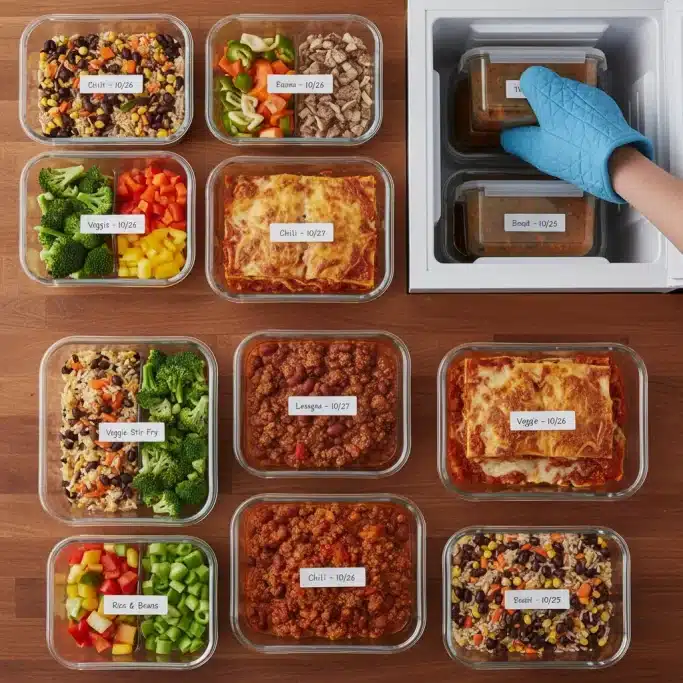
Portion your meals into individual or family-sized servings before freezing. This allows you to thaw only what you need, preventing waste. Always label your containers or bags with the dish name, ingredients (especially if there are allergens), and the date it was frozen. This prevents the mystery meal syndrome and helps you rotate your stock effectively. A simple permanent marker or masking tape works wonders.
Rapid Freezing
The faster food freezes, the smaller the ice crystals that form. Smaller ice crystals mean less damage to the food’s cellular structure, preserving texture and flavor. Don’t overload your freezer, as this can slow down the freezing process. If possible, use a ‘fast freeze’ setting on your freezer or place items towards the back where it’s coldest.
Extending Shelf Life: Beyond the Basics
While proper cooling and airtight packaging are crucial, there are advanced techniques to push the shelf life of your freezer-friendly quick meals even further, allowing them to remain delicious for up to two months or more.
Vacuum Sealing: The Ultimate Protection
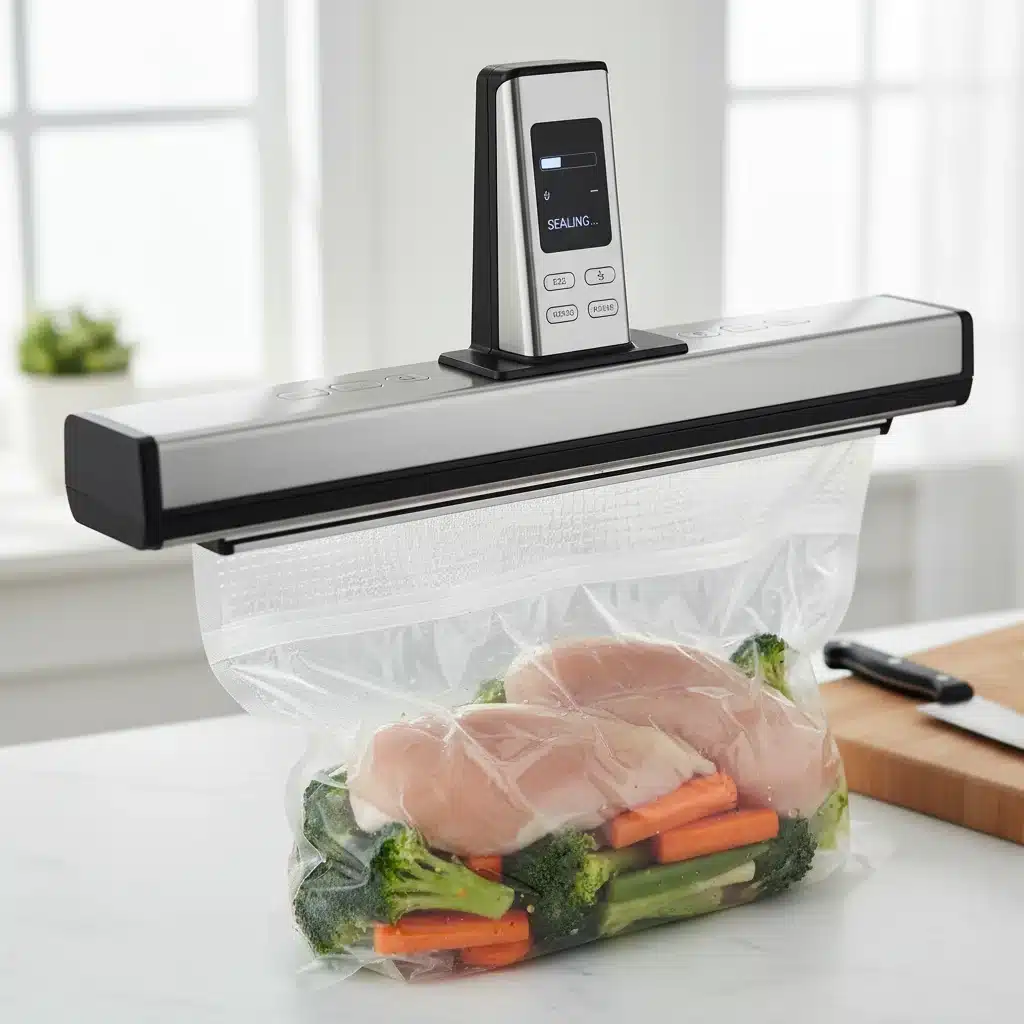
If you’re serious about extending the life of your frozen meals, a vacuum sealer is an invaluable investment. Vacuum sealing removes almost all air from the packaging, dramatically reducing the risk of freezer burn and preserving food quality for much longer than traditional methods. Foods that typically last 3-6 months in the freezer can often last 1-2 years when vacuum sealed. When preparing freezer-friendly quick meals, this tool is a game-changer.
Blanching Vegetables for Optimal Freezing
For vegetables you plan to add to future meals (like stir-fries or roasted vegetable medleys), blanching before freezing is key. Blanching involves briefly cooking vegetables in boiling water, then rapidly cooling them in ice water. This process stops enzyme action that causes spoilage, preserves color and nutrients, and preps them for longer freezer storage. Always dry blanched vegetables thoroughly before freezing to prevent ice crystals.
Freezing in Layers or Individually
For items like meatballs, cookies, or individual portions of casseroles, freeze them on a baking sheet in a single layer until solid. Once frozen, transfer them to an airtight container or freezer bag. This prevents them from sticking together, allowing you to take out just the amount you need without thawing the entire batch. This method is perfect for components of your freezer-friendly quick meals.
Understanding Freezer Burn
Freezer burn occurs when food is exposed to air, causing its moisture to evaporate and leading to dry, discolored spots. While freezer-burned food is safe to eat, its texture and flavor are significantly compromised. The best defense against freezer burn is proper packaging that minimizes air exposure. Regularly check your frozen items and use older ones first.
Top Freezer-Friendly Quick Meal Categories
Now that we understand the principles, let’s explore some of the best categories for creating delicious freezer-friendly quick meals.
1. Soups and Stews
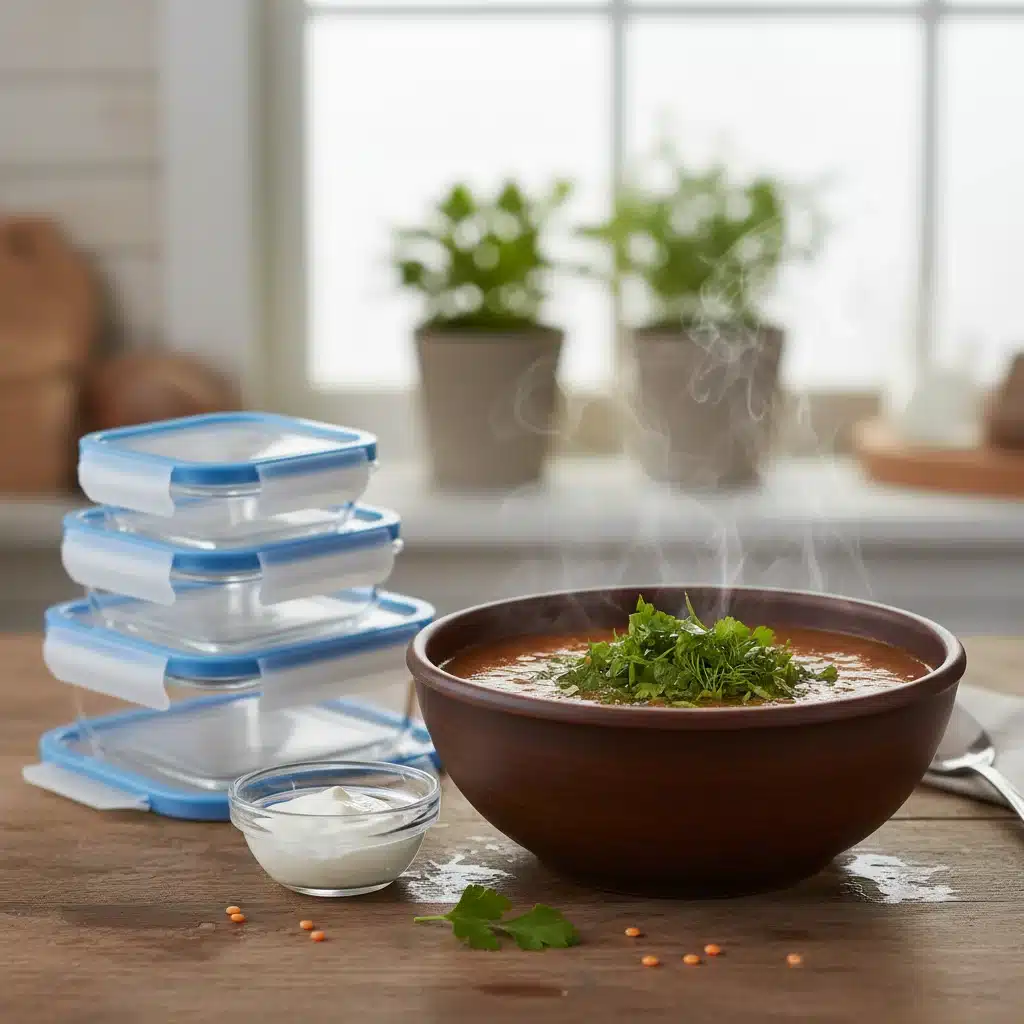
Soups and stews are perhaps the quintessential freezer meals. Their liquid base protects ingredients from freezer burn, and flavors often meld and deepen upon thawing and reheating. Think hearty lentil soup, comforting chicken noodle soup (add noodles upon reheating), robust beef stew, or a spicy chili. Freeze in individual portions for easy lunches or family-sized batches for dinner.
- Recipe Idea: Hearty Beef Chili
Cook a large batch of your favorite chili. Allow to cool completely. Divide into freezer-safe containers or bags. Label with the date. Reheat gently on the stovetop or in the microwave. Serve with fresh toppings like cheese, sour cream, or avocado. - Recipe Idea: Creamy Tomato Soup (dairy-free option)
Blend roasted tomatoes, garlic, and vegetable broth. Season well. For a creamy texture, add coconut milk or cashew cream before freezing. If using dairy cream, consider adding it upon reheating for best texture.
2. Casseroles and Baked Dishes
Lasagnas, shepherd’s pies, enchiladas, and baked pasta dishes are excellent for freezing. You can assemble them completely, then freeze before baking, or bake them first and then freeze. Freezing unbaked often yields a fresher taste upon baking, but pre-baked is more convenient for quick reheating.
- Recipe Idea: Classic Lasagna
Assemble a large lasagna in an aluminum baking pan. Cover tightly with foil, then plastic wrap. Freeze unbaked. When ready to eat, thaw overnight in the fridge, then bake as directed. - Recipe Idea: Chicken & Veggie Bake
Cook chicken and a medley of freezer-friendly vegetables (broccoli, carrots, bell peppers) in a creamy sauce. Top with breadcrumbs or cheese. Bake, then cool and portion for freezing.
3. Cooked Grains and Legumes
Batch cooking grains like rice, quinoa, farro, or lentils and freezing them in portions is a huge time-saver. These can be added directly to stir-fries, salads, or as a side dish for your freezer-friendly quick meals.
- Recipe Idea: Quinoa Portions
Cook a large batch of quinoa. Once cooled, divide into 1-cup portions in freezer bags. Press flat to remove air and stack easily. Thaw and reheat for quick healthy bases.
4. Breakfast Items
Don’t forget breakfast! Muffins, breakfast burritos, pancakes, waffles, and even egg cups freeze beautifully, making busy mornings much smoother.
- Recipe Idea: Breakfast Burritos
Scramble eggs with cooked sausage or black beans, cheese, and salsa. Wrap in tortillas. Wrap each burrito individually in foil, then freeze in a freezer bag. Reheat in the microwave or oven.
5. Sauces and Bases
Homemade pasta sauces, pesto, curry pastes, or even caramelised onions can be frozen in ice cube trays or small containers. These are perfect building blocks for future freezer-friendly quick meals.
- Recipe Idea: Marinara Sauce Cubes
Make a big batch of marinara sauce. Freeze in ice cube trays. Once solid, transfer cubes to a freezer bag. Use as needed for pasta, pizzas, or as a base for other dishes.
Thawing and Reheating for Best Results
Proper thawing and reheating are just as important as proper freezing for ensuring the quality and safety of your freezer-friendly quick meals. Improper methods can lead to uneven heating, bacterial growth, or a compromised texture.
Safe Thawing Methods
- Refrigerator Thawing: This is the safest method. Transfer frozen food to the refrigerator and allow it to thaw slowly. This can take 24-48 hours for larger items. Once thawed, use within 3-4 days.
- Cold Water Thawing: For quicker thawing, place the sealed freezer bag or container in a bowl of cold water, changing the water every 30 minutes. Do not use hot water, as it can bring the food into the ‘danger zone’ for bacterial growth. Cook immediately after thawing.
- Microwave Thawing: Use the defrost setting on your microwave. This method is best for foods that will be cooked immediately after thawing, as some areas may begin to cook while others are still frozen.
Important: Never thaw food at room temperature, as this allows bacteria to multiply rapidly on the surface while the inside remains frozen.
Reheating Your Freezer Meals
The best reheating method depends on the type of dish:
- Oven: Ideal for casseroles, baked pasta dishes, and anything you want to crisp up. Cover with foil to prevent drying, then uncover for the last part of cooking if desired. Ensure food reaches an internal temperature of 165°F (74°C).
- Stovetop: Perfect for soups, stews, chilis, and sauces. Reheat over medium heat, stirring occasionally, until simmering and heated through. Add a splash of broth or water if needed to adjust consistency.
- Microwave: Best for individual portions of most dishes. Use a microwave-safe container, cover loosely, and stir halfway through to ensure even heating.
Always ensure food is reheated to a safe internal temperature of 165°F (74°C) to kill any potential bacteria. Use a food thermometer if unsure.
Tips for Maximizing Your Freezer Meal Success
To truly excel at preparing freezer-friendly quick meals, consider these additional tips and tricks:
Invest in Quality Containers
Good quality, freezer-safe containers that are airtight, stackable, and microwave/oven safe will make your meal prep life much easier. Glass containers are excellent as they don’t stain or retain odors and can go from freezer to oven (check manufacturer instructions). Silicone bags are also a great reusable option.
Create a Freezer Inventory
It’s easy to forget what’s hiding in the back of your freezer. Keep a running inventory list (on paper or a whiteboard) that includes the dish name, quantity, and freeze date. This helps with meal planning and ensures you use items before they exceed their optimal storage time.
Plan Your Prep Day
Treat your meal prep day like a cooking marathon. Choose 2-3 recipes that can be made concurrently. Chop all vegetables at once, cook grains in a large batch, and streamline your process. Having a clear plan will make the task less daunting and more efficient for your freezer-friendly quick meals.
Don’t Forget the Sides
While the main dish is often the focus, consider freezing components for sides. Cooked rice, roasted root vegetables, or even blanched green beans can be frozen in portions to complement your main meals.
Experiment and Adapt
Don’t be afraid to try new recipes or adapt old favorites. If a recipe doesn’t freeze well, make a note and try a different approach next time. The more you experiment, the more you’ll learn what works best for your tastes and your freezer.
Consider Flavor Enhancement Upon Reheating
Some dishes might lose a bit of their vibrancy after freezing. A squeeze of fresh lemon juice, a sprinkle of fresh herbs, a dollop of sour cream, or a dash of hot sauce can work wonders to revive flavors upon reheating.
Sample 2-Month Freezer Meal Plan Strategy (2026 Edition)
To put everything into practice, here’s a hypothetical strategy for extending your freezer-friendly quick meals for two months:
Month 1: Focus on Bulk Staples and Hearty Dishes
- Week 1 Prep:
- Large batch of Beef Chili (4-6 family servings)
- Large batch of Lentil Soup (4-6 family servings)
- Cooked Quinoa (8-10 individual portions)
- Breakfast Burritos (12-15 burritos)
- Week 2 Prep:
- Two Lasagnas (one for now, one for freezer)
- Chicken & Veggie Curry (4-6 family servings, freeze sauce separately if desired)
- Cooked Brown Rice (8-10 individual portions)
- Homemade Marinara Sauce (freeze in 1-cup portions)
- Week 3 & 4: Focus on consuming some of the Week 1 & 2 prepped meals. Replenish with fresh meals if desired, or make a smaller batch of a new freezer-friendly dish to add variety.
Month 2: Introduce New Flavors and Replenish Favorites
- Week 5 Prep:
- Shepherd’s Pie (2 large pies)
- Black Bean Burgers (12-15 patties)
- Batch of Cooked Shredded Chicken (for quick tacos, sandwiches, or salads)
- Spinach and Feta Egg Muffins (12-18 muffins)
- Week 6 Prep:
- Pork Carnitas (large batch for tacos/burrito bowls)
- Vegetable Minestrone Soup (4-6 family servings)
- Sweet Potato & Black Bean Enchiladas (2 large pans)
- Pesto Cubes (freeze in ice cube trays)
- Week 7 & 8: Continue rotating through your freezer stock, prioritizing oldest items first. By this point, your initial Week 1 & 2 meals are still well within their optimal quality window, especially if vacuum-sealed.
This strategic approach to preparing freezer-friendly quick meals ensures a continuous supply of diverse and delicious options, keeping your freezer well-stocked for months.
Conclusion: Embrace the Freezer Meal Revolution
The journey to mastering freezer-friendly quick meals is an investment in your time, health, and financial well-being. By adopting the principles of proper preparation, packaging, and strategic planning, you can transform your kitchen into a hub of efficiency and nutrition. Say goodbye to last-minute dinner stress and hello to a freezer brimming with delicious, homemade options that are ready when you are.
Start small, experiment with recipes that appeal to you, and gradually build your freezer meal repertoire. The satisfaction of pulling out a perfectly preserved, flavorful meal that you prepared weeks ago is truly rewarding. In 2026 and beyond, let your freezer be your ally in achieving a balanced, stress-free, and delicious eating lifestyle. Embrace the freezer meal revolution, and enjoy the freedom it brings!