Leftover Makeovers: Transform Yesterday’s Dinner into a New Quick Meal for Tomorrow
Anúncios
Leftover Makeovers: Transform Yesterday’s Dinner into a New Quick Meal for Tomorrow
In the bustling rhythm of modern life, where time is a precious commodity and sustainability is a growing concern, the art of transforming leftovers has emerged as a culinary superpower. We’ve all been there: a delicious dinner enjoyed, only to find ourselves staring at the remnants the next day, wondering what to do with them. Instead of relegating these perfectly good ingredients to the back of the fridge or, worse, the bin, imagine a world where yesterday’s meal sparks inspiration for an entirely new, exciting, and quick dish for tomorrow. This is the magic of leftover meal ideas, a concept that not only saves you time and money but also significantly reduces food waste.
Anúncios
This comprehensive guide is dedicated to unlocking the full potential of your fridge’s forgotten treasures. We’re not just talking about reheating; we’re talking about reinvention. From savory roasts to humble pasta dishes, from vibrant vegetable medleys to hearty grains, almost any leftover can be given a second life, often with minimal effort and maximum flavor. By embracing creative leftover recipes, you embark on a culinary journey that is both practical and immensely satisfying, proving that convenience doesn’t have to come at the expense of taste or variety.
The benefits extend far beyond the plate. Think about the time saved on meal prep, the money kept in your wallet by avoiding impulse takeout orders, and the positive impact on the environment by minimizing waste. In an era where conscious consumption is key, mastering the art of the leftover makeover is not just a skill; it’s a lifestyle. So, let’s dive into a world of culinary possibilities, where yesterday’s dinner is merely the delicious beginning of tomorrow’s exciting meal.
Anúncios
The Philosophy of Leftover Meal Ideas: More Than Just Reheating
At its core, the philosophy behind effective leftover meal ideas is about perspective. It’s about seeing ingredients, not just as components of a finished dish, but as versatile building blocks for future culinary creations. Reheating a dish is one thing; transforming it into something new and exciting is another. This approach shifts cooking from a daily chore to an ongoing creative process, where each meal feeds into the next, culminating in a continuous cycle of deliciousness and efficiency.
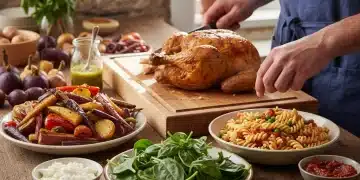
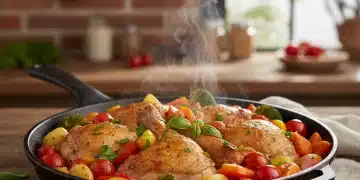
Consider the humble roasted chicken. While a classic in its own right, the leftover meat can feel a bit monotonous on day two. But what if that chicken became the star of a vibrant salad, a hearty soup, a spicy taco filling, or even a savory pie? This is where the magic happens. By changing the context, adding new textures, and introducing different flavor profiles, you elevate the leftover from a mere repeat performance to a fresh, eagerly anticipated dish.
This mindset also fosters a deeper appreciation for food. Instead of discarding what remains, you learn to value every ingredient, understanding its potential and how it can contribute to a wholesome and varied diet. It’s a practical application of sustainability in your own kitchen, reducing your carbon footprint one delicious meal at a time. Furthermore, it encourages culinary improvisation, pushing you to experiment with spices, herbs, and cooking methods you might not typically use, thereby expanding your cooking repertoire.
Why Embrace Leftover Meal Ideas?
- Reduced Food Waste: A significant portion of household waste comes from uneaten food. Creative leftover meal ideas are a powerful tool in combating this.
- Time-Saving: Much of the cooking is already done! Repurposing leftovers drastically cuts down on prep and cooking time for subsequent meals, making them perfect for busy weeknights.
- Cost-Effective: Maximizing the use of ingredients means you get more meals out of your grocery budget. It’s a simple yet effective way to save money.
- Culinary Creativity: It challenges you to think outside the box, experimenting with new flavor combinations and cooking techniques.
- Healthier Eating: By planning your meals around leftovers, you’re more likely to eat homemade, nutritious food rather than resorting to less healthy convenience options.
Embracing smart leftover strategies is not just a trend; it’s a fundamental shift towards more mindful and efficient cooking. It empowers you to be a more resourceful cook, capable of turning any culinary challenge into a delicious opportunity. Let’s explore how to transform various common leftovers into extraordinary new dishes.
From Roast to Rhapsody: Transforming Meats and Poultry
Roasted meats and poultry are perhaps the most common and versatile leftovers. A Sunday roast chicken or a holiday turkey often leaves a generous amount of meat, bones, and sometimes even drippings, all ripe for reinvention. Don’t let these precious ingredients go to waste; instead, envision them as the foundation for a week of diverse and delightful leftover meal ideas.
Chicken and Turkey Transformations:
- Shredded Chicken/Turkey Tacos or Enchiladas: Shred the leftover meat, toss it with taco seasoning, and serve in warm tortillas with your favorite toppings like salsa, guacamole, and cheese. For enchiladas, roll the seasoned meat in tortillas, cover with enchilada sauce and cheese, then bake until bubbly.
- Chicken/Turkey Salad Sandwiches or Wraps: Dice the meat, mix with mayonnaise, celery, grapes, and a touch of Dijon mustard for a classic salad. Serve on bread, in lettuce cups, or in a wrap for a light and satisfying lunch.
- Hearty Chicken/Turkey Soup: The bones from a roasted chicken or turkey are gold for making stock. Combine the stock with diced meat, leftover vegetables, and perhaps some noodles or rice for a comforting and nutritious soup.
- Chicken/Turkey Pot Pie: Combine diced meat with leftover gravy or a quick béchamel sauce, mixed vegetables (carrots, peas, potatoes), and top with a puff pastry or biscuit crust. Bake until golden and bubbly.
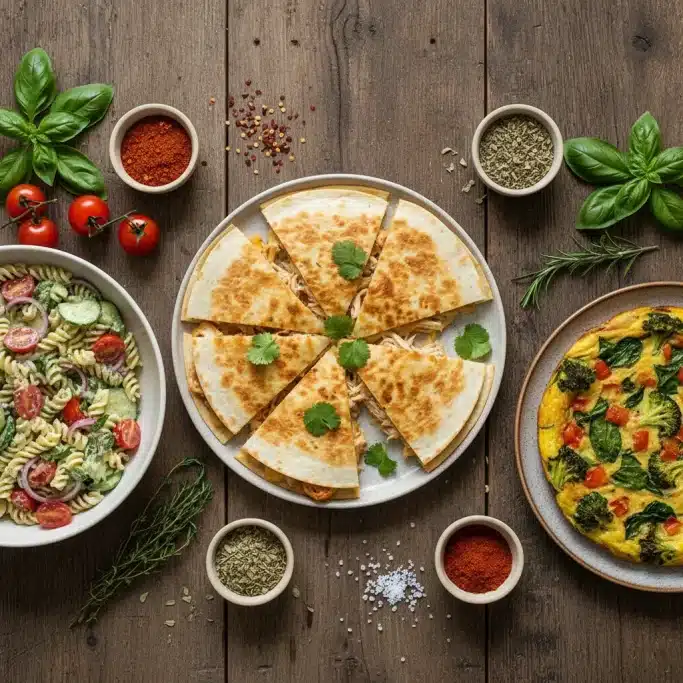
- Quesadillas or Paninis: Layer shredded chicken/turkey with cheese and other fillings (onions, peppers) between tortillas or slices of bread, then grill until golden and melted.
Beef and Pork Repurposing:
- Shepherd’s Pie (with a Twist): Dice leftover roast beef or pork, simmer in a rich gravy with vegetables, and top with mashed potatoes before baking.
- Beef/Pork Fried Rice: Chop the meat into small pieces and add to a wok with cooked rice, soy sauce, eggs, and mixed vegetables for a quick and flavorful stir-fry.
- Pulled Pork/Beef Sandwiches: Shred leftover pork or beef, warm it in BBQ sauce, and serve on soft buns with coleslaw.
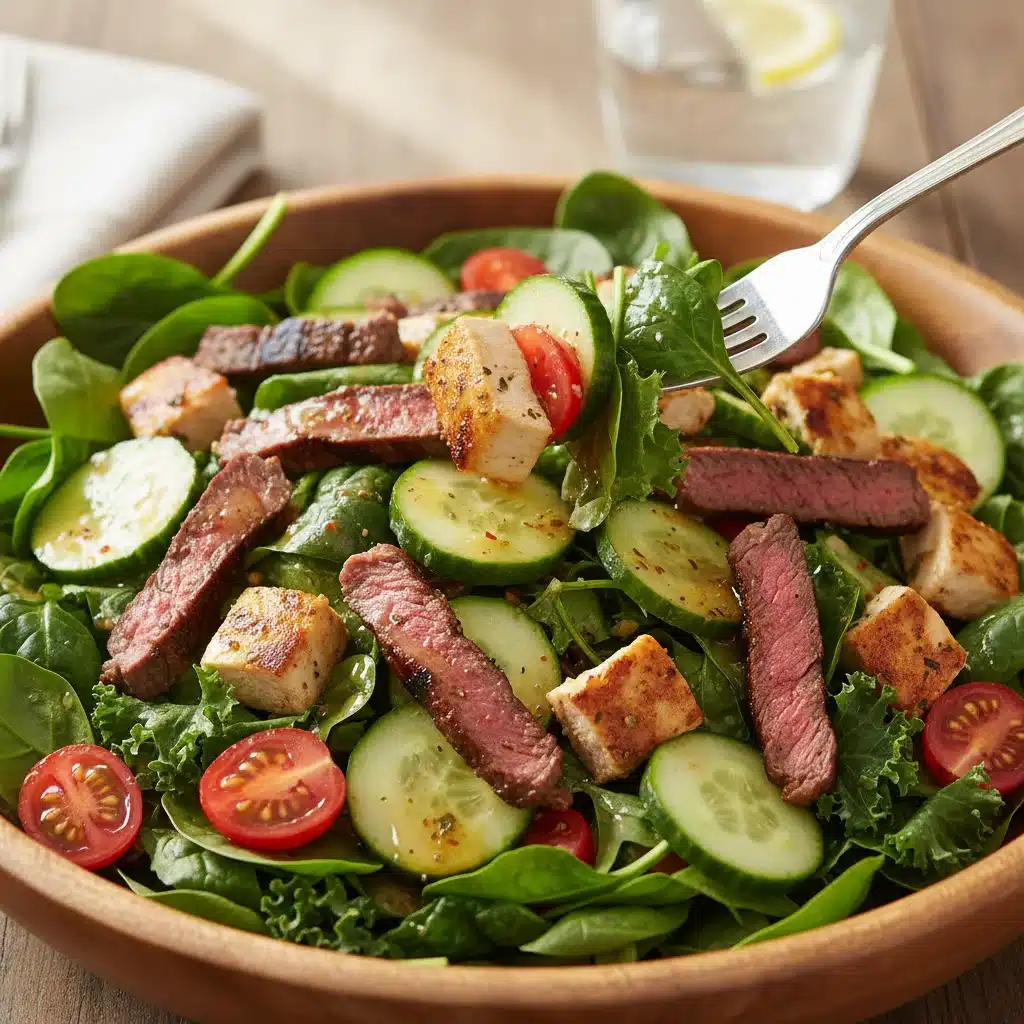
- Steak Salad: Slice leftover grilled steak thinly and arrange over a bed of fresh greens with cherry tomatoes, blue cheese, and a balsamic vinaigrette.
- Carnitas Tacos: For pork, crisp up shredded meat in a pan, then serve in tortillas with onions, cilantro, and lime for authentic carnitas.
The key to these transformations is to introduce new elements that complement the existing flavors while offering a fresh texture or presentation. Don’t be afraid to experiment with different cuisines and spices to truly elevate your creative leftover meals.
Pasta, Rice, and Grains: The Starchy Second Act
Leftover pasta, rice, and other grains are incredibly versatile and can be the basis for a multitude of new dishes. Their neutral flavor profiles make them excellent canvases for absorbing new flavors and textures, making them ideal for innovative leftover meal ideas.
Pasta Power-Ups:
- Pasta Frittata/Bake: Whisk leftover pasta with eggs, cheese, and any cooked vegetables or meats. Pour into a baking dish or skillet and bake until set and golden. This is a fantastic way to use up small amounts of various ingredients.
- Cold Pasta Salad: Toss leftover cooked pasta (especially short pasta shapes) with fresh vegetables (cherry tomatoes, cucumbers, bell peppers), olives, feta cheese, and a zesty vinaigrette. Perfect for lunch or a side dish.
- Baked Ziti/Lasagna Remix: Layer leftover pasta with ricotta cheese, marinara sauce, and mozzarella, then bake until bubbly for a quick deconstructed lasagna.
- Pasta ‘Pizza’: Press leftover spaghetti into a pan, top with sauce, cheese, and your favorite pizza toppings, then bake. The pasta forms a delicious crust.
Rice and Grain Revivals:
- Fried Rice: The classic leftover rice recipe. Day-old rice is ideal for fried rice as it’s drier and less sticky. Sauté with eggs, vegetables, soy sauce, and your choice of protein.
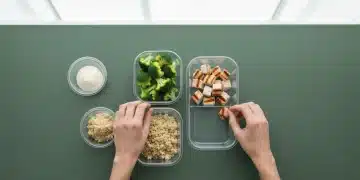
- Grain Bowls: Combine leftover quinoa, farro, or brown rice with fresh greens, roasted vegetables, a protein (like a fried egg or leftover chicken), and a flavorful dressing for a healthy and customizable bowl.
- Stuffed Bell Peppers/Tomatoes: Mix leftover rice or grains with ground meat (or plant-based alternative), herbs, and sauce, then stuff into hollowed-out peppers or tomatoes and bake.
- Rice Patties/Cakes: Mix leftover rice with an egg, some flour, cheese, and herbs, then form into patties and pan-fry until crispy. Serve with a dollop of yogurt or salsa.
- Arancini (Risotto Balls): If you have leftover risotto, roll it into balls, stuff with a cube of mozzarella, bread, and deep-fry for a decadent treat.
With starches, the trick is often to introduce moisture and new flavors to prevent them from drying out or tasting bland. Sauces, fresh herbs, and vibrant vegetables are your best friends in creating exciting grain leftover meals.

Vegetable Ventures: Giving Greens and Sides a New Life
Often, the side dishes are what we have the most of left over. Cooked vegetables, roasted potatoes, or even a simple side salad can be reimagined into delicious and nutritious new meals. These leftover meal ideas are particularly valuable for boosting your daily vegetable intake in creative ways.
Vegetable Versatility:
- Frittatas or Omelets: Whisk eggs with any leftover cooked vegetables (broccoli, spinach, bell peppers, onions) and cheese. Cook in a skillet or bake for a quick and healthy meal.
- Vegetable Hash: Dice leftover roasted potatoes, sweet potatoes, or other root vegetables and sauté them with onions, bell peppers, and maybe some leftover sausage or bacon for a hearty breakfast or brunch. Top with a fried egg.
- Stir-fries: Combine various leftover cooked vegetables with a fresh protein (tofu, shrimp, chicken) and a flavorful stir-fry sauce. Serve over rice or noodles.
- Vegetable Pureed Soups: Blend soft, cooked vegetables (like squash, carrots, or cauliflower) with broth and a touch of cream or coconut milk for a silky-smooth and comforting soup.
- Roasted Vegetable Sandwiches/Wraps: Layer leftover roasted vegetables (zucchini, eggplant, bell peppers) with hummus or pesto and cheese in a sandwich or wrap.
Salad Solutions:
- Revitalized Salad: If you have a plain green salad leftover, add new elements like grilled chicken, hard-boiled eggs, nuts, seeds, or fresh fruit to give it a complete makeover. Be mindful if the dressing has already been applied, as it can make greens wilt.
- Salad in a Jar: Layer leftover salad components (dressing on the bottom, hardier veggies, then greens) in a jar for an easy grab-and-go lunch.
The key with vegetables is to prevent them from becoming soggy or losing their vibrant texture. Quick cooking methods like sautéing or baking are often best. Don’t be afraid to introduce fresh herbs, citrus zest, or a splash of vinegar to brighten up their flavors and create exciting vegetable makeovers.
Breakfast, Lunch, and Dinner: Leftovers for Every Meal
The beauty of leftover meal ideas is their adaptability across all meals of the day. A dish from last night’s dinner can easily become this morning’s breakfast, this afternoon’s lunch, or even the foundation for an entirely new dinner. This flexibility is what makes repurposing such a powerful tool for efficient meal planning.
Breakfast Boosters:
- Savory Oatmeal/Grits: Stir leftover cooked vegetables, diced meat, or even a spoonful of gravy into your morning oatmeal or grits for a savory twist. Top with a fried egg.
- Breakfast Burritos/Tacos: Scramble eggs with diced leftover meats, beans, rice, or roasted vegetables. Wrap in tortillas with cheese and salsa.
- Leftover Potato Pancakes: Mash leftover roasted or boiled potatoes, mix with an egg and flour, then pan-fry until golden. Serve with sour cream or applesauce.
Lunchbox Heroes:
- Soup/Stew Remix: Leftover soups and stews are perfect for lunch. Add a fresh squeeze of lemon, a dollop of yogurt, or some fresh herbs to revive their flavors.
- Wrap & Roll: Any shredded meat, roasted vegetables, or even leftover pasta salad can be wrapped in a tortilla or pita bread with some fresh greens and a spread for a quick and satisfying lunch.
- Mason Jar Salads: Layer dressing, hearty ingredients (grains, beans, chopped veggies), and delicate greens in a mason jar for a portable, fresh lunch that stays crisp.
Dinner Delights:
- Pizza Toppings: Almost any leftover cooked meat or vegetable can become a delicious pizza topping.
- Stuffed Sweet Potatoes: Bake a sweet potato, then stuff it with leftover chili, pulled pork, black beans, or a medley of roasted vegetables and cheese.
- Curries or Stews: Leftover cooked meats and vegetables can be added to a quick curry sauce with coconut milk and spices, served with fresh rice.
By thinking creatively about how different components can be combined, you’ll find that your fridge is a treasure trove of potential quick leftover meals, ready to be assembled into something new and exciting for any meal of the day.
Key Principles for Successful Leftover Makeovers
While the possibilities for leftover cooking are endless, a few guiding principles can ensure your creations are consistently delicious and safe to eat. These tips will help you maximize flavor, maintain food safety, and streamline your kitchen processes.
Food Safety First:
- Proper Storage: Always refrigerate leftovers within two hours of cooking. Store them in airtight containers to prevent spoilage and freezer burn.
- Timely Consumption: Most cooked leftovers are best consumed within 3-4 days when stored in the refrigerator. If you don’t plan to use them within this timeframe, freeze them promptly.
- Reheating Safely: Ensure leftovers are reheated to an internal temperature of 165°F (74°C). Reheat once and avoid letting food sit at room temperature for extended periods after reheating.
- Smell and Sight Test: When in doubt, throw it out. If food looks or smells off, it’s not worth the risk.
Flavor Enhancement Techniques:
- Introduce Freshness: Add fresh herbs (cilantro, parsley, basil), citrus zest or juice (lemon, lime), or a splash of vinegar to brighten and lift flavors.
- Vary Textures: Incorporate crunchy elements like nuts, seeds, croutons, or fresh raw vegetables to add contrast to softer cooked ingredients.
- Spice it Up: Don’t be afraid to use spices and seasonings. A dash of chili flakes, a pinch of cumin, or a sprinkle of smoked paprika can completely transform a dish.
- Sauce Power: A good sauce can tie disparate ingredients together. Think pestos, aiolis, vinaigrettes, yogurt-based sauces, or a simple pan sauce.
- Cheese, Glorious Cheese: A sprinkle of grated cheese, a dollop of fresh mozzarella, or a crumble of feta can add richness and flavor.
By keeping these principles in mind, you’ll not only create delicious safe and tasty leftover meals but also develop an intuitive sense for combining ingredients and flavors effectively. This iterative process of cooking and repurposing is a hallmark of a truly efficient and creative kitchen.
Beyond the Plate: The Environmental and Economic Impact
The practice of creating leftover meal ideas extends far beyond personal convenience and culinary enjoyment; it has a significant positive impact on both the environment and your wallet. Food waste is a global issue with far-reaching consequences, and by taking simple steps in your kitchen, you become part of the solution.
Environmental Benefits:
- Reduced Landfill Waste: When food rots in landfills, it produces methane, a potent greenhouse gas. By eating your leftovers, you divert food from landfills and reduce methane emissions.
- Conserved Resources: Producing food requires vast amounts of water, energy, and land. Wasting food means all these resources were used in vain. Repurposing leftovers ensures that these resources are utilized to their full potential.
- Lower Carbon Footprint: From farm to fork, every stage of food production contributes to carbon emissions. Minimizing food waste directly translates to a smaller carbon footprint.
Economic Advantages:
- Significant Savings on Groceries: Food is a major household expense. By getting more meals out of the ingredients you buy, you effectively reduce your grocery bill. Every meal made from budget-friendly leftovers is a meal you don’t have to buy anew.
- Less Money Spent on Takeout/Eating Out: When you have quick, delicious options at home, you’re less likely to opt for expensive takeout or restaurant meals, saving you even more money.
- Better Financial Planning: Incorporating leftovers into your meal plan allows for more predictable food spending and helps you stick to a budget.
Embracing zero-waste cooking through creative leftover utilization is a powerful way to contribute to a more sustainable future while simultaneously improving your personal finances. It’s a win-win scenario that benefits everyone, from your family to the planet.
Conclusion: The Art of the Leftover Master
The journey from yesterday’s dinner to tomorrow’s quick, new meal is not just a practical skill; it’s an art form. By mastering creative leftover meal ideas, you unlock a world of culinary possibilities, transforming seemingly ordinary remnants into extraordinary dishes. This approach to cooking is a testament to ingenuity, efficiency, and respect for the food we consume.
We’ve explored how to give meats, poultry, pasta, grains, and vegetables a second life, turning them into everything from elegant frittatas and hearty soups to vibrant salads and satisfying sandwiches. We’ve also highlighted the critical importance of food safety and the various techniques to enhance flavors, ensuring that every repurposed meal is as delicious as it is resourceful.
Beyond the immediate gratification of a tasty, quick meal, embracing leftover makeovers contributes to a larger, more impactful goal: reducing food waste and fostering a more sustainable lifestyle. It saves you time, money, and helps protect our planet, one delicious dish at a time.
So, the next time you clear the dinner table, don’t just see leftovers. See potential. See opportunity. See the building blocks for your next culinary adventure. With a little creativity and these expert leftover tips, you can transform your kitchen into a hub of innovation, where every meal is a celebration of flavor, efficiency, and sustainability. Start your leftover journey today and discover the endless possibilities that await!