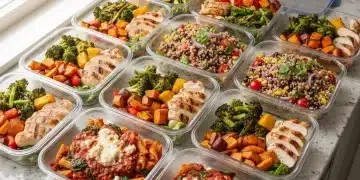
Master One-Pot Meals: Delicious Recipes for Easy Weeknight Dinners
Anúncios
Are you tired of standing over a sink full of dishes after a long day? Do you dream of delicious, wholesome meals that don’t require an army of pots and pans? If so, you’re in the right place! Welcome to the ultimate guide to one-pot main dishes, designed to revolutionize your weeknight dinners and give you back precious time.
Anúncios
In today’s fast-paced world, finding ways to streamline our daily routines is more important than ever. Cooking, while a joy for many, can often feel like a chore when faced with extensive prep work and, even worse, a mountain of cleanup. That’s where the magic of one-pot cooking comes in. Imagine preparing a complete, flavorful meal using just a single cooking vessel – a skillet, a Dutch oven, a baking dish, or even a sheet pan. The benefits are undeniable: significantly less cleanup, reduced cooking time, and often, a more cohesive flavor profile as all ingredients meld together beautifully.
This comprehensive guide will not only introduce you to the philosophy behind efficient one-pot cooking but also provide you with 7 incredible one-pot main dishes that are both easy to make and bursting with flavor. We’re talking about saving an average of 45 minutes per meal, not just in cooking, but in the dreaded post-dinner cleanup. Whether you’re a seasoned home cook or a kitchen novice, these recipes are designed to be accessible, adaptable, and utterly delicious.
Anúncios
Get ready to simplify your cooking, save time, and savor every bite. Let’s dive into the world of effortless culinary creations!
The Philosophy of One-Pot Cooking: More Than Just Convenience
One-pot cooking is more than just a trend; it’s a culinary philosophy rooted in efficiency, flavor development, and mindful eating. At its core, it’s about maximizing taste and minimizing effort. But what exactly defines a one-pot meal, and why has it become such a beloved approach to home cooking?
Defining One-Pot Meals
A true one-pot meal is one where the entirety of a dish, or at least the substantial components of a main course, are cooked in a single vessel. This could be a large skillet, a Dutch oven, a baking sheet, a casserole dish, an Instant Pot, or even a slow cooker. The key is that you’re not juggling multiple pans on the stovetop or using separate dishes for different components like protein, starch, and vegetables. Everything comes together, often in stages, within that one container.
The Unbeatable Benefits of One-Pot Main Dishes
- Minimal Cleanup: This is arguably the biggest draw. Fewer pots and pans mean less scrubbing, freeing up valuable time and energy after dinner. Imagine finishing your meal and only having one item to wash, or simply popping a single dish into the dishwasher. This benefit alone can save you a significant amount of time, estimated at around 15-20 minutes per meal just on cleanup alone.
- Enhanced Flavor Integration: When ingredients cook together in a single pot, their flavors meld and deepen in a way that separate cooking methods can’t achieve. Juices from meats infuse vegetables, herbs permeate starches, and a richer, more complex taste profile emerges. This is particularly true for stews, braises, and baked dishes where ingredients simmer or roast together for an extended period.
- Time-Saving: Beyond cleanup, one-pot meals often reduce active cooking time. While some might have longer passive cooking times (like baking or slow cooking), the hands-on involvement is typically much less. No constant stirring of multiple pots, no coordinating different cooking times for various components. This can easily save you another 10-15 minutes in active cooking.
- Nutrient Retention: Cooking vegetables and proteins together can sometimes help retain more nutrients, as fewer vitamins and minerals are lost through excessive water or separate straining processes. The liquids in the pot often become part of the sauce, ensuring you consume those valuable nutrients.
- Reduced Energy Consumption: Using fewer burners or just one oven can lead to slightly lower energy usage, making it a more environmentally friendly and cost-effective way to cook.
- Portion Control and Meal Prep Friendly: Many one-pot recipes are perfect for batch cooking, allowing you to prepare larger quantities for leftovers or meal prepping throughout the week. This further amplifies the time-saving benefits.
- Versatility and Adaptability: The concept of one-pot cooking is incredibly flexible. You can often swap out proteins, vegetables, and even seasonings based on what you have on hand or what’s in season. This makes it a great method for reducing food waste and encouraging creativity in the kitchen.
Embracing one-pot main dishes isn’t just about cutting corners; it’s about a smarter, more flavorful, and less stressful approach to putting nourishing food on your table. It’s about reclaiming your evenings and enjoying the process of cooking without the daunting aftermath. Let’s explore some practical tips before diving into our delicious recipes.
Essential Tips for One-Pot Success
To truly master the art of one-pot main dishes, a few strategic considerations will make all the difference. These tips will help you achieve perfectly cooked ingredients, balanced flavors, and truly effortless meals.
1. Choose the Right Vessel
The success of your one-pot meal often starts with the right equipment. Consider the type of dish you’re making:
- Dutch Oven or Large Pot: Ideal for stews, chilis, pasta dishes, and anything that requires simmering liquids. The heavy bottom provides even heat distribution.
- Large Skillet (Cast Iron or Stainless Steel): Excellent for searing meats, sautéing vegetables, and then finishing a dish in the oven. Great for frittatas, paellas, and skillet dinners.
- Sheet Pan: Perfect for roasting proteins and vegetables together. Think sheet pan dinners with chicken and broccoli, sausage and peppers, or salmon and asparagus.
- Baking Dish/Casserole Dish: Best for baked casseroles, gratins, and dishes that benefit from slow, even cooking in the oven.
- Instant Pot/Pressure Cooker: Speeds up cooking significantly for dishes like chili, stews, and tough cuts of meat.
- Slow Cooker: Ideal for set-it-and-forget-it meals that cook low and slow, perfect for tender meats and rich sauces.
2. Layer Your Ingredients Strategically
Not all ingredients cook at the same rate. This is crucial for one-pot cooking. Add ingredients in stages:
- Longest Cooking First: Root vegetables (potatoes, carrots), tougher cuts of meat, or grains like rice (if added raw) should go in early.
- Medium Cooking: Softer vegetables (bell peppers, zucchini, green beans), quicker-cooking proteins (chicken breast, shrimp), or pre-cooked grains can be added later.
- Quickest Cooking/Delicate: Fresh herbs, leafy greens (spinach, kale), or ingredients that just need to be warmed through should be added at the very end, often just before serving.
3. Don’t Overcrowd the Pot/Pan
This is a common mistake. Overcrowding leads to steaming instead of browning, resulting in mushy textures and less flavor. If your pot or sheet pan is too full, consider dividing the ingredients and cooking in two batches or using a larger vessel. Proper spacing allows for better caramelization and more even cooking.
4. Embrace Flavor Boosters
Since everything is cooking together, a few key ingredients can elevate the entire dish:
- Aromatics: Onions, garlic, celery, and leeks form the base of many savory dishes. Sautéing them first builds a fantastic flavor foundation.
- Herbs and Spices: Don’t be shy! Fresh or dried herbs (rosemary, thyme, oregano, bay leaves) and spices (paprika, cumin, chili powder) add depth.
- Acids: A splash of lemon juice, vinegar, or a can of diced tomatoes can brighten flavors and cut through richness.
- Umami: Tomato paste, mushrooms, soy sauce, or Parmesan cheese can add a savory depth that makes the dish irresistible.
- Broth/Stock: Using a good quality broth instead of just water adds significant flavor to your liquid component.
5. Master Liquid Management
When cooking everything together, the amount of liquid is critical. Too much, and you’ll have a watery mess; too little, and things might burn. Pay close attention to recipe instructions regarding liquids. Remember that vegetables release moisture as they cook, so factor that in, especially when using fresh ingredients.
6. Don’t Forget to Stir (or Not)
For stovetop one-pot meals, regular stirring helps prevent sticking and ensures even cooking. However, for sheet pan or oven-baked dishes, resist the urge to stir too frequently, as this can prevent browning and caramelization. Follow the recipe’s lead.
7. Season Throughout
Seasoning isn’t just for the end. Season your proteins as you sear them, your vegetables as you sauté them, and then adjust the final seasoning before serving. This builds layers of flavor. Always taste and adjust!
By keeping these tips in mind, you’ll find that crafting delicious one-pot main dishes becomes second nature, transforming your cooking experience from a daunting task into an enjoyable and efficient process.
7 Irresistible One-Pot Main Dishes to Try This Week
Now for the exciting part! Here are 7 diverse and delectable one-pot main dishes that will simplify your life and tantalize your taste buds. Each recipe is designed for maximum flavor with minimal effort.
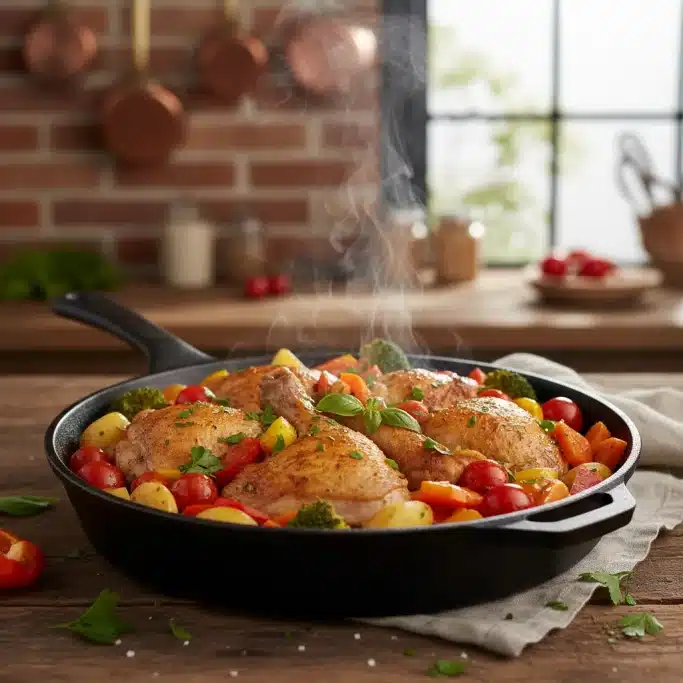
1. One-Pot Lemon Herb Roasted Chicken and Veggies
This classic sheet pan dinner is a weeknight hero. Tender chicken and vibrant vegetables roast together, creating a harmonious and healthy meal with minimal cleanup.
- Ingredients: Chicken thighs or drumsticks, potatoes (quartered), carrots (chopped), broccoli florets, red onion (wedges), olive oil, lemon juice, dried oregano, dried thyme, paprika, garlic powder, salt, pepper.
- Method: Toss chicken and vegetables with olive oil, lemon juice, and seasonings on a large sheet pan. Ensure everything is in a single layer. Roast at 400°F (200°C) for 30-40 minutes, or until chicken is cooked through and vegetables are tender and slightly caramelized.
- Why it works: The high heat of the oven crisps the chicken skin and caramelizes the vegetables beautifully. Everything cooks evenly on one surface.
2. Creamy One-Pot Sausage and Spinach Pasta
A comforting and quick pasta dish that cooks entirely in one pot, absorbing all the delicious flavors.
- Ingredients: Italian sausage (casings removed), onion (diced), garlic (minced), chicken broth, milk (or cream), pasta (penne or rotini), fresh spinach, Parmesan cheese, red pepper flakes (optional), salt, pepper.
- Method: Brown sausage in a large pot or Dutch oven, breaking it up. Drain excess fat. Add onion and garlic, sauté until softened. Pour in broth and milk, bring to a simmer. Add pasta, stir well, and cook according to package directions, stirring occasionally, until pasta is al dente and liquid is mostly absorbed. Stir in spinach until wilted and finish with Parmesan cheese.
- Why it works: The pasta cooks directly in the flavorful liquid, absorbing all the savory notes from the sausage, broth, and aromatics, creating a rich sauce without extra steps.
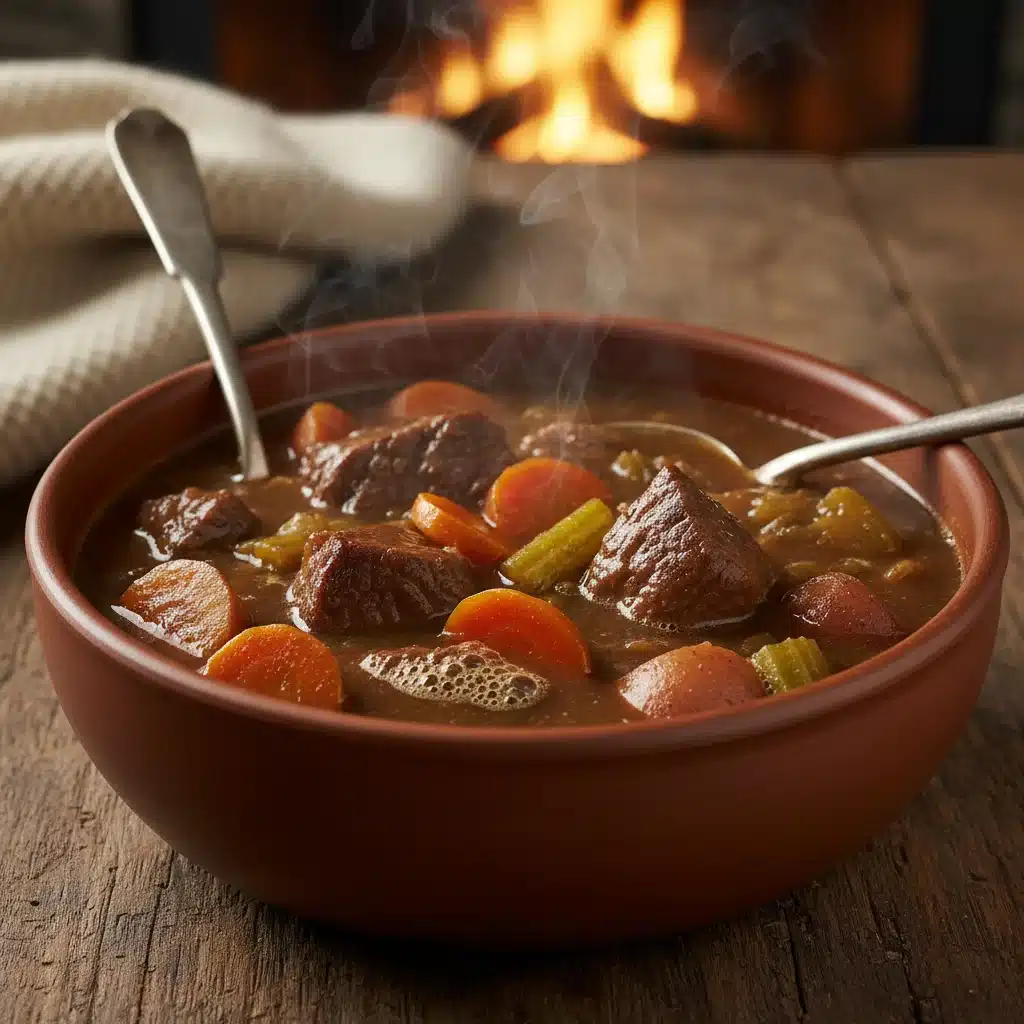
3. Hearty One-Pot Beef and Vegetable Stew
A warming and nourishing stew that’s perfect for colder evenings, with all the flavors developing in one deep pot.
- Ingredients: Beef stew meat (cubed), olive oil, onion (chopped), carrots (chopped), celery (chopped), potatoes (cubed), garlic (minced), beef broth, diced tomatoes, tomato paste, Worcestershire sauce, bay leaf, dried thyme, salt, pepper.
- Method: Sear beef in a Dutch oven until browned. Remove. Sauté onion, carrots, and celery until softened. Add garlic and cook for another minute. Stir in tomato paste. Return beef to the pot. Add broth, diced tomatoes, Worcestershire, bay leaf, thyme, salt, and pepper. Bring to a simmer, then reduce heat, cover, and cook for 1.5-2 hours, or until beef is very tender. Add potatoes during the last 30-40 minutes of cooking.
- Why it works: Slow simmering allows the tough cuts of beef to become incredibly tender and all the vegetables to soften and release their flavors into the rich broth.
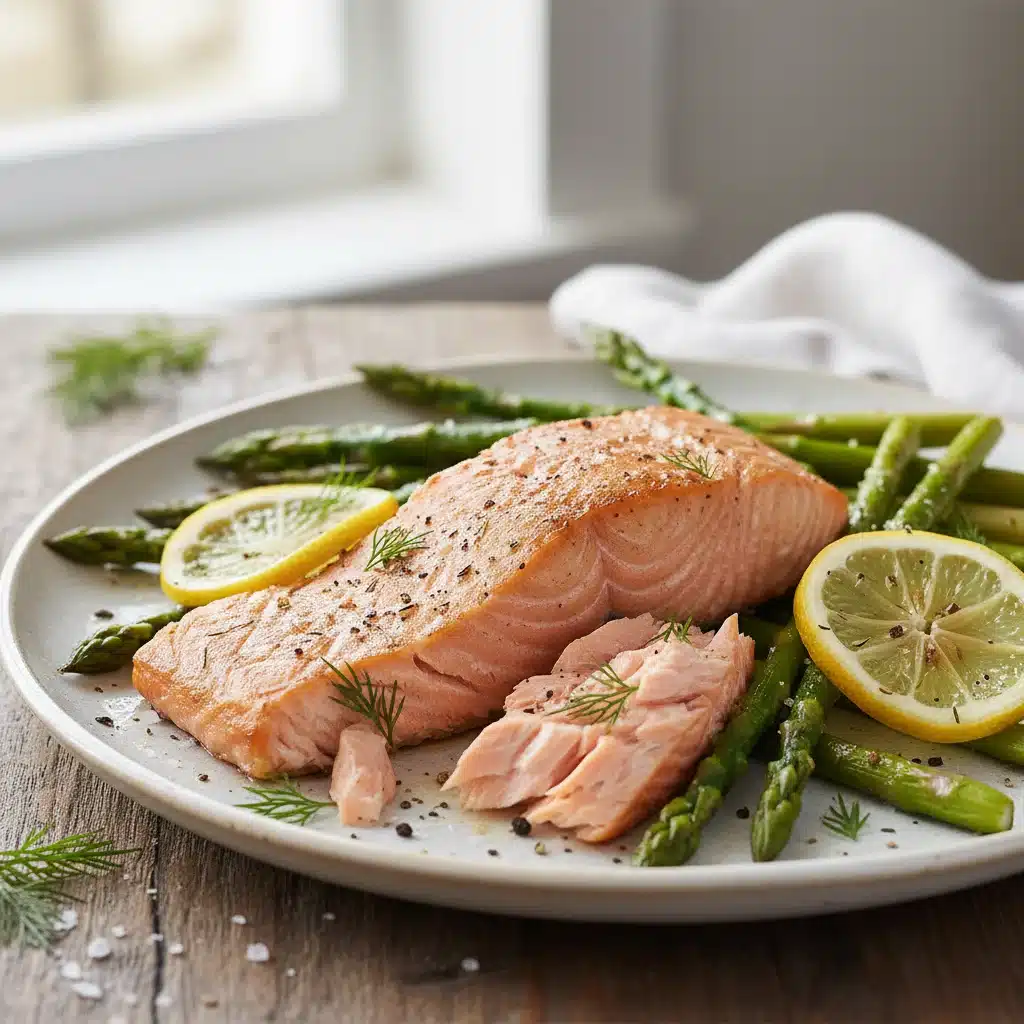
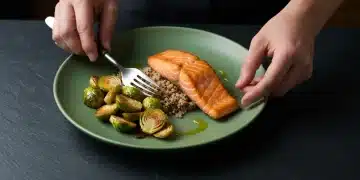
4. One-Pan Lemon Herb Salmon and Asparagus
An elegant yet incredibly simple and healthy one-pot main dish that’s ready in under 30 minutes.
- Ingredients: Salmon fillets, fresh asparagus (trimmed), olive oil, lemon (sliced and juiced), fresh dill (chopped), garlic powder, salt, pepper.
- Method: Preheat oven to 400°F (200°C). Arrange asparagus on a sheet pan. Drizzle with olive oil, salt, and pepper. Place salmon fillets on top of the asparagus. Drizzle salmon with olive oil, lemon juice, garlic powder, salt, and pepper. Top with lemon slices and fresh dill. Bake for 12-18 minutes, depending on salmon thickness, until salmon is cooked through and flakes easily, and asparagus is tender-crisp.
- Why it works: Salmon and asparagus have similar cooking times at high heat, making them perfect sheet pan companions. The lemon and dill infuse everything with a bright, fresh flavor.
5. Vegetarian One-Pot Chili Mac
A hearty and satisfying vegetarian option that combines the best of chili and macaroni and cheese in one flavorful pot.
- Ingredients: Olive oil, onion (diced), bell pepper (diced), garlic (minced), canned diced tomatoes, canned kidney beans (rinsed), canned black beans (rinsed), vegetable broth, elbow macaroni, chili powder, cumin, smoked paprika, salt, pepper, shredded cheddar cheese.
- Method: Sauté onion and bell pepper in a large pot with olive oil until softened. Add garlic, chili powder, cumin, and smoked paprika, cook for 1 minute until fragrant. Stir in diced tomatoes, kidney beans, black beans, and vegetable broth. Bring to a simmer. Add elbow macaroni, stir well, and cook according to pasta package directions (usually 8-10 minutes), stirring frequently to prevent sticking, until pasta is tender and most liquid is absorbed. Remove from heat, stir in shredded cheddar cheese until melted and creamy.
- Why it works: The starch from the pasta helps thicken the chili base, creating a rich and cohesive sauce. It’s a complete meal that’s both comforting and packed with plant-based protein.
6. Sheet Pan Fajitas (Chicken or Steak)
A vibrant, customizable, and incredibly easy one-pot main dish for a Tex-Mex night.
- Ingredients: Chicken breast or steak (sliced into strips), bell peppers (sliced, various colors), onion (sliced), olive oil, fajita seasoning, lime juice. Optional: tortillas, salsa, guacamole, sour cream for serving.
- Method: In a large bowl, toss sliced chicken/steak, bell peppers, and onion with olive oil, fajita seasoning, and lime juice until well coated. Spread ingredients in a single layer on a large sheet pan. Roast at 400°F (200°C) for 15-25 minutes (depending on protein), flipping halfway, until chicken/steak is cooked through and vegetables are tender-crisp and slightly charred.
- Why it works: High heat roasting creates delicious char and tenderizes both the protein and vegetables simultaneously. It’s an explosion of flavor with minimal effort.
7. Mediterranean One-Pot Chicken and Rice
A flavorful and aromatic dish inspired by Mediterranean cuisine, where chicken and rice cook together to absorb all the delicious juices.
- Ingredients: Chicken thighs (bone-in, skin-on for best flavor), olive oil, onion (chopped), garlic (minced), short-grain rice (rinsed), chicken broth, canned diced tomatoes, Kalamata olives (pitted and halved), dried oregano, dried basil, salt, pepper, fresh parsley for garnish.
- Method: Season chicken thighs generously with salt and pepper. Heat olive oil in a large Dutch oven or deep skillet over medium-high heat. Sear chicken thighs skin-side down until golden brown and crispy, then flip and sear briefly on the other side. Remove chicken and set aside. Add onion to the pot and sauté until softened. Add garlic, oregano, and basil, cook for 1 minute until fragrant. Stir in rinsed rice, coating it in the aromatics. Pour in chicken broth and diced tomatoes. Bring to a simmer. Return chicken thighs to the pot, nestling them into the rice mixture. Add Kalamata olives. Cover and reduce heat to low. Cook for 25-30 minutes, or until rice is tender and liquid is absorbed, and chicken is cooked through (internal temperature 165°F/74°C). Let rest for 5 minutes before serving, garnished with fresh parsley.
- Why it works: The chicken cooks directly with the rice, infusing it with flavor and moisture. The slow, covered cooking ensures tender rice and juicy chicken, all in one pot.
Optimizing Your Kitchen for One-Pot Main Dishes
Beyond the recipes, a few simple tweaks to your kitchen setup and habits can make one-pot cooking even more seamless and enjoyable. Think of it as creating an environment that supports your goal of effortless meals and minimal cleanup.
Streamlining Your Pantry and Fridge
- Stock Smart: Keep essential one-pot ingredients on hand. This includes good quality broths, canned tomatoes, various types of pasta, rice, versatile spices (paprika, cumin, oregano, thyme), olive oil, and vinegars. Having these staples means you can often whip up a meal with just a few fresh additions.
- Prep Ahead (Minimally): While the goal is one-pot, a little pre-prep can still save time. Chop onions and garlic ahead of time, or buy pre-chopped vegetables. Portion out proteins. This can significantly reduce the active cooking time on a busy weeknight.
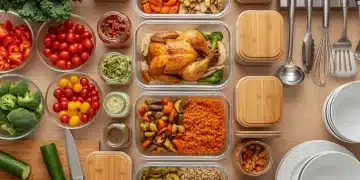
- Utilize Leftovers: One-pot meals often yield generous portions, making them excellent for leftovers. Invest in good quality food storage containers. Repurposing leftovers for lunch or another dinner extends the value of your cooking efforts.
Tools and Techniques for Efficiency
- Invest in Quality Cookware: A good quality Dutch oven, a sturdy cast-iron skillet, and a reliable sheet pan are invaluable for one-pot cooking. They distribute heat evenly and are built to last, making your cooking experience more consistent and enjoyable.
- Mise en Place: This French culinary term means ‘everything in its place.’ Before you start cooking, have all your ingredients prepped, measured, and ready to go. This prevents frantic searching mid-recipe and makes the cooking process smoother and faster.
- Clean as You Go: Even with one-pot meals, there might be a cutting board, a knife, or a measuring cup that gets used. Wash these small items as you cook. By the time your meal is ready, your cleanup will be virtually done.
- Don’t Be Afraid to Adapt: Recipes are guidelines, not unbreakable laws. If you don’t have a specific vegetable, swap it for one you do have. If you prefer chicken to beef, make the change. One-pot meals are incredibly forgiving and encourage creativity. This flexibility is a huge time-saver, as it means fewer trips to the grocery store for one specific ingredient.
Beyond the Plate: The Lifestyle Impact
The true power of incorporating one-pot main dishes into your routine extends beyond just the kitchen:
- Reduced Stress: Knowing dinner will be delicious and easy significantly lowers daily stress levels.
- More Family Time: With less time spent cooking and cleaning, you have more quality moments to spend with loved ones.
- Healthier Eating: One-pot meals often pack in plenty of vegetables and lean proteins, making it easier to stick to healthy eating goals without resorting to takeout.
- Budget-Friendly: Cooking at home, especially with efficient methods like one-pot, is generally more economical than eating out or ordering delivery.
By embracing these strategies, you’re not just making a meal; you’re cultivating a more relaxed, efficient, and enjoyable lifestyle. The 45 minutes you save per meal can be reinvested into hobbies, family time, exercise, or simply relaxing – whatever brings you joy.
Common One-Pot Challenges and How to Overcome Them
While one-pot main dishes offer immense benefits, sometimes challenges can arise. Knowing how to troubleshoot common issues will ensure your one-pot endeavors are always a success.
1. Uneven Cooking
Challenge: Some ingredients are overcooked while others are undercooked.
Solution: This usually stems from adding ingredients at the wrong time or overcrowding. Refer back to the ‘Layer Your Ingredients Strategically’ tip. Always add longer-cooking items first, and quicker-cooking, more delicate items later. For sheet pan meals, ensure everything is spread in a single layer with enough space for air circulation. If some vegetables are very dense (like large potato chunks), cut them smaller than quicker-cooking ones (like bell peppers).
2. Mushy Vegetables
Challenge: Vegetables turn out soft and unappealing.
Solution: Overcooking is the culprit. For stovetop dishes, consider adding softer vegetables (like zucchini, mushrooms, or spinach) towards the end of the cooking process. For roasted dishes, ensure your oven temperature is accurate and don’t overcrowd the pan, which leads to steaming instead of roasting. A quick blast of high heat at the end can sometimes crisp things up, but prevention is key.
3. Lack of Flavor/Blandness
Challenge: The dish tastes flat or uninspired.
Solution: This often happens when you skip browning steps or don’t use enough aromatics and seasonings. Always sear meats first to build a flavorful fond (the browned bits at the bottom of the pan). Sauté onions and garlic until fragrant. Don’t be shy with herbs and spices, and remember to season in layers – season the meat, then the vegetables, and finally, adjust at the end. A splash of acid (lemon juice, vinegar) or a pinch of sugar can also brighten flavors.
4. Too Much or Too Little Liquid
Challenge: The dish is either soupy or dries out and sticks to the bottom.
Solution: Precision with liquid measurements is important for one-pot dishes, especially those with rice or pasta. If a dish is too soupy, remove the lid and simmer longer to allow evaporation, or thicken with a cornstarch slurry. If it’s too dry, add a little more broth or water, a quarter cup at a time, until the desired consistency is reached. Remember that different types of rice and pasta absorb liquid differently, so adjust as needed.
5. Sticking to the Pot
Challenge: Food sticks to the bottom of the pot, making cleanup harder.
Solution: Ensure you’re using enough fat (oil or butter) at the beginning of the cooking process. Preheat your pot or pan properly before adding ingredients. For stovetop dishes with starches like rice or pasta, frequent stirring (especially in the initial cooking phase) is crucial to prevent sticking. If using a Dutch oven, ensure it’s a good quality, heavy-bottomed one that distributes heat evenly. Deglazing the pan after searing meats can also lift flavorful bits that might otherwise stick.
6. Overcooked Pasta or Rice
Challenge: The starch component turns to mush.
Solution: The timing for adding pasta or rice is critical. Add it when there’s enough liquid for it to cook, but not so early that it overcooks while other ingredients finish. For one-pot pasta, sometimes adding a little less liquid than the pasta package calls for, and then adjusting, works best. Stir frequently to prevent clumping and ensure even cooking. Remove from heat as soon as it’s al dente, as it will continue to cook slightly from residual heat.
By understanding these potential pitfalls and having solutions at the ready, you can confidently tackle any one-pot main dishes recipe and ensure delicious results every time. These troubleshooting tips will help you perfect your technique and continue to enjoy the simplicity and flavor of one-pot cooking.
Conclusion: Embrace the Simplicity of One-Pot Main Dishes
We’ve journeyed through the wonderful world of one-pot main dishes, exploring not just the recipes, but the underlying philosophy, essential tips, and even troubleshooting common challenges. It’s clear that this style of cooking is a game-changer for anyone looking to enjoy wholesome, delicious meals without the usual kitchen chaos.
By incorporating these 7 irresistible recipes into your weekly rotation, you’re not just making dinner; you’re strategically reclaiming your time, reducing your stress, and enhancing the flavors on your plate. Imagine those 45 minutes saved per meal – that’s almost 5 hours a week you can dedicate to hobbies, family, relaxation, or anything else that brings you joy, instead of scrubbing pots and pans.
From the comforting embrace of a beef stew to the zesty freshness of lemon herb salmon, these one-pot main dishes prove that simplicity doesn’t mean sacrificing flavor or variety. They offer a versatile foundation for healthy eating, efficient meal prep, and creative culinary exploration.
So, go ahead. Pick a recipe, gather your ingredients, and experience the unparalleled joy of cooking a complete, satisfying meal in just one pot. Your taste buds, your schedule, and your dish rack will thank you. Happy cooking!