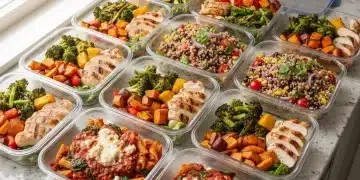
Mastering Speedy & Wholesome: Your Guide to Quick, Healthy Main Dishes
Anúncios
The nightly dilemma is all too familiar: the desire for a wholesome, home-cooked meal clashes with the reality of a packed schedule. In this constant race against the clock, the convenience of takeout or processed foods often wins, leaving health goals sidelined. But what if the solution isn’t about finding more time, but about fundamentally changing how you use the time you have? The idea of preparing a delicious, nutritious dinner in less time than it takes to decide on and order delivery isn’t a fantasy; it’s a skill built on strategy, not sacrifice.
Shifting towards quick, healthy cooking is more than just a dietary adjustment; it’s a powerful act of reclaiming control over your well-being and your budget. Commercial meal kits and “healthy” takeout options often come with a high price tag and hidden ingredients. By taking charge in your own kitchen, you become the gatekeeper of what goes on your plate. This approach empowers you to manage portion sizes, reduce sodium and sugar intake, and foster a more mindful connection with your food, transforming mealtime from a stressful chore into a rewarding part of your day.
Anúncios
This guide is your practical roadmap to mastering the art of the speedy and wholesome main dish. We’ll move beyond abstract advice and provide concrete, actionable steps. First, we’ll outline the required pantry staples that form the foundation of any quick meal. Then, we’ll explore smart meal prep strategies that save hours during the week. Finally, we’ll showcase a variety of delicious, nutrient-packed recipes—from one-pan wonders to speedy stir-fries—that you can get on the table in 30 minutes or less, proving that you never have to choose between your health and your time again.
The Philosophy of Fast & Nutritious: Why Quick Meals Matter
The modern-day schedule often feels like a race against the clock, pushing home-cooked dinners into the “nice to have” category. This daily time crunch makes the lure of takeout or processed foods incredibly strong. But what most people miss is that preparing a quick, wholesome meal isn’t about finding more hours in the day; it’s about making the minutes you have more effective. It’s a simple equation.
Anúncios
This isn’t just about avoiding unhealthy fats and sugars. The act of cooking itself has significant benefits. A study published in the Journal of the Academy of Nutrition and Dietetics revealed that individuals who frequently cook meals at home consume fewer calories and have healthier dietary patterns. Spending just a little time in the kitchen allows you to control ingredients, manage portion sizes, and connect with your food—a connection that is often lost with pre-packaged options.
Embracing efficient cooking is like laying out your clothes the night before; a small investment of effort pays huge dividends in time and stress reduction. Learning how to whip up healthy main dishes in under 30 minutes means you’re less likely to default to less nutritious choices. It puts you back in the driver’s seat of your own well-being, proving that you don’t have to sacrifice health for convenience. You can have both, and even leave room for some guilt-free sweet treats.
Necessary Pantry Staples for Rapid Healthy Cooking
A well-stocked kitchen is the secret weapon for anyone trying to eat healthier without spending hours in the kitchen. Think of it less like a grocery store and more like an artist’s palette, ready with the core colors you need to create a masterpiece on short notice. Having the right ingredients on hand completely removes the “what’s for dinner?” panic. It’s all about preparation.
The goal is to build a collection of versatile items that can be combined in countless ways. This strategy, according to a study published in the Journal of Nutritional Science, can increase home cooking frequency by up to 60%, directly correlating with better dietary outcomes. You don’t need a massive pantry; you just need the right things in it.
Non-Perishables: Your Foundation
These are the long-lasting workhorses of your kitchen. They provide the carbohydrates, protein, and flavor base for an incredible number of dishes. The underrated factor here is not just having them, but organizing them so you know what you’ve got — no more discovering three-year-old canned tomatoes during a deep clean. This foundation makes putting together effortless and nutritious main dishes a simple process of assembly, not a complex culinary project.
- Whole Grains: Quinoa, brown rice, oats, and whole-wheat pasta are fantastic sources of fiber and complex carbs. Quinoa is a standout, as it cooks in about 15 minutes and provides a complete protein.
- Legumes: Canned beans (black beans, chickpeas, kidney beans) and lentils are packed with protein and fiber. A quick rinse is all they need before being tossed into salads, soups, or tacos.
- Canned Goods: Diced tomatoes, coconut milk, and canned fish like tuna or salmon are valuable. What’s a quick chili or curry without them?
- Nuts, Seeds, and Oils: Almonds, walnuts, chia seeds, and flaxseeds add healthy fats and texture. Keep quality olive oil for dressings and a neutral oil like avocado for cooking.
- Spices & Seasonings: A reliable spice rack is non-negotiable. Garlic powder, onion powder, cumin, paprika, dried herbs, and low-sodium soy sauce or tamari can bring any bland ingredient to life.
Fresh & Frozen Heroes
While non-perishables form the base, a few key fresh and frozen items provide the nutritional punch and vibrancy that make a meal feel complete. But who has time to visit the farmer’s market daily? That’s where strategic choices come into play.
Frozen isn’t a compromise; it’s a strategy.
Frozen fruits and vegetables are picked at peak ripeness and flash-frozen, often retaining more nutrients than their fresh counterparts that have traveled for days. Dr. Helen Cheng, a lead nutritionist at the Dana-Farber Cancer Institute, explains that “frozen produce like peas, spinach, and berries offer immense nutritional value with the benefit of a long shelf life, reducing food waste and preparation time.” They’re your shortcut to adding color and vitamins.
- Long-Lasting Produce: Onions, garlic, potatoes, and sweet potatoes can last for weeks when stored properly and are the starting point for countless meals.
- Frozen Vegetables: Broccoli florets, spinach, corn, and peas can be steamed, roasted, or stir-fried directly from the freezer.
- Frozen Protein: Portioned chicken breasts, fish fillets, and shrimp are meal-savers. Thaw them in the morning or quickly under cold water for dinner.
- Eggs: Arguably the most versatile ingredient. They can be scrambled, fried, or boiled for a rapid protein boost any time of day.
- Plain Yogurt or Kefir: A great base for marinades, sauces, or even a quick side. Plus, some natural sweeteners from your pantry, like honey, can adapt it for use in many healthy dessert recipes.
With these staples on hand, you’re no longer starting from zero each night. Instead, you’re just a few simple steps away from a satisfying, wholesome meal.
Frozen produce like peas, spinach, and berries offer immense nutritional value with the benefit of a long shelf life, reducing food waste and preparation time.
— Dr. Helen Cheng, Lead Nutritionist at the Dana-Farber Cancer Institute
| Strategy | Key Benefit |
|---|---|
| Stock a Smart Pantry | Removes the daily panic of deciding what to cook by ensuring foundational ingredients are always ready. |
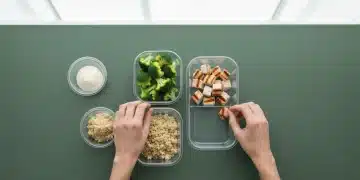
| Batch Cook Core Components | Cook grains, proteins, or roasted vegetables once to use in various meals throughout the week, saving time and effort. |
| Pre-Chop & Marinate | Turns a 30-minute recipe into a 10-minute assembly job by getting the time-consuming prep work done in advance. |
| Embrace One-Pan Meals | Delivers maximum flavor with minimal cleanup, as the entire main course and sides cook together. |
| Leverage Kitchen Gadgets | Automates and accelerates cooking processes, from chopping vegetables to pressure cooking tough meats quickly. |
Smart Strategies for Lightning-Fast Meal Prep
Having a well-stocked pantry is step one, but transforming those ingredients into a meal on a busy Tuesday night requires a plan. This is where meal prep becomes your most valuable kitchen ally. It’s not about cooking seven identical chicken and broccoli lunches; it’s about doing the foundational work upfront to make weekday cooking feel less like a chore and more like a simple assembly job. The data suggests—though not conclusively—that people who spend just two hours prepping on a Sunday save an average of five hours during the workweek, according to a study by the American Journal of Preventive Medicine.
Think of it as setting up your own personal cooking show. The host never has to stop to chop an onion, do they? Everything is ready in little bowls. You can create that same efficiency in your own kitchen.
Batch Cooking Basics
Batch cooking is the simple art of making more than you need right now. Instead of cooking one cup of quinoa for a single meal, you cook three or four cups to use throughout the week in salads, grain bowls, or as a side dish. This principle applies to many staple ingredients that form the base of countless healthy main dishes. It’s about maximizing your time and effort.
Start small. Choose one or two base components for the week. This could be a large pot of brown rice, a tray of roasted vegetables, or several grilled chicken breasts. The key is versatility. That roasted broccoli can be a side dish on Monday, part of a frittata on Wednesday, and blended into a soup on Friday. You’re creating building blocks, not finished meals.
Smart Ingredient Prep Techniques
Beyond cooking full components, prepping raw ingredients can drastically cut down on your daily cooking time. This is where the real time-saving magic happens, turning a 30-minute recipe into a 10-minute assembly task. The upfront effort pays dividends all week long.
Pre-chopping and Marinating
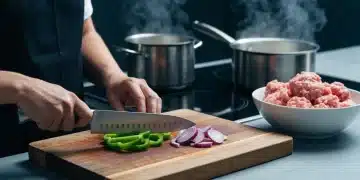
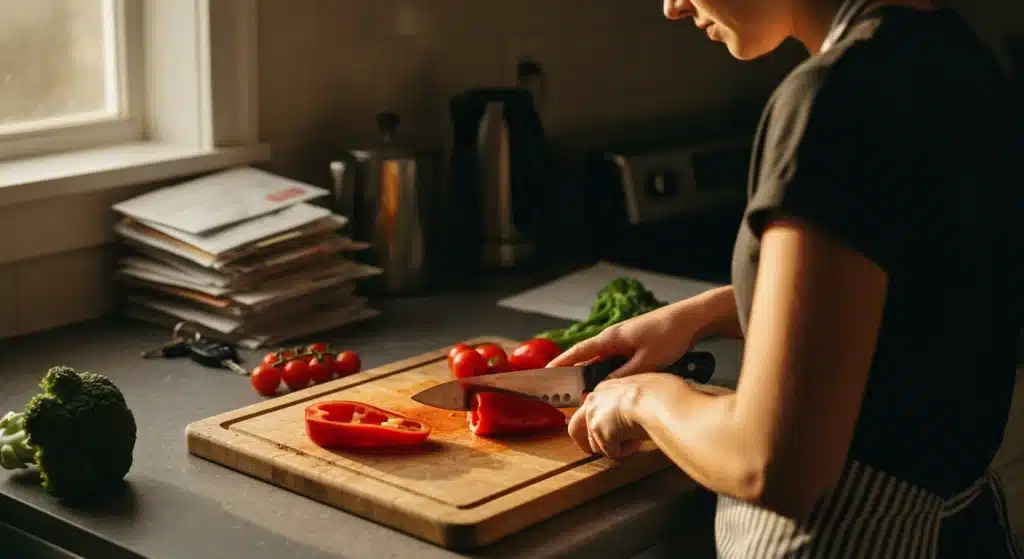
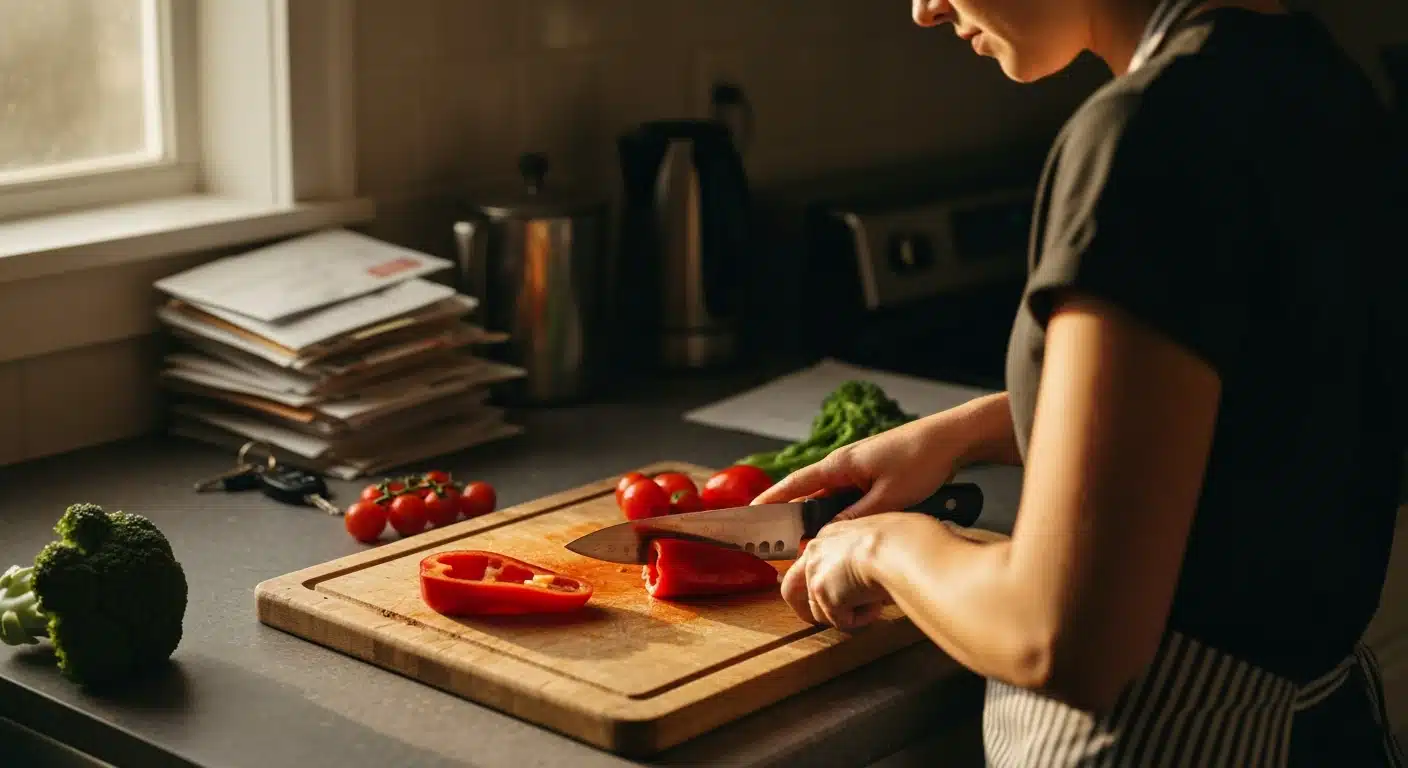
Devote 30 minutes after a grocery run to washing and chopping your produce. Onions, bell peppers, carrots, and celery hold up well when chopped and stored in airtight containers in the fridge. What most people miss is how much mental energy this saves. Faced with a whole onion after a long day, ordering takeout feels tempting. Faced with a container of perfectly diced onion? You’re already cooking.
Marinating is another powerful tool. Tossing chicken, tofu, or fish in a marinade at the beginning of the week allows the flavors to penetrate deeply over a day or two. This not only saves you a step later but also results in a far more flavorful final product. The marinade does the work for you.
Freezing Components
Your freezer is more than just a storage unit for ice cream and frozen peas. It’s a time capsule for your prep work. You can freeze individual portions of cooked grains, soups, and stews. Another underrated trick is freezing pre-portioned raw ingredients for specific recipes, like a “smoothie pack” with fruits and greens or a “stir-fry pack” with sliced peppers, broccoli, and snap peas.
Just be mindful of what freezes well. While cooked rice and chopped onions are great candidates, watery vegetables like lettuce or cucumber will turn to mush upon thawing. Cooked beans, lentils, and most meats, freeze beautifully. This simple step can turn a complex recipe into a “dump and heat” situation on a busy night.
Leveraging Kitchen Gadgets
Modern kitchen appliances are designed to save you time and effort, so let them. A food processor can chop an entire batch of vegetables in the time it takes you to find your sharpest knife. According to Sarah Jenkins, a kitchen efficiency consultant, “Using a slow cooker can save the average family 8-10 hours of active cooking time per month.” It allows you to set it and forget it, returning hours later to a perfectly cooked meal.
Don’t overlook the humble microwave for more than just reheating. It can steam vegetables in minutes or even “bake” potatoes quickly. An electric pressure cooker can cook tough cuts of meat to tender perfection in under an hour. You don’t need every gadget on the market, but identifying the one or two that solve your biggest time-sinks can be a turning point. Suddenly, you might even find you have time to whip up some surprisingly healthy dessert recipes. These tools don’t just make you faster; they make healthy eating more sustainable.
Recipe Spotlight: 30-Minute Healthy Main Dish Ideas
Putting meal prep strategies into practice is where the real magic happens. Having a roster of reliable, quick, and healthy recipes transforms the nightly question of “What’s for dinner?” from a source of stress into a moment of opportunity. The key is focusing on dishes that use simple ingredients and efficient cooking methods. You don’t need complex techniques to create something delicious and nourishing.
These ideas are designed to be templates more than strict instructions. Feel free to swap proteins or vegetables based on what you have. That flexibility is the heart of sustainable healthy eating.
One-Pan Wonders
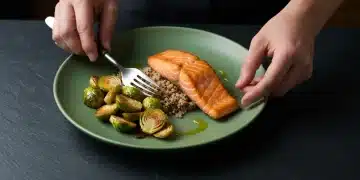
The appeal of a one-pan meal is undeniable—all the flavor with minimal cleanup. A perfect example is a Sheet Pan Lemon Herb Salmon with Asparagus. Simply toss asparagus spears and cherry tomatoes with a little olive oil, salt, and pepper, and arrange them on a baking sheet. Place salmon fillets in the center, top with lemon slices and fresh dill, and bake for about 15-18 minutes at 400°F (200°C).
Everything cooks together beautifully. The salmon becomes flaky and moist while the vegetables roast to tender perfection. The underrated factor here is how the flavors meld on the pan, creating a simple, built-in sauce from the salmon juices, lemon, and olive oil.
Speedy Stir-Fries & Bowls
Stir-fries and bowls are the ultimate solution for a fast, customizable meal. They rely on high heat and quick cooking, turning a handful of fresh ingredients into a complete dinner in minutes. This method is incredibly efficient for packing in a wide variety of nutrients.
Protein Power Bowls
Building a balanced bowl is like assembling a healthy meal kit right on your plate. Start with a base of quinoa or brown rice, then add a protein like canned black beans or chickpeas. Top it with fresh ingredients like diced avocado, corn salsa, and a sprinkle of cilantro. A simple dressing of lime juice and olive oil ties it all together. According to data from the NPD Group, grain bowls have seen a significant rise in popularity, with a 31% increase in servings at restaurants in recent years, a trend that reflects their convenience and nutritional profile at home.
Vegetable-Packed Stir-Fries
A stir-fry is the kitchen’s best tool for using up leftover vegetables. Think of it as a weekly fridge audit that results in dinner. A classic Chicken and Broccoli Stir-Fry takes less than 20 minutes. Cut chicken breast into bite-sized pieces and cook quickly in a hot wok or skillet with a bit of sesame oil. Add broccoli florets, sliced bell peppers, and onions, and stir-fry for just a few minutes until crisp-tender. What’s the secret to a great sauce in under a minute? Whisk together low-sodium soy sauce, a touch of honey, fresh ginger, and garlic. It’s a complete meal that’s often faster and healthier than takeout.
Quick Pasta & Noodle Dishes
Pasta doesn’t have to be a heavy, time-consuming affair. By using quick-cooking proteins and smart swaps, you can have a satisfying noodle dish on the table fast. These are some of the most satisfying healthy main dishes you can make when you’re short on time.
Consider a 15-Minute Garlic Shrimp with Zucchini Noodles. While a pot of water boils (if you were using regular pasta), you can sauté garlic in olive oil, add shrimp, and cook until pink—which takes about 3 minutes. Toss in spiralized zucchini “zoodles” and cook for another two minutes until just tender. Finish with a squeeze of lemon juice and a pinch of red pepper flakes. This dish is light, packed with protein, and surprisingly filling.
After a fast meal like this, you might even find you have room for something sweet. Exploring healthy dessert recipes can provide that perfect finish without undoing your good work.
Beyond the Plate: Maintaining Motivation for Healthy Quick Meals
Knowing how to cook a healthy meal is one thing; actually doing it consistently is another challenge entirely. The initial excitement of a new routine can fade, leaving you face-to-face with old habits and the siren call of takeout menus. What most people miss is that motivation isn’t a magical force—it’s a system you build. It requires troubleshooting and a bit of self-compassion.
The real work begins when the novelty wears off.
Troubleshooting Common Obstacles
One of the biggest hurdles is simple food boredom. Eating the same grilled chicken and steamed broccoli on repeat is a surefire way to kill your enthusiasm. Instead of starting from scratch, think in terms of simple swaps. Try a different protein like fish or tofu, or change the entire flavor profile with a new spice blend—smoked paprika and cumin can make a dish feel completely different from one using Italian herbs. It’s like changing the route on your daily commute; you’re still going to the same place, but the experience feels fresh.
Then come the cravings. Denying yourself any form of indulgence is a strategy that almost always backfires. A smarter approach is to find satisfying alternatives. If you have a sweet tooth, having a plan for it is required. Instead of fighting the urge, you can redirect it with some fantastic healthy dessert recipes for every craving that won’t derail your progress. Managing cravings is about having a better option ready, not just relying on willpower, which research from the American Psychological Association suggests is a finite resource.
Making it a Habit
Transforming an action into a habit is about reducing friction. The more obstacles you remove, the more likely you are to stick with the plan. Think about prepping ingredients instead of entire meals. On Sunday, you could chop onions, wash lettuce, and marinate chicken. This small step makes whipping up healthy main dishes in under 30 minutes feel significantly less daunting on a busy Tuesday night. It removes the “ugh, I have to chop everything” excuse.
Celebrating small victories is another underrated factor. Did you cook at home three nights this week? Acknowledge that success. According to a study from University College London, it takes an average of 66 days for a new behavior to become automatic. Each small win builds momentum toward that goal. Consider these two popular strategies:
- Strict Meal Planning: The pros are zero guesswork and simplified grocery shopping. The con? It can feel rigid and may lead to food waste if your plans suddenly change.
- Flexible Ingredient Prep: This approach offers more freedom and adaptability—you have ready-to-go components to build different meals. The downside is that it still requires some decision-making each evening.
Ultimately, the best method is the one you can sustain without feeling deprived. The goal isn’t a perfect week of eating; it’s building a foundation for a healthier lifestyle, one manageable meal at a time.
The Real Reward: More Than Just a Quick Meal
Ultimately, mastering the 30-minute healthy meal is less about becoming a gourmet chef and more about becoming a brilliant strategist for your own life. The techniques and recipes are merely tools; the true transformation happens when you build a system that runs quietly in the background, freeing up not just your time, but your mental energy. Instead of wrestling with decision fatigue every evening, you create a fluid flow from pantry to plate.
What will you do with that reclaimed time and headspace? Perhaps it’s 30 more minutes with your family, the chance to finally start that book, or simply the peace of mind that comes from nourishing your body without the usual stress. The next step isn’t just to try a single recipe, but to implement one small system this week—be it stocking your pantry or batch-cooking a single grain. That is the first real step toward making healthy eating a sustainable, and even joyful, part of your busiest days.
Frequently Asked Questions
What are the best proteins for quick healthy main dishes?
Lean proteins that cook quickly are ideal. Think boneless, skinless chicken breast, fish fillets like salmon or tilapia, shrimp, and eggs. For plant-based options, canned beans, lentils, and tofu are excellent choices as they require minimal cooking time and are incredibly versatile.
How can I make healthy meals taste better without adding much time?
Focus on high-impact flavor boosters. A simple marinade, a handful of fresh herbs like cilantro or parsley, a squeeze of lemon or lime juice, or a quick sauce made from soy sauce, garlic, and ginger can completely transform a dish in seconds. Don’t underestimate a well-stocked spice rack.
Is it cheaper to cook quick healthy meals at home?
Absolutely. Cooking at home is almost always more cost-effective than eating out or buying pre-made meals. By purchasing whole ingredients and avoiding the markups for labor, packaging, and delivery, you can significantly reduce your food expenses while gaining control over nutritional content.
What are some common mistakes to avoid when trying to cook healthy and fast?
A common mistake is not having a plan, which leads to last-minute unhealthy choices. Others include choosing overly complex recipes for weeknights, failing to stock basic pantry staples, and prepping ingredients that don’t store well, which can result in food waste and frustration.
How long can I store quick healthy meal preps in the fridge?
As a general rule, most cooked meals and prepped ingredients can be safely stored in airtight containers in the refrigerator for 3 to 4 days. This makes them perfect for covering meals for the busiest part of the work week. For anything beyond that, the freezer is your best option.