Smart Swaps: Cut 200 Calories from Your Favorite Quick Meals This Year
Anúncios
In our fast-paced lives, quick meals often become a necessity rather than a luxury. While convenient, these meals can sometimes pack a caloric punch that can derail our health and weight management goals. But what if you could enjoy your favorite quick meals without the guilt, simply by making a few smart, strategic calorie cutting swaps? This year, commit to a healthier you by learning how to effortlessly shave off 200 calories from your daily diet, one delicious swap at a time. It’s not about deprivation; it’s about making smarter choices that add up to significant results.
Anúncios
The beauty of calorie cutting swaps lies in their simplicity. You don’t need to overhaul your entire diet or spend hours meal prepping exotic dishes. Instead, focus on small, impactful changes to the foods you already love and consume regularly. These incremental adjustments can lead to substantial calorie reductions over time, helping you achieve sustainable weight loss and improved overall health without feeling like you’re on a restrictive diet.
Think about it: cutting 200 calories a day can lead to a weight loss of approximately 20 pounds in a year, assuming all other factors remain constant. That’s a significant achievement for relatively minor adjustments. This article will guide you through practical and tasty ways to implement calorie cutting swaps into your quick meal routine, proving that healthy eating can be both easy and enjoyable.
Anúncios
Understanding the Power of Calorie Density
Before diving into specific calorie cutting swaps, it’s crucial to understand the concept of calorie density. Calorie density refers to the number of calories in a given amount of food. Foods with high calorie density pack a lot of calories into a small serving, often due to high fat or sugar content and low water or fiber content. Conversely, foods with low calorie density offer fewer calories for a larger portion, typically rich in water, fiber, and lean protein.
The goal of effective calorie cutting swaps is to replace high-calorie-density items with low-calorie-density alternatives. This strategy allows you to eat satisfying portions without consuming excessive calories. For instance, a handful of nuts (high calorie density) can contain more calories than a large plate of salad with lean protein (low calorie density). By understanding this principle, you empower yourself to make informed decisions that support your health goals.
Many quick meals, by their nature, tend to be higher in calorie density. Think about a typical fast-food burger with fries, a creamy pasta dish, or a sugary coffee drink. These items often contain significant amounts of unhealthy fats, added sugars, and refined carbohydrates, all contributing to a high caloric load in a relatively small serving. Our mission is to identify these calorie traps and provide delicious and satisfying alternatives.
The beauty of focusing on calorie density is that it shifts the perspective from simply ‘eating less’ to ‘eating smarter.’ You can still feel full and satisfied while reducing your overall caloric intake. This approach is more sustainable in the long run because it doesn’t leave you feeling hungry or deprived, which are common reasons why diets fail.
Breakfast: Starting Your Day with Smart Calorie Cutting Swaps
Breakfast is often hailed as the most important meal of the day, and for good reason. It sets the tone for your energy levels and metabolic activity. Unfortunately, many popular quick breakfast options are loaded with hidden calories.
Swap #1: Cereal & Milk Alternatives
Original: A bowl of sugary breakfast cereal with whole milk (approx. 350-450 calories).
Smart Swap: A bowl of plain oatmeal or whole-grain cereal with skim milk or unsweetened almond milk and a handful of berries (approx. 200-250 calories).
Calorie Savings: 150-200 calories.
Why it works: Sugary cereals are often high in refined carbohydrates and added sugars. Whole milk adds saturated fat and calories. Switching to oatmeal or whole-grain cereal provides more fiber, keeping you full longer. Skim milk or unsweetened plant-based milks significantly reduce fat and sugar content. Berries add natural sweetness and antioxidants without the caloric burden of processed sugars.
Swap #2: Coffee Shop Favorites
Original: A large, flavored latte with whole milk and whipped cream (approx. 300-400 calories).
Smart Swap: A regular black coffee, an Americano, or a latte with skim milk/almond milk and no added syrup (approx. 50-150 calories).
Calorie Savings: 200-300 calories.
Why it works: The primary calorie culprits in fancy coffee drinks are whole milk, sugary syrups, and whipped cream. By opting for black coffee or a lighter milk option and skipping the syrups and whip, you dramatically cut down on empty calories. If you need sweetness, a sprinkle of cinnamon or a tiny bit of stevia can be a good alternative.
Swap #3: Breakfast Sandwiches
Original: A breakfast sandwich with sausage, cheese, and a croissant or biscuit (approx. 400-500 calories).
Smart Swap: A breakfast sandwich with egg whites, lean ham or turkey, and a whole-wheat English muffin or thin bagel (approx. 200-300 calories).
Calorie Savings: 150-200 calories.
Why it works: Croissants and biscuits are high in butter and refined flour. Sausage is often high in saturated fat. Swapping to egg whites reduces fat and cholesterol while maintaining protein. Lean ham or turkey provides protein without excessive fat. Whole-wheat English muffins or thin bagels offer more fiber and fewer calories than their richer counterparts.
Lunch: Lightening Up Midday Meals
Lunch can be a minefield of caloric overloads, especially when you’re grabbing something on the go. From greasy fast food to heavy deli sandwiches, there are plenty of opportunities for calorie cutting swaps.
Swap #4: Deli Sandwiches & Wraps
Original: A large deli sandwich with thick-cut white bread, processed meats, cheese, and mayonnaise (approx. 600-800 calories).
Smart Swap: A sandwich or wrap on whole-wheat bread/tortilla with lean turkey or chicken breast, plenty of vegetables, mustard or hummus instead of mayo (approx. 350-500 calories).
Calorie Savings: 250-300 calories.
Why it works: White bread is typically lower in fiber and higher in refined carbohydrates. Processed meats and cheese add significant fat and sodium. Mayonnaise is a calorie-dense condiment. Whole-wheat options boost fiber. Lean protein and a generous serving of vegetables add nutrients and volume without excess calories. Mustard or hummus offer flavor with fewer calories and healthier fats (in the case of hummus).

Swap #5: Fast Food Burger & Fries
Original: A standard fast-food cheeseburger combo with medium fries and a regular soda (approx. 800-1000 calories).
Smart Swap: A plain single burger (no cheese or special sauce) with a side salad (light dressing) or apple slices, and water (approx. 400-550 calories).
Calorie Savings: 300-500 calories.
Why it works: The biggest calorie culprits here are the fries and sugary soda. Cheeseburgers with multiple patties, cheese, and creamy sauces also add up quickly. Opting for a plain burger reduces fat and sodium. Swapping fries for a salad (with dressing on the side) or fruit drastically cuts calories and adds fiber. Water is always the best beverage choice.
Swap #6: Creamy Salad Dressings
Original: A large salad drenched in creamy ranch or Caesar dressing (approx. 200-300 calories from dressing alone).
Smart Swap: A large salad with a vinaigrette-based dressing, olive oil and vinegar, or lemon juice (approx. 50-100 calories from dressing).
Calorie Savings: 150-200 calories.
Why it works: Creamy dressings are often made with mayonnaise or sour cream and are very high in fat and calories. Vinaigrettes, especially those made with olive oil and vinegar, are lighter and can be equally flavorful. Even better, make your own dressing with just a splash of olive oil, vinegar, and fresh herbs to control ingredients and calories precisely. Always ask for dressing on the side and use it sparingly.
Dinner: Making Healthier Choices for Your Evening Meal
Dinner can be the meal where we tend to relax and indulge, leading to higher calorie consumption. Incorporating calorie cutting swaps into your evening routine can significantly impact your daily total.
Swap #7: Pasta Dishes
Original: A large serving of pasta with a creamy Alfredo sauce and bread (approx. 800-1000 calories).
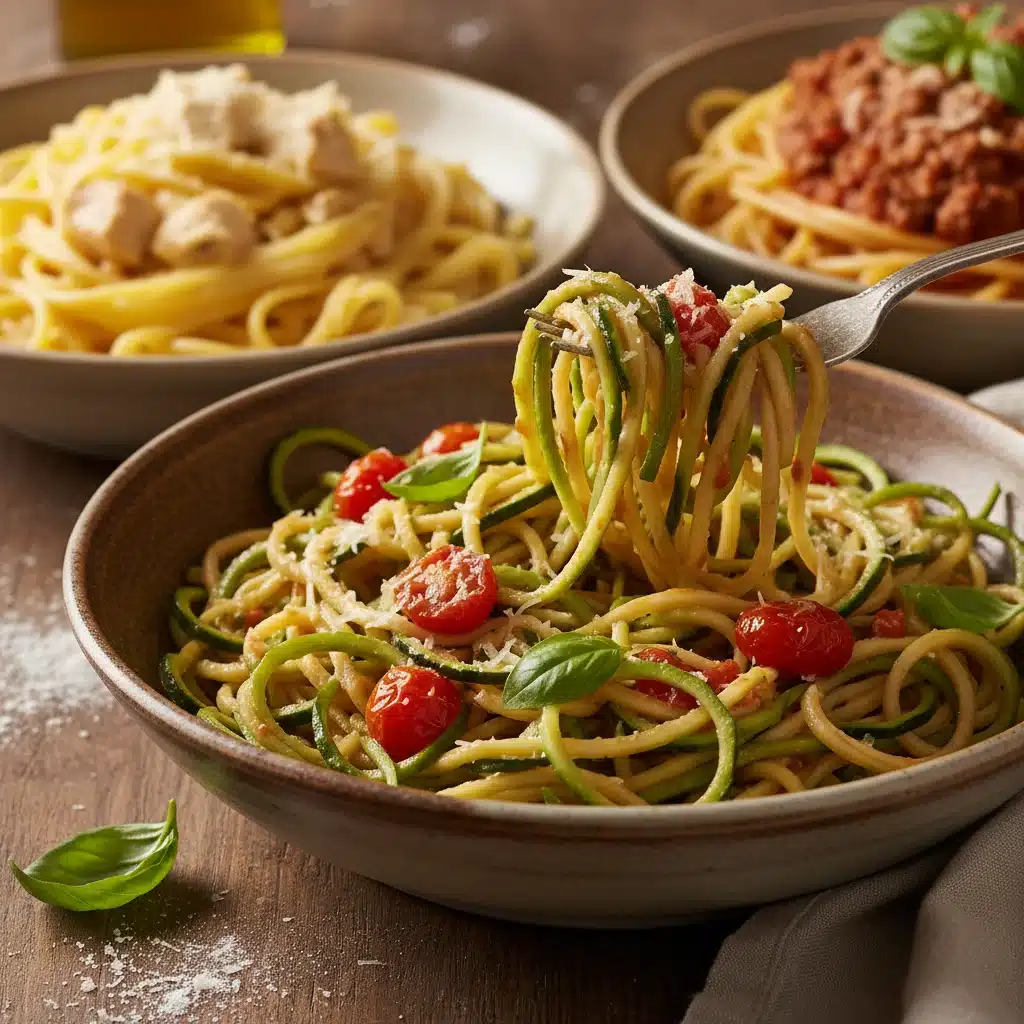
Smart Swap: A moderate serving of whole-wheat pasta with a tomato-based sauce, plenty of vegetables, and lean protein (e.g., chicken breast or shrimp), no bread (approx. 450-650 calories).
Calorie Savings: 250-350 calories.
Why it works: Creamy sauces are notoriously high in fat and calories. White pasta can be less filling. Whole-wheat pasta provides more fiber, aiding satiety. Tomato-based sauces are generally much lower in calories. Adding lean protein and vegetables boosts nutrients and volume without excessive calories. Skipping the extra bread further reduces refined carbohydrates.
Swap #8: Pizza Night
Original: Several slices of a thick-crust pizza with pepperoni, sausage, and extra cheese (approx. 400-500 calories per two slices).
Smart Swap: Two slices of thin-crust pizza with vegetable toppings, lean protein (like grilled chicken), and less cheese (approx. 250-350 calories per two slices).
Calorie Savings: 150-200 calories per two slices.
Why it works: Thick crusts add significant carbohydrates. High-fat meats like pepperoni and sausage, along with extra cheese, are major calorie contributors. Thin crust reduces carb intake. Vegetable toppings add fiber and nutrients without many calories. Lean protein provides satiety. Asking for less cheese or opting for a lighter cheese can also help.
Swap #9: Rice & Grains
Original: A large serving of white rice or fried rice as a side dish (approx. 300-400 calories).
Smart Swap: A serving of brown rice, quinoa, or cauliflower rice (approx. 150-250 calories).
Calorie Savings: 100-200 calories.
Why it works: White rice is a refined carbohydrate. Fried rice often contains added oils and fats. Brown rice and quinoa offer more fiber, making them more filling and nutritious for fewer calories. Cauliflower rice is a fantastic low-carb, low-calorie alternative that mimics the texture of rice very well, significantly reducing your caloric intake while boosting vegetable consumption.
Snacks & Drinks: Hidden Calories Add Up
Don’t underestimate the caloric impact of snacks and beverages. These seemingly small additions can quickly add hundreds of calories to your daily total without providing much satiety.
Swap #10: Sugary Beverages
Original: A can of regular soda, sweetened tea, or fruit juice (approx. 150-250 calories).
Smart Swap: Water, unsweetened tea, sparkling water with a slice of lemon/lime, or diet soda (approx. 0-10 calories).
Calorie Savings: 150-240 calories.
Why it works: Sugary drinks are a major source of empty calories and contribute to weight gain and blood sugar spikes. Swapping to water or unsweetened alternatives is one of the easiest and most effective calorie cutting swaps you can make. Even 100% fruit juice, while natural, is high in sugar and calories; opt for whole fruit instead for the added fiber.
Swap #11: Chips & Processed Snacks
Original: A bag of potato chips, crackers, or other processed snacks (approx. 200-300 calories).
Smart Swap: A handful of raw vegetables with hummus, a piece of fruit, or a small handful of unsalted nuts (approx. 100-180 calories).
Calorie Savings: 100-200 calories.
Why it works: Processed snacks are often high in unhealthy fats, sodium, and refined carbohydrates, offering little nutritional value. Vegetables and fruit provide fiber, vitamins, and minerals, filling you up for fewer calories. Nuts, in moderation, offer healthy fats and protein, but portion control is key due to their higher calorie density.
Swap #12: Sweet Treats
Original: A large cookie, slice of cake, or ice cream serving (approx. 300-500 calories).
Smart Swap: A small piece of dark chocolate, a bowl of mixed berries with a dollop of Greek yogurt, or a small fruit smoothie (approx. 100-200 calories).
Calorie Savings: 200-300 calories.
Why it works: Most desserts are laden with sugar and unhealthy fats. Opting for naturally sweet fruit, especially berries which are low in sugar, provides a satisfying treat. Dark chocolate offers antioxidants in a smaller, more intense dose. Greek yogurt adds protein and probiotics. These calorie cutting swaps allow you to satisfy your sweet tooth without derailing your diet.
Strategies for Successful Calorie Cutting Swaps
Implementing these calorie cutting swaps effectively requires a bit of planning and mindfulness. Here are some strategies to ensure your success:
Read Nutrition Labels
This is perhaps the most fundamental step. Many people are unaware of the true caloric content of their favorite foods. Take a few extra seconds to read the nutrition facts on packaged goods, paying attention to serving sizes and total calories, fat, sugar, and fiber. You might be surprised at what you find, which can motivate you to make smarter calorie cutting swaps.
Portion Control
Even healthy foods can contribute to weight gain if consumed in excess. Practice mindful eating and pay attention to portion sizes. Use smaller plates, measure out servings, and avoid eating directly from large packages. This is particularly important for calorie-dense but healthy foods like nuts, avocados, and olive oil.
Cook More at Home
When you prepare your own meals, you have complete control over the ingredients and cooking methods. This makes it significantly easier to implement calorie cutting swaps, such as using less oil, choosing lean proteins, and loading up on vegetables. Eating out frequently makes it harder to track and manage caloric intake.
Hydrate with Water
Often, thirst is mistaken for hunger. Before reaching for a snack, try drinking a glass of water. Staying well-hydrated can also help you feel fuller, potentially reducing your overall calorie intake. As mentioned, water is also a zero-calorie alternative to sugary drinks.
Focus on Whole Foods
Prioritize whole, unprocessed foods like fruits, vegetables, lean proteins, and whole grains. These foods are generally lower in calorie density, higher in nutrients, and more satisfying than their processed counterparts. The fiber and water content in whole foods naturally help with satiety, making calorie cutting swaps easier to sustain.
Don’t Deprive Yourself Completely
The goal is sustainability, not perfection. If you completely cut out all your favorite ‘unhealthy’ foods, you’re more likely to feel deprived and eventually binge. Allow yourself occasional treats in moderation. The key is to make these treats an exception, not the rule, and to balance them with your overall calorie cutting swaps strategy.
Plan Ahead
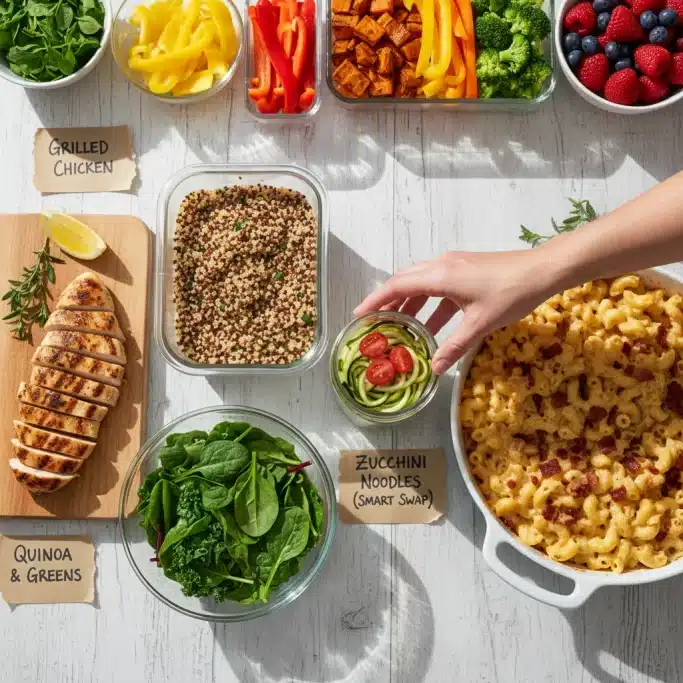
When hunger strikes and you haven’t planned, it’s easy to reach for the quickest, often unhealthiest, option. Take some time each week to plan your meals and snacks. This could involve simple meal prepping, like chopping vegetables for easy salads or cooking a batch of lean protein to add to various meals throughout the week. Having healthy options readily available is a game-changer for successful calorie cutting swaps.
Experiment with Flavor
Healthy eating doesn’t have to be bland. Explore different herbs, spices, and low-calorie flavor enhancers (like vinegars, lemon juice, or hot sauce) to make your meals exciting. The more you enjoy your healthy options, the easier it will be to stick to your calorie cutting swaps.
The Cumulative Effect of Small Changes
It’s easy to dismiss the impact of cutting ‘just’ 200 calories. However, consistency is key. By making these calorie cutting swaps daily, you create a significant caloric deficit over time. Imagine saving 200 calories every day for a week – that’s 1,400 calories. Over a month, it’s 6,000 calories, and over a year, it’s an impressive 73,000 calories! Considering that 3,500 calories roughly equates to one pound of body fat, these small changes can lead to a weight loss of over 20 pounds in a year, purely from these swaps.
Beyond weight loss, these calorie cutting swaps also encourage a shift towards more nutrient-dense foods. This means you’ll be consuming more vitamins, minerals, and fiber, which are essential for overall health, energy levels, and disease prevention. You might notice improvements in your digestion, skin health, and mental clarity as a direct result of these dietary adjustments.
The journey to better health is not about drastic, unsustainable diets. It’s about building healthy habits that you can maintain long-term. Calorie cutting swaps offer a practical, flexible, and enjoyable way to achieve your health goals without feeling overwhelmed. Start with one or two swaps that seem easiest for you and gradually incorporate more as you get comfortable.
Conclusion: Embrace the Change, Enjoy the Benefits
Making smart calorie cutting swaps in your quick meals is a powerful and sustainable strategy for managing your weight and improving your health this year. By understanding calorie density and consciously choosing lighter alternatives for your breakfast, lunch, dinner, and snacks, you can significantly reduce your daily caloric intake without sacrificing flavor or satisfaction. Remember, small changes lead to big results. Embrace these simple yet effective adjustments, and you’ll be well on your way to a healthier, happier you. Start today, and witness the transformative power of smart calorie cutting swaps!