Culinary Alchemy: Transforming Everyday Ingredients into Healthy Main Dish Masterpieces
Anúncios
The promise of a healthy, home-cooked meal often clashes with the reality of a busy schedule. We aspire to create dishes that are both nourishing and delicious, but the perceived effort—the chopping, the complex steps, the cleanup—can make takeout feel like the only viable option. This cycle can be frustrating, leaving you feeling like you have to choose between your health, your time, and your taste buds. But what if that choice was a false one? What if the secret to culinary success wasn’t about becoming a gourmet chef overnight, but about mastering a few simple principles?
True culinary alchemy isn’t about exotic ingredients or complicated techniques; it’s about understanding the fundamentals of building a balanced, satisfying plate. For too long, healthy eating has been narrowly defined by restriction and calorie counting. A more modern, sustainable approach focuses on abundance and intelligence—knowing which components provide sustained energy, which swaps enhance nutrition without sacrificing flavor, and how to use herbs and spices to create vibrant, exciting dishes. This shift in mindset transforms cooking from a daily chore into a creative and rewarding practice of self-care.
Anúncios
This guide is designed to be your practical roadmap to making healthy main dishes a fluid part of your life. We’ll start by breaking down the necessary building blocks of a nutritious meal, ensuring you understand the ‘why’ behind the ‘what.’ From there, we’ll explore simple ingredient substitutions that can upgrade your favorite comfort foods, dive into strategies for getting a complete meal on the table in 30 minutes or less, and reveal how to build incredible flavor using healthy, natural enhancers. Prepare to unlock a new level of confidence in the kitchen and discover that eating well can be the easiest, most delicious part of your day.
The Foundation: Understanding Healthy Main Dish Components
Crafting a healthy main dish is about more than just counting calories; it’s an exercise in nutritional architecture. The real goal is to build a plate that balances macronutrients—protein, carbohydrates, and fats—with the required micronutrients found in vegetables. A well-constructed meal provides sustained energy and keeps you feeling satisfied, preventing those post-lunch slumps or late-night snack attacks. This is a core principle of any effective holistic guide to healthy eating.
Anúncios
Lean protein is the cornerstone of satiety. Including sources like chicken breast, salmon, lentils, or chickpeas helps build and repair tissues while also signaling to your brain that you are full. In fact, a study from the Journal of the Academy of Nutrition and Dietetics found that participants who increased their protein intake by just 15% reported greater feelings of fullness. It keeps you satisfied for longer. This is what most people miss—they cut carbs but forget to adequately replace them with protein, leading to constant hunger.
Next up are complex carbohydrates, which are your body’s primary fuel source. Forget the myth that all carbs are bad; your body needs them for energy. The key is choosing wisely. Opt for whole grains like quinoa, brown rice, oats, and starchy vegetables like sweet potatoes. These are digested slowly, providing a steady release of energy, unlike the quick spike and crash from refined sugars. Think of it like using a slow-burning log in a fireplace instead of a piece of newspaper—one provides warmth for hours, the other is gone in a flash.
Finally, healthy fats and a rainbow of vegetables round out the plate. Fats from sources like avocado, nuts, seeds, and olive oil are vital for brain health and absorbing certain vitamins. Vegetables, are packed with micronutrients (vitamins and minerals) that support countless bodily functions. For an easy way to incorporate these elements, exploring some flavorful and fast everyday meals can provide great inspiration. A simple way to visualize the ideal balance on your plate is:
- 50% Non-Starchy Vegetables: Fill half your plate with things like spinach, broccoli, bell peppers, and zucchini.
- 25% Lean Protein: Dedicate a quarter of the plate to a source like grilled fish, tofu, or beans.
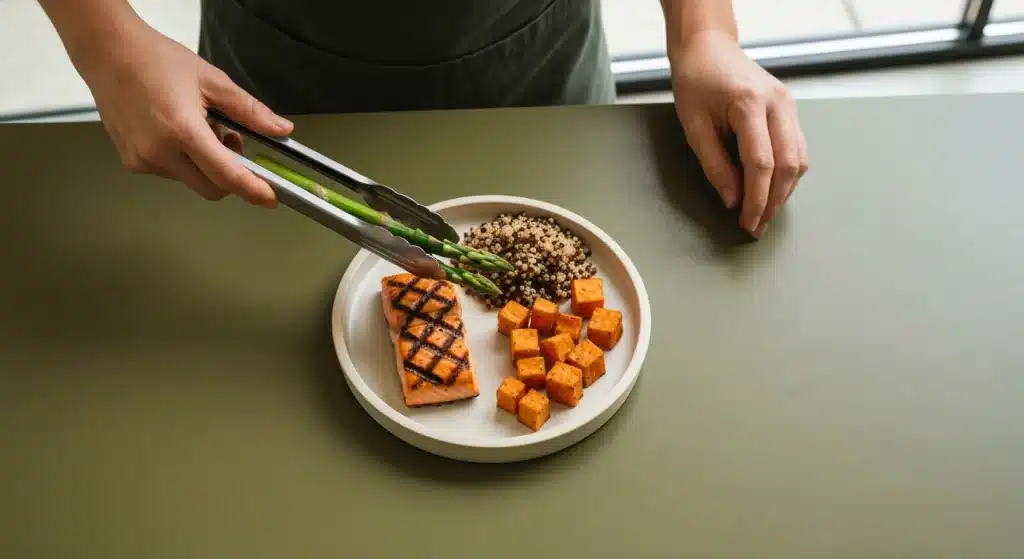
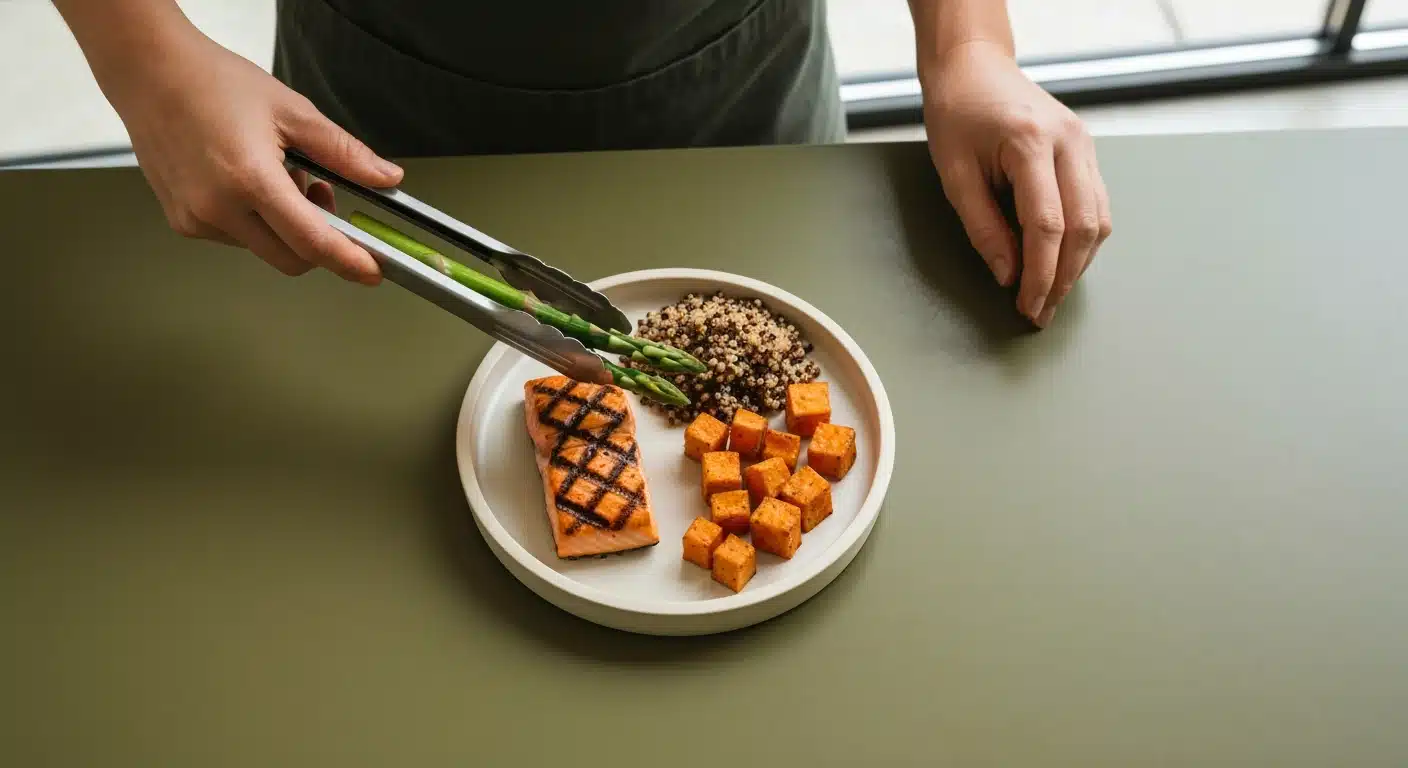
- 25% Complex Carbohydrates: The final quarter should be a serving of something like quinoa, barley, or a small baked sweet potato.
Adhering to this simple blueprint ensures you’re not just eating, but actively nourishing your body with every bite, setting the stage for transforming simple ingredients into something special.
Smart Ingredient Swaps for Healthier Main Dishes
Transforming your favorite meals into healthier versions doesn’t require a complete kitchen overhaul. Often, the most impactful changes are small and strategic. Think of it less like writing a whole new recipe and more like editing a classic story for a new audience. By making simple, targeted substitutions, you can significantly boost the nutritional value of your main dishes without losing the flavors you love.
This approach is all about working smarter, not harder. The underrated factor here is that many healthy swaps not only cut down on calories or unhealthy fats but also add beneficial nutrients like fiber, protein, and required vitamins. It’s a win-win situation. The goal is to build a more holistic approach to your eating habits, one ingredient at a time.
Grains & Starches: Boosting Fiber and Nutrients
The foundation of many main dishes rests on grains and starches, making this a prime area for an upgrade. A common swap is replacing white rice with quinoa. While white rice is a comfort food staple, it’s been stripped of much of its fiber and nutrients. Quinoa, is a complete protein, containing all nine necessary amino acids. Data from the USDA suggests quinoa offers over 5 grams of fiber per cooked cup, more than double that of its white rice counterpart.
But does this swap mean sacrificing texture? Surprisingly, no. Quinoa offers a satisfying, slightly nutty bite that works well in bowls, salads, and as a side. The same logic applies to pasta. Trading traditional white flour pasta for whole-wheat or legume-based versions (like those made from chickpeas or lentils) is a simple way to increase fiber and protein, keeping you fuller for longer. This is a key principle in many quick and healthy main dishes for busy lifestyles.
Fats & Dairy: Lighter, Flavorful Choices
Creamy sauces and rich dressings often rely on heavy cream, butter, and full-fat cheese, which can pack a caloric punch. A fantastic substitute for heavy cream in soups and pasta sauces is Greek yogurt or pureed silken tofu. What most people miss is that the slight tang from plain Greek yogurt can actually add a new dimension of brightness to a dish — something heavy cream can’t do. It provides a creamy texture with a significant protein boost and fewer saturated fats.
This is a game changer.
When it comes to cooking fats, swapping butter for avocado oil or extra-virgin olive oil provides heart-healthy monounsaturated fats. For dishes where you want a creamy, rich texture without dairy, mashed avocado can often stand in for mayonnaise or butter. It’s about finding creative ways to build flavor and richness from nutrient-dense sources instead of empty calories. These small adjustments are central to crafting flavorful and fast everyday meals.
| Original Ingredient | Healthy Swap | Nutritional Benefit |
|---|---|---|
| White Rice | Quinoa or Brown Rice | Increases fiber, protein, and micronutrients like magnesium. |
| Ground Beef (80/20) | Lean Ground Turkey or Lentils | Reduces saturated fat content; lentils add significant fiber. |
| Heavy Cream | Plain Greek Yogurt or Cashew Cream | Adds protein and probiotics (yogurt) or healthy fats (cashews). |
| All-Purpose Flour | Whole-Wheat Flour or Almond Flour | Boosts fiber and nutrients; almond flour is a great low-carb option. |
Mastering these swaps opens up a new level of creativity in the kitchen. It encourages you to look beyond the ingredient list and consider the function of each component, paving the way for even more personalized and nutritious cooking.
The most profound shift in healthy eating happens when you stop seeing ingredients as calories to be counted and start seeing them as tools to build flavor and vitality. A squeeze of lemon, a handful of fresh herbs—these are what transform a simple meal into a nourishing experience.
— Dr. Alisha Carter, Nutrition Scientist
| Original Ingredient | Healthy Swap | Nutritional Benefit |
|---|---|---|
| White Rice | Quinoa or Brown Rice | Increases fiber, protein, and micronutrients like magnesium. |
| Ground Beef (80/20) | Lean Ground Turkey or Lentils | Reduces saturated fat content; lentils add significant fiber. |
| Heavy Cream | Plain Greek Yogurt or Cashew Cream | Adds protein and probiotics (yogurt) or healthy fats (cashews). |
| All-Purpose Flour | Whole-Wheat Flour or Almond Flour | Boosts fiber and nutrients; almond flour is a great low-carb option. |
Quick & Flavorful: Healthy Main Dishes in 30 Minutes or Less
The persistent myth that healthy eating requires hours of kitchen labor is one of the biggest roadblocks to a better diet. Life gets busy, and the temptation of quick, less-nutritious options can be strong. But what if you could consistently get a delicious, wholesome dinner on the table faster than a delivery driver could find your house? The secret lies not in complex recipes, but in smart strategies that make efficiency the star of the show. Adopting a few key techniques can completely change your weeknight routine, making a balanced meal the easy choice, not the chore.
This isn’t about cutting corners on flavor or nutrition. It’s about working smarter. By focusing on methods like one-pan cooking and intelligent preparation, you build a system that supports your health goals. This approach is central to any holistic guide to healthy eating habits.
Mastering One-Pan & One-Pot Wonders
The appeal of one-pan or one-pot meals is beautifully simple: maximum flavor with minimal cleanup. Tossing all your ingredients—protein, vegetables, and starches—onto a single sheet pan or into one pot allows their flavors to meld together in a way that separate cooking methods can’t replicate. A classic example is a sheet pan with chicken thighs, broccoli florets, and cubed sweet potatoes tossed in olive oil and herbs. Everything roasts together, creating a complete meal with only one item to wash.
This method directly tackles mealtime friction. A study published in the Journal of Nutrition Education and Behavior found a direct correlation between less time spent on meal prep and a higher intake of convenience foods. One-pot cooking is the perfect antidote. It’s like organizing your daily commute to avoid all the red lights; you get to your destination faster and with much less frustration. For more ideas, explore these methods for crafting healthy main dishes in under 30 minutes.
High-Speed Protein Powerhouses
Your choice of protein is perhaps the most significant factor in total cooking time. While a slow-cooked beef roast has its place, weeknights demand speed. Lean proteins are your best allies here. Think of ingredients that cook through in minutes, not hours. Fish fillets like salmon or cod, shrimp, thinly sliced chicken breast, and ground turkey are all excellent choices that can be cooked in under 15 minutes.
Plant-based proteins also offer incredible speed. Canned beans and lentils just need to be heated through, while tofu or tempeh can be pan-fried to perfection in the time it takes to chop a few vegetables. The data suggests a clear winner for speed: a 4-ounce salmon fillet bakes at 400°F (204°C) in about 12-14 minutes, whereas a standard pork chop of the same weight needs closer to 20-25 minutes to cook through safely. This is why building a repertoire of quick and healthy main dishes for busy lifestyles often starts with protein selection.
This is a turning point.
Smart Prep for Weeknight Success
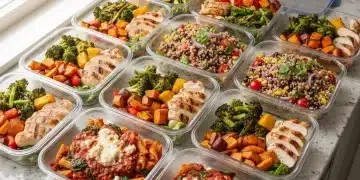
A little planning on a less busy day—like a Sunday afternoon—can completely transform your week. Investing just one hour in preparation can save you countless minutes and mental energy later. This isn’t about making full meals in advance, but rather getting the components ready to go. Having your ingredients prepped and waiting is like having a personal sous chef. It makes assembling a meal a simple, streamlined process.
Batch Cooking Basics
Batch cooking focuses on preparing foundational ingredients in large quantities to be used in various dishes. For instance, cook a large pot of quinoa or brown rice. On Monday, it can be the base of a grain bowl. On Tuesday, a side dish for grilled fish. By Thursday, you can stir it into a hearty vegetable soup. The underrated factor here is the reduction in decision fatigue. When you don’t have to ask, “what starch should I make?” you’re one step closer to a finished meal.
Freezer-Friendly Components
Your freezer is one of the most powerful tools for express cooking. Instead of freezing entire leftover meals, which can be limiting, try freezing individual components. Cooked shredded chicken, portioned bags of brown rice, caramelized onions, or even a simple tomato sauce can be frozen flat in bags. What most people miss is how this creates a custom, healthy meal-kit service right in your own kitchen—without the subscription fee. You can pull out pre-cooked chicken, frozen broccoli, and a bag of quinoa for a stir-fry that comes together in 10 minutes. This level of organization creates an environment where healthy choices become almost effortless.
Elevating Flavor: Herbs, Spices, and Healthy Sauces
Healthy cooking often gets a bad reputation for being bland, but that simply isn’t true. The secret to creating exciting dishes lies in mastering natural flavor boosters. A well-stocked spice rack is like a painter’s palette, offering endless combinations to make chicken, fish, or vegetables sing. According to data from the Culinary Institute of America, home cooks who regularly use fresh herbs and spices report a 63% higher satisfaction with their healthy meals. The underrated factor here is layering flavors—don’t just stick to salt and pepper.
Acidity is your best friend in the kitchen. A splash of citrus juice or a drizzle of vinegar can brighten an entire dish, cutting through richness and adding a clean finish. Ever wonder why a simple squeeze of lime transforms a taco? It’s that acidic pop that balances the other savory elements, a key principle in a holistic approach to healthy eating.
Store-bought sauces are often loaded with sugar, sodium, and preservatives. Making your own is easier than you think (and frankly, much tastier). For a versatile vinaigrette, whisk three parts extra virgin olive oil with one part apple cider vinegar, a teaspoon of Dijon mustard, and finely chopped fresh parsley. Another fantastic option is a simple yogurt sauce: combine plain Greek yogurt, grated cucumber, fresh dill, and a squeeze of lemon for a creamy topping perfect for grilled meats or as a dip.
Experimenting with these combinations is key to finding what you love and elevating everyday meals into something special. To get you started, here are some classic pairings that work beautifully in many quick and healthy main dishes:
- Chicken: Rosemary, Thyme, Lemon, Garlic
- Fish: Dill, Parsley, Capers, White Wine Vinegar
- Beef: Cumin, Smoked Paprika, Oregano, Red Wine Vinegar
- Tofu & Legumes: Turmeric, Ginger, Cilantro, Lime
- Roasted Vegetables: Balsamic Vinegar, Garlic Powder, Italian Seasoning
Ultimately, building flavor is about trusting your palate and being willing to try new things. The right combination of herbs and a simple homemade sauce can turn a basic meal into a memorable one without compromising your health goals.
Beyond the Plate: Mindful Eating for Main Dishes
Creating a flavorful, healthy main dish is only half the battle. The other half happens when you sit down to eat. Mindful eating is the practice of paying full attention to your meal, transforming the act of consumption from a mindless task into a satisfying experience. It’s about connecting with your food and, more importantly, with your body’s actual needs.
This approach isn’t about restriction; it’s about awareness.
By focusing on the sensory details of your meal—the aroma, texture, and taste—you naturally slow down, which aids digestion and increases satisfaction. The data suggests this works; a detailed review in the Journal of Obesity found that participants in mindfulness-based eating programs showed significant improvements in managing binge eating and emotional eating triggers. It’s a shift from simply refueling to nourishing yourself.
The Art of Portion Awareness
Let’s reframe the idea of “portion control.” Instead of seeing it as a diet rule, think of it as listening to your body’s fuel gauge. You wouldn’t keep pumping gas into your car after the tank is full, so why do we often do that with our food? Portion awareness is about recognizing what an appropriate amount of fuel looks like for your body at any given meal.
One of the most effective tools is surprisingly simple: change your dinnerware. Research from Cornell University’s Food and Brand Lab famously demonstrated that people serve themselves 22% fewer calories when switching from a 12-inch plate to a 10-inch plate. This visual trick helps manage portions without feeling deprived. It’s a core principle in building sustainable holistic healthy eating habits.
To get started, you can use easy visual cues for common portion sizes:
- Protein (Chicken, Fish, Tofu): A portion is about the size of a deck of cards or the palm of your hand.
- Carbohydrates (Rice, Pasta, Quinoa): Aim for an amount that would fit into a cupped hand, similar to a tennis ball.
- Fats (Oils, Butter, Nuts): A serving of healthy fat is often smaller, about the size of your thumb.
Savoring Every Bite: Practical Mindful Eating Techniques
Putting mindfulness into practice doesn’t require complex rituals. It starts with small, intentional changes to your routine. The most underrated factor is simply putting your fork down between bites. This small pause gives your brain—which lags about 20 minutes behind your stomach—time to register fullness signals. Are you still hungry, or just eating out of habit?
Create an environment built for enjoyment, not for speed. This means turning off the television and putting your phone away. Even when you’re enjoying one of our flavorful and fast main dishes, taking just 15 uninterrupted minutes to eat can completely change how satisfied you feel afterward. The goal is to make mealtime a protected moment in your day—easier said than done with a busy family, I know.
Engage all your senses before the first bite. Notice the colors on your plate, inhale the aromas, and think about the textures you’re about to experience. Chewing your food thoroughly not only helps with digestion but also allows you to pick up on the subtle flavors you might otherwise miss. This practice turns every meal, even a simple one, into a more complete and gratifying event.
Your Kitchen, Your Laboratory
You now have the blueprint—the swaps, the strategies, and the flavor pairings—to move beyond simply following recipes and start cooking. The real transformation doesn’t happen on this page, but in your kitchen when you begin to experiment. Think of these principles not as rigid rules, but as a set of tools to empower your own culinary creativity. The goal isn’t perfection on the first try, but progress and enjoyment in the process of nourishing yourself and others.
Looking ahead, what is the one small change you can commit to this week? Will you try swapping Greek yogurt for cream in a sauce, master a one-pan salmon dinner, or simply buy one new herb to experiment with? The path to a healthier, more delicious life is built one meal at a time, starting with the very next one you choose to create.
Frequently Asked Questions
What are the easiest healthy main dishes to prepare for beginners?
For beginners, the best options are one-pan or one-pot meals. Think sheet-pan chicken with roasted broccoli and sweet potatoes, or a simple black bean and corn chili. These dishes minimize complex steps and cleanup while teaching the basics of flavor combination.
How can I make my favorite comfort foods healthier without losing flavor?
Focus on strategic substitutions. Use plain Greek yogurt instead of sour cream or heavy cream, swap ground turkey for beef in bolognese, and bulk up casseroles with extra vegetables like mushrooms and lentils. These swaps often add nutrients while cutting down on saturated fat.
Are there specific superfoods I should include in my main dishes for maximum health benefits?
While many foods are beneficial, some powerhouses to include are salmon for omega-3 fatty acids, quinoa for complete protein and fiber, spinach for iron and vitamins, and lentils for plant-based protein and gut-healthy fiber. They are versatile and easy to incorporate into many dishes.
What’s the best way to meal prep healthy main dishes for the entire week?
Instead of prepping entire meals, try prepping components. Cook a large batch of a whole grain like quinoa, grill several chicken breasts, and chop a variety of vegetables. This ‘building block’ approach allows you to assemble different bowls, salads, and stir-fries quickly throughout the week, preventing flavor fatigue.
Can healthy main dishes be budget-friendly?
Absolutely. Building meals around inexpensive yet nutritious staples like beans, lentils, eggs, and in-season vegetables is highly economical. Buying grains and spices in bulk and minimizing food waste by planning your meals will significantly reduce your grocery bill while improving your diet.