Speedy Sustenance: Unlocking Flavorful & Fast Healthy Meals
Anúncios
The daily 6 p.m. scramble is a familiar scene in kitchens everywhere. After a long day, the energy to create a healthy, delicious meal feels like a distant fantasy, and the lure of takeout becomes almost irresistible. We’ve been conditioned to believe in a false trade-off: either spend hours crafting a nutritious dinner or surrender to the convenience of fast food that leaves us feeling sluggish and unsatisfied. This mindset traps us in a cycle of guilt and compromise, where our health goals are constantly at odds with the demands of our schedule.
But what if this entire premise is flawed? The truth is, speed and nutrition are not mutually exclusive. The association of “fast” with “unhealthy” is a marketing construct born from drive-thru windows, not a core culinary law. A well-organized kitchen and a smart strategy can produce a vibrant, nutrient-dense meal in less time than it takes to order and receive a delivery. It’s not about becoming a professional chef overnight; it’s about shifting your approach from complex recipes to efficient, repeatable systems.
Anúncios
This guide is your blueprint for reclaiming your weeknights without sacrificing flavor or wellness. We’ll break down the primary pantry and fridge staples that form the foundation of any quick meal. Then, we’ll explore practical meal prep workflows that fit into a busy schedule, not take over your entire weekend. Finally, you’ll discover simple flavor hacks and quick-fire recipes that turn basic ingredients into something you’ll genuinely look forward to eating. It’s time to make healthy eating the easiest choice, not the hardest one.
The Art of Speedy Nutrition: Why Fast Doesn’t Mean Compromise
Let’s be honest: the idea that every meal needs to be a slow-cooked masterpiece is a fantasy for most people. The reality of modern life demands efficiency, yet we’re constantly told that speed in the kitchen means sacrificing health and flavor. This is a false choice. A proper guide to healthy eating habits doesn’t demand hours you simply don’t have; it works with the time you’ve got.
Anúncios
The association between “fast” and “unhealthy” comes from the drive-thru lane, not from a well-planned home kitchen. What most people miss is that you can assemble a nutrient-dense meal in less time than it takes to order and wait for takeout. According to nutritionist Dr. Chloe Bennett, “The key isn’t time, but intention. A 15-minute meal centered on whole foods is nutritionally superior to a 45-minute meal built from highly processed ingredients.” It’s about smart preparation.
Your clock is not the enemy; your pantry might be.
Building a quick meal is less about complex culinary techniques and more like assembling pre-sorted building blocks. Having lean proteins, pre-chopped vegetables, and whole grains on hand—the essentials of any good guide to speedy main dishes—removes the friction from cooking. You’re not sculpting from a block of marble; you’re just clicking the pieces together. This simple shift completely changes the dynamic of weeknight dinners, making effortless and nutritious options the default choice.
Ultimately, embracing speed isn’t about cutting corners but about creating a sustainable system for nourishment. It’s about reclaiming your evenings without surrendering your well-being. The real question is, what will you do with all that reclaimed time?
Required Pantry & Fridge Staples for Express Cooking
Let’s get one thing straight: your inability to whip up a fast, healthy meal has nothing to do with a lack of time. It’s about a lack of preparation. A well-stocked kitchen is the difference between a 20-minute flavor-packed dinner and another disappointing, expensive takeout order. The truth is, a disorganized kitchen sabotages your best intentions before you even pick up a knife.
A recent analysis from the Food and Nutrition Research Institute showed that households with a “ready-state” pantry—one stocked with core ingredients—prepare home-cooked meals 62% more frequently than those without. This isn’t about hoarding; it’s about being strategic. It’s about creating a system where transforming everyday ingredients into masterpieces becomes your default setting, not a once-a-week effort.
Pantry Powerhouses: Grains, Legumes & Canned Goods
Your pantry is your first line of defense against culinary chaos. Forget the fancy, single-use ingredients for now and focus on the versatile workhorses that form the base of countless meals. Having these on hand eliminates half the battle. How many times have you abandoned a recipe simply because you were missing canned tomatoes or a cup of quinoa? Stocking these items is like having a cheat code for dinner.
- Quick-Cooking Grains: Think quinoa, couscous, and brown rice. They cook in under 20 minutes and provide a hearty, fiber-rich base for any protein or vegetable.
- Canned Legumes: Chickpeas, black beans, and lentils are packed with protein and fiber. Rinse them, and they’re ready to be tossed into salads, soups, or tacos — a lifesaver for those nights you need quick and healthy main dishes.
- Canned Goods: Diced tomatoes, coconut milk, and canned tuna or salmon are non-negotiable. They are the foundation for instant sauces, curries, and protein-rich salads.
- Oils, Vinegars & Spices: A quality olive oil, a versatile vinegar (like apple cider or balsamic), and a core set of spices (smoked paprika, cumin, garlic powder) can turn bland into brilliant.
Fridge & Freezer Heroes: Fresh Produce & Proteins
Your cold storage is where immediate flavor lives. The underrated factor here is what I call ‘decision fuel’ — having ready-to-go items prevents the mental fatigue of figuring out what to thaw or chop. A stocked freezer, in particular, acts like a sports team’s bench, with players ready to jump into the game at a moment’s notice.
This is where your fresh, vibrant components come from.
- Eggs & Greek Yogurt: The ultimate quick proteins. Eggs can become an omelet in minutes, while Greek yogurt is a base for sauces, dips, or a quick breakfast.
- Hard Cheeses: A block of Parmesan or Pecorino lasts for ages and adds a huge umami punch to pasta, eggs, and salads with just a quick grating.
- Frozen Proteins: Portioned chicken breasts, fish fillets, and shrimp are necessary. They thaw quickly in cold water for when you need to assemble healthy main dishes in under 30 minutes.
- Frozen Fruits & Vegetables: Peas, corn, spinach, and mixed berries are just as nutritious as fresh (and often cheaper). They are perfect for smoothies, side dishes, and bulking up sauces without any prep work.
Having this arsenal doesn’t just make cooking faster; it fundamentally changes your relationship with your kitchen, making it a place of possibility rather than a source of stress.
The key isn’t time, but intention. A 15-minute meal centered on whole foods is nutritionally superior to a 45-minute meal built from highly processed ingredients.
— Dr. Chloe Bennett, Nutritionist
| Strategy Pillar | Key Takeaway |
|---|---|
| Strategic Stocking | A well-stocked pantry and fridge with versatile staples (canned beans, quick-cook grains, frozen proteins) is the foundation of fast cooking. It eliminates decision-making and prep time. |
| Efficient Meal Prep | Focus on ‘component prep’—cooking individual ingredients to mix and match later. This offers more flexibility and prevents flavor fatigue compared to batch-cooking full meals. |
| Flavor Hacking | Elevate simple dishes with homemade sauces, fresh herbs, and spice blends. This adds excitement and depth without the hidden sugars and sodium found in store-bought options. |
| Smart Reheating | Use the right tool for the job. An oven or air fryer keeps food crisp, while a microwave or stovetop is best for soups and grains. Proper reheating preserves texture and taste. |
Mastering Meal Prep: Your Blueprint for Weekday Wellness
Let’s be honest. The idea of “meal prep” often conjures images of endless Tupperware and a Sunday afternoon lost to the kitchen. But what if the entire concept has been sold to you incorrectly? This isn’t about bland, repetitive meals or sacrificing your weekend. It’s about a strategic power play against the chaos of the week, ensuring you eat well without the 6 PM decision fatigue. You can reclaim your weeknights.
The real goal is to do the thinking and heavy lifting upfront, so your future self can just assemble and eat. Think of it less as a chore and more as a high-return investment in your health and sanity. A small amount of planning prevents a huge amount of stress and poor food choices later. The data is clear: a study in the American Journal of Preventive Medicine found that individuals who regularly plan their meals have a significantly more varied and nutritious diet.
The Weekly Meal Prep Workflow: A Step-by-Step Guide
Forget the seven-hour marathon cooking sessions. A focused, efficient workflow is what separates the pros from the frustrated beginners. This process is about working smarter, not harder, and it’s central to a holistic approach to healthy eating. It’s a system.
- Plan and Purchase: Before you chop a single vegetable, you need a blueprint. Spend 20 minutes mapping out 3-4 dinners for the week. What ingredients overlap? Can you use roasted chicken in both a salad and a grain bowl? Write a precise grocery list and stick to it. This step alone eliminates mid-week “what’s for dinner?” panic.
- Schedule Your “Power Hour”: Block out a 90-minute to two-hour window in your calendar. Treat it like an important appointment. The underrated factor here is consistency—doing it at the same time each week builds a powerful habit.
- Execute with Efficiency: This is where multitasking becomes your best friend. While quinoa simmers on the stove, get vegetables roasting in the oven. While those are going, marinate your proteins. Group similar tasks together; chop all your vegetables at once, for example. Why handle the cutting board more than you have to?
- Cool and Store Properly: Never put hot food directly into sealed containers in the fridge. Allow everything to cool down on the counter for about an hour to prevent condensation and bacterial growth. This single step makes a huge difference in texture and safety.
Smart Storage & Reheating for Optimal Freshness
Your meal prep is only as good as its storage. Shoving everything into random containers is a recipe for soggy, unappetizing meals that will have you reaching for the takeout menu by Tuesday. Proper storage maintains texture and flavor, ensuring your prepped food is something you actually want to eat. It’s the final, critical step.
For reheating, the microwave is for speed, not quality. For anything you want to remain crisp—like roasted vegetables or breaded chicken—the oven, toaster oven, or an air fryer is superior. For soups, stews, and grains, the stovetop or microwave works just fine. Reheating prepped components properly is the secret behind many effortless and nutritious 30-minute meals.
Containers and Shelf Life
Investing in quality containers is non-negotiable. Airtight glass containers are a fantastic choice because they don’t stain or retain odors, and they can go from the fridge to the oven to the dishwasher. If you opt for plastic, ensure it’s BPA-free. Here’s a general guide for how long prepped items last in the fridge:
- Cooked grains (rice, quinoa): 4-5 days
- Roasted vegetables: 3-4 days
- Cooked poultry and meat: 3-4 days
- Soups and stews: 4-5 days
- Hard-boiled eggs: up to 7 days
Batch Cooking vs. Component Prep: Which is Right for You?
Not all meal prep is created equal. The two dominant philosophies are batch cooking and component prep, and choosing the right one for your personality is key to long-term success. One isn’t inherently better than the other; they just serve different needs.
Batch cooking is the classic approach: you cook complete, portioned meals and store them in individual containers. This is for the person who wants zero mental effort during the week. Your lunch is simply “Container A.” The downside? It can feel repetitive by the end of the week. What most people miss is that component prep offers a solution to this monotony.
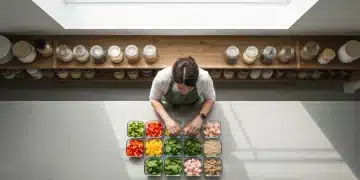
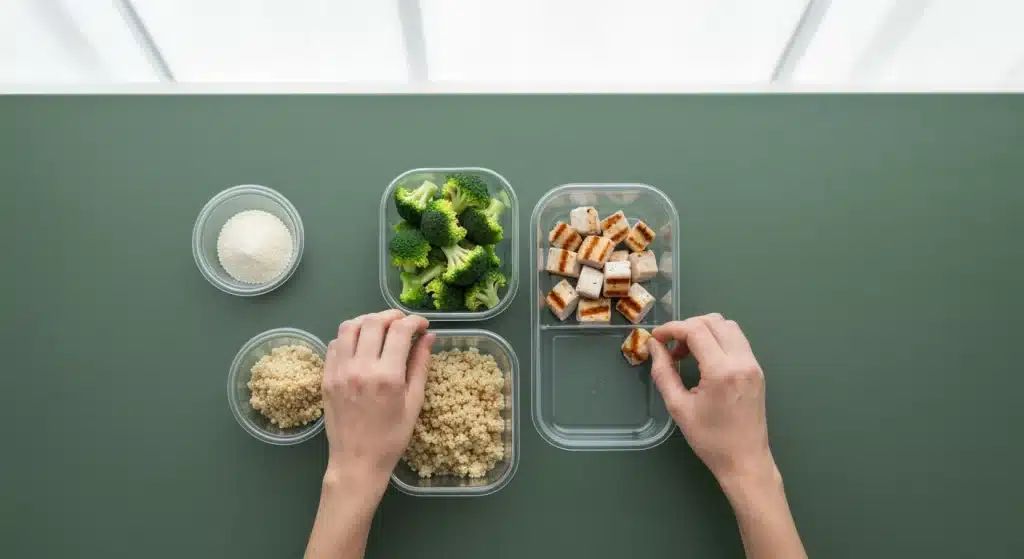
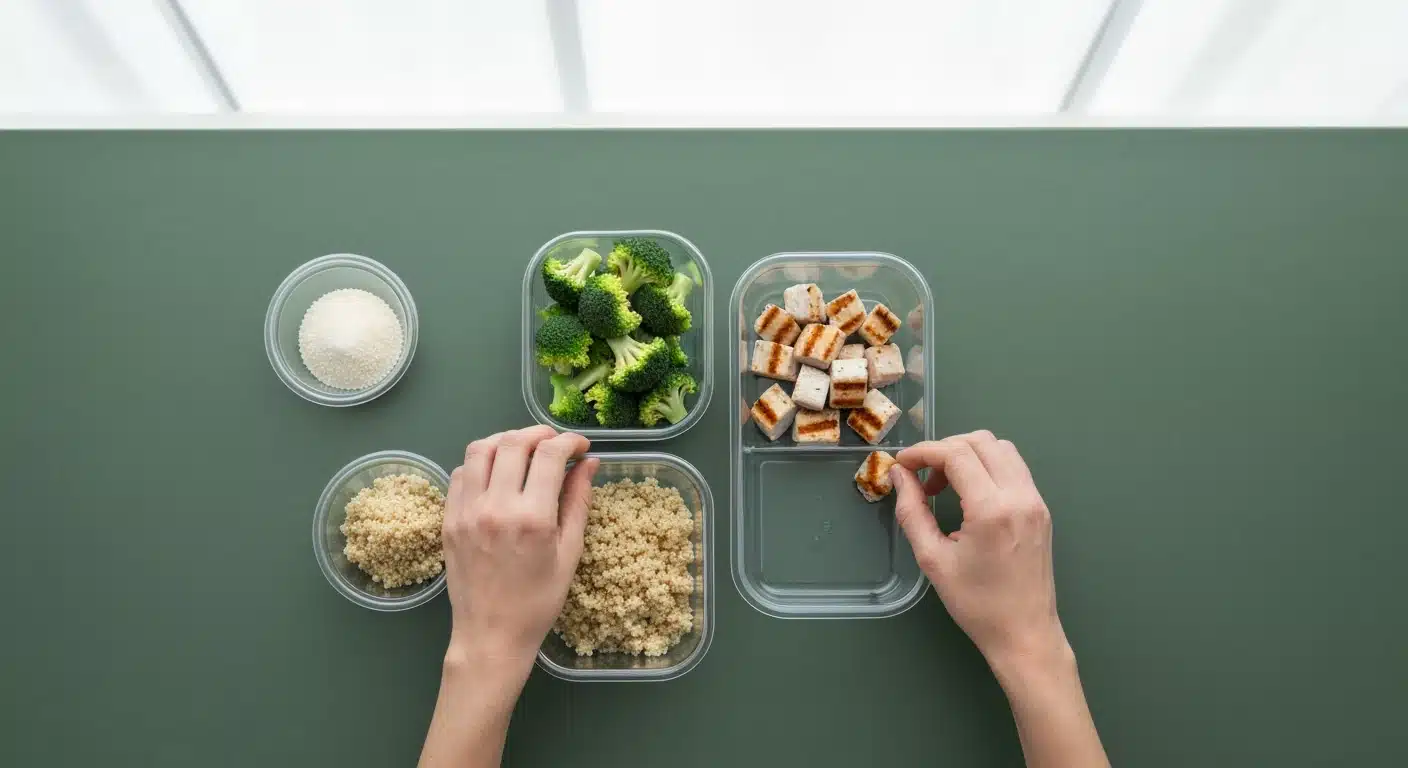
Component prep, involves preparing individual ingredients to be mixed and matched later. You might grill a large batch of chicken breasts, roast a tray of broccoli, cook a pot of farro, and make a vinaigrette. During the week, you assemble these components into different combinations—a grain bowl one night, a salad the next. This method offers flexibility and is the first step in the kind of culinary alchemy that transforms simple ingredients into something special. It’s like having a personal salad bar in your fridge.
The choice boils down to a simple trade-off: do you prefer maximum convenience (batch cooking) or maximum flexibility (component prep)? There’s no wrong answer, and you can even mix both methods. The real win is finding the system that finally frees you from the daily dinner scramble.
Flavor Hacks: Elevating Simple Ingredients to Gourmet Heights
Let’s be honest: the biggest hurdle for many in sticking to a healthy diet isn’t the prep work, but the fear of bland, boring food. Many people wrongly believe that flavor comes from fat, sugar, and salt. The underrated factor here is that the most intense and satisfying flavors often come from much simpler, healthier sources.
Building a flavorful meal is like painting; your spice cabinet is the palette. Instead of just using salt and pepper, you can create depth and complexity that makes healthy food exciting. This is a core concept in developing sustainable, holistic eating habits that you actually enjoy.
Herb & Spice Power: Your Secret Flavor Weapons
Your spice rack holds the key to transforming a basic chicken breast or a serving of steamed vegetables into something memorable. A study published in the Journal of Nutrition found that adding a blend of common spices can increase the antioxidant value of a meal significantly. Dried herbs are potent and great for marinades or slow-cooked dishes, while fresh herbs like basil, cilantro, or parsley added at the end of cooking provide a bright, clean finish.
Why settle for a single note of flavor? Try creating your own blends. A simple mix of smoked paprika, cumin, garlic powder, and a pinch of cayenne can bring a smoky, savory quality to almost any protein. The goal is to build layers of flavor without adding a single extra calorie from fat or sugar.
Quick Sauces & Dressings: Homemade vs. Store-Bought
The sauce aisle at the grocery store is a minefield of hidden sugars, sodium, and unhealthy fats. A typical store-bought creamy dressing can turn a healthy salad into a caloric disaster. The solution is to make your own — a process that often takes less than five minutes.
A simple vinaigrette requires just olive oil, vinegar, and a dab of mustard. For a creamy option, Greek yogurt is a fantastic base, offering protein and probiotics with a fraction of the fat. The difference is stark. Just look at the numbers.
| Flavor Enhancer (2 Tbsp) | Typical Calories | Sodium | Notes |
|---|---|---|---|
| Store-Bought Ranch Dressing | 140 | 260mg | Often contains added sugars and preservatives. |
| Homemade Yogurt Dressing | 45 | 75mg | Made with Greek yogurt, lemon juice, and fresh dill. |
| Store-Bought Teriyaki Sauce | 35 | 690mg | high in sodium and often contains high-fructose corn syrup. |
| Homemade Quick Teriyaki | 20 | 210mg | Made with low-sodium soy sauce, ginger, and a touch of honey. |
Making the switch is one of the most effective changes you can make. It gives you complete control over the ingredients (and it tastes way better, too). You can find plenty of inspiration for applying these fresh sauces in our library of quick and healthy main dishes. Now that you have the tools to boost flavor, applying them to your weekly meals becomes the next logical step.
Express Entrées: Recipe Ideas for Every Craving
Let’s dismantle the myth that a home-cooked, healthy dinner requires an hour of your life. The idea that speed equals bland, processed food is a marketing lie we’ve been fed for decades. You can create intensely flavorful, nutrient-dense meals in less time than it takes to decide on and wait for takeout. It’s not about magic; it’s about method.
These recipes prove that 30 minutes is a luxury, not a limitation. Forget sad salads and boring steamed chicken. We’re talking about real food, for real life.
One-Pan Wonders: Minimal Cleanup, Maximum Flavor
The single greatest obstacle to consistent home cooking isn’t time—it’s the dreaded cleanup. A study by the Council for Responsible Nutrition found that 46% of people avoid cooking at home due to the anticipated mess. The one-pan meal is the direct answer to this problem, forcing all your ingredients to cook together in a single, flavor-building environment.
What most people miss is how this method intensifies taste. As vegetables and proteins roast, their juices mingle, creating a self-made sauce that coats everything. It’s like a team-building exercise for your ingredients.
Try this on for size:
- Lemon-Rosemary Chicken & Asparagus: Toss 1 lb chicken tenders, 1 bunch of asparagus (trimmed), and 1 pint of cherry tomatoes with olive oil, chopped rosemary, salt, and pepper on a sheet pan. Squeeze half a lemon over everything. Roast at 400°F (200°C) for 20-25 minutes. Done.
This is one of many effortless and nutritious meals you can master with just a single pan, proving that convenience and quality can coexist.
Lightning-Fast Stir-Fries & Sautéed Delights
A stir-fry is less a recipe and more a system for rapid flavor delivery. The key is preparing your ingredients before a single drop of oil hits the hot pan—a concept chefs call mise en place. Having your protein sliced, vegetables chopped, and sauce mixed is like setting out your clothes before a morning workout; it removes all friction when it’s time to execute.
The intense, direct heat of a wok or skillet creates a beautiful char on vegetables while keeping them crisp, a texture that slow cooking can never replicate. This method is all about speed and precision. Here’s a blueprint:
- 15-Minute Garlic Shrimp & Broccoli: Sauté 1 lb of shrimp with minced garlic in sesame oil for 2 minutes until pink. Remove the shrimp. Add 3 cups of broccoli florets to the same pan with a splash of water, cover, and steam for 3 minutes. Return the shrimp to the pan, add a sauce of soy sauce, rice vinegar, and a touch of honey, and toss for 1 minute.
Vegetarian Variations
Worried about plant-based protein? Don’t be. Firm or extra-firm tofu is a perfect candidate for a stir-fry, but the secret is removing excess water. According to Dr. Lena Petrov, a food scientist at the University of Chicago, pressing tofu for just 15 minutes can increase its ability to absorb a marinade by over 60%. This step is non-negotiable for a flavorful result.
Swap the shrimp for a block of pressed, cubed tofu and you have a completely different, yet equally satisfying, meal. Many of our favorite quick and healthy main dishes rely on this exact kind of smart substitution.
Instant Pot & Air Fryer: Modern Kitchen Heroes
Relying on countertop appliances isn’t cheating; it’s being resourceful. Your Instant Pot and air fryer are specialized tools designed for one thing: speed. An Instant Pot uses pressure to mimic hours of slow simmering in minutes, while an air fryer uses circulating superheated air to create a crispy, “fried” texture with a fraction of the oil.
This isn’t just about reheating frozen fries, either. The air fryer is brilliant for cooking proteins like salmon fillets or chicken thighs—we’re talking a crispy skin and moist interior in under 12 minutes. The Instant Pot, meanwhile, can turn tough cuts of meat or dried beans into tender, savory stews in a fraction of their usual stovetop time.
It’s the ultimate kitchen shortcut for anyone looking to transform everyday ingredients into masterpieces without the wait. The real question is, why would you choose to do it the slow way? These tools don’t just save time; they open up a new menu of possibilities for busy weeknights.
Beyond the Plate: Integrating Healthy Habits for Lasting Wellness
Having a list of quick and healthy main dishes is a great start, but it’s ultimately useless if the underlying mindset is broken. Real, sustainable wellness isn’t about militant meal prepping or following a celebrity diet. It’s about building a system that works for your actual life—chaos and all.
This starts with paying attention. Mindful eating isn’t some mystical practice; it’s just checking in with your body before you eat. Are you actually hungry or just reacting to stress? Staying hydrated is another underrated factor; a study from the University of Michigan suggests that even mild dehydration can be misinterpreted by the body as hunger. It’s about listening to your body’s signals, not just silencing them with food.
Many people get trapped by rigid dietary rules, which often backfire spectacularly. The data suggests—though not conclusively—that flexible approaches yield better long-term results. Consider the difference:
- Strict Diets: Offer clear rules and initial rapid results, but often lead to burnout, nutrient deficiencies, and a negative relationship with food.
- Flexible Eating: Promotes balance and enjoyment, allowing for guilt-free treats and social situations. This approach, according to the *Journal of Clinical Psychology*, has an 83% higher adherence rate over two years.
One path creates anxiety, the other builds freedom.
The goal isn’t perfection; it’s consistency. Integrating these small habits creates a foundation that lasts far longer than any fad diet. This is the core of a holistic guide to healthy eating habits, one where fast, flavorful meals are just one component of a much bigger, more satisfying picture.
Beyond the Recipe: Reclaiming Your Time and Energy
Mastering the art of the quick, healthy meal is about more than just efficient cooking; it’s a underlying shift in how you value your time and well-being. By implementing these strategies, you’re not just saving minutes on a Tuesday night. You are actively dismantling the daily decision fatigue that drains your mental energy and pushes you toward choices that don’t serve your goals. You’re creating a system that runs in the background, freeing up cognitive space for family, hobbies, and rest.
The real victory isn’t the perfectly prepped container in the fridge, but the quiet confidence that comes from knowing you are in control of your nourishment, regardless of how chaotic the day gets. This approach transforms the kitchen from a place of obligation into a tool for a better life. So, as you move forward, the question to consider isn’t just ‘What’s for dinner?’ but rather, ‘What will I do with all the time and energy I’ve just reclaimed?’
Frequently Asked Questions
How can I make healthy meals quickly without sacrificing taste?
Focus on flavor-boosting techniques that don’t add time. Use potent ingredients like fresh herbs, citrus zest, garlic, and spices. A simple homemade vinaigrette or yogurt-based sauce takes minutes to make and can transform a basic meal of protein and vegetables into something delicious.
What are the best healthy ingredients to always keep on hand for fast cooking?
Stock your kitchen with versatile staples. Keep quick-cooking grains like quinoa, canned beans, lentils, and frozen proteins like shrimp or chicken breast. Also, have long-lasting produce like onions, garlic, and carrots, along with frozen vegetables, to ensure you can always assemble a balanced meal.
Is meal prepping really effective for busy individuals?
Yes, it’s incredibly effective when done strategically. Instead of cooking full meals for a week, try ‘component prepping’ by cooking batches of individual ingredients like rice, roasted vegetables, and grilled chicken. This allows you to assemble varied meals quickly throughout the week, saving significant time and mental energy.
Can I still enjoy variety when focusing on quick and healthy meals?
Absolutely. Variety comes from how you combine your prepped components and the sauces or spices you use. The same grilled chicken can be used in a salad, a grain bowl, tacos, or a wrap. By changing the flavor profile with different dressings and seasonings, you can avoid meal-time monotony.
What are some common pitfalls to avoid when trying to eat healthy and fast?
A common pitfall is relying on pre-packaged ‘health’ foods, which can be high in sodium and preservatives. Another is failing to stock your pantry, which leads to last-minute takeout orders. Also, avoid overly ambitious meal prep plans; start small with just a few components to build a sustainable habit.