Decoding New USDA Dietary Guidelines 2026: Optimize Family Meals

Anúncios
Decoding the New USDA Dietary Guidelines: 7 Practical Steps to Optimize Your Family’s Meals in 2026
As we approach 2026, the United States Department of Agriculture (USDA) is poised to release its updated Dietary Guidelines for Americans, a cornerstone document that shapes nutritional recommendations for the entire nation. These guidelines are not just abstract scientific reports; they are powerful tools designed to help individuals and families make informed food choices that promote health and prevent chronic diseases. For many households, understanding and implementing the new USDA dietary guidelines can feel like a daunting task, especially with busy schedules and differing tastes. However, by breaking down the upcoming recommendations into practical, actionable steps, you can confidently navigate these changes and significantly enhance your family’s nutritional well-being. This comprehensive guide will walk you through 7 essential steps to optimize your family’s meals in alignment with the anticipated 2026 USDA dietary guidelines, ensuring a healthier future for everyone at your table.
Anúncios
The USDA dietary guidelines are revised every five years, incorporating the latest scientific evidence on nutrition and health. These updates are crucial because our understanding of food, its impact on the body, and the environmental factors influencing our food systems are constantly evolving. The 2026 guidelines are expected to continue emphasizing a holistic approach to eating, moving beyond simple calorie counting to focus on nutrient density, sustainable food choices, and personalized nutrition. They aim to address prevalent health issues such as obesity, diabetes, and heart disease, which continue to affect a significant portion of the American population. By proactively understanding and integrating these new recommendations, families can stay ahead of the curve, establishing eating patterns that foster long-term health and vitality.
Anúncios
This article will delve into what these new USDA dietary guidelines might entail, based on current trends and scientific consensus, and provide you with a clear, step-by-step roadmap to implement them effectively. From rethinking your plate composition to smart grocery shopping and mindful eating, each step is designed to be accessible and adaptable to various family dynamics and preferences. Our goal is to empower you with the knowledge and tools to transform your family’s eating habits, making healthy choices easier and more enjoyable. Let’s embark on this journey to optimize your family’s meals and embrace a healthier lifestyle guided by the forthcoming USDA dietary guidelines.
1. Prioritize Whole, Unprocessed Foods
One of the foundational tenets of the USDA dietary guidelines, consistently reinforced over successive revisions, is the emphasis on whole, unprocessed foods. This principle is expected to be even more pronounced in the 2026 guidelines. Whole foods are those that are in their natural state or have undergone minimal processing, retaining their full nutritional value. Think fresh fruits, vegetables, whole grains, lean meats, poultry, fish, eggs, nuts, seeds, and legumes. These foods are rich in vitamins, minerals, fiber, and antioxidants, all essential for optimal health and disease prevention.
Conversely, ultra-processed foods – often high in added sugars, unhealthy fats, and sodium, with numerous artificial ingredients – are typically low in nutritional value and contribute to various health problems. The new USDA dietary guidelines will likely advocate for significantly reducing the intake of such foods, encouraging families to choose fresh, natural alternatives. This shift can have a profound impact on energy levels, weight management, and overall disease risk.
Practical Steps for Prioritizing Whole Foods:
- Stock Your Pantry Smartly: Fill your pantry and refrigerator with whole grains (oats, quinoa, brown rice), a variety of fresh produce, lean protein sources, and healthy fats (avocado, olive oil, nuts).
- Read Food Labels: Become adept at reading nutrition labels. Look for foods with short ingredient lists, free from excessive added sugars, trans fats, and artificial additives. The fewer the ingredients, the closer to a whole food it likely is.
- Cook More at Home: Preparing meals from scratch gives you full control over the ingredients. This is arguably the most effective way to ensure your family consumes whole foods and avoids hidden processed components.
- Make Smart Swaps: Replace sugary cereals with oatmeal topped with fruit, white bread with whole-wheat alternatives, and processed snacks with fruits, vegetables, or a handful of nuts.
By making a conscious effort to prioritize whole, unprocessed foods, you are laying a strong foundation for a healthy diet that aligns perfectly with the spirit of the upcoming USDA dietary guidelines. This simple yet powerful step can lead to significant improvements in your family’s health and well-being.
2. Embrace a Rainbow of Fruits and Vegetables
The importance of fruits and vegetables cannot be overstated, and the 2026 USDA dietary guidelines will undoubtedly continue to highlight their critical role in a healthy diet. These vibrant foods are powerhouses of vitamins, minerals, fiber, and phytochemicals, which protect the body against chronic diseases, support immune function, and promote digestive health. The key is not just to eat fruits and vegetables, but to consume a wide variety of colors, as each color often indicates a different set of beneficial nutrients.
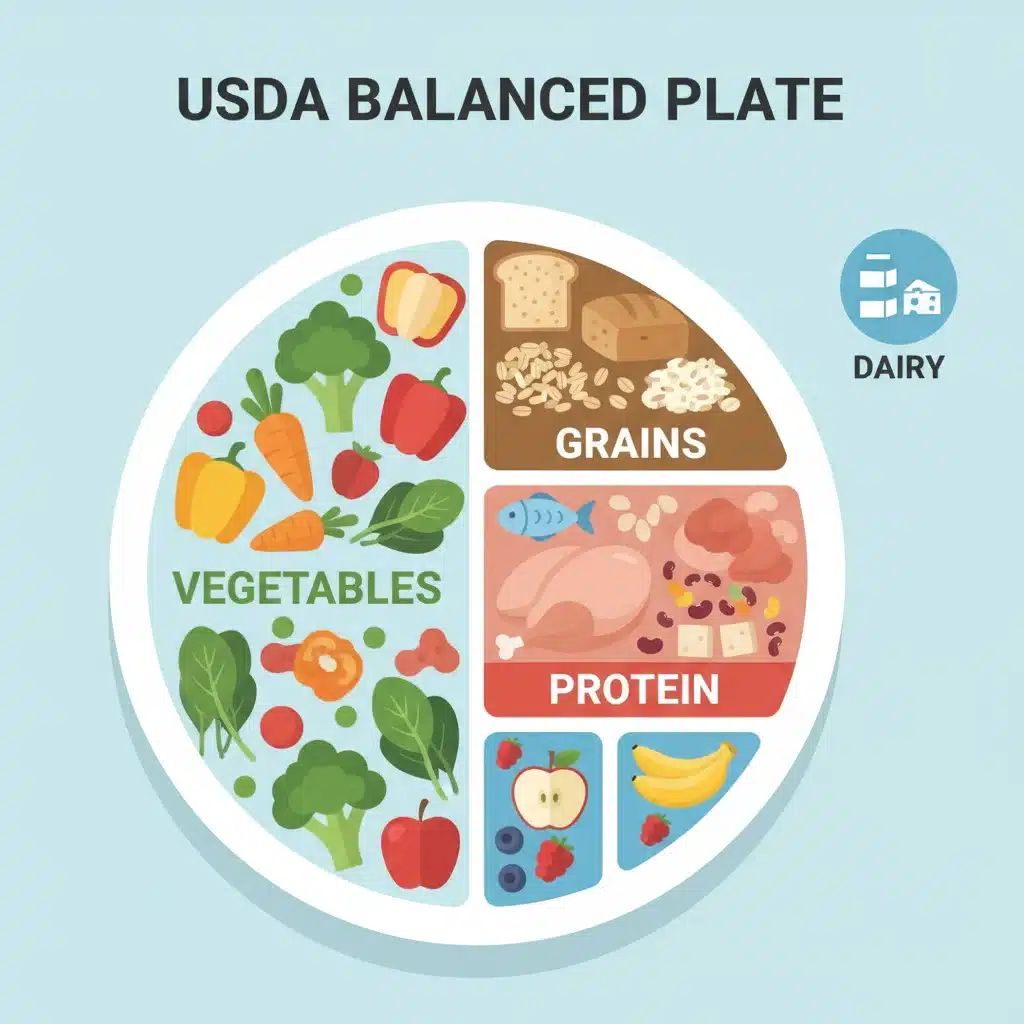
Aim for a diverse intake: dark leafy greens (spinach, kale), bright red and orange produce (carrots, sweet potatoes, tomatoes), blue and purple berries (blueberries, blackberries), and cruciferous vegetables (broccoli, cauliflower). Each category offers unique health benefits. The current guidelines recommend that half your plate consist of fruits and vegetables, and this recommendation is expected to remain central to the new USDA dietary guidelines.
Actionable Tips for Increasing Fruit and Vegetable Intake:
- Make Them Accessible: Keep a bowl of fresh fruit on the counter and pre-cut vegetables in the fridge for easy snacking.
- Incorporate Them into Every Meal: Add spinach to your morning eggs, berries to your oatmeal, extra vegetables to your stir-fries, and a side salad with dinner. Smoothies are also an excellent way to pack in multiple servings.
- Explore New Varieties: Don’t stick to the same few options. Visit farmers’ markets or the produce section of your grocery store to discover new fruits and vegetables. Experiment with different cooking methods to keep things interesting.
- Lead by Example: Children are more likely to eat fruits and vegetables if they see their parents enjoying them. Make it a family affair to try new produce items.
By actively seeking out and incorporating a wide array of colorful fruits and vegetables into your family’s daily meals, you are directly adhering to one of the most crucial recommendations of the USDA dietary guidelines, setting the stage for improved health and vitality.
3. Choose Lean Proteins and Healthy Fats Wisely
Protein and fats are essential macronutrients, playing vital roles in growth, repair, energy production, and hormone regulation. However, the type and source of these nutrients are critical. The 2026 USDA dietary guidelines will likely continue to advocate for lean protein sources and healthy fats, while advising moderation or reduction of saturated and trans fats.
Lean proteins include poultry (without skin), fish (especially fatty fish rich in omega-3s like salmon and mackerel), legumes (beans, lentils, chickpeas), tofu, tempeh, and low-fat dairy. These sources provide essential amino acids without excessive saturated fat. Plant-based proteins are also gaining increasing prominence due to their health benefits and lower environmental impact, a factor that might be subtly integrated into the broader narrative of the new USDA dietary guidelines.
When it comes to fats, the focus should be on unsaturated fats, found in avocados, nuts, seeds, olive oil, and fatty fish. These fats are beneficial for heart health and can help reduce inflammation. Saturated fats, primarily found in red meat, butter, and full-fat dairy, should be consumed in moderation, while trans fats (often found in processed baked goods and fried foods) should be avoided entirely due to their detrimental effects on cardiovascular health.
Strategies for Smart Protein and Fat Choices:
- Diversify Protein Sources: Don’t rely solely on red meat. Incorporate fish twice a week, and regularly include plant-based proteins like beans, lentils, and tofu in your meals.
- Trim Visible Fat: When preparing meats, trim off any visible fat to reduce saturated fat intake.
- Cook with Healthy Oils: Opt for olive oil, avocado oil, or canola oil for cooking and salad dressings.
- Snack on Nuts and Seeds: A handful of almonds, walnuts, or chia seeds can provide healthy fats, protein, and fiber, making for a nutritious snack.
- Read Labels for Fats: Pay attention to the fat content on food labels, particularly looking for saturated and trans fats.
By making deliberate choices about protein and fat sources, families can ensure they are getting the necessary nutrients while minimizing the intake of unhealthy components, aligning perfectly with the anticipated recommendations of the USDA dietary guidelines.
4. Opt for Whole Grains Over Refined Grains
Grains are a significant part of many diets, but the distinction between whole grains and refined grains is crucial for health. The 2026 USDA dietary guidelines will undoubtedly reinforce the importance of choosing whole grains, which retain all parts of the grain kernel – the bran, germ, and endosperm. This means they are rich in fiber, B vitamins, iron, magnesium, and other essential nutrients.
Refined grains, such as white bread, white rice, and most pasta, have had the bran and germ removed during processing. While this gives them a finer texture and longer shelf life, it also strips away most of their nutritional value. Consuming a diet high in refined grains can lead to rapid blood sugar spikes, lack of satiety, and contribute to weight gain and an increased risk of type 2 diabetes.
How to Make the Switch to Whole Grains:
- Check for the "Whole" Label: When buying bread, pasta, and cereals, look for the word "whole" as the first ingredient (e.g., "whole wheat flour," "whole oats").
- Experiment with Different Grains: Beyond whole wheat, explore other whole grains like quinoa, farro, barley, bulgur, and wild rice. Each offers a unique flavor and texture profile, making meals more interesting.
- Gradual Transition: If your family is accustomed to refined grains, make the switch gradually. Mix white rice with brown rice, or use half whole-wheat pasta and half regular pasta until everyone adjusts to the new taste and texture.
- Bake with Whole Grain Flours: Substitute a portion of all-purpose flour with whole wheat flour in your baking recipes.
Integrating more whole grains into your family’s diet is a straightforward yet impactful way to align with the forthcoming USDA dietary guidelines, boosting fiber intake and providing sustained energy.
5. Limit Added Sugars and Sodium
Excessive intake of added sugars and sodium is a major public health concern, contributing to obesity, type 2 diabetes, heart disease, and high blood pressure. The 2026 USDA dietary guidelines are expected to maintain or even strengthen recommendations to limit these components in the diet. Added sugars are sugars and syrups that are put into foods during processing or preparation, distinct from naturally occurring sugars in fruits and milk.
Sodium, while essential in small amounts, is often consumed in excess, primarily from processed and restaurant foods. High sodium intake is directly linked to high blood pressure, a leading risk factor for heart disease and stroke.
Strategies for Reducing Added Sugars and Sodium:
- Be Mindful of Beverages: Sugary drinks like sodas, fruit juices with added sugar, and sweetened teas are major sources of added sugar. Encourage water, unsweetened tea, or milk instead.
- Read Nutrition Labels Carefully: Pay close attention to the "Added Sugars" line on the nutrition facts panel. Also, look for sodium content, aiming for foods with lower percentages of the daily value.
- Cook from Scratch: As mentioned earlier, cooking at home gives you control. You can significantly reduce added sugars and sodium by using fresh ingredients and seasonings instead of relying on pre-packaged sauces, mixes, and processed foods.
- Reduce Processed Snacks: Many snacks like chips, crackers, and cookies are high in both added sugars and sodium. Opt for fresh fruits, vegetables, nuts, or homemade popcorn.
- Season with Herbs and Spices: Instead of relying on salt for flavor, explore a variety of herbs and spices to enhance your meals.
By actively working to limit added sugars and sodium, your family will be making substantial strides towards a healthier diet that fully supports the principles of the USDA dietary guidelines.
6. Emphasize Mindful Eating and Portion Control
Beyond what we eat, how we eat is equally important. Mindful eating and portion control are crucial aspects that are likely to be emphasized in the 2026 USDA dietary guidelines. Mindful eating involves paying full attention to your food – its taste, texture, aroma, and the physical sensations of hunger and fullness. It encourages slowing down, savoring each bite, and eating until satisfied, not stuffed.
Portion control is about consuming appropriate amounts of food to meet your energy needs without overeating. In an environment where super-sized portions are common, understanding and practicing portion control is vital for weight management and overall health. The MyPlate visual, a staple of the current USDA dietary guidelines, remains an excellent tool for visualizing appropriate food group proportions on your plate.
Tips for Practicing Mindful Eating and Portion Control:
- Eat Slowly and Savor: Put down your fork between bites, chew thoroughly, and take your time to enjoy the meal. This allows your body to register fullness signals more effectively.
- Listen to Your Body: Eat when you’re truly hungry and stop when you’re comfortably full. Distinguish between physical hunger and emotional eating.
- Use Smaller Plates: Opting for smaller dinner plates can visually make portions appear larger, helping with portion control.
- Avoid Distractions: Turn off the TV, put away your phone, and focus on your meal. Eating mindfully enhances enjoyment and helps prevent overeating.
- Portion Out Snacks: Instead of eating directly from a large bag or box, portion out snacks into smaller bowls or containers.
- Understand Serving Sizes: Familiarize yourself with standard serving sizes for different food groups. This doesn’t mean you need to meticulously measure everything, but having a general idea can be very helpful.
Incorporating mindful eating and portion control into your family’s routine will not only support healthy weight management but also foster a healthier relationship with food, aligning perfectly with the holistic approach of the USDA dietary guidelines.
7. Consider Sustainability in Food Choices
While historically the USDA dietary guidelines have focused primarily on individual health, there’s a growing recognition of the interconnectedness between diet, health, and environmental sustainability. While direct recommendations on sustainability might be cautiously worded, the underlying principles of the 2026 guidelines are likely to encourage choices that are beneficial for both personal health and the planet. This means favoring plant-forward diets, reducing food waste, and making informed choices about food sourcing.
Choosing more plant-based meals, for instance, not only aligns with recommendations for increased fruit, vegetable, and legume intake but also typically has a lower environmental footprint compared to diets high in red and processed meats. Supporting local and seasonal produce can reduce transportation emissions and often means fresher, more nutritious food. Reducing food waste, from careful meal planning to proper storage and creative use of leftovers, is another significant aspect of sustainable eating.
How to Integrate Sustainability into Your Family’s Diet:
- Increase Plant-Based Meals: Dedicate a few days a week to vegetarian or vegan meals. Explore delicious recipes centered around legumes, grains, and vegetables.
- Shop Locally and Seasonally: Visit farmers’ markets or subscribe to a CSA (Community Supported Agriculture) box to get fresh, seasonal produce.
- Reduce Food Waste: Plan your meals, make grocery lists, store food properly, and get creative with leftovers to minimize what goes into the trash.
- Choose Sustainable Seafood: When buying fish, look for certifications that indicate sustainable fishing practices.
- Understand Food Labels Beyond Nutrition: Some labels provide information about ethical sourcing or environmental impact.
By considering the broader impact of your food choices, your family can contribute to a more sustainable food system while simultaneously adhering to the health-focused objectives of the USDA dietary guidelines. This forward-thinking approach benefits not just your family, but the planet as well.
The Long-Term Impact of Adhering to USDA Dietary Guidelines
Implementing the 2026 USDA dietary guidelines is not a one-time event but an ongoing commitment to healthier living. The cumulative effect of consistently making informed food choices can lead to profound long-term benefits for your family’s health. These benefits extend far beyond weight management, encompassing improved energy levels, enhanced cognitive function, stronger immune systems, and a significantly reduced risk of chronic diseases such such as heart disease, type 2 diabetes, certain cancers, and osteoporosis.
Moreover, establishing healthy eating patterns early in life, guided by the USDA dietary guidelines, can instill lifelong habits in children. When children grow up in an environment where nutritious food is the norm, they are more likely to carry these habits into adulthood, breaking cycles of poor nutrition and fostering a healthier generation. Family meals, centered around these guidelines, also provide opportunities for connection, communication, and teaching valuable life skills related to cooking and food preparation.
Adopting these guidelines can also lead to a more adventurous palate, as families explore new foods, recipes, and culinary traditions. It encourages a deeper appreciation for where food comes from and the effort involved in bringing it to our tables. This holistic approach to food and nutrition, championed by the USDA dietary guidelines, transforms eating from a mere necessity into a source of health, joy, and family bonding.
Navigating Challenges and Staying Motivated
While the path to optimizing family meals according to the USDA dietary guidelines is clear, it’s not always easy. Challenges such as picky eaters, budget constraints, time limitations, and the pervasive influence of unhealthy food marketing can make adherence difficult. However, with perseverance and smart strategies, these obstacles can be overcome.
- Involve the Family: Get everyone, especially children, involved in meal planning, grocery shopping, and cooking. When they have a say, they are more likely to embrace the changes.
- Meal Prep: Dedicate a few hours on a weekend to prepare components of meals for the week. Chopping vegetables, cooking grains, or pre-marinating proteins can save significant time on busy weeknights.
- Budget-Friendly Nutrition: Healthy eating doesn’t have to be expensive. Focus on seasonal produce, legumes, and less expensive cuts of lean meat. Cooking at home is almost always cheaper than eating out.
- Educate and Empower: Explain to your family, in an age-appropriate manner, why these changes are important for their health. Understanding the ‘why’ can be a powerful motivator.
- Be Patient and Flexible: Dietary changes take time. There will be days when you deviate from the plan. Don’t get discouraged; simply get back on track with the next meal. Focus on progress, not perfection.
- Seek Support: Connect with other families who are also trying to eat healthier. Share recipes, tips, and encouragement.
The 2026 USDA dietary guidelines are designed to be a flexible framework, not a rigid rulebook. They offer guidance that can be adapted to various cultural preferences, dietary needs, and lifestyles. The ultimate goal is to foster sustainable, healthy eating habits that contribute to a higher quality of life for every member of your family.
Conclusion: A Healthier Future with the New USDA Dietary Guidelines
The upcoming 2026 USDA dietary guidelines present an invaluable opportunity for families across America to re-evaluate and revitalize their eating habits. By focusing on whole, unprocessed foods, embracing a diverse array of fruits and vegetables, making smart choices about proteins and fats, prioritizing whole grains, limiting added sugars and sodium, practicing mindful eating and portion control, and considering sustainability, you can systematically transform your family’s diet.
These seven practical steps are not just about following recommendations; they are about cultivating a lifestyle that promotes long-term health, prevents disease, and enhances overall well-being. The journey to a healthier plate, guided by the USDA dietary guidelines, is an investment in your family’s future – an investment that promises rich returns in vitality, happiness, and a deeper connection to the food that nourishes us. Start today, one step at a time, and watch as your family thrives on the path to optimal nutrition.