Healthy Sweet Treats: Decoding the Best Approaches for Guilt-Free Indulgence
Anúncios
Does the phrase “healthy dessert” make you think of sad, flavorless pucks of cardboard? You’re not alone. For too long, the pursuit of healthier eating has felt like a battle against our cravings, forcing a choice between indulgence and well-being. We’ve been taught to fear sugar, count every calorie, and view dessert as a guilty pleasure to be earned or avoided. But what if this entire framework is flawed? What if you could create genuinely decadent, satisfying sweet treats that nourish your body instead of just adding empty calories?
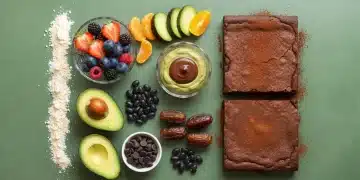
The shift begins with redefining what “healthy” means in the context of dessert. It’s not about deprivation or creating pale imitations of the real thing. Instead, it’s a creative culinary challenge focused on smart substitution and nutritional enhancement. This approach moves beyond the simplistic metric of calorie counting and embraces the concept of nutrient density. A brownie made with black beans and avocado, for example, offers fiber, protein, and healthy fats that a traditional flour-and-sugar version simply cannot match. It’s about what you add, not just what you take away.
Anúncios
This guide will equip you with the knowledge to make that shift. We’ll dive deep into the science of ingredient swaps, comparing natural sweeteners, innovative fat replacements, and the wide world of alternative flours. You’ll also learn baking techniques that maximize flavor while minimizing unhealthy components and discover how to use spices and extracts to create an illusion of sweetness. By the end, you’ll have a complete framework for developing your own personal philosophy for guilt-free indulgence, transforming dessert from an enemy into a delightful, nourishing ally.
Understanding ‘Healthy’ in Sweet Treats: A Foundational Look
The term “healthy dessert” often sounds like an oxymoron, a contradiction in terms. Many people equate it with flavorless, joyless concoctions that are a pale imitation of the real thing. The truth is much more nuanced. A healthy treat isn’t about deprivation; it’s about smart substitution and nutritional enhancement. It’s time to redefine the goal.
Anúncios
Beyond Calorie Count: What Makes a Dessert Wholesome?
For decades, the conversation around healthy eating has been dominated by one metric: calories. While calorie awareness has its place, focusing solely on it for desserts is like judging a book by its cover—you miss the entire story. A 100-calorie snack pack of cookies made with refined flour and high-fructose corn syrup offers different nutritional value than a 150-calorie bowl of Greek yogurt with berries and a drizzle of honey. What really makes a dessert wholesome?
The underrated factor here is nutrient density. This refers to the amount of beneficial nutrients, such as vitamins, minerals, fiber, and protein, packed into a food relative to its calorie content. A dessert built from whole foods provides functional benefits beyond simple energy. For instance, a recent analysis in the Journal of Nutrition and Metabolism revealed that desserts made with avocados or black beans can contain over 7 grams of fiber per serving, which aids digestion and promotes satiety, something a standard brownie simply can’t claim.
It’s about what you add, not just what you subtract.
The Role of Natural vs. Processed Ingredients
Choosing ingredients is like building a house; you can use solid, sturdy materials or cheap, flimsy substitutes. Natural, unprocessed ingredients like fruits, nuts, seeds, and whole grains are the solid wood of the dessert world. They bring their own package of fiber, healthy fats, and micronutrients. In contrast, highly processed ingredients—think white flour, refined sugars, and artificial additives—are the particleboard. They might look the part, but they lack structural integrity (and nutritional substance).
This is where many well-intentioned efforts go wrong, falling into some of the common pitfalls in healthy eating. Swapping sugar for a chemical-based sweetener might reduce calories, but it doesn’t add any nutritional value. The goal should be to use sweeteners that offer more, such as the minerals in maple syrup or the fiber in date paste. For anyone just starting out, our beginner’s guide to crafting delightful healthy treats breaks down these ingredient swaps in simple terms.
Ultimately, assessing a “healthy” dessert requires a shift in perspective. Instead of asking “How many calories can I save?”, a better question is “What nourishment can this treat provide?”. This change in mindset is the first step toward guilt-free indulgence.
Ingredient Swaps: Comparing Common Replacements for Sugar and Fat
Swapping ingredients in your favorite dessert recipes isn’t just about cutting calories; it’s a complete reimagining of the treat’s nutritional profile and even its flavor. Think of it less like a sacrifice and more like a creative challenge. The goal is to find substitutes that work with your recipe, not against it, maintaining the indulgence you crave while boosting the health benefits. This is where understanding the science of baking comes in handy.
Many people get tripped up by simply trading one ingredient for another in a 1:1 ratio. What most people miss is that each component plays multiple roles. Sugar, for example, provides not only sweetness but also moisture, browning, and structure. Making a smart swap means knowing what you’re losing and how to compensate for it elsewhere. It’s a balancing act.
Sweetener Showdown: Natural vs. Artificial vs. Low-Glycemic
The world of sugar alternatives is vast and often confusing. They generally fall into three main categories, each with its own set of trade-offs. Choosing the right one depends heavily on your health goals and the specific dessert you’re making.
Natural sweeteners like maple syrup, honey, and agave nectar are often seen as healthier because they are less processed and contain trace minerals. They still contain significant calories and sugar, and will impact blood sugar levels. They work well in recipes where their distinct flavors—caramel notes from maple or floral hints from honey—can shine.
- Pros: Less processed, contain trace nutrients, add complex flavor.
- Cons: High in calories and fructose, can have a strong taste, not suitable for diabetics in large amounts.
Low-glycemic options, such as stevia and monk fruit extract, provide intense sweetness with virtually no calories or impact on blood sugar. A study in the Journal of Nutrition and Metabolism found that monk fruit extract had a glycemic index of zero. This makes them excellent for diabetic-friendly baking. The challenge? They can have a slightly bitter or “cool” aftertaste and lack the browning and bulking properties of real sugar.
- Pros: Zero calories, no effect on blood sugar, highly concentrated.
- Cons: Can have an aftertaste, don’t provide bulk or moisture like sugar, can be expensive.
Reimagining Fats: From Avocado to Applesauce
Fat is necessary for creating tender, moist baked goods, but traditional sources like butter and oil are high in saturated fat and calories. Luckily, several fruit and vegetable purees can step in, offering moisture and structure with a fraction of the fat and a boost of fiber and nutrients. This is a key strategy covered in our guide to health-conscious dessert innovations.
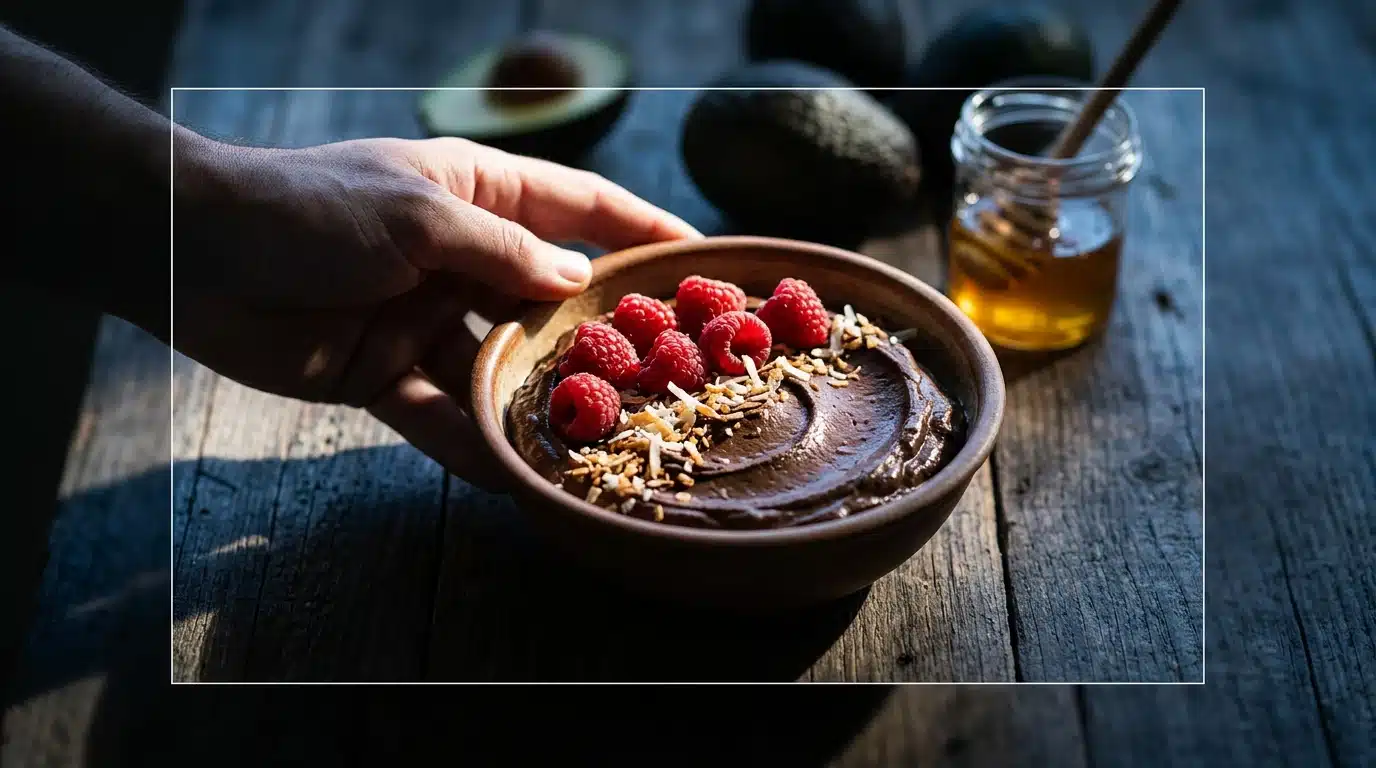
Unsweetened applesauce is a classic substitute, capable of replacing oil or butter in a 1:1 ratio in many cakes and muffins. Mashed avocado, rich in healthy monounsaturated fats, can provide a creamy, rich texture to brownies and chocolate puddings—and you won’t taste the avocado, I promise. Greek yogurt is another fantastic option that adds protein and a slight tang, perfect for balancing overly sweet recipes.
Flour Power: Whole Grains, Nut Flours, and Gluten-Free Blends
Refined all-purpose flour has been the standard for centuries, but it’s stripped of most of its fiber and nutrients. Exploring alternative flours opens up a new world of textures and flavors while significantly increasing the nutritional value of your treats. This is one of the foundational steps we discuss in our beginner’s guide to crafting healthy sweets.
Whole wheat flour is the most straightforward swap, but using 100% whole wheat can result in a dense, heavy product. A good starting point is to replace 30-50% of the all-purpose flour. Nut flours like almond and coconut flour are popular low-carb, gluten-free options. They are high in protein and healthy fats but absorb much more liquid than wheat flour, so recipes need careful adjustment.
Texture and Taste Impact of Different Flours
Choosing the right flour is like picking the right tool for a job; the results will vary dramatically. Almond flour, for instance, creates a tender, moist, and cake-like crumb, making it ideal for macarons and delicate cakes. Coconut flour is incredibly absorbent and can lead to a drier texture if not paired with enough eggs and liquid, but it imparts a subtle sweetness. Oat flour—which you can make at home by simply blending rolled oats—gives a chewy, hearty texture perfect for cookies and rustic breads. Understanding these properties is key to avoiding some of the common pitfalls in healthy eating.
The key is experimentation. Start by substituting a small portion of the flour and see how it affects the final product, adjusting as you go. There’s no single “best” flour, only the best one for the specific texture and flavor you’re trying to achieve.
True indulgence isn’t about excess; it’s about satisfaction. A dessert made with whole, nourishing ingredients satisfies on a deeper level, silencing cravings rather than just temporarily appeasing them.
— Dr. Anya Sharma, Clinical Nutritionist
| Instead of This… | Try This… | Why It Works |
|---|---|---|
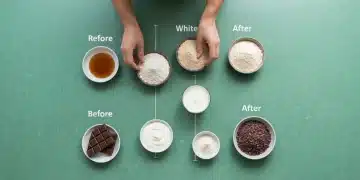
| Refined White Sugar | Date Paste, Maple Syrup, or Monk Fruit Sweetener | Adds fiber and minerals (dates/maple) or provides sweetness with zero calories and no blood sugar impact (monk fruit). |
| Butter or Vegetable Oil | Avocado, Unsweetened Applesauce, or Greek Yogurt | Reduces saturated fat while adding healthy fats (avocado), fiber (applesauce), or protein (yogurt) and maintaining moisture. |
| All-Purpose White Flour | Oat Flour, Almond Flour, or Whole Wheat Flour (50/50 blend) | Increases fiber, protein, and nutrients. Each offers a different texture, from chewy (oat) to moist and dense (almond). |
Baking Techniques for Healthier Outcomes: Beyond the Recipe
While swapping ingredients is a great start, the cooking method you choose can be just as impactful. Traditional baking often relies on fats to create moisture and prevent drying, but exploring different techniques reveals healthier paths. For instance, steaming cakes or puddings—a popular method in many Asian cuisines—introduces moisture without a single drop of extra oil, resulting in a surprisingly tender crumb. It’s a simple change with a big effect.
Another powerful tool is the air fryer. Far beyond just fries, an air fryer circulates hot air to “bake” items like cookies or apple crisps with significantly less fat. In fact, a study from the Journal of Food Science found air frying can reduce the fat content in certain foods by up to 73% compared to deep frying, and a similar principle applies to reducing oil in baked goods. These cooking methods are some of the most exciting sweet innovations in healthy desserts currently.
Ultimately, technique is about working smarter, not harder.
Even the healthiest treat can become a problem without portion control. Think of it like a budget; you have a certain allowance for indulgences. Using smaller ramekins, mini muffin tins, or simply cutting brownies into 16 pieces instead of 9 can make a huge psychological difference. This mindful approach helps avoid one of the most common pitfalls in healthy eating. The goal isn’t deprivation, but rather a sustainable way to enjoy the sweets you love.
Flavor Enhancement Without Excess: Innovative Approaches
Reducing sugar and fat doesn’t have to mean sacrificing flavor. The secret is learning to amplify taste through other, more nuanced ingredients. It’s a shift in thinking from brute-force sweetness to a more clever, aromatic approach. Many home cooks make common mistakes in healthy eating by simply removing sugar, which leaves a flavor void. The real art lies in what you add back in.
This is where your spice rack and fruit bowl become your greatest allies. By using potent, natural enhancers, you can create desserts that are deeply satisfying without relying on empty calories. You can build layers of flavor that sugar alone could never achieve.
The Power of Spices: Cinnamon, Nutmeg, and Beyond
Spices are masters of sensory deception. Certain aromatic compounds can trick our brains into perceiving more sweetness than is actually present. A study from the Monell Chemical Senses Center found that the scent of vanilla alone can increase the perceived sweetness of a food by nearly 10%. Cinnamon is another champion, known for its ability to mimic sweetness and add warmth to baked goods, oatmeal, and yogurt.
Think beyond the obvious pairings. While apple and cinnamon are classic, why not try cardamom with pears or a hint of star anise in a berry compote? A pinch of cayenne pepper or chili powder can add a surprising and delightful kick to chocolate desserts, creating a complex flavor profile that keeps you coming back for more. It’s a bit like adding a pinch of salt to caramel—it doesn’t make it salty, it just makes it taste more like itself.
This is the essence of transforming everyday ingredients into something special.
Extracts and Zests: A Little Goes a Long Way
If spices are the supporting cast, extracts and zests are the lead soloists. These ingredients are incredibly concentrated, meaning you get a massive flavor payoff from a tiny amount. A mere half-teaspoon of pure vanilla extract can provide the aromatic backbone for an entire batch of cookies, while a few drops of almond or peppermint extract can completely define a dessert’s character.
Citrus zests are particularly underrated. The peel of lemons, limes, and oranges contains potent oils that deliver bright, sharp flavor without the acidity or liquid volume of the juice. What most people miss is that the zest provides a more floral and aromatic note than the juice itself. Use a microplane to grate just the colored part of the peel—avoiding the bitter white pith—and add it to batters, frostings, or fruit salads for an instant lift. These techniques are part of a growing trend in health-conscious desserts that prioritize genuine flavor.
Here is a quick checklist of flavor boosters to keep on hand:
- Spices: Cinnamon, nutmeg, cardamom, ginger, cloves, allspice, chili powder
- Extracts: Pure vanilla, almond, peppermint, lemon, maple
- Zests: Lemon, lime, orange, grapefruit
- Fruit Purees: Unsweetened applesauce, mashed banana, pumpkin puree (they also add moisture!)
- Other: Freshly brewed coffee or espresso powder, toasted nuts and seeds, unsweetened cocoa powder
Mastering these ingredients allows you to build a flavor profile that is not just sweet, but complex and memorable, pushing the boundaries of what a healthy treat can be.
Crafting Your Healthy Sweet Treat Philosophy: A Step-by-Step Guide
Moving beyond individual recipes and into a sustainable mindset is where real change happens. Developing a personal philosophy for sweet treats isn’t about creating rigid, unbreakable rules; it’s about building a flexible framework that works for your body, your goals, and your life. Think of it like tailoring a suit. An off-the-rack approach might fit okay, but a custom-fit philosophy feels like it was made just for you, because it was.
Step 1: Assess Your Personal Health Goals and Dietary Needs
Before you even touch a bag of almond flour, you need to define your “why.” Are you trying to manage blood sugar levels, reduce your intake of processed ingredients, lose weight, or accommodate a specific food sensitivity like a gluten or dairy intolerance? Your answer will guide every decision you make. Being honest about your motivations helps you sidestep the common issues that derail good intentions, much like the ones found when preparing quick meals; a clear goal is your best defense against unmasking common pitfalls in healthy eating.
Get specific. This isn’t just a vague wish to “eat healthier.” Write down your objectives. A study from the Journal of the Academy of Nutrition and Dietetics found that individuals with clearly defined, personalized nutrition plans had an adherence rate nearly 40% higher than those following generic advice. Your sweet treat strategy deserves that same level of personalization.
Step 2: Master Key Ingredient Swaps for Your Favorite Recipes
Once your goals are clear, the real fun begins: heading into the kitchen. The most practical way to start is by adapting recipes you already love. This isn’t about reinventing the wheel, but rather giving it a healthier set of tires. The underrated factor here is that a few key swaps can dramatically alter the nutritional profile of a dessert without sacrificing its soul. Some swaps are surprisingly effective.
Start with a few proven substitutions:
- For Fat: Replace up to half the oil or butter in a recipe with unsweetened applesauce, mashed banana, or Greek yogurt. For example, if a recipe calls for 1 cup of oil, try using ½ cup of oil and ½ cup of applesauce.
- For Sugar: Reduce the total sugar by about a quarter to start—you might not even notice. For further reductions, you can substitute some of the white sugar with date paste, maple syrup, or honey, but remember these are still sugars and will affect moisture content.
- For Flour: Experiment by replacing 25-50% of all-purpose flour with whole wheat pastry flour, oat flour, or almond flour to add fiber and nutrients. (And trust me, some of my early flour-swapping experiments in baking were… educational, to say the least.)
This is a process of trial and error, so don’t be discouraged if your first batch of black bean brownies isn’t perfect.
Step 3: Experiment with Flavor Layering and Natural Sweetness
A satisfying dessert offers more than just a blast of sugar. To compensate for reduced sweetness, you need to amplify other flavors. This is where you become a flavor architect. Instead of just tasting “sweet,” can your dessert also taste warm, spicy, tangy, or rich? Using high-quality vanilla, a pinch of sea salt, or the zest of a lemon can make a dessert taste more complex and, paradoxically, sweeter to our brains.
This is a fantastic area for creativity and is central to many sweet innovations in health-conscious desserts.
Recording Your Successes and Adjustments
Keep a small notebook or a digital document to track your experiments. Note the original recipe, the swaps you made, the final texture, and the taste. This log becomes your personal dessert database, helping you replicate successes and avoid repeating failures. What most people miss is that this simple record-keeping habit is what separates random kitchen chaos from methodical, successful recipe development.
Step 4: Practice Mindful Enjoyment and Portion Control
What you create in the kitchen is only half the equation; how you eat it is the other. A foundational concept for anyone starting out is the practice of mindful eating, a core idea in our beginner’s guide to crafting delightful healthy treats. This means removing distractions and focusing entirely on the experience of eating. Put your phone away, turn off the TV, and sit down with your dessert.
Notice the aroma, the texture, and the layers of flavor you worked so hard to create. Eat slowly. How often do we finish a treat while scrolling through emails, only to realize we barely tasted it? A smaller portion of a thoughtfully made, intensely flavorful dessert can provide far more satisfaction than a huge slice of a bland, sugary cake. The goal is no longer just to indulge, but to enjoy and appreciate that indulgence in a way that aligns with your health.
Common Pitfalls in Healthy Dessert Making and How to Avoid Them
Venturing into healthy baking often leads to a classic, frustrating outcome: a dessert that’s dry, crumbly, and bland. The number one culprit is usually a misunderstanding of how alternative ingredients work. Simply swapping whole-wheat flour for all-purpose flour without adjusting moisture is like trying to build a sandcastle with bone-dry sand; it’s destined to fall apart. To counteract this, increase liquid ingredients or add moisture-rich elements like unsweetened applesauce or mashed bananas. Many of these are common pitfalls in healthy eating that extend beyond just desserts.
Flavor is the next hurdle.
When you reduce sugar, you also reduce a key component of taste and texture. What most people miss is that you must compensate with other flavor-enhancers. A report from the Culinary Institute of America found that desserts with 30% less sugar were rated just as highly when aromatic spices like cinnamon, cardamom, or pure vanilla extract were increased. Don’t be afraid to add an extra teaspoon of vanilla or the zest of an entire lemon. For more foundational tips, our beginner’s guide to crafting delightful healthy treats is an excellent starting point.
Ultimately, avoiding these mistakes requires a shift in mindset from simple substitution to thoughtful reformulation. See each recipe not as a rigid set of rules, but as a starting point for experimentation. The world of health-conscious dessert innovations is constantly growing, rewarding those who are willing to test and taste.
Your Kitchen, Your Laboratory
Moving forward, the goal is not to perfectly replicate a single “healthy” recipe but to internalize the principles of substitution and flavor enhancement. Your kitchen is now a laboratory for delicious experiments. See a recipe you love? Don’t dismiss it as off-limits. Instead, view it as a template ripe for innovation. Could you swap half the butter for Greek yogurt? Could a dash of cardamom elevate the fruit? This curious, creative mindset is the key to a sustainable and joyful relationship with food.
The ultimate healthy dessert isn’t a specific cake or cookie found in a book; it’s the confidence you build to create your own. It’s the freedom to satisfy a craving with something that feels both indulgent and genuinely good for you. So, what’s the first ingredient you’ll reimagine?
Frequently Asked Questions
Are all sugar substitutes equally healthy for baking?
No, they vary significantly. Natural sweeteners like maple syrup contain trace minerals but are still high in sugar. Low-glycemic options like stevia or monk fruit have no calories or blood sugar impact but can have an aftertaste and don’t provide the bulk needed for some recipes. The best choice depends on your health goals and the specific dessert you’re making.
How can I make my healthy desserts taste less ‘healthy’?
The secret is to amplify flavor using other ingredients. Use potent spices like cinnamon and cardamom, high-quality vanilla extract, and the zest of citrus fruits to create aromatic depth. Toasted nuts and a pinch of salt can also enhance flavors, making the reduction in sugar and fat far less noticeable.
What are the best flours for gluten-free and healthy baking?
There isn’t one single ‘best’ flour, as each provides a different texture. Almond flour creates a moist, tender crumb perfect for cakes. Oat flour gives a chewier, heartier texture ideal for cookies. Coconut flour is highly absorbent and works well in fudgy recipes but often requires extra liquid. Using a blend of a few different flours often yields the best results.
Can I really make decadent desserts that are genuinely healthy?
Absolutely. Decadence comes from richness and texture, which can be achieved with nutrient-dense whole foods. For instance, using avocado or silken tofu in a chocolate mousse creates incredible creaminess. Black beans or sweet potatoes can make brownies exceptionally fudgy and moist while adding fiber and vitamins.
How do I store healthy sweet treats to maintain freshness and texture?
Because they often contain less sugar (a natural preservative) and more moisture from fruit or vegetable purees, healthy treats can spoil faster. Store them in an airtight container in the refrigerator for up to 3-4 days. For longer storage, most baked goods freeze well in individual portions, though their texture may be slightly softer upon thawing.