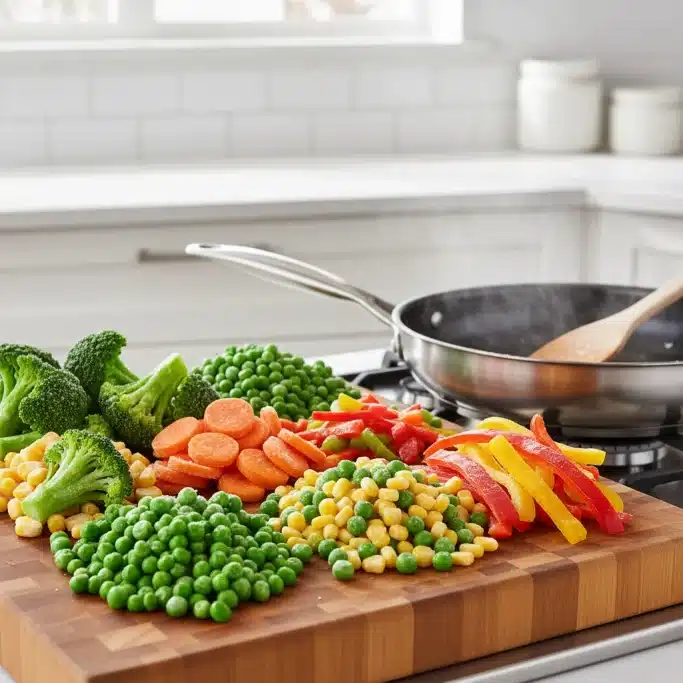
In the whirlwind of modern life, finding time to prepare nutritious and delicious meals can often feel like an insurmountable challenge. The allure of quick takeout or pre-packaged dinners is strong, but often comes at the expense of health and flavor. What if we told you there’s a simple, affordable, and incredibly versatile solution hiding in plain sight in your freezer? Enter the humble, yet mighty, frozen vegetable. Far from being a mere convenience item, frozen vegetable meals are a true culinary power-up, capable of transforming your weeknight dinners into 30-minute culinary delights without compromising on taste, nutrition, or your precious time.
Anúncios
This comprehensive guide will delve deep into the world of frozen vegetables, dispelling myths, uncovering their incredible benefits, and providing you with a treasure trove of recipes and tips to seamlessly integrate them into your cooking routine. Get ready to revolutionize your approach to healthy eating and discover how these icy gems can become your secret weapon for delicious, stress-free meals.
Anúncios
The concept of frozen vegetable meals often conjures images of bland, watery side dishes. However, this perception couldn’t be further from the truth. Modern freezing techniques lock in nutrients and flavor at their peak, often surpassing the nutritional value of ‘fresh’ produce that has traveled long distances and sat on grocery store shelves for days. The convenience factor is undeniable: no washing, no chopping, minimal waste, and always ready when you are. This makes them an invaluable asset for anyone looking to eat healthier, faster, and more economically.
We understand the skepticism. You might be thinking, ‘Can frozen vegetables truly deliver on flavor and texture?’ The answer is a resounding yes! With the right techniques and a little creativity, these frozen power-ups can be the star of your plate, offering vibrant colors, satisfying textures, and a nutritional punch that will leave you feeling energized and nourished. Our goal is to equip you with the knowledge and inspiration to embrace frozen vegetables not just as a backup, but as a primary ingredient in your culinary arsenal.
The Unsung Heroes: Why Frozen Vegetables Deserve a Spot in Your Kitchen
Before we dive into recipes, let’s explore why frozen vegetables are truly unsung heroes in the kitchen, especially when it comes to crafting quick and healthy frozen vegetable meals.
Nutritional Powerhouses
Many people believe that fresh produce is always superior nutritionally. While fresh-from-the-garden produce is indeed excellent, the reality for most consumers is that ‘fresh’ produce has often been harvested days or even weeks before it reaches their plate. During this time, nutrient degradation can occur. Frozen vegetables, on the other hand, are typically picked at their peak ripeness and flash-frozen within hours. This rapid freezing process halts enzymatic activity, effectively locking in vitamins, minerals, and antioxidants. Studies have shown that in many cases, frozen vegetables retain comparable, and sometimes even higher, levels of certain nutrients than their fresh counterparts.
Unbeatable Convenience and Reduced Waste
Time is a precious commodity. The pre-washed, pre-chopped nature of frozen vegetables saves significant prep time, making healthy eating more accessible on busy weeknights. No more peeling, dicing, or blanching – simply open the bag and add to your dish. Furthermore, frozen vegetables drastically reduce food waste. You only use what you need, and the rest stays perfectly preserved in the freezer, eliminating the pressure to use up perishable fresh produce before it spoils. This not only saves money but also contributes to a more sustainable kitchen.
Cost-Effectiveness Year-Round
Fresh produce can be expensive, especially out of season. Frozen vegetables offer a consistent and often more affordable price point throughout the year, allowing you to enjoy a wide variety of vegetables regardless of seasonality. This makes healthy eating more budget-friendly and helps you maintain a diverse and nutrient-rich diet without breaking the bank. Think of the savings when you can buy a large bag of frozen broccoli for the price of a small fresh head that might go bad before you use it all.
Versatility Beyond Belief
From stir-fries and soups to casseroles and smoothies, the versatility of frozen vegetables is astounding. They can be steamed, sautéed, roasted, boiled, or even microwaved, adapting to almost any cooking method and cuisine. This adaptability is key to creating diverse and exciting frozen vegetable meals that never get boring.
Mastering the Art of Cooking with Frozen Vegetables
To truly unlock the potential of frozen vegetable meals, it’s important to understand a few key cooking principles. Forget the soggy, bland reputation; with these tips, you’ll achieve perfectly cooked, flavorful results every time.
Don’t Thaw (Usually!)
For most cooking applications, especially sautéing, stir-frying, or roasting, it’s best to add frozen vegetables directly to the pan without thawing. Thawing can lead to excess moisture, which can make vegetables soggy and prevent proper browning. The exception might be if you’re adding them to a cold dish like a smoothie, or if a recipe specifically calls for thawed vegetables.
High Heat is Your Friend
When sautéing or roasting, use a higher heat than you might with fresh vegetables. This helps to evaporate the surface moisture quickly and allows the vegetables to brown and caramelize, developing deeper flavors and better texture. Don’t overcrowd the pan; cook in batches if necessary to ensure even cooking and prevent steaming.
Season Generously
Frozen vegetables, like their fresh counterparts, benefit immensely from proper seasoning. Salt, pepper, garlic powder, onion powder, herbs (fresh or dried), and spices can elevate their flavor profile. A splash of lemon juice or a drizzle of balsamic glaze at the end can also add a bright, fresh finish.
Consider the Type of Vegetable
Different frozen vegetables behave differently. For example, denser vegetables like broccoli, cauliflower, or carrots benefit from roasting or sautéing for a firmer texture. Leafy greens like spinach or kale thaw and cook down very quickly, making them ideal for adding to sauces, soups, or scrambles at the very end of cooking. Always refer to package instructions for specific cooking times, but don’t be afraid to experiment!
30-Minute Culinary Delights: Recipe Ideas for Frozen Vegetable Meals
Now for the fun part! Here are some inspiring ideas and recipes to create delicious, quick, and healthy frozen vegetable meals in under 30 minutes.
1. Speedy Sheet Pan Power Bowl
This is the ultimate weeknight warrior. Combine protein and vegetables on one pan for minimal cleanup and maximum flavor.
- Ingredients: 1 bag (12-16 oz) mixed frozen vegetables (e.g., broccoli, bell peppers, onions), 1 lb chicken breast or tofu (cubed), 2 tbsp olive oil, 1 tsp smoked paprika, 1/2 tsp garlic powder, salt and pepper to taste. Optional: cooked quinoa or brown rice for serving.
- Instructions: Preheat oven to 400°F (200°C). Toss frozen vegetables and cubed protein with olive oil and seasonings on a large baking sheet. Spread in a single layer. Roast for 20-25 minutes, flipping halfway, until chicken is cooked through and vegetables are tender-crisp and slightly caramelized. Serve over cooked grains.
2. Quick & Easy Veggie-Loaded Pasta
Pasta is a classic for quick meals, and frozen vegetables make it even faster and more nutritious.
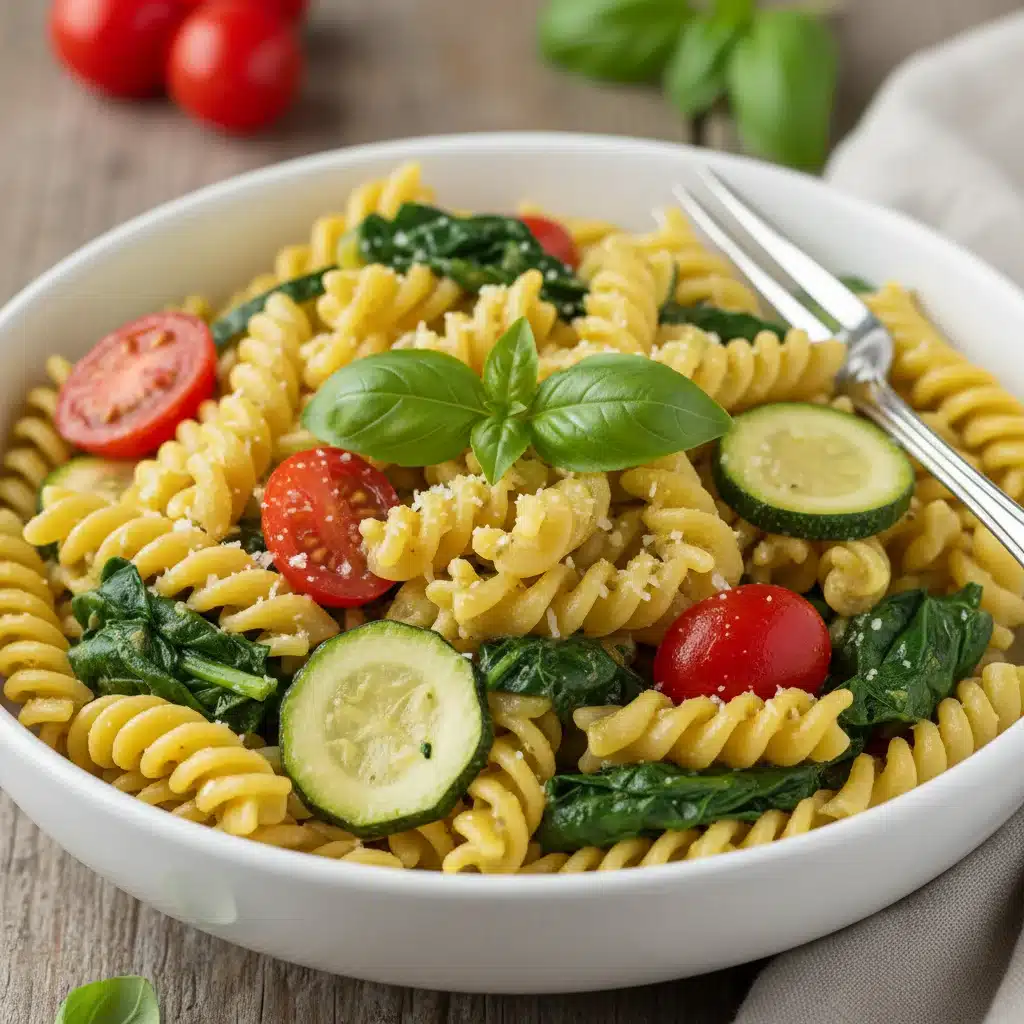
- Ingredients: 8 oz pasta of choice, 1 tbsp olive oil, 2 cloves garlic (minced), 1 bag (10-12 oz) frozen mixed Italian vegetables (zucchini, bell peppers, onions), 1 can (14.5 oz) diced tomatoes (undrained), 1/2 cup vegetable broth, 1/4 cup grated Parmesan cheese, fresh basil for garnish.
- Instructions: Cook pasta according to package directions. While pasta cooks, heat olive oil in a large skillet over medium heat. Add garlic and cook for 1 minute until fragrant. Add frozen vegetables and sauté for 5-7 minutes until slightly tender. Stir in diced tomatoes and vegetable broth. Bring to a simmer and cook for 5-7 minutes, allowing flavors to meld. Drain pasta and add directly to the skillet with the sauce. Toss to combine. Stir in Parmesan cheese. Garnish with fresh basil and serve immediately.
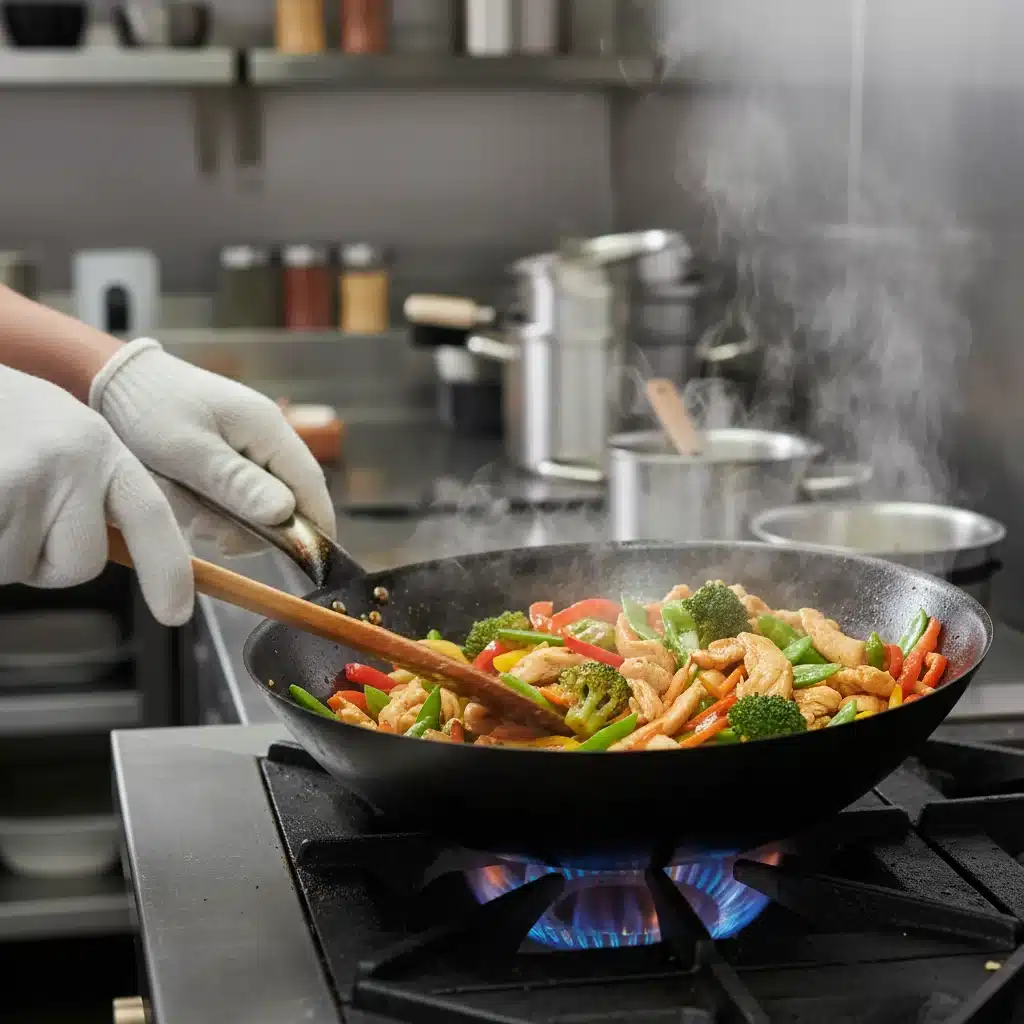
3. Lightning-Fast Stir-Fry
The quintessential speedy meal, perfected with frozen vegetables.
- Ingredients: 1 tbsp sesame oil, 1 lb protein of choice (chicken, beef, shrimp, or firm tofu, sliced), 1 bag (16 oz) frozen stir-fry vegetable mix (broccoli, carrots, snap peas, water chestnuts), 1/4 cup stir-fry sauce (store-bought or homemade: soy sauce, ginger, garlic, honey/maple syrup, cornstarch). Optional: cooked rice or noodles for serving.
- Instructions: Heat sesame oil in a large wok or skillet over high heat. Add protein and stir-fry for 3-5 minutes until cooked through (if using chicken/beef) or browned (if using tofu). Remove protein from the pan and set aside. Add frozen stir-fry vegetables to the hot wok. Stir-fry for 5-7 minutes until tender-crisp. Return protein to the pan. Pour in stir-fry sauce and toss everything to coat. Cook for 1-2 minutes until sauce thickens. Serve immediately over rice or noodles.
4. Creamy & Comforting Veggie Soup
Whip up a hearty, healthy soup in minutes using frozen vegetables as your base.
- Ingredients: 1 tbsp olive oil, 1 small onion (chopped, or 1/2 cup frozen chopped onion), 2 cloves garlic (minced), 4 cups vegetable broth, 1 bag (16 oz) frozen mixed vegetables (e.g., peas, carrots, corn, green beans), 1/2 cup milk or cream (dairy or non-dairy), salt and pepper to taste. Optional: fresh parsley for garnish.
- Instructions: Heat olive oil in a large pot over medium heat. Add onion and cook until softened (if using fresh) or heated through (if using frozen). Add garlic and cook for 1 minute. Pour in vegetable broth and bring to a simmer. Add frozen mixed vegetables. Cook for 8-10 minutes, or until vegetables are tender. Stir in milk or cream and heat through, but do not boil. Season with salt and pepper. Garnish with fresh parsley if desired.
5. Power-Packed Breakfast Scramble or Frittata
Don’t limit frozen vegetables to dinner! They’re excellent for breakfast too.
- Ingredients: 2 tsp olive oil, 1 cup frozen chopped spinach or mixed bell peppers, 3 large eggs (beaten), 1/4 cup shredded cheese (optional), salt and pepper to taste.
- Instructions: Heat olive oil in a non-stick skillet over medium heat. Add frozen vegetables and cook for 3-5 minutes, stirring occasionally, until heated through and any excess moisture has evaporated. Pour in beaten eggs. Cook, stirring gently, until eggs are nearly set. If using, sprinkle with cheese and cover for 1-2 minutes until cheese is melted and eggs are fully cooked. Season and serve. For a frittata, cook vegetables, then pour eggs over, add cheese, and transfer to a preheated oven at 375°F (190°C) for 10-15 minutes until set.
Beyond the Basics: Advanced Tips for Frozen Vegetable Mastery
Once you’ve mastered the basics, you can elevate your frozen vegetable meals even further with these advanced tips.
Roasting for Optimal Flavor and Texture
Roasting is arguably one of the best ways to cook frozen vegetables. The high, dry heat helps to evaporate moisture, preventing sogginess, and encourages caramelization, which brings out their natural sweetness and creates a delicious, slightly crispy exterior. Toss frozen broccoli, cauliflower, Brussels sprouts, or even corn with a little olive oil, salt, pepper, and your favorite spices (like smoked paprika, cumin, or Italian seasoning) and roast at 400-425°F (200-220°C) for 15-25 minutes, flipping halfway. The results are incredibly flavorful and far superior to steaming.
Blending into Sauces and Smoothies
Frozen vegetables are fantastic for adding nutrients stealthily. Blend frozen spinach, cauliflower florets, or zucchini into pasta sauces, soups, or even smoothies. Frozen cauliflower, for instance, adds creaminess and a nutritional boost to smoothies without altering the flavor significantly. Frozen spinach disappears into almost any savory sauce, making it an easy way to get extra greens into your diet without even noticing.
Creative Flavor Pairings
Don’t be afraid to experiment with different flavor profiles. Mediterranean seasoning blends work wonderfully with frozen bell peppers and zucchini. Asian-inspired sauces pair perfectly with mixed stir-fry vegetables. Indian spices can transform frozen peas and carrots into a delicious side dish. A little creativity can turn simple frozen vegetables into a global culinary adventure.
Meal Prepping with Frozen Vegetables
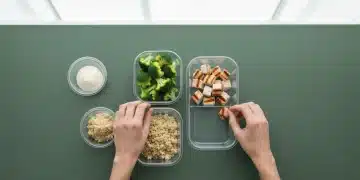
Frozen vegetables are a meal prepper’s dream. You can easily portion them into individual meal prep containers with your chosen protein and grain. When it’s time to eat, simply reheat for a quick and balanced meal. They also hold up incredibly well in freezer-friendly casseroles or baked dishes, allowing you to prepare meals far in advance.
Common Myths About Frozen Vegetables Debunked
Let’s tackle some of the persistent myths that might be preventing you from fully embracing frozen vegetable meals.
Myth 1: Frozen Vegetables are Less Nutritious
As discussed, this is largely untrue. Flash-freezing preserves nutrients, and often, frozen vegetables can be more nutrient-dense than ‘fresh’ produce that has spent days in transit and on shelves. The key is to choose plain frozen vegetables without added sauces or seasonings, which can sometimes contain excess sodium or unhealthy fats.
Myth 2: They Always End Up Soggy
Sogginess is usually a result of improper cooking. Overcooking, overcrowding the pan, or steaming them for too long are common culprits. By using high heat, not thawing (for most applications), and cooking them just until tender-crisp, you can achieve excellent texture.
Myth 3: They Taste Bland
Any vegetable can taste bland if not seasoned properly! Frozen vegetables are a blank canvas for flavor. Use herbs, spices, garlic, onion, citrus, and good quality oils to bring them to life. Roasting, in particular, enhances their natural sweetness and creates a more complex flavor.
Myth 4: They’re Only Good as a Side Dish
Absolutely not! As our recipe ideas demonstrate, frozen vegetables can be the star of the show. They can form the base of hearty soups, be mixed into pasta dishes, form part of a main course stir-fry, or even be incorporated into baked goods (like zucchini bread with frozen zucchini). Their versatility knows no bounds.
Choosing the Best Frozen Vegetables for Your Culinary Adventures
While almost any vegetable can be frozen, some are particularly well-suited for creating exceptional frozen vegetable meals. Here’s a quick guide to some top picks and how to use them:
- Broccoli & Cauliflower Florets: Excellent for roasting, stir-fries, and adding to curries or casseroles. They hold their shape well and develop a lovely caramelized flavor when roasted.
- Peas & Corn: These tiny gems are perfect for adding sweetness and vibrant color to almost any dish. Stir them into rice, soups, pasta, or use them in quick sautés.
- Spinach & Kale: Ideal for boosting the nutrition of sauces, smoothies, omelets, and stews. They cook down quickly and blend seamlessly.
- Mixed Bell Peppers & Onions: A fantastic time-saver for stir-fries, fajitas, omelets, and sheet pan meals. They add instant color and aromatic flavor.
- Green Beans: Great for steaming, sautéing, or adding to casseroles. They maintain a pleasant snap when cooked correctly.
- Brussels Sprouts: Roasting is the best method for frozen Brussels sprouts. They become tender on the inside and crispy on the outside.
- Edamame (shelled): A wonderful source of plant-based protein. Add to stir-fries, salads, or simply steam and sprinkle with sea salt for a healthy snack.
When selecting frozen vegetables, always opt for plain varieties without added sauces, butter, or sodium. This gives you full control over the flavor and nutritional content of your dish. Look for bags where the vegetables are loose and not clumped together in a solid block, which can indicate repeated thawing and refreezing.
The Future of Fast, Healthy Eating is Frozen
The journey to healthier eating doesn’t have to be arduous or time-consuming. By embracing the power of frozen vegetables, you unlock a world of culinary possibilities that are both nutritious and incredibly convenient. From quick stir-fries to hearty soups, sheet pan dinners, and even breakfast scrambles, frozen vegetable meals offer a practical and delicious solution for busy individuals and families.
Forget the outdated notions of blandness or inferiority. Modern freezing techniques, combined with smart cooking strategies, allow frozen vegetables to shine as vibrant, flavorful, and nutrient-rich additions to your plate. They empower you to create wholesome, homemade meals in 30 minutes or less, freeing up your evenings for relaxation, family time, or pursuing your passions.
So, next time you’re navigating the grocery aisles, make a detour to the freezer section. Stock up on a variety of your favorite frozen vegetables and get ready to transform your weeknight meals into culinary delights. Your taste buds, your wallet, and your health will thank you!