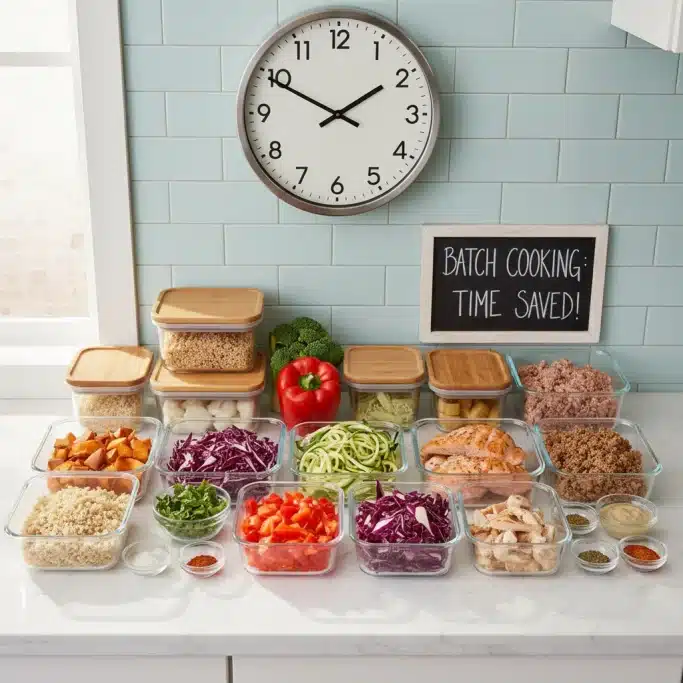
Batch Cooking for Busy Weeks: 3-Hour Prep for 5 Days of Quick Dinners
In the whirlwind of modern life, finding time to prepare nutritious, delicious dinners can feel like an insurmountable challenge. The allure of takeout or pre-packaged meals often wins out over the thought of cooking after a long day. But what if you could reclaim your evenings, enjoy home-cooked meals, and significantly reduce your weekly food stress, all by dedicating just a few hours on the weekend? This is the magic of batch cooking dinners for busy weeks, and we’re here to show you exactly how to prep five days of quick, wholesome dinners in a mere three hours.
Anúncios
The concept of batch cooking isn’t new, but its application has evolved. It’s not just about making a huge pot of chili to eat all week (though that’s a great start!). It’s about strategic planning, efficient execution, and smart storage to ensure you have the components for varied, exciting meals ready to assemble in minutes. This comprehensive guide will walk you through the benefits, the methodology, and provide practical examples to transform your mealtime routine. Get ready to embrace a less stressful, more delicious culinary journey!
Anúncios
Why Embrace Batch Cooking Dinners? The Unbeatable Benefits
Before we dive into the ‘how,’ let’s solidify the ‘why.’ Understanding the profound advantages of incorporating batch cooking dinners into your routine can be the motivation you need to commit to this transformative habit.
1. Significant Time Savings
This is arguably the most compelling reason for most people. Imagine coming home after a demanding day, knowing that dinner is practically ready. Instead of spending 45-60 minutes cooking from scratch, you might spend 10-15 minutes assembling and heating. Over five weeknights, this can free up several hours that you can dedicate to hobbies, family time, exercise, or simply relaxing. The initial three-hour investment on a weekend pays dividends throughout the entire week.
2. Reduced Stress and Decision Fatigue
The dreaded question, “What’s for dinner?” often leads to stress and last-minute, less healthy choices. With batch cooking dinners, your meals are pre-planned and prepped. This eliminates daily decision fatigue and the scramble to figure out what to cook, what ingredients you have, and whether you need to run to the store. Your mental load significantly lightens.
3. Healthier Eating Habits
When healthy ingredients are readily available and meals are pre-portioned, you’re far more likely to stick to a balanced diet. Batch cooking allows you to control ingredients, portion sizes, and cooking methods, helping you avoid hidden sugars, excessive sodium, and unhealthy fats often found in convenience foods. It encourages the consumption of more vegetables, lean proteins, and whole grains.
4. Cost Efficiency and Less Food Waste
Strategic meal planning and batch cooking mean you buy exactly what you need, reducing impulse purchases and food waste. When you plan your meals around common ingredients or those on sale, your grocery bill can shrink considerably. Plus, using up all your prepped ingredients ensures nothing goes bad in the fridge.
5. Skill Development and Culinary Confidence
Regularly engaging in batch cooking dinners hones your organizational skills, knife skills, and understanding of flavor profiles. You’ll become more efficient in the kitchen, more creative with leftovers, and generally more confident in your ability to feed yourself and your family well.
The 3-Hour Batch Cooking Blueprint: Your Step-by-Step Guide
Achieving five days of dinner prep in just three hours requires a systematic approach. Here’s a blueprint to guide your weekend warrior session, focusing on maximizing efficiency and minimizing cleanup.
Step 1: The Planning Phase (30 Minutes)
This is where the magic begins. Don’t skip this! A well-thought-out plan is the cornerstone of successful batch cooking dinners.
- Choose Your Meals (10 minutes): Select 2-3 main dishes that can be easily adapted or combined. Think about ingredients that can be used across multiple recipes. For example, roasted chicken can be used in salads, tacos, or pasta. Cooked quinoa can be a base for bowls or a side dish.
- Check Your Pantry and Fridge (5 minutes): See what you already have. This prevents unnecessary purchases and helps you use up existing ingredients.
- Create a Detailed Grocery List (10 minutes): List every ingredient you need, organized by supermarket section (produce, dairy, meat, dry goods). This saves time at the store.
- Outline Your Prep Strategy (5 minutes): Briefly jot down the order of operations. What can be cooked simultaneously? What takes the longest? This mental walkthrough saves crucial minutes.
Step 2: The Shopping Spree (Variable, Aim for 45-60 Minutes)
With your organized list, hit the grocery store. Stick to your list! Avoid distractions and impulse buys. If possible, choose a time when the store is less crowded to speed up the process.
Step 3: The Kitchen Transformation (2 Hours of Active Prep)
This is the core of your batch cooking dinners session. Focus, put on some music, and get ready to cook!
Phase A: High-Heat & Long-Cook Items (First 60 minutes)
Start with items that require oven time, simmering, or longer cooking. This allows them to cook passively while you work on other tasks.
- Preheat Oven & Roast/Bake: Get your oven going. Roast a large tray of vegetables (broccoli, bell peppers, sweet potatoes) and/or a protein (chicken breasts, salmon fillets, a whole chicken).
- Cook Grains: Start a large batch of quinoa, brown rice, or farro. These cook relatively hands-free on the stovetop or in a rice cooker.
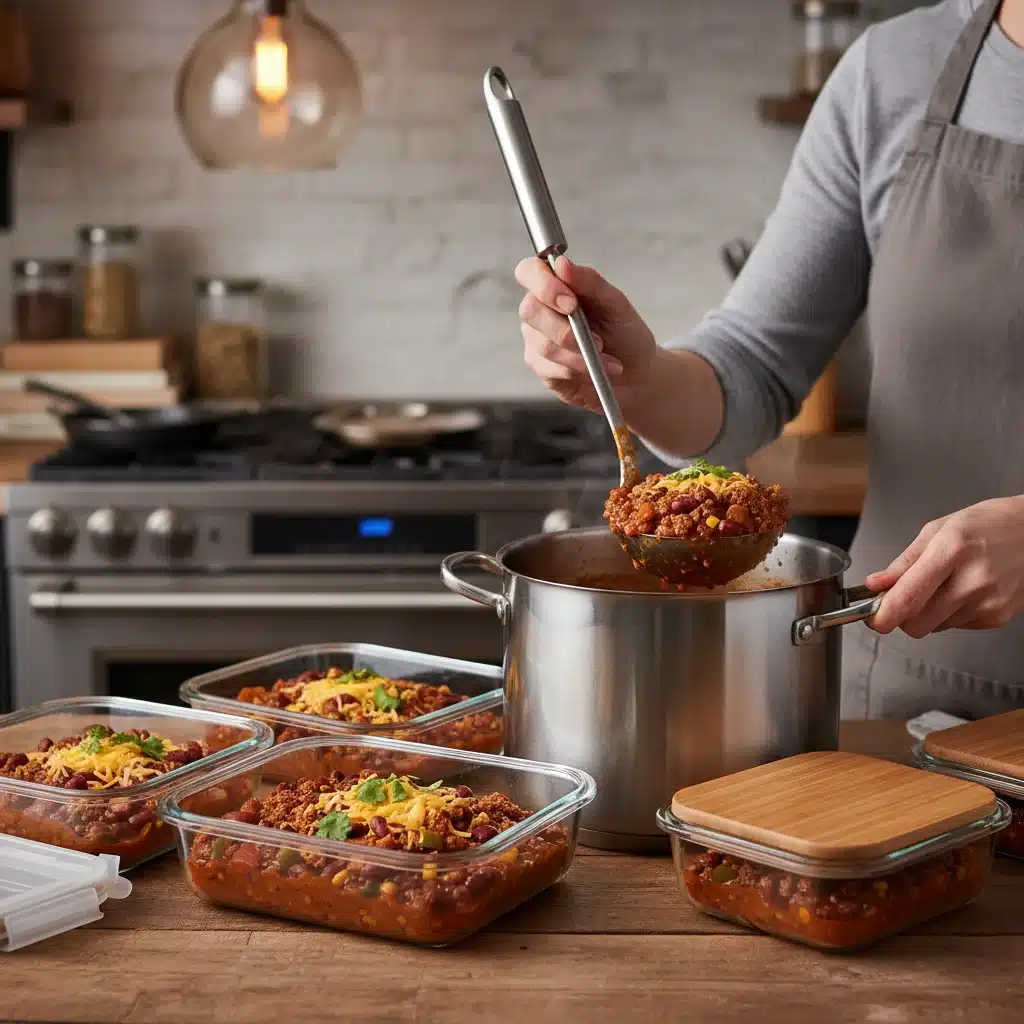
- Simmer Soups/Chilis/Stews: If you’re making a hearty one-pot meal, get it simmering.
Phase B: Chopping, Sautéing, and Assembly (Next 60 minutes)
While your longer-cook items are doing their thing, tackle the more active prep.
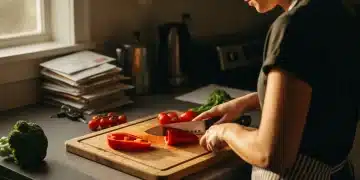
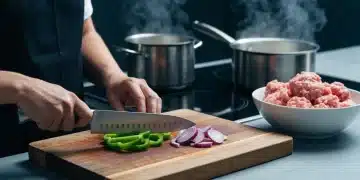
- Chop All Vegetables: Dice onions, mince garlic, slice bell peppers, chop leafy greens. Store them in airtight containers.
- Prepare Proteins: Cook ground meat (beef, turkey, lentils) for tacos, pasta sauces, or bowls. Grill or pan-sear additional proteins if needed.
- Make Dressings/Sauces: Whip up vinaigrettes, marinades, or simple sauces that can elevate your meals throughout the week.
- Wash and Store Greens: Wash and spin-dry lettuce, spinach, or kale. Store with a paper towel to absorb moisture.
- Hard-Boil Eggs: A quick protein boost for salads or snacks.
Step 4: Cooling and Storing (15 Minutes)
Once everything is cooked, ensure it cools completely before storing. This is crucial for food safety.
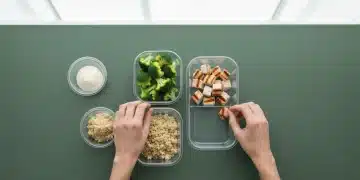
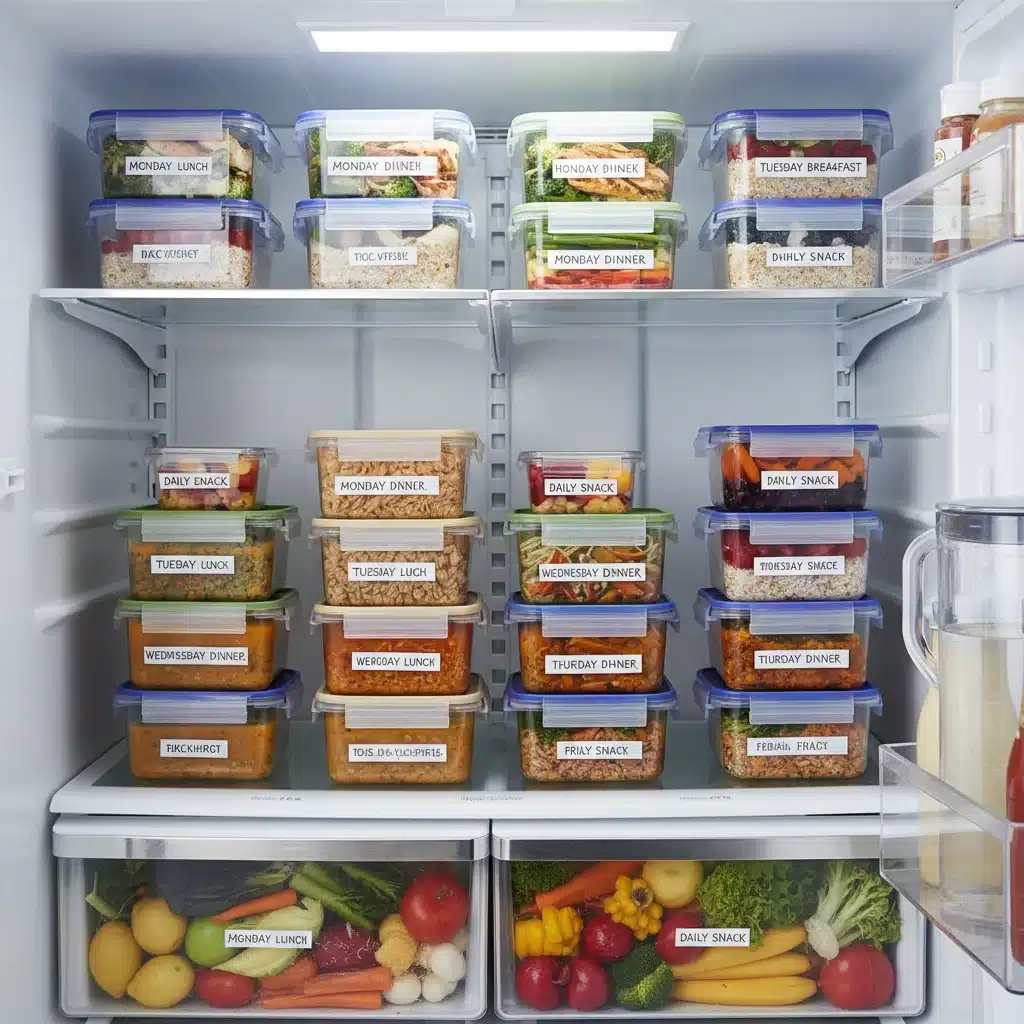
- Portion Out Meals: Decide which components go together for each dinner. Use airtight containers for individual portions or larger containers for components that will be combined later.
- Label Containers: Label with the meal name and date.
- Refrigerate Promptly: Get everything into the fridge within two hours of cooking.
Essential Tools for Efficient Batch Cooking Dinners
Having the right equipment can significantly streamline your batch cooking dinners process:
- Airtight Food Storage Containers: Glass or BPA-free plastic containers in various sizes. Stackable ones are a bonus for fridge organization.
- Sharp Knives and Cutting Boards: Good quality knives make chopping faster and safer.
- Large Pots and Pans: For cooking bigger batches of grains, sauces, or proteins.
- Sheet Pans: Essential for roasting vegetables and proteins simultaneously.
- Rice Cooker/Instant Pot: Great for hands-off grain cooking.
- Food Processor (Optional but helpful): For quickly dicing vegetables or making sauces.
Sample 3-Hour Batch Cooking Menu for 5 Dinners
Here’s a practical example of how you can prep five diverse dinners in three hours using common ingredients. This plan focuses on versatile components that can be mixed and matched.
The Core Components to Prep:
- Protein 1: Roasted Chicken Breasts/Thighs (approx. 1.5 lbs) – Seasoned and roasted.
- Protein 2: Cooked Ground Turkey/Lentils (approx. 1 lb) – Sautéed with onion, garlic, and basic spices.
- Grain: Quinoa (4-5 cups cooked) – Cooked according to package directions.
- Roasted Vegetables: Mixed Bell Peppers, Zucchini, Red Onion, Sweet Potatoes – Tossed with olive oil, salt, pepper, and herbs, roasted until tender.
- Fresh Greens & Raw Veggies: Washed spinach/mixed greens, chopped cucumber, cherry tomatoes.
- Sauce/Dressing: Simple Vinaigrette & Tahini Dressing.
Your 5 Dinners (Assembly in 5-15 minutes each):
Dinner 1: Chicken & Roasted Veggie Bowls
- Components: Cooked quinoa, roasted chicken, roasted vegetables.
- Assembly: Combine all components in a bowl, drizzle with vinaigrette.
Dinner 2: Turkey/Lentil & Quinoa Tacos/Lettuce Wraps
- Components: Cooked ground turkey/lentils, cooked quinoa, fresh chopped lettuce/tortillas, chopped cucumber, cherry tomatoes.
- Assembly: Heat turkey/lentils. Serve in lettuce wraps or tortillas with quinoa and fresh toppings. Add a dollop of Greek yogurt or avocado if desired.
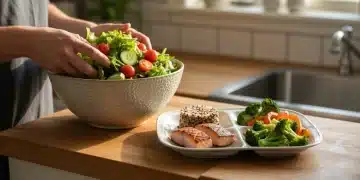
Dinner 3: Mediterranean Chicken Salad
- Components: Roasted chicken (shredded), mixed greens, chopped cucumber, cherry tomatoes, a sprinkle of feta (optional).
- Assembly: Toss all ingredients with the simple vinaigrette.
Dinner 4: Hearty Roasted Veggie & Quinoa Stir-Fry (Deconstructed)
- Components: Roasted vegetables, cooked quinoa, a portion of the cooked ground turkey/lentils.
- Assembly: Quickly heat the roasted vegetables and turkey/lentils in a pan with a splash of soy sauce or a stir-fry sauce. Serve over quinoa.
Dinner 5: “Clean Out The Fridge” Power Bowl
- Components: Remaining roasted chicken or turkey/lentils, any leftover roasted veggies, fresh greens, quinoa.
- Assembly: Combine all remaining components in a bowl. Drizzle with tahini dressing for a different flavor profile.
Maximizing Efficiency: Tips for Your 3-Hour Prep
To truly master batch cooking dinners in a limited timeframe, incorporate these efficiency hacks:
1. Multitask Smartly
While the oven is preheating, start chopping. While grains are simmering, prepare your proteins. Always be doing at least two things at once that don’t require constant attention.
2. Clean as You Go
Don’t let dirty dishes pile up. Wash cutting boards and utensils as soon as you’re done with them. This makes the final cleanup much quicker and less daunting.
3. Mise en Place
French for “everything in its place.” Before you start cooking, have all your ingredients measured, chopped, and ready to go. This prevents frantic searching mid-recipe.
4. Theme Your Week
Instead of completely disparate meals, try to create themes. For example, a ‘Mediterranean week’ or ‘Asian-inspired week’ allows you to use similar spices, herbs, and staple ingredients across multiple dishes, simplifying shopping and prep.
5. Don’t Overcomplicate
Start with simple recipes. You don’t need gourmet meals every night. The goal is healthy, quick, and satisfying. As you gain confidence, you can introduce more complex dishes.
6. Invest in Good Containers
As mentioned, quality containers are key. They keep food fresh longer and make fridge organization a breeze. Consider containers with dividers for easy portioning.
Common Batch Cooking Challenges and Solutions
Even with the best intentions, you might encounter hurdles. Here’s how to overcome them when focusing on batch cooking dinners:
Challenge 1: “I get bored of eating the same thing!”
Solution: This is why our plan focuses on components, not just full meals. By prepping versatile proteins, grains, and veggies, you can create different flavor profiles. Change up your sauces, add fresh herbs, a squeeze of lime, or a sprinkle of cheese each night to vary the taste. For example, plain chicken can become Mexican-spiced chicken, then an Italian herb chicken with different seasonings and sauces.
Challenge 2: “My food gets soggy or loses freshness.”
Solution: Proper storage is key. Ensure food is cooled completely before sealing and refrigerating. Store dressing and sauces separately from salads until serving. For items like roasted vegetables, don’t overcook them initially; a slight al dente texture will hold up better when reheated. Consider freezing portions for longer storage if you’re worried about freshness beyond 4-5 days.
Challenge 3: “It still takes me longer than 3 hours.”
Solution: Practice makes perfect! The first few times might take a bit longer. Focus on improving your knife skills, organizing your kitchen, and refining your planning phase. Time yourself to identify bottlenecks. Maybe you need to lay out all your containers beforehand, or perhaps your oven isn’t large enough for simultaneous roasting, requiring a slight adjustment to your order of operations. Don’t be discouraged; efficiency comes with experience.
Challenge 4: “I don’t know what recipes to choose.”
Solution: Start with simple, adaptable recipes. Think about dishes that lend themselves well to batch cooking: stews, chilis, roasted meats and vegetables, cooked grains, and versatile proteins like shredded chicken or ground meat. Websites and cookbooks dedicated to meal prep are excellent resources. Look for recipes that use similar ingredients to minimize your shopping list.
Challenge 5: “I forget to thaw things from the freezer.”
Solution: Make it part of your routine. The night before, or even in the morning, move the frozen meal/component to the fridge. Using a small whiteboard or a reminder app can also help keep you on track.
Beyond Dinners: Expanding Your Batch Cooking Horizons
Once you’ve mastered batch cooking dinners, you can easily extend this habit to other meals. Prepping breakfasts (overnight oats, hard-boiled eggs, breakfast burritos) and lunches (salads, soup portions) can further simplify your week and boost your healthy eating goals. The principles remain the same: plan, prep, store, and enjoy!
Conclusion: Reclaim Your Evenings with Batch Cooking Dinners
Batch cooking dinners for busy weeks is more than just a culinary technique; it’s a lifestyle change that empowers you to eat healthier, save money, reduce stress, and reclaim valuable time. By dedicating a focused three hours on the weekend, you can set yourself up for five days of quick, delicious, and home-cooked meals.
Start small, be patient with yourself, and celebrate each successful prep session. You’ll soon discover the profound impact this habit has on your overall well-being. Say goodbye to rushed, unhealthy weeknight meals and hello to a kitchen that works for you, not against you. Happy batch cooking!