Batch Cooking for Speedy Lunches: Prepare 5 Days of Meals in Just 90 Minutes This Sunday
Anúncios
Batch Cooking for Speedy Lunches: Prepare 5 Days of Meals in Just 90 Minutes This Sunday
In today’s fast-paced world, finding time for healthy, homemade meals can feel like an Olympic sport. We’ve all been there: rushing out the door in the morning, grabbing an expensive, often unhealthy, lunch on the go, or staring into an empty fridge at dinnertime with no energy to cook. But what if there was a way to reclaim your mealtimes, save money, and eat healthier without sacrificing your precious weekend?
Anúncios
Enter the art of batch cooking lunches. Imagine waking up on Monday morning knowing that five days of delicious, nutritious lunches are already prepared and waiting for you. No more last-minute scrambling, no more unhealthy takeout, and no more decision fatigue. This isn’t a pipe dream; it’s a perfectly achievable reality, and we’re going to show you how to master it in just 90 minutes every Sunday.
This comprehensive guide will walk you through the entire process of efficient batch cooking lunches, from planning your menu and shopping smartly to mastering cooking techniques and storing your meals safely. By the end, you’ll have all the tools and inspiration you need to transform your weekly routine, making healthy eating effortless and enjoyable.
Anúncios
What is Batch Cooking and Why is it Your New Best Friend?
At its core, batch cooking is the practice of preparing large quantities of food at once, which can then be portioned and stored for future meals. While it might sound daunting, especially if you’re picturing an entire day spent in the kitchen, our focus here is on strategic, time-efficient batch cooking lunches that fit seamlessly into a busy lifestyle. It’s about working smarter, not harder.
The Irresistible Benefits of Batch Cooking Lunches:
- Time-Saving: This is arguably the biggest draw. Dedicating a focused 90 minutes on Sunday means you free up countless minutes during the week that would otherwise be spent cooking, deciding what to eat, or queuing for takeout. Imagine having an extra 10-15 minutes each weekday lunch break to relax, exercise, or pursue a hobby!
- Cost-Effective: Eating out, even just for lunch, adds up quickly. By preparing your meals at home, you gain control over your grocery budget and significantly reduce daily expenses. Plus, you’ll waste less food because you’re planning specifically for what you’ll eat.
- Healthier Eating: When you cook your own meals, you know exactly what ingredients are going into your food. This allows you to control portion sizes, reduce unhealthy fats, sugars, and sodium, and pack your lunches with nutrient-dense ingredients. No more mystery ingredients or hidden calories!
- Reduced Stress: The mental load of daily meal decisions can be surprisingly heavy. With your lunches prepped, that decision is already made. It’s one less thing to worry about during a hectic workday.
- Variety and Control: While some might fear repetition, strategic batch cooking allows for incredible variety. You can mix and match components, experiment with different flavors, and tailor meals to your specific dietary needs and preferences.
- Less Food Waste: Planning your meals means buying only what you need. Using ingredients across multiple recipes or preparing larger quantities of staples like grains and roasted vegetables ensures everything gets used, reducing waste.
The 90-Minute Sunday Strategy: Your Blueprint for Success
The key to successful batch cooking lunches in just 90 minutes lies in a well-structured plan and efficient execution. Think of it as a culinary symphony where every instrument (or ingredient/task) plays its part at the right time. Here’s how we’ll break it down:
Phase 1: The Planning Power Hour (30 Minutes – Before Sunday)
While the cooking happens on Sunday, the real magic begins with smart planning a day or two before. This pre-work is crucial for hitting that 90-minute target.
- Choose Your Lunch Theme (5 minutes): Don’t try to cook five entirely different gourmet meals. Instead, think about a theme or a core set of ingredients that can be repurposed. Examples: Mediterranean bowls, deconstructed tacos, hearty salads with various proteins, or a grain bowl base.
- Select Your Recipes (10 minutes): Find 2-3 recipes that share common ingredients or cooking methods. For instance, if you’re roasting chicken, roast a big batch and use it in salads, wraps, or grain bowls. If you’re cooking quinoa, make enough for a few different meals. Focus on recipes that are simple, don’t require constant attention, and reheat well.
- Build Your Grocery List (10 minutes): Based on your chosen recipes, create a detailed grocery list. Group items by section of the supermarket (produce, dairy, pantry, meat) to save time during your shop. Don’t forget staples like olive oil, salt, pepper, and your preferred seasonings.
- Check Your Pantry (5 minutes): Before you head to the store, quickly check what you already have. This prevents duplicate purchases and ensures you don’t miss anything vital.
Pro Tip: Look for recipes that are ‘assembly-line’ friendly. Think components rather than fully finished dishes. Cook a protein, a grain, and 2-3 types of vegetables, then mix and match throughout the week.
Phase 2: The Sunday Prep & Cook Blitz (90 Minutes)
This is where the action happens. Prioritize tasks and use your oven and stovetop simultaneously to maximize efficiency.
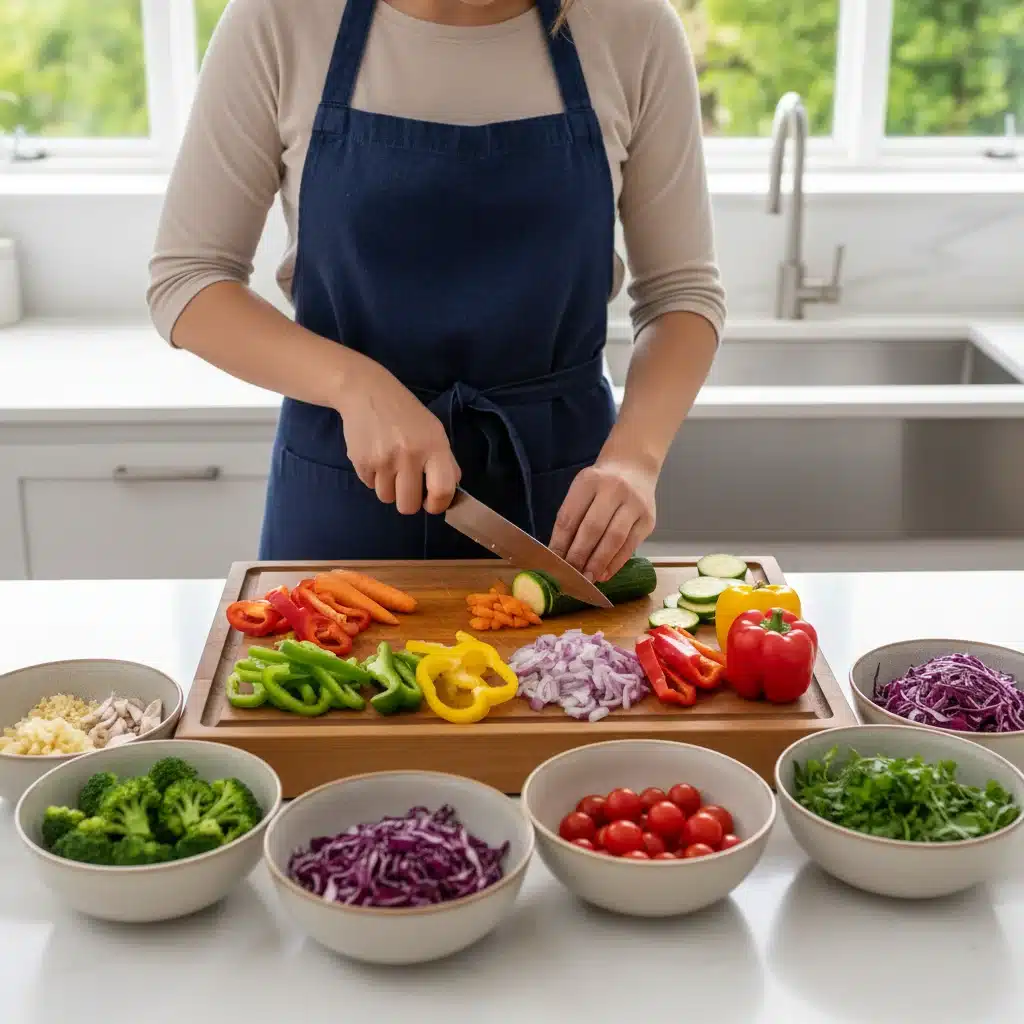
Prep (20 Minutes):
- Clear Your Workspace (5 minutes): A clean, organized kitchen is a fast kitchen. Clear your counters, get out cutting boards, knives, and essential mixing bowls.
- Wash and Dry All Produce (5 minutes): Wash all fruits and vegetables thoroughly. A salad spinner is your best friend here.
- Chop, Dice, Mince (10 minutes): This is your most active prep time. Chop all vegetables for roasting, salads, or sautéing. Mince garlic, slice onions, etc. Group similar ingredients together.
Cook (50 Minutes – Overlapping Tasks):
- Oven First (5 minutes setup, 45 minutes cook time): Preheat your oven to a versatile temperature (e.g., 400°F / 200°C). While it’s preheating, toss your chosen vegetables (broccoli, bell peppers, sweet potatoes, carrots) with olive oil and seasonings. Roast a large batch of chicken breast or thighs on a separate tray. Get these into the oven as soon as it’s ready. Roasting is hands-off cooking, freeing you up for other tasks.
- Stovetop Grains (5 minutes setup, 30 minutes cook time): While the oven is working, start cooking your grains. Quinoa, brown rice, or farro are excellent choices. Cook a big batch that will yield 5-6 servings. Once simmering, it’s largely hands-off.
- Protein Prep (10 minutes active, 15 minutes cook time): If you’re not roasting all your protein, this is when you might quickly sauté another protein like ground turkey, lentils, or firm tofu. Season generously.
- Sauces & Dressings (10 minutes): While other items are cooking, whip up your dressings or sauces. A simple vinaigrette, a peanut sauce, or a yogurt-based dressing can elevate any meal.
- Quick Sauté/Blanch (5 minutes): If any vegetables need a quick blanch (like green beans) or a light sauté (like spinach), do this towards the end.
Cool & Portion (20 Minutes):
- Cool Down (10 minutes): This is critical for food safety! Allow all cooked food to cool completely before portioning and storing. Spreading items on a baking sheet can speed this up.
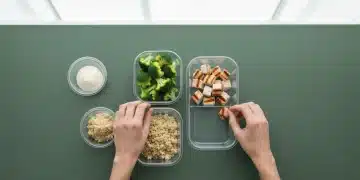
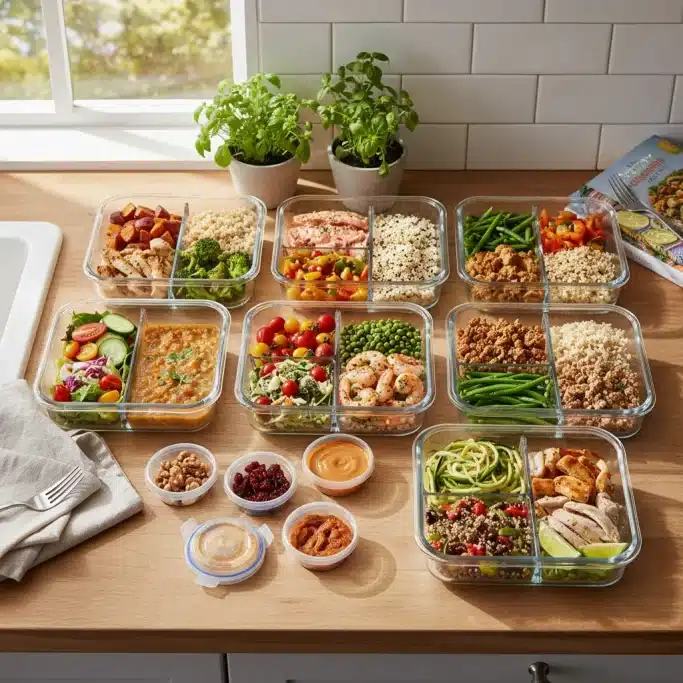
- Portion & Store (10 minutes): Once cool, portion your meals into individual airtight containers. Mix and match components for variety. Label if desired.
Essential Tools for Efficient Batch Cooking
You don’t need a gourmet kitchen, but a few key items will make your batch cooking lunches journey much smoother:
- A Good Set of Knives: Sharp knives make chopping faster and safer.
- Large Cutting Board: Essential for efficient prep.
- Sheet Pans: Multiple sheet pans allow you to roast different vegetables or proteins simultaneously.
- Large Pots & Pans: For cooking grains and larger batches of food.
- Airtight Meal Prep Containers: Glass containers are ideal as they are microwave-safe, oven-safe (without lids), and don’t stain or retain odors. BPA-free plastic is also an option. Look for stackable designs.
- Measuring Cups and Spoons: For consistent recipes.
- Salad Spinner: To quickly wash and dry greens.
Sample 90-Minute Batch Cooking Menu for 5 Lunches
Here’s an example of how you can create 5 varied lunches using shared components in your 90-minute window:
Core Components to Cook:
- Protein: 1.5-2 lbs Chicken Breast/Thighs (roasted with herbs and spices)
- Grain: 2 cups dry Quinoa (cooked, yields about 6 cups)
- Roasted Vegetables: 1 large head Broccoli, 2 Bell Peppers (various colors), 1 Sweet Potato (cubed)
- Fresh Greens: Large bag Mixed Salad Greens
- Sauce/Dressing: Lemon-Herb Vinaigrette (olive oil, lemon juice, Dijon, garlic, dried herbs)
- Optional Add-ins: Canned chickpeas (rinsed), cherry tomatoes, cucumber, feta cheese, nuts/seeds
Your 5 Lunch Combinations:
- Monday: Mediterranean Chicken Quinoa Bowl: Quinoa base, roasted chicken, roasted bell peppers, chickpeas, cherry tomatoes, feta, lemon-herb vinaigrette.
- Tuesday: Chicken & Roasted Veggie Salad: Mixed greens, roasted chicken, roasted broccoli, sweet potato cubes, cucumber, lemon-herb vinaigrette.
- Wednesday: Deconstructed Chicken Wrap Bowl: Quinoa, roasted chicken, roasted bell peppers, fresh cucumber, a spoonful of hummus (not prepped, but easily added), and a drizzle of vinaigrette. Serve with a whole wheat tortilla on the side.
- Thursday: Hearty Quinoa & Veggie Mix: Quinoa, all remaining roasted vegetables, chickpeas, and a generous portion of lemon-herb vinaigrette. Can be enjoyed warm or cold.
- Friday: Ultimate Salad with Leftovers: Mixed greens, remaining roasted chicken (shredded), any leftover roasted veggies, cherry tomatoes, and a final flourish of vinaigrette.
This approach highlights how versatile batch cooking lunches can be, ensuring you don’t eat the exact same meal every day while still maximizing your Sunday effort.
Advanced Tips for Batch Cooking Mastery
- Theme Weeks: Rotate through themes to keep things interesting. One week might be ‘Asian-inspired bowls,’ the next ‘Mexican fiesta,’ and then ‘Italian pasta salads.’
- Freezer-Friendly Components: Some items freeze exceptionally well. Cooked grains, roasted vegetables, and certain proteins (like cooked ground meat or shredded chicken) can be frozen in individual portions for even longer-term planning. Just remember to thaw properly.
- Don’t Forget Breakfasts & Snacks: While our focus is batch cooking lunches, consider prepping overnight oats, hard-boiled eggs, or chopping fruit for easy breakfasts and snacks to further streamline your week.
- Invest in Good Containers: As mentioned, quality containers are a game-changer. They keep food fresh longer and make portioning a breeze.
- Season Generously: Cooked food can sometimes lose flavor when reheated. Don’t be shy with herbs, spices, and a good pinch of salt and pepper during the cooking process.
- Keep Dressings Separate: For salads, always store dressings separately to prevent greens from getting soggy. Add just before eating.
- Embrace Your Food Processor: For large quantities of chopping or grating, a food processor can be a huge time-saver.
- Listen to Podcasts or Music: Make your 90 minutes enjoyable! Put on your favorite playlist or an interesting podcast to make the time fly by.
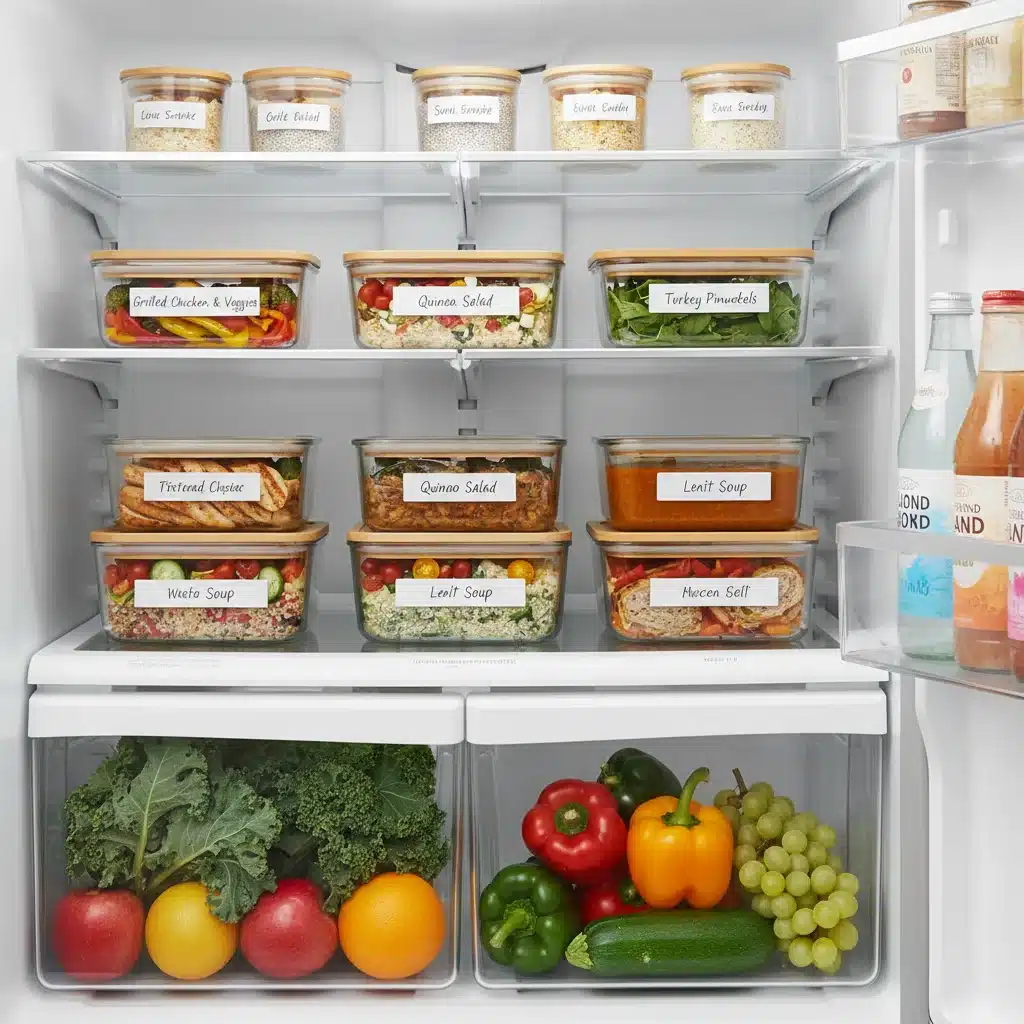
Safety First: Storing Your Batch Cooked Meals
Proper storage is paramount to ensure your batch cooking lunches remain safe and delicious throughout the week.
- Cool Rapidly: After cooking, cool food quickly to stop bacterial growth. Don’t leave food at room temperature for more than two hours. Divide large batches into smaller portions to cool faster.
- Airtight Containers: Always use airtight containers to prevent spoilage and keep food fresh.
- Refrigeration: Most batch-cooked meals are safe in the refrigerator for 3-4 days. If you’ve prepared 5 days’ worth, consider freezing portions for the later days of the week and transferring them to the fridge to thaw the night before.
- Freezing: For longer storage, freeze meals in freezer-safe containers. Label with the date. Most cooked foods are good in the freezer for 2-3 months.
- Reheating: Reheat meals thoroughly until piping hot (165°F / 74°C). Use a microwave, oven, or stovetop. Avoid reheating the same meal multiple times.
Common Batch Cooking Challenges and How to Overcome Them
Even with the best intentions, challenges can arise. Here’s how to troubleshoot them:
- “I get bored eating the same thing!”: This is where the ‘components’ approach shines. Cook a protein, a grain, and 2-3 different veggies. Then, each day, combine them differently with various sauces, spices, or fresh additions (avocado, fresh herbs, a squeeze of lime).
- “It takes longer than 90 minutes!”: This often happens in the beginning. Review your process. Did you plan thoroughly? Were your ingredients prepped efficiently? Did you multitask effectively (oven + stovetop)? With practice, you’ll get faster. Don’t be afraid to start with just 3 days’ worth of meals and build up.
- “My food gets soggy/mushy!”: This usually points to improper storage or choosing the wrong ingredients. Keep dressings separate. For items like lettuce or croutons, add them just before eating. Choose vegetables that hold up well to reheating (broccoli, carrots, sweet potatoes) over very delicate ones.
- “I run out of containers!”: This is a sign you need to invest in more quality meal prep containers. It’s a small upfront cost for a huge return in convenience.
- “I don’t know what to cook!”: Start simple! Roast chicken and veggies with quinoa. Look up ‘meal prep recipes’ online. Many blogs and websites offer free, easy-to-follow batch cooking plans.
Conclusion: Reclaim Your Week with Batch Cooking Lunches
Mastering batch cooking lunches is more than just a culinary hack; it’s a lifestyle upgrade. By dedicating a focused 90 minutes on Sunday, you gain back precious time, save money, eat healthier, and significantly reduce weekday stress. It’s an investment in your well-being that pays dividends throughout the entire week.
Start small, be patient with yourself, and enjoy the process. Experiment with flavors, find what works best for your taste buds and schedule, and soon you’ll wonder how you ever managed without your weekly batch cooking ritual. Your future self (and your wallet!) will thank you for those delicious, ready-to-eat lunches.
So, what are you waiting for? Grab your apron, sharpen your knives, and get ready to transform your approach to healthy eating. Happy batch cooking!