Mastering Gluten-Free Sweet Treats: A Step-by-Step 2026 Guide to Achieving Perfect Texture and Taste
Anúncios
Mastering Gluten-Free Sweet Treats: A Step-by-Step 2026 Guide to Achieving Perfect Texture and Taste
Welcome to the definitive guide for mastering gluten-free sweet treats in 2026! The world of gluten-free baking has evolved dramatically, moving far beyond the days of dry, crumbly, and flavorless alternatives. Today, with the right knowledge, ingredients, and techniques, you can create gluten-free sweet treats that are indistinguishable from, if not superior to, their traditional counterparts. Whether you’re a seasoned baker adapting to a gluten-free lifestyle, or simply exploring healthier options, this comprehensive article will equip you with everything you need to achieve perfect texture and exquisite taste in all your gluten-free sweet treats.
Anúncios
The journey to mastering gluten-free sweet treats is an exciting one, full of experimentation and delicious discoveries. Many common baking challenges, such as achieving elasticity, preventing crumbling, and ensuring moistness, become even more pronounced when gluten is removed from the equation. Gluten, a protein found in wheat, barley, and rye, provides structure, elasticity, and chewiness to baked goods. Without it, bakers must rely on a new arsenal of flours, binders, and techniques to replicate these desirable qualities. This guide will delve deep into these aspects, providing actionable advice and insights that will transform your gluten-free baking experience.
As we navigate through 2026, the availability of specialized gluten-free ingredients has never been better. From innovative flour blends to natural binders and flavor enhancers, the market offers a wealth of options to elevate your gluten-free sweet treats. We’ll explore these ingredients in detail, explaining their roles and how to best utilize them for optimal results. Furthermore, we’ll address common pitfalls and offer expert tips to overcome them, ensuring your gluten-free baking endeavors are always a success. Prepare to impress your friends, family, and most importantly, yourself, with a stunning array of gluten-free sweet treats that are both delightful and delicious.
Anúncios
Understanding Gluten-Free Flours: The Foundation of Perfect Texture
The cornerstone of successful gluten-free sweet treats lies in understanding and utilizing the right blend of gluten-free flours. Unlike wheat flour, which contains gluten, gluten-free flours each bring unique properties to the table. Relying on a single gluten-free flour often leads to suboptimal results, such as a gritty texture or a lack of structure. The secret to achieving perfect texture is to combine different flours, leveraging their individual strengths to create a balanced blend that mimics the properties of wheat flour.
Common Gluten-Free Flours and Their Characteristics:
- Rice Flour (White and Brown): A staple in gluten-free baking, rice flour provides structure and a neutral flavor. Brown rice flour offers more nutrients and a slightly coarser texture, while white rice flour is finer and lighter. Both are excellent bases for gluten-free sweet treats.
- Almond Flour: Rich in protein and healthy fats, almond flour adds moisture, tenderness, and a delicate nutty flavor. It’s often used in conjunction with other flours to prevent baked goods from becoming too dense. It’s particularly good for cookies, cakes, and macarons, contributing to a wonderfully soft crumb.
- Tapioca Starch (or Flour): A fantastic thickener and binder, tapioca starch contributes to chewiness and a slightly crispy crust. It’s essential for achieving that desirable elasticity often missing in gluten-free sweet treats.
- Potato Starch: Similar to tapioca, potato starch adds lightness and tenderness. It also helps to absorb moisture, preventing gumminess.
- Sorghum Flour: With a mild, slightly sweet flavor, sorghum flour is a good source of fiber and protein. It provides structure and a soft texture, making it versatile for various gluten-free sweet treats.
- Oat Flour (Certified Gluten-Free): Adds a hearty, wholesome flavor and a tender crumb. Ensure it’s certified gluten-free to avoid cross-contamination.
- Buckwheat Flour: Despite its name, buckwheat is gluten-free. It has an earthy, nutty flavor and adds a robust structure, often used in pancakes and some rustic baked goods.
- Corn Starch: A common thickener and tenderizer, corn starch can lighten the texture of baked goods and create a smoother consistency.
Creating Your Own Gluten-Free Flour Blend:
While many excellent pre-made gluten-free flour blends are available, creating your own allows for greater control and customization. A general rule of thumb for gluten-free sweet treats is to use a blend that is roughly 60-70% ‘heavy’ or ‘structural’ flours (like rice flour, sorghum flour) and 30-40% ‘light’ or ‘starchy’ flours (like tapioca starch, potato starch, corn starch). Adding a small percentage of almond flour or oat flour can enhance flavor and moisture. Experimentation is key to finding the perfect blend for your specific recipe and desired outcome.
For example, a good all-purpose blend for cakes and muffins might be: 2 parts brown rice flour, 1 part white rice flour, 1 part tapioca starch, and 1 part potato starch, with a touch of almond flour for richness. Remember to weigh your flours for accuracy, as volume measurements can vary significantly. This foundational understanding of flours is crucial for truly mastering gluten-free sweet treats.
The Role of Binders and Gums in Gluten-Free Baking
Without gluten to provide structure and elasticity, gluten-free sweet treats often require assistance from binders and gums. These ingredients help hold everything together, prevent crumbling, and contribute to a desirable texture. They are indispensable for achieving that satisfying chewiness and structure that gluten typically provides.
Essential Binders and Gums:
- Xanthan Gum: This is perhaps the most widely used gluten-free binder. It provides elasticity and stickiness, mimicking gluten’s role in creating structure and preventing baked goods from crumbling. A little goes a long way; too much can result in a gummy texture. Generally, 1/4 to 1/2 teaspoon per cup of gluten-free flour blend is a good starting point for cakes and cookies, while yeast breads might require more.
- Guar Gum: Similar to xanthan gum, guar gum also acts as a thickener and binder. It’s often used in combination with xanthan gum or as an alternative, particularly in cold applications like ice cream, but also effective in baked goods. Some bakers find it works better in recipes with high moisture content.
- Psyllium Husk Powder: A fiber-rich binder that absorbs a significant amount of liquid, psyllium husk powder creates a gel-like consistency that imparts elasticity and structure, especially useful in gluten-free breads and rolls. It can also add a pleasant chewiness to cookies and bars. Start with smaller amounts, as it’s very absorbent.
- Eggs: Beyond their leavening properties, eggs are excellent natural binders, contributing moisture, richness, and structure to gluten-free sweet treats. For egg-free recipes, alternatives like flax eggs (1 tbsp ground flaxseed meal + 3 tbsp water) or chia eggs can be effective, though they may alter texture slightly.
- Gelatin: While less common in everyday baking, gelatin can be used in some gluten-free sweet treats, particularly those requiring a firmer set or specific textures like marshmallows or certain custards.
The judicious use of binders and gums is critical. Overuse can lead to a rubbery or gummy texture, while underuse can result in brittle, crumbly baked goods. Always follow recipe recommendations, or if experimenting, start with small quantities and adjust as needed. Integrating these binders correctly is a key step in mastering gluten-free sweet treats and achieving that perfect bite.
Key Techniques for Gluten-Free Sweet Treats Success
Beyond ingredients, specific techniques are vital when baking gluten-free sweet treats. Adapting your approach from traditional baking can make all the difference in achieving excellent results.
Moisture is Your Friend:
Gluten-free flours tend to absorb more liquid than wheat flour, and baked goods can dry out quickly. To combat this, many gluten-free recipes call for additional moisture in the form of extra liquids (milk, buttermilk, yogurt, pureed fruits like applesauce or bananas), fats (butter, oil, sour cream), or even ingredients like mashed sweet potato or pumpkin. Don’t be afraid to add a little extra liquid if your batter seems too thick or dry. This is a common adjustment for perfect gluten-free sweet treats.
Don’t Overmix (But Mix Thoroughly):
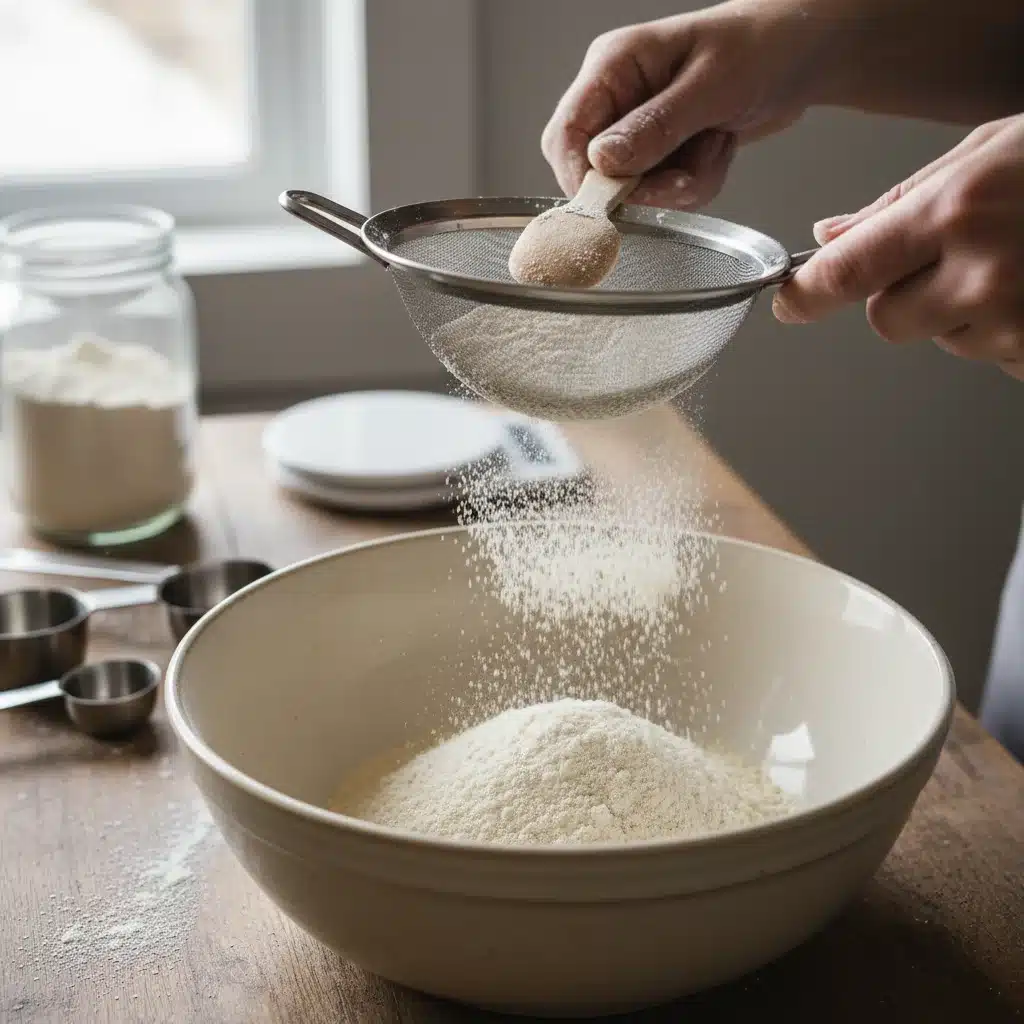
While overmixing is detrimental in traditional baking because it develops gluten, it’s less of a concern with gluten-free flours. However, thorough mixing is essential to ensure that all ingredients, especially the gluten-free flours and binders, are fully hydrated and evenly distributed. This helps prevent gritty textures and ensures uniform structure. Mix until just combined and no dry streaks remain.
Resting the Dough/Batter:
Allowing gluten-free dough or batter to rest for 15-30 minutes before baking can significantly improve the texture of your gluten-free sweet treats. This resting period gives the flours time to fully hydrate and the starches to swell, resulting in a less gritty and more cohesive product. This is particularly beneficial for cookies, muffins, and even some cakes.
Precise Measuring (Especially by Weight):
Accuracy is paramount in gluten-free baking. Using a kitchen scale to measure flours and other dry ingredients by weight rather than volume will yield more consistent and reliable results. Different gluten-free flours have varying densities, so a cup of one might weigh significantly different from a cup of another, leading to inconsistent outcomes if measured by volume. This precision will elevate your gluten-free sweet treats.
Baking Temperature and Time:
Keep a close eye on your gluten-free sweet treats as they bake. They can sometimes bake faster or slower than their gluten-containing counterparts, and overbaking is a common cause of dryness. Use visual cues (golden brown edges, firm to the touch, toothpick comes out clean) rather than strictly adhering to recipe times. Lowering the oven temperature slightly and extending the baking time can also help prevent over-browning and ensure even cooking.
Delicious Gluten-Free Sweet Treat Recipes to Try in 2026
Now that you’re armed with the knowledge of flours, binders, and techniques, it’s time to put it all into practice with some fantastic recipes. These recipes are designed to highlight the best of gluten-free sweet treats, ensuring both incredible taste and texture.
1. Ultimate Gluten-Free Chocolate Chip Cookies
Everyone loves a classic chocolate chip cookie, and a good gluten-free version is a true triumph. The key here is achieving that perfect balance of chewy edges and a soft, slightly gooey center.
Ingredients:
- 1 cup (2 sticks) unsalted butter, softened
- 3/4 cup granulated sugar
- 3/4 cup packed light brown sugar
- 2 large eggs
- 1 teaspoon vanilla extract
- 2 1/4 cups gluten-free all-purpose flour blend (with xanthan gum, or add 1/2 tsp xanthan gum)
- 1 teaspoon baking soda
- 1/2 teaspoon salt
- 1 1/2 cups chocolate chips (dairy-free if needed)
Instructions:
- Preheat oven to 375°F (190°C). Line baking sheets with parchment paper.
- In a large bowl, cream together softened butter, granulated sugar, and brown sugar until light and fluffy.
- Beat in eggs one at a time, then stir in vanilla extract.
- In a separate bowl, whisk together the gluten-free flour blend, baking soda, and salt.
- Gradually add the dry ingredients to the wet ingredients, mixing on low speed until just combined. Do not overmix.
- Stir in the chocolate chips.
- Drop rounded tablespoons of dough onto prepared baking sheets, leaving space between them.
- Bake for 10-12 minutes, or until edges are golden brown and centers are still slightly soft.
- Let cool on baking sheets for a few minutes before transferring to a wire rack to cool completely. These gluten-free sweet treats are best enjoyed warm!
2. Moist Gluten-Free Lemon Poppy Seed Muffins
These muffins are light, fluffy, and bursting with bright lemon flavor, making them perfect gluten-free sweet treats for breakfast or a snack. The addition of yogurt helps keep them incredibly moist.
Ingredients:
- 1 3/4 cups gluten-free all-purpose flour blend (with xanthan gum, or add 1/4 tsp xanthan gum)
- 1/2 cup granulated sugar
- 2 teaspoons baking powder
- 1/4 teaspoon salt
- 2 tablespoons poppy seeds
- 1 large egg
- 1/2 cup plain yogurt (dairy-free alternative if needed)
- 1/4 cup milk (dairy-free alternative if needed)
- 1/4 cup melted unsalted butter or neutral oil
- Zest of 1 large lemon
- 2 tablespoons fresh lemon juice
Instructions:
- Preheat oven to 400°F (200°C). Line a 12-cup muffin tin with paper liners.
- In a large bowl, whisk together the gluten-free flour blend, sugar, baking powder, salt, and poppy seeds.
- In a separate medium bowl, whisk together the egg, yogurt, milk, melted butter/oil, lemon zest, and lemon juice.
- Pour the wet ingredients into the dry ingredients. Stir gently with a spoon or spatula until just combined. Do not overmix; a few lumps are fine.
- Divide the batter evenly among the muffin cups.
- Bake for 18-22 minutes, or until a toothpick inserted into the center of a muffin comes out clean.
- Let cool in the muffin tin for a few minutes before transferring to a wire rack to cool completely. These are truly delightful gluten-free sweet treats.
3. Decadent Gluten-Free Brownies
Fudgy, rich, and intensely chocolatey, these gluten-free brownies prove that you don’t need gluten for ultimate indulgence. The key is using good quality cocoa powder and chocolate.
Ingredients:
- 1/2 cup (1 stick) unsalted butter
- 1 cup granulated sugar
- 2 large eggs
- 1 teaspoon vanilla extract
- 1/2 cup gluten-free all-purpose flour blend (with xanthan gum, or add 1/4 tsp xanthan gum)
- 1/2 cup unsweetened cocoa powder
- 1/4 teaspoon salt
- 1/2 cup chocolate chips or chopped chocolate (optional)
Instructions:
- Preheat oven to 350°F (175°C). Grease and flour (with gluten-free flour) an 8×8-inch baking pan, or line with parchment paper.
- In a microwave-safe bowl, melt the butter. Stir in the sugar until combined.
- Whisk in the eggs one at a time until well incorporated, then stir in the vanilla extract.
- In a separate bowl, whisk together the gluten-free flour blend, cocoa powder, and salt.
- Gradually add the dry ingredients to the wet ingredients, mixing until just combined. Stir in chocolate chips if using.
- Pour the batter into the prepared baking pan and spread evenly.
- Bake for 25-30 minutes, or until a toothpick inserted into the center comes out with moist crumbs, but not wet batter. Be careful not to overbake, or they will be dry.
- Let cool completely in the pan on a wire rack before cutting into squares. These gluten-free sweet treats are worth the wait!

Advanced Tips for Elevating Your Gluten-Free Sweet Treats
Once you’ve mastered the basics, consider these advanced tips to take your gluten-free sweet treats to the next level.
Experiment with Flavor Combinations:
Gluten-free flours often have subtle flavors of their own (e.g., almond flour’s nuttiness, oat flour’s earthiness). Embrace these and pair them with complementary ingredients. For example, almond flour pairs beautifully with berries and citrus, while buckwheat flour can add depth to chocolate desserts. Don’t be afraid to add spices like cinnamon, nutmeg, cardamom, or extracts like almond, peppermint, or orange to enhance your gluten-free sweet treats.
Consider Dairy-Free and Egg-Free Adaptations:
Many individuals following a gluten-free diet also have other dietary restrictions. Fortunately, most gluten-free sweet treats can be easily adapted to be dairy-free (using plant-based milks, butters, and yogurts) and/or egg-free (using flax eggs, chia eggs, or commercial egg replacers). Be mindful that these substitutions can affect texture, so minor adjustments to liquid content might be necessary.
Invest in Quality Ingredients:
The quality of your ingredients directly impacts the final taste of your gluten-free sweet treats. Use good quality cocoa powder, real vanilla extract, fresh fruits, and high-quality chocolate. This is especially true for gluten-free flours; choose reputable brands that offer finely milled flours for the best texture.
Patience and Practice:
Baking, especially gluten-free baking, is an art that improves with practice. Don’t be discouraged by initial setbacks. Each attempt is a learning opportunity. Keep a baking journal to note what worked and what didn’t, including specific flour blends, ingredient brands, and oven temperatures. This documentation will be invaluable as you refine your skills in making gluten-free sweet treats.
Humidity and Altitude Adjustments:
Just like traditional baking, gluten-free baking can be affected by environmental factors. In high humidity, you might need slightly less liquid or a bit more flour. At high altitudes, adjustments to leavening agents, liquids, and baking temperatures are often necessary. Research specific high-altitude gluten-free baking guides if you live in such an area to ensure your gluten-free sweet treats turn out perfectly.
Troubleshooting Common Gluten-Free Baking Issues
Even with the best intentions, you might encounter some common issues when baking gluten-free sweet treats. Here’s how to troubleshoot them:
- Dry and Crumbly Texture: This is the most common complaint. Solutions include increasing liquid (milk, yogurt, fruit purées), adding more fat (butter, oil), ensuring proper binder usage (xanthan gum, psyllium husk), and avoiding overbaking.
- Gritty Texture: Often caused by coarse gluten-free flours or insufficient hydration. Use finely milled flours, allow batter to rest, and ensure all ingredients are well mixed and hydrated.
- Gummy or Rubbery Texture: This can be a sign of too much binder (especially xanthan gum) or too much starch. Reduce the amount of gum or balance your flour blend with more structural flours.
- Lack of Rise: Check the freshness of your leavening agents (baking powder, baking soda). Ensure your oven temperature is accurate. Sometimes, a slightly higher initial temperature (for the first 5-10 minutes) can help kickstart the rise in gluten-free sweet treats.
- Spreading Too Much (Cookies): This can be due to too much butter/fat, not enough flour, or an oven that isn’t hot enough. Chilling the dough before baking can also help prevent spreading.
By understanding these common problems and their solutions, you can confidently tackle any challenge that arises and continue to create amazing gluten-free sweet treats.
The Future of Gluten-Free Sweet Treats in 2026 and Beyond
The landscape of gluten-free baking is continuously evolving. In 2026, we’re seeing an even greater emphasis on whole grains, innovative plant-based ingredients, and sophisticated flavor profiles in gluten-free sweet treats. Expect to see more ancient grains like teff and amaranth making their way into recipes, offering unique nutritional benefits and textures. Furthermore, the development of specialized gluten-free yeasts and leavening systems continues to improve the quality of gluten-free breads and pastries.
Sustainability and ethical sourcing are also becoming increasingly important considerations for consumers and bakers alike. This means a greater focus on locally sourced ingredients and environmentally friendly packaging for gluten-free products. As awareness grows, so does the demand for delicious, high-quality gluten-free sweet treats that cater to a variety of dietary needs and preferences. The future of gluten-free baking is bright, promising even more exciting innovations and delectable creations.
Conclusion: Your Journey to Mastering Gluten-Free Sweet Treats
Mastering gluten-free sweet treats is a rewarding culinary adventure. It requires a foundational understanding of ingredients, a willingness to experiment with techniques, and a dash of patience. By embracing the unique properties of gluten-free flours, utilizing binders effectively, and applying the right baking methods, you can consistently produce delicious, perfectly textured desserts that will delight everyone, regardless of dietary restrictions.
We’ve covered everything from the essential gluten-free flours and binders to crucial baking techniques and mouth-watering recipes. Remember that practice makes perfect, and each baking session is an opportunity to learn and grow. So, roll up your sleeves, gather your ingredients, and embark on your journey to create truly exceptional gluten-free sweet treats in 2026 and beyond. Happy baking!